Classic French Pommes Duchesse, Make-Ahead Golden Potato Rosettes
Pommes duchesse are a classic French potato side dish made from mashed potatoes enriched with butter and egg yolks, then piped into small rosettes and baked until golden. They are different from regular mashed potatoes because the mixture is firmer, holds its shape, and gets lightly toasted on the ridges in the oven. I make them when I want a potato side that feels a little more elegant than mashed potatoes but is still made with simple ingredients.
This recipe is based on my YouTube video for pommes duchesse, with a few adjustments since publication to make the proportions easier to reproduce at home. In the video, I used 4 large potatoes, but for a written recipe I prefer to give a weight-style equivalent in imperial measurements because “large potatoes” can mean many things. The mistake to avoid is making the potato mixture too wet. What I look for here is a smooth, warm, thick mash that can go through a piping bag without collapsing on the baking sheet.

Why I Make Pommes Duchesse This Way
I make it this way because the potatoes need structure. This is not the place for a loose, creamy mash with milk or cream. The mixture should be rich, but still firm enough to hold the star-tip shape after piping.
The butter goes in while the potatoes are still hot. That helps coat the potato and keeps the texture from turning gluey. Then I let the mixture cool a little before adding the egg yolks. If the potatoes are too hot, the yolks can start to cook right away, and you can end up with little bits of cooked egg instead of a smooth potato mixture.
I also prefer to pass the potatoes through a food mill or potato ricer, not a food processor. A machine blade can make potatoes elastic and sticky. If you have ever had mashed potatoes that feel like glue, that is usually the problem. For a smoother base before piping, the same idea applies to classic mashed potatoes, where gentle handling makes a big difference.
How This Recipe Is Different From Other Potato Sides
This recipe is a traditional piped potato side, not a creamy baked potato casserole. If you want layers of sliced potatoes with cream, go toward a creamy potato gratin instead. If you want browned potatoes cooked in fat with a more rustic bistro feeling, duck fat potatoes or French sauteed Lyonnaise potatoes are closer to that style.
Pommes duchesse sit in another category. They are smooth inside, shaped with a piping bag, and baked until the edges take on color. They are more refined than everyday mashed potatoes, but not complicated. They are also lighter in texture than a potato and carrot gratin because there is no cream sauce binding everything together.
I like them beside steak, roast meats, fish, or poultry because they give you that French restaurant look without needing a sauce-heavy potato dish. With a pan sauce, they are even better because the little ridges catch the juices.
Ingredients You Need
Use starchy potatoes if possible. Russet potatoes are a good choice in Canada and the United States. Yukon Gold can also work, especially if you like a little more buttery color and flavor, but avoid waxy new potatoes because they can turn heavy.
You need potatoes, salted butter, egg yolks, salt for the cooking water, pepper, and optional nutmeg. That is it. No milk. No cream. No cheese. The egg yolks give color, richness, and structure, while the butter makes the potatoes smoother and helps with browning.
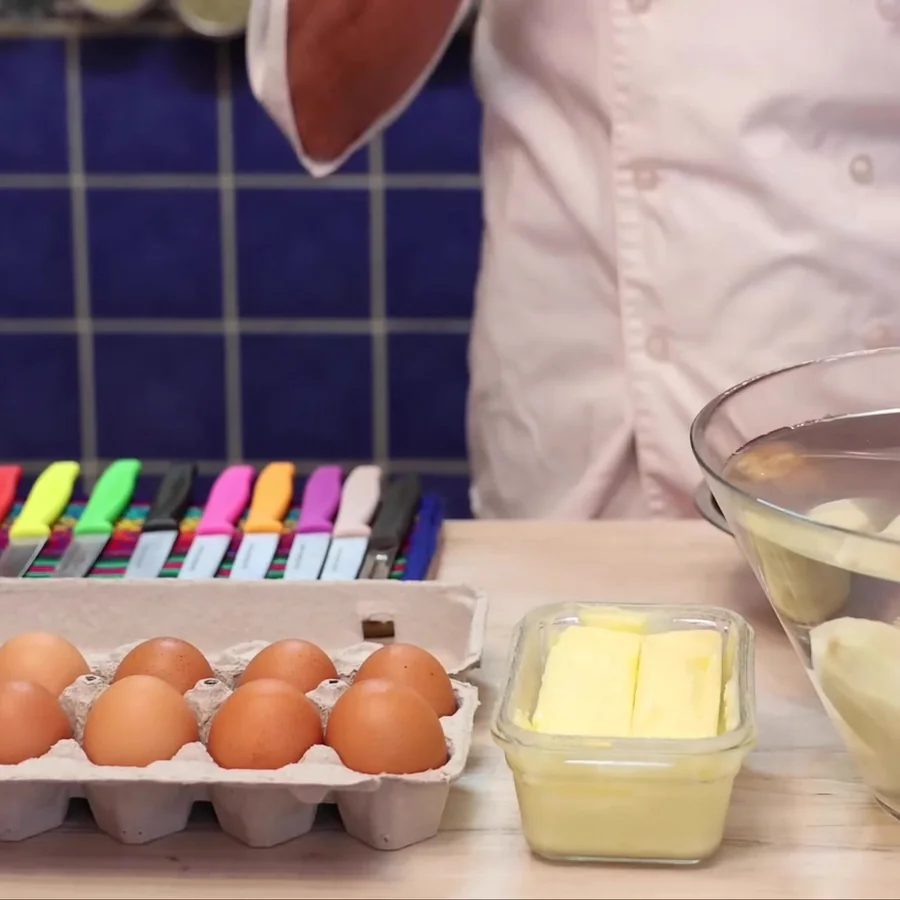
The optional fifth yolk is not automatic. I only add it if the mixture feels too stiff to pipe. If the potatoes are already soft or if they were not dried properly after boiling, adding another yolk can make the mixture too loose.
Step-by-Step Instructions
1. Peel and cut the potatoes
Peel the potatoes and cut them into even chunks. They do not need to be tiny, but they should be similar in size so they cook at the same speed. If some pieces are very large and others are small, the small ones will start to break apart before the large ones are tender.

Place the potatoes in a pot and cover with cold water. Add salt to the water. The potatoes should be seasoned from the inside as they cook, not only at the end.

2. Cook until tender
Bring the pot to a boil, then cook until the potatoes are completely tender. When you press a piece with a fork, it should split without resistance. Do not stop when they are only “almost done.” Undercooked potato pieces will not pass smoothly through the mill, and they can leave little hard bits in the final mixture.

You know they are ready when the surface looks slightly rough and the fork slides through easily.
3. Drain and dry the potatoes
Drain the potatoes well. Then return them to the hot pot for a minute or two over low heat, just to let extra steam escape. Shake the pot gently so the potatoes do not stick.

This small step matters. Too much moisture is the enemy here. If the mash is watery, the rosettes can slump in the oven instead of standing tall.
4. Pass the potatoes through a food mill or ricer
Pass the hot potatoes through a food mill or potato ricer. The texture should look fluffy and dry, almost like soft snow. Avoid mashing aggressively with a blender or processor. That can make the potatoes stretchy.

At this point, it should look smooth but not creamy yet.
5. Add the butter
Add the salted butter while the potatoes are still hot. Mix with a spatula until the butter disappears into the potatoes. The mixture should become smoother and slightly glossy, but still thick.

Taste carefully after the butter is mixed in. Because the butter is salted and the potatoes cooked in salted water, you may not need much more salt. For help understanding seasoning, I like the practical approach in how to season a recipe properly.
6. Cool slightly before adding the yolks
Let the potatoes cool until they are warm but not steaming hot. If you use a thermometer, aim for below 130°F before adding the egg yolks. Without a thermometer, wait until the mixture is warm to the touch but not so hot that you need to pull your hand away from the bowl.
Add 4 egg yolks and mix well. The mixture should turn richer in color and smoother. If it feels very stiff and hard to push through a piping bag, add the optional fifth yolk. If it already feels soft, do not add it.

Add black pepper. Nutmeg is traditional, but I keep it optional because not everyone likes it in potatoes.

7. Pipe the rosettes
Line a baking sheet with parchment paper. Fit a piping bag with a large star tip. Spoon the potato mixture into the bag, twist the top, and pipe small rosettes onto the baking sheet.

The hand that squeezes should do the work. The other hand only guides the tip. Keep the rosettes about the same size so they brown evenly.

If the mixture feels too warm or soft, put the tray in the refrigerator for 15 to 20 minutes before baking. That helps the shapes stay clean.

8. Bake until golden
Bake at 400°F until the ridges are golden and the centers are hot. The timing depends on the size of the rosettes, but 18 to 22 minutes is a good range.

You know they are ready when the edges are lightly browned, the bottoms release cleanly from the parchment, and the rosettes feel set when lifted with a spatula.

What to Serve With Pommes Duchesse
These potatoes are made for saucy mains. They are excellent beside steak with mushroom sauce, especially because the ridges catch the sauce. For a more classic bistro plate, serve them with rib steak and mustard sauce or beef tenderloin medallions.
They also work beautifully with poultry. A plate of French-style chicken supreme with a few golden potato rosettes feels very old-school in the best way. For a holiday table or Sunday dinner, they also pair well with roast duck.

For fish, keep the plate lighter. I like them with sole in lemon butter or salmon with beurre blanc. The potatoes are rich enough to feel satisfying, but they do not fight the fish.
If you are making a sauce from scratch, homemade brown gravy is a good pairing for beef or roast meats. For a broader French cooking base, the guide to French mother sauces is useful when planning a more complete plate.
Make-Ahead Tips
You can pipe the rosettes earlier in the day and refrigerate them uncovered for a short time, or loosely covered once they are cold. Bake them directly from the fridge, adding a few extra minutes if needed.
You can also freeze them after piping. Freeze the tray first, then transfer the frozen rosettes to a freezer bag or container. Bake from frozen at 400°F until hot and golden. They may need a little more time, and the edges may brown before the center is fully hot, so do not make them too large.
For the best texture, I prefer baking them the same day they are made. The shape is cleaner, and the potato tastes fresher.
Substitutions
Potatoes
Russet potatoes are the safest choice. Yukon Gold can work, but the mixture may be slightly softer. Avoid waxy potatoes because they hold more moisture and can make the rosettes heavy.
Butter
Salted butter is used here. If using unsalted butter, add a little more salt to the potato mixture after tasting.
Egg yolks
Use large egg yolks. Do not replace the yolks with whole eggs. Whole eggs add extra moisture from the whites and can make the mixture looser.
Nutmeg
Nutmeg is traditional in French potato dishes, but it is optional. A small pinch is enough. Too much nutmeg takes over quickly.
Piping bag
If you do not have a piping bag, you can use a strong freezer bag with the corner cut off, but you will not get the same ridged shape. They will still taste good, just less decorative.
Nutrition Context
This is a rich potato side, but it is not a cream-based dish. The richness comes from butter and egg yolks instead of milk, cream, or cheese. It is a good example of a classic comfort side where a small portion gives you a lot of satisfaction, especially beside a protein and a vegetable.
For a lighter plate, serve fewer rosettes with fish or chicken and add a simple salad or green vegetable. For a heartier dinner, pair them with beef, duck, or pork and a pan sauce.
FAQ
Why did my pommes duchesse flatten?
The mixture was probably too wet or too warm. Make sure to dry the potatoes after draining, avoid adding milk or cream, and let the mixture cool a little before piping. Chilling the piped rosettes before baking can also help.
Can I make them without a piping bag?
Yes, but they will not have the classic shape. You can spoon small mounds onto the baking sheet and rough up the tops with a fork. The ridges from the fork will still brown nicely.
Can I use leftover mashed potatoes?
Only if they are very thick and do not contain much milk or cream. Most leftover mashed potatoes are too soft for this recipe. If you want to try, add egg yolks carefully and chill the mixture before piping.
Do I need to brush them with egg wash?
No. The egg yolks and butter in the mixture help with browning. If you want extra color, brush very lightly with melted butter, but do not press down or you may damage the shape.
Can I prepare them the day before?
Yes. Pipe them onto a parchment-lined baking sheet, cover lightly, and refrigerate. Bake the next day at 400°F. They may need a few extra minutes because they start cold.
Why are my potatoes gluey?
They were likely overmixed or processed with a blade. Use a food mill, ricer, or gentle masher. Once the butter and yolks are added, mix only until everything comes together.
Suggested Posts
Pommes Sarladaises with duck fat
Steak with flambéed mushroom sauce
Sole meunière with lemon butter

Classic French Pommes Duchesse
Ingredients
- 2 1/4 lb starchy potatoes such as Russet or Yukon Gold
- 6 cups water or enough to cover the potatoes
- 1 tbsp kosher salt for the cooking water
- 4 tbsp salted butter
- 4 large egg yolks
- 1 extra large egg yolk only if needed
- Black pepper to taste
- 1 small pinch nutmeg optional
- 1 tbsp melted butter optional for brushing
Instructions
- Peel the potatoes and cut them into even chunks.
- Place the potatoes in a pot, cover with cold water, and add the salt.
- Bring to a boil and cook for 18 to 22 minutes, or until the potatoes are fully tender.
- Drain well, then return the potatoes to the hot pot for 1 to 2 minutes over low heat to remove excess moisture.
- Pass the potatoes through a food mill or potato ricer into a bowl.
- Add the salted butter while the potatoes are still hot and mix gently until smooth.
- Let the mixture cool until warm but not steaming hot, ideally below 130°F.
- Add 4 egg yolks, black pepper, and optional nutmeg. Mix until smooth. Add the extra yolk only if the mixture is too stiff to pipe.
- Preheat the oven to 400°F. Line a baking sheet with parchment paper.
- Transfer the potato mixture to a piping bag fitted with a large star tip.
- Pipe small rosettes onto the baking sheet. Chill for 15 to 20 minutes if the mixture feels soft.
- Brush very lightly with melted butter if desired.
- Bake for 18 to 22 minutes, until the ridges are golden and the centers are hot.
- Serve hot.
Video
Notes
FAQ
Why did my pommes duchesse flatten?
The mixture was probably too wet or too warm. Make sure to dry the potatoes after draining, avoid adding milk or cream, and let the mixture cool a little before piping. Chilling the piped rosettes before baking can also help.Can I make them without a piping bag?
Yes, but they will not have the classic shape. You can spoon small mounds onto the baking sheet and rough up the tops with a fork. The ridges from the fork will still brown nicely.Can I use leftover mashed potatoes?
Only if they are very thick and do not contain much milk or cream. Most leftover mashed potatoes are too soft for this recipe. If you want to try, add egg yolks carefully and chill the mixture before piping.Do I need to brush them with egg wash?
No. The egg yolks and butter in the mixture help with browning. If you want extra color, brush very lightly with melted butter, but do not press down or you may damage the shape.Can I prepare them the day before?
Yes. Pipe them onto a parchment-lined baking sheet, cover lightly, and refrigerate. Bake the next day at 400°F. They may need a few extra minutes because they start cold.Why are my potatoes gluey?
They were likely overmixed or processed with a blade. Use a food mill, ricer, or gentle masher. Once the butter and yolks are added, mix only until everything comes together.🔗 Useful Links
🛒 Michel Dumas Shop : Explore our kitchen essentials, including aprons and knives.
🌐 Linktree : Access all our important links in one place.
📱 YouTube | Instagram | Facebook | TikTok : Follow us for the latest recipes and culinary tips.