Homemade Mashed Potatoes – Simple and Creamy Recipe
Learning how to prepare homemade mashed potatoes that are perfectly smooth and delicious is not just about following a recipe; it’s about mastering technique. While the ingredients are simple — potatoes, salted butter, nutmeg, and milk — the secret lies in every step, from selecting the right potatoes to the final forkful. Today, I’ll walk you through everything you need to know to make easy and creamy mashed potatoes. Ready? Let’s get started!
Ingredients for Homemade Mashed Potatoes:
- 1 kg of yellow-flesh potatoes
- 80 g of salted butter
- 150 ml of milk
- Nutmeg, to taste
- 20 g of salt for the cooking water (10g/L for 2 liters of water)
Steps to Prepare the Mashed Potatoes:
Mashed potatoes make the perfect side dish to accompany dishes like creamy mustard chicken. Here’s how to make them:
- Peel and Cut the Potatoes: Peel and cut the potatoes into even-sized chunks to ensure uniform cooking.
- Cook in Salted Water: Place the potatoes in 2 liters of cold water with 20 g of salt. Bring to a boil and cook for about 20-28 minutes, depending on the size of the chunks.
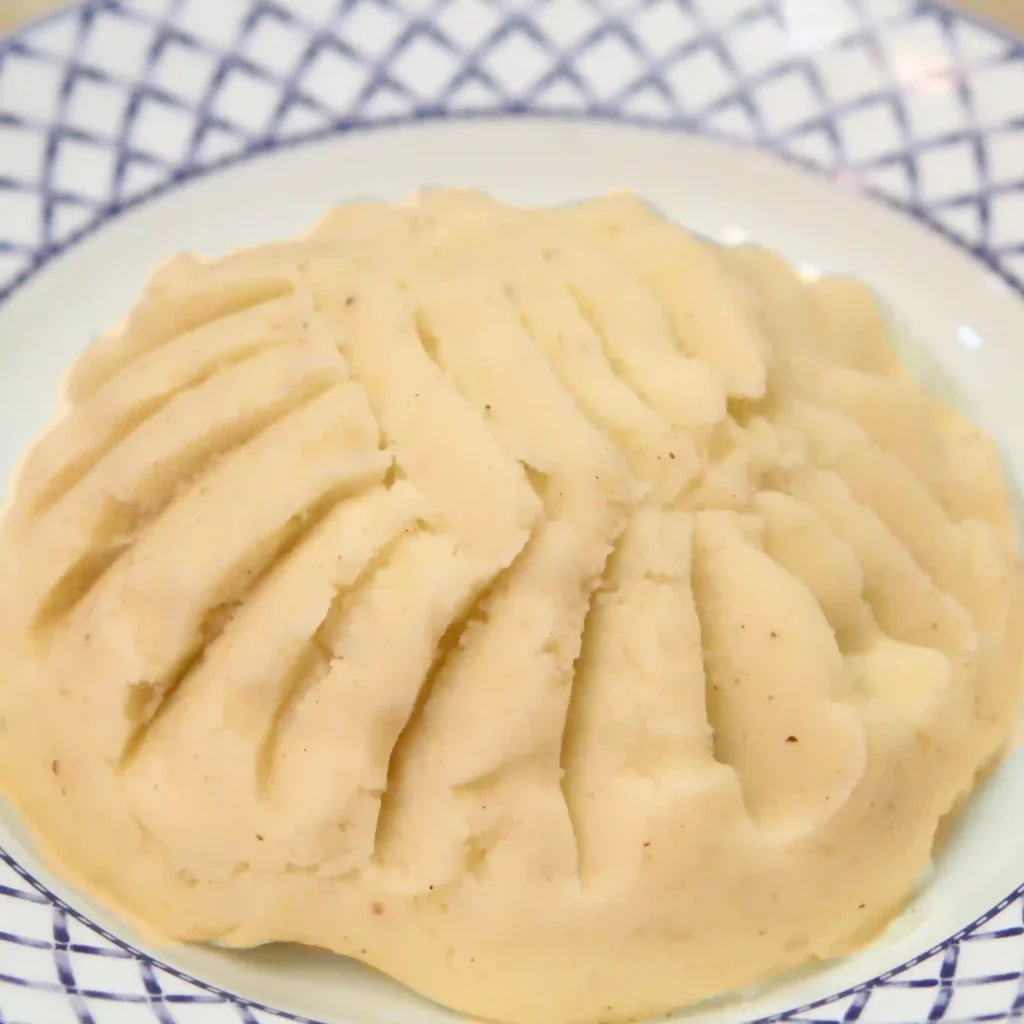
- Mash with Butter and Milk: Once the potatoes are tender, drain them and let the steam escape. Mash the potatoes and then stir in the butter, a pinch of freshly grated nutmeg, and warm milk until you achieve a smooth yet fluffy texture. Season with salt and pepper to taste.
- Keep Warm: Cover the pot to keep the mashed potatoes warm until ready to serve.
Choosing the Right Potatoes:
Not all potatoes are the same when it comes to making mashed potatoes. Varieties like Ratte are ideal because they’re high in starch, which helps create a light and creamy texture. If you can’t find Ratte, opt for other waxy potatoes rather than starchy ones, which can make the mashed potatoes too fluffy.
Preparing the Potatoes:
How to Peel Potatoes:
To start, grab a vegetable peeler and peel your potatoes carefully. An effective method is to hold the potato in your palm and start peeling from the center, working your way to the ends. Then rinse the potatoes under cold water to remove any dirt. Make sure to immerse the peeled potatoes in water immediately to prevent them from browning.
Cutting the Potatoes into Even Pieces:
Cut your potatoes into large, even-sized chunks. This will limit water absorption during cooking and ensure an even texture in your mashed potatoes. Uniform pieces also guarantee even cooking.
Cooking the Potatoes:
Correct Amount of Water and Salt:
For perfect mashed potatoes, use about 2 liters of water per kilogram of potatoes. When it comes to salt, use 10 grams per liter of water. Since you’ll be adding salted butter later, it’s best not to over-salt at this stage.
Start with Cold Water:
One key detail is to always start cooking potatoes in cold water. This allows heat to gradually reach the center of each chunk, preventing overcooked outsides and undercooked insides. Gradual temperature rise is crucial to avoid a rubbery mashed potato texture.
Cooking Time and Checking for Doneness:
Let the potatoes boil for 20 to 27 minutes, depending on the size of the pieces. The potatoes should be tender but not falling apart. You can check by inserting a knife into the potato – it should slide through easily.
Drain and Let Rest:
Once the potatoes are cooked, drain them immediately. Let them rest for a few minutes to allow the steam to escape, as this reduces excess moisture and ensures a light texture in the mashed potatoes.
The Secret to Mashing the Potatoes:
Now comes the important part: mashing the potatoes. For the best results, use a manual potato masher or a food mill. Avoid using a blender or food processor, as they can release too much starch, making the mashed potatoes sticky and gummy.
Adding Butter and Seasonings:
Incorporating Salted Butter:
Salted butter is what gives mashed potatoes richness and flavor. Add it directly to the hot potatoes so it melts evenly. Stir gently with a spatula to preserve the fluffy texture of the mashed potatoes.
Season with White Pepper and Nutmeg:
White pepper is a great choice because it doesn’t alter the visual appeal of the mashed potatoes while providing subtle flavor. Grate a small amount of freshly ground nutmeg for a bit of aromatic warmth. Be cautious with nutmeg; too much can overpower the other flavors.
The Milk: The Key Ingredient
Add warm milk gradually to reach your desired consistency. Why warm milk? Cold milk could cool down the potatoes, making them harder to mash. By adding milk slowly, you can create a mashed potato texture that’s neither too stiff nor too runny.
Related Recipes You Might Enjoy
To diversify your side dishes, explore these delightful options:
- Creamy Mustard Chicken with Mushrooms
A comforting dish combining tender chicken with a creamy mustard and mushroom sauce. - Mac & Cheese with Three Cheeses
A gourmet take on the classic macaroni and cheese, enriched with three melting cheeses. - Homemade Caesar Salad
A fresh and crunchy salad, perfect to accompany your main courses.
Tips and Substitutions:
- Vegan Butter: For a dairy-free version, swap out the butter for a high-quality vegan alternative.
- Plant-Based Milk: You can try almond milk or oat milk for a lighter, dairy-free option.
- Feeling Adventurous? Add roasted garlic, freshly grated Parmesan cheese, or a drizzle of truffle oil for an extra flavor boost.
What to Serve with Mashed Potatoes:
Mashed potatoes are a versatile and delicious side dish that can complement many different meals. Here are some great pairing ideas:
- Crispy roasted chicken.
- Beef bourguignon.
- Grilled white fish or fish in sauce.
- Roasted vegetables for a festive vegetarian option.
Suggested Recipes
Looking for more delicious dishes? Here are some suggestions:
- Easy and Quick Pancake Recipe
Light and tasty pancakes, ideal for breakfast or a snack. - Moist Apple Cake
A moist and flavorful cake, perfect for dessert or tea time. - Ultra-Rich Chocolate Mousse
A creamy and intense chocolate mousse, a true delight for chocolate lovers.
What to Do with Leftovers?
If you have any leftovers, store them in an airtight container in the fridge for up to 2-3 days. When reheating, add a little warm milk or a pat of butter to restore the creamy texture.
You’re now ready to impress your guests with mashed potatoes worthy of a chef. This easy mashed potato recipe relies on simple ingredients, but it’s the careful technique that makes all the difference. With these steps, making a smooth, light, and delicious mashed potato will be a piece of cake. So, why not try it tonight? Bon appétit!
Useful Links
- 🛒 Michel Dumas Shop : Explore our kitchen essentials, including aprons and knives.
- 🌐 Linktree : Access all our important links in one place.
- 📱 YouTube | Instagram | Facebook | TikTok : Follow us for the latest recipes and culinary tips.
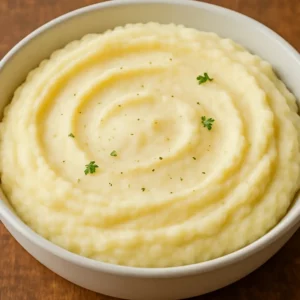
Homemade Mashed Potatoes: A Perfectly Smooth and Creamy Recipe
Ingredients
- 1 kg of yellow-flesh potatoes
- 80 g of salted butter
- 150 ml of milk
- Nutmeg to taste
- 20 g of salt for the cooking water 10g/L for 2 liters of water
Instructions
- Peel and Cut the Potatoes: Peel and cut the potatoes into even-sized chunks to ensure uniform cooking.
- Cook in Salted Water: Place the potatoes in 2 liters of cold water with 20 g of salt. Bring to a boil and cook for about 20-28 minutes, depending on the size of the chunks.
- Mash with Butter and Milk: Once the potatoes are tender, drain them and let the steam escape. Mash the potatoes and then stir in the butter, a pinch of freshly grated nutmeg, and warm milk until you achieve a smooth yet fluffy texture. Season with salt and pepper to taste.
- Keep Warm: Cover the pot to keep the mashed potatoes warm until ready to serve.
Video
Notes
Tips and Substitutions:
- Vegan Butter: For a dairy-free version, swap out the butter for a high-quality vegan alternative.
- Plant-Based Milk: You can try almond milk or oat milk for a lighter, dairy-free option.
- Feeling Adventurous? Add roasted garlic, freshly grated Parmesan cheese, or a drizzle of truffle oil for an extra flavor boost.
What to Serve with Mashed Potatoes:
Mashed potatoes are a versatile and delicious side dish that can complement many different meals. Here are some great pairing ideas:- Crispy roasted chicken.
- Beef bourguignon.
- Grilled white fish or fish in sauce.
- Roasted vegetables for a festive vegetarian option.