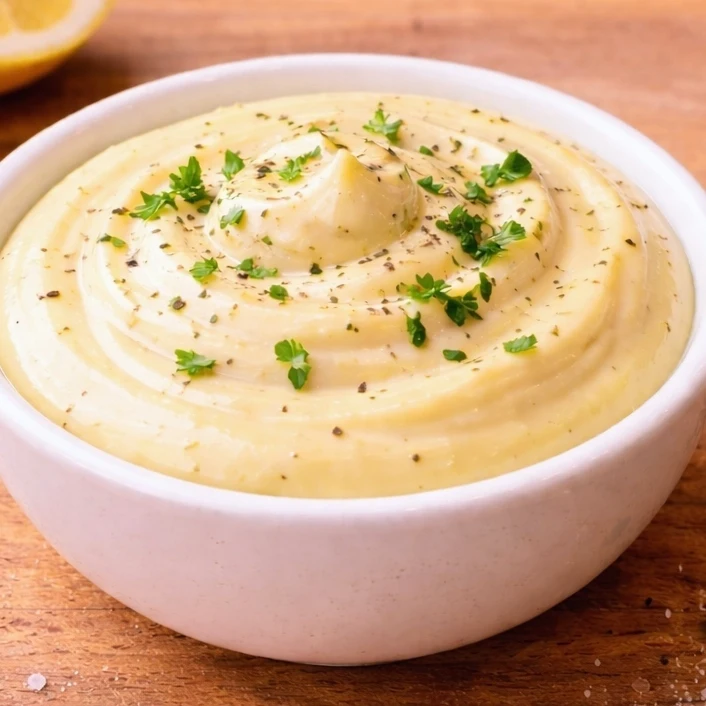
French Gratin Dauphinois with Cream and Three Cheeses
A good gratin dauphinois is one of those dishes that looks simple on paper but depends almost entirely on technique. Thin slices of potato, cream infused with aromatics, gentle heat, and enough patience to let everything soften properly. This version is based on my YouTube video, with a few adjustments since publication so the recipe is easier to reproduce at home and more consistent from one kitchen to the next.

This is a rich French potato gratin made with thinly sliced potatoes cooked first in seasoned cream, then baked until tender and finished with a light golden topping. It is different from quicker casserole-style potato bakes because the potatoes are simmered first, which gives a softer, creamier texture and helps the gratin hold together beautifully. It works just as well for a Sunday roast, a holiday table, or a colder weeknight when you want something deeply comforting.
I make it this way because potatoes absorb liquid unpredictably depending on the variety, the season, and even how long they have been stored. Pre-cooking them in the cream gives you more control, better seasoning, and a final texture that is much harder to ruin.
What makes this version different
A classic dauphinois is often made without cheese. In my version from the video, I finish it with a modest layer of three cheeses for a more generous New France style result. It still keeps the heart of the dish intact, but it gives the top a deeper color and a more pronounced gratin finish.
It is also not the same type of potato dish as buttery Parisian potatoes,French sautéed potatoes, or even a more rustic homemade mashed potatoes. This one is softer, creamier, and meant to be served with a spoon rather than tossed or fried.
Ingredients you need
The ingredient list is short, but each one matters.
- Yukon Gold or another all-purpose yellow potato works best
- Cream gives body and richness
- Garlic, bay leaf, thyme, nutmeg, salt, and pepper build the base flavor
- A small finishing blend of Comté, Emmental, and Gruyère adds color and depth
- If you enjoy potato gratins and other French comfort dishes, this sits in the same family as a cauliflower and potato gratin, a more traditional classic French potato gratin, or even a hearty classic hachis parmentier, but the texture here is more delicate and cream-forward.
Best potatoes for gratin dauphinois
This matters more than many people think. You want potatoes that soften well and release enough starch to lightly thicken the cream without completely falling apart. Yukon Gold is a strong choice in Canada and the USA because it gives a creamy texture and a good balance between structure and tenderness.
Avoid very waxy potatoes if you want that classic silky interior. Very starchy russets can work, but they can also absorb too much cream and break down faster if sliced too thin.
Step-by-step instructions
1. Prep the potatoes
Peel the potatoes and keep them in cold water while you work so they do not darken. Once you are ready to slice, dry them and cut them into very thin rounds, about 1/16 inch thick. A mandoline is the easiest way to keep the slices even.
Do not rinse the slices after cutting. That starch helps the cream thicken naturally.

2. Infuse the cream
In a saucepan, combine the cream with thyme, bay leaf, freshly grated nutmeg, salt, pepper, and lightly crushed garlic. Bring it to a very gentle simmer and let it reduce slightly for a few minutes.

This step gives the gratin more character than simply pouring plain cream over potatoes. It is a small detail, but it makes the final result feel much more complete.
If you enjoy recipes where the sauce or dairy base carries a lot of the flavor, the same principle shows up in dishes like foolproof béchamel sauce or a rich homemade hollandaise sauce, where proper seasoning early on changes everything.
3. Strain and cook the potatoes in the cream
Strain the cream to remove the thyme, bay, and garlic solids. Add the sliced potatoes to the warm cream and bring everything to a very gentle boil. Stir carefully so you do not break the slices.
Cook for a few minutes until the starch begins to slightly thicken the cream. You are not trying to fully cook the potatoes here. You are starting the process and building the texture.

4. Prepare the baking dish
Rub the inside of your gratin dish or baking dish with a cut garlic clove. This is classic, simple, and worthwhile. It gives a subtle background flavor that suits potatoes and cream beautifully.
Arrange the potatoes in the dish in shallow layers. Do not make the gratin too thick. Three or four layers is usually enough for the best texture. If the dish is too deep, the potatoes can turn heavy instead of elegant.
5. Bake gently
Cover the dish with foil and bake until the potatoes are fully tender. In the video, I use a gentle oven and a bain-marie. At home, you can still use a water bath if you want the gentlest possible result, but a covered bake works well for most kitchens as long as your heat is not too aggressive.
The goal is a creamy interior, not a dry casserole.

6. Adjust if needed
Once the potatoes are cooked, check the texture. If the gratin looks a little tight or dry, add a small splash of warm cream over the top. Potatoes can vary a lot, so this is a practical adjustment, not a mistake.

7. Add the cheese and finish the gratin
Top with the Comté, Emmental, and Gruyère mixture. Return the dish to the oven uncovered until the top is lightly browned and the edges are bubbling.
You do not need a thick layer. This is not meant to become a heavy cheese bake. The idea is to finish the surface, not bury the potatoes.

8. Rest before serving
Let the gratin rest for 10 to 15 minutes before serving. This makes a real difference. The cream settles, the layers hold better, and the texture becomes smoother.

What to serve with it
This dish is rich, so it pairs best with proteins or vegetables that bring contrast. It is especially good next to roast meats and simple salads.
For a full meal, serve it with something like duck confit,coq au vin, or traditional blanquette de veau. If you want something fresher on the side, a crisp grated carrot salad with mustard vinaigrette or a simple homemade Greek salad cuts through the richness very well.
For holiday or Sunday cooking, you can also think of it the same way you would serve Belgian-style fries or a homemade poutine, except this version is softer, creamier, and more elegant on the plate.
Substitutions
Can you use milk instead of cream?
You can replace part of the cream with whole milk, but I would not replace it all. The gratin needs enough fat to stay smooth and not turn watery.
Can you skip the cheese?
Yes. If you want something closer to a classic French version, leave out the cheese and simply brown the top lightly at the end.
Can you use a different cheese?
Yes, but keep it restrained. Gruyère alone works well. Comté is excellent. Emmental helps with melt and color. Strong cheeses can overpower the potatoes.
Can you add onion?
You can, but then you move away from the clean profile of dauphinois. If you want onion in a potato bake, it becomes a different style of gratin.
Can you make it ahead?
Yes. Bake it until tender, cool it, refrigerate it, and finish the browning step before serving. Add a splash of cream before reheating if needed.

FAQ
Is gratin dauphinois supposed to have cheese?
Traditionally, not always. Many classic versions are made without cheese. This version includes a light cheese topping because that is how I finish it in the video.
Why should you not rinse the sliced potatoes?
Because the starch helps thicken the cream and gives the gratin its silky texture.
Why cook the potatoes in the cream before baking?
It gives you more even cooking and lowers the chance of ending up with undercooked potatoes in the center.
Can I use russet potatoes?
Yes, but watch the liquid carefully. Russets can absorb more cream and become softer faster.
How do I know when it is done?
A knife should slide easily through the center, and the cream should look thick and lightly bound, not thin and watery.
Suggested posts
If you want to keep exploring French comfort food and potato dishes, continue with a classic French potato gratin,buttery Parisian potatoes,French sautéed potatoes,a creamy cauliflower and potato gratin,classic hachis parmentier,potage Parmentier soup,duck confit,coq au vin,traditional blanquette de veau, and homemade Greek salad.

French Gratin Dauphinois with Cream and Three Cheeses
Ingredients
- 1 1/2 lb Yukon Gold potatoes peeled
- 2 cups heavy cream
- 2 garlic cloves
- 2 bay leaves
- 2 sprigs thyme
- 1/4 tsp ground nutmeg
- 1 1/4 tsp salt plus more as needed
- 1/2 tsp black pepper
- 1 cup shredded cheese blend of Comté Emmental, and Gruyère
- 1 tbsp chopped parsley for garnish
- 2 to 4 tbsp extra cream if needed after baking
Instructions
- Preheat the oven to 325°F.
- Slice the potatoes very thinly, about 1/16 inch thick. Do not rinse them after slicing.
- In a saucepan, combine the cream, 1 crushed garlic clove, bay leaves, thyme, nutmeg, salt, and pepper. Simmer gently for 5 minutes, then strain.
- Add the sliced potatoes to the cream and bring to a gentle simmer. Cook 4 to 5 minutes, stirring carefully, until the cream begins to thicken slightly.
- Rub a baking dish with the remaining garlic clove. Layer the potatoes and cream into the dish in 3 or 4 shallow layers.
- Cover with foil and bake for 45 minutes, or until the potatoes are tender.
- If the gratin looks dry, add 2 to 4 tablespoons of cream over the top.
- Sprinkle with the cheese blend and return to the oven uncovered for 15 minutes, or until golden and bubbling.
- Rest for 10 to 15 minutes, garnish with parsley, and serve.
Notes
FAQ
Is gratin dauphinois supposed to have cheese?
Traditionally, not always. Many classic versions are made without cheese. This version includes a light cheese topping because that is how I finish it in the video.Why should you not rinse the sliced potatoes?
Because the starch helps thicken the cream and gives the gratin its silky texture.Why cook the potatoes in the cream before baking?
It gives you more even cooking and lowers the chance of ending up with undercooked potatoes in the center.Can I use russet potatoes?
Yes, but watch the liquid carefully. Russets can absorb more cream and become softer faster.How do I know when it is done?
A knife should slide easily through the center, and the cream should look thick and lightly bound, not thin and watery.🔗 Useful Links
🛒 Michel Dumas Shop : Explore our kitchen essentials, including aprons and knives.
🌐 Linktree : Access all our important links in one place.
📱 YouTube | Instagram | Facebook | TikTok : Follow us for the latest recipes and culinary tips.