How to Season a Recipe Properly: Salt, Timing, and Flavor Balance for Better Home Cooking
Seasoning a recipe properly means adding salt, pepper, herbs, spices, acidity, and aromatics in a way that brings out the natural flavor of the food without making it taste too salty or unbalanced. It is one of the most important skills in home cooking because even a simple recipe can taste flat if it is under-seasoned, while a good recipe can be ruined if the seasoning is added carelessly.

Good seasoning is not just about adding more salt at the end. It is about knowing when to season, how much to add, how ingredients change during cooking, and how to adjust a dish before serving.
Why This Guide Matters
A recipe can have good ingredients, the right cooking time, and a beautiful presentation, but if the seasoning is off, the whole dish can feel disappointing. Chicken can taste bland. Pasta sauce can feel dull. Soup can taste watery. Potatoes can feel heavy. A creamy sauce can taste rich but flat.
I prefer to think of seasoning as a series of small adjustments instead of one big step. In practice, the result depends on the ingredient, the cooking method, the amount of liquid, the sauce, and how much the dish reduces while cooking.
For example, a skillet chicken dish needs seasoning on the meat before cooking, then a careful adjustment of the sauce at the end. Pasta needs salt in the cooking water and proper finishing in the sauce. A tomato sauce needs time, salt, acidity, and sometimes a little fat to taste balanced. A creamy sauce needs salt, pepper, and often a small amount of acidity to avoid tasting heavy.
This is why learning how to season properly helps almost every recipe on the site, from easy chicken dinners to pasta recipes and homemade sauces and condiments.
Quick Answer
To season a recipe properly, season in layers:
- Season the main ingredient before cooking.
- Add a small amount of salt while cooking aromatics like onions, garlic, or vegetables.
- Taste sauces, soups, and stews as they cook.
- Adjust carefully at the end after the recipe has reduced.
- Use acidity, herbs, pepper, or fat when salt alone is not enough.
- Taste before serving and correct only a little at a time.
The biggest mistake is waiting until the very end and adding a large amount of salt all at once. Season gradually, taste often, and remember that liquid recipes become saltier as they reduce.
What Does “Season to Taste” Really Mean?
“Season to taste” means the final amount of seasoning depends on your ingredients and your preference. It does not mean guessing. It means tasting the food, deciding what is missing, then adjusting carefully.
A recipe cannot always give a perfect salt amount because ingredients vary. Store-bought broth can be very salty or almost unsalted. Parmesan can be mild or very salty. Tomatoes can be sweet or acidic. Bacon, ham, soy sauce, mustard, capers, olives, cheese, and prepared condiments can all bring salt into a dish.
That is why “season to taste” is important. The recipe gives you the structure, but your final adjustment makes the dish balanced.
For home cooking, the easiest method is simple:
- Taste the dish.
- Ask what is missing.
- Add a small amount of seasoning.
- Stir or simmer briefly.
- Taste again.
This matters especially in sauce-based recipes like spaghetti al pomodoro, where salt, acidity, tomato concentration, and pasta water all work together.
Salt Is Not the Only Seasoning
Salt is the main seasoning because it brings out flavor. But it is not the only tool.
A dish can taste flat even if it has enough salt. In that case, it might need acidity, pepper, herbs, spices, fat, or more cooking time.
Think of seasoning in five parts:
| Seasoning Element | What It Does | Examples |
| Salt | Brings out flavor and reduces blandness | Kosher salt, sea salt, salted broth, cheese |
| Acidity | Brightens rich or heavy dishes | Lemon juice, vinegar, tomato, mustard |
| Heat and spice | Adds warmth or intensity | Black pepper, chili flakes, paprika, curry spices |
| Aromatics | Build the base flavor | Onion, garlic, shallot, celery, herbs |
| Fat | Carries flavor and softens sharpness | Butter, cream, olive oil, cheese |
If a soup tastes watery, it may need salt. If a cream sauce tastes heavy, it may need acidity. If a tomato sauce tastes sharp, it may need more cooking time and a little fat. If a chicken dish tastes one-dimensional, it may need herbs, pepper, or a better sauce.
A recipe like creamy pepper chicken depends on this balance: seasoning the chicken, building flavor in the pan, reducing the sauce, then correcting the final taste before serving.
When to Season During Cooking
The timing of seasoning changes the result. Salt added before cooking behaves differently from salt added at the end.
Season Before Cooking
Seasoning before cooking helps the food taste better inside and out. This is especially useful for chicken, beef, pork, fish, potatoes, and vegetables.
For chicken, season the surface before cooking so the meat does not rely only on the sauce. This matters in simple skillet dishes, baked chicken, and saucy recipes like honey garlic chicken.
For potatoes, seasoning before roasting helps flavor the outside. If you only salt potatoes after cooking, the inside can still taste bland.
For vegetables, a small amount of salt before roasting helps draw out moisture and improve flavor, but too much salt can make them watery or overly salty.
Season While Cooking
Seasoning while cooking builds layers. This is useful when sautéing onions, garlic, peppers, mushrooms, or other aromatics.
A small pinch of salt helps vegetables release moisture and soften. It also helps build flavor before adding the main liquid or sauce.
This is important in one-pan meals, pasta sauces, soups, and casseroles. In a dish like meat cannelloni with homemade tomato sauce, the filling and the sauce both need their own seasoning. If only the top sauce is seasoned, the dish can taste uneven.
Season at the End
The final adjustment is where the dish becomes balanced. This is when you taste after reduction, after adding cheese, after adding cream, or after the sauce has thickened.
Do not season heavily before a sauce reduces. As water evaporates, salt becomes more concentrated. A sauce that tastes perfect at the beginning can taste too salty after simmering.
This is especially important in creamy pasta, tomato sauce, stews, and pan sauces. For example, creamy tomato pasta needs final tasting because tomato paste, cream, pasta water, and cheese all affect the seasoning.
How Much Salt Should You Add?
There is no single perfect amount for every recipe. The right amount depends on the food, the cooking method, and the ingredients.
A practical rule is to start smaller than you think, then adjust. You can always add more salt. It is much harder to remove it.
For home cooking, I like this approach:
- For meat: season the surface evenly before cooking.
- For vegetables: add a small pinch before roasting or sautéing.
- For sauces: season lightly early, then adjust at the end.
- For soups and stews: season gradually, especially if using broth.
- For pasta water: salt the water so the pasta is seasoned from the inside.
- For finished dishes: taste before serving and add small adjustments.
The mistake to avoid is sprinkling salt randomly from high above the pan without tasting. Use a controlled pinch, stir well, let it dissolve, then taste again.
Practical Seasoning Chart
| Dish Type | When to Season | What to Watch For | Final Adjustment |
| Chicken | Before cooking and again in the sauce | Sauce may reduce and become saltier | Taste sauce before serving |
| Pasta | Salt pasta water, then finish in sauce | Cheese and pasta water add salt | Add salt only after tasting |
| Tomato sauce | Lightly early, then after simmering | Acidity can hide salt at first | Balance with salt, fat, and cooking time |
| Cream sauce | After aromatics, then at the end | Cream can taste flat without acidity | Add salt, pepper, and a small bright note |
| Soup | Gradually during cooking | Broth may already be salty | Adjust after simmering |
| Roasted vegetables | Before roasting | Salt draws out moisture | Add herbs or acidity after roasting |
| Potatoes | Before cooking and after if needed | Potatoes absorb seasoning slowly | Add salt while hot |
| Casseroles | Season each component | Cheese, bacon, and sauces add salt | Taste fillings before baking when possible |
How to Tell If a Dish Needs Salt, Acid, or More Cooking
When food tastes “missing something,” salt is often the first thought. But salt is not always the answer.
If the dish tastes bland
It probably needs salt. Add a small pinch, stir well, and taste again.
If the dish tastes heavy
It may need acidity. Lemon juice, vinegar, tomato, or mustard can brighten a rich dish.
If the dish tastes sharp
It may need more cooking time, a little fat, or a touch of sweetness depending on the recipe. Tomato sauces often mellow with simmering.
If the dish tastes watery
It may need reduction, not just salt. Simmering concentrates flavor.
If the dish tastes salty but still flat
It may need acidity, herbs, or fat. Adding more salt will not fix it.
If the dish tastes rich but boring
It may need pepper, fresh herbs, garlic, shallot, or a small acidic finish.
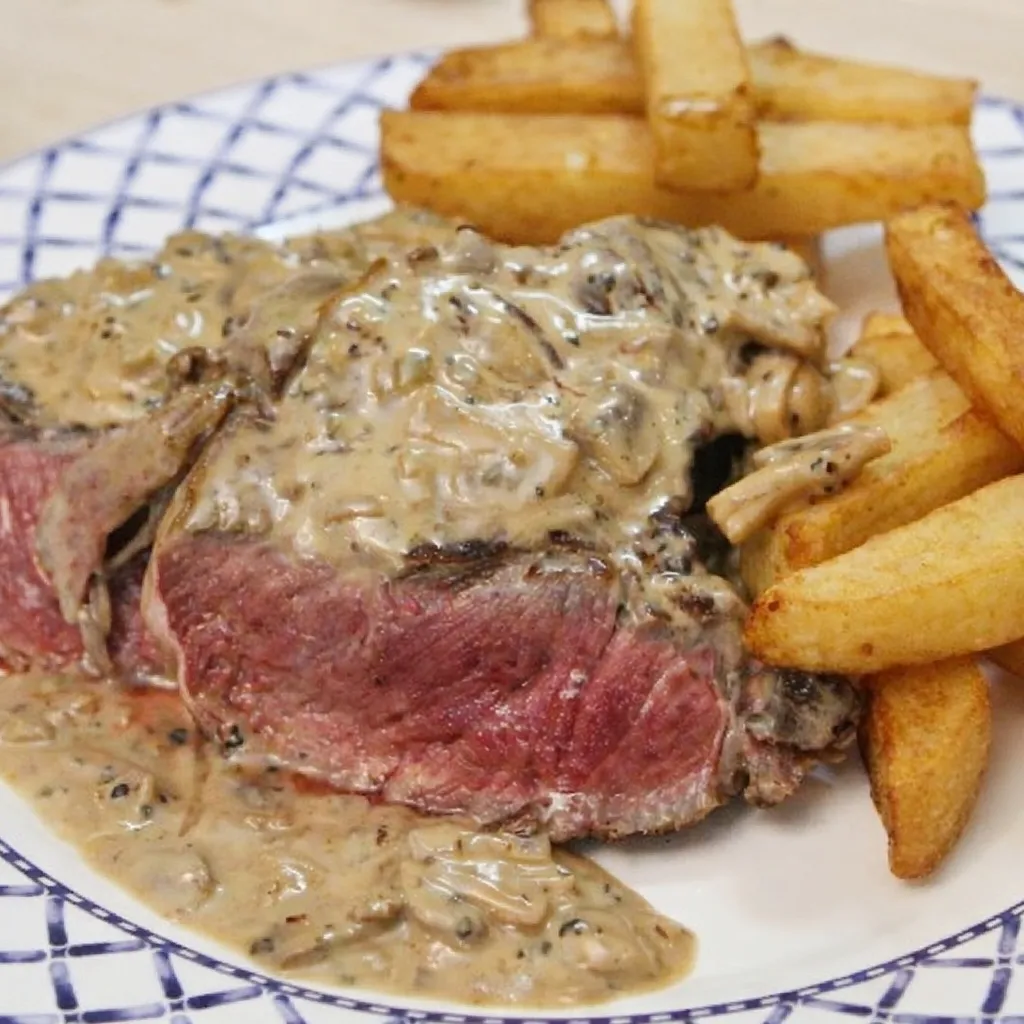
This is common in creamy chicken and pasta dishes. A good example is chicken supreme with mushroom cream sauce, where the cream sauce needs enough seasoning to support the chicken without becoming too salty or too heavy.
Seasoning Pasta Properly
Pasta is one of the clearest examples of why seasoning timing matters.
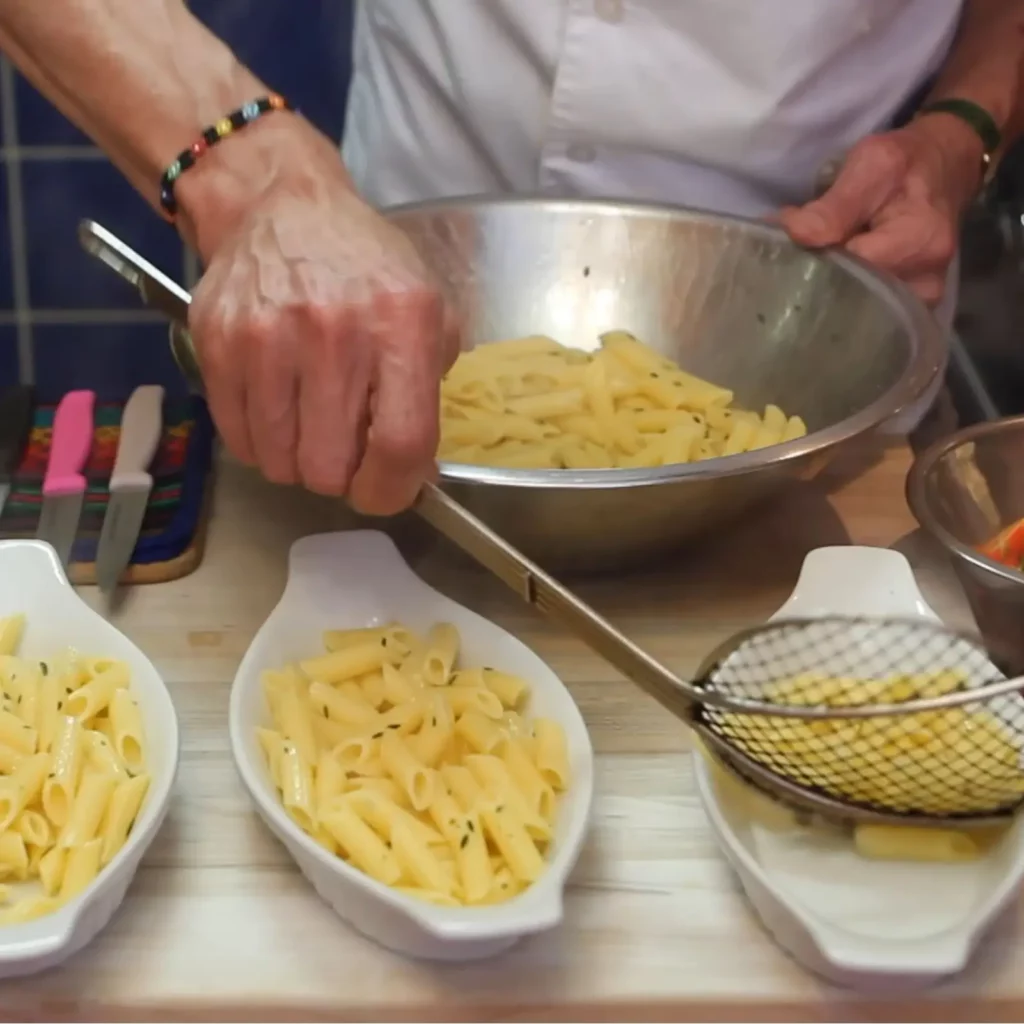
If the pasta water has no salt, the pasta itself tastes plain. Even if the sauce is good, the finished dish can feel weaker. Salted pasta water seasons the pasta from the inside while it cooks.
After draining, the pasta should finish in the sauce when possible. This allows the sauce to coat the pasta and the seasoning to come together.
In practice:
- Salt the pasta water.
- Cook the pasta until just tender.
- Save some pasta water.
- Finish the pasta in the sauce.
- Taste before adding more salt.
- Add cheese after checking the seasoning, not before.
This is especially useful for quick pasta recipes like 30-minute pasta dinners and weeknight pasta dinners.
Seasoning Chicken Properly
Chicken needs seasoning before cooking because the meat itself is mild. If the chicken is not seasoned, the sauce has to do all the work.
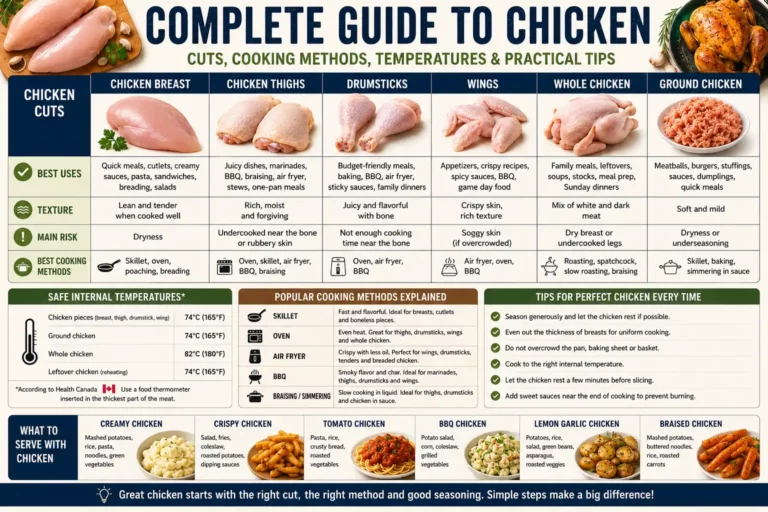
For chicken breasts, thighs, drumsticks, and cutlets, season the surface before cooking. If the pieces are thick, season a little earlier so the salt has time to settle into the surface. For quick skillet recipes, even 10 to 15 minutes can help.
For saucy chicken recipes, season in layers:
- Season the chicken.
- Sear or cook it properly.
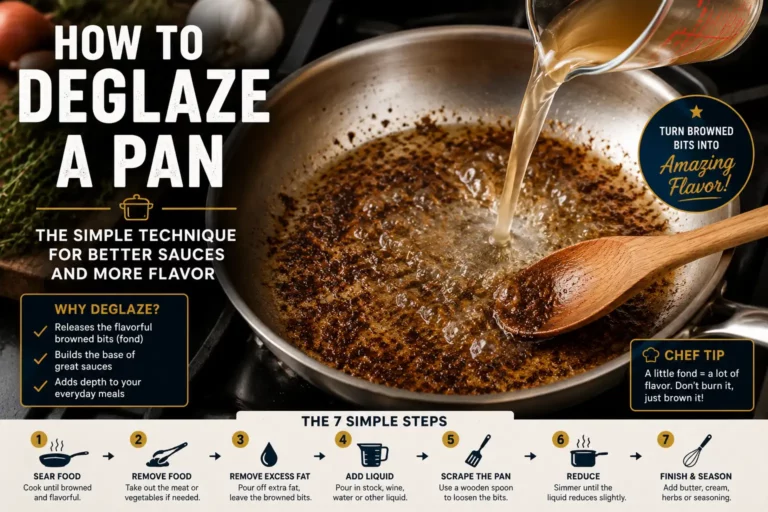
- Build the sauce in the same pan if possible.
- Taste the sauce after reducing.
- Return the chicken to the sauce and taste again.
This style works well in recipes like spicy Indian-style chicken with bell peppers where the seasoning comes from the chicken, vegetables, spices, and sauce together.
Seasoning Tomato Sauce Properly
Tomato sauce is not only about salt. It needs balance.
Tomatoes can be sweet, acidic, watery, or concentrated depending on the variety and season. Tomato paste adds depth but can taste harsh if it is not cooked. Fresh tomatoes can need time to reduce. Canned tomatoes can vary a lot in salt and acidity.
For tomato sauce:
- Season onions and garlic lightly while cooking.
- Add tomatoes and simmer before making final adjustments.
- Taste after the sauce thickens.
- Add salt gradually.
- Use herbs for aroma.
- Use a little fat to soften sharpness.
- Add a tiny amount of sugar only if the tomatoes are very acidic and the recipe needs it.
A simple sauce like homemade tomato sauce with fresh tomatoes shows how tomatoes, garlic, onion, herbs, salt, and cooking time all work together.
Common Mistakes to Avoid
Adding all the salt at the end
This makes the surface taste salty while the inside of the food stays bland. Season in layers instead.
Not tasting before serving
A recipe is not finished until it is tasted. Even if you followed the instructions, ingredients vary.
Forgetting that sauce reduces
Reduction concentrates salt. Be careful with broth, cheese, bacon, soy sauce, and other salty ingredients.
Using salt when the dish needs acid
If a creamy sauce tastes heavy, salt may not fix it. A small amount of lemon, vinegar, mustard, or tomato can make the flavor brighter.
Seasoning only the sauce, not the main ingredient
Chicken, beef, vegetables, potatoes, and pasta should not rely only on sauce for flavor.
Adding salty cheese before tasting
Parmesan, feta, cheddar, and other cheeses can change the salt level quickly. Taste before adding more salt.
Not adjusting after adding cream
Cream softens flavor. A sauce may need more salt, pepper, herbs, or acidity after cream is added.

Best Seasoning Tools to Keep in the Kitchen
You do not need a complicated pantry to season food well. A small set of reliable ingredients is enough.
| Ingredient | Best Use |
| Kosher salt or sea salt | Everyday seasoning |
| Fine salt | Baking or precise seasoning |
| Black pepper | Meat, sauces, soups, pasta |
| Lemon juice | Brightening rich dishes |
| Vinegar | Balancing sauces, salads, stews |
| Dijon mustard | Cream sauces, vinaigrettes, chicken |
| Fresh herbs | Finishing sauces, vegetables, pasta |
| Dried herbs | Slow-cooked sauces and soups |
| Garlic and onion | Base flavor |
| Butter or olive oil | Rounding out flavor |
For more sauce and condiment ideas, explore homemade sauces and condiments, which naturally connect to seasoning, balance, and finishing dishes.
How to Fix an Over-Salted Dish
An over-salted dish is frustrating, but it can sometimes be improved. The fix depends on the recipe.
| Over-Salted Dish | What to Try |
| Soup or stew | Add unsalted liquid, potatoes, pasta, rice, or more vegetables |
| Sauce | Add cream, unsalted stock, tomato, or more base ingredients |
| Pasta | Add unsalted pasta, cream, tomato sauce, or reserved unsalted ingredients |
| Chicken dish | Add more sauce, vegetables, rice, or potatoes |
| Vegetables | Add unsalted vegetables or finish with acidity and fat |
| Casserole | Add an unsalted component before baking if possible |
Be careful with the old idea that a potato magically removes all the salt. Potatoes can absorb some salty liquid, but they do not fully fix a heavily over-salted dish. The better solution is dilution, balance, and adding unsalted ingredients.
How to Fix an Under-Seasoned Dish
An under-seasoned dish is easier to fix.
Start with salt, but do it gradually. Add a pinch, stir, wait a moment, and taste again.
If it is still flat, ask what kind of flatness you taste:
- Bland and watery: reduce or add salt.
- Rich and heavy: add acidity.
- Dull and sweet: add salt or acid.
- Sharp and acidic: simmer longer or add fat.
- One-dimensional: add herbs, pepper, spices, or aromatics.
- Dry: add sauce, fat, or moisture.
This works across full meal categories like main dish recipes because the same seasoning logic applies to chicken, beef, pasta, vegetables, and casseroles.
Related Recipes and Guides
Seasoning matters in almost every recipe, but it is especially important in recipes built around sauces, chicken, pasta, and tomato-based dishes.
For chicken, start with chicken recipes or easy 30-minute chicken dinners.
For pasta, explore pasta recipes,30-minute pasta dinners, and the ultimate guide to homemade pasta recipes.
For tomato-based cooking, try spaghetti al pomodoro, homemade tomato sauce with fresh tomatoes, or veal parmigiana with tomato sauce and mozzarella.
For a broader starting point, visit all recipes from the Dumas family.
FAQ
Should I salt food before or after cooking?
Most foods benefit from some seasoning before cooking and a final adjustment after cooking. Meat, poultry, potatoes, and vegetables usually taste better when seasoned before cooking. Sauces, soups, and stews should be adjusted at the end because they reduce and concentrate.
Why does my food taste bland even when I added salt?
It may need acidity, herbs, spices, fat, or more cooking time. Salt brings out flavor, but it does not replace balance. If a dish tastes heavy, try a small amount of lemon, vinegar, mustard, or tomato depending on the recipe.
How do I know if I added enough salt?
Taste the dish. It should taste more flavorful, not salty. If the first thing you notice is salt, you may have gone too far. If the dish tastes dull or watery, it may still need more seasoning or reduction.
Is it better to use kosher salt or table salt?
Kosher salt is easier to pinch and control by hand, which makes it useful for everyday cooking. Fine table salt is stronger by volume and can make it easier to over-salt if you substitute it directly without adjusting.
Should pasta water be salted?
Yes, pasta water should be salted so the pasta itself has flavor. The sauce still matters, but unsalted pasta can make the final dish taste flat even if the sauce is good.
How do I fix food that is too salty?
Add unsalted ingredients, more liquid, cream, potatoes, rice, pasta, vegetables, or more of the base recipe if possible. Acidity and fat can help balance a slightly salty dish, but dilution is usually the most reliable fix.
When should I add pepper?
Pepper can be added during cooking for background warmth and again at the end for freshness. In delicate sauces, add it carefully so it does not overpower the dish.
Should I season every ingredient separately?
Not heavily, but yes, each major component should be considered. Meat, vegetables, sauce, pasta, and fillings all need balance. If only one part is seasoned, the final dish can taste uneven.
Final Thoughts
Learning how to season a recipe properly is one of the fastest ways to improve home cooking. It makes simple food taste better, helps sauces feel balanced, and gives you more confidence when adjusting recipes.
The key is to season in layers, taste as you cook, and understand that salt is only one part of flavor. Sometimes a dish needs salt. Sometimes it needs acidity. Sometimes it needs more time, more herbs, better browning, or a little fat.
Start with small adjustments and trust your taste. Once you understand seasoning, recipes become easier to adapt, whether you are making chicken, pasta, tomato sauce, roasted vegetables, soups, casseroles, or a quick weeknight dinner.
Useful Links
🛒 Michel Dumas Shop : Explore our kitchen essentials, including aprons and cooking tools.
🌐 Linktree : Access all our important links in one place.
📱 YouTube | Instagram | Facebook | TikTok : Follow us for the latest recipes and culinary tips.