Easy Sole Meunière with Lemon Butter, Ready in 15 Minutes
Sole meunière is a classic French fish recipe made with thin sole fillets, a light dusting of flour, hot oil, butter, lemon juice, salt, and pepper. What makes it different from breaded fish or creamy fish recipes is the simplicity: the fish stays delicate, the flour coating is barely there, and the sauce is made directly in the pan. I make this when I want a light, fast seafood dinner that still feels elegant enough for a weekend meal.
This recipe is based on my YouTube video for filets de sole meunière, with a few adjustments since publication to make the proportions easier to reproduce at home. In the video, the technique is very traditional and fast. For the written version, I prefer to give clearer quantities for the butter, oil, flour, and lemon so the fish does not turn greasy, dry, or too acidic.
This is not the same kind of fish recipe as a crispy sandwich like my homemade Filet-O-Fish, and it is not a cold meal prep recipe like my cold salmon salad. This version is all about a thin, delicate fillet cooked quickly in a pan, then finished with blond butter and lemon.
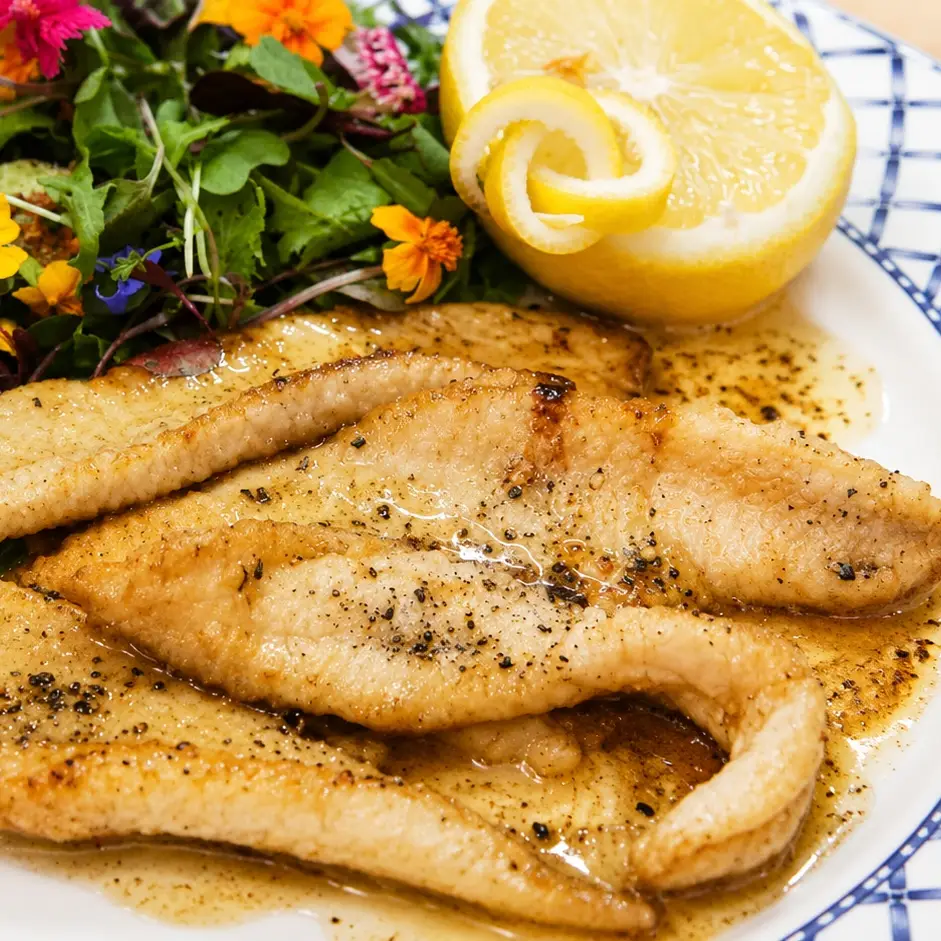
Why I Make Sole Meunière This Way
I make it this way because sole is a delicate fish, and it does not need a heavy crust or complicated sauce. A thin coating of flour protects the fish just enough to help it brown, while still letting the flavor of the sole come through.
I prefer to start the fish in a little neutral oil because it handles heat better than butter alone. Then I add the butter near the end, when the fillets are almost cooked. This gives the dish that classic nutty, blond butter flavor without burning the butter too early.
The lemon goes in at the end. If it is added too soon, it can reduce too much, taste harsh, or make the coating lose its texture. A small amount of lemon juice is enough to balance the butter and brighten the fish.
This is a protein-rich, lighter-style seafood recipe, especially compared with heavier fried fish or cream-based fish dishes. It still has butter, but the portion is controlled, and the final result should taste clean, fresh, and balanced.
Ingredients You’ll Need
For two portions, use one whole Dover sole of about 1 pound, or buy about 9 to 11 ounces of prepared sole fillets. If you use a whole fish, you can keep the bones for a light fish stock, which is exactly the kind of base that works beautifully in a recipe like my French-style fish soup.
You will also need all-purpose flour, neutral oil, butter, lemon, salt, and pepper. The ingredient list is short, so each detail matters. The fish should be fresh, the flour coating should be thin, and the butter should be cooked just until blond and foamy.
If you want a seafood sauce on the side for another fish meal, my homemade tartare sauce is better for crispy fish, fries, or sandwiches. For sole meunière, the sauce should stay simple: butter, lemon, and the pan juices.
Step-by-Step Instructions
1. Prepare the Sole
If you are starting with a whole Dover sole, trim the fins with scissors. Remove the skin by loosening one end with a knife, gripping it firmly, and pulling it away from the flesh. Repeat on the other side.

Remove the head, then follow the center bone with a sharp knife to lift the fillets. A flat fish gives four fillets, two from each side. Work gently and keep the knife close to the bones so you do not waste the fish.
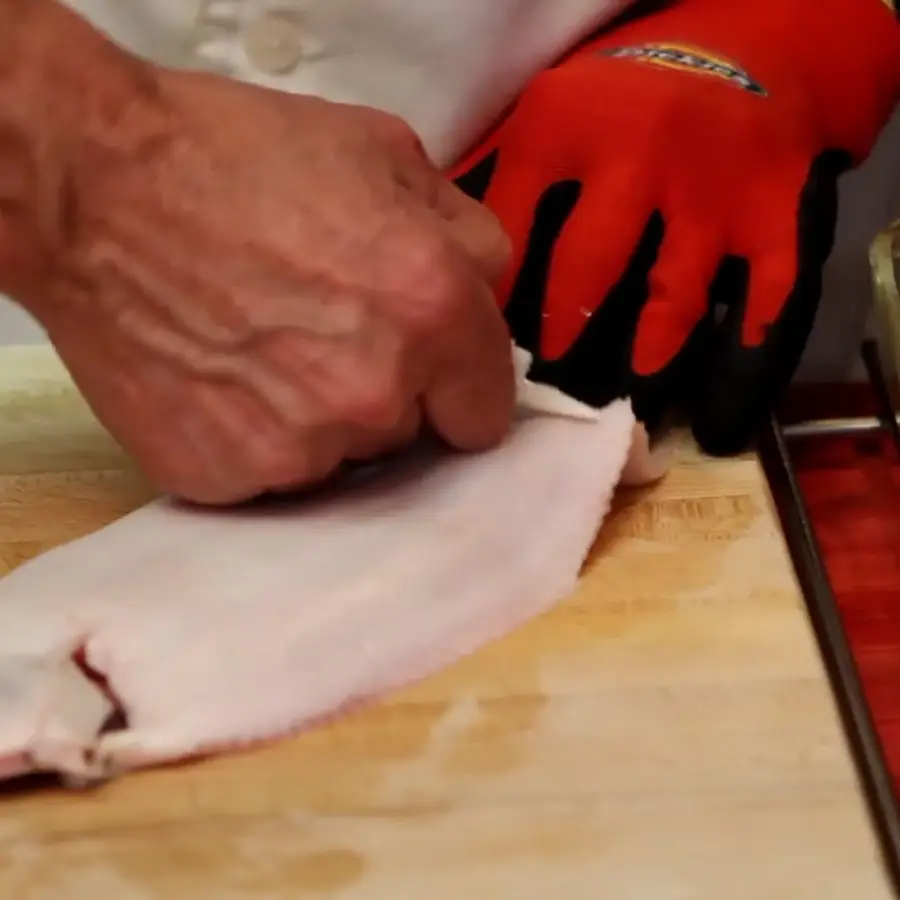
If you are using prepared fillets, check them for small bones and trim any rough edges. Keep the fish cold until you are ready to cook.

2. Dry and Season the Fillets
Pat the sole fillets very dry with paper towel. This is important because wet fish steams instead of browns, and the flour can turn pasty.
Season lightly with salt and pepper on both sides. Sole is thin, so do not over-season. A small amount is enough.
3. Flour Lightly
Place the flour in a shallow plate. Dip each fillet into the flour, coating both sides, then shake off the excess very well.
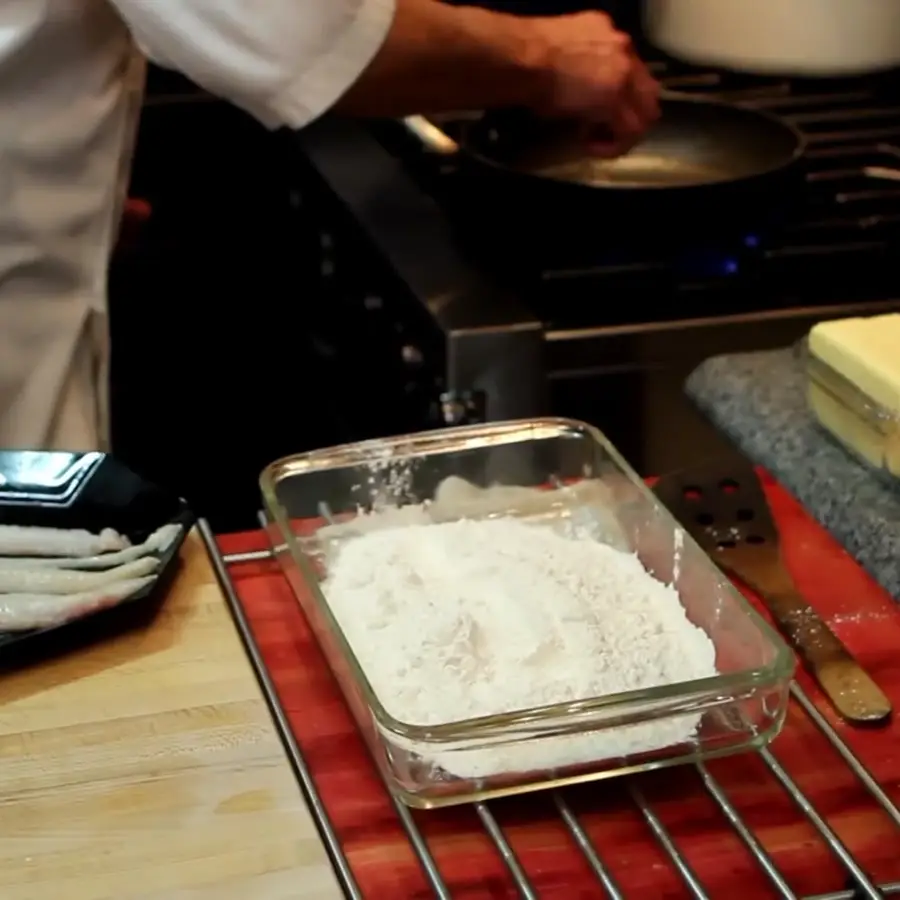
The flour should look like a light dusting, not a thick breading. This is what gives sole meunière its delicate texture. If you want a thicker, crunchy coating, that belongs more to a recipe like beer battered fish and chips, not this classic preparation.
4. Cook the Fish
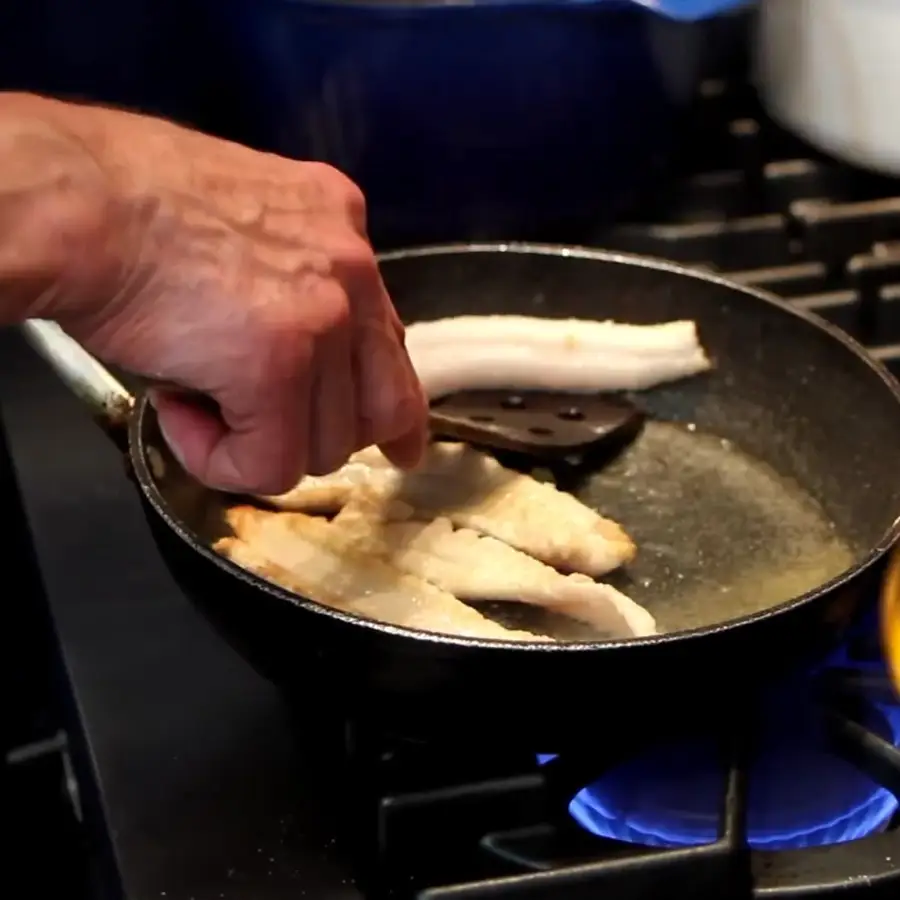
Heat a large skillet over medium-high heat. Add enough neutral oil to coat the bottom of the pan, about 2 to 3 tablespoons. The oil should shimmer, but it should not smoke.

Add the fillets without overcrowding the pan. Cook for 30 to 60 seconds per side, depending on thickness. Very thin Dover sole cooks extremely fast. The fish is ready when it is lightly golden and just opaque.
If your pan is small, cook the fillets in batches. Do not stack them and do not move them too much, because sole can break easily.
5. Add Butter and Lemon
When the fillets are almost cooked, add the butter to the pan. Let it melt, foam, and turn blond. Spoon the butter over the fish.
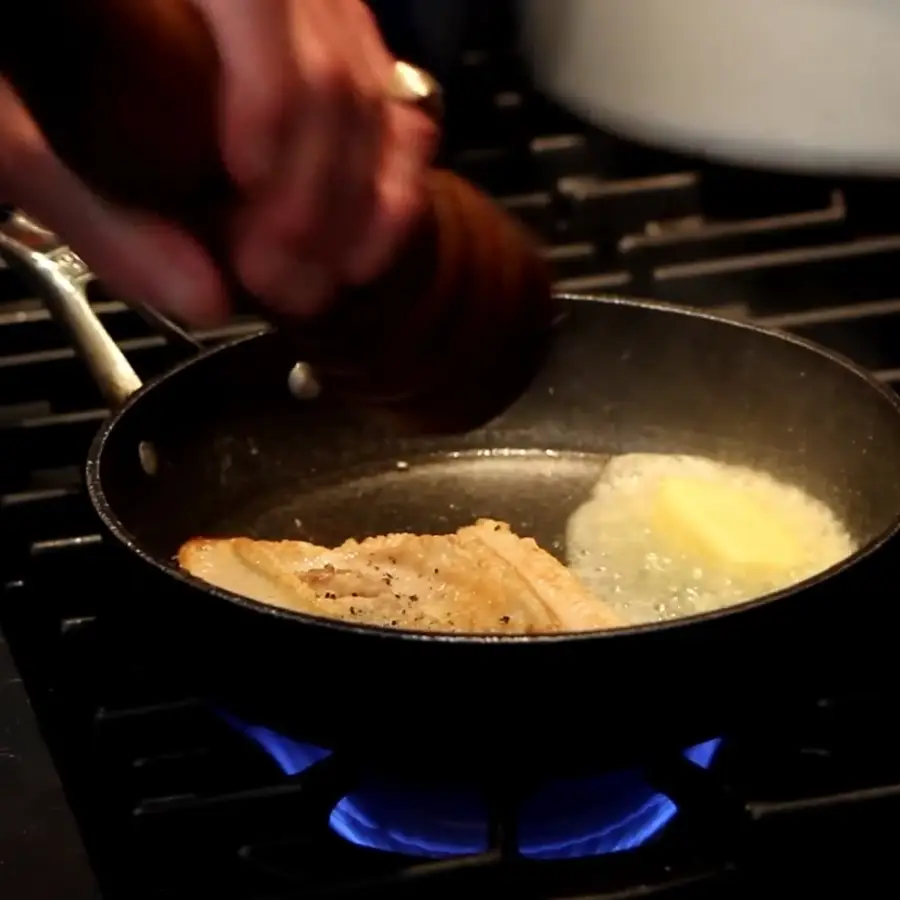
Add the lemon juice near the end and continue spooning the lemon butter over the fillets for a few seconds. The sauce should smell buttery, lightly nutty, and fresh, not burnt or sour.
Transfer the fish to warm plates and spoon the pan butter over the top.

What to Serve with Sole Meunière
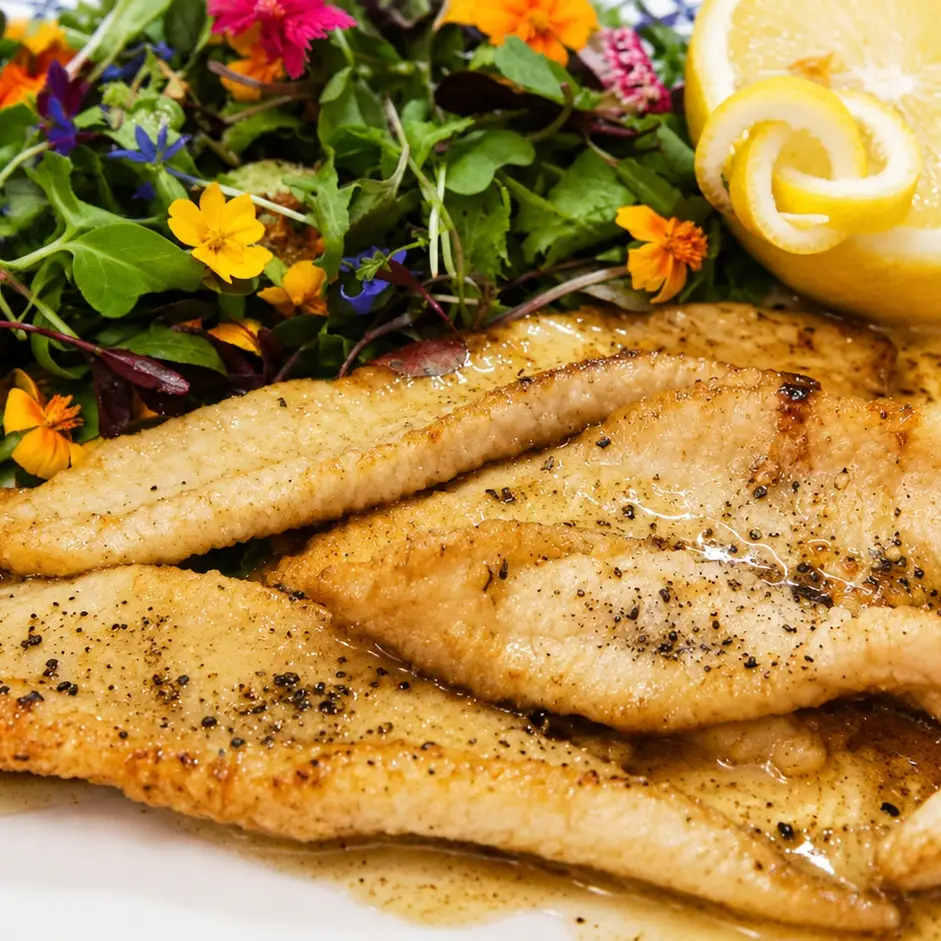
Sole meunière is delicate, so I like to serve it with sides that do not overpower the fish. Simple potatoes, green vegetables, or a crisp salad are perfect.
For a classic French-style plate, serve it with Lyonnaise potatoes or Parisian potatoes. If you want something creamy and comforting, homemade mashed potatoes work very well because they absorb the lemon butter.
For a lighter meal, add oven-roasted mixed vegetables or a fresh salad like homemade Greek salad. A classic Caesar salad also works if you want a stronger restaurant-style plate.
If you want another seafood recipe for a warm-weather menu, my Mediterranean octopus salad is a good contrast because it is fresh, chilled, and more vinaigrette-based.
Substitutions
Fish Substitutes
Dover sole is ideal, but you can use other thin white fish fillets. Flounder, lemon sole, plaice, or very thin tilapia fillets can work. The important thing is thickness. A thick fillet will not cook the same way and may need more time.
Butter Substitute
Butter is part of the classic flavor of meunière, so I would not remove it completely. If needed, use a little less butter and finish with extra lemon. The sauce will be lighter, but less traditional.
Flour Substitute
All-purpose flour gives the most classic result. Rice flour can make the coating slightly more delicate and crisp. Avoid heavy breadcrumbs for this version because they change the dish into a breaded fish recipe.
Lemon Substitute
Fresh lemon is best. Bottled lemon juice is usually too sharp and flat. If you do not have lemon, a small splash of white wine vinegar can help brighten the butter, but use very little.
FAQ
Can I make sole meunière with frozen fish?
Yes, but thaw it completely and dry it very well before cooking. Frozen fillets release more moisture, so drying them is essential.
How do I know when sole is cooked?
Sole is cooked when it turns opaque and flakes easily. Because the fillets are thin, this can happen in less than two minutes.
Why did my fish break in the pan?
Sole is fragile. The most common reasons are moving it too early, overcrowding the pan, using a pan that is not hot enough, or cooking it too long.
Can I make this ahead of time?
No. Sole meunière is best served immediately. The fish is thin, and the texture is at its best right after cooking.
Is sole meunière healthy?
It is a light seafood dish with a good amount of protein, but it does include butter and oil. The key is balance: use enough fat for flavor and cooking, but not so much that the dish becomes heavy.
Easy Sole Meunière with Lemon Butter
Ingrédients
- 1 whole Dover sole about 1 pound, or 9 to 11 ounces prepared sole fillets
- 1/4 cup all-purpose flour for dredging
- 2 to 3 tablespoons neutral oil
- 2 to 3 tablespoons unsalted butter
- 1 lemon divided
- 1 to 2 tablespoons fresh lemon juice
- Salt to taste
- Black or white pepper to taste
Instructions
- If using a whole sole, trim the fins, remove the skin from both sides, remove the head, and lift the four fillets by following the bones with a sharp knife. If using prepared fillets, check for bones and trim if needed.
- Pat the fillets very dry with paper towel. Season lightly with salt and pepper.
- Place the flour in a shallow plate. Coat the fillets lightly in flour, then shake off the excess very well.
- Heat a large skillet over medium-high heat. Add the oil and heat until shimmering, but not smoking.
- Add the fillets in a single layer. Cook for 30 to 60 seconds per side, depending on thickness, until lightly golden and just opaque.
- Add the butter to the pan. Let it melt, foam, and turn blond.
- Add 1 to 2 tablespoons fresh lemon juice. Spoon the lemon butter over the fish for a few seconds.
- Transfer to warm plates, spoon the pan butter over the fillets, and serve immediately with lemon wedges.
Vidéo
Notes
FAQ
Can I make sole meunière with frozen fish?
Yes, but thaw it completely and dry it very well before cooking. Frozen fillets release more moisture, so drying them is essential.How do I know when sole is cooked?
Sole is cooked when it turns opaque and flakes easily. Because the fillets are thin, this can happen in less than two minutes.Why did my fish break in the pan?
Sole is fragile. The most common reasons are moving it too early, overcrowding the pan, using a pan that is not hot enough, or cooking it too long.Can I make this ahead of time?
No. Sole meunière is best served immediately. The fish is thin, and the texture is at its best right after cooking.Is sole meunière healthy?
It is a light seafood dish with a good amount of protein, but it does include butter and oil. The key is balance: use enough fat for flavor and cooking, but not so much that the dish becomes heavy.🔗 Useful Links
🛒 Michel Dumas Shop : Explore our kitchen essentials, including aprons and knives.
🌐 Linktree : Access all our important links in one place.
📱 YouTube | Instagram | Facebook | TikTok : Follow us for the latest recipes and culinary tips.