Beef Tenderloin Medallions with Red Wine Sauce

Beef tenderloin medallions with red wine sauce are small, thick-cut portions of tenderloin seared in a hot pan and finished with a glossy wine-based pan sauce. This version is different from a grilled steak or a creamy steak recipe because the focus is on a quick restaurant-style sear, a clean red wine reduction, and a buttery finish. It is elegant enough for a special dinner, but simple enough to make year-round whenever you want a classic steakhouse-style meal at home.

This recipe is reserved for our members. If you are already a member, please log in here. If you are not a member yet, you can become one here. You can also explore our full collection of free recipes here.
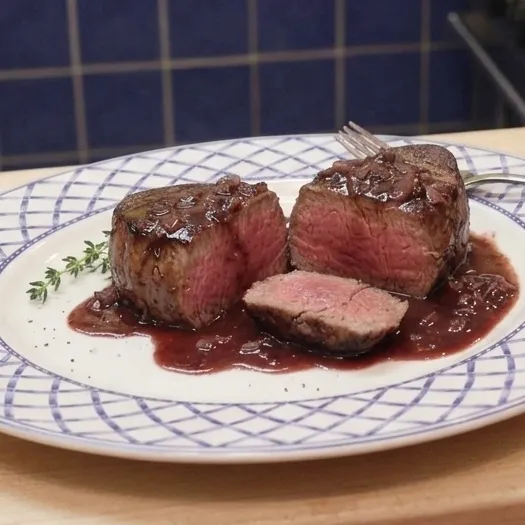

Beef Tenderloin Medallions with Red Wine Sauce Beef tenderloin medallions with red wine sauce are small, thick-cut portions of tenderloin seared in a hot pan and finished with a glossy wine-based pan sauce. This version is different from a grilled steak or a creamy steak recipe because the focus is on a quick restaurant-style sear, a clean red wine reduction, and a buttery finish. It is elegant enough for a special dinner, but simple enough to make year-round whenever you want a classic steakhouse-style meal at home. Beef tenderloin is one of the most tender cuts of beef, which means it does not need a heavy marinade or long cooking time. The goal is to season it well, sear it properly, and let the sauce bring depth without covering the natural flavor of the meat. The red wine sauce adds acidity, richness, and a little sweetness from the reduced shallots, making the dish feel refined without being complicated. I make this recipe this way because the pan does most of the work. Once the medallions are seared, the same skillet gives you all the browned bits needed for the sauce. The wine reduces, the beef stock adds body, and a little cold butter at the end makes the sauce smooth and glossy without turning it into a heavy gravy. This recipe is a good choice when you want something more polished than a basic pan-seared steak but lighter than a cream-based sauce. Beef tenderloin is naturally rich in protein and relatively lean compared with fattier steak cuts. The sauce adds richness, but the dish still feels balanced, especially when served with vegetables, potatoes, or a simple salad. Why This Recipe Works The most important step is drying the beef well before searing. Moisture on the surface prevents browning, and browning is what gives the medallions their deep steakhouse flavor. A hot skillet, a little oil, and enough space between each piece make a big difference. The red wine sauce is made after the beef is removed from the pan. Shallots soften in the same skillet, then red wine is reduced until concentrated. Beef stock rounds it out, and a small amount of cold butter at the end gives the sauce a glossy finish. The sauce should not be thick like gravy. It should be short, shiny, and just thick enough to lightly coat the back of a spoon. Ingredients For the beef: 4 beef tenderloin medallions, about 6 oz each 1 to 1 1/4 teaspoons fine salt, or to taste 1 teaspoon black pepper 1 tablespoon neutral oil 1 tablespoon butter 2 sprigs fresh thyme 1 garlic clove, lightly crushed For the red wine sauce: 1 tablespoon butter 1 small shallot, finely chopped 1/2 cup dry red wine 3/4 cup low-sodium beef stock 1 teaspoon Dijon mustard, optional 1 teaspoon balsamic vinegar, optional, only if the sauce needs brightness 1 tablespoon cold butter, for finishing Salt and black pepper, to taste Step-by-Step Instructions Take the beef tenderloin medallions out of the fridge about 20 to 30 minutes before cooking. This helps them cook more evenly. Pat them very dry with paper towels, then season both sides with salt and black pepper. Heat a heavy skillet over medium-high heat. Add the oil. When the oil is hot and shimmering, place the medallions in the pan without crowding them. Sear for about 3 to 4 minutes on the first side, then flip and sear for another 3 to 4 minutes on the second side, depending on thickness and desired doneness. Add the butter, thyme, and garlic to the pan during the last minute of cooking. Spoon the melted butter over the beef a few times. For medium-rare, remove the beef around 130°F. For medium, aim for about 140°F. The temperature will rise slightly as the meat rests. Transfer the medallions to a plate, cover loosely with foil, and let them rest while making the sauce. Lower the heat to medium. Add 1 tablespoon of butter to the same skillet, then add the shallot. Cook for 1 to 2 minutes, scraping the bottom of the pan to release the browned bits. Pour in the red wine and simmer until reduced by about half. Add the beef stock and Dijon mustard, if using. Simmer again until the sauce looks concentrated and lightly coats the back of a spoon. Add the balsamic vinegar only if the sauce needs a little brightness. Turn off the heat and whisk in the cold butter. Taste and adjust with salt and black pepper. Spoon the red wine sauce over the rested beef tenderloin medallions and serve right away. What to Serve with Beef Tenderloin Medallions These medallions work well with classic sides because the sauce is rich but not too heavy. Mashed potatoes are a perfect choice because they catch the red wine sauce. Roasted potatoes, gratin, green beans, sautéed mushrooms, asparagus, or a simple green salad also work well. For a more elegant dinner, serve the medallions with potato gratin and roasted vegetables. For a lighter plate, pair them with steamed green beans, a crisp salad, and a small portion of roasted potatoes. Substitutions If you do not have beef tenderloin, use filet mignon steaks, sirloin medallions, striploin medallions, or ribeye cut into smaller portions. The texture will change, but the sauce works beautifully with most pan-seared beef cuts. For the wine, use a dry red such as Cabernet Sauvignon, Merlot, Pinot Noir, or Côtes du Rhône. Avoid sweet red wine because the sauce will reduce and the sweetness can become too strong. If you prefer not to cook with wine, replace it with extra low-sodium beef stock and add 1 to 2 teaspoons of balsamic vinegar or red wine vinegar for acidity. It will not have the same depth, but it will still make a good pan sauce. Fresh thyme can be replaced with rosemary, parsley, or a small pinch of dried thyme. Shallots can be replaced with finely chopped onion, though shallots give a softer and more refined flavor. FAQ What temperature should beef tenderloin medallions be cooked to? For medium-rare, remove them from the pan around 130°F and let them rest. For medium, aim for about 140°F. The temperature will rise slightly while the meat rests. Can I make the red wine sauce ahead of time? Yes, you can make the sauce ahead and reheat it gently. For the best texture, add the final cold butter right before serving so the sauce stays glossy. What is the best wine for red wine sauce? Use a dry red wine you would drink, such as Cabernet Sauvignon, Merlot, Pinot Noir, or Côtes du Rhône. The wine reduces, so the flavor becomes more concentrated. Why is my sauce too thin? It likely needs more reduction. Let it simmer a little longer until it lightly coats the back of a spoon. This sauce should be glossy and lightly nappant, not thick like gravy. Can I use a nonstick pan? A stainless steel or cast iron pan is better because it creates more browning and better pan drippings. A nonstick pan will work, but the sauce may have less depth.

This recipe is reserved for our members. If you are already a member, please log in here. If you are not a member yet, you can become one here. You can also explore our full collection of free recipes here.

Beef tenderloin is one of the most tender cuts of beef, which means it does not need a heavy marinade or long cooking time. The goal is to season it well, sear it properly, and let the sauce bring depth without covering the natural flavor of the meat. The red wine sauce adds acidity, richness, and a little sweetness from the reduced shallots, making the dish feel refined without being complicated.

I make this recipe this way because the pan does most of the work. Once the medallions are seared, the same skillet gives you all the browned bits needed for the sauce. The wine reduces, the beef stock adds body, and a little cold butter at the end makes the sauce smooth and glossy without turning it into a heavy gravy.

This recipe is a good choice when you want something more polished than a basic pan-seared steak but lighter than a cream-based sauce. Beef tenderloin is naturally rich in protein and relatively lean compared with fattier steak cuts. The sauce adds richness, but the dish still feels balanced, especially when served with vegetables, potatoes, or a simple salad.


Articles similaires

Leave a Reply

Your email address will not be published. Required fields are marked *