Crispy Pommes Paillasson (French Potato Galette) — The Real Bistro-Style Version
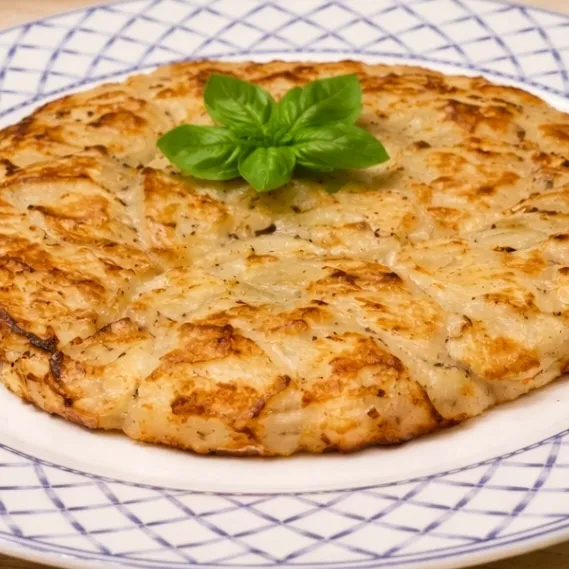
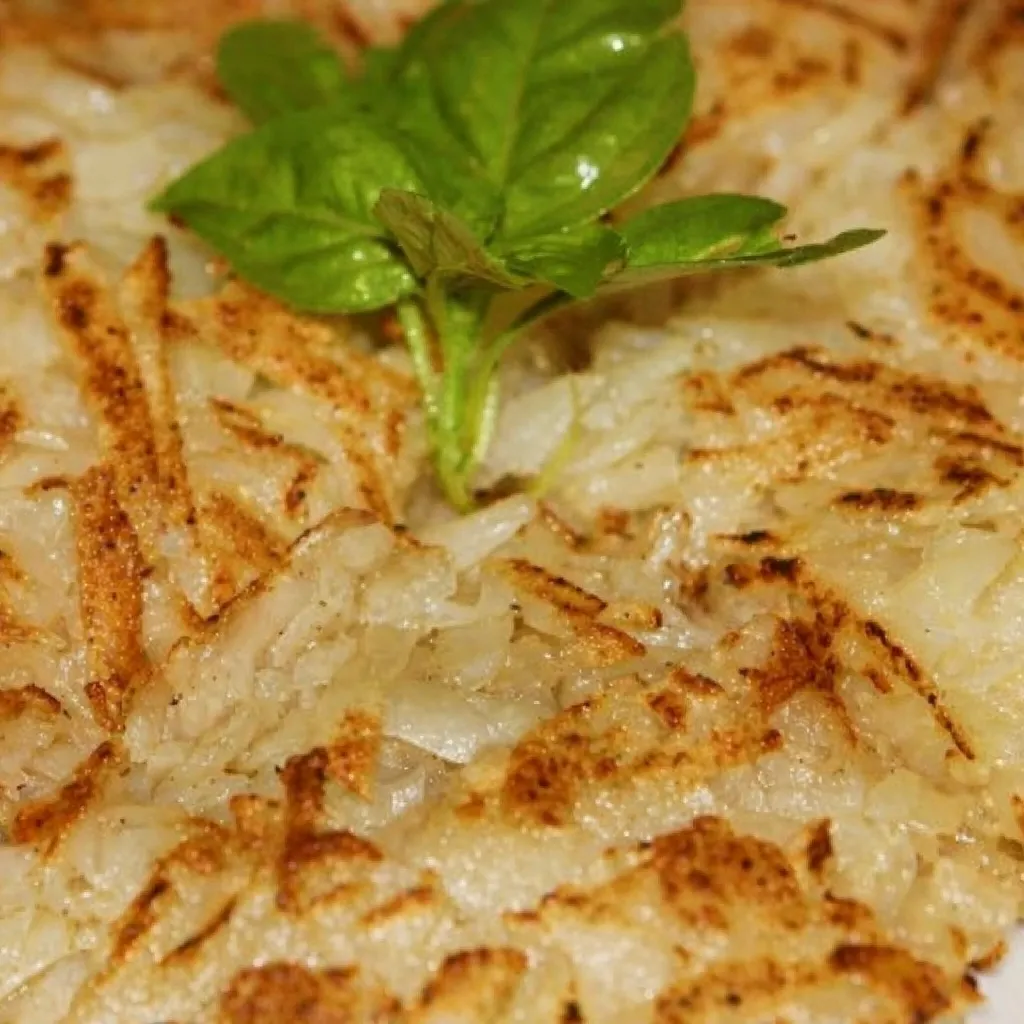
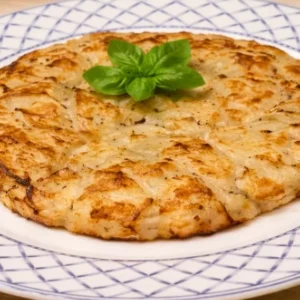
If you’ve never made Pommes Paillasson, think of it as a single, thick, ultra-crispy potato cake—shredded potatoes packed into a galette and cooked slowly in butter until the outside becomes deeply golden and crunchy. What makes it different from hash browns is the shape and technique: you’re building one cohesive “potato cake” you can slice like a pie. It’s the kind of side you make for eggs at brunch, a steak night, or anything grilled when you want maximum crunch with minimal ingredients.
This recipe is based on my YouTube video, with a few adjustments since publication—mainly clearer measurements and a couple of reliability steps so the galette holds together and cooks through every time.
Pommes Paillasson, what is it?
Pommes Paillasson (often called pommes darphin in classic French cooking) is a shredded potato galette cooked in a skillet. It’s simple—potatoes, salt, pepper, butter—but the result is anything but basic: a crispy crust all around and a tender center. It’s also one of the most useful potato techniques because it works year-round: in summer with grilled meats, in winter with hearty stews, and anytime you want a restaurant-style side without turning on the oven.
If you like potatoes that crunch, this is your lane.
Why this version works
The entire success of a Pommes Paillasson comes down to three things:
- The right potato (russet = starch + crisping power)
- Moisture removal (squeezing is non-negotiable)
- Controlled heat (slow color, not burnt butter)
Do these three, and you’ll get a galette that flips cleanly, slices nicely, and stays crisp longer.

Ingredients (Serves 3–4)
- 3 large russet potatoes, peeled (about 2 lb total)
- 1 tsp fine salt (adjust to taste)
- 1/2 tsp freshly ground black pepper
- 3 tbsp unsalted butter, plus 1 tbsp as needed after flipping
- Fresh basil (optional, minimal garnish)
Equipment you’ll want
- Box grater (large holes)
- Clean kitchen towel or cheesecloth
- Large skillet (10–12 inches is ideal)
- Spatula
- Large plate (for flipping)
- Chef’s knife
A skillet that’s too small forces the galette to be too thick, and that’s when the center stays undercooked. If your pan is smaller than 10 inches, split the mixture into two smaller galettes.
Step-by-step: how to make Pommes Paillasson
1) Grate the potatoes properly
Peel your russet potatoes and grate them on the large holes of a box grater. You’re aiming for long shreds, not mush. If the potatoes are too finely grated, the galette can turn dense instead of layered.

Work fairly quickly so the potatoes don’t oxidize too much, but don’t panic—this isn’t a delicate pastry situation. A little browning in the raw shreds won’t ruin the final result.
2) Season before squeezing
Put the shredded potatoes in a large bowl and season with 1 tsp salt and 1/2 tsp pepper. Mix with your hands so the seasoning is evenly distributed.
Salting before squeezing helps draw moisture out, which is exactly what you want.

3) Squeeze hard
Transfer the potatoes to a clean towel or cheesecloth. Gather it up, twist, and squeeze aggressively. You want to remove as much liquid as possible. If you stop early, the galette steams instead of fries—and then you get a soft center and weak crust.
Squeeze, loosen the towel, squeeze again. Do it until you feel like you’re overdoing it. You’re not.
4) Heat the pan and melt the butter
Set a large skillet over medium heat, then add 3 tbsp butter. Let it melt fully. You want the butter to foam and “sing,” but you don’t want it to burn.
If your stove runs hot, start at medium-low. Pommes Paillasson is a slow build: crisp and color take time.
5) Add the potatoes and shape the galette
Add the squeezed potatoes to the pan and immediately shape them into a thick round cake. Press down and pack it like you’re forming a “potato pie.”
Ideal thickness: about 3/4 inch (2 cm).
Too thick = raw center. Too thin = fragile and dry.
Use your spatula to press the top flat, then tidy the edges into a clean circle. This edge-work matters: a neat shape cooks more evenly and flips with less drama.

6) First coloration
Lower the heat slightly to medium-low. Cook for about 8–12 minutes depending on your pan and stove. You’re listening for a steady sizzle, not violent frying.
Do not stir. Do not poke.
The first side needs to build a crust strong enough to hold the galette together.
After 8 minutes, gently lift an edge with a spatula to check color. You want deep golden brown—not pale blond. That color is your structure.
7) Flip with confidence
When the first side is properly browned, place a large plate over the skillet. Hold it firmly and flip the pan so the galette lands on the plate.
Slide it back into the skillet (uncooked side down). Add 1 tbsp butter around the edges if the pan looks dry.
Once it’s back in the pan, press gently again with the spatula to re-compact the galette. This keeps it cohesive and helps the second side brown evenly.

8) Second coloration
Cook another 8–12 minutes on medium-low. The second side browns while the center finishes cooking through.
To check doneness:
- The underside is deep golden and crisp
- A knife slides in without resistance
- The center feels hot and tender (no raw crunch)
If the crust is beautiful but you’re worried about the center, turn the heat low, cover the pan for 2 minutes, then uncover and crisp again for 1–2 minutes. That’s a simple way to finish the interior without sacrificing crust.
9) Rest, slice, serve
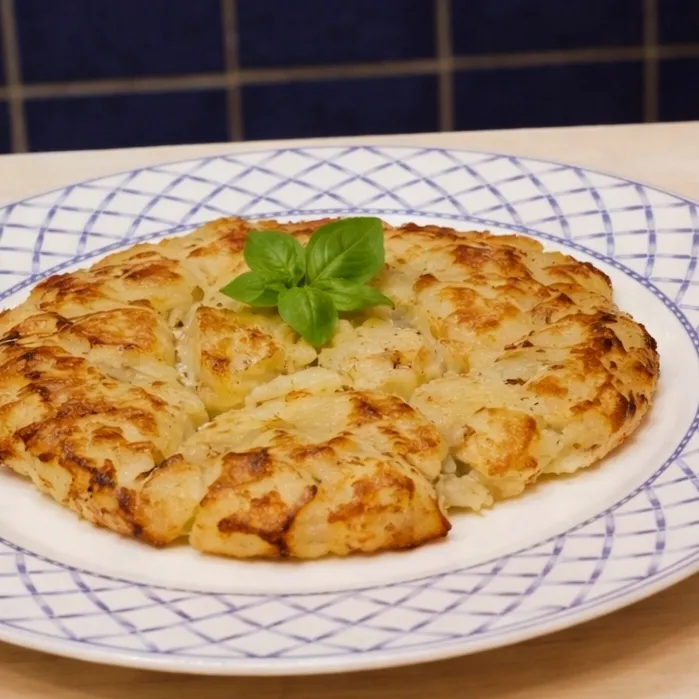
Slide onto a plate and let rest 1–2 minutes (this helps it set). Slice into wedges like a cake.
Add a few basil leaves if you want, but keep it minimal. The crust is the star.
How to serve Pommes Paillasson (year-round ideas)
This is a side that plays well with both “quick meals” and big weekend cooking:
- With eggs for brunch (fried, poached, scrambled)
- With grilled meats (steak, chicken, pork)
- With rich stews when you want crunch on the plate
For a full bistro plate, pair this with something saucy and bold like Classic Boeuf Bourguignon or Slow-Cooked Carbonnade Flamande.
If you’re building a steak dinner, a flavorful prep like Balsamic Steak Marinade makes the whole plate feel intentional without making the cooking more complicated.
Pommes Paillasson is not:
- A quick toss-in-the-pan potato like Lyonnaise Potatoes
- A classic baked comfort dish like Easy Traditional Tartiflette
- A deep-fried side like Authentic Belgian Fries
Substitutions and variations
Best potato choice
- Russet potatoes are ideal for crispness and structure.
- Yukon Gold works, but the galette will be slightly softer and more buttery inside.
Butter alternatives
Butter gives the best flavor, but if you’re worried about browning too fast:
- Use 2 tbsp butter + 1 tbsp neutral oil
That raises the smoke point and helps prevent burnt milk solids.
Add-ins (keep it subtle)
Pommes Paillasson is best when it stays potato-forward, but small additions work:
- A pinch of garlic powder
- A pinch of smoked paprika
- A small handful of finely chopped chives
If you want a sauce moment, something quick like Spicy Mayo Ready in 1 Minute is an easy dip for wedges.
Health / nutrition context
This is a hearty comfort-food side: potatoes cooked in butter. It’s satisfying, filling, and works well paired with protein and vegetables. If you want a lighter plate, serve smaller wedges and pair it with something fresh like Chicken Cobb Salad.
FAQ
Why did my galette fall apart when flipping?
Most common reasons:
- Potatoes weren’t squeezed enough
- First side wasn’t browned enough before flipping
- Pan was too large and the galette was too thin to hold together
Let the first crust get properly golden and it becomes surprisingly solid.
Why is the center still raw?
The galette was too thick or the heat was too high early, browning the outside too fast. Keep thickness around 2 cm and cook on medium-low.
Can I make two smaller galettes instead of one large?
Yes—and it can be easier. If your pan is smaller than 10 inches, two smaller galettes will cook more evenly.
Can I prep the potatoes ahead of time?
Not ideal. Shredded potatoes release water and oxidize quickly. If you must prep ahead, keep the shredded potatoes submerged in cold water, then drain and squeeze extremely well before cooking (you’ll lose some starch, so you may need a slightly firmer press).
How do I reheat leftovers and keep them crisp?
Reheat in a skillet over medium heat, 2–3 minutes per side. Avoid the microwave if you care about texture.
What to serve with Pommes Paillasson (Suggested posts)
Saucy mains and stews
Chicken mains
Potato cluster neighbors
Quick sauce / technique
Dessert ideas
Crispy Pommes Paillasson (French Potato Galette) — The Real Bistro-Style Version
Ingredients
- 2 lb russet potatoes about 3 large, peeled
- 1 tsp fine salt
- 1/2 tsp black pepper
- 3 tbsp unsalted butter plus 1 tbsp as needed
- Fresh basil optional
Instructions
- Grate peeled russet potatoes on the large holes of a box grater.
- Season with salt and pepper; mix well.
- Transfer to a clean towel and squeeze very firmly to remove as much moisture as possible.
- Melt 3 tbsp butter in a 10–12 inch skillet over medium heat.
- Add potatoes and press into a compact round galette about 3/4 inch (2 cm) thick; tidy edges.
- Lower to medium-low and cook 8–12 minutes until the underside is deep golden brown.
- Flip onto a plate, slide back into the skillet uncooked side down; add 1 tbsp butter if needed and press gently to compact.
- Cook 8–12 minutes until the second side is golden and the center is tender (knife slides in easily).
- Rest 1–2 minutes, slice into wedges, garnish lightly with basil if desired, and serve hot.
Video
Notes
FAQ
Why did my galette fall apart when flipping?
Most common reasons:- Potatoes weren’t squeezed enough
- First side wasn’t browned enough before flipping
- Pan was too large and the galette was too thin to hold together
Why is the center still raw?
The galette was too thick or the heat was too high early, browning the outside too fast. Keep thickness around 2 cm and cook on medium-low.Can I make two smaller galettes instead of one large?
Yes—and it can be easier. If your pan is smaller than 10 inches, two smaller galettes will cook more evenly.Can I prep the potatoes ahead of time?
Not ideal. Shredded potatoes release water and oxidize quickly. If you must prep ahead, keep the shredded potatoes submerged in cold water, then drain and squeeze extremely well before cooking (you’ll lose some starch, so you may need a slightly firmer press).How do I reheat leftovers and keep them crisp?
Reheat in a skillet over medium heat, 2–3 minutes per side. Avoid the microwave if you care about texture.🔗 Useful Links
🛒 Michel Dumas Shop : Explore our kitchen essentials, including aprons and knives.
🌐 Linktree : Access all our important links in one place.
📱 YouTube | Instagram | Facebook | TikTok : Follow us for the latest recipes and culinary tips.