Chicken Quenelles Gratinéed with Creamy Tarragon Sauce
Chicken quenelles are soft, poached dumplings made from finely blended chicken, egg whites, cream, and seasoning. They are different from meatballs because the texture is smoother, lighter, and more delicate, almost like a chicken mousseline. I make this version when I want a French-style chicken gratin that feels comforting but still a little refined.
This recipe is based on my YouTube video, with a few adjustments since publication. The main adjustment is precision. In the video, I work by feel, but for a written recipe the mixture needs better cues: the chicken must stay cold, the stock should barely simmer, and the sauce should coat a spoon before going into the oven.
I make it this way because chicken breast can become dry very quickly, especially when it is blended. The cream and egg whites help keep the quenelles moist, while the poaching broth gives them a gentle cook before the gratin. The mistake to avoid is boiling them hard. If the stock is jumping too much, the outside tightens before the center has time to set properly.
What I look for here is a smooth chicken mixture that feels cold and slightly sticky, not warm or loose. Once poached, the quenelles should be firm enough to lift with a spoon, but still soft when cut open. The inside should be white, moist, and tender, not springy like a rubber ball.

What Makes This Recipe Different
This is not a quick skillet chicken dinner, and it is not a crispy chicken recipe. It belongs more to the French comfort food side of cooking: poached chicken mousseline, creamy sauce, Gruyère, and a short pass under the broiler.
On the site, this recipe sits apart from richer pan-sauce dishes like creamy pepper chicken or Dijon cream chicken thighs. Those recipes use whole pieces of chicken and a sauce built in the pan. Here, the chicken is transformed into quenelles first, then finished as a gratin.
It is also different from pasta-based creamy chicken recipes like garlic butter chicken pasta or creamy chicken fettuccine Alfredo. There is no pasta here. The sauce is there to coat the quenelles and gratinate, not to dress noodles.
If you want to understand the sauce side of the recipe, the method is close to a stock-based white sauce. My guides on how to make a white sauce and how to make a creamy sauce are good references for the texture you want.
Ingredients and Cooking Notes
The chicken breast should be cold. Not just from the fridge, but really cold if possible. I prefer to dice the chicken first, then chill it again for 15 to 20 minutes before blending. That small step makes the mixture easier to control.
Chicken breast works well because it blends into a clean, smooth base. For more information on choosing cuts, see my guide on chicken breast, thighs, or drumsticks. For this recipe, thighs would make the mixture richer, but also darker and less delicate.
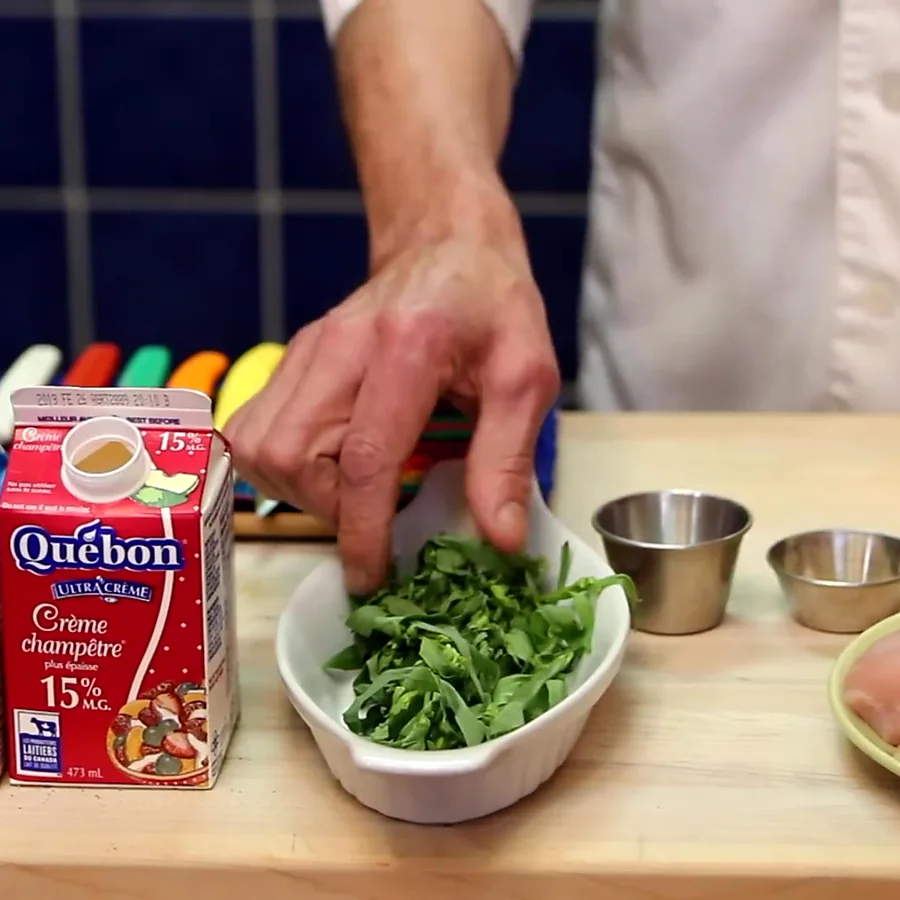
The egg whites are there for structure. In the video, I use about five egg whites. For a home recipe, I prefer four egg whites because the texture stays tender and less bouncy. If your chicken breasts are very large or your mixture feels too thick, you can add the fifth egg white.
The cream should be cold too. Add it gradually and stop blending as soon as the mixture looks smooth. If the food processor runs too long, the chicken warms up and the texture can turn heavy.
Fresh tarragon gives the dish its classic aromatic side. It should be present, not aggressive. When the mixture is blended, you should smell the chicken, cream, and a soft anise note from the tarragon.
Step-by-Step Instructions
Start by cutting the chicken breast into small cubes. Spread the pieces on a plate and chill them while you prepare the rest of the ingredients. Cold is your friend here.


Place the chicken in a food processor with salt, pepper, and chopped fresh tarragon. Pulse until the meat starts to break down, then blend until it becomes sticky and smooth. Scrape the bowl once or twice. At this point, it should look pale and thick.

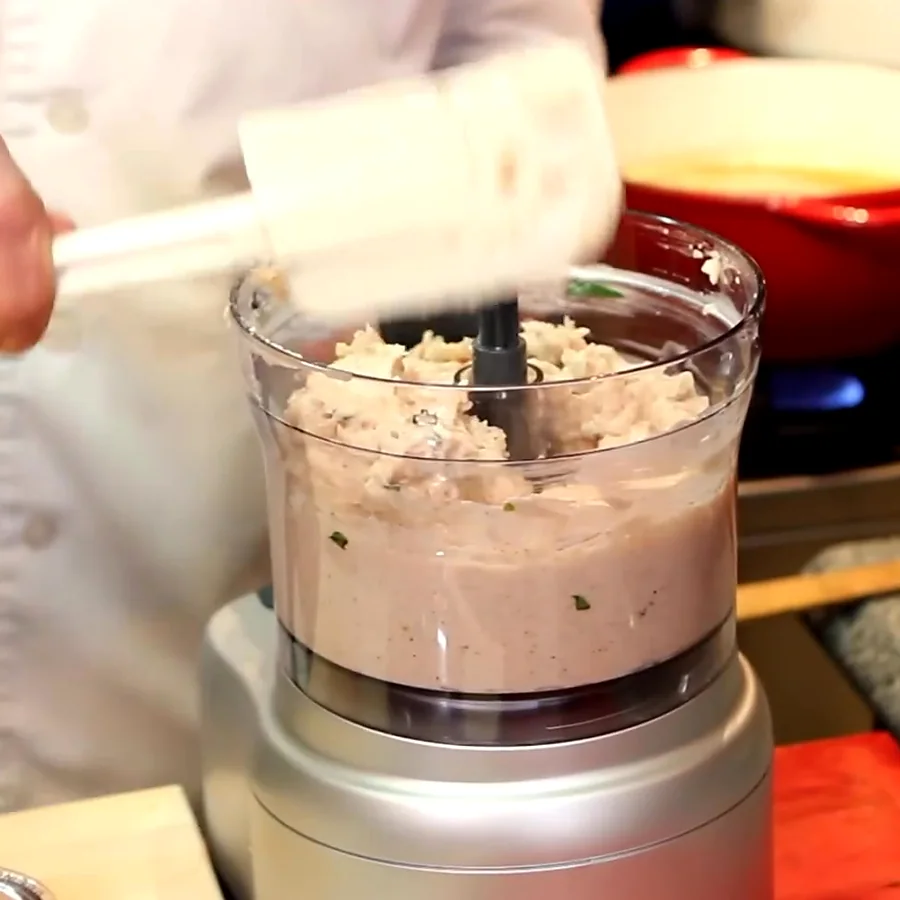
Add the egg whites and blend again. The mixture will loosen slightly and become smoother. Add the cold cream gradually, blending just until incorporated. Do not let the machine run for no reason. If the bowl feels warm, stop and chill the mixture before shaping.
Bring a large pot of chicken stock to a boil, then reduce it to a gentle simmer. The surface should tremble, not bubble aggressively. If you need a good base, homemade chicken bouillon cubes are useful for recipes like this.
Use an ice cream scoop or two spoons to shape the quenelles. Drop them gently into the hot stock. They do not need to be perfect. A slightly rustic shape is fine, but try to keep them close in size so they cook evenly.


Poach for about 10 minutes. You know they are ready when they feel firm, are opaque in the center, and the internal temperature reaches 165°F. My chicken internal temperature guide is helpful if you want a clear doneness reference.
Remove the quenelles carefully and keep them warm. Reserve 4 cups of the poaching stock for the sauce.
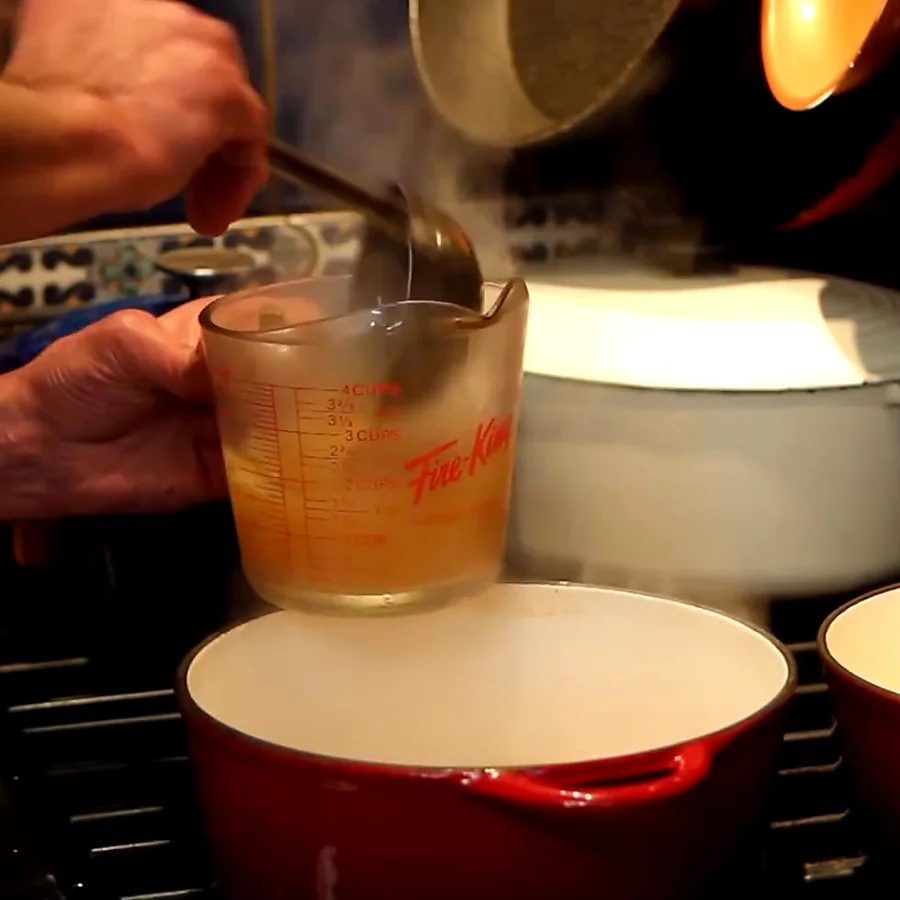


For the sauce, bring the reserved stock to a simmer with a small pinch of turmeric and cream. Whisk together flour and oil to make a quick roux paste, then add it gradually to the simmering liquid. Whisk well. The sauce should thicken after a few minutes and coat the back of a spoon. If your sauce is too loose, my guide on how to thicken a sauce explains the same logic.

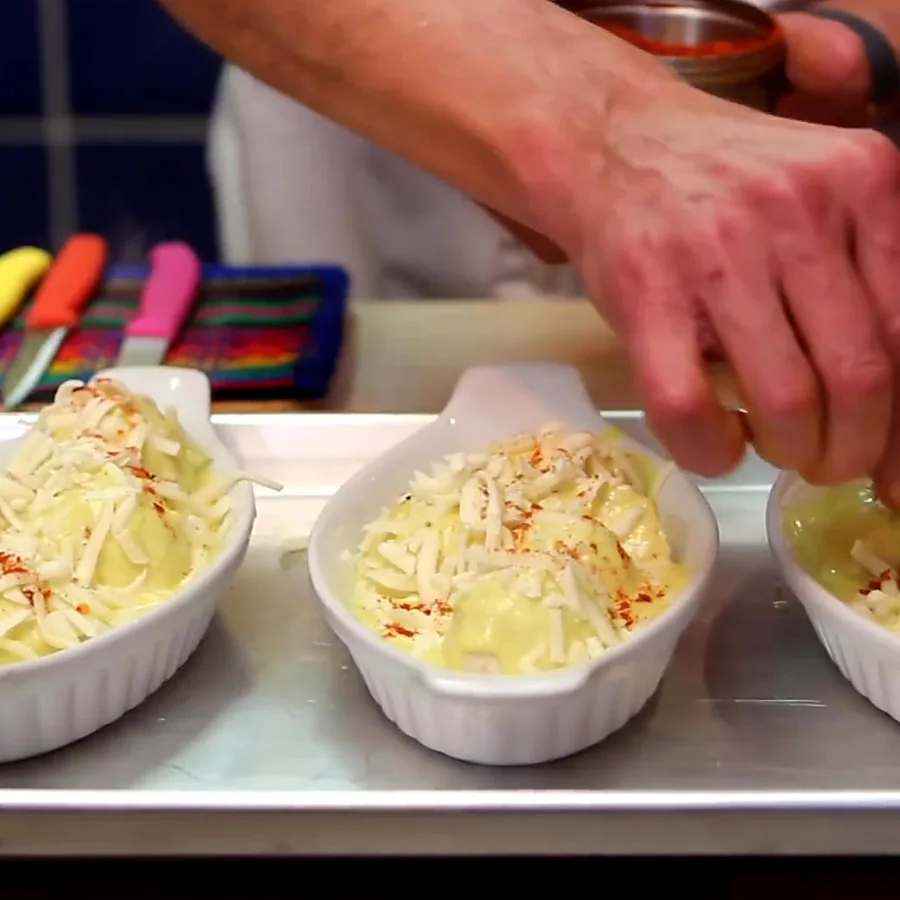
Place the quenelles in a gratin dish, spoon the sauce over the top, and finish with grated Gruyère. Broil for a few minutes until the top is melted and lightly golden. Stay close. Broilers go from beautiful to burned very quickly.

Health and Nutrition Context
This is a protein-rich chicken dish, but it is still a creamy gratin. I see it as hearty comfort food rather than a light everyday plate. The quenelles themselves are made mostly from chicken breast, egg whites, and a modest amount of cream, but the sauce and cheese make the finished dish richer.

To balance the plate, I like serving it with a simple salad or vegetables. A fresh green salad cuts through the cream nicely, and potatoes make it more of a full bistro-style meal.
Substitutions
You can use half-and-half instead of 15% cooking cream, but avoid very thin milk in the chicken mixture. The cream helps the quenelles stay moist.
Gruyère gives the best gratin flavor, but Swiss cheese or Emmental can work. Mozzarella melts well, but it does not bring the same nutty taste.
If you do not have fresh tarragon, use parsley and a little chive for a different but still pleasant version. Dried tarragon is stronger and less fresh tasting, so use a small pinch only.
For the sauce, you can use cornstarch instead of the oil-and-flour roux, but the texture will be glossier and less classic. I prefer the roux paste because it gives the sauce a softer French-style body.
If you need ideas for replacing cream in other recipes, see what to use instead of cream, but for this one I would not remove all the cream from the quenelle mixture.
What to Serve With Chicken Quenelles
A small salad is my first choice. The creamy sauce needs something fresh beside it, and a simple mesclun salad works very well.
For a more generous meal, serve the quenelles with potatoes. A classic creamy potato side like French-style gratin dauphinois makes the plate more restaurant-style, while roasted or boiled potatoes keep it simpler.
If you want to stay in the same French comfort-food family, this dish pairs naturally with other creamy chicken recipes on the site, but it should not compete with them. Save chicken supreme for a whole-piece chicken dinner, and use this quenelle gratin when you want something softer, more delicate, and sauce-focused.
FAQ
Can I make chicken quenelles ahead of time?
Yes. Poach the quenelles, cool them, and refrigerate them in a covered container for up to 24 hours. Reheat them gently in the sauce before gratinating. Do not boil them again.
Why did my chicken mixture become loose?
The mixture probably got too warm, or too much liquid was added too quickly. Keep the chicken, cream, egg whites, bowl, and blade cold. If the mixture feels warm, chill it before shaping.
Can I freeze the quenelles?
You can freeze the poached quenelles without the sauce, but the texture may be slightly less delicate after thawing. Freeze them on a tray first, then transfer them to a container. Reheat gently in simmering stock or sauce.
Can I use ground chicken instead of blending chicken breast?
Technically yes, but the texture will not be as smooth. This recipe is best when the chicken is processed into a fine mousseline. Regular ground chicken gives a more rustic meatball-style result.
How thick should the sauce be?
It should coat the back of a spoon and pour slowly. If it runs like broth, the gratin will be watery. If it stands like paste, add a little more hot stock.
Can I make this without cheese?
Yes, but the gratin will be less flavorful. You can broil the sauced quenelles without cheese, or add a little breadcrumb topping for texture.
Suggested Posts
Homemade chicken bouillon cubes
Chicken internal temperature guide
Chicken Quenelles Gratinéed with Creamy Tarragon Sauce
Ingredients
- For the chicken quenelles
- 1 1/2 lb boneless skinless chicken breasts, diced and very cold
- 1 1/2 tsp fine salt
- 1 tsp black pepper
- 1 to 2 tbsp chopped fresh tarragon
- 4 cold egg whites
- 1 cup cold 15% cooking cream or half-and-half
- For poaching
- 8 to 10 cups chicken stock enough to poach the quenelles
- For the sauce
- 4 cups reserved chicken poaching stock
- 1 cup 15% cooking cream or half-and-half
- 1 small pinch turmeric
- 1/3 cup all-purpose flour
- 1/4 cup vegetable oil
- Salt and black pepper to taste
- For gratinating
- 1 to 1 1/2 cups grated Gruyère cheese
- Optional garnish
- Mesclun salad
- Vinaigrette
Instructions
- Dice the chicken breasts and chill them for 15 to 20 minutes. Keep the cream and egg whites cold.
- Place the chicken, salt, pepper, and tarragon in a food processor. Pulse, then blend until the mixture becomes smooth and sticky, scraping the bowl as needed.
- Add the egg whites and blend until incorporated.
- Add the cold cream gradually and blend just until smooth. Do not overmix or let the mixture warm up.
- Bring the chicken stock to a boil, then reduce to a gentle simmer.
- Shape the chicken mixture with an ice cream scoop or two spoons and gently lower the quenelles into the simmering stock.
- Poach for about 10 minutes, until firm, opaque in the center, and cooked to 165°F.
- Remove the quenelles carefully and reserve 4 cups of the poaching stock.
- In a saucepan, bring the reserved stock, cream, and turmeric to a gentle simmer.
- Mix the flour and vegetable oil into a smooth paste. Whisk it gradually into the simmering sauce until the sauce thickens and coats the back of a spoon. Simmer for 5 minutes, whisking often.
- Taste the sauce and adjust salt and pepper if needed.
- Place the quenelles in a gratin dish. Spoon the sauce over the top and sprinkle with Gruyère.
- Broil for 2 to 4 minutes, until the cheese is melted and lightly golden.
- Serve hot with mesclun salad and vinaigrette if desired.
Video
Notes
FAQ
Can I make chicken quenelles ahead of time?
Yes. Poach the quenelles, cool them, and refrigerate them in a covered container for up to 24 hours. Reheat them gently in the sauce before gratinating. Do not boil them again.Why did my chicken mixture become loose?
The mixture probably got too warm, or too much liquid was added too quickly. Keep the chicken, cream, egg whites, bowl, and blade cold. If the mixture feels warm, chill it before shaping.Can I freeze the quenelles?
You can freeze the poached quenelles without the sauce, but the texture may be slightly less delicate after thawing. Freeze them on a tray first, then transfer them to a container. Reheat gently in simmering stock or sauce.Can I use ground chicken instead of blending chicken breast?
Technically yes, but the texture will not be as smooth. This recipe is best when the chicken is processed into a fine mousseline. Regular ground chicken gives a more rustic meatball-style result.How thick should the sauce be?
It should coat the back of a spoon and pour slowly. If it runs like broth, the gratin will be watery. If it stands like paste, add a little more hot stock.Can I make this without cheese?
Yes, but the gratin will be less flavorful. You can broil the sauced quenelles without cheese, or add a little breadcrumb topping for texture.🔗 Useful Links
🛒 Michel Dumas Shop : Explore our kitchen essentials, including aprons and knives.
🌐 Linktree : Access all our important links in one place.
📱 YouTube | Instagram | Facebook | TikTok : Follow us for the latest recipes and culinary tips.