How to Make a White Sauce: Simple Method, Uses, Fixes, and Tips
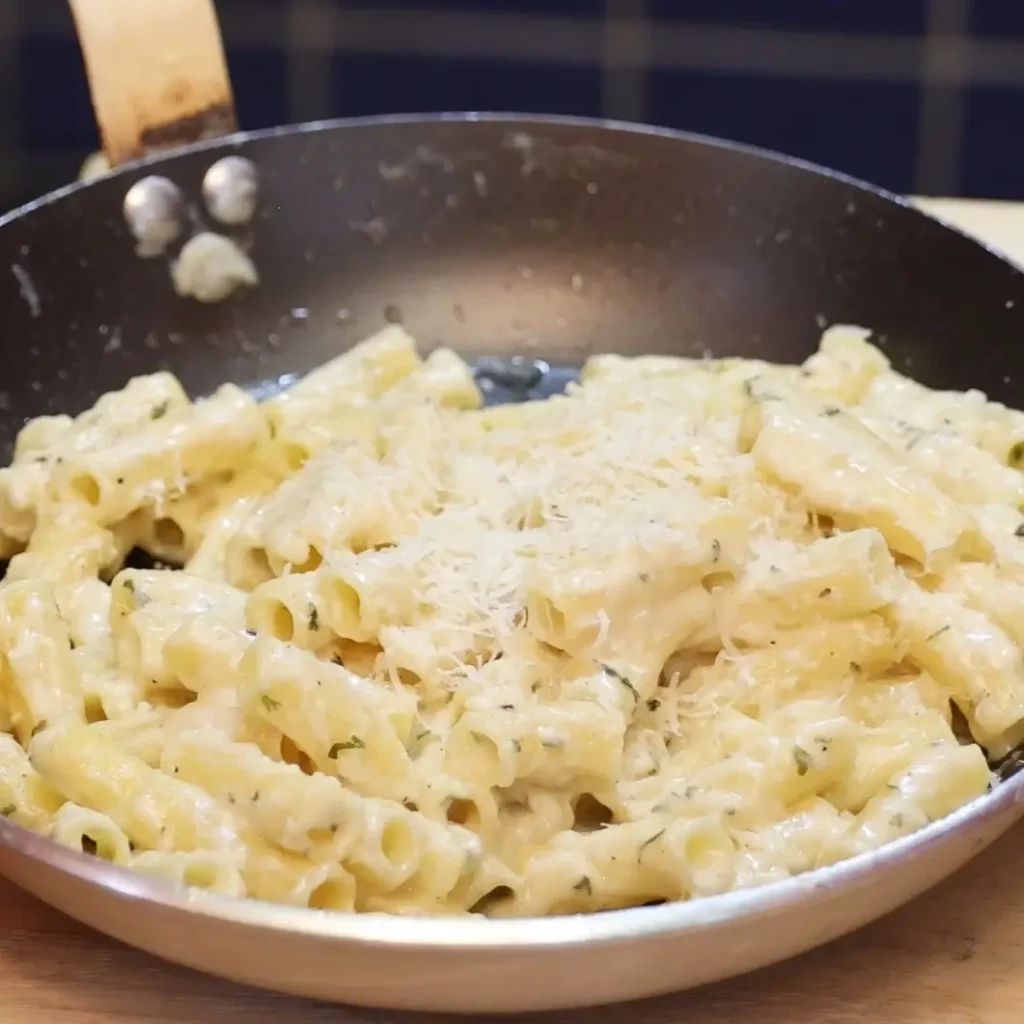
White sauce is a classic creamy sauce made with butter, flour, and milk. It is one of the most useful base sauces in home cooking because it can become a cheese sauce, gratin sauce, creamy pasta sauce, casserole sauce, or a simple sauce for chicken, vegetables, fish, or potatoes.
A good white sauce should be smooth, lightly creamy, and easy to adjust. I prefer to make it slowly and simply because the texture depends more on technique than fancy ingredients: cook the roux, add the milk gradually, whisk well, then season at the end.

Why This Guide Matters
White sauce is one of those basic kitchen techniques that helps unlock many recipes. Once you know how to make it, you can use it in baked mac and cheese, lasagna, vegetable gratins, creamy chicken dishes, casseroles, and quick weeknight sauces.
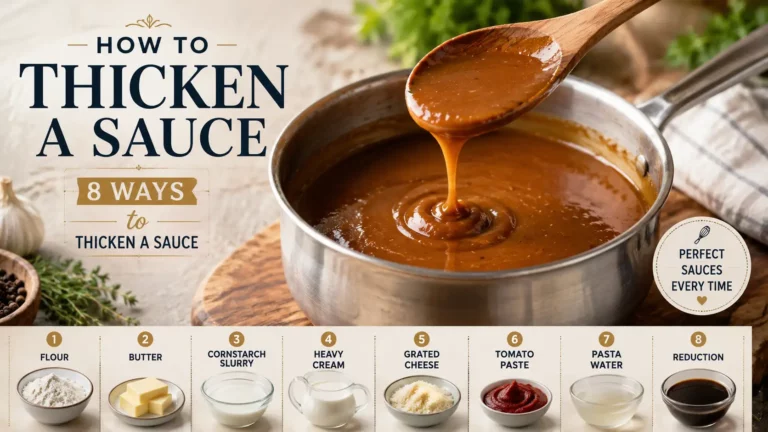
It also teaches a very useful cooking skill: how to thicken a liquid with a roux. A roux is just fat and flour cooked together. When milk is added, the roux thickens the sauce and gives it body. The same idea can help you understand béchamel, cheese sauce, cream sauce, velouté-style sauces, and some gravy-style sauces.
For Canada and the USA, this is especially practical because the ingredients are easy to find in almost any grocery store: butter, all-purpose flour, milk, salt, pepper, and optional seasonings. It is a budget-friendly technique that can turn simple pantry ingredients into something comforting and useful.
White sauce is also a great bridge between classic French cooking and everyday family cooking. It is the kind of base that can support a cozy easy baked mac and cheese, creamy pasta, chicken in sauce, or a gratin-style dinner.
Quick Answer
To make a basic white sauce, melt butter in a saucepan, whisk in flour, cook the mixture for about 1 to 2 minutes, then slowly whisk in warm or room-temperature milk. Simmer gently until the sauce thickens, then season with salt, pepper, and optional nutmeg.
Basic ratio:
| Sauce Thickness | Butter | Flour | Milk | Best Use |
| Thin white sauce | 1 tbsp | 1 tbsp | 1 cup | Light coating sauce, vegetables, fish |
| Medium white sauce | 2 tbsp | 2 tbsp | 1 cup | Pasta, casseroles, creamy chicken |
| Thick white sauce | 3 tbsp | 3 tbsp | 1 cup | Croquettes, thick gratins, binding fillings |
For most home recipes, the medium white sauce ratio is the best starting point.
What Is White Sauce?
White sauce is a simple sauce made from a pale roux and milk. In French cooking, this is very close to béchamel, one of the classic mother sauces. The base is neutral, which makes it easy to adapt.
A plain white sauce can taste mild on its own, but that is the point. It is designed to carry other flavors. You can add cheese, Dijon mustard, garlic, onion, herbs, black pepper, nutmeg, cream, stock, or cooked mushrooms depending on the dish.
White sauce can be used for:
- Mac and cheese
- Lasagna
- Vegetable gratins
- Chicken casseroles
- Creamy pasta
- Fish in sauce
- Pot pies
- Croquettes
- Creamed vegetables
- Baked potatoes
- Savory crepes
- Hot sandwiches
For pasta nights, this sauce is especially useful because it gives you the base for creamy dishes without needing a complicated method. If you want more ideas in that direction, explore these pasta recipes for easy weeknight dinners or this collection of 30-minute pasta dinners.
Ingredients for a Basic White Sauce
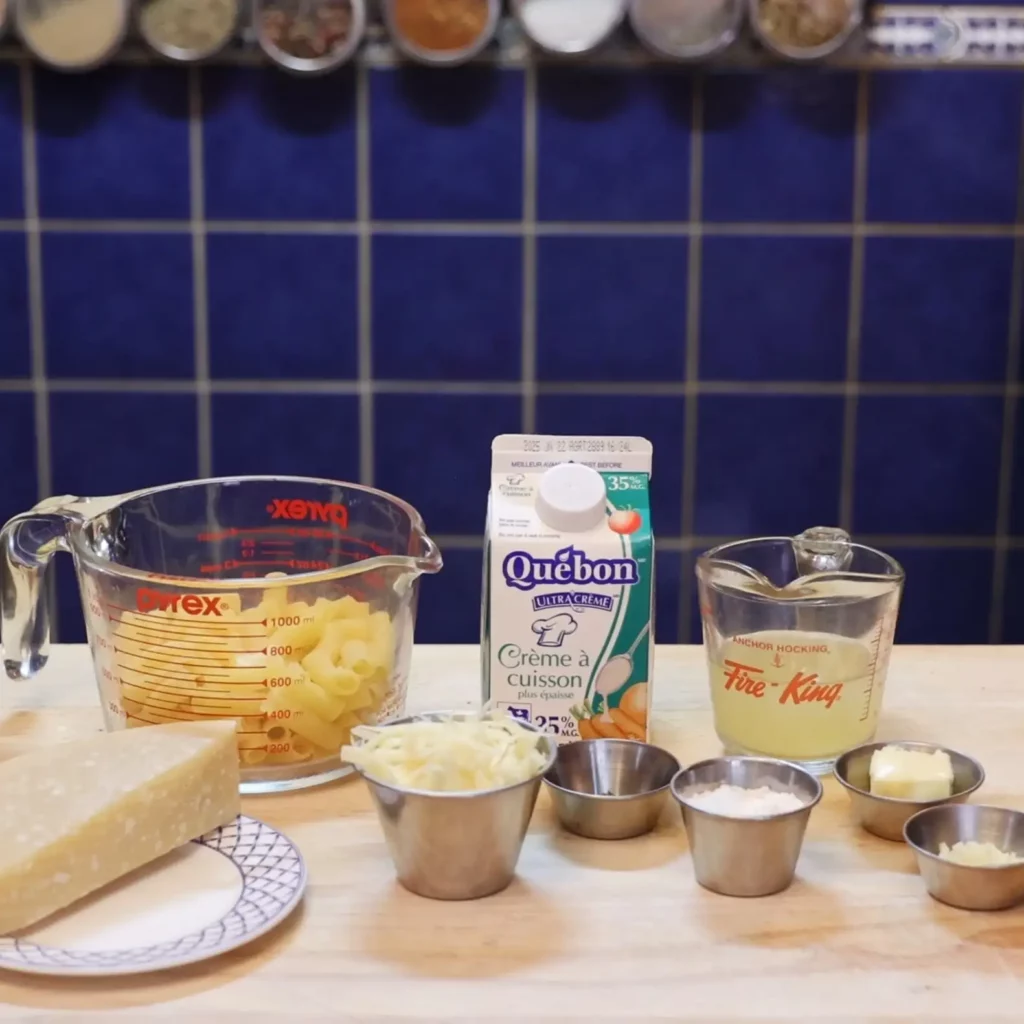
You only need a few ingredients.
| Ingredient | Purpose | Notes |
| Butter | Adds fat and flavor | Unsalted butter gives more control over seasoning |
| Flour | Thickens the sauce | All-purpose flour works well |
| Milk | Main liquid | Whole milk gives a richer sauce, 2% works too |
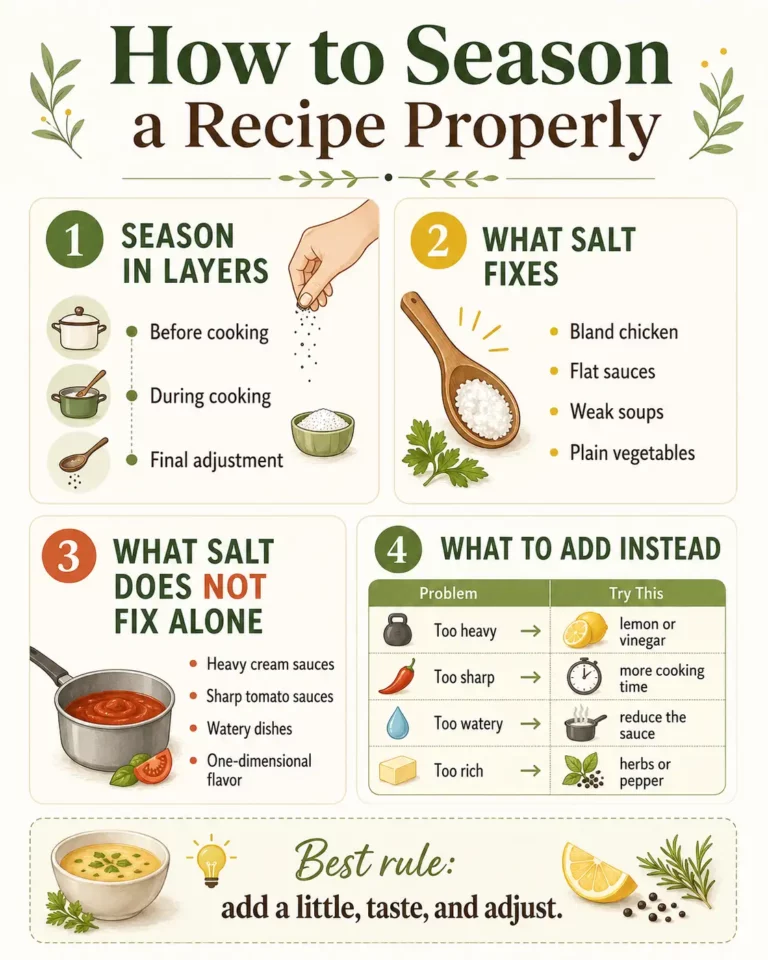
| Salt | Brings out flavor | Add gradually |
| Pepper | Adds warmth | White pepper keeps the sauce pale, black pepper is fine |
| Nutmeg | Optional classic seasoning | Use a small pinch only |
Basic Ingredients
- 2 tablespoons butter
- 2 tablespoons all-purpose flour
- 1 cup milk
- Salt, to taste
- Pepper, to taste
- Small pinch of nutmeg, optional
This makes about 1 cup of medium white sauce.
Best Method for Home Cooking
Step 1: Melt the butter gently
Place a saucepan over medium-low heat and add the butter. Let it melt without browning.
The mistake to avoid is starting with heat that is too high. If the butter browns too much, the sauce will lose its clean white color and can taste more nutty than creamy. That can be delicious in other recipes, but for a classic white sauce, keep the butter pale.
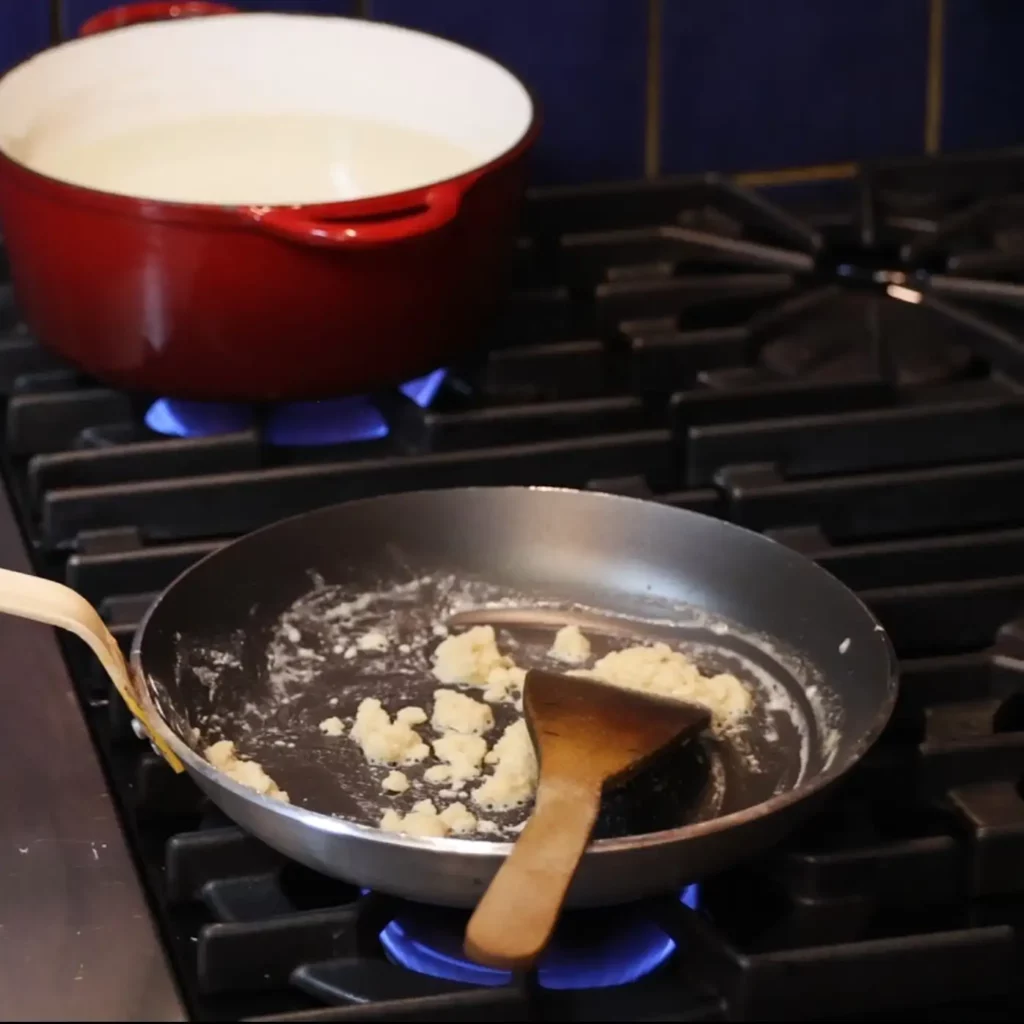
Step 2: Add the flour
Whisk in the flour and stir until it forms a smooth paste. This is the roux.
Cook the roux for about 1 to 2 minutes. It should bubble gently, but it should not turn dark. This short cooking time removes the raw flour taste while keeping the sauce pale.
If the roux looks dry and crumbly, the heat may be too high or the flour may be packed too tightly. Lower the heat and keep whisking.
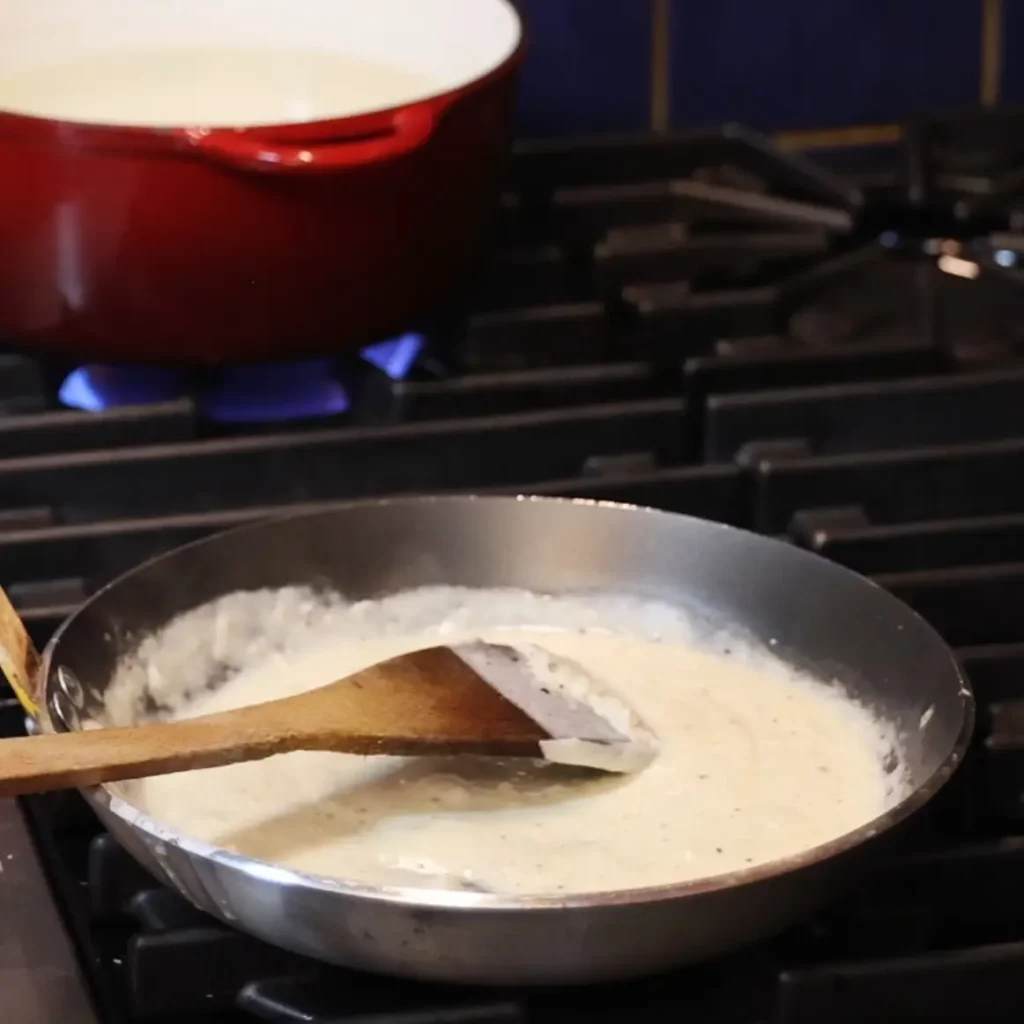
Step 3: Add the milk gradually
Add a small amount of milk first and whisk until smooth. Then add more milk little by little, whisking after each addition.
This is the most important step. Adding all the milk at once can create lumps. Adding it gradually helps the roux absorb the liquid smoothly.
Warm milk can make the sauce come together faster, but room-temperature milk also works. Cold milk can work too, but add it slowly and whisk well.
Step 4: Simmer until thickened
Once all the milk is added, bring the sauce to a gentle simmer. Keep whisking or stirring until the sauce thickens.
A medium white sauce usually thickens in a few minutes. It should coat the back of a spoon but still pour easily.
If the sauce looks too thick, whisk in a little more milk. If it looks too thin, let it simmer a little longer.
Step 5: Season at the end
Add salt, pepper, and optional nutmeg. Taste before adding more.
This is important because the sauce thickens as it cooks. If you season too aggressively at the beginning, the final sauce can taste too salty once it reduces.
For a cheese sauce, add grated cheese off the heat or over very low heat. Too much heat can make cheese sauces grainy.
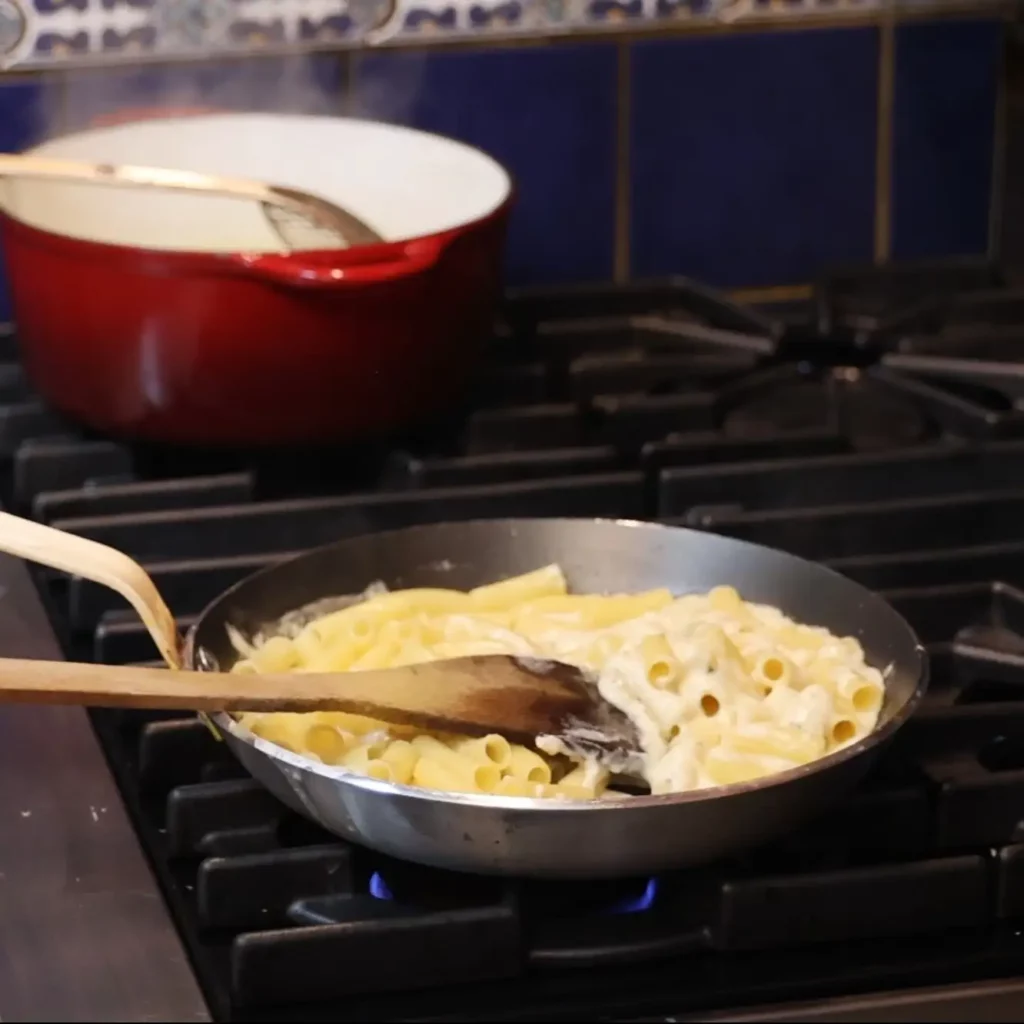
White Sauce Texture Guide
| Texture | What It Looks Like | Best Use | How to Adjust |
| Thin | Lightly coats a spoon | Fish, vegetables, light casseroles | Add more milk |
| Medium | Smooth and pourable | Pasta, chicken, gratins, mac and cheese | Standard ratio works well |
| Thick | Holds shape more firmly | Croquettes, fillings, very thick bakes | Use more roux or simmer longer |
| Too thick | Heavy or pasty | Not ideal | Whisk in warm milk gradually |
| Too thin | Runs like milk | Not ideal | Simmer longer or add a little more roux |
How to Turn White Sauce Into Other Sauces
White sauce is useful because it adapts easily.
Cheese Sauce
Add grated cheddar, Gruyère, Swiss, mozzarella, or Parmesan-style cheese after the white sauce has thickened. Lower the heat before adding the cheese.
Use it for mac and cheese, broccoli, cauliflower, baked potatoes, or pasta bakes. For inspiration, see this three-cheese mac and cheese or this easy baked mac and cheese.
Mustard White Sauce
Add Dijon mustard at the end. This works well with chicken, pork, potatoes, and ham-style dishes.
Mustard and cream are a classic combination in comforting chicken recipes. If you like that flavor profile, try mustard chicken or mustard chicken with mushrooms.
Garlic White Sauce
Sauté a little garlic in the butter before adding the flour. Keep the heat gentle so the garlic does not burn.
This works well for pasta, chicken, shrimp, vegetables, and gratins.
Mushroom White Sauce
Cook sliced mushrooms in butter first, then remove them or keep them in the pan before making the roux. Mushrooms release moisture, so cook them until most of the liquid evaporates before building the sauce.
This type of sauce is excellent with chicken. For a full meal idea, see chicken supreme with mushroom cream sauce.
Creamier White Sauce
Replace a small amount of milk with cream, or finish the sauce with a splash of cream. Do not boil it too hard after adding cream.
For a pasta version that uses creamy sauce logic, see creamy chicken fettuccine Alfredo.
What to Use White Sauce For
Pasta
White sauce is great for pasta because it clings well when the texture is right. It should be creamy but not gluey.
For pasta, keep the sauce a little looser than you think. Pasta absorbs sauce as it sits. A splash of pasta water or milk can help loosen it.
White sauce can be used for:
- Mac and cheese
- Creamy chicken pasta
- Creamy mushroom pasta
- Baked pasta
- Tuna pasta casserole
- Pasta gratin
- Lasagna-style bakes
For more pasta ideas, explore the ultimate guide to homemade pasta recipes or these weeknight pasta dinners.
Chicken
White sauce works very well with chicken because chicken is mild and takes sauce easily. You can make it with milk, cream, stock, mustard, mushrooms, garlic, or herbs.
Good additions for chicken:
- Dijon mustard
- Mushrooms
- Garlic
- Shallots
- Thyme
- Parsley
- White pepper
- A little chicken stock
- A splash of cream
For more creamy chicken inspiration, try easy bacon mustard chicken in cream sauce or browse these creamy chicken recipes.
Vegetables
White sauce works with vegetables because it adds richness and helps bring everything together. It is especially good with cauliflower, broccoli, leeks, peas, spinach, mushrooms, and potatoes.
For vegetable gratins, make the sauce medium to thick so it does not become watery in the oven. If the vegetables release a lot of moisture, cook or drain them before baking.
Potatoes and Gratin
White sauce is excellent for gratins because it gives structure. Add cheese and bake until bubbling and golden.
For a classic potato dish, a French-style gratin often depends on cream and careful baking. A white sauce version is slightly different, but the same idea of creamy layers applies. You can explore that comfort-food direction with traditional gratin dauphinois.
Common Mistakes to Avoid
Adding the milk too fast
This is the most common mistake. Add the milk gradually and whisk well. If you dump it in all at once, lumps are more likely.
Cooking the roux too long
For white sauce, the roux should stay pale. If it becomes brown, the flavor changes and the sauce will no longer look white.
Not cooking the roux enough
If the roux is barely cooked, the sauce may taste like raw flour. Cook it for about 1 to 2 minutes before adding milk.
Using heat that is too high
High heat can scorch the milk, thicken the sauce unevenly, or make the texture heavy. Medium-low to medium heat is safer.
Forgetting to whisk
White sauce needs movement, especially while adding the milk. Whisking helps prevent lumps and keeps the texture smooth.
Adding cheese over high heat
If you are turning white sauce into cheese sauce, lower the heat first. High heat can make cheese separate or turn grainy.
Over-thickening the sauce
A sauce that looks perfect in the pan can become too thick once mixed with pasta or baked. Keep it slightly looser if it will go into the oven.
White Sauce Problem and Fix Chart
| Problem | Likely Cause | Simple Fix |
| Lumpy sauce | Milk added too quickly or not enough whisking | Whisk strongly, use a hand blender if needed, or strain |
| Sauce too thick | Too much flour or too much reduction | Add warm milk gradually |
| Sauce too thin | Not enough roux or not enough simmering | Simmer longer or add a small amount of extra roux |
| Raw flour taste | Roux was not cooked long enough | Simmer a few minutes longer while stirring |
| Sauce tastes bland | Not enough salt, pepper, acid, cheese, or aromatics | Season gradually and add flavor depending on the dish |
| Sauce scorched | Heat too high or not stirred enough | Transfer to a clean pan without scraping the burnt bottom |
| Cheese sauce grainy | Cheese added over high heat | Lower the heat and add cheese slowly |
| Sauce too salty | Too much salt or salty cheese | Add unsalted milk, cream, pasta, potatoes, or vegetables |
Best Substitutions
Can I use oil instead of butter?
Yes, but butter gives better flavor. Neutral oil can work if needed, but the sauce will taste less classic.
Can I use cornstarch instead of flour?
Yes, but the texture is different. Cornstarch makes a glossier sauce and does not need a roux. Mix cornstarch with cold milk first, then heat gently while stirring.
Can I use 2% milk?
Yes. Whole milk gives a richer sauce, but 2% milk works for most home cooking.
Can I use cream?
Yes, but use cream carefully. A sauce made only with cream can feel heavy. For balance, use mostly milk and finish with a small splash of cream.
Can I make it without dairy?
You can use some unsweetened plant-based milks, but the flavor and texture will change. Choose an unsweetened option with a neutral taste. Avoid sweetened vanilla-style drinks.
Storage and Reheating
White sauce can be made ahead, but it thickens as it cools.
Store it in an airtight container in the refrigerator. For best texture, use it within a few days. Reheat gently over low heat and whisk in a little milk to loosen it.
Do not reheat it too aggressively. High heat can make the sauce separate, scorch, or become too thick.
If the sauce is going into a baked dish, keep it slightly looser than usual before baking. Pasta, potatoes, and vegetables will absorb some of the sauce in the oven.
FAQ
Is white sauce the same as béchamel?
White sauce and béchamel are very similar. A classic béchamel is made with butter, flour, and milk, then seasoned simply. In home cooking, “white sauce” often means the same basic sauce.
What is the best ratio for white sauce?
For a medium white sauce, use 2 tablespoons butter, 2 tablespoons flour, and 1 cup milk. This ratio works well for pasta, casseroles, creamy chicken, and gratins.
Why is my white sauce lumpy?
White sauce usually gets lumpy when the milk is added too quickly or the sauce is not whisked enough. Add milk gradually and whisk until smooth before adding more.
How do I make white sauce thicker?
Let it simmer a little longer, or make a small extra roux and whisk it into the sauce. For a quick fix, you can also use a small amount of cornstarch mixed with cold milk.
How do I make white sauce thinner?
Whisk in warm milk a little at a time until the sauce reaches the texture you want. Add slowly so the sauce does not become too thin.
Can I add cheese to white sauce?
Yes. Once the white sauce has thickened, lower the heat and stir in grated cheese. Cheddar, Gruyère, Swiss, mozzarella, and Parmesan-style cheeses can all work depending on the dish.
Can I freeze white sauce?
You can freeze it, but the texture may change after thawing. It can become grainy or separated. For best results, reheat gently and whisk in a little milk.
What can I serve with white sauce?
White sauce works with pasta, chicken, vegetables, fish, potatoes, casseroles, and gratins. It is especially useful when you want a creamy base that can be seasoned in different ways.
Final Thoughts
White sauce is one of the most useful basic sauces to learn because it teaches texture, heat control, and seasoning. With only butter, flour, and milk, you can make a base for cheese sauce, pasta sauce, gratins, casseroles, chicken dishes, and vegetable sides.
The key is simple: cook the roux gently, add the milk gradually, whisk well, and season at the end. Once you understand that method, you can adapt the sauce with cheese, mustard, garlic, herbs, mushrooms, cream, or stock depending on the recipe.
For more comforting ideas that use creamy sauce logic, explore easy baked mac and cheese, creamy chicken fettuccine Alfredo, mustard chicken, and pasta recipes for easy weeknight dinners.
Useful Links
🛒 Michel Dumas Shop : Explore our kitchen essentials, including aprons and cooking tools.
🌐 Linktree : Access all our important links in one place.
📱 YouTube | Instagram | Facebook | TikTok : Follow us for the latest recipes and culinary tips.