Easy Chicken Pad See Ew (Thai Stir-Fried Noodles)
This chicken pad see ew combines wide rice noodles, tender marinated chicken, eggs and spinach in a savoury soy and oyster sauce. The method works because the ingredients are cooked in stages, so the noodles can absorb the sauce without the chicken drying out. The mistake to avoid is crowding the wok: when the pan is ready, the noodles should sizzle immediately and turn glossy rather than sitting in liquid.
Pad see ew is a Thai stir-fried noodle dish known for its broad, chewy noodles and dark soy-based seasoning. This version uses spinach because Chinese broccoli can be difficult to find in regular Canadian and American supermarkets, making it practical for a weeknight meal at any time of year.
This recipe is based on my YouTube video, with a few adjustments since publication. I reduced the amount of dried noodles, clarified the sauce proportions and added dark soy sauce and a little sugar so the written version gives consistent colour, seasoning and caramelization.
{VIDEO}

What Makes This Version Different
The video uses three chicken breasts, rice noodles, garlic, eggs, spinach, soy sauce, oyster sauce, rice vinegar and peanut oil. It is a generous, protein-rich stir-fry rather than a noodle dish with only a few pieces of meat. I keep that character here, but give the chicken an approximate weight because three breasts can vary enormously in size.
Traditional versions often use fresh wide rice noodles and Chinese broccoli. Fresh noodles are excellent if you can find them, but dried wide rice noodles are easier for most home cooks to buy and store. The quantities below are written for dried noodles. If using fresh noodles, use the amount listed in the substitutions section and skip the soaking step.
I prefer to cook the chicken, eggs and noodles separately, then combine everything at the end. This gives the pan room to stay hot. It also makes the timing less stressful than trying to cook a large amount of chicken and softened noodles together from the beginning.
Ingredients You Need
Use three medium chicken breasts weighing about 1 1/4 pounds in total. Cut them into small, fairly even pieces so they finish cooking quickly. A short marinade with soy sauce seasons the meat, while peanut oil helps keep the pieces separate when they hit the wok.
Choose dried extra-wide rice noodles, sometimes labelled rice sticks. They should be broad enough to remain pleasantly chewy after soaking and stir-frying. For the vegetables, fresh spinach is the accessible substitute shown in the video. It has less structure than Chinese broccoli, so it goes into the pan only at the end.
The sauce uses low-sodium soy sauce, oyster sauce, dark soy sauce, sugar, rice vinegar and water. Dark soy contributes colour more than salt. The small amount of vinegar comes from the original preparation, but it is restrained so the finished noodles taste savoury rather than sour.

If stir-fries are often on the menu, this basic three-ingredient stir-fry sauce explains another useful sauce ratio. For more ideas on seasoning poultry before cooking, see these easy chicken marinades.
Step-by-Step Instructions
1. Marinate the chicken
Cut the chicken across the grain into small bite-size pieces. Combine it with one tablespoon of low-sodium soy sauce and one tablespoon of peanut oil. Mix with clean hands or a spoon until every piece has a light coating, then cover and refrigerate for at least one hour. An overnight rest is fine, but it is not required for pieces this small.

2. Prepare the spinach, garlic and sauce
Wash and dry the spinach well. Stack a few leaves at a time and cut them into broad strips. Avoid chopping them too finely because they shrink considerably in the wok. Mince the garlic.
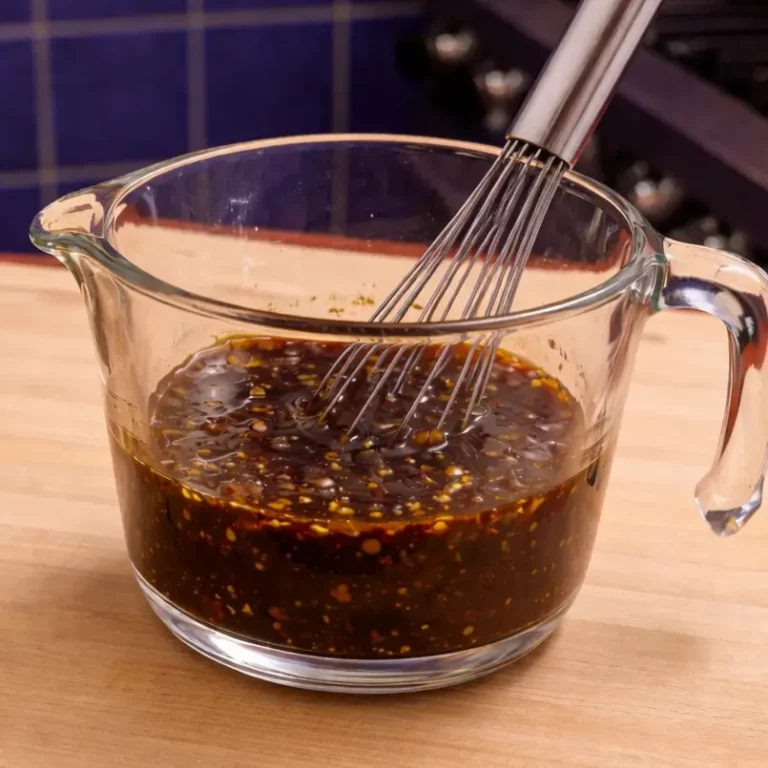
In a small bowl, stir together the remaining low-sodium soy sauce, oyster sauce, dark soy sauce, brown sugar, rice vinegar and water. Mix until the sugar has mostly dissolved. Having the sauce ready matters because the final cooking moves quickly.

3. Soften the rice noodles
Place the dried noodles in a large heatproof bowl and cover them with water heated to about 158°F. Soak for 7 to 10 minutes, or until flexible but still a little firm at the centre. The exact time depends on the brand and thickness. Drain thoroughly and separate any strands that are sticking together.
Do not cook them until completely tender in the water. They still need to absorb sauce in the wok, and fully softened noodles can break or become pasty. If they stiffen while waiting, toss them gently with a few drops of oil rather than returning them to hot water.

4. Cook the chicken
Heat a large wok or broad skillet over high heat. Add one tablespoon of peanut oil, then spread the chicken into a single layer. If the pan is less than 12 inches wide, cook it in two batches. Leave the pieces undisturbed briefly so they colour, then stir-fry until about halfway cooked.
Add the garlic and continue cooking until fragrant and the chicken is lightly golden. The centre of the largest piece should reach 165°F. This chicken temperature guide is useful when the pieces are not all the same thickness. Transfer the cooked chicken to a clean bowl.

5. Scramble the eggs and wilt the spinach
Return the wok to high heat. Add a little more oil if the surface looks dry, then crack in the eggs. Break the yolks with the spatula and fold them just until softly scrambled. Add the spinach and toss for 20 to 30 seconds. It should begin to collapse but remain bright green.
Transfer the eggs and spinach to the bowl with the chicken. This brief separate cooking prevents the spinach moisture from collecting around the noodles. What I look for here is wilted leaves without a puddle at the bottom of the wok.

6. Sauce and sear the noodles
Add the final tablespoon of oil and let the wok become hot again. Add the drained noodles, spread them over the cooking surface and pour in the prepared sauce. Toss gently with a wide spatula so the broad noodles do not tear.
Once coated, leave portions of the noodles against the hot pan for 20 to 30 seconds before turning them. A few browned edges are desirable. If the noodles are still too firm after absorbing the sauce, add water one tablespoon at a time. They are ready when glossy and flexible, with a chewy centre and no raw, brittle core.
Return the chicken, eggs and spinach to the wok. Toss just long enough to heat everything through and distribute the sauce. Taste before adding any salt because the soy and oyster sauces already provide plenty of seasoning.

Specific Mistakes to Avoid
Do not add wet spinach to the wok. Water clinging to the leaves lowers the pan temperature and dilutes the sauce. Do not pour the noodles into a crowded pan with raw chicken either. The chicken releases moisture, and the noodles will steam instead of developing dark, savoury edges.
Another common problem is oversoaking the noodles. They should bend without snapping, but they should not yet have their finished texture. Finally, keep the sauce nearby and stir it once more before pouring because the sugar can settle at the bottom of the bowl.
For another high-heat dinner with a similar rhythm, try the chicken and broccoli stir-fry. The Asian-style beef and onion stir-fry is another good example of keeping the pan hot and the cooking time short.
Substitutions
Chinese broccoli, also called gai lan, is the closest replacement for the spinach. Use about 10 ounces, separate the thicker stems from the leaves and start cooking the stems first. Regular broccoli can also be used, but cut it into small florets and blanch or steam it briefly before stir-frying.
For fresh wide rice noodles, use approximately 1 1/4 pounds and skip the soaking step. Gently separate them at room temperature before they go into the wok. Boneless chicken thighs can replace the breasts in the same quantity and stay especially juicy during high-heat cooking. A neutral vegetable or canola oil can replace peanut oil. If dark soy sauce is unavailable, use another tablespoon of regular soy sauce, understanding that the colour will be lighter and the flavour slightly saltier.

FAQ
Why did my rice noodles break?
They were probably soaked too long or stirred too aggressively. Stop soaking while they are still slightly firm and use a lifting, folding motion in the wok instead of chopping through them with the edge of the spatula.
Can I make this without a wok?
Yes. Use the widest heavy skillet you have and cook the chicken in batches. A large cooking surface is more important than the shape of the pan because overcrowding traps steam.
Is the rice vinegar necessary?
No. It appears in the video and adds a light acidic note, but it is not essential to the dish. Leave it out if you prefer a deeper, purely savoury sauce.
Can I prepare it ahead?
The sauce and vegetables can be prepared a day ahead, and the chicken can marinate overnight. For the best texture, soak and cook the noodles just before serving. Leftovers keep for up to three days in the refrigerator, but the noodles will soften as they absorb more sauce.
How do I reheat the noodles?
Warm them in a skillet over medium heat with one or two tablespoons of water. Cover briefly to create steam, then uncover and toss until hot. Microwave reheating works, but the noodles are more likely to clump.
Suggested Posts
For another noodle dinner, try my shrimp stir-fried noodles. You can also keep the takeout-style theme going with Cantonese fried rice or crispy General Tso’s chicken.
If you want something fresh beside the rich noodles, serve a small portion of crunchy cabbage and carrot salad or choose another dish from these easy vegetable side dishes. For more weeknight chicken ideas, browse the complete collection of chicken recipes or make quick chicken fajitas on another evening.

Easy Chicken Pad See Ew (Thai Stir-Fried Noodles)
Ingredients
- 1 1/4 pounds boneless skinless chicken breasts, cut into bite-size pieces
- 4 tablespoons low-sodium soy sauce divided
- 4 tablespoons peanut oil divided
- 12 ounces dried extra-wide rice noodles
- 7 ounces fresh spinach washed, dried and coarsely cut
- 2 garlic cloves minced
- 2 large eggs
- 2 tablespoons oyster sauce
- 1 tablespoon dark soy sauce
- 1 tablespoon brown sugar
- 1 teaspoon rice vinegar
- 2 tablespoons water plus more as needed
- Black pepper to taste
Instructions
- Combine the chicken with 1 tablespoon soy sauce and 1 tablespoon peanut oil. Cover and refrigerate for at least 1 hour.
- Cut the spinach, mince the garlic and mix the remaining soy sauce with the oyster sauce, dark soy sauce, sugar, vinegar and water.
- Soak the noodles in 158°F water for 7 to 10 minutes, until flexible but still slightly firm, then drain thoroughly.
- Heat 1 tablespoon oil in a wok over high heat. Cook the chicken in one layer, adding the garlic halfway through, until lightly browned and 165°F inside. Transfer to a clean bowl.
- Add 1 tablespoon oil to the wok. Softly scramble the eggs, add the spinach for 20 to 30 seconds, then transfer both to the chicken bowl.
- Heat the final tablespoon of oil. Add the noodles and sauce, toss gently and allow brief contact with the hot wok to brown the edges.
- Add water 1 tablespoon at a time only if the noodles remain too firm. Return the chicken, eggs and spinach, then toss until hot and evenly coated.