How to Make a Creamy Sauce: A Practical Guide for Smooth, Rich Sauces at Home
A creamy sauce is a smooth, rich sauce usually made with cream, milk, stock, butter, cheese, or a combination of these ingredients. It can be used for chicken, pasta, steak, vegetables, seafood, potatoes, rice, and many comfort food dishes.
The secret to a good creamy sauce is not just adding cream. A creamy sauce needs balance, gentle heat, enough seasoning, the right thickness, and a little acidity or sharpness so it does not taste heavy. I prefer to make creamy sauces by building flavor first, then adding the cream near the end, because it gives the sauce more depth and helps keep the texture smooth.

Why This Guide Matters
Creamy sauces are everywhere in home cooking. They show up in chicken dinners, pasta dishes, steakhouse-style sauces, casseroles, gratins, mushroom sauces, cheese sauces, and quick weeknight meals.
A good creamy sauce should feel smooth and rich without becoming greasy, bland, or too thick. It should coat the food, not drown it. It should taste balanced, not just like hot cream.
This is useful when making dishes like creamy chicken recipes, creamy pasta recipes, or a classic pan sauce like creamy Dijon sauce for steak.
Once you understand the basic method, you can adjust a creamy sauce for many recipes. You can make it lighter with stock, richer with heavy cream, sharper with Dijon mustard, brighter with lemon, deeper with mushrooms, or more comforting with cheese.

Quick Answer
To make a creamy sauce, start by building flavor with butter, aromatics, browned meat, mushrooms, garlic, shallots, or pan juices. Deglaze with wine, stock, or water if needed, reduce slightly, then add cream and simmer gently until the sauce thickens enough to coat the back of a spoon.
The basic formula is:
- Start with flavor: butter, garlic, shallots, mushrooms, pan juices, herbs, or spices
- Add liquid: stock, wine, pasta water, milk, or cream
- Simmer gently: do not boil cream too hard
- Thicken carefully: reduce, add cheese, use a roux, or use a small slurry if needed
- Balance the taste: salt, pepper, lemon, Dijon, herbs, or Parmesan
- Finish gently: keep the sauce smooth and glossy
The Basic Creamy Sauce Method
A creamy sauce usually follows a simple order. The ingredients can change, but the technique stays similar.
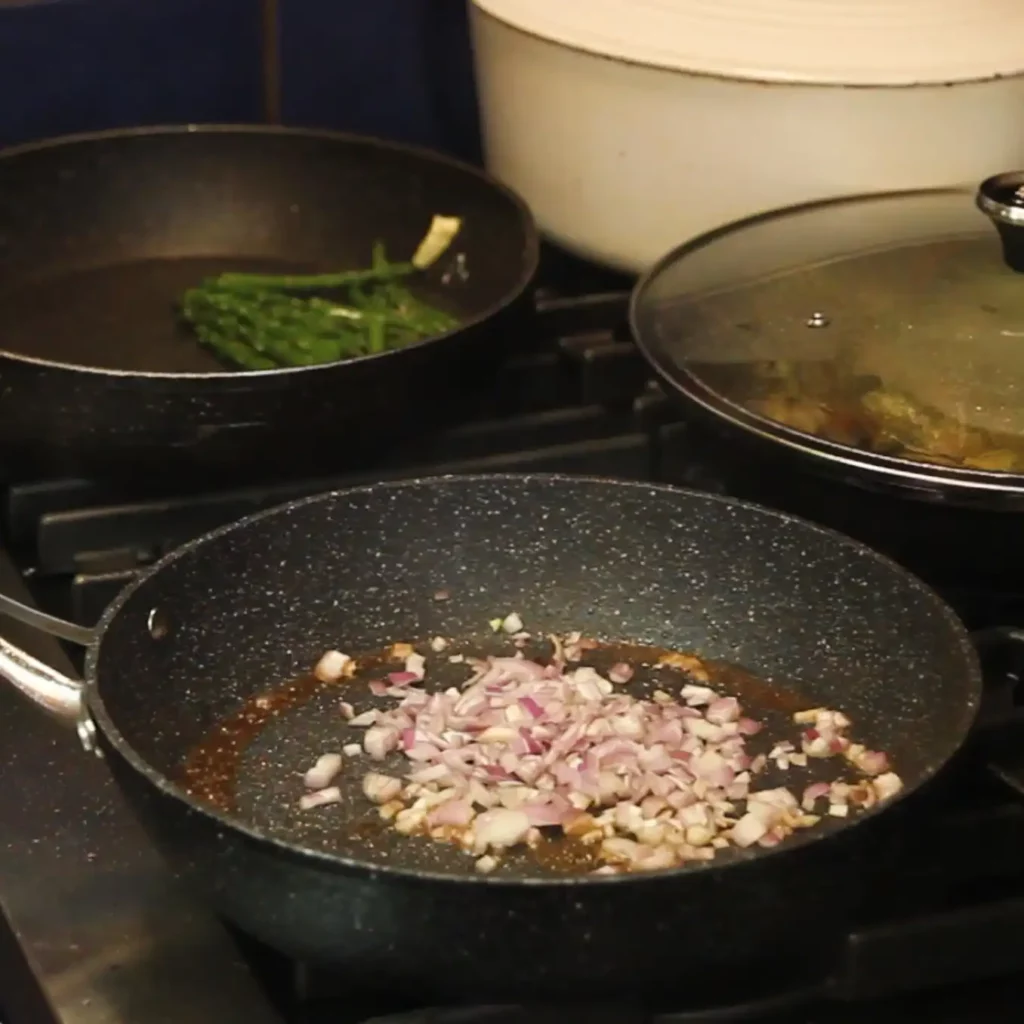
Step 1: Build Flavor First
The best creamy sauces do not start with cream alone. They start with flavor.
Good flavor bases include:
- Butter and garlic
- Shallots and white wine
- Mushrooms cooked until browned
- Chicken or steak pan juices
- Tomato paste cooked briefly
- Dijon mustard
- Parmesan or another cheese
- Fresh herbs
- Black pepper
- Lemon zest or lemon juice
- Stock or broth
If you are making a chicken dish, browning the chicken first gives the sauce more flavor. That is why a pan sauce works so well in recipes like chicken supreme with mushroom cream sauce or creamy pepper chicken with cognac, shallots, and cream.
For pasta, the flavor base may be garlic, tomato paste, mushrooms, cheese, or sun-dried tomatoes. A good example is spicy creamy chicken pasta, where the cream works with seasoning and pasta to create a full sauce.
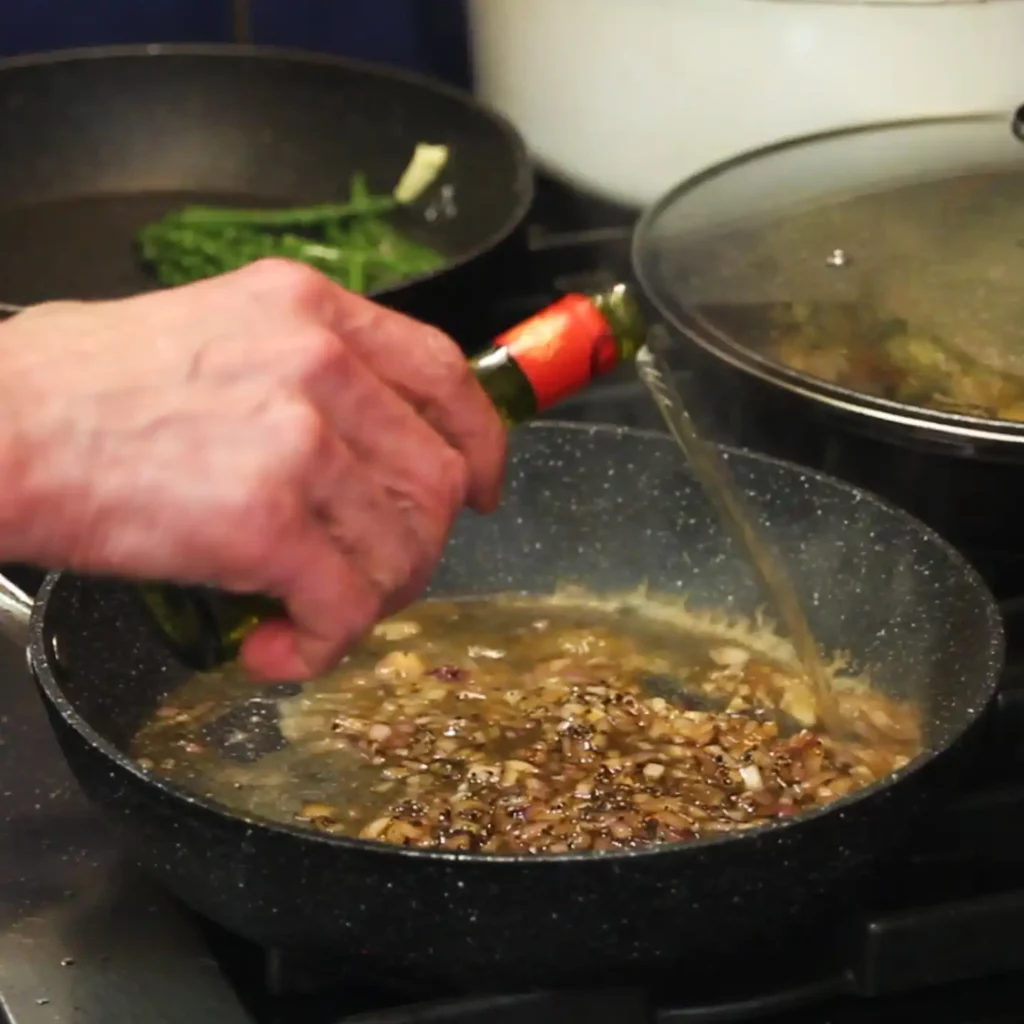
Step 2: Deglaze the Pan
Deglazing means adding liquid to the pan to lift the browned bits stuck to the bottom. Those browned bits carry a lot of flavor.
You can deglaze with:
- Chicken stock
- Beef stock
- Vegetable stock
- White wine
- Cognac
- Water
- Pasta cooking water
For home cooking, stock is usually the easiest and most reliable option. Wine or cognac can add more bistro-style flavor, especially for steak or chicken, but they should be reduced before adding the cream so the sauce does not taste harsh.
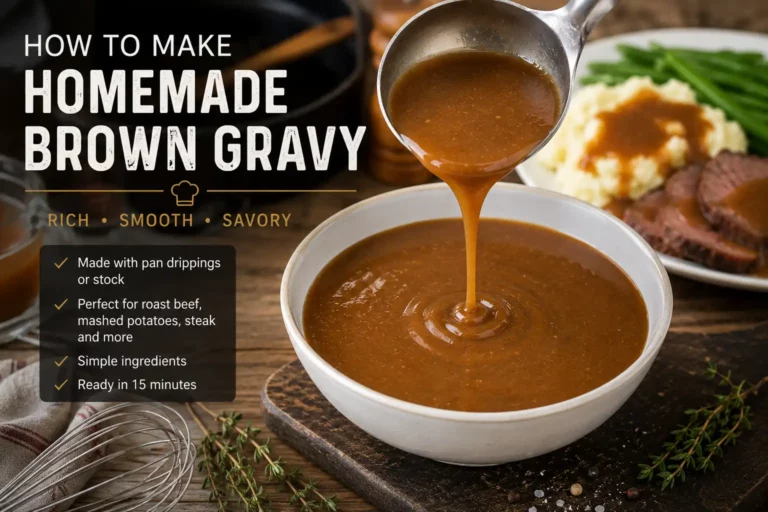
A steak sauce like Sauce Diane works because the sauce is built in the pan with mushrooms, shallots, cognac, mustard, stock, and cream. That same idea can be used in simpler home sauces.
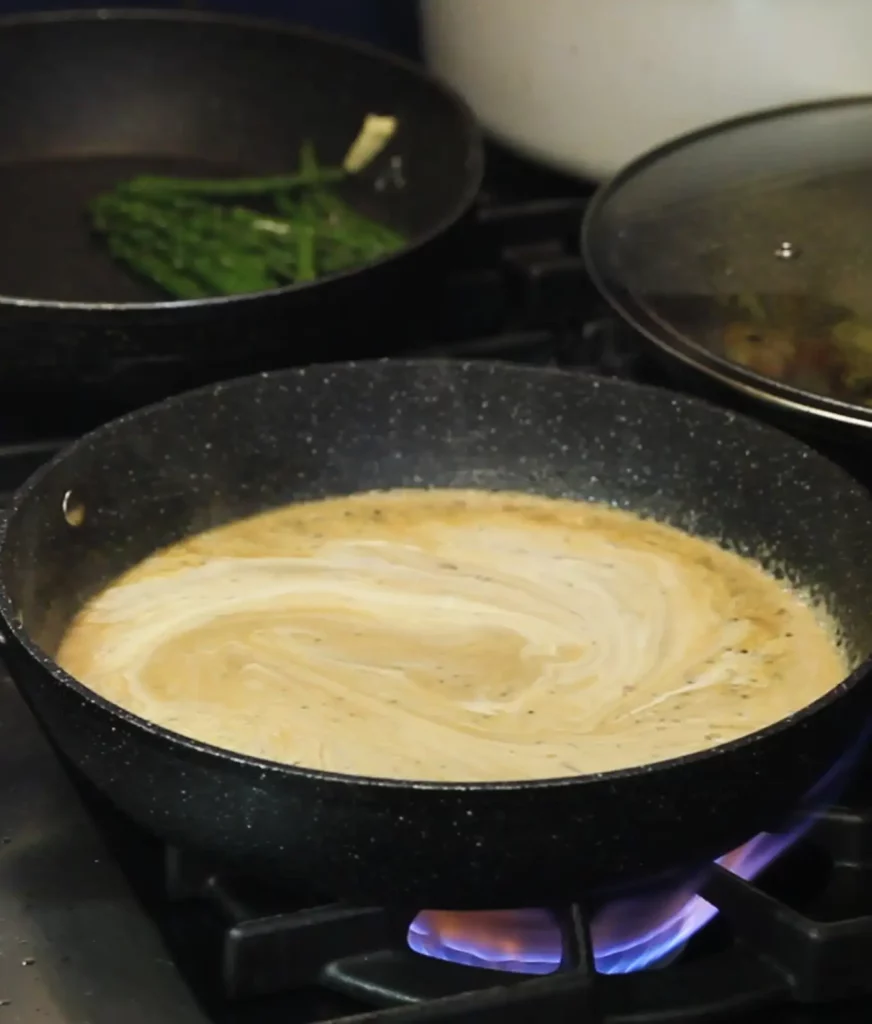
Step 3: Add the Cream at the Right Time
Cream should usually be added after the strongest flavors have already been developed. If you add cream too early and boil it hard, the sauce can reduce too much, feel greasy, or lose its smooth texture.
For a classic creamy sauce, add the cream after:
- The aromatics have softened
- The mushrooms are browned
- The wine or stock has reduced slightly
- The meat is mostly cooked
- The tomato paste has been cooked briefly
- The pan has been deglazed
Once the cream is added, lower the heat and simmer gently.
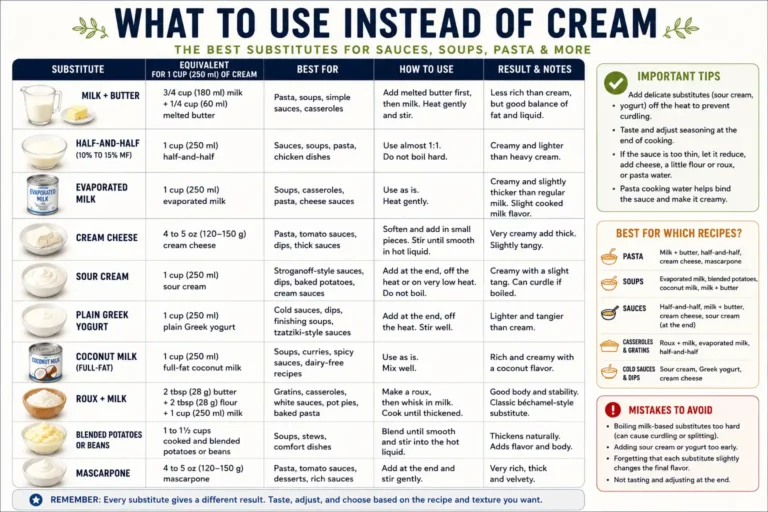
Heavy cream is the easiest option because it is stable and rich. Half-and-half can work, but it is thinner and more likely to separate if boiled aggressively. Milk can be used, but it usually needs a roux, cheese, starch, or reduction to feel creamy.
Step 4: Simmer Gently Until the Texture Is Right
A creamy sauce should simmer, not violently boil. Gentle heat gives the sauce time to thicken and develop flavor without breaking.
The sauce is ready when it lightly coats the back of a spoon. For pasta, it should look a little loose in the pan because the pasta will absorb some sauce as it sits.
If the sauce becomes too thick, add a splash of warm stock, pasta water, milk, or cream. If the sauce is too thin, simmer a little longer or use one of the thickening methods below.
Best Ways to Thicken a Creamy Sauce
Different creamy sauces need different thickening methods. The best choice depends on the recipe.
| Thickening Method | Best For | How It Works | Watch Out For |
| Gentle reduction | Cream sauces, pan sauces, pasta sauces | Simmering evaporates water and concentrates the sauce | Too much reduction can make the sauce salty or heavy |
| Roux | Béchamel, cheese sauce, gratins | Butter and flour thicken milk or stock | Flour must cook briefly to avoid a raw taste |
| Cheese | Pasta sauces, creamy chicken, gratins | Melted cheese thickens and seasons the sauce | Too much heat can make cheese grainy |
| Pasta water | Pasta sauces | Starch helps sauce cling to pasta | Add gradually so the sauce does not become watery |
| Cornstarch slurry | Quick sauces | Starch thickens liquid fast | Too much can make the sauce glossy or gummy |
| Beurre manié | French-style sauces | Soft butter and flour thicken hot sauce | Add in small pieces and simmer gently |
| Blended vegetables | Lighter creamy sauces | Puréed vegetables add body | Flavor changes depending on the vegetable |
For most home cooking, reduction, cheese, pasta water, or a small roux will handle almost every creamy sauce.
Creamy Sauce Ingredients and Best Uses
| Ingredient | Best Use | Texture | Good Pairings |
| Heavy cream | Rich pan sauces, pasta, chicken, steak | Thick and stable | Chicken, mushrooms, Dijon, pepper, Parmesan |
| Half-and-half | Lighter sauces | Medium-light | Pasta, vegetables, quick skillet sauces |
| Milk | Béchamel-style sauces | Light unless thickened | Gratins, casseroles, cheese sauces |
| Stock | Lightens cream sauces | Savory and thinner | Chicken, beef, mushrooms, pan sauces |
| Pasta water | Helps sauce cling | Silky when used correctly | Pasta, Parmesan, garlic, tomato cream sauces |
| Parmesan | Adds salt and body | Creamy but can become grainy | Pasta, chicken, tomato cream sauces |
| Cream cheese | Fast thickening | Thick and tangy | Pasta, dips, quick sauces |
| Dijon mustard | Adds sharpness | Smooth | Chicken, steak, pork, cream sauces |
| Lemon juice | Adds brightness | Does not thicken | Chicken, fish, pasta, asparagus |
How to Make a Creamy Sauce for Pasta
Creamy pasta sauce needs to cling to the pasta without becoming gluey. The biggest mistake is making the sauce too thick before adding the pasta.
A good pasta sauce should be slightly loose in the pan because pasta continues to absorb liquid. Save some pasta water before draining. Add the pasta directly to the sauce, then toss with a splash of pasta water until the texture becomes glossy.
For pasta, useful creamy sauce bases include:
- Cream, garlic, and Parmesan
- Tomato paste, cream, and basil
- Mushrooms, cream, and pasta water
- Lemon, garlic, cream, and Parmesan
- Mozzarella, Parmesan, and cream
- Cottage cheese blended with Parmesan and pasta water
For examples, explore creamy mushroom pasta, easy creamy tomato pasta, creamy mozzarella Parmesan pasta, and cottage cheese Alfredo pasta sauce.
How to Make a Creamy Sauce for Chicken
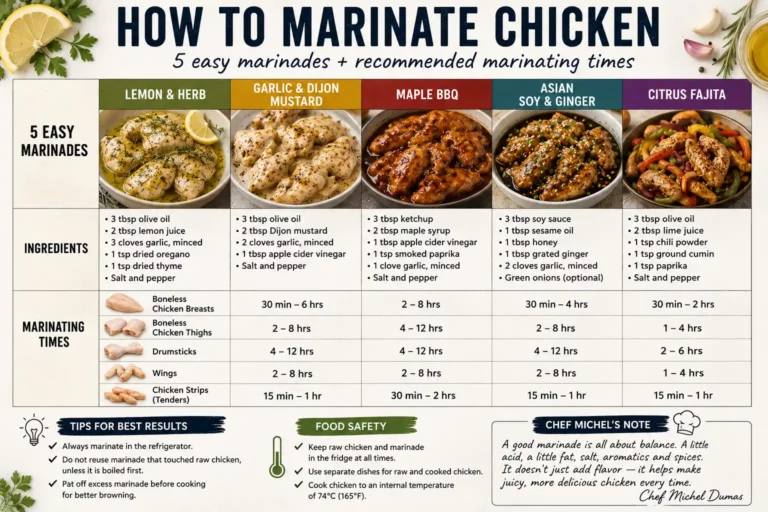
Chicken works very well with creamy sauces because it has a mild flavor. The sauce can go in many directions: mushroom cream, mustard cream, garlic cream, lemon cream, pepper cream, tomato cream, or cheese cream.
For chicken, I prefer to build the sauce in the same pan used to cook the chicken. The browned bits from the chicken give the sauce more flavor. After searing the chicken, remove it from the pan, cook the aromatics, deglaze, add cream, then return the chicken to finish gently.
Good creamy sauce flavors for chicken include:
- Garlic and mushrooms
- Dijon mustard and cream
- Lemon and garlic
- White wine and shallots
- Sun-dried tomatoes and Parmesan
- Black pepper and cognac
- Roquefort or blue cheese
Recipes like mustard chicken, creamy lemon garlic chicken, creamy garlic mushroom chicken, and Marry Me Chicken all show different ways to use cream without making the dish taste flat.
How to Make a Creamy Sauce for Steak
A creamy steak sauce should taste bold enough to stand up to beef. Steak can handle Dijon, mushrooms, black pepper, cognac, shallots, blue cheese, and strong stock-based flavors.
The key is to start with the pan. After searing the steak, let it rest, then use the same pan to build the sauce. Cook shallots or mushrooms, deglaze with cognac, wine, or stock, reduce, then add cream and seasoning.
Good creamy sauce flavors for steak include:
- Dijon and shallots
- Mushrooms and cognac
- Green peppercorn or black pepper
- Roquefort or blue cheese
- Camembert and white wine
- Beef stock and cream
For steak night, try building from recipes like steak with creamy mushroom sauce, flank steak with creamy Roquefort sauce, or creamy Camembert steak sauce.
How to Balance a Creamy Sauce
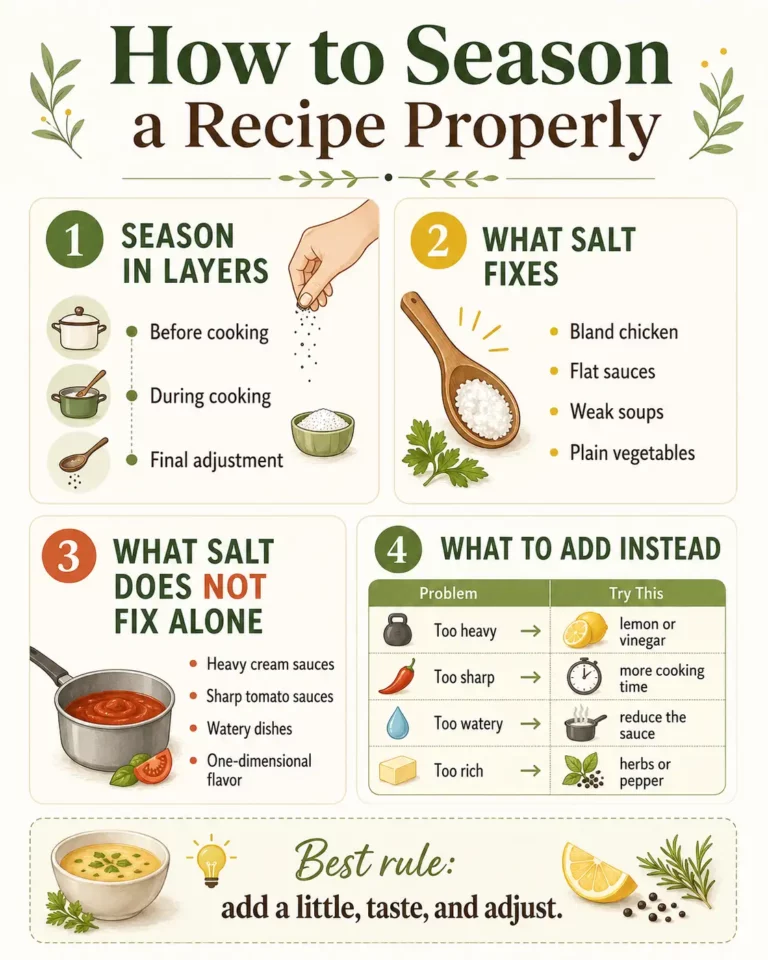
A creamy sauce can taste heavy if it has richness but no contrast. The best creamy sauces usually include at least one balancing ingredient.
| Problem | What It Needs | Good Fixes |
| Tastes flat | Salt or aromatics | Salt, pepper, garlic, shallots, herbs |
| Tastes too rich | Acidity | Lemon juice, Dijon, vinegar, white wine |
| Tastes too sharp | Fat or sweetness | Cream, butter, cheese, longer simmering |
| Tastes too salty | Dilution | Unsalted cream, stock, pasta, potatoes |
| Too thick | More liquid | Stock, milk, pasta water, cream |
| Too thin | More body | Reduction, cheese, roux, slurry |
| Too greasy | Emulsion and balance | Lower heat, whisk, add a splash of liquid |
| Too bland | Depth | Browned mushrooms, pan juices, stock, Parmesan |
A small amount of acid is often what makes a creamy sauce taste finished. Dijon mustard, lemon juice, wine, tomato, or vinegar can cut through richness and make the sauce feel more balanced.
Common Mistakes to Avoid
Boiling Cream Too Hard
Cream can handle heat, but aggressive boiling can make a sauce reduce too fast or feel greasy. Simmer gently after adding cream.
Adding Cheese Over High Heat
Cheese can turn grainy if the heat is too high. Remove the pan from direct high heat before adding Parmesan, mozzarella, blue cheese, or other cheeses.
Not Reducing Wine Before Adding Cream
If wine tastes harsh, the sauce will taste harsh. Let wine reduce before adding cream so the flavor becomes smoother.
Forgetting the Pan Juices
For chicken, steak, and pork, the browned bits in the pan are valuable. Deglazing brings that flavor into the sauce.
Making the Sauce Too Thick
A creamy sauce should coat the food, not sit like paste. If it thickens too much, loosen it with warm liquid.
Underseasoning
Cream softens flavor. A sauce that seemed well seasoned before the cream may need more salt, pepper, mustard, lemon, herbs, or cheese after the cream is added.
Adding Acid Too Early to Dairy
Strong acidity can sometimes affect texture if added aggressively. For lemon or vinegar, add a small amount near the end and taste as you go.
Storage and Reheating
Creamy sauces can be stored, but the texture may change after cooling. Sauces with cream, cheese, or butter can thicken in the fridge and may separate if reheated too quickly.
| Sauce Type | Fridge Storage | Freezer | Reheating Tip |
| Basic cream sauce | 2 to 3 days | Not ideal | Reheat gently with a splash of milk or stock |
| Creamy pasta sauce | 2 to 3 days | Not ideal | Add pasta water, milk, or cream when reheating |
| Cheese cream sauce | 2 to 3 days | Not ideal | Reheat slowly and stir often |
| Tomato cream sauce | 3 to 4 days | Usually better than plain cream sauce | Reheat gently and stir well |
| Mushroom cream sauce | 2 to 3 days | Not ideal | Add a splash of stock or cream |
| Creamy chicken sauce | 2 to 3 days | Not ideal | Reheat until hot, but avoid hard boiling |
For food safety, cool leftovers promptly, refrigerate them in a covered container, and reheat gently until properly hot. If a sauce smells off, looks separated in an unusual way, or has been stored too long, it is better to discard it.
Creamy Sauce Ideas by Dish
| Dish | Best Creamy Sauce Style | Good Flavor Additions |
| Chicken breast | Mushroom cream, Dijon cream, lemon garlic cream | Shallots, garlic, white wine, Parmesan |
| Chicken thighs | Garlic mushroom cream, Cajun cream, tomato cream | Bacon, spices, stock, herbs |
| Steak | Dijon cream, pepper cream, mushroom cream, blue cheese cream | Cognac, shallots, beef stock |
| Pasta | Parmesan cream, tomato cream, mushroom cream | Pasta water, garlic, basil, lemon |
| Potatoes | Cheese cream, garlic cream, brown cream sauce | Gruyère, Parmesan, herbs |
| Vegetables | Light cream sauce, lemon cream, cheese sauce | Nutmeg, herbs, mustard |
| Fish | Lemon cream, herb cream, light velouté-style sauce | Dill, parsley, white wine |
| Rice | Creamy stock sauce, mushroom cream | Parmesan, herbs, chicken stock |
FAQ
What is the easiest creamy sauce to make?
The easiest creamy sauce is usually a simple garlic cream sauce. Cook garlic gently in butter, add cream, simmer until slightly thickened, then season with salt, pepper, and Parmesan or lemon depending on the dish.
How do you thicken a creamy sauce?
You can thicken a creamy sauce by simmering it gently, adding cheese, using a roux, adding a small cornstarch slurry, or using pasta water for pasta sauces. The best method depends on the recipe.
Why did my creamy sauce split?
A creamy sauce can split if the heat is too high, if cheese is added too aggressively, or if too much fat separates from the liquid. Lower the heat and whisk in a small splash of warm liquid to help bring it back together.
Can I make a creamy sauce without heavy cream?
Yes. You can use milk with a roux, half-and-half, evaporated milk, cream cheese, blended cottage cheese, or a stock-based sauce finished with a smaller amount of dairy. The texture will change depending on the substitute.
Why does my creamy pasta sauce get too thick?
Pasta absorbs sauce as it sits. Keep the sauce a little looser in the pan, and save pasta water so you can adjust the texture before serving.
How do I make a creamy sauce taste less heavy?
Add a small amount of acidity or sharpness. Lemon juice, Dijon mustard, white wine, vinegar, tomato, or fresh herbs can balance the richness.
Can I freeze creamy sauce?
Creamy sauces are usually not the best for freezing because dairy can separate after thawing. Tomato cream sauces often freeze better than cheese-heavy or plain cream sauces, but the texture may still change.
What is the best cream for creamy sauce?
Heavy cream is usually the most reliable because it thickens well and is less likely to separate. Half-and-half and milk can work, but they often need help from roux, cheese, or starch.
Final Thoughts
A creamy sauce is one of the most useful techniques in home cooking. Once you understand how to build flavor, deglaze the pan, add cream at the right time, simmer gently, and balance the richness, you can make sauces for chicken, pasta, steak, vegetables, potatoes, rice, and more.
Start simple with garlic, cream, stock, and seasoning. Then build more flavor with mushrooms, Dijon mustard, lemon, Parmesan, tomato paste, black pepper, or pan juices. A good creamy sauce should feel rich, but it should still taste balanced.
For more ideas, explore creamy chicken recipes, creamy pasta recipes, and the full sauces category.
Useful Links
🛒 Michel Dumas Shop : Explore our kitchen essentials, including aprons and knives.
🌐 Linktree : Access all our important links in one place.
📱 YouTube | Instagram | Facebook | TikTok : Follow us for the latest recipes and culinary tips.