Quick Piperade with Eggs and Peppers
Piperade is a rustic pepper, onion, and tomato dish from the French Basque tradition, usually finished with eggs for a simple skillet meal. This version keeps that spirit but streamlines the method so it works beautifully as a quick breakfast, brunch, lunch, or light dinner any time of year.
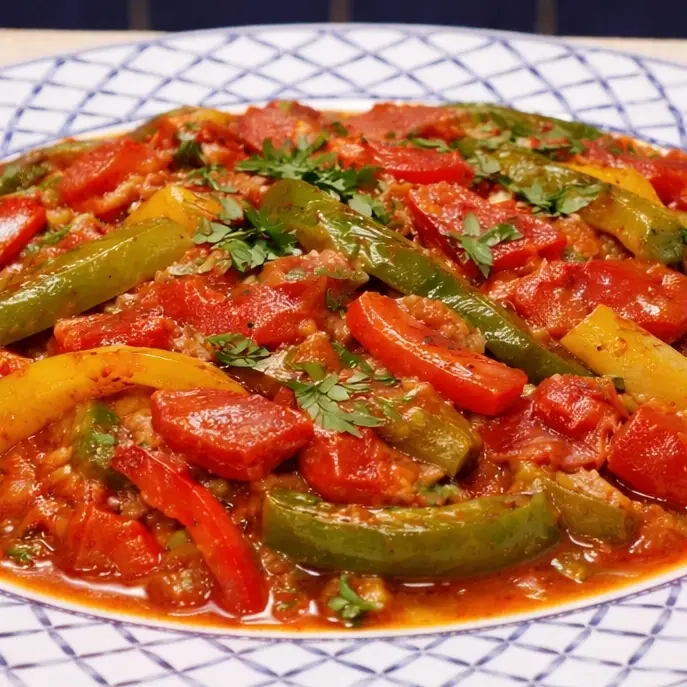
This recipe is based on my YouTube video, with a few adjustments since publication to make it work better as a standalone piperade recipe rather than a leftover-style variation. The result is a softer, more balanced skillet of peppers, onions, tomatoes, and gently cooked eggs that feels sunny and comforting even when it is cold outside.
If you enjoy southern-style vegetable dishes, you might also like my oven roasted mixed vegetables, my eggplant parmigiana, or my gratin de courgettes zucchini gratin. But this piperade has a different purpose: it is faster, egg-based, lighter than a gratin, and more vegetable-forward than a classic omelet.
What Is Piperade?
Piperade is a skillet dish built from peppers, onions, tomatoes, olive oil, and eggs. It is different from ratatouille because it focuses on peppers and onions instead of zucchini and eggplant, and it is different from shakshuka because the texture is usually softer, less saucy, and a little more delicate. It is the kind of meal you make when you want something warm, savory, and satisfying without spending all day in the kitchen.
Why This Version Works
In the video, the piperade comes together from an already-cooked vegetable base. For a website recipe, that can be frustrating because readers need a version they can make from start to finish without first preparing a full pot of ratatouille. This adjusted version solves that problem.
Here, the peppers and onions are cooked directly in the pan until soft and lightly sweet, then simmered briefly with tomatoes before the eggs go in. The finished dish stays true to the spirit of piperade while giving you clearer proportions and a better balance between vegetables and eggs.
It is also a practical recipe. Eggs make it protein-rich, the vegetables keep it bright and fresh, and olive oil gives it body without turning it heavy. Served with toasted bread, roasted potatoes, or a small salad, it easily becomes a complete meal.
If you like egg dishes with a different texture, my creamy French omelette recipe is softer and more classic, while my potato and pepper omelette is heartier and more substantial. Piperade sits somewhere in between: saucier than an omelet, but less tomato-heavy than Tunisian shakshuka.

Ingredients You Need
The heart of this recipe is simple:
- bell peppers
- onion
- garlic
- tomatoes
- olive oil
- eggs
- thyme, bay, salt, and pepper
You can use mixed bell peppers for color and sweetness. Red peppers give the deepest flavor, yellow and orange make the dish sweeter, and green peppers add a slightly sharper note. A mix gives the best result.
For tomatoes, canned crushed tomatoes are the most practical option year-round. They are consistent, easy to use, and cook down nicely. If you already make homemade tomato sauce with fresh tomatoes, a little of that can also work as the tomato element, as long as it is not overly thick or heavily seasoned.

A Few Important Technique Notes
The biggest mistake in piperade is rushing the vegetables. The peppers and onions need enough time to soften and lose some of their water. That is what gives the dish its silky texture and concentrated flavor.
The second important point is the eggs. You do not want them hard and dry. They should just set, with whites cooked through and yolks still soft or slightly jammy depending on how you like them. That contrast between sweet vegetables and tender eggs is what makes the dish feel generous even though the ingredient list is short.
You can leave the eggs whole in the pan for a more rustic look, or you can stir them lightly for a looser finish. I prefer leaving them whole because it gives the dish more character on the plate.
How to Make Piperade
1. Start with the vegetables
Slice the peppers into strips, then cut the strips into shorter pieces so they cook evenly and are easier to eat. Thinly slice the onion and finely chop the garlic.
Heat olive oil in a large skillet over medium heat. Add the onion first and cook for a few minutes until it starts to soften. Add the peppers and continue cooking, stirring regularly, until the vegetables relax and lose volume. They should not be crunchy. They should be soft, glossy, and lightly concentrated.
Add the garlic near the end so it perfumes the pan without burning.
2. Add the tomatoes and seasonings
Pour in the crushed tomatoes and season with thyme, a little bay, salt, and black pepper. Lower the heat and let everything simmer gently until the mixture thickens slightly. You are not making a soup and you are not making a pasta sauce. The texture should be spoonable and soft, with the vegetables still visible.
This is one of the main differences between piperade and some tomato-based egg skillets. The vegetable base should still feel like vegetables first.
If you enjoy tomato-forward comfort dishes, my creamy tomato soup or spaghetti al pomodoro lean much more heavily into the tomato side. Piperade stays more balanced.

3. Add the eggs
Make small wells in the hot vegetable mixture and crack in the eggs. Cover the pan loosely and cook over low to medium-low heat until the whites are set. This usually takes only a few minutes.
For softer yolks, stop cooking as soon as the whites are done. For firmer yolks, give the pan another minute. Do not let the base boil aggressively once the eggs are in.
4. Finish and serve
Taste the vegetables and adjust seasoning if needed. A little extra black pepper is often enough.
Serve the piperade right away with toast, rustic bread, or a spooned side of rice. If you want something a bit more substantial, rice pilaf makes a very good base, especially if you are serving this for lunch or dinner rather than brunch.

How This Recipe Differs from Similar Dishes
This is not ratatouille with eggs. Ratatouille usually includes zucchini and eggplant and cooks longer into a fuller vegetable stew. If that is what you want, go with oven roasted mixed vegetables as a side or explore more robust vegetable dishes like authentic Greek moussaka or eggplant parmigiana.
This is also not a classic omelet. An omelet is more egg-forward and faster. Piperade gives the vegetables much more importance. If you are after a softer egg preparation without the tomato-pepper base, creamy French omelette is the better fit.
And while it may remind some people of shakshuka, this recipe is milder and more French in character. Shakshuka often uses more spices and a looser tomato sauce. For that profile, see my Tunisian shakshuka.
Substitutions
Bell peppers are the main vegetable here, but you can adjust the colors according to what you have. All red peppers will give a sweeter result. Adding one green pepper makes the flavor more traditional and slightly sharper.
Shallots can replace onion if needed, though the finished dish will be a little more delicate.
Fresh tomatoes can replace canned crushed tomatoes in summer, but they need a bit more cooking time to reduce properly. If they are very juicy, let them cook uncovered until the excess moisture evaporates.
Dried thyme works well year-round. If you have fresh thyme, use it. A little parsley at the end is also good.
You can use 3 eggs for a lighter meal or 4 eggs for a more filling skillet. I find 4 eggs ideal if serving two hungry people with bread.
For a richer Basque-inspired variation, a little diced ham can be sautéed with the onions before the peppers go in.

What to Serve with Piperade
The most natural partner is bread. Toasted country bread, baguette, or even grilled slices rubbed lightly with garlic all work very well.
If you want a fuller plate, serve it with Parisian potatoes or pommes parisiennes with bacon. For a simpler side, homemade Greek salad brings freshness and contrast.
For brunch, it also pairs nicely with easy homemade crepes if you want a table with both savory and sweet options.
FAQ
Can I make piperade ahead?
Yes. The pepper, onion, and tomato base can be made ahead and kept in the fridge. Reheat it in a skillet, then add the eggs just before serving.
Can I scramble the eggs into the vegetables?
Yes. That gives a softer, more mixed texture. It is less dramatic visually, but still very good.
Is piperade a breakfast dish or a dinner dish?
Both. It works for brunch with toast, but it is also excellent for a quick lunch or light dinner.
Can I add zucchini or eggplant?
You can, but then the dish starts moving closer to ratatouille. For a truer piperade, keep the focus on peppers, onion, tomato, and eggs.
How do I avoid watery piperade?
Cook the peppers long enough before adding the tomatoes, and simmer the tomato mixture until slightly reduced before adding the eggs.
Can I make it spicy?
Yes. A pinch of chili flakes or a bit of hot pepper works well, but keep it moderate if you want the sweeter pepper flavor to stay in front.
Suggested Posts
For similar egg-based dishes, try creamy French omelette, potato and pepper omelette, or savoyard omelette.
For vegetable-forward sides and mains, see oven roasted mixed vegetables, gratin de courgettes zucchini gratin, and eggplant parmigiana.
For tomato-based comfort dishes, take a look at homemade tomato sauce with fresh tomatoes, creamy tomato soup, and spaghetti al pomodoro.

Quick Piperade with Eggs and Peppers
Ingredients
- 2 tablespoons olive oil
- 1 large onion thinly sliced
- 3 bell peppers mixed colors, sliced
- 3 garlic cloves finely chopped
- 1 1/2 cups crushed tomatoes
- 1/2 teaspoon dried thyme
- 1 small bay leaf or a pinch of ground bay
- 1/2 teaspoon kosher salt plus more to taste
- 1/4 teaspoon black pepper plus more to taste
- 4 eggs
- chopped parsley optional, for serving
Instructions
- Heat the olive oil in a large skillet over medium heat.
- Add the onion and cook for 3 to 4 minutes. Add the peppers and cook for 10 to 12 minutes, stirring often, until softened.
- Add the garlic and cook for 30 seconds.
- Stir in the crushed tomatoes, thyme, bay, salt, and pepper. Simmer over medium-low heat for 8 to 10 minutes, until slightly reduced.
- Make 4 small wells in the vegetables and crack an egg into each one.
- Cover loosely and cook for 4 to 6 minutes, until the whites are set and the yolks are done to your liking.
- Taste, adjust seasoning, garnish with parsley if using, and serve hot.
Video
Notes
Substitutions
Bell peppers are the main vegetable here, but you can adjust the colors according to what you have. All red peppers will give a sweeter result. Adding one green pepper makes the flavor more traditional and slightly sharper. Shallots can replace onion if needed, though the finished dish will be a little more delicate. Fresh tomatoes can replace canned crushed tomatoes in summer, but they need a bit more cooking time to reduce properly. If they are very juicy, let them cook uncovered until the excess moisture evaporates. Dried thyme works well year-round. If you have fresh thyme, use it. A little parsley at the end is also good. You can use 3 eggs for a lighter meal or 4 eggs for a more filling skillet. I find 4 eggs ideal if serving two hungry people with bread. For a richer Basque-inspired variation, a little diced ham can be sautéed with the onions before the peppers go in.FAQ
Can I make piperade ahead?
Yes. The pepper, onion, and tomato base can be made ahead and kept in the fridge. Reheat it in a skillet, then add the eggs just before serving.Can I scramble the eggs into the vegetables?
Yes. That gives a softer, more mixed texture. It is less dramatic visually, but still very good.Is piperade a breakfast dish or a dinner dish?
Both. It works for brunch with toast, but it is also excellent for a quick lunch or light dinner.Can I add zucchini or eggplant?
You can, but then the dish starts moving closer to ratatouille. For a truer piperade, keep the focus on peppers, onion, tomato, and eggs.How do I avoid watery piperade?
Cook the peppers long enough before adding the tomatoes, and simmer the tomato mixture until slightly reduced before adding the eggs.Can I make it spicy?
Yes. A pinch of chili flakes or a bit of hot pepper works well, but keep it moderate if you want the sweeter pepper flavor to stay in front.🔗 Useful Links
🛒 Michel Dumas Shop : Explore our kitchen essentials, including aprons and knives.
🌐 Linktree : Access all our important links in one place.
📱 YouTube | Instagram | Facebook | TikTok : Follow us for the latest recipes and culinary tips.