How to Thicken a Sauce That Is Too Thin: Easy Fixes for Home Cooking
A sauce that is too thin usually needs one of three things: more reduction, a thickening ingredient, or better emulsification. Whether you are making a creamy pasta sauce, tomato sauce, pan sauce, gravy, cheese sauce, or stew sauce, the best fix depends on what the sauce is made of and how it will be served.

A thin sauce is not always a mistake. Sometimes it just needs a few extra minutes on the stove. Other times, it needs a small amount of roux, cornstarch slurry, beurre manié, cream, cheese, tomato paste, or pasta water to bring everything together. I prefer to fix sauces gradually because it is much easier to thicken a sauce slowly than to repair one that becomes gluey, pasty, or too heavy.
Why This Guide Matters
A good sauce should coat the food without drowning it. It should cling to pasta, spoon nicely over chicken, glaze vegetables lightly, or sit around a piece of meat without running across the plate like water.
The problem is that sauces change quickly. A cream sauce that looks perfect in the pan can become too loose once pasta is added. A tomato sauce can seem watery if the tomatoes release too much liquid. A pan sauce can stay thin if it was not reduced long enough. A gravy can look weak if the thickener was not measured properly.
Knowing how to thicken a sauce is useful for everyday cooking because it helps you save dinner without starting over. This matters in recipes like creamy tomato pasta, spicy creamy chicken pasta, creamy chicken fettuccine Alfredo, or steak with creamy mushroom sauce, where the sauce texture is a big part of the final dish.
Quick Answer
To thicken a sauce that is too thin, start with the simplest fix:
- Simmer the sauce uncovered if it tastes good but looks watery.
- Use a cornstarch slurry for a fast, glossy thickening method.
- Use a roux for gravies, béchamel-style sauces, and creamy sauces.
- Use beurre manié to thicken a sauce at the end without starting over.
- Use cheese, cream, or pasta water for pasta sauces.
- Use tomato paste or reduction for tomato-based sauces.
- Use puréed vegetables or beans for soups, stews, and rustic sauces.
The best method depends on the sauce. Do not use the same thickener for everything.

The First Rule: Check the Sauce Before Adding Anything
Before adding a thickener, ask three questions.
Does the sauce taste good?
If the sauce already tastes good but is too thin, reduce it gently or add a small thickener.
If the sauce tastes weak, it may need more cooking time, better seasoning, more aromatics, or reduction before thickening. Thickening a bland sauce only gives you a thicker bland sauce.
Is the sauce too watery or just not coating?
A sauce can look thin because it has too much liquid, but it can also look thin because the fat and liquid are not properly combined. A cream sauce, butter sauce, or cheese sauce may need emulsification, not just thickening.
For example, in a pasta dish like creamy Tuscan chicken pasta, the sauce depends on cream, cheese, pasta water, and gentle heat working together. If the heat is too high or the cheese is added too fast, the sauce can separate instead of coating properly.
What food will the sauce be served with?
A sauce for pasta should be a little looser in the pan because pasta will absorb liquid. A sauce for steak should be more concentrated because it is spooned over the meat. A sauce for a baked dish can be slightly loose before baking because it will thicken in the oven.
That is why a sauce for meat cannelloni with homemade tomato sauce can be a little different from a sauce for spaghetti al pomodoro.
Best Ways to Thicken a Sauce

1. Reduce the Sauce
Reduction is the simplest way to thicken a sauce. It means simmering the sauce uncovered so excess water evaporates.
This works best when the sauce already has good flavor but is too loose.
Use reduction for:
- Tomato sauces
- Pan sauces
- Wine sauces
- Stock-based sauces
- Meat sauces
- Vegetable sauces
- Soups that need more body
To reduce a sauce, keep it at a steady simmer and stir occasionally. Do not boil it aggressively unless the recipe can handle it. A hard boil can make cream sauces separate, tomato sauces splatter, and delicate sauces taste harsh.
Reduction is especially useful for tomato-based recipes like homemade tomato sauce with fresh tomatoes. Fresh tomatoes can release a lot of liquid, so simmering helps concentrate the sauce and improve the texture.
2. Use a Cornstarch Slurry
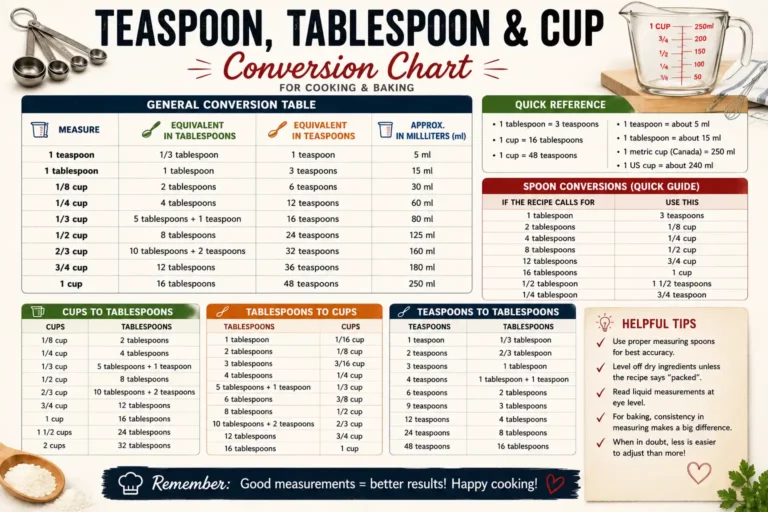
A cornstarch slurry is one of the fastest ways to thicken a sauce. Mix cornstarch with cold water, then add it to the simmering sauce.
The basic ratio is:
| Sauce Amount | Cornstarch | Cold Water |
| 1 cup sauce | 1 teaspoon | 1 tablespoon |
| 2 cups sauce | 2 teaspoons | 2 tablespoons |
| 4 cups sauce | 1 tablespoon plus 1 teaspoon | 4 tablespoons |
Add the slurry gradually. Stir the sauce, let it simmer for 30 to 60 seconds, then check the texture before adding more.
Cornstarch is good for:
- Stir-fry sauces
- Glossy sauces
- Sweet and sour sauces
- Light gravies
- Quick pan sauces
- Sauces that should stay smooth and shiny
The mistake to avoid is adding dry cornstarch directly to a hot sauce. It can clump. Always mix it with cold water first.
3. Use a Roux
A roux is made by cooking fat and flour together. It is a classic thickener for creamy sauces, gravies, white sauces, cheese sauces, and some soups.
A basic roux uses equal parts butter and flour by volume or weight. For home cooking, the easiest starting point is:
| Sauce Amount | Butter | Flour |
| 1 cup liquid | 1 tablespoon | 1 tablespoon |
| 2 cups liquid | 2 tablespoons | 2 tablespoons |
| 4 cups liquid | 4 tablespoons | 4 tablespoons |
Melt the butter, stir in the flour, cook it briefly, then gradually whisk in liquid. The longer you cook the roux, the darker and nuttier it becomes, but it can also lose a bit of thickening power as it darkens.
Roux is useful for dishes like baked pasta, mac and cheese, creamy casseroles, white sauces, and classic gravy. In a recipe like easy baked mac and cheese, the sauce needs enough structure to hold the cheese without becoming oily or grainy.
4. Use Beurre Manié
Beurre manié means kneaded butter. It is made by mixing softened butter with flour until smooth, then whisking small pieces into a simmering sauce.
This is useful when your sauce is already made but too thin. Unlike roux, beurre manié does not need to be cooked separately first.
Use beurre manié for:
- Pan sauces
- Stews
- Gravies
- Cream sauces
- Braised meat sauces
- Brown sauces
Start with a small amount. Add a little, whisk, simmer for a few minutes, then check the texture.
The sauce needs to simmer after the beurre manié is added so the flour cooks properly. If it does not simmer enough, the sauce can taste floury.
5. Add Cream
Cream can help thicken and enrich a sauce, especially when it is simmered gently. It works well in creamy chicken, mushroom, steak, pasta, and seafood sauces.
Use cream for:
- Mushroom sauces
- Chicken sauces
- Creamy pasta sauces
- Pepper sauces
- Mustard sauces
- Seafood sauces
Cream should not be boiled aggressively. Keep the heat gentle and let the sauce reduce slowly.
This method is useful in rich bistro-style recipes like flank steak with creamy Roquefort sauce or creamy Pernod shrimp with capellini, where the sauce should feel smooth and generous without turning too heavy.
6. Add Cheese
Cheese can thicken sauces, but it must be added carefully. Parmesan, cheddar, mozzarella, blue cheese, and other cheeses behave differently.
For a smooth cheese sauce:
- Lower the heat before adding cheese.
- Add cheese gradually.
- Stir until melted before adding more.
- Avoid boiling the sauce after cheese is added.
- Use finely grated cheese when possible.
Cheese works well in creamy pasta dishes like creamy chicken fettuccine Alfredo because it helps the sauce cling to the pasta. It also works in tomato cream sauces like creamy tomato and bell pepper pasta.
The mistake to avoid is adding cheese over high heat. High heat can make the sauce grainy, oily, or stringy.
7. Use Pasta Water
Pasta water does not thicken like flour or cornstarch, but it helps a sauce emulsify and cling to pasta. The starch from the pasta water helps the sauce become smoother and more cohesive.
Use pasta water for:
- Tomato pasta sauces
- Creamy pasta sauces
- Butter sauces
- Cheese sauces
- Garlic and oil sauces
Add pasta water gradually while tossing the pasta with the sauce. The movement helps bring everything together.
This is useful in simple pasta recipes like spaghetti al pomodoro and in broader pasta collections like pasta recipes for easy weeknight dinners, where sauce texture makes a big difference.
8. Add Tomato Paste
Tomato paste thickens tomato-based sauces while adding deeper tomato flavor. It works best when cooked briefly in oil, butter, or pan juices before adding liquid.
Use tomato paste for:
- Tomato sauces
- Meat sauces
- Braised dishes
- Stews
- One-pot pasta
- Cabbage rolls
- Baked pasta
Tomato paste is useful when a tomato sauce tastes watery or weak. It gives body and concentration.
For example, tomato-based comfort dishes like old-fashioned cabbage rolls need enough sauce to cook the filling and vegetables, but the sauce should still have flavor and body.
9. Add Puréed Vegetables
Puréed vegetables can thicken sauces and soups naturally. This is useful when you want body without flour or cornstarch.
Good options include:
- Potatoes
- Carrots
- Squash
- Cauliflower
- Onions
- Beans
- Lentils
- Tomatoes
This method works well for soups, rustic sauces, vegetable sauces, and stews. It gives body without making the sauce feel artificial.
For a creamy soup direction, creamy tomato soup with fresh basil shows how tomato, cream, and texture work together in a spoonable dish.
Sauce Thickening Method Chart
| Method | Best For | Texture | Speed | Watch Out For |
| Reduction | Tomato sauce, pan sauce, stock sauce | Concentrated, natural | Medium | Can become too salty if over-reduced |
| Cornstarch slurry | Quick sauces, glossy sauces, stir-fry sauces | Smooth, shiny | Fast | Can become gummy if overused |
| Roux | Gravy, béchamel, cheese sauce | Creamy, stable | Medium | Can taste floury if not cooked |
| Beurre manié | Finished sauces, stews, pan sauces | Smooth, rich | Fast to medium | Needs simmering after adding |
| Cream | Cream sauces, mushroom sauces, pasta sauces | Rich, smooth | Medium | Can split with high heat |
| Cheese | Pasta sauces, cheese sauces | Thick, savory | Fast | Can turn grainy if overheated |
| Pasta water | Pasta sauces | Glossy, clingy | Fast | Does not fix very watery sauces alone |
| Tomato paste | Tomato sauces, stews, meat sauces | Concentrated | Fast | Can taste raw if not cooked |
| Puréed vegetables | Soups, stews, rustic sauces | Natural, thick | Medium | Can change the flavor |
Best Thickener by Sauce Type
For Cream Sauces
Use gentle reduction, cream, cheese, beurre manié, or a small amount of roux.
Cream sauces need low to medium heat. If the sauce is too thin, simmer it gently instead of boiling hard. If it needs more structure, add cheese gradually or use a small amount of beurre manié.
Good examples of creamy sauce dishes include Marry Me Chicken, creamy Tuscan chicken pasta, and steak with creamy mushroom sauce.
For Tomato Sauces
Use reduction, tomato paste, or puréed vegetables.
Tomato sauce often becomes thin because tomatoes release water. Simmering uncovered is usually the best first step. Tomato paste can help if the sauce needs more body and deeper flavor.
This works well for homemade tomato sauce with fresh tomatoes, veal parmigiana with tomato sauce and mozzarella, and meat cannelloni with homemade tomato sauce.
For Pasta Sauces
Use pasta water, cheese, reduction, cream, or tomato paste depending on the sauce.
A pasta sauce should not be too thick before the pasta is added. Pasta absorbs liquid, so the sauce should look slightly loose in the pan. Tossing pasta with sauce over gentle heat helps the sauce cling.
For more pasta ideas, explore 30-minute pasta dinners and the ultimate guide to homemade pasta recipes.
For Pan Sauces
Use reduction, beurre manié, cream, or cold butter.
A pan sauce is usually made after searing meat, chicken, or seafood. The liquid needs to reduce so the flavor concentrates. Beurre manié can help if the sauce is still too thin at the end.
The key is to scrape up the browned bits from the pan, simmer the liquid, then finish the sauce with the right texture.
For Gravy
Use roux, beurre manié, cornstarch slurry, or reduction.
Roux gives gravy a classic texture. Cornstarch gives a quicker, smoother, glossier finish. Beurre manié is useful if the gravy is already made but still too thin.
For Soups and Stews
Use reduction, puréed vegetables, beans, potatoes, roux, or slurry.
For rustic soups and stews, puréeing part of the mixture often gives the best natural texture. For creamy soups, cream and reduction can help. For stews, beurre manié is a good end-of-cooking fix.
Common Mistakes to Avoid
Adding Too Much Thickener at Once
This is the most common mistake. Thickener keeps working as the sauce heats. Add a small amount, simmer, then check again.
Forgetting That Reduction Concentrates Salt
When a sauce reduces, water evaporates but salt stays. If you season too heavily before reducing, the finished sauce can taste too salty.
Adding Flour Directly to Hot Sauce
Dry flour can clump in hot liquid. Use roux or beurre manié instead.
Boiling Cream Sauces Too Hard
High heat can make cream sauces split or become greasy. Use gentle heat and stir often.
Overheating Cheese Sauces
Cheese sauces need low heat. Once cheese is added, avoid boiling.
Using Cornstarch in Every Sauce
Cornstarch is useful, but it is not always the best choice. It can make some sauces glossy or slightly gelatinous. For creamy French-style sauces, roux or beurre manié often gives a more classic texture.
Making Pasta Sauce Too Thick Before Adding Pasta
Pasta absorbs sauce. If the sauce is already thick before the pasta goes in, the final dish can become dry or sticky.
FAQ
What is the fastest way to thicken a sauce?
The fastest way is usually a cornstarch slurry. Mix cornstarch with cold water, stir it into the simmering sauce, and cook briefly until thickened.
How do I thicken a sauce without flour?
Use cornstarch slurry, reduction, cream, cheese, tomato paste, pasta water, or puréed vegetables depending on the sauce.
How do I thicken a cream sauce?
Simmer it gently, add cheese, use a small amount of beurre manié, or add a little roux-based sauce. Avoid boiling cream sauces too hard.
How do I thicken tomato sauce?
Simmer it uncovered to reduce extra water. If it still needs body, add tomato paste or puréed vegetables.
Can I use pasta water to thicken sauce?
Pasta water helps a sauce cling and emulsify, but it does not thicken like flour or cornstarch. It works best when tossed with pasta over gentle heat.
Why is my sauce watery?
A sauce can be watery because it has not reduced enough, the ingredients released too much liquid, the heat was too low, or the thickener was not used correctly.
Can I thicken sauce after it is finished?
Yes. Beurre manié, cornstarch slurry, gentle reduction, cream, cheese, or tomato paste can all help depending on the sauce.
How do I fix a sauce that became too thick?
Add warm liquid gradually. Use stock, milk, cream, pasta water, tomato sauce, or water depending on the recipe. Stir well and heat gently.
Final Thoughts
A thin sauce is usually easy to fix when you choose the right method. Start with reduction if the sauce already tastes good. Use cornstarch slurry for a quick glossy fix, roux for classic creamy sauces and gravies, beurre manié for last-minute thickening, tomato paste for tomato sauces, and pasta water or cheese for pasta dishes.
The best sauce is not always the thickest sauce. It should match the dish. A pasta sauce should cling. A steak sauce should spoon nicely. A tomato sauce should have body without becoming heavy. A cream sauce should be smooth, rich, and stable.
For more sauce-based cooking ideas, explore creamy chicken recipes, pasta recipes, and homemade tomato sauce with fresh tomatoes.
Useful Links
🛒 Michel Dumas Shop : Explore our kitchen essentials, aprons, and cooking tools.
🌐 Linktree : Access all our important links in one place.
📱 YouTube | Instagram | Facebook | TikTok : Follow us for the latest recipes and culinary tips.