What to Use Instead of Cream: Best Substitutes for Sauces, Soups, Pasta and Cooking
Cream adds richness, body, and smooth texture to sauces, soups, pasta dishes, gratins, and many comfort food recipes. When you do not have cream, or when you want a lighter or different option, the best substitute depends on what the cream is doing in the recipe.

Some cream substitutes add richness. Some thicken. Some make a sauce silky. Some only work in soups or pasta, while others are better for pan sauces or casseroles. The key is to choose the replacement based on the dish, not just swap one ingredient blindly.
Why This Guide Matters
Cream is one of those ingredients that shows up in many home cooking recipes. It can soften acidity in tomato sauce, make a pan sauce richer, give soup a silky texture, help cheese melt into pasta, or finish a French-style chicken dish.
But in real life, you do not always have cream in the fridge. Sometimes you have milk, sour cream, Greek yogurt, evaporated milk, cream cheese, butter, or a plant-based option. Each one behaves differently.
I prefer to choose the cream substitute based on texture first. A soup needs body. A pasta sauce needs cling. A chicken pan sauce needs richness without breaking. A tomato sauce needs balance. A gratin needs enough fat and thickness to bake properly.
This guide is useful for recipes like creamy chicken recipes, creamy pasta recipes, chicken supreme with mushroom cream sauce, and creamy tomato soup.
Quick Answer
The best substitute for cream depends on the recipe:
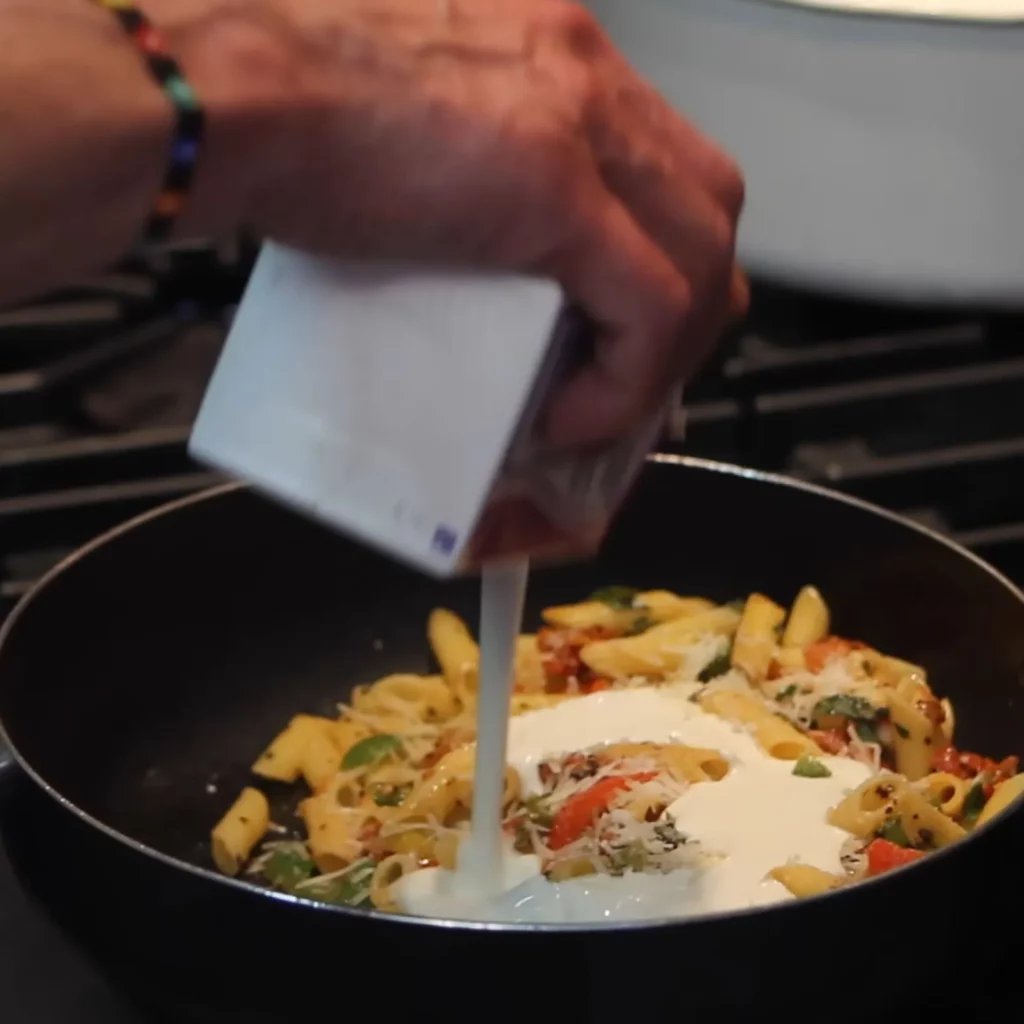
- For pasta: milk plus butter, cream cheese, evaporated milk, or half-and-half
- For soups: milk plus butter, evaporated milk, coconut milk, or blended potatoes
- For pan sauces: half-and-half, milk plus butter, cream cheese, or sour cream added off the heat
- For tomato sauces: milk plus butter, cream cheese, mascarpone, or a little evaporated milk
- For gratins and casseroles: half-and-half, milk plus flour or roux, evaporated milk, or béchamel-style sauce
- For cold sauces: sour cream, Greek yogurt, crème fraîche, or mayonnaise depending on the recipe
The safest all-purpose substitute is usually milk plus butter. It gives you some of the fat and liquid that cream provides, but it will not be exactly as rich or as stable as heavy cream.
Best Cream Substitutes at a Glance
| Cream Substitute | Best For | How to Use It | Watch Out For |
| Milk + butter | Pasta, soups, pan sauces | Add butter for richness, milk for liquid | Not as thick as cream |
| Half-and-half | Sauces, soups, pasta | Use close to a 1:1 swap | Can split if boiled hard |
| Evaporated milk | Soups, casseroles, pasta | Use as a creamy but lighter swap | Slight cooked milk flavor |
| Cream cheese | Pasta, tomato sauces, dips | Melt slowly into hot liquid | Can become too thick |
| Sour cream | Stroganoff-style sauces, dips | Add off the heat or on low heat | Can curdle with high heat |
| Greek yogurt | Cold sauces, finishing soups | Add off the heat | Tangy and less rich |
| Coconut milk | Soups, curries, dairy-free dishes | Use full-fat for richness | Adds coconut flavor |
| Blended potatoes or beans | Soups and stews | Blend into liquid for body | Changes flavor and texture |
| Roux + milk | Gratins, casseroles, white sauces | Make a béchamel-style sauce | Needs cooking to remove flour taste |
| Mascarpone | Pasta, tomato sauce, desserts | Stir in gently | Very rich and thicker than cream |
What Cream Does in a Recipe
Before choosing a substitute, ask what the cream is doing.
Cream adds richness
Cream contains fat, which makes sauces feel round and satisfying. Without enough fat, a sauce can taste thin even if it has enough salt.
Cream softens acidity
Tomato, wine, lemon, vinegar, and mustard can taste sharp. Cream softens that edge. This matters in tomato cream pasta, mustard chicken, and lemon garlic sauces.
Cream thickens slightly
Cream can reduce as it simmers. It gives body to soups and sauces without needing much flour or starch.
Cream helps sauces cling
In pasta recipes, cream helps the sauce coat the pasta instead of sliding off. Starchy pasta water can help, but cream gives extra body.
Cream carries flavor
Cream spreads the flavor of garlic, herbs, pepper, cheese, mustard, mushrooms, and browned pan juices through the sauce.
You can see this in dishes like creamy pepper chicken, where cream supports the pepper, cognac, shallots, and pan flavor without making the sauce taste flat.
Milk Plus Butter
Milk plus butter is one of the easiest substitutes for cream because most kitchens have both.
For 1 cup of cream, use:
| Cream Needed | Substitute |
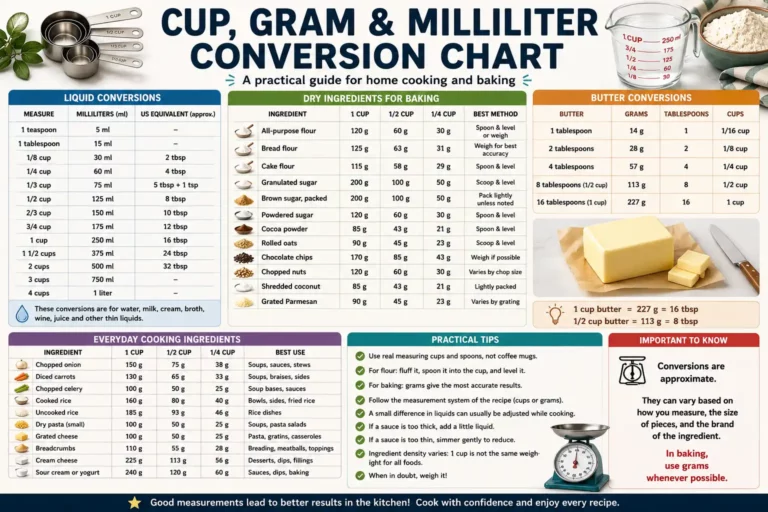
| 1 cup cream | 3/4 cup milk + 1/4 cup melted butter |
| 1/2 cup cream | 6 tbsp milk + 2 tbsp melted butter |
| 1/4 cup cream | 3 tbsp milk + 1 tbsp melted butter |
This works best in pasta, soups, simple sauces, and casseroles. It does not whip like cream, and it will not reduce as thickly as heavy cream, but it gives a good balance of liquid and richness.
For home cooking, I like this substitute when the cream is part of a sauce and not the main structure of the dish. In a pasta recipe like creamy chicken fettuccine Alfredo, it can work, but the sauce may need a little more Parmesan or pasta water to cling properly.
Half-and-Half
Half-and-half is a good substitute when you want something close to cream but slightly lighter. It works in soups, pan sauces, pasta, and some casseroles.
Use it close to a 1:1 replacement for cream.
The mistake to avoid is boiling it too hard. Half-and-half has less fat than heavy cream, so it is more likely to split if the heat is too aggressive. Keep the sauce at a gentle simmer and avoid long, hard boiling.
Half-and-half works well in recipes where the cream is not the only thickener. If the dish also has cheese, pasta water, roux, tomato paste, or reduced stock, the sauce will usually hold better.
Evaporated Milk
Evaporated milk is useful because it is shelf-stable, creamy, and thicker than regular milk. It works well in soups, casseroles, creamy pasta, and some pan sauces.
It is especially practical for Canadian and U.S. home kitchens because many people keep a can in the pantry.
Use it close to a 1:1 substitute for cream in cooked dishes.
It has a slightly cooked milk flavor, so it is best in recipes with other strong flavors like garlic, cheese, tomato, mushrooms, chicken, or spices. It can be a good option in comfort food dishes, casseroles, and quick weeknight sauces.
For a soup like creamy tomato soup, evaporated milk can help create a creamy texture without relying only on heavy cream.
Cream Cheese
Cream cheese is a strong substitute when you need body and thickness. It works especially well in pasta sauces, tomato cream sauces, dips, and creamy chicken dishes.
Use it in small amounts at first. A little cream cheese can thicken a sauce quickly.
Best uses:
- Tomato cream pasta
- Creamy chicken skillet sauces
- Dips
- Thick soups
- Creamy casseroles
- Quick sauces with pasta water
To use it properly, soften it first or melt it slowly into warm liquid. If you add a cold block of cream cheese directly into a hot pan, it can stay lumpy. Whisk it with a little hot broth, milk, or pasta water before adding it to the main sauce.
Cream cheese would fit best in richer pasta recipes, such as spicy creamy chicken pasta or creamy tomato and bell pepper pasta, where tomato, pasta water, and cheese help balance the texture.
Sour Cream
Sour cream is good when you want creaminess with tang. It works in stroganoff-style sauces, dips, baked potatoes, some soups, and creamy chicken dishes.
The important rule is heat control.
Sour cream can curdle if it boils. Add it near the end, off the heat or over low heat. Stir gently and avoid aggressive simmering after it goes in.
Best uses:
- Mushroom sauces
- Beef or chicken stroganoff-style dishes
- Dips
- Baked potato toppings
- Creamy pan sauces finished off heat
- Soups finished just before serving
Sour cream is not the best choice when you need a neutral cream flavor. It is tangy, so it changes the final taste.
Greek Yogurt
Greek yogurt can work as a cream substitute in some recipes, but it needs care. It is thicker and tangier than cream, and it can separate if boiled.
Best uses:
- Cold sauces
- Dips
- Dressings
- Finishing soups off heat
- Dolloping over stews
- Light creamy sauces added at the end
Use plain Greek yogurt, not sweetened yogurt.
For hot recipes, remove the pan from the heat and stir in the yogurt at the end. If the sauce is too hot, the yogurt can split and become grainy.
Greek yogurt is not the best substitute for classic cream sauces where you want a smooth, rich, neutral finish. It is better when a little tang makes sense.
Coconut Milk
Full-fat coconut milk can replace cream in soups, curries, spicy sauces, and dairy-free dishes. It adds richness, but it also adds coconut flavor.
Best uses:
- Curry-style sauces
- Spicy soups
- Lentil dishes
- Dairy-free stews
- Some tomato sauces
- Thai-inspired or Indian-inspired dishes
It is not the best choice for classic French-style cream sauces unless you want the coconut flavor. In a recipe like mustard chicken, coconut milk would change the character of the dish quite a bit. In a spicy sauce, it may fit better.
Roux Plus Milk
A roux plus milk is the best substitute when the recipe needs thickness more than richness. This is basically a béchamel-style approach.
Use it for:
- Gratins
- Casseroles
- White sauces
- Pot pies
- Creamy baked pasta
- Vegetable bakes
Basic method:
- Melt butter.
- Add flour.
- Cook for 1 to 2 minutes.
- Whisk in milk gradually.
- Simmer until smooth and thick.
- Season at the end.
This works well when cream would normally thicken a baked dish. For something like classic Coquilles Saint-Jacques, a roux-based sauce can help give body to the gratin if you need to reduce the amount of cream.
Blended Potatoes, Beans, or Cauliflower
For soups and some stews, you can replace cream by blending part of the base.
Good options:
- Cooked potatoes
- White beans
- Cauliflower
- Carrots
- Leeks and potatoes
- Cooked onions
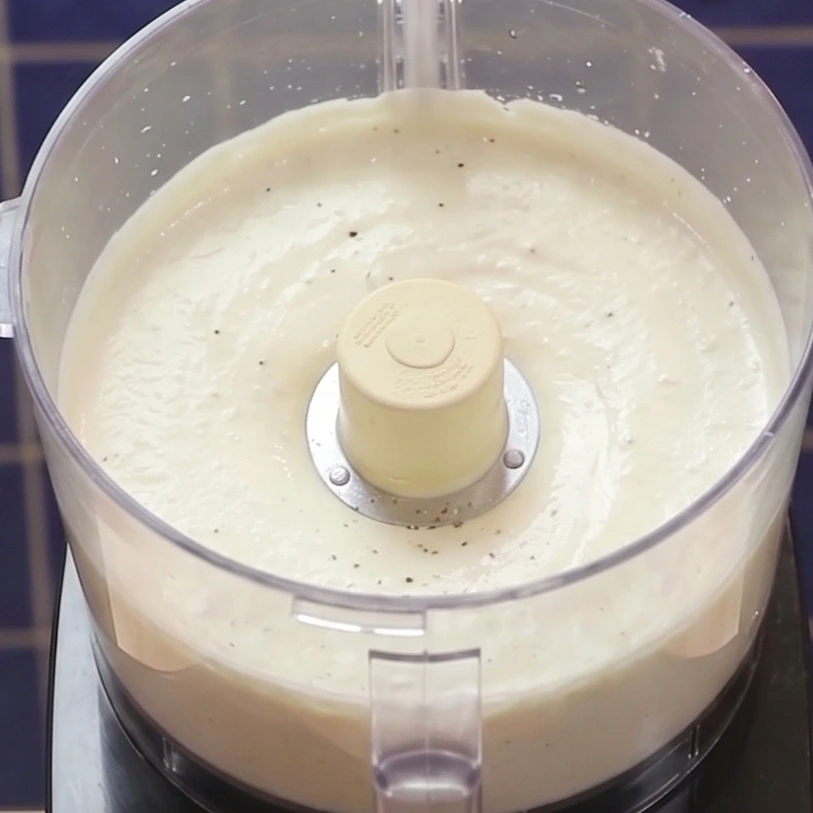
This works because blended vegetables add body. It does not taste exactly like cream, but it can make soup feel smooth and satisfying.
This is especially useful in soups like potage Parmentier, where potatoes and leeks naturally create a creamy texture even before adding dairy.
Best Cream Substitute by Recipe Type
| Recipe Type | Best Substitute | Why It Works |
| Creamy pasta | Half-and-half, cream cheese, milk + butter | Helps sauce cling |
| Tomato cream sauce | Cream cheese, mascarpone, milk + butter | Softens acidity |
| Cream soup | Evaporated milk, blended potato, milk + butter | Adds body |
| Pan sauce | Half-and-half, milk + butter, sour cream off heat | Adds richness |
| Casserole | Roux + milk, evaporated milk, half-and-half | Bakes better |
| Gratin | Roux + milk, half-and-half | Gives structure |
| Cold dip | Sour cream, Greek yogurt, cream cheese | Thick and tangy |
| Curry or spicy sauce | Coconut milk | Rich and stable |
| Cheese sauce | Milk + roux, evaporated milk | Helps cheese melt smoothly |
| Dessert | Mascarpone, whipped topping, coconut cream | Depends on recipe |
How to Substitute Cream in Pasta
Pasta needs a sauce that coats. If the substitute is too thin, the sauce will sit at the bottom of the plate. If it is too thick, the pasta can feel heavy or gluey.
Best options for pasta:
- Half-and-half
- Milk plus butter
- Cream cheese
- Evaporated milk
- Mascarpone
- Pasta water plus cheese
When using a cream substitute in pasta, save pasta water. The starch helps the sauce come together and cling. Add the substitute gently, then loosen with pasta water as needed.
For more pasta ideas, explore pasta recipes, creamy pasta recipes, and 30-minute pasta dinners.
How to Substitute Cream in Chicken Sauces
Chicken sauces often need cream for richness and smoothness. If you replace it, think about the sauce style.
For a French-style pan sauce, half-and-half or milk plus butter keeps the flavor closer to the original. For a thicker weeknight sauce, cream cheese can work. For a tangier sauce, sour cream can work if added off the heat.
Best options for chicken:
- Half-and-half
- Milk plus butter
- Cream cheese
- Sour cream added off heat
- Evaporated milk
For cream-based chicken inspiration, see chicken supreme with mushroom cream sauce, creamy lemon garlic chicken, and creamy chicken recipes.
How to Substitute Cream in Soups
Soups are more forgiving than pan sauces. You can replace cream with dairy, pantry ingredients, or blended vegetables.
Best options for soups:
- Evaporated milk
- Milk plus butter
- Half-and-half
- Coconut milk
- Blended potatoes or beans
- A roux-based milk sauce
If the soup is acidic, like tomato soup, add dairy gently and avoid boiling too hard after adding it. If the soup is too thin, blend part of the vegetables or simmer longer before adding the substitute.
Common Mistakes to Avoid
Boiling low-fat substitutes too hard
Milk, half-and-half, sour cream, and yogurt can split when boiled aggressively. Use gentle heat.
Replacing cream without considering texture
A splash of milk can replace liquid, but it does not replace the fat and thickness of cream. Add butter, cheese, roux, or starch if the sauce needs body.
Adding sour cream or yogurt too early
Sour cream and yogurt are best added near the end, often off the heat. Too much heat can make them grainy.
Forgetting acidity
Tomato, lemon, wine, vinegar, and mustard can make dairy substitutes curdle more easily. Lower the heat and add slowly.
Using coconut milk in the wrong dish
Coconut milk is rich, but it changes the flavor. It works better in spicy or curry-style recipes than in classic French cream sauces.
Not tasting after the swap
Cream softens salt, acidity, and spice. If you replace it, the final seasoning may need adjustment.
FAQ
What is the best substitute for heavy cream?
The best all-purpose substitute is milk plus butter. For 1 cup of cream, use 3/4 cup milk and 1/4 cup melted butter. It works well in many cooked dishes, but it will not whip like cream.
Can I use milk instead of cream?
Yes, but milk is thinner and lower in fat. For better texture, combine milk with butter, make a roux, or add cheese depending on the recipe.
Can I use half-and-half instead of cream?
Yes. Half-and-half works in many soups, pasta sauces, and pan sauces. Use gentle heat because it can split more easily than heavy cream.
Can I use sour cream instead of cream?
Yes, but add it near the end and avoid boiling. Sour cream adds tang, so it changes the flavor of the dish.
Can I use Greek yogurt instead of cream?
Yes, mostly in cold sauces, dips, or soups finished off the heat. Use plain Greek yogurt and avoid boiling it.
What can I use instead of cream in pasta?
Half-and-half, milk plus butter, cream cheese, evaporated milk, mascarpone, or pasta water plus cheese can all work depending on the pasta sauce.
What can I use instead of cream in soup?
Evaporated milk, milk plus butter, half-and-half, coconut milk, blended potatoes, blended beans, or a roux-based milk sauce can work in soup.
What is the best dairy-free substitute for cream?
Full-fat coconut milk is the easiest dairy-free option for soups and spicy sauces. For a more neutral taste, use blended beans, potatoes, or a plain unsweetened plant-based cooking cream if available.
Final Thoughts
Replacing cream is not about finding one perfect substitute for every recipe. It is about understanding what the cream is doing.
If the recipe needs richness, use milk plus butter, half-and-half, mascarpone, or cream cheese. If it needs thickness, use a roux, evaporated milk, or blended vegetables. If it needs tang, sour cream or Greek yogurt can work. If it needs a dairy-free creamy texture, coconut milk or blended potatoes can be useful.
The best method is to start with the closest match for the dish, use gentle heat, taste at the end, and adjust the texture slowly. For more recipes that use creamy sauces, explore creamy chicken recipes, creamy pasta recipes, sauces, and pasta recipes.
Useful Links
🛒 Michel Dumas Shop : Explore our kitchen essentials, including aprons and cooking tools.
🌐 Linktree : Access all our important links in one place.
📱 YouTube | Instagram | Facebook | TikTok : Follow us for the latest recipes and culinary tips.