Portion Guide Per Person: How Much Food to Serve for Dinner, Parties, and Family Meals
Knowing how much food to serve per person makes cooking easier, especially when planning dinner for family, guests, holidays, BBQs, potlucks, or meal prep. A good portion guide helps you avoid running short, reduce waste, and plan meat, pasta, rice, potatoes, vegetables, salad, bread, sauces, and desserts with more confidence.
Portions are never exact for every table. Appetites change depending on age, meal style, side dishes, season, time of day, and whether the dish is the main course or part of a larger spread. I prefer to plan portions with a little flexibility because a pasta dinner, a BBQ plate, a holiday meal, and a light lunch do not need the same amount of food.
Why This Guide Matters
Cooking for two people is easy to adjust by eye. Cooking for six, eight, twelve, or more people is where portions become more important.
If you make too little, the meal feels stressful. If you make too much, the fridge fills with leftovers that may not get used. A portion guide gives you a practical starting point so you can shop, prep, and cook with better control.
This is especially useful for:
- Family dinners
- BBQs
- Holiday meals
- Weeknight meal prep
- Pasta nights
- Chicken dinners
- Potluck-style meals
- Dinner parties
- Buffet-style serving
- Side dish planning
The most important thing to remember is that portions depend on context. A 150 g serving of cooked pasta can be enough as a side, but not always enough as a full main dish. One chicken breast may feed one person, but a roasted chicken served with potatoes, salad, bread, and sauce can stretch further.
For example, if you are serving a creamy pasta as the main course, you may plan differently than if pasta is only a side beside chicken or steak. The same is true for potato dishes like classic pommes boulangères or air fryer baked potatoes, which can be a hearty side or part of a larger plate.
Quick Answer
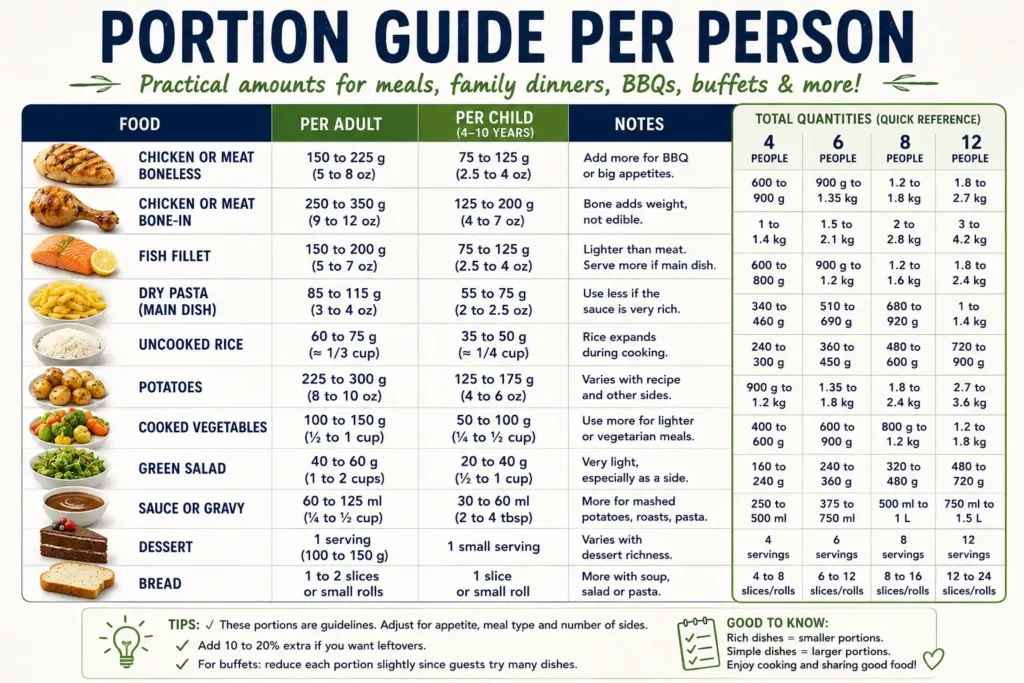
For a simple dinner, plan these average portions per adult:
- Meat or chicken, boneless: 150 to 225 g per person, or 5 to 8 oz
- Meat or chicken, bone-in: 250 to 350 g per person, or 9 to 12 oz
- Fish fillet: 150 to 200 g per person, or 5 to 7 oz
- Dry pasta as a main: 85 to 115 g per person, or 3 to 4 oz
- Dry pasta as a side: 55 to 85 g per person, or 2 to 3 oz
- Uncooked rice: 60 to 75 g per person, or about 1/3 cup
- Potatoes as a side: 225 to 300 g per person, or 8 to 10 oz
- Vegetables as a side: 100 to 150 g per person, or 1/2 to 1 cup
- Green salad: 40 to 60 g per person, or 1 to 2 cups loosely packed
- Sauce or gravy: 60 to 125 ml per person, or 1/4 to 1/2 cup
- Dessert: 1 slice, 1 serving, or 100 to 150 g per person
For guests with bigger appetites, add about 15 to 25 percent. For buffet meals with many side dishes, reduce each individual portion slightly.

Complete Portion Guide Per Person
| Food | Portion Per Adult | Portion Per Child | Notes |
| Boneless chicken or meat | 150 to 225 g / 5 to 8 oz | 75 to 125 g / 2.5 to 4 oz | Use more for BBQ or meat-focused meals |
| Bone-in chicken or meat | 250 to 350 g / 9 to 12 oz | 125 to 200 g / 4 to 7 oz | Bone weight reduces edible meat |
| Fish fillet | 150 to 200 g / 5 to 7 oz | 75 to 125 g / 2.5 to 4 oz | Use more for simple plates |
| Dry pasta, main course | 85 to 115 g / 3 to 4 oz | 55 to 75 g / 2 to 2.5 oz | Rich sauces may need less |
| Dry pasta, side dish | 55 to 85 g / 2 to 3 oz | 40 to 55 g / 1.5 to 2 oz | Good beside meat or salad |
| Uncooked rice | 60 to 75 g / about 1/3 cup | 35 to 50 g / about 1/4 cup | Expands after cooking |
| Potatoes | 225 to 300 g / 8 to 10 oz | 125 to 175 g / 4 to 6 oz | Depends on side dishes |
| Cooked vegetables | 100 to 150 g / 1/2 to 1 cup | 50 to 100 g / 1/4 to 1/2 cup | Use more for lighter meals |
| Green salad | 40 to 60 g / 1 to 2 cups | 20 to 40 g / 1/2 to 1 cup | Lighter than pasta salad |
| Pasta salad or potato salad | 125 to 200 g / 1/2 to 1 cup | 75 to 125 g / 1/3 to 1/2 cup | Heavier side dish |
| Sauce or gravy | 60 to 125 ml / 1/4 to 1/2 cup | 30 to 60 ml / 2 to 4 tbsp | More for saucy mains |
| Bread | 1 to 2 slices or rolls | 1 slice or small roll | More for soups and salads |
| Dessert | 1 serving | 1 smaller serving | Depends on richness |
These are practical home cooking ranges, not strict rules. For generous family-style meals, aim toward the higher end. For multi-course meals, aim toward the lower end.

How to Adjust Portions by Meal Type
Weeknight Dinner
For a normal weeknight dinner, keep portions simple and balanced.
A good plate usually includes:
- 1 main protein
- 1 starch
- 1 vegetable or salad
- Optional sauce
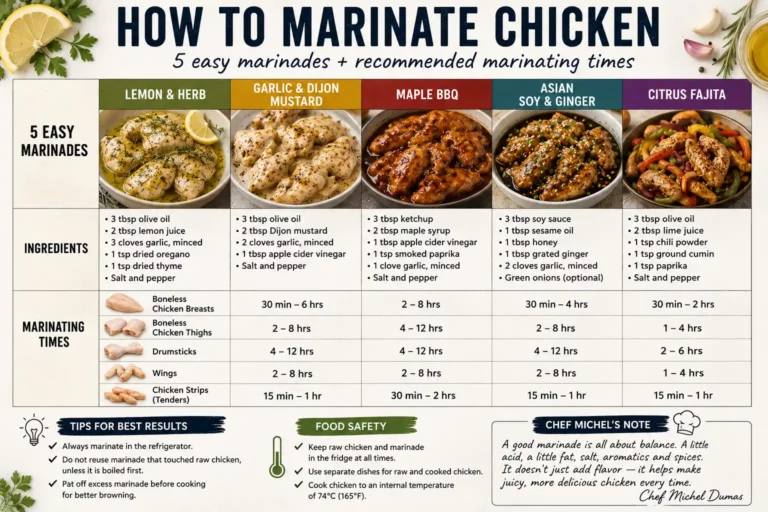
For chicken dinners, plan around 150 to 225 g of boneless chicken per adult, or 250 to 350 g for bone-in pieces. If the dish includes a rich sauce, potatoes, pasta, rice, or bread, the lower end is often enough.
Recipes like creamy chicken fettuccine Alfredo or mustard chicken are filling because they include sauce, fat, and often a starch or side dish. In that case, you do not need to overdo the protein.
For more simple meal ideas, the pasta recipes for easy weeknight dinners collection is useful because pasta portions change depending on whether the recipe is creamy, tomato-based, baked, or served with meat.
BBQ or Grilling
For BBQ meals, people often eat more protein than they would at a regular dinner, especially if the meal is casual and served outdoors.
Plan per adult:
- Boneless meat or chicken: 175 to 250 g / 6 to 9 oz
- Bone-in chicken: 300 to 400 g / 10 to 14 oz
- Sausages: 1 to 2 per person
- Burgers: 1 burger per person, plus extras for big eaters
- Side dishes: 2 to 3 small sides
For BBQ chicken, bone-in pieces need more weight because of the bone. If serving wings, drumsticks, thighs, salads, bread, and potatoes, the variety helps stretch the meal.
For grilled chicken inspiration, recipes like Greek grilled chicken thighs with lemon work well with salads, potatoes, rice, or grilled vegetables.
Pasta Dinner
Pasta is one of the easiest foods to misjudge because dry pasta looks small before cooking.
For dry pasta, plan:
- Main course: 85 to 115 g per adult / 3 to 4 oz
- Side dish: 55 to 85 g per adult / 2 to 3 oz
- Baked pasta: 100 to 125 g per adult / 3.5 to 4.5 oz, depending on sauce and fillings
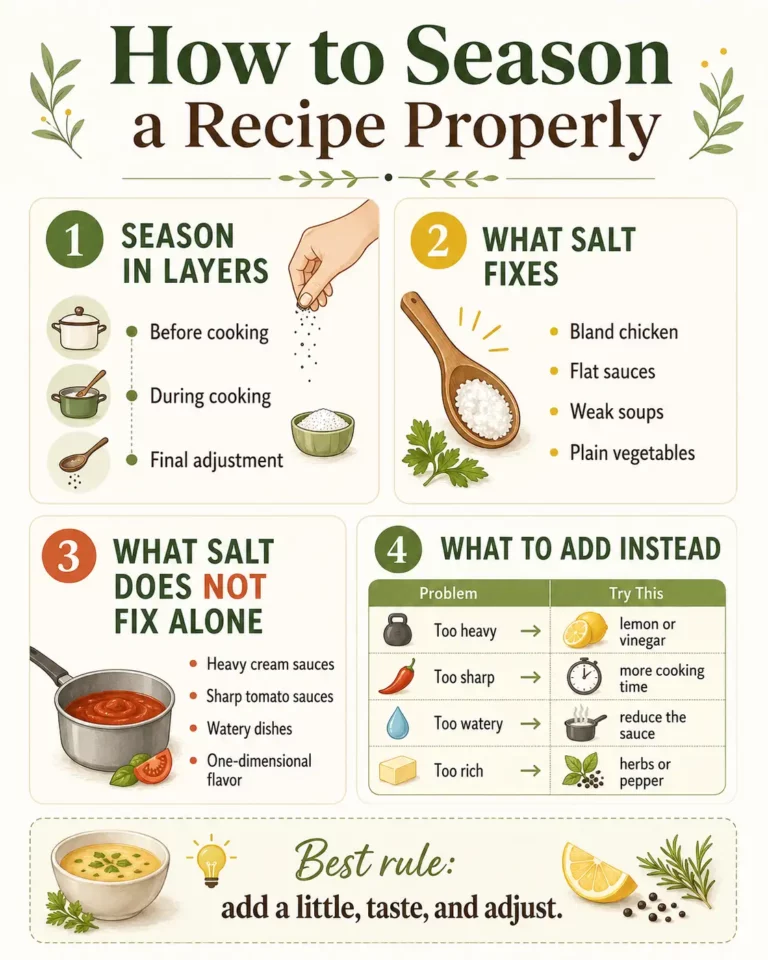
If the pasta has meat, cheese, cream, or a rich sauce, you can use the lower end. If the sauce is light, use the higher end.
Creamy pasta recipes are usually more filling. A dish like creamy mozzarella parmesan pasta will feel heavier than a light tomato pasta because cheese and cream add richness. For more options, 30-minute pasta dinners can help when planning fast weeknight portions.
Holiday Meal or Dinner Party
For a holiday meal, portions depend on the number of dishes. If there are appetizers, bread, potatoes, vegetables, salad, main course, sauce, and dessert, each portion can be smaller.
Plan per adult:
- Main protein: 150 to 200 g boneless, or 250 to 300 g bone-in
- Potatoes or starch: 150 to 225 g
- Vegetables: 100 to 150 g
- Salad: 40 to 60 g
- Sauce: 60 to 125 ml
- Dessert: 1 serving
For a generous holiday plate, add 10 to 20 percent extra, especially if people expect leftovers.
A dish like traditional gratin dauphinois is rich, so a smaller portion can feel satisfying. A lighter potato side, like air fryer roasted potatoes, can be served in slightly larger portions because it is less creamy.
Buffet or Potluck
Buffets are different because people take small amounts of many dishes. You do not need a full portion of every item for every person.
A simple buffet rule:
- Offer 1 main protein
- Offer 2 to 4 side dishes
- Offer 1 salad
- Offer bread if appropriate
- Offer 1 dessert
For each adult, plan roughly:
- Protein: 125 to 175 g
- Starch: 100 to 175 g
- Vegetables: 75 to 125 g
- Salad: 40 to 60 g
- Dessert: 1 smaller serving
If several people are bringing food, reduce your portions slightly. If your dish is the main attraction, plan more.
Pasta salads and potato salads are great for potlucks because they stretch well. The easy pasta salads collection is a useful reference when planning cold sides for BBQs, parties, and family gatherings.
Protein Portions Per Person
Protein is usually the most expensive part of the meal, so portion planning matters.
| Protein | Main Course Portion Per Adult | For Bigger Appetites | Notes |
| Boneless chicken breast | 150 to 225 g / 5 to 8 oz | 225 to 275 g / 8 to 10 oz | One large breast can sometimes serve 2 |
| Chicken thighs, boneless | 150 to 225 g / 5 to 8 oz | 225 to 275 g / 8 to 10 oz | More forgiving and juicy |
| Chicken thighs, bone-in | 250 to 350 g / 9 to 12 oz | 350 to 450 g / 12 to 16 oz | Bone adds weight |
| Drumsticks | 2 to 3 pieces | 3 to 4 pieces | Depends on size |
| Wings | 6 to 8 pieces | 8 to 12 pieces | More for game day |
| Steak | 175 to 250 g / 6 to 9 oz | 250 to 300 g / 9 to 10 oz | Less if served with rich sides |
| Ground beef | 125 to 175 g / 4 to 6 oz | 175 to 225 g / 6 to 8 oz | For burgers, pasta, tacos |
| Fish fillet | 150 to 200 g / 5 to 7 oz | 200 to 250 g / 7 to 9 oz | Delicate and lighter |
| Shrimp, peeled | 125 to 175 g / 4 to 6 oz | 175 to 225 g / 6 to 8 oz | More if served as main |
For chicken meals, the chicken recipes collection is useful because portions change depending on the cooking method. Fried chicken, air fryer chicken, saucy chicken, and grilled chicken do not all serve the same way.
Pasta, Rice, and Grain Portions Per Person
Starches stretch a meal and make it feel complete. The key is knowing whether the starch is the main dish or a side.
| Starch | Main Course Portion Per Adult | Side Portion Per Adult | Notes |
| Dry pasta | 85 to 115 g / 3 to 4 oz | 55 to 85 g / 2 to 3 oz | Rich sauces need less |
| Fresh pasta | 115 to 150 g / 4 to 5 oz | 75 to 100 g / 2.5 to 3.5 oz | More moisture than dry pasta |
| Uncooked rice | 60 to 75 g / about 1/3 cup | 40 to 60 g / about 1/4 cup | Expands after cooking |
| Cooked rice | 150 to 200 g / 3/4 to 1 cup | 75 to 125 g / 1/2 cup | Depends on meal |
| Couscous, dry | 60 to 75 g / about 1/3 cup | 40 to 60 g / about 1/4 cup | Quick side |
| Quinoa, dry | 60 to 75 g / about 1/3 cup | 40 to 60 g / about 1/4 cup | Filling |
| Polenta, dry | 45 to 60 g / 1/4 to 1/3 cup | 30 to 45 g | Expands a lot |
For pasta, portion size also depends on sauce. A rich baked pasta, creamy pasta, or cheese pasta feels heavier than a light tomato sauce. The ultimate guide to homemade pasta recipes is a good place to compare different pasta styles when planning portions.
Potato Portions Per Person
Potatoes are one of the most flexible side dishes. They can be light, crispy, creamy, roasted, mashed, baked, or gratin-style.
| Potato Dish | Portion Per Adult | Portion Per Child | Notes |
| Mashed potatoes | 200 to 250 g / 3/4 to 1 cup | 100 to 150 g / 1/2 cup | Use more for holiday meals |
| Roasted potatoes | 225 to 300 g / 8 to 10 oz | 125 to 175 g / 4 to 6 oz | Shrink during cooking |
| French fries | 125 to 175 g / 4 to 6 oz | 75 to 125 g / 2.5 to 4 oz | More for casual meals |
| Baked potato | 1 medium potato | 1 small potato | Larger potatoes can serve 2 as a side |
| Potato gratin | 150 to 225 g | 100 to 150 g | Richer, so smaller portions work |
| Potato salad | 125 to 200 g / 1/2 to 1 cup | 75 to 125 g | Good for BBQ and potluck |
For rich potato sides, serve smaller portions. A creamy dish like French gratin dauphinois is more filling than a simple baked potato. For casual meals, homemade tater tots and roasted potatoes can be served a little more generously.
Vegetable and Salad Portions Per Person
Vegetables and salads depend heavily on the meal. A light salad before pasta needs a smaller portion. A main-course salad with protein needs more.
| Food | Side Portion Per Adult | Main Portion Per Adult | Notes |
| Cooked vegetables | 100 to 150 g / 1/2 to 1 cup | 200 to 300 g / 1.5 to 2 cups | More for vegetable-focused meals |
| Raw vegetables | 75 to 125 g | 150 to 250 g | Depends on dip or dressing |
| Green salad | 40 to 60 g / 1 to 2 cups | 100 to 150 g / 3 to 4 cups | Greens are light |
| Caesar salad | 75 to 125 g | 200 to 300 g with protein | Dressing and croutons add weight |
| Greek salad | 125 to 175 g | 250 to 350 g with protein | Heavier with feta and olives |
| Pasta salad | 125 to 200 g | 250 to 350 g | More filling |
| Potato salad | 125 to 200 g | 250 to 350 g | Rich side |
For salads, texture matters. A homemade Caesar salad is richer than a simple green salad because of the dressing, croutons, and cheese. A chicken Cobb salad can act as a full meal because it includes chicken, eggs, bacon-style richness, vegetables, and dressing.
Sauce, Gravy, and Dressing Portions Per Person
Sauces are often underestimated. Running out of sauce makes a meal feel incomplete, especially with roasted meats, mashed potatoes, pasta, rice, or vegetables.
| Sauce Type | Portion Per Adult | Notes |
| Gravy | 60 to 125 ml / 1/4 to 1/2 cup | More for mashed potatoes and roast dinners |
| Cream sauce | 60 to 125 ml / 1/4 to 1/2 cup | Rich sauces need less |
| Tomato pasta sauce | 125 to 175 ml / 1/2 to 3/4 cup | Depends on pasta amount |
| Meat sauce | 150 to 200 ml / 2/3 to 3/4 cup | Heavier and more filling |
| Salad dressing | 1 to 2 tbsp | Toss gradually |
| Dipping sauce | 2 to 4 tbsp | More for wings, fries, and finger foods |
| Pan sauce | 60 to 90 ml / 1/4 to 1/3 cup | Usually concentrated |
For pasta, a light tomato sauce needs enough volume to coat the noodles. A richer sauce, like creamy Roquefort sauce, is usually served in smaller amounts because the flavor is stronger.
Dessert Portions Per Person
Dessert portions depend on richness. A light fruit dessert can be larger than a dense chocolate dessert.
| Dessert | Portion Per Adult | Notes |
| Cake | 1 slice | 8-inch cake usually serves 8 to 12 |
| Pie or tart | 1 slice | Usually 6 to 8 slices |
| Cookies | 2 to 3 cookies | Depends on size |
| Brownies | 1 square | Smaller if very rich |
| Ice cream | 1/2 to 3/4 cup | More for simple desserts |
| Pudding or mousse | 100 to 150 g | Rich desserts need less |
| Fruit salad | 150 to 200 g | Light option |
| Crêpes | 2 to 3 crêpes | Depends on filling |
If the meal is heavy, keep dessert smaller. If the meal is light, dessert can be more generous.
How Much Food for 4, 6, 8, and 12 People
Use this chart for quick planning.
| Food | 4 People | 6 People | 8 People | 12 People |
| Boneless meat or chicken | 600 to 900 g | 900 g to 1.35 kg | 1.2 to 1.8 kg | 1.8 to 2.7 kg |
| Bone-in meat or chicken | 1 to 1.4 kg | 1.5 to 2.1 kg | 2 to 2.8 kg | 3 to 4.2 kg |
| Dry pasta, main | 340 to 460 g | 510 to 690 g | 680 to 920 g | 1 to 1.4 kg |
| Dry pasta, side | 220 to 340 g | 330 to 510 g | 440 to 680 g | 660 g to 1 kg |
| Uncooked rice | 240 to 300 g | 360 to 450 g | 480 to 600 g | 720 to 900 g |
| Potatoes | 900 g to 1.2 kg | 1.35 to 1.8 kg | 1.8 to 2.4 kg | 2.7 to 3.6 kg |
| Cooked vegetables | 400 to 600 g | 600 to 900 g | 800 g to 1.2 kg | 1.2 to 1.8 kg |
| Green salad | 160 to 240 g | 240 to 360 g | 320 to 480 g | 480 to 720 g |
| Sauce or gravy | 250 to 500 ml | 375 to 750 ml | 500 ml to 1 L | 750 ml to 1.5 L |
For family-style meals, always consider who is coming. Four adults with big appetites may eat as much as six light eaters. A table with many children may need less protein but more pasta, bread, potatoes, or simple sides.
How to Plan Portions Without Overthinking
For a balanced dinner, use this simple method:
- Choose the main dish.
- Decide if it is light, medium, or rich.
- Add one starch.
- Add one vegetable or salad.
- Add sauce only if the dish needs it.
- Add 10 to 20 percent extra if you want leftovers.
A rich main dish needs lighter sides. A simple grilled meat needs more help from sides and sauce. A pasta main may only need salad and bread. A roast dinner may need potatoes, vegetables, gravy, and a fresh salad.
For example, if serving steak salad with arugula, avocado, and feta, the salad is the meal, so the portion should be larger. If serving homemade Greek salad as a side, a smaller portion is enough.
Common Portion Planning Mistakes
Planning Every Food as a Full Portion
If you serve chicken, potatoes, salad, bread, vegetables, sauce, and dessert, you do not need a full heavy portion of every item.
Forgetting Bone Weight
Bone-in chicken and meat need more weight per person because not all of it is edible.
Making Too Much Pasta
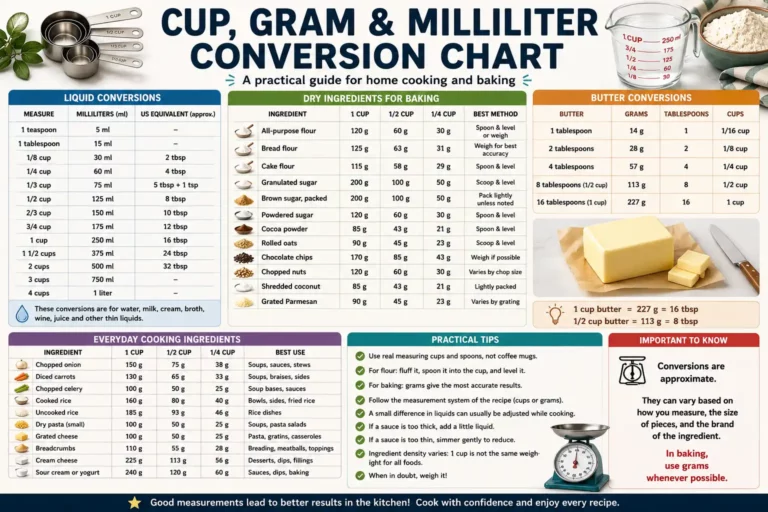
Dry pasta grows a lot during cooking. Weighing it before cooking is more reliable than guessing by eye.
Not Making Enough Sauce
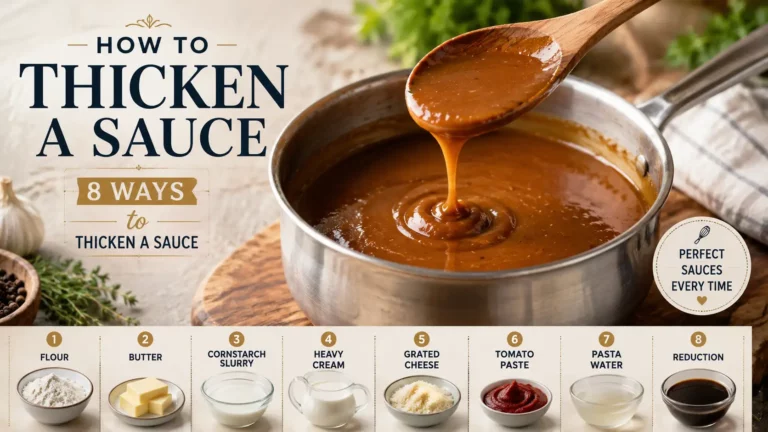
Sauce stretches a meal and makes leftovers better. It is better to have a little extra sauce than to run short.
Ignoring Richness
Creamy potatoes, cheese pasta, and rich desserts need smaller portions than lighter versions.
Forgetting Leftovers
If you want leftovers for lunch, add 20 to 30 percent extra. If you do not want leftovers, stay closer to the lower end of each range.
Not Considering the Crowd
Adults, children, teens, athletes, older guests, and light eaters will not eat the same amount. Adjust the plan based on the table.
Storage and Leftover Tips
Leftovers are useful, but they should be cooled and stored properly. Let hot food cool enough that it is not steaming heavily, then refrigerate it in shallow containers. Reheat gently, especially for pasta, sauces, chicken, fish, and creamy dishes.
For better leftovers:
- Store sauce separately when possible.
- Keep salad undressed until serving.
- Add a little water, milk, cream, stock, or pasta water when reheating.
- Reheat chicken gently so it does not dry out.
- Use leftover roasted vegetables in omelets, pasta, salads, or rice bowls.
- Use leftover potatoes for breakfast-style potatoes or hash.
Creamy sauces and pasta can thicken in the fridge, so add a splash of liquid when reheating. Roasted potatoes are best reheated in the oven or air fryer to bring back some texture.
FAQ
How much meat should I serve per person?
Plan 150 to 225 g, or 5 to 8 oz, of boneless meat per adult. For bone-in meat, plan 250 to 350 g, or 9 to 12 oz, per adult.
How much chicken should I serve per person?
For boneless chicken, plan 150 to 225 g per adult. For bone-in chicken, plan 250 to 350 g per adult. For drumsticks, 2 to 3 pieces per adult is usually enough.
How much pasta should I cook per person?
For dry pasta as a main dish, plan 85 to 115 g per adult. For pasta as a side dish, plan 55 to 85 g per adult.
How much rice should I cook per person?
Plan 60 to 75 g of uncooked rice per adult, or about 1/3 cup. For a side dish, 40 to 60 g is usually enough.
How many potatoes do I need per person?
Plan 225 to 300 g of potatoes per adult for a side dish. For a baked potato, one medium potato per adult is a simple rule.
How much salad should I serve per person?
For a side salad, plan 40 to 60 g of greens per adult. For a main-course salad with protein, plan 100 to 150 g of greens plus toppings.
How much sauce or gravy do I need per person?
Plan 60 to 125 ml, or 1/4 to 1/2 cup, per adult. Use more for mashed potatoes, roast dinners, pasta, and saucy dishes.
How much food should I make for a buffet?
For a buffet, reduce individual portions because people take small amounts of many foods. Plan one main protein, two to four sides, one salad, and one dessert.
Final Thoughts
A good portion guide is not about measuring every bite. It is about having reliable starting points so you can cook with less stress. For most dinners, plan a reasonable protein portion, one starch, one vegetable or salad, and enough sauce to make the meal feel complete.
Use the higher end of the portion ranges for BBQs, big appetites, simple meals with fewer side dishes, or when you want leftovers. Use the lower end for holiday meals, buffets, rich dishes, multi-course dinners, and meals with several sides.
For more meal planning ideas, explore pasta recipes for easy weeknight dinners, chicken recipes, easy pasta salads, and air fryer roasted potatoes.
Useful Links
🛒 Michel Dumas Shop : Explore our kitchen essentials and aprons.
🌐 Linktree : Access all our important links in one place.
📱 YouTube | Instagram | Facebook | TikTok : Follow us for the latest recipes and culinary tips.