How to Thicken a Sauce: Easy Methods for Creamy, Glossy, and Reliable Results
Knowing how to thicken a sauce is one of the most useful kitchen skills for home cooking. A sauce that is too thin can make pasta watery, meat feel unfinished, and vegetables taste plain, while a well-thickened sauce coats the food, carries flavor, and makes the whole dish feel complete.
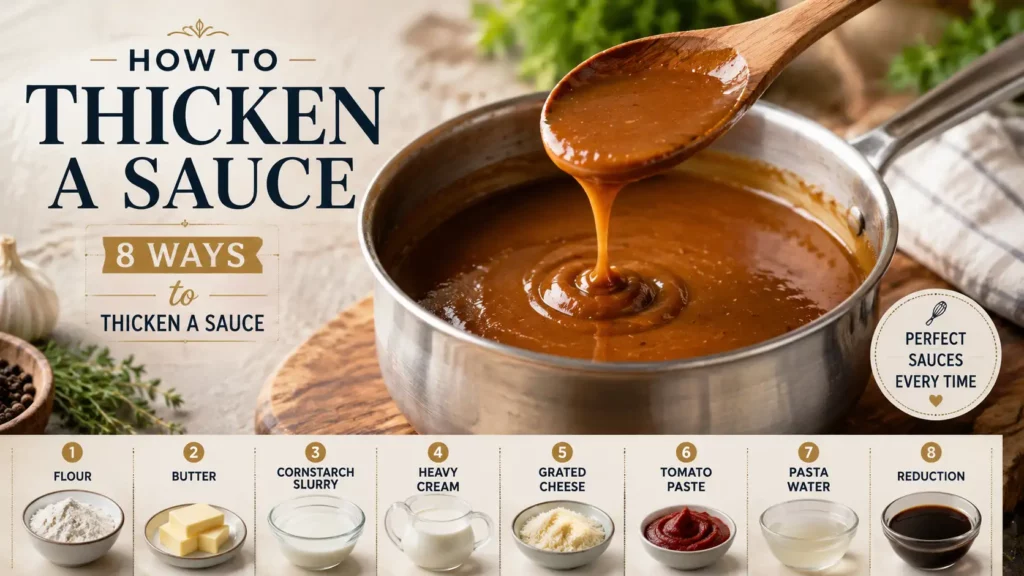
The best way to thicken a sauce depends on the sauce you are making. A tomato sauce often needs simmering and reduction. A cream sauce may only need gentle heat. A gravy or pan sauce may need roux, beurre manié, cornstarch, or a small amount of flour. I prefer to choose the thickening method based on the sauce instead of forcing one technique everywhere, because every sauce reacts differently to heat, fat, starch, and acidity.
Why This Guide Matters
A good sauce should not just be thick. It should have the right texture for the food.
For pasta, the sauce should cling to the noodles without turning gluey. For steak or chicken, the sauce should spoon over the meat and hold its shape lightly on the plate. For a casserole, gratin, or baked pasta dish, the sauce should have enough body to stay creamy after baking. For tomato sauce, the goal is often concentration and balance, not just thickness.
The mistake to avoid is thinking that every thin sauce needs more flour. Sometimes the sauce simply needs more time. Sometimes it needs fat. Sometimes it needs starch. Sometimes it needs to be reduced. Sometimes it needs to be blended. If you use the wrong method, the sauce can become pasty, dull, grainy, or too heavy.
This guide explains the practical ways to thicken sauces at home, when to use each method, and how to fix common problems without ruining the flavor.
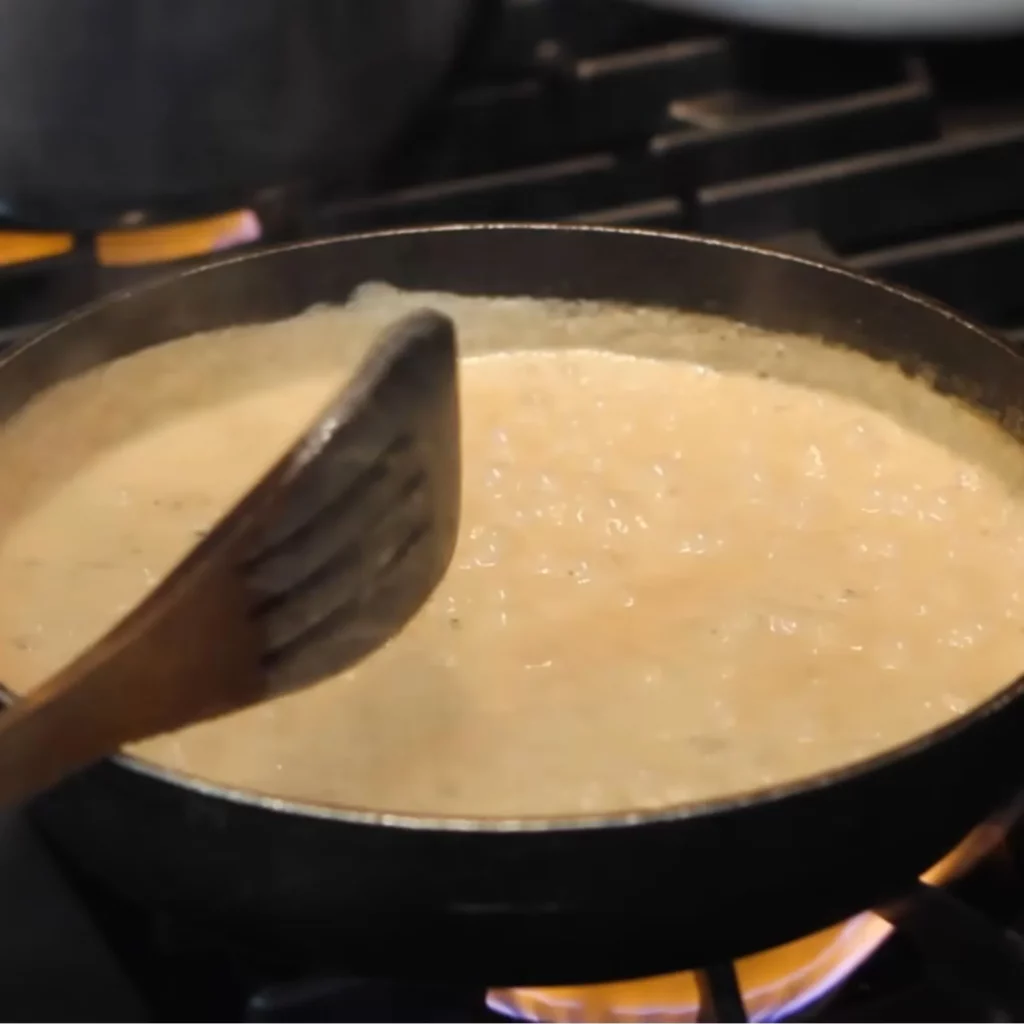
Quick Answer
To thicken a sauce, use the method that matches the sauce:
- Simmer and reduce for tomato sauces, pan sauces, wine sauces, and broths.
- Use a roux for gravy, béchamel-style sauces, cheese sauces, and creamy casseroles.
- Use beurre manié for last-minute thickening in hot sauces.
- Use cornstarch slurry for glossy sauces, stir-fry sauces, and quick gravies.
- Add cream, cheese, or butter for richer creamy sauces.
- Use pasta water for pasta sauces that need to cling better.
- Blend vegetables or beans for soups, stews, and rustic sauces.
- Add tomato paste for tomato-based sauces that need body and deeper flavor.
For home cooking, the easiest method is usually reduction first, then a small thickener only if the sauce still needs help.

What Makes a Sauce Thick?
A sauce thickens when water evaporates, starch swells, fat emulsifies, proteins set gently, or solids are blended into the liquid.
That sounds technical, but in practice it is simple:
- When you simmer, water evaporates and the flavor concentrates.
- When you add flour or starch, it absorbs liquid and gives the sauce body.
- When you add butter, cream, or cheese, the sauce becomes richer and more coating.
- When you add pasta water, the starch helps sauce cling to pasta.
- When you blend vegetables, the sauce thickens naturally without tasting floury.
The best sauces often use more than one method. For example, a creamy tomato pasta may use reduction, cream, pasta water, and cheese. A steak sauce may use browned pan juices, reduction, cream, and butter. A homemade tomato sauce may rely mostly on simmering, like this homemade tomato sauce with fresh tomatoes, where the tomatoes cook down before the sauce is finished.
Best Ways to Thicken a Sauce
1. Simmer and Reduce the Sauce
Reduction is the cleanest way to thicken many sauces because it does not add extra ingredients. You simply let the sauce simmer so excess water evaporates.
This method works best for:
- Tomato sauces
- Wine sauces
- Pan sauces
- Broths
- Stock-based sauces
- Meat sauces
- Some cream sauces
- Glazes
To reduce a sauce, keep it at a steady simmer, stir occasionally, and watch the texture. The wider the pan, the faster the sauce reduces because more surface area allows moisture to evaporate.
In practice, the result depends on heat level and timing. If the heat is too low, the sauce may take too long. If the heat is too high, the bottom can scorch, especially with tomato, cream, or cheese sauces.
Reduction is especially useful for tomato-based dishes. A sauce like spaghetti al pomodoro needs enough simmering to taste balanced and coat the pasta properly. For baked dishes like meat cannelloni with homemade tomato sauce, the sauce should be thick enough to support the pasta but not so dry that it disappears in the oven.
2. Use a Roux
A roux is made by cooking equal parts fat and flour together, usually butter and flour. Once the flour is cooked, liquid is added gradually to create a smooth sauce.
A roux works best for:
- Gravy
- Béchamel-style sauces
- Cheese sauces
- Cream sauces
- Casserole sauces
- Pot pie fillings
- Some soups
- Some gratins
The basic idea is simple: cook the flour in fat before adding liquid. This removes the raw flour taste and helps the sauce thicken smoothly.
For a light sauce, cook the roux only briefly. For a deeper brown sauce or gravy, cook it longer until it darkens slightly. The darker the roux, the deeper the flavor, but the slightly weaker the thickening power.
The mistake to avoid is adding all the liquid at once. Add a small amount first, whisk until smooth, then continue adding liquid gradually. This prevents lumps.
A roux-style thickening method is useful for many creamy dishes and sauces, including recipes like creamy chicken fettuccine Alfredo and creamy mozzarella parmesan pasta, even when the final recipe uses cheese, cream, or pasta water for extra texture.
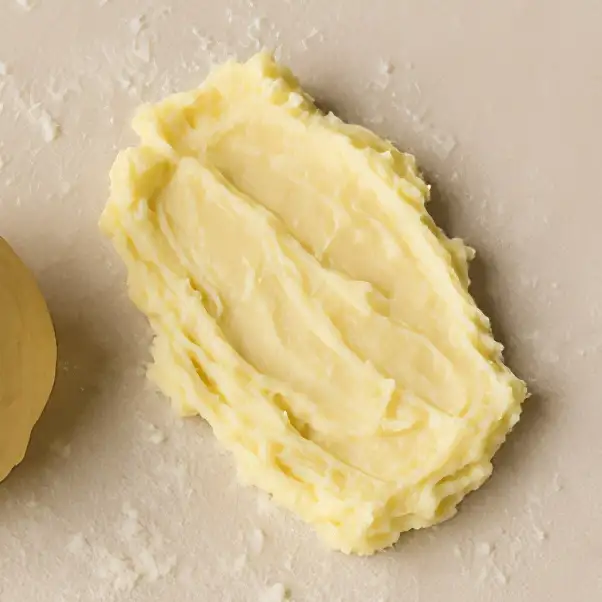
3. Use Beurre Manié for Last-Minute Thickening
Beurre manié means kneaded butter. It is made by mixing softened butter with flour until smooth, then whisking small pieces into a hot sauce.
This works well when a sauce is already cooked but still too thin.
Use beurre manié for:
- Pan sauces
- Gravies
- Stews
- Braised meat sauces
- Brown sauces
- Cream sauces that need a little more body
I like this method for last-minute correction because the flour is coated in butter, which helps it blend into the sauce more smoothly than plain flour. Still, the sauce should simmer for a few minutes after adding it so the flour cooks properly.
Add it little by little. If you add too much, the sauce can become heavy or pasty.
This method is useful when making pan sauces for meat, especially sauces that start with browned flavor in the pan. Recipes like Sauce Diane, creamy Dijon sauce for steak, and steak with creamy mushroom sauce all depend on balancing reduction, creaminess, and body.
4. Use a Cornstarch Slurry
A cornstarch slurry is made by mixing cornstarch with cold water before adding it to a hot sauce.
A slurry works best for:
- Stir-fry sauces
- Glossy sauces
- Quick gravies
- Asian-style sauces
- Fruit sauces
- Clear or light sauces
- Fast weeknight sauces
Always mix cornstarch with cold liquid first. If you add dry cornstarch directly into hot sauce, it can clump.
Once the slurry goes into the hot sauce, bring it to a gentle simmer and stir. The sauce should thicken quickly. Do not keep boiling it for too long, because the texture can weaken or turn slightly gluey.
Cornstarch gives a glossy finish, but it does not taste as rich as a roux. That is why it is excellent for fast sauces but not always the best choice for classic creamy sauces or cheese sauces.
5. Add Cream, Cheese, or Butter
Cream, cheese, and butter can thicken a sauce while also making it richer. This is common in pasta sauces, steak sauces, chicken sauces, and some vegetable sauces.
This works best for:
- Cream sauces
- Cheese sauces
- Pasta sauces
- Steak sauces
- Chicken sauces
- Pan sauces
- Tomato cream sauces
The key is gentle heat. If the sauce boils too hard, cream can reduce too aggressively, cheese can become grainy, and butter can separate.
For cheese sauces, remove the pan from high heat before adding cheese. For butter, whisk it in at the end to give the sauce shine and body. For cream, simmer gently until the sauce coats the back of a spoon.
This method is common in comforting recipes like creamy tomato pasta, creamy Roquefort sauce, and mustard chicken.
6. Use Pasta Water
Pasta water is one of the best ways to improve pasta sauce texture. It contains starch from the pasta, which helps the sauce cling to the noodles.
Use pasta water for:
- Tomato pasta
- Creamy pasta
- Cheese pasta
- Garlic and oil pasta
- Butter sauces
- Lemon pasta
- One-pot pasta
Add pasta water gradually. Toss the pasta in the sauce over medium heat so the starch, sauce, fat, and pasta come together.
If the sauce looks too thick, add a splash of pasta water. If it looks too thin, keep tossing and simmering for another minute. This is why pasta is often best finished directly in the sauce instead of just drained and topped.
For more pasta examples, explore the full pasta recipes collection, 30-minute pasta dinners, and the ultimate guide to homemade pasta recipes.
7. Use Tomato Paste
Tomato paste thickens tomato-based sauces while also adding deeper tomato flavor. It works best when cooked briefly in fat before liquid is added.
Use tomato paste for:
- Tomato sauces
- Meat sauces
- Stews
- Braises
- Chili-style dishes
- Tomato cream sauces
- Baked pasta sauces
Cook the tomato paste for 1 to 2 minutes with oil, butter, onion, garlic, or meat drippings before adding liquid. This helps remove the raw taste and gives the sauce more depth.
Tomato paste is especially useful in hearty dishes like one-pot creamy beef and tomato pasta and tomato-based baked recipes like veal parmigiana with tomato sauce and mozzarella.
8. Blend Vegetables, Beans, or Cooked Ingredients
Blending is a natural way to thicken soups, stews, vegetable sauces, and rustic pasta sauces. Instead of adding starch, you use the body of the ingredients already in the pot.
This works well with:
- Vegetable soups
- Bean soups
- Lentil sauces
- Tomato sauces
- Roasted vegetable sauces
- Stews
- Some pasta sauces
You can blend the whole sauce or just a portion of it. Blending only part of the sauce keeps some texture while giving the liquid more body.
This method is especially good when the sauce feels watery but already has cooked vegetables, beans, or aromatics in it.
Sauce Thickening Chart
| Method | Best For | Texture | Best Moment to Add | Watch Out For |
| Reduction | Tomato sauce, wine sauce, pan sauce, stock sauce | Concentrated, natural, glossy | During cooking | Can become too salty if reduced too far |
| Roux | Gravy, béchamel, cheese sauce, casseroles | Creamy, stable, classic | Before adding liquid | Can taste floury if not cooked |
| Beurre manié | Hot sauces, stews, pan sauces | Smooth, rich, quick | Near the end | Needs a few minutes of simmering |
| Cornstarch slurry | Glossy sauces, quick gravies, stir-fry sauces | Clearer, glossy, fast | Near the end | Can turn gluey if overused |
| Cream | Cream sauces, pasta, chicken, steak sauces | Rich, smooth, coating | During gentle simmering | Can split if boiled too hard |
| Cheese | Pasta, gratins, cheese sauces | Thick, rich, savory | Off heat or low heat | Can become grainy if overheated |
| Pasta water | Pasta sauces | Silky, clingy | While tossing pasta in sauce | Add gradually |
| Tomato paste | Tomato sauces, meat sauces, stews | Thick, deep, concentrated | Early, cooked in fat | Can taste raw if not cooked |
| Blended vegetables | Soups, stews, vegetable sauces | Thick, rustic, natural | During or after cooking | Can become too thick if fully blended |
How to Thicken Different Types of Sauces
Tomato Sauce
For tomato sauce, start with reduction. Simmer gently until the watery texture disappears and the sauce tastes more concentrated.
Best methods:
- Simmer and reduce
- Add tomato paste
- Blend part of the sauce
- Add a small amount of pasta water when serving with pasta
Avoid adding too much flour to tomato sauce. It can dull the fresh tomato flavor.
Cream Sauce
For cream sauce, use gentle heat. Simmer until the sauce coats the spoon, then finish with cheese or butter if needed.
Best methods:
- Gentle reduction
- Cream
- Cheese
- Butter
- Beurre manié for correction
- Pasta water for pasta dishes
Avoid boiling cream sauces too hard. A hard boil can make them separate or feel greasy.
Gravy and Brown Sauce
For gravy, roux and beurre manié are both useful. Roux is better when building the sauce from the beginning. Beurre manié is better when the sauce is already made and needs correction.
Best methods:
- Roux
- Beurre manié
- Reduction
- Cornstarch slurry for a faster finish
Avoid adding dry flour directly to hot gravy. It usually creates lumps.
Pasta Sauce
Pasta sauce should cling, not sit at the bottom of the bowl.
Best methods:
- Pasta water
- Reduction
- Cheese
- Butter
- Cream
- Tomato paste for tomato-based sauces
Finish the pasta in the sauce for 1 to 2 minutes so the sauce and pasta come together.
Pan Sauce
Pan sauces depend on browned bits, liquid, reduction, and a final thickening or finishing step.
Best methods:
- Deglazing
- Reduction
- Butter
- Cream
- Beurre manié
- Cornstarch slurry if needed
A pan sauce should usually be spoonable, glossy, and not too heavy.
Common Mistakes to Avoid
Adding Flour Directly to Hot Sauce
Dry flour clumps when it touches hot liquid. Use a roux, beurre manié, or slurry instead.
Using Too Much Thickener
A sauce should still taste like sauce. Too much flour, cornstarch, or starch can make it pasty.
Forgetting That Reduction Concentrates Salt
As water evaporates, salt becomes more concentrated. Season lightly at first and adjust at the end.
Boiling Cream or Cheese Sauces Too Hard
High heat can make dairy-based sauces separate, turn grainy, or become greasy.
Not Cooking Out the Flour Taste
Roux and beurre manié need enough cooking time. If the sauce tastes like raw flour, simmer it a little longer.
Thickening Before the Sauce Has Flavor
Texture is not everything. A sauce can be thick and still taste flat. Build flavor first with aromatics, browning, stock, tomato, herbs, spices, or pan juices.
Adding Pasta Water Too Early
Pasta water works best when the pasta and sauce are being tossed together. Add it gradually and let the sauce emulsify around the pasta.
Quick Fix Guide
| If Your Sauce Is… | Do This |
| Too thin but tastes good | Simmer and reduce |
| Too thin and bland | Reduce first, then season |
| Too thin and creamy | Simmer gently, add cheese, or use a small amount of beurre manié |
| Too thin and tomato-based | Add tomato paste or simmer longer |
| Too thin and glossy sauce is needed | Use a cornstarch slurry |
| Too thin and already finished | Use beurre manié or a small slurry |
| Too thick | Add warm stock, milk, cream, pasta water, or water depending on the sauce |
| Lumpy | Whisk, blend, or strain, then adjust consistency |
| Too salty after thickening | Add unsalted liquid or more unsalted ingredients |
Storage and Reheating
Thickened sauces can change texture after cooling. Starch-based sauces often become thicker in the fridge. Cream sauces may separate slightly. Tomato sauces usually hold well and often taste better after resting.
For storage, cool the sauce, refrigerate it in a covered container, and reheat gently. If the sauce is too thick after refrigeration, loosen it with a small amount of liquid.
Use:
- Milk for béchamel-style sauces
- Stock for gravies and pan sauces
- Pasta water or water for pasta sauces
- Cream for cream sauces
- Water or tomato purée for tomato sauces
When reheating, use low to medium heat and stir often. Avoid hard boiling cream, cheese, or butter-based sauces.
FAQ
What is the easiest way to thicken a sauce?
The easiest way is to simmer the sauce until some liquid evaporates. If that is not enough, use a small amount of roux, beurre manié, cornstarch slurry, cream, cheese, or pasta water depending on the sauce.
How do I thicken a sauce without flour?
Use reduction, cornstarch slurry, cream, cheese, butter, tomato paste, pasta water, or blended vegetables. The best choice depends on the flavor and texture you want.
How do I thicken a sauce with flour?
The best way is to cook the flour with butter or oil first to make a roux. Then add the liquid gradually while whisking. You can also mix softened butter and flour together to make beurre manié for last-minute thickening.
Can I use cornstarch instead of flour?
Yes, cornstarch works well for quick, glossy sauces. Mix it with cold water first, then stir it into the hot sauce and simmer briefly. It is not always the best choice for classic cream sauces or cheese sauces.
How do I thicken tomato sauce?
Simmer it longer, add tomato paste, blend part of the sauce, or finish it with pasta water when using it for pasta. Avoid adding too much flour because it can make the sauce taste dull.
How do I thicken cream sauce?
Simmer it gently, add cheese, finish with butter, or use a small amount of beurre manié. Keep the heat moderate so the sauce does not split.
Why did my sauce become too thick?
It may have reduced too far, used too much starch, or cooled down. Add warm liquid gradually and stir until the texture loosens.
Why is my sauce lumpy?
Lumps usually happen when flour or starch is added directly to hot liquid. Whisk well, strain if necessary, and next time use a roux, beurre manié, or slurry.
Final Thoughts
Learning how to thicken a sauce makes everyday cooking much easier. Once you understand reduction, roux, beurre manié, cornstarch slurry, cream, cheese, pasta water, tomato paste, and blending, you can fix most sauce problems without starting over.
The best method depends on the sauce. Tomato sauce usually needs simmering. Cream sauce needs gentle heat. Gravy often needs roux or beurre manié. Pasta sauce needs finishing in the pan with pasta water. Pan sauce needs reduction and a careful finish.
For more sauce-based cooking ideas, explore the sauces collection, creamy chicken recipes, and pasta recipes for easy weeknight dinners.
Useful Links
🛒 Michel Dumas Shop : Explore our kitchen essentials, including aprons and knives.
🌐 Linktree : Access all our important links in one place.
📱 YouTube | Instagram | Facebook | TikTok : Follow us for the latest recipes and culinary tips.


Easy, tasty, and comforting. Exactly the kind of recipe I like to keep bookmarked.
What’s up, I check your blogs regularly. Your writing style is great, keep it up!
Absolutely delicious! The recipe was easy to follow, and the final result turned out even better than expected. I’ll definitely be making this again.