Quick Pan-Seared Veal Liver with Garlic Parsley Butter
Veal liver is a quick bistro-style dish made from tender slices of calf liver, usually cooked fast in a hot pan and served slightly pink in the centre. This version is finished with garlic, parsley, butter, and a small splash of vinegar, which cuts through the richness without turning it into a heavy sauce. I make it when I want something traditional and fast, especially when I can get good veal liver from the butcher.
This recipe is based on my YouTube video, with a few adjustments since publication to make it easier to reproduce at home. In the video, I cook by eye, by sound, and by touch. For a website recipe, the liver needs clearer thickness, heat, timing, and doneness cues because veal liver is not forgiving if it stays in the pan too long.
The reason this works is simple: the liver is lightly floured, seared quickly, basted with foaming butter, then sliced and served right away. The mistake to avoid is treating it like a steak that can sit around and wait. Liver keeps cooking from residual heat, and once it passes that tender pink stage, the texture becomes firm and dry. What I look for here is a golden surface, butter that smells nutty but not burnt, and a centre that is still lightly rosy when sliced.

What makes this veal liver recipe different
This is a quick pan-seared veal liver recipe, not a creamy veal dish, not a slow braise, and not a breaded cutlet with tomato sauce. It belongs more in the French bistro family: hot pan, butter, parsley, garlic, vinegar, and a very short cooking time.
If you want something richer and saucier, my classic veal sweetbreads with mushroom cream sauce goes in a completely different direction. If you want a slow-cooked offal dish, the method is closer to classic veal tongue, which needs gentle simmering instead of fast searing. And if you want a more family-style veal dinner, veal parmigiana with tomato sauce is breaded, baked, and much more generous with sauce and cheese.
This one is about precision. A good pan. A thin slice. A fast hand.
Ingredients you need
Use fresh veal liver if possible. Frozen liver can work, but it must be fully thawed and patted very dry. Moisture on the surface will steam the liver instead of browning it.
For two portions, I prefer slices around 5 to 6 ounces each and about 1/2 inch thick. Thinner slices cook very quickly, so stay beside the pan. If the slices are much thicker, lower the heat slightly and give them a little more time, but do not walk away.
The flour is not there to make a thick crust. It is just a fine coating that helps the liver colour evenly and protects the surface from direct heat. Shake off the excess. If the flour is heavy, it can turn pasty in the butter.

For the finish, use fresh parsley, one small garlic clove, butter, and vinegar. Red wine vinegar, sherry vinegar, or cider vinegar all work. I prefer to add only a small splash because the vinegar should wake up the dish, not take over the plate.
If you are unsure about seasoning, my guide on how to season a recipe properly is useful here because liver needs enough salt, but it can taste harsh if it is oversalted before a hard sear.
How to cook veal liver without drying it out
Start with a warm plate if you are serving this bistro-style. In the video, I dress the vegetables and purée first, then keep the plate warm in a low oven. That works well, but keep the heat low, around 200°F, and do not leave the plate in there too long or the vegetables will dry.

Pat the liver dry with paper towel. Season both sides with salt and black pepper. Dredge lightly in flour, then tap off anything loose.


Set a skillet over medium-high to high heat. I do not recommend maximum heat for most home stoves because butter can go from foaming to burnt in seconds. Add olive oil and butter. When the butter foams and you hear a lively sizzle, the pan is ready. If the butter turns dark before the liver goes in, lower the heat and start again.


Lay the liver in the pan. It should sizzle right away. If the pan is quiet, it is not hot enough. If the flour darkens almost instantly, the pan is too hot. Cook for about 1 to 2 minutes per side, depending on thickness. While it cooks, spoon the foaming butter over the top. This helps the surface brown and gives the liver that classic buttery flavour.
You know it is close when the edges are browned, the slice still has a little spring when touched, and the centre is not stiff. If using a thermometer, cook to 145°F and rest briefly. You can also check my internal cooking temperature chart for general temperature guidance.


Transfer the liver to a board. Do not cover it tightly, or steam will soften the surface. Let it rest for 2 to 3 minutes while you make the persillade.

Making the garlic parsley butter
Pour off excess fat if the pan looks greasy or if there are burnt flour bits. You want a clean-tasting finish, not a dark bitter sauce. Add a small knob of butter to the pan, then add the chopped garlic.
The garlic needs only 10 to 20 seconds. It should smell sweet and sharp, not browned. The mistake to avoid is leaving the garlic in the pan while you look for the parsley or vinegar. Have everything ready before the garlic goes in. For more detail on this small but important step, see my guide on mincing garlic without burning it.
Add the parsley, stir once or twice, then add the vinegar. It will hiss a little in the hot pan. That sound is good. Scrape the bottom gently and swirl the pan so the butter, parsley, garlic, and vinegar come together. If you want to understand that pan-sauce moment better, the same idea is explained in my guide on how to deglaze a pan.
Slice the liver diagonally and place it on the plate with the pink centre visible. Spoon the persillade over the cooked surface, not so much that it hides the slice. Serve immediately.
What to serve with veal liver
In the video, I serve the liver with small yellow pâtissons, snow peas, cherry tomatoes, and three-colour mashed potatoes. That gives a very classic restaurant plate: rich liver, bright vegetables, soft potato, and a little acidity from the vinegar.
For home cooking, mashed potatoes are the easiest choice. A creamy potato side catches the garlic parsley butter and makes the plate feel complete. A traditional gratin dauphinois is richer, but very good if you want a French bistro dinner. For something simpler, air fryer baked potatoes work well because the skin gives a little contrast.
For vegetables, I like something green and not too heavy: snow peas, green beans, spinach, or a small salad. You do not need a creamy sauce here. The liver already has butter, and the vinegar finish does the job.
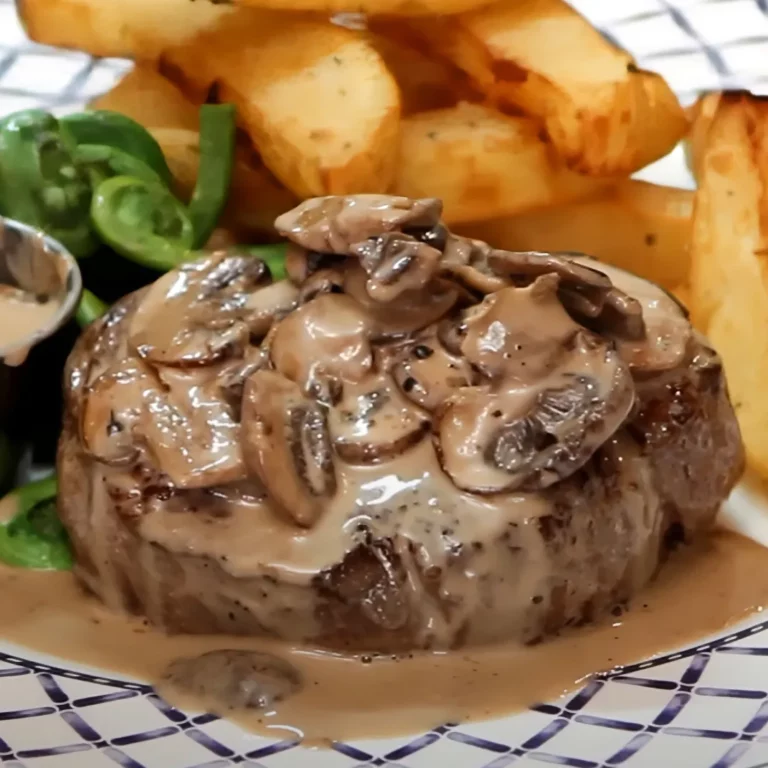
If you enjoy this kind of quick pan cooking, you may also like rib steak with mustard sauce or beef tenderloin medallions. They are not the same ingredient, but they use the same kind of timing: hot pan, short cooking, and a sauce made from what is left in the skillet. For a broader dinner idea list, my best steak recipes for pan, oven, BBQ, and bistro dinners is a good place to browse.
Substitutions and adjustments
If you cannot find veal liver, calf’s liver is the closest match and is often the name used at butcher counters in the United States. Beef liver is stronger and firmer, so use thinner slices and do not expect the same delicate flavour.
Chicken liver is not a direct substitute for this recipe. It cooks differently and is better suited to pâtés, sautéed dishes, or warm salads.
For the vinegar, use red wine vinegar for a classic taste, cider vinegar for something softer, or sherry vinegar if you want a rounder bistro flavour. Lemon juice can work in a pinch, but add it off the heat so it stays fresh.
Parsley is the best herb here. Chives can be added, but I would not replace all the parsley with basil or cilantro. They push the dish away from the classic French profile.
For a dairy-free version, you can cook with olive oil only, but the flavour will be different. Butter is part of the character of the dish.
FAQ
Should veal liver be soaked in milk?
You can soak it in milk for 20 to 30 minutes if the flavour seems strong, but good veal liver usually does not need it. If you do soak it, dry it very well before seasoning and flouring. Wet liver will not sear properly.
Should veal liver be pink inside?
Traditionally, veal liver is often served lightly pink because that keeps it tender. If you prefer a more cooked centre, cook it a little longer, but keep the heat controlled and avoid overcooking it until dry. A thermometer is the most reliable way to check doneness.
Why do you flour liver before cooking?
A light flour coating helps the surface brown and gives the butter something to cling to. It should be thin. You are not breading the liver like a cutlet.
Why did my liver turn tough?
It was probably overcooked, sliced too thin for the cooking time, or cooked over heat that was too aggressive. Liver cooks fast. Once it feels firm all the way through, it is usually past its best texture.
Can I make this ahead?
No, this is best cooked and served immediately. You can prepare the vegetables, chop the parsley, mince the garlic, and measure the vinegar ahead of time, but the liver should be cooked at the last minute.
Is veal liver nutritious?
Veal liver is protein-rich and nutrient-dense, with a stronger mineral flavour than regular muscle meats. It is also rich, so a modest portion with vegetables and potatoes is usually enough for a full plate.
Suggested posts
For another classic veal offal recipe with a creamy sauce, try veal kidneys with Dijon mustard.
For a slow, traditional veal preparation, make classic veal tongue.
For a crispier veal dinner with tomato sauce, try veal parmigiana with tomato sauce.
For a potato side that fits a bistro plate, serve it with traditional gratin dauphinois.
For another quick pan-seared dinner, make rib steak with mustard sauce.
For technique help, read how to deglaze a pan before making the garlic parsley butter.

Quick Pan-Seared Veal Liver with Garlic Parsley Butter
Ingredients
- 2 slices veal liver about 5 to 6 oz each, 1/2 inch thick
- 3 tbsp all-purpose flour for dredging
- 3/4 tsp salt or to taste
- 1/2 tsp freshly ground black pepper
- 1 tbsp olive oil
- 2 tbsp butter divided
- 1 small garlic clove finely minced
- 2 tbsp fresh parsley chopped
- 1 to 2 tsp red wine vinegar sherry vinegar, or cider vinegar
- Optional sides
- Warm mashed potatoes
- Snow peas
- Cherry tomatoes
- Small squash or pâtissons
- Green beans or spinach
Instructions
- Pat the veal liver dry with paper towel. Season both sides with salt and pepper.
- Place the flour in a shallow plate. Dredge the liver lightly, then shake off the excess flour.
- Heat a skillet over medium-high to high heat. Add the olive oil and 1 tbsp butter.
- When the butter is foaming and the pan is hot, add the liver. It should sizzle immediately.
- Cook for 1 to 2 minutes per side, depending on thickness, spooning the hot butter over the liver as it cooks.
- Cook until the outside is browned and the centre is still lightly pink, or until the thickest part reaches 145°F. Transfer to a board and rest for 2 to 3 minutes.
- Pour off excess fat from the skillet if needed. Add the remaining 1 tbsp butter.
- Add the minced garlic and cook for 10 to 20 seconds, just until fragrant. Do not brown it.
- Add the parsley, stir quickly, then add the vinegar. Swirl the pan to make a short garlic parsley butter.
- Slice the liver diagonally. Plate immediately and spoon the persillade over the top.
Video
Notes
FAQ
Should veal liver be soaked in milk?
You can soak it in milk for 20 to 30 minutes if the flavour seems strong, but good veal liver usually does not need it. If you do soak it, dry it very well before seasoning and flouring. Wet liver will not sear properly.Should veal liver be pink inside?
Traditionally, veal liver is often served lightly pink because that keeps it tender. If you prefer a more cooked centre, cook it a little longer, but keep the heat controlled and avoid overcooking it until dry. A thermometer is the most reliable way to check doneness.Why do you flour liver before cooking?
A light flour coating helps the surface brown and gives the butter something to cling to. It should be thin. You are not breading the liver like a cutlet.Why did my liver turn tough?
It was probably overcooked, sliced too thin for the cooking time, or cooked over heat that was too aggressive. Liver cooks fast. Once it feels firm all the way through, it is usually past its best texture.Can I make this ahead?
No, this is best cooked and served immediately. You can prepare the vegetables, chop the parsley, mince the garlic, and measure the vinegar ahead of time, but the liver should be cooked at the last minute.Is veal liver nutritious?
Veal liver is protein-rich and nutrient-dense, with a stronger mineral flavour than regular muscle meats. It is also rich, so a modest portion with vegetables and potatoes is usually enough for a full plate.🔗 Useful Links
🛒 Michel Dumas Shop : Explore our kitchen essentials, including aprons and knives.
🌐 Linktree : Access all our important links in one place.
📱 YouTube | Instagram | Facebook | TikTok : Follow us for the latest recipes and culinary tips.