How to Deglaze a Pan: A Simple Technique for Better Sauces and More Flavor
Deglazing a pan means adding liquid to a hot pan after searing meat, poultry, fish, or vegetables so the browned bits stuck to the bottom release into the liquid. Those browned bits, often called fond or sucs, are concentrated flavor, and they can become the base of a quick pan sauce, gravy, braising liquid, or creamy skillet sauce. (Wikipedia)
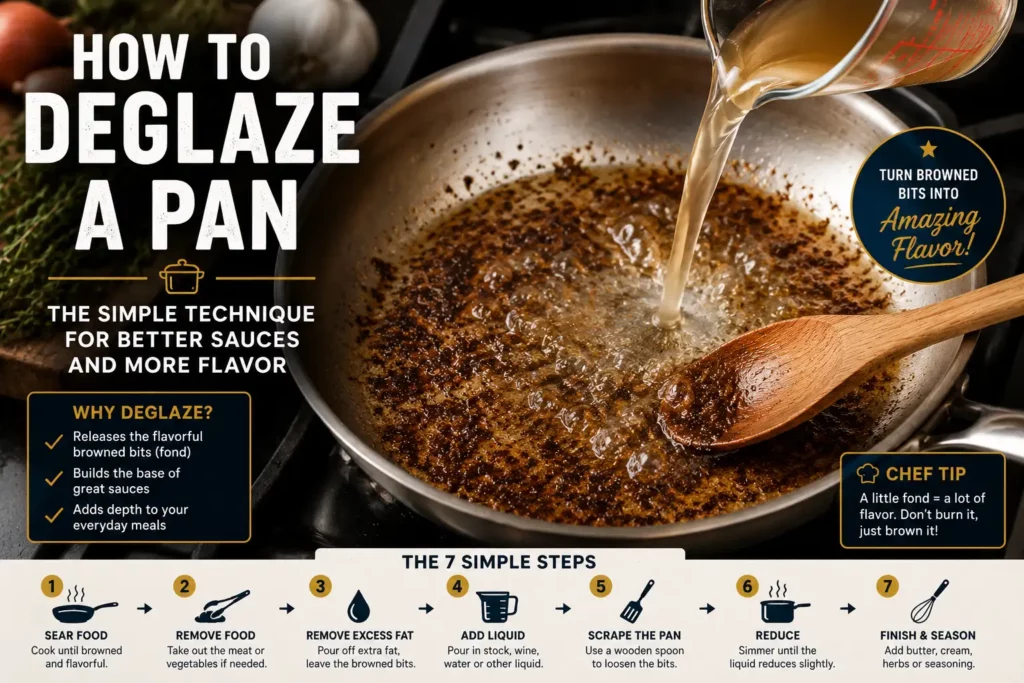
This is one of the most useful cooking techniques to learn because it turns what looks like “stuck food” into flavor. I prefer to do it this way because a good pan sauce does not need to be complicated. If the food is browned properly and the pan is deglazed at the right moment, you can build a sauce with stock, water, cream, tomato, vinegar, lemon juice, or another cooking liquid.
Why This Guide Matters
Deglazing is the bridge between searing and sauce making. When you cook chicken, beef, pork, mushrooms, onions, or vegetables in a hot pan, small browned bits form on the bottom. If they are golden brown, they are full of flavor. If they are black and burned, they can make the sauce bitter.
That difference matters. A well-deglazed pan can give you a sauce that tastes deeper, more savory, and more finished. A poorly managed pan can make the sauce taste burnt, greasy, or flat.
This technique is especially useful for home cooking because it helps you create flavor quickly. You do not need a restaurant kitchen to make a good pan sauce. You need a hot pan, browned food, the right amount of liquid, and a few minutes of attention.
Deglazing also connects naturally to many everyday dishes. It is useful in skillet chicken recipes, creamy sauces, pasta sauces, braised meats, one-pan dinners, and quick weeknight meals. For example, a recipe like creamy pepper chicken with cognac, shallots, and cream depends on the flavor that builds in the pan before the sauce is finished.
Quick Answer
To deglaze a pan:
- Sear the food until browned.
- Remove the food from the pan if needed.
- Pour off excess fat, but leave the browned bits.
- Add a small amount of liquid to the hot pan.
- Scrape the bottom with a wooden spoon or spatula.
- Simmer until the liquid reduces slightly.
- Finish the sauce with stock, cream, butter, mustard, herbs, or seasoning.
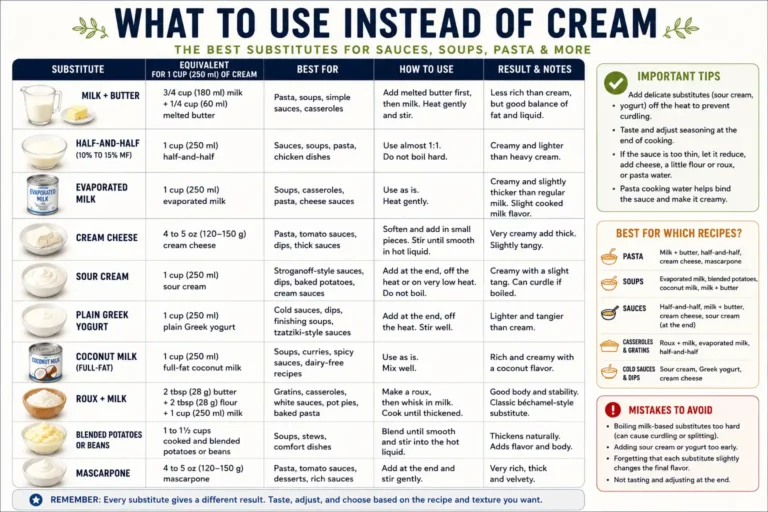
For most home cooking, the easiest liquid to use is stock, water, tomato juice, lemon juice, or a small splash of vinegar. Wine can also be used in traditional cooking, but stock is usually the most practical everyday option.
What Does Deglazing Do?
Deglazing loosens the browned bits from the bottom of the pan and dissolves them into a liquid. That liquid becomes flavorful because it picks up the concentrated taste left behind after searing.
Think of it as cleaning the pan with purpose. Instead of washing away the flavor, you capture it.
When you sear chicken thighs, for example, the pan may have browned chicken juices, seasoning, garlic, onions, or fat left behind. If you add stock and scrape the bottom, those bits dissolve into the liquid. From there, you can reduce the liquid and turn it into a sauce.
That same idea works for beef, pork, mushrooms, onions, carrots, shallots, and even tomato paste. The more flavor you build before deglazing, the more flavor the sauce will have.
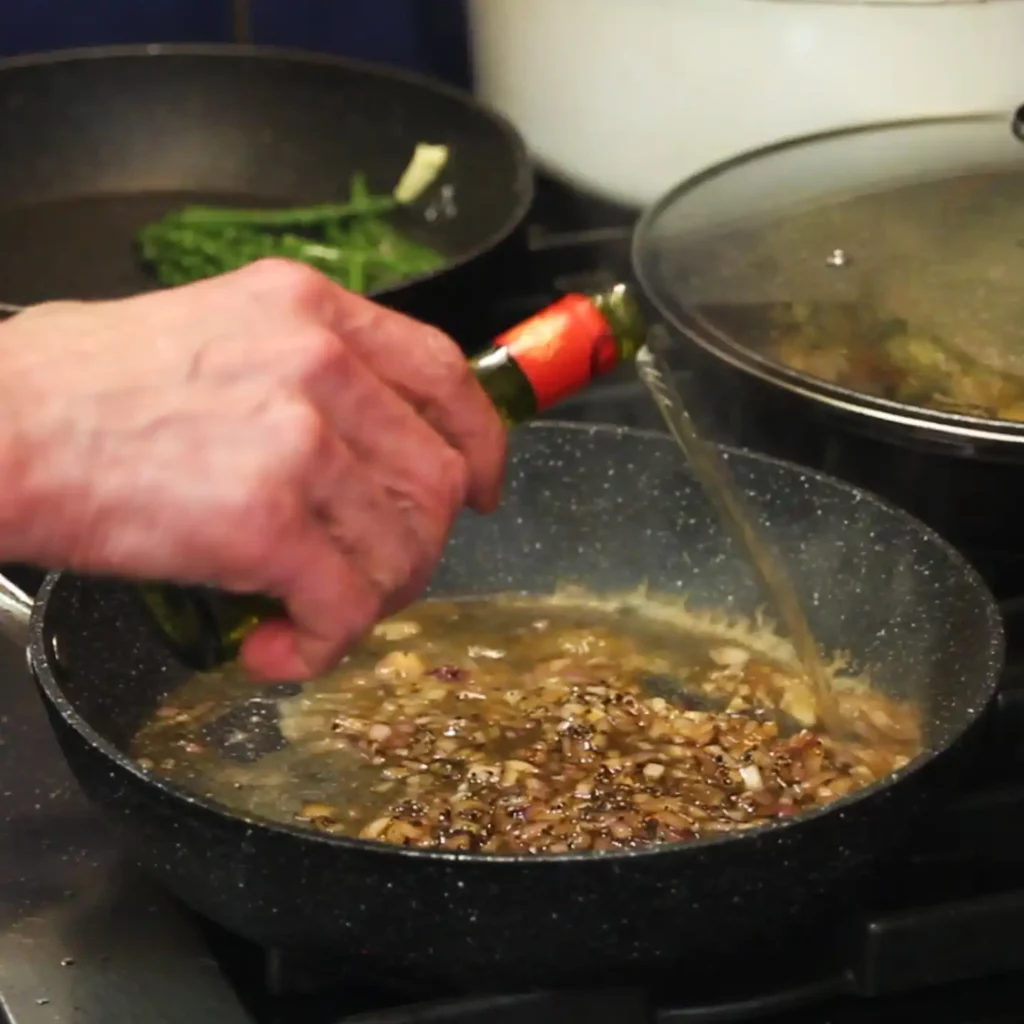
The Best Pan for Deglazing
A stainless steel pan, cast iron pan, or enameled cast iron pan is usually best for deglazing. These pans allow browning to develop on the bottom, which gives the sauce more flavor.
A nonstick pan can be deglazed, but it usually does not create the same deep fond. It is also important not to scrape a nonstick pan aggressively with metal tools. Use a wooden or silicone spatula.
For home cooking, stainless steel is one of the best choices because it browns well and lets you see the color of the fond. You can tell if the pan is golden, too pale, or starting to burn.
What Liquids Can You Use to Deglaze a Pan?
The liquid you choose changes the flavor of the final sauce. The best option depends on what you cooked and what kind of sauce you want.
| Deglazing Liquid | Best For | Flavor Result | Notes |
| Chicken stock | Chicken, turkey, vegetables, rice dishes | Savory and balanced | The easiest all-purpose choice |
| Beef stock | Steak, beef, mushrooms, roasts | Deep and rich | Best with darker meats |
| Vegetable stock | Vegetables, mushrooms, pasta sauces | Light and savory | Good meatless option |
| Water | Any pan when nothing else is available | Neutral | Works well if the pan already has strong flavor |
| Lemon juice | Chicken, fish, vegetables | Bright and acidic | Use a small amount, then balance with stock or butter |
| Vinegar | Pork, onions, pan sauces | Sharp and bright | Use carefully so it does not overpower |
| Tomato juice or crushed tomato | Pasta, chicken, meatballs, vegetables | Tomato-rich and savory | Good for tomato-based sauces |
| Cream | Chicken, mushrooms, mustard sauces | Rich and smooth | Better after the pan is already deglazed with a thinner liquid |
| Wine or cognac | Bistro-style sauces | Aromatic and classic | Optional and best used in small amounts by adults cooking in a controlled kitchen |
For everyday cooking, stock is the most reliable. It gives flavor without making the sauce too acidic or too heavy. Water also works better than people think, especially if the pan already has good browned bits.
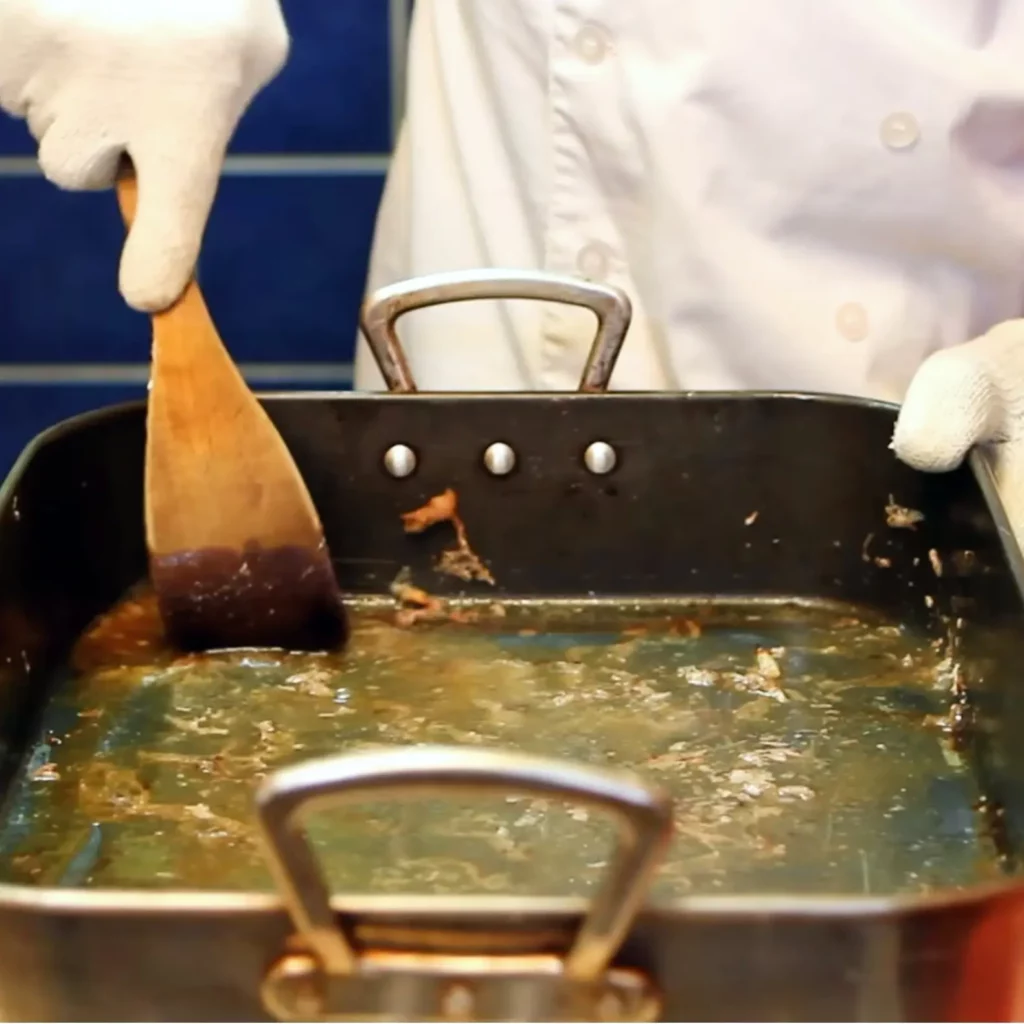
Step-by-Step: How to Deglaze a Pan
1. Brown the Food First
Deglazing only works well if you first build flavor in the pan. Sear chicken, beef, pork, mushrooms, onions, or vegetables until you see golden brown color on the food and the bottom of the pan.
The mistake to avoid is moving the food too quickly. If you stir constantly, the food may steam instead of brown. Let it sit long enough to develop color, then turn or stir.
This is why pan-seared recipes like chicken supreme with mushroom cream sauce taste better when the chicken is properly browned before the sauce begins.
2. Remove the Food if Needed
If the food is already cooked or almost cooked, remove it from the pan before deglazing. This gives you space to scrape the pan and control the sauce.
For chicken breasts, pork chops, steaks, or fish, this is often the best method. For onions, mushrooms, or vegetables, you can sometimes leave them in the pan while deglazing.
3. Pour Off Excess Fat
A little fat helps carry flavor. Too much fat makes the sauce greasy.
If there is a lot of oil, butter, or rendered fat in the pan, pour some off before adding liquid. Leave just enough to keep flavor and help the aromatics cook.
If the pan has browned bits and a thin layer of fat, that is usually fine. If the pan looks oily, remove some.
4. Add the Liquid to the Hot Pan
Add a small amount of liquid to the hot pan. You should hear sizzling. This is normal. The liquid hits the hot surface and begins loosening the browned bits.
You do not need to flood the pan. Start with a small amount, usually just enough to cover the bottom. You can always add more later.
For a quick chicken sauce, chicken stock is a good first choice. For a tomato-based sauce, crushed tomatoes or tomato juice can work. For a bright finish, a small amount of lemon juice can be added, then balanced with stock or butter.
5. Scrape the Bottom
Use a wooden spoon, silicone spatula, or flat-edged utensil to scrape the bottom of the pan. The goal is to release the browned bits and dissolve them into the liquid.
Take your time here. The flavor is on the bottom of the pan. If you leave it stuck there, the sauce will taste weaker.
6. Reduce the Liquid
Let the liquid simmer until it reduces slightly. Reduction concentrates the flavor and improves the texture.
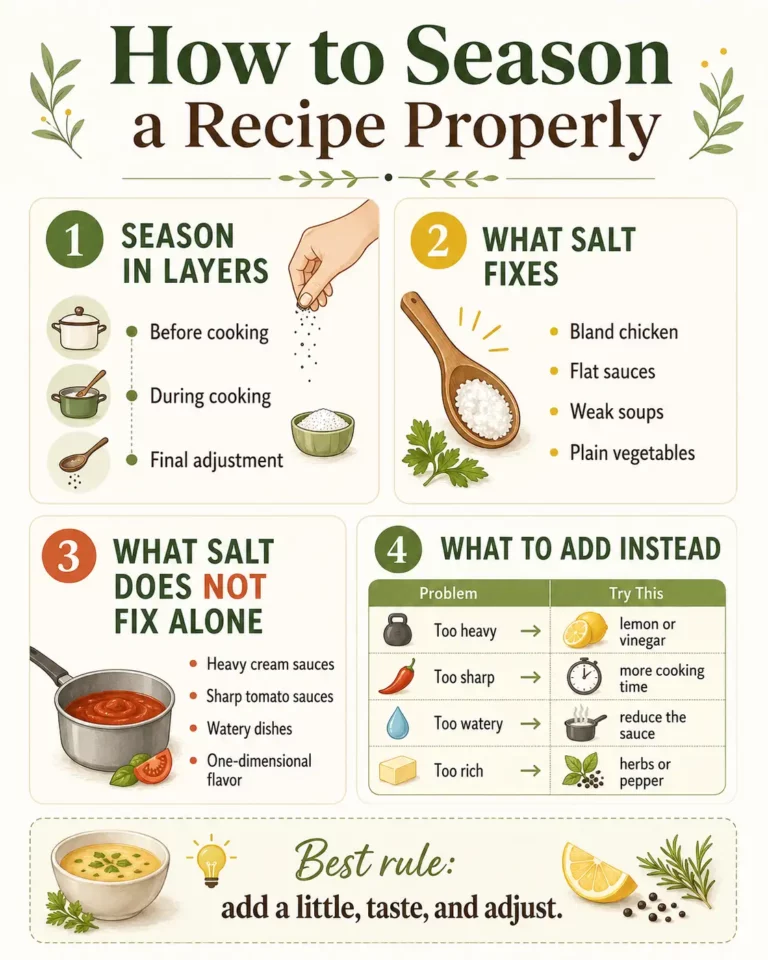
For a quick pan sauce, you may only need a few minutes. For a deeper sauce, you can reduce longer, but watch the salt. If the liquid is salty and you reduce it too much, the sauce may become too salty.
7. Finish the Sauce
Once the liquid has reduced, finish the sauce according to the dish.
You can add:
- A knob of butter
- A splash of cream
- Dijon mustard
- Chopped herbs
- Lemon juice
- Garlic
- Shallots
- Pepper
- A spoon of tomato paste
- A little pasta water
- More stock if needed
For a creamy sauce, add cream after the strongest scraping is done. Cream can reduce, but it can also separate if boiled aggressively. Gentle simmering gives a smoother result.
That is the idea behind many creamy skillet dishes, including mustard chicken, creamy mustard chicken with mushrooms, and easy bacon mustard chicken in cream sauce.
What Deglazing Looks Like in Real Cooking
Deglazing is not only for fancy sauces. It appears in many practical recipes.
For Chicken
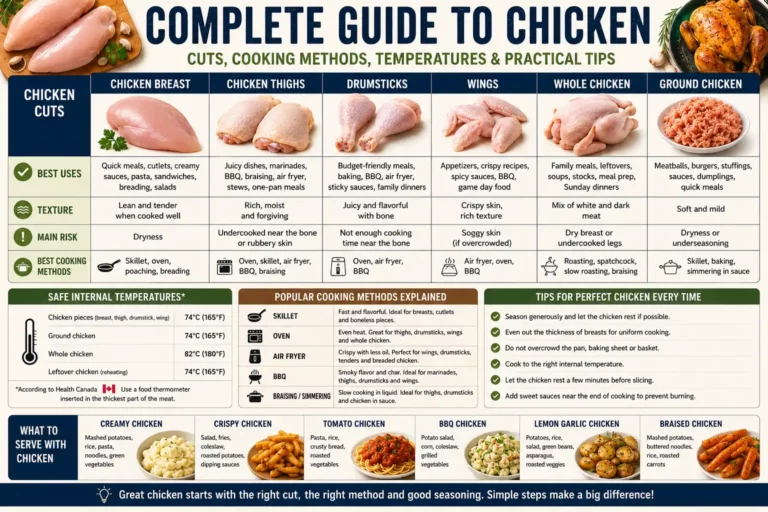
Chicken leaves mild but useful browned bits in the pan, especially when cooked with skin, seasoning, garlic, onions, or butter. Deglazing with chicken stock gives a savory base. Cream, mustard, mushrooms, herbs, or lemon can then finish the sauce.
That is why deglazing works so well in creamy chicken dishes. It helps the sauce taste like the chicken, not just like cream poured into a pan.
For more sauce-based chicken ideas, explore these creamy chicken recipes or these easy 30-minute chicken dinners.
For Beef
Beef creates stronger browned bits than chicken. Deglazing after searing beef can create a rich sauce with stock, pepper, onions, mushrooms, or cream.
The key is not to burn the pan. Dark brown fond is good. Black burned residue is not. If the pan smells bitter, it is better to clean it and start again.
For Pasta
Deglazing can also help pasta sauces. If you sauté garlic, onions, sausage, beef, mushrooms, or tomato paste in a pan, a small amount of liquid can loosen the flavor before the pasta or sauce is added.
This matters in dishes like one-pot creamy beef and tomato pasta, where the sauce develops directly in the pan. It also matters in simple pasta dinners where the sauce needs to cling properly, like creamy chicken fettuccine Alfredo or lemon garlic creamy pasta.
For more ideas, the pasta recipes collection is a good place to connect sauce technique with everyday meals.
For Braised Dishes
Deglazing is very important before braising. After browning the meat and aromatics, the pan is deglazed so the flavor becomes part of the braising liquid.
This works beautifully for slow-cooked dishes like braised lamb shanks with white wine, maple, and rosemary. The searing step builds depth, and the deglazing step makes sure that depth goes into the sauce instead of staying stuck to the pan.
Deglazing Liquid Guide
| Dish Type | Best Deglazing Liquid | Good Finish |
| Chicken breast | Chicken stock | Cream, mustard, butter, herbs |
| Chicken thighs | Chicken stock or tomato | Garlic, cream, lemon, herbs |
| Steak | Beef stock | Pepper, butter, mushrooms |
| Pork chops | Chicken stock, apple juice, or a little vinegar | Mustard, cream, butter |
| Mushrooms | Vegetable stock or water | Cream, garlic, parsley |
| Pasta sauce | Tomato, stock, or pasta water | Cheese, butter, herbs |
| Braised meat | Stock or tomato | Herbs, aromatics, slow simmer |
| Vegetables | Water, stock, or lemon | Butter, herbs, garlic |
Common Mistakes to Avoid
Burning the Fond
Fond should be brown, not black. If it smells bitter or looks burned, deglazing will not fix it. Burned bits dissolve into the sauce and make the whole dish taste harsh.
Using Too Much Liquid
Deglazing does not mean filling the pan. Start with just enough liquid to loosen the browned bits. If you add too much, the sauce becomes watery and takes longer to reduce.
Not Scraping the Pan Enough
The flavor is stuck to the bottom. If you only pour liquid into the pan and do not scrape, the sauce will not pick up as much flavor.
Adding Cream Too Early
Cream is better as a finishing liquid in many sauces. Deglaze first with stock, water, or another thinner liquid, then add cream once the fond is released.
Forgetting to Reduce
A sauce needs concentration. If you add liquid and serve it immediately, it may taste weak. Let it simmer briefly so the flavor tightens up.
Overseasoning Before Reduction
Reduction makes flavors stronger, including salt. If your stock is already salty, wait before adding more salt.
Using the Wrong Tool
A flat wooden spoon or silicone spatula works better than a rounded spoon because it reaches the bottom of the pan. Avoid metal tools on nonstick surfaces.
Practical Deglazing Checklist
Before deglazing, ask:
- Is the pan browned but not burned?
- Is there too much fat in the pan?
- Did I remove the food if it needs resting?
- Am I using the right liquid for the dish?
- Do I have a wooden spoon or spatula ready?
- Am I ready to reduce the liquid after scraping?
- Will I finish with butter, cream, mustard, herbs, or lemon?
This small checklist helps prevent watery, greasy, or bitter sauces.
FAQ
What does it mean to deglaze a pan?
Deglazing means adding liquid to a hot pan to loosen the browned bits stuck to the bottom after searing or sautéing food. Those bits dissolve into the liquid and help create a flavorful sauce.
Can I deglaze with water?
Yes. Water works if the pan already has enough flavor from browned meat, onions, garlic, mushrooms, or spices. Stock usually adds more flavor, but water is still useful.
Can I deglaze a nonstick pan?
Yes, but nonstick pans usually do not create as much fond as stainless steel or cast iron. Use a silicone or wooden utensil and avoid scraping aggressively.
Why does my sauce taste bitter after deglazing?
The browned bits may have burned. Golden brown fond is flavorful, but black residue can taste bitter. If the pan smells burned before you add liquid, it is better to clean it and restart.
Should I remove the meat before deglazing?
Usually, yes. Removing the meat gives you more control over the sauce and prevents overcooking. You can return the meat to the pan after the sauce begins to come together.
How much liquid should I use to deglaze?
Use just enough to cover the bottom of the pan. For many home-cooking situations, a small splash to about 1/2 cup is enough, depending on pan size and sauce quantity.
Can I deglaze with cream?
You can, but it is often better to deglaze first with stock, water, or another thinner liquid, then add cream after the browned bits are released. This gives a smoother sauce and better control.
Is deglazing only for meat?
No. You can deglaze after cooking mushrooms, onions, carrots, tomato paste, vegetables, or aromatics. Any flavorful browned bits can become the base of a sauce.
Final Thoughts
Deglazing is one of the simplest ways to make home cooking taste more complete. It takes the flavor left in the pan and turns it into a sauce, gravy, braising liquid, or creamy base.
The key is to brown the food properly, avoid burning the pan, add the right amount of liquid, scrape well, reduce briefly, and finish with ingredients that match the dish. Once you understand that pattern, you can use it with chicken, beef, pork, pasta, vegetables, and braised dishes.
For more recipes where sauce technique makes a difference, try chicken supreme with mushroom cream sauce, creamy pepper chicken, one-pan Dijon mustard chicken and mashed potatoes, or one-pot creamy beef and tomato pasta.
Useful Links
🛒 Michel Dumas Shop : Explore our kitchen essentials, including aprons and knives.
🌐 Linktree : Access all our important links in one place.
📱 YouTube | Instagram | Facebook | TikTok : Follow us for the latest recipes and culinary tips.