French bistro cooking is built around deeply browned meats, slow-cooked sauces, buttery finishes and dishes that feel generous without becoming overly formal. Many of its most recognizable recipes can be prepared at home with familiar ingredients and careful cooking.
This collection brings together 24 French bistro recipes, including peppercorn steaks, red wine sauces, veal stews, boeuf bourguignon, chicken, salmon, mussels and French onion soup. It also includes the classic butters and sauces that help turn a simply cooked steak, fish fillet or vegetable dish into a complete bistro-style meal.
Best Recipes in This List
Best classic beef stew: Classic Boeuf Bourguignon Recipe
Best bistro steak: Pan-Seared Steak au Poivre
Best special-occasion dinner: Rossini Steak
Best traditional veal dish: Classic Blanquette de Veau with Boulangère Potatoes
Best seafood main course: Bistro-Style Crispy Skin Salmon with Beurre Blanc
Best classic starter: French Onion Soup
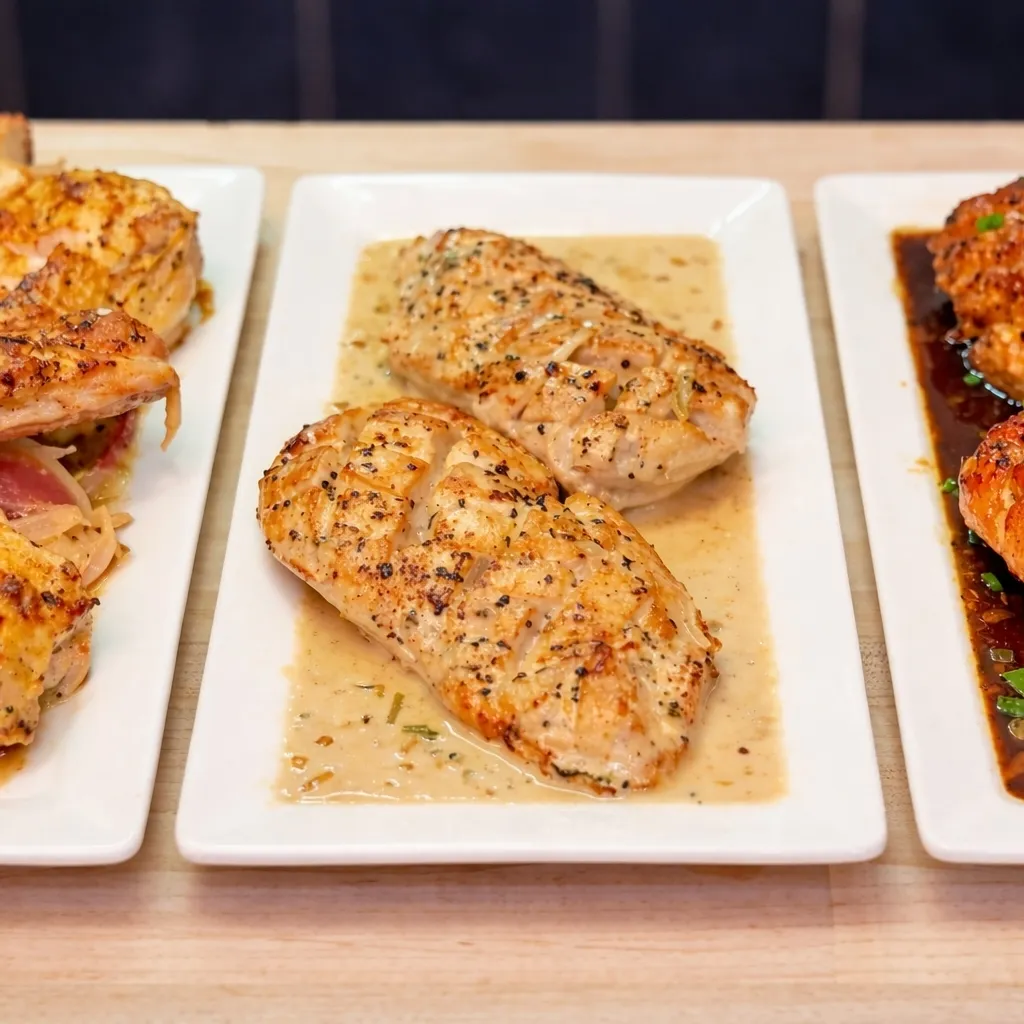
Creamy Pepper Chicken - French Bistro Style Chicken with Cognac, Shallots, and Cream
Creamy pepper chicken is a pan-seared chicken dish finished in a rich sauce made with cracked black pepper, cognac, white wine, and heavy cream. It stands out for its bistro-style flavor, its silky texture, and the way the sauce clings to the chicken. This is the kind of meal that works for a cozy cold-weather dinner, but it is just as welcome year-round when served with fries, potatoes, pasta, or a crisp salad.
Discover this recipeClassic Blanquette de Veau with Boulangère Potatoes
Blanquette de veau is a classic French veal stew finished with a pale, velvety sauce made from cooking broth, egg yolks, and cream. In this version, I serve it with boulangère potatoes, which are sliced potatoes baked with onions, butter, and broth until tender and richly flavored. It is the kind of dish that works for a Sunday family meal, a colder evening, or a dinner that needs a little more old-school French comfort.
Discover this recipeClassic Poule au Pot with Garden Vegetables and Cold Dijonnaise
Poule au pot is a traditional French chicken dish where a whole hen is gently simmered in broth, then served on a platter with vegetables, potatoes, and a simple sauce on the side. What makes this version different is the clear homemade chicken broth, the marrow bones used to deepen the flavor, and the cold dijonnaise with a little harissa for contrast. This is based on my YouTube video, with a few adjustments since publication to make the written recipe more reliable at home.
Discover this recipeClassic Veal Tongue in Broth with Mustard Caper Sauce
Veal tongue is one of those old-school French comfort dishes that deserves a second look. When it is simmered gently until tender, peeled while still warm, and served with vegetables plus a sharp mustard-caper sauce, it becomes rich, delicate, and far more refined than many people expect.
Discover this recipeBlanquette de Veau (Creamy French Veal Stew with White Wine)
Blanquette de veau is a classic French veal stew gently simmered in a light broth, then finished with a creamy white sauce. This Michel-style version keeps the broth clear (no pre-blanching), uses simple bistro aromatics, and finishes with a smooth roux-thickened cream sauce—perfect for a cozy Sunday dinner or a make-ahead family meal any time of year.
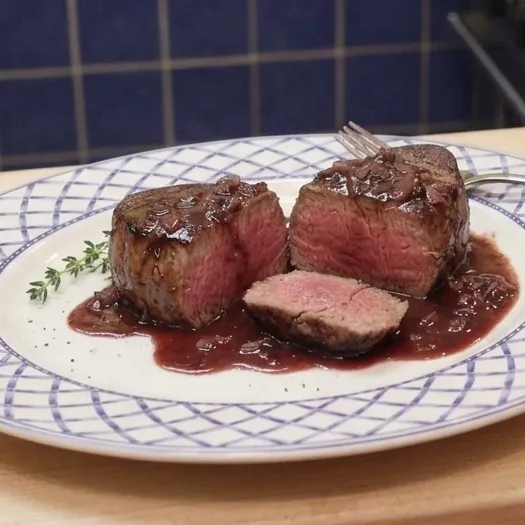
Discover this recipeBeef Tenderloin Medallions with Red Wine Sauce
Beef tenderloin medallions with red wine sauce are small, thick-cut portions of tenderloin seared in a hot pan and finished with a glossy wine-based pan sauce. This version is different from a grilled steak or a creamy steak recipe because the focus is on a quick restaurant-style sear, a clean red wine reduction, and a buttery finish. It is elegant enough for a special dinner, but simple enough to make year-round whenever you want a classic steakhouse-style meal at home.
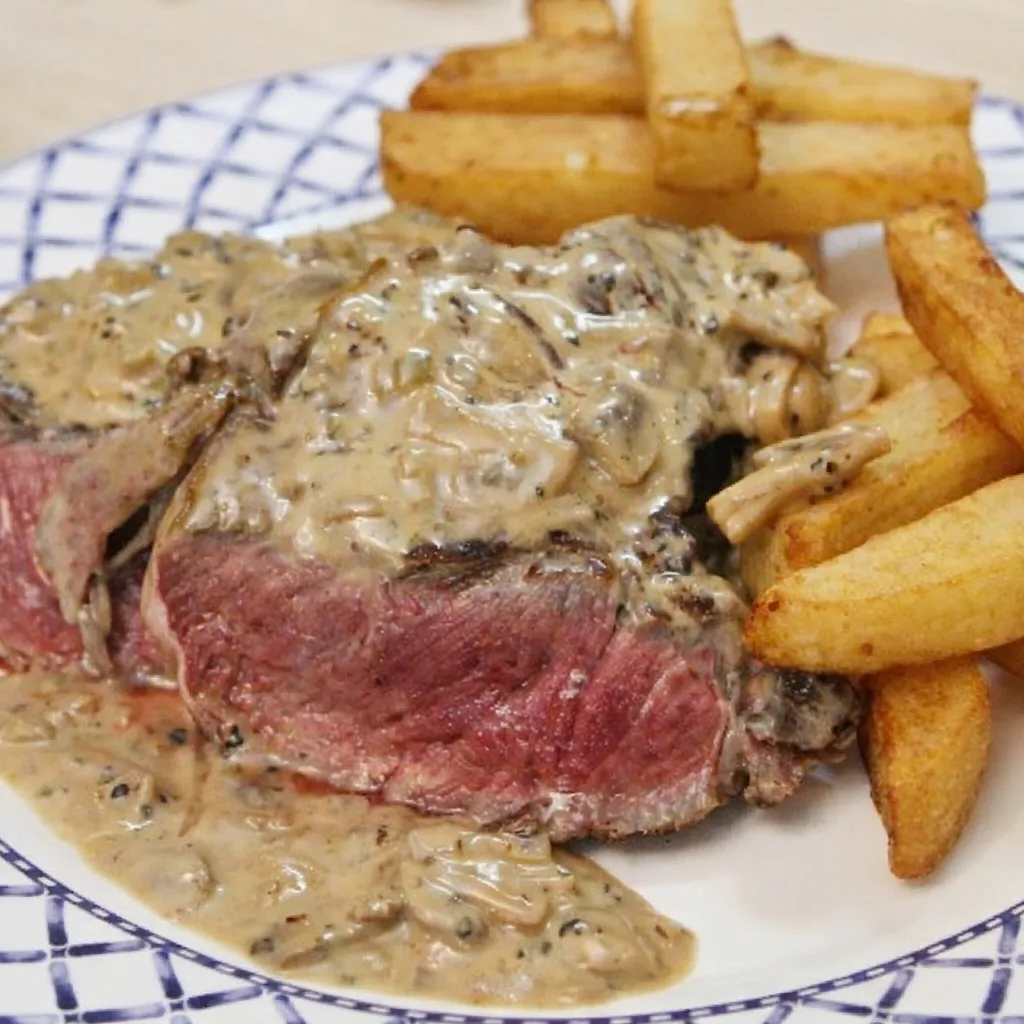
Discover this recipeSteak Diane Recipe with Creamy Cognac Mushroom Sauce
Steak Diane is a classic pan-seared steak served with a quick sauce made from shallots, mushrooms, mustard, stock, cream, and a splash of cognac. What makes it different from a peppercorn or blue cheese steak sauce is its balance: savory, slightly sharp, lightly creamy, and built directly in the pan after the steak cooks. It is the kind of dish that feels bistro-style enough for guests, yet practical enough for a weekend dinner at home any time of year.
Discover this recipePan-Seared Steak au Poivre (Peppercorn Steak) — Easy French Bistro Sauce (Cognac + Cream)
Pan-seared steak au poivre is a classic French bistro dish: pepper-crusted steak cooked in a hot skillet, then finished with a quick pan sauce made from shallots, cognac, reduced beef stock, and a splash of cream. What makes this version different is the simple “flip-often” method for even cooking and a glossy sauce that’s mounted with butter at the end—perfect for a cozy winter dinner, a date-night meal, or any time you want steakhouse flavor at home without turning on the grill.
Discover this recipeFlank Steak with Béarnaise Sauce – Restaurant-Style French Steak Dinner at Home
This bavette steak with classic Béarnaise sauce brings a French bistro experience straight to your kitchen. The recipe is based on my original YouTube video for bavette with Béarnaise, but I’ve made a few changes since publishing the video: the quantities are now precise, the timing is clearer, and the instructions are adapted for home cooks in Canada and the USA.
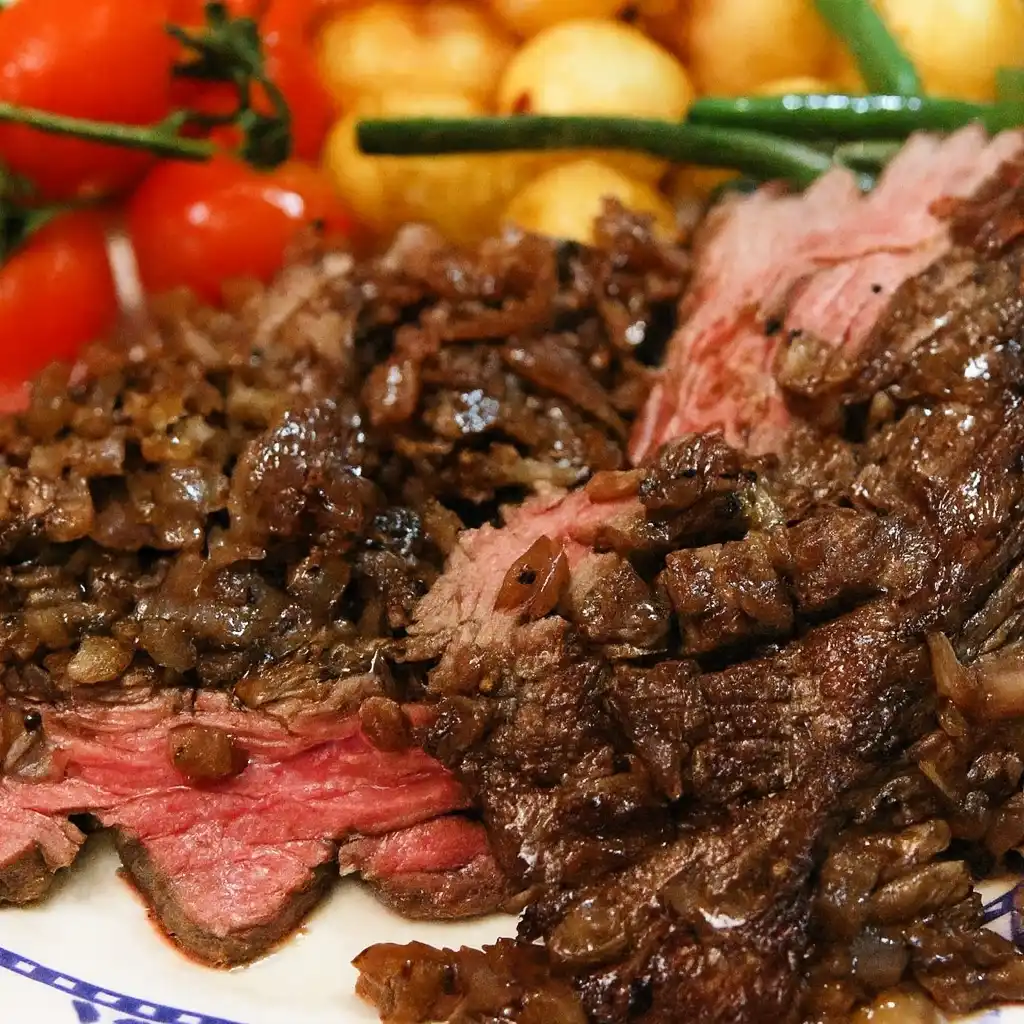
Discover this recipeEasy Bavette Steak Recipe with Shallot and Red Wine Sauce (French Flank Steak Dinner)
Few things feel more like a true French bistro than a perfectly cooked bavette steak covered in a glossy shallot and red wine sauce, with green beans, Parisian potatoes and a few juicy cherry tomatoes on the side. This bavette à l’échalote recipe is inspired directly by my YouTube video, but I’ve fine-tuned a few details here for home cooks in Canada and the USA: clearer quantities, cooking times, and a few tricks to get the same result you see on camera.
Discover this recipeFilet Mignon au Poivre Recipe – Classic French Peppercorn Steak with Creamy Pan Sauce
Filet mignon au poivre is one of those timeless French bistro recipes that feels perfect for a special occasion, a date night at home, or a cozy Sunday dinner. This version is based on my original YouTube video, Filet Mignon au Poivre, but I’ve made a few important changes since I filmed it: better seasoning, a proper peppercorn crust, clearer quantities and timings, and a more classic creamy pan sauce.
Discover this recipeRossini Steak (Bistro-Style at Home) — Beef Tenderloin, Seared Foie Gras & Cognac Cream Sauce
This Rossini steak recipe brings the elegance of French fine dining right to your home kitchen. A true bistro-style version of beef tenderloin with seared foie gras and a silky Cognac demi-glace cream sauce, finished with butter for that rich, balanced flavour. Based on my YouTube video but refined for consistency across Canada and the USA, this updated method includes precise resting temperatures for a perfect pink center, a lighter Cognac sauce with just the right acidity, and an optional truffle twist for special occasions. You can serve it on a flaky puff-pastry base for a playful presentation or the more traditional toasted brioche—either way, it’s a show-stopping main course worthy of a French restaurant.
Discover this recipeBoeuf Bourguignon (My Chef-Style Rendition) — Tender Beef in Red Wine Sauce, Quebec Bistro Style
This is my rendition of a classic boeuf bourguignon—the kind of slow-braised red wine beef stew that feels like a warm bistro meal on a cold day in Quebec. It’s based on my YouTube video, but I’ve updated a few details since filming so it’s easier to reproduce at home: clearer proportions, a more balanced sauce, and an aromatic base that builds deeper flavor without making the stew taste “tomato-y.”
Discover this recipeClassic Boeuf Bourguignon Recipe (French Beef Stew in a Dutch Oven)
When winter sets in and you’re craving a warm, slow-simmered meal that fills the house with rich aromas, this classic Boeuf Bourguignon recipe is the ultimate comfort dish. Made with tender beef, smoky bacon, red wine, mushrooms, and pearl onions, it’s the kind of hearty French beef stew that feels equally at home in a cozy Canadian kitchen or a festive American dinner table. Adapted from my YouTube video, this version keeps the traditional French depth of flavor while simplifying the steps for perfect results every time in your Dutch oven or stovetop pot.
Discover this recipeBistro-Style Crispy Skin Salmon with Beurre Blanc
Crispy skin salmon with beurre blanc is a restaurant-style salmon recipe made with pan-seared fillets and a warm French butter sauce. What makes it different from a basic salmon dinner is the contrast between the crisp skin, tender flaky fish, and silky white wine sauce.
Discover this recipeMoules Marinière Sauce Poulette (Classic French Mussels in Creamy White Wine Sauce)
Moules marinière sauce poulette is a classic French seafood dish combining tender mussels cooked in white wine with a silky cream and egg-yolk sauce. It is richer than traditional moules marinière while still highlighting the natural flavor of fresh mussels. This dish is perfect for a casual dinner, a bistro-style meal at home, or an impressive seafood dinner that comes together quickly.
Discover this recipeCoquilles de Moules Gratinées Style Saint Jacques
When you want something that feels a little elegant without becoming fussy, these baked mussel shells are a very good option. They take the spirit of classic scallop gratin and adapt it to mussels, with a creamy mushroom sauce, a light touch of spice, and just enough Gruyère to brown beautifully under the broiler.
Discover this recipeFrench Onion Soup: An Essential Recipe from France
French onion soup, a classic of French cuisine, has been warming hearts and tables for centuries. Simple to make yet rich in flavor, it combines easily accessible ingredients to create a dish that impresses. In this article, you'll learn how to easily prepare this comforting soup and some tips to elevate your cooking.
Discover this recipeClassic Sauce Brune Recipe (French Brown Sauce for Steak, Poutine, and Comfort Food)
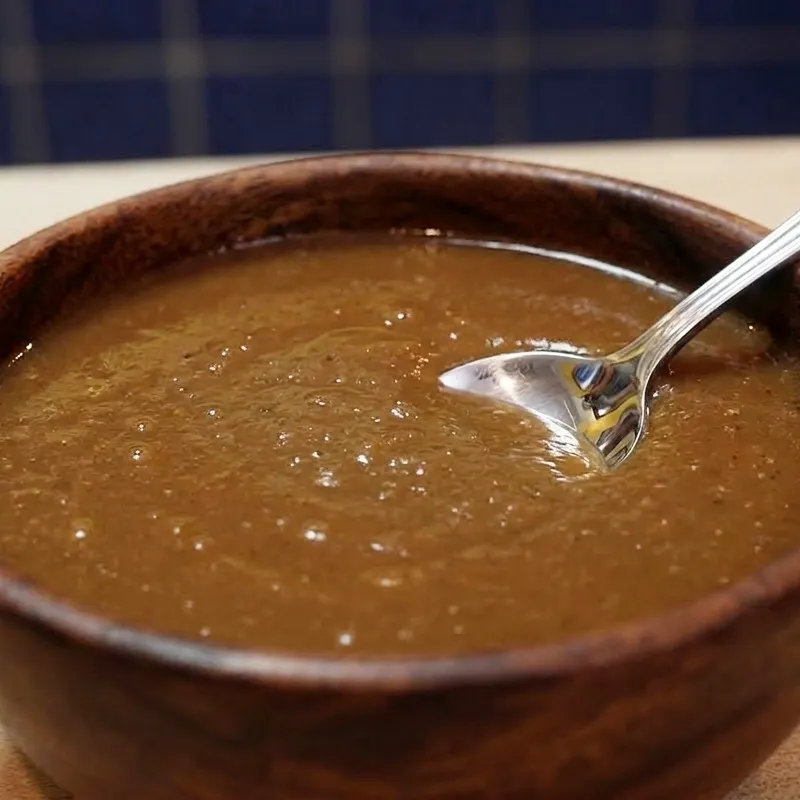
A good sauce brune is one of those recipes that quietly makes everything around it taste better. It is a classic French-style brown sauce built from a brown roux, aromatic vegetables, tomato paste, and a rich brown stock, then simmered until glossy and flavorful. This version is especially useful when you want a savory brown sauce for steak, mashed potatoes, poutine, meatballs, or roasted meats without going all the way to a full demi-glace.
Discover this recipeHomemade Hollandaise Sauce: A Quick and Easy Recipe!
Hollandaise sauce is one of the most iconic sauces in French cuisine, known for its creamy, rich, and buttery texture. It’s a must-have for eggs Benedict, steamed asparagus, or even grilled fish. While some might find it intimidating to make at home, this easy and foolproof recipe will ensure a perfect Hollandaise sauce every time.
Discover this recipeBeurre Maître d’Hôtel (Steakhouse Herb Butter) — The Classic French Finishing Butter
Beurre maître d’hôtel is a classic French compound butter made with butter, lemon, and parsley. What makes it different is that it’s not a pan sauce you simmer—it's a chilled finishing butter you slice and melt directly over hot steak (or fish and vegetables) for instant flavor. It’s perfect when you want a restaurant-style finish in seconds without extra cleanup.
Discover this recipeSauce Choron (Tomato Béarnaise) — The Velvety Steakhouse Sauce You Can Make at Home
Sauce Choron is a warm, butter-emulsified sauce made from egg yolks (a sabayon base), finished with tomato for a subtle tang and a gorgeous rosy color. It’s different from classic béarnaise because it’s lighter on herbs and brighter thanks to the tomato, making it perfect when you want a steakhouse-style sauce without going full peppercorn or heavy cream. Make it when you’re cooking steak, roast beef, or even grilled vegetables and you want something rich, silky, and special.
Discover this recipeMaroilles Sauce for Steak (Creamy French Cheese Pan Sauce with Beer & Cognac)
If you love bold French cheese sauces, this Maroilles sauce for steak is the one to keep on repeat. It’s built like a classic pan sauce: shallots for sweetness, a splash of cognac for aroma, beer for depth, then cream for body—finished with melted Maroilles for that unmistakable Northern France funk and richness. It’s the kind of sauce you make when you want steak night to feel like a bistro dinner, whether it’s a snowy Montreal evening or a summer backyard cookout.
Discover this recipeSteak with Creamy Camembert Pan Sauce (Cognac, Shallots, Mustard)
This dish is a pan-seared steak served with a creamy Camembert sauce built from shallots, cognac, white wine, and a touch of mustard. It’s different from classic peppercorn or au poivre sauces because the cheese brings body and a gentle funk, while the wine reduction keeps it balanced. Make it when you want a bistro-style steak night at home that feels special but still works on a weeknight.
Discover this recipeFrench Bistro Chicken, Veal and Pot-Cooked Classics
Long, gentle cooking and carefully finished sauces give these dishes their traditional bistro character. The group ranges from creamy pepper chicken to poached poultry and several distinct interpretations of blanquette de veau.
Creamy Pepper Chicken — Tender chicken is served in a creamy pepper sauce for an approachable bistro-style dinner with the richness of a classic steak sauce.
Classic Blanquette de Veau with Boulangère Potatoes — Veal is gently cooked in a pale, creamy sauce and served with savoury boulangère potatoes for a complete traditional French meal.
Classic Poule au Pot with Garden Vegetables and Cold Dijonnaise — A whole chicken is poached with vegetables and accompanied by a cool mustard sauce for a rustic dish with clean, comforting flavours.
Classic Veal Tongue in Broth with Mustard Caper Sauce — Veal tongue is slowly cooked in an aromatic broth and finished with a sharp mustard and caper sauce that balances its richness.
Blanquette de Veau — This creamy French veal stew combines tender meat, vegetables and a smooth white sauce for a comforting cold-weather dinner.
Steak au Poivre and French Bistro Steak Recipes
Steak is central to the French bistro table, especially when it is paired with peppercorns, shallots, Cognac, red wine or Béarnaise sauce. These recipes range from straightforward pan-seared cuts to elaborate preparations suited to entertaining.
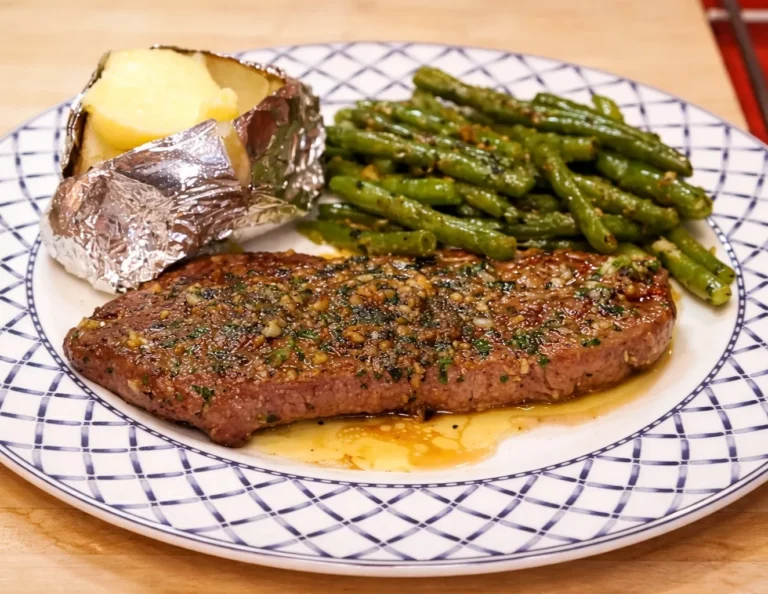
For another skillet dinner with a buttery finish, try this pan-seared bavette steak with garlic-parsley butter, served with crispy potatoes and asparagus.
Beef Tenderloin Medallions with Red Wine Sauce — Tender beef medallions are paired with a concentrated red wine sauce for a polished dinner that remains manageable at home.
Steak Diane with Creamy Cognac Mushroom Sauce — Pan-seared steak is finished with mushrooms, cream and Cognac in a dramatic sauce associated with classic dining rooms.
Pan-Seared Steak au Poivre — A peppercorn crust and creamy pan sauce give this steak the bold flavour and rich finish expected from a traditional bistro plate.
Flank Steak with Béarnaise Sauce — Sliced steak is served with buttery, tarragon-scented Béarnaise for a classic combination that works especially well with fries.
Easy Bavette Steak with Shallot and Red Wine Sauce — Bavette is quickly seared and paired with a savoury shallot sauce that brings acidity and depth to this flavourful cut.
Filet Mignon au Poivre — Filet mignon is coated with pepper and served with a creamy sauce for a tender, refined variation of steak au poivre.
Rossini Steak — Beef tenderloin is prepared in the luxurious Rossini style for a rich main course designed for celebrations and special dinners.
Boeuf Bourguignon and Red Wine Braised Beef
Boeuf bourguignon represents the slower, more rustic side of French bistro cooking. Both versions use patient cooking to transform beef, wine and aromatics into a sauce-rich meal suited to mashed potatoes, pasta or crusty bread.
Boeuf Bourguignon — Chef Dumas’ version brings together braised beef, vegetables and red wine in a hearty interpretation of the Burgundian classic.
Classic Boeuf Bourguignon Recipe — This traditional preparation slowly braises beef in red wine with the familiar garnishes and deep sauce associated with classic boeuf bourguignon.
French Bistro Seafood and Soup
French bistros are not limited to steak and braised meat. Crisp salmon, mussels in white wine, gratinéed shellfish and onion soup provide lighter or more varied ways to build a traditional menu.
Bistro-Style Crispy Skin Salmon with Beurre Blanc — Crisp-skinned salmon is served with an emulsified butter sauce that adds acidity and richness without hiding the fish.
Moules Marinière with Sauce Poulette — Mussels are cooked with white wine and finished with a creamy sauce poulette for a generous dish made for serving with bread or fries.
Coquilles de Moules Gratinées Style Saint Jacques — Mussels are presented in shells beneath a creamy, golden topping inspired by the presentation of coquilles Saint-Jacques.
French Onion Soup — Deeply caramelized onions, savoury broth, bread and melted cheese form one of the most recognizable starters in French bistro cooking.
Classic French Bistro Sauces and Butters
A well-made sauce can define the entire dish. These recipes include foundational butter sauces, pan sauces, flavoured butter and bold cheese sauces that pair naturally with beef, fish, eggs and vegetables.
Classic Sauce Brune — This traditional brown sauce provides a savoury base for roasted meats, steaks and other dishes that benefit from a concentrated meat sauce.
Homemade Hollandaise Sauce — Egg yolks, butter and acidity are emulsified into a smooth sauce traditionally served with eggs, fish and vegetables.
Beurre Maître d’Hôtel — Butter is blended with parsley, lemon and seasonings to create a quick finishing butter for steak, fish or grilled vegetables.
Sauce Choron — Tomato adds colour, acidity and sweetness to a Béarnaise-style sauce that works particularly well with steak and grilled meat.
Maroilles Sauce for Steak — Strong Maroilles cheese is melted into a creamy sauce for a bold northern French accompaniment to beef.
Camembert Steak Sauce — Creamy Camembert sauce adds a ripe, savoury cheese flavour to pan-seared steak and other robust meat dishes.
Tips for Choosing the Right French Bistro Recipe
Choose steak au poivre, Steak Diane or bavette with shallot sauce when you want a bistro dinner that can be completed mainly on the stovetop. Boeuf bourguignon and blanquette de veau require more time but reward slow cooking with tender meat and developed sauces. Salmon with beurre blanc and mussels are useful when you want a seafood menu, while French onion soup works as either a starter or a light meal. The sauce recipes are best used to upgrade a simply cooked steak, fish fillet, vegetable dish or egg preparation.
Easy Substitutions
Different steak cuts can sometimes be exchanged, but thickness, tenderness and cooking time must be adjusted. Strip loin, ribeye and tenderloin work well with peppercorn or cheese sauces, while bavette and flank steak should be sliced across the grain. Chicken stock can replace veal stock in some home preparations, although the finished sauce may be lighter. Dry white wine can generally replace another dry white wine in mussel recipes, while tarragon vinegar or a combination of vinegar and fresh tarragon can help reproduce the acidity required for Béarnaise-style sauces.
Storage and Make-Ahead Tips
Boeuf bourguignon, blanquette and other braised dishes can be prepared ahead and often reheat well because their sauces have time to develop. French onion soup can also be made in advance, with the bread and cheese added shortly before serving. Hollandaise, Béarnaise-style sauces and beurre blanc are more delicate and are best prepared close to mealtime. Steak and crisp-skinned salmon should be cooked shortly before serving, while compound butter such as beurre Maître d’Hôtel can be prepared ahead and refrigerated.
More Recipe Collections to Try
For more French-inspired meals, explore French Beef Recipes: Bistro Classics, Best Steak Recipes for Pan, Oven, BBQ and Bistro Dinners, Easy Fish Recipes for Weeknight Dinners and Best Salmon Recipes: Oven, Air Fryer, Bistro and Creamy Sauces.
FAQ
What is a typical French bistro dish?
Steak au poivre, boeuf bourguignon, blanquette de veau, moules marinière and French onion soup are all closely associated with traditional French bistro cooking. The style generally emphasizes familiar ingredients, careful sauces and generous portions.
Which French bistro recipes are easiest for beginners?
Creamy Pepper Chicken, French Onion Soup, Bavette with Shallot Sauce and Beurre Maître d’Hôtel are approachable starting points. They introduce basic bistro techniques without requiring the longest braising times or the most delicate emulsified sauces.
What should I serve with a French bistro steak?
French fries, mashed potatoes, pommes boulangères, green beans, salad or crusty bread all work well. The best side depends on the sauce, with lighter vegetables balancing cheese sauces and potatoes pairing naturally with peppercorn, red wine or Béarnaise sauces.
Can boeuf bourguignon be made ahead?
Yes. It is particularly well suited to advance preparation because the beef and sauce can be gently reheated. Cool it promptly, refrigerate it and reheat it slowly so the meat remains tender.
What is the difference between hollandaise, Béarnaise and Choron sauce?
Hollandaise is a butter-and-egg-yolk emulsion with acidity. Béarnaise builds on a similar technique with tarragon and shallot flavours, while Choron is a Béarnaise-style sauce finished with tomato.
Which bistro recipes are best for entertaining?
Rossini Steak, Beef Tenderloin Medallions, Steak Diane, salmon with beurre blanc and gratinéed mussels all make impressive main courses. Boeuf bourguignon and blanquette de veau are also useful because much of the cooking can be completed before guests arrive.