Easy Pan-Seared Duck Breast with Armagnac Pepper Sauce
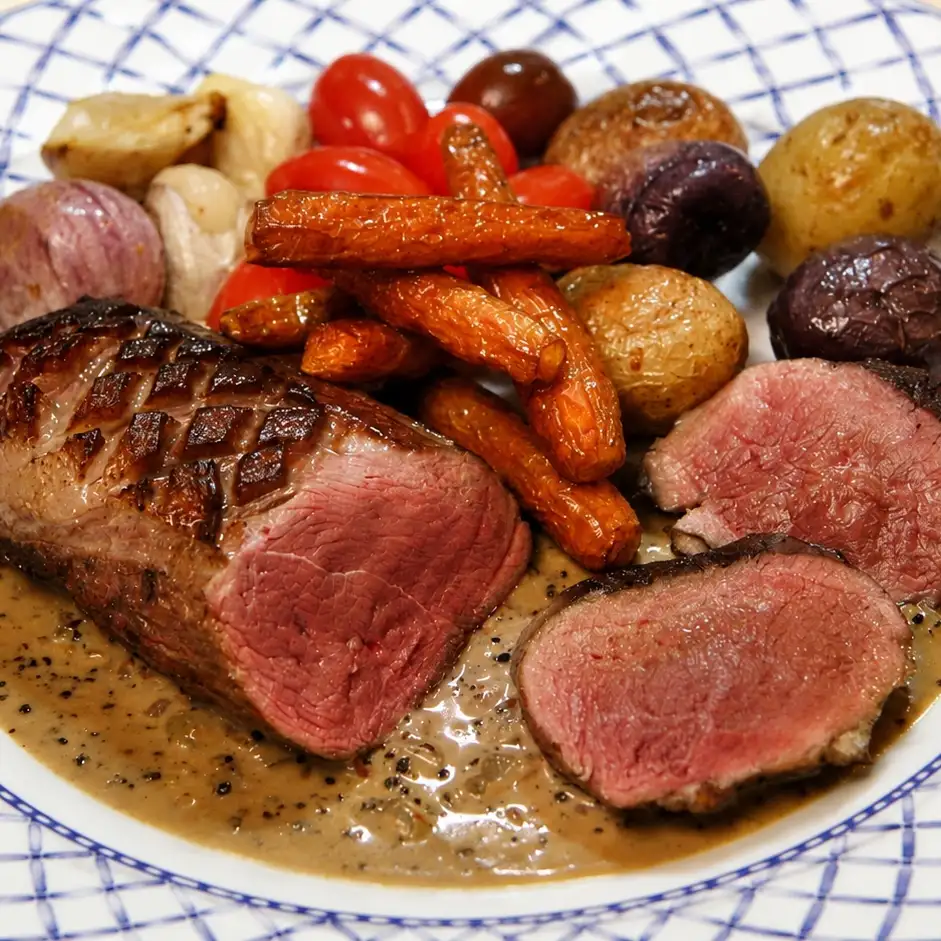
This pan-seared duck breast with Armagnac pepper sauce is based on my YouTube video, with a few adjustments since publication to make the recipe easier to repeat at home. The original version was very chef-driven, with a very hot pan and a lot of visual instinct. Here, I keep the same bistro spirit, but I give clearer quantities, a safer cooking method, and more precise doneness cues.
Duck breast, or magret de canard, is the breast of a duck raised for foie gras, so it has a generous cap of fat and a deep, beefy flavor. This recipe is different from a sweet duck dish like duck with orange sauce because the sauce is darker, peppery, and built around Armagnac and reduced stock. I make it when I want a French bistro dinner that feels special without turning the kitchen into a restaurant service.
The reason this recipe works is simple: the fat is rendered slowly enough to become thin and golden, then the pan drippings are used to build the sauce. The mistake to avoid is rushing the skin. If the pan is too hot too early, the outside browns before the fat has time to melt, and the skin can stay thick and chewy. What I look for here is a steady sizzle, not angry smoke.
Why I Make It This Way
In the video, I use a very hot pan, closer to a chef’s searing method. It works, but it asks a lot from the cook. I prefer to start the duck skin-side down in a dry pan over medium heat for this written version because it gives the fat time to render properly.
As the duck cooks, the fat should slowly collect in the pan. Spoon some of it out, but do not throw it away. That duck fat is gold for the potatoes and carrots. It is the same idea behind duck fat potatoes cooked Sarlat-style, where the fat is not just cooking oil, it is part of the flavor.
The sauce stays close to the original video: shallots, Armagnac, cracked pepper, and a rich duck or brown stock. If you like French sauces and want to understand the base logic behind this kind of reduction, French mother sauces are a good place to start. This one is not a mother sauce, but the same idea applies: reduce, taste, adjust, and look for body.
What Makes This Duck Breast Different
This is not a creamy duck breast recipe like duck breast with Dijon cream. It is also not slow and preserved like classic duck confit. This version is quick by duck standards, cooked mostly in a skillet, and finished with a glossy pepper sauce.
It also lands in a different place than steak, even if the cooking style feels similar. Duck breast has its own richness, and the fat cap changes everything. You need patience at the beginning, then confidence at the end.
This is a protein-rich main dish, but it is also a rich one. Duck skin, duck fat, Armagnac, and reduced stock make it hearty. I usually serve it with vegetables and something fresh on the side, not another heavy sauce.
Ingredients You Need
For the duck, choose two good duck breasts with a visible fat cap. They should feel firm and the skin should be pale, not wet or slimy. If there are loose pieces of fat hanging off the edges, trim them, but do not remove the main fat cap.
For the sauce, Armagnac gives the dish its southwest French character. Cognac can work too, but Armagnac has a slightly rustic warmth that fits duck very well. The pepper should be cracked or mignonnette-style, not powdery black pepper. Powdered pepper can make the sauce taste flat and dusty.
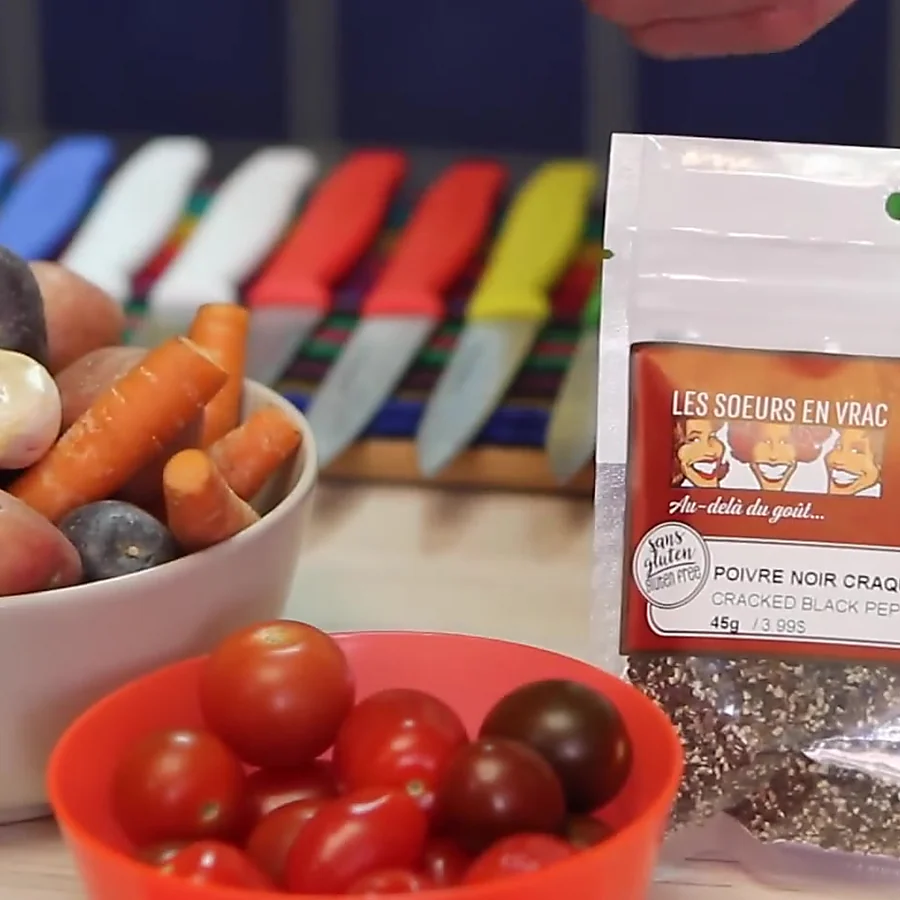
The stock matters. A weak broth will not give you the same sauce. If you do not have duck stock, use a rich chicken stock or a reduced brown stock. The sauce should coat the back of a spoon. If it runs like soup, keep reducing. For a deeper base, the technique is close to making a concentrated homemade brown gravy, only with Armagnac and pepper leading the flavor.
How to Make Pan-Seared Duck Breast with Armagnac Pepper Sauce
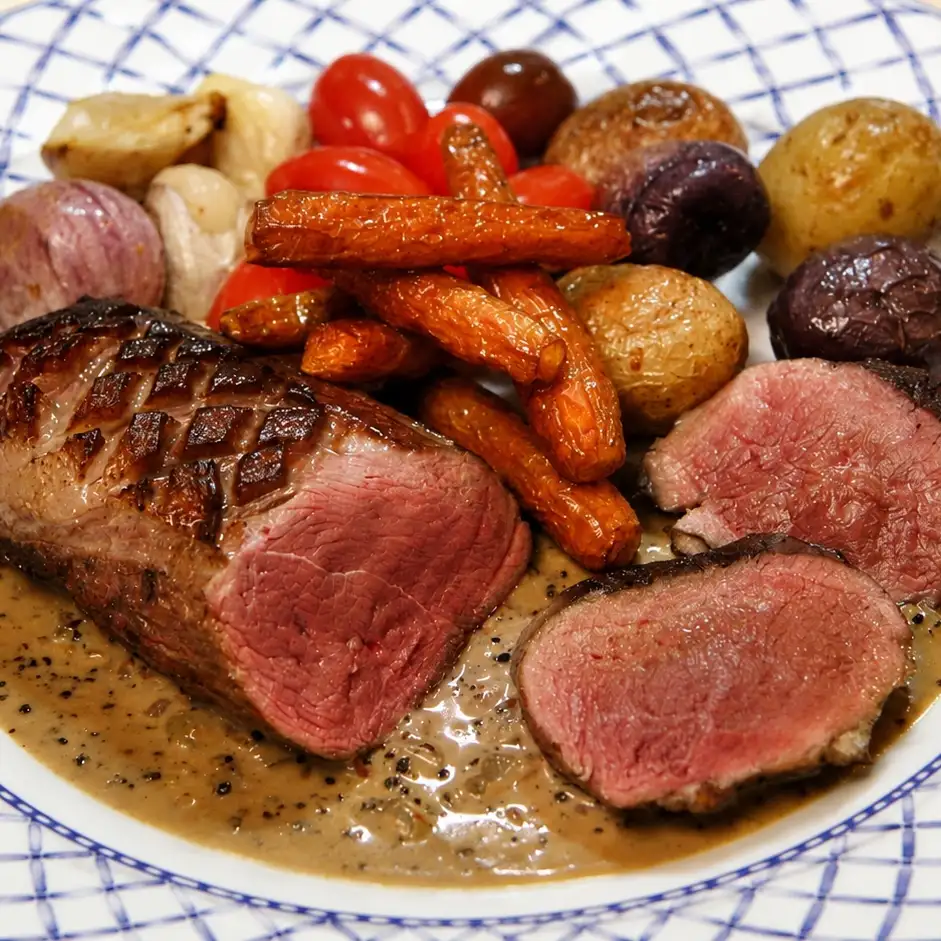
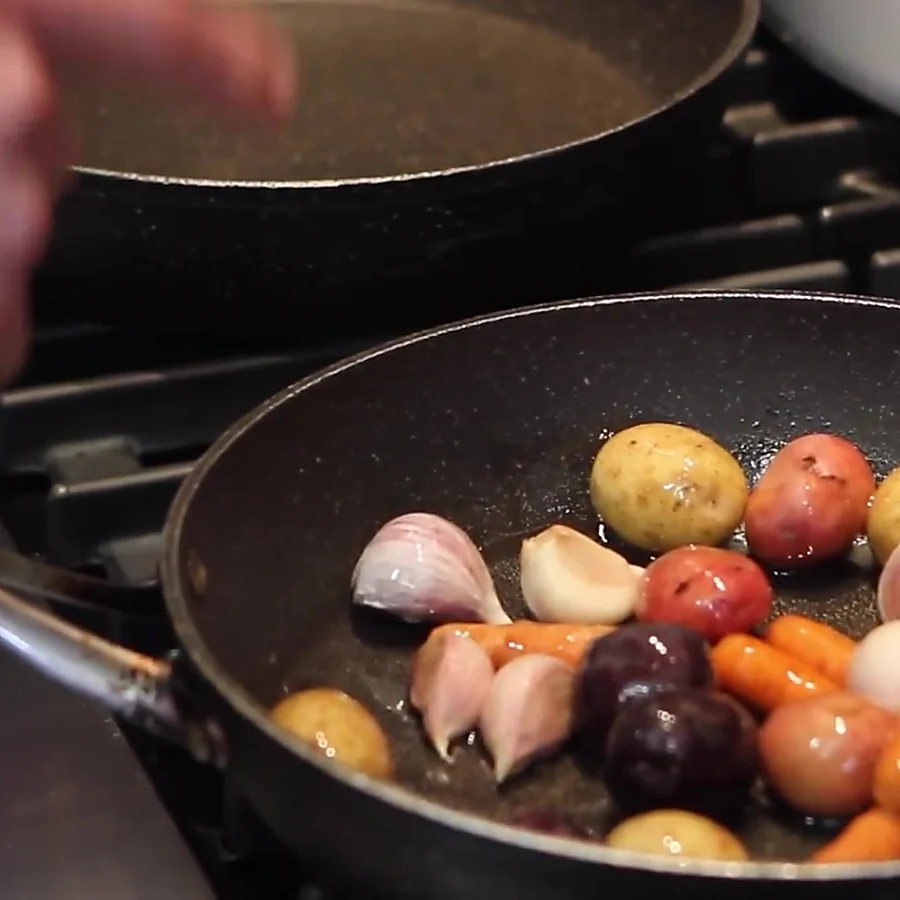
Start with the vegetables. Potatoes, carrots, garlic, and cherry tomatoes are simple, but they need different timing. I roast the potatoes, carrots, and garlic first because they need time to soften and color. The tomatoes go in near the end so they slump slightly without turning the pan watery.
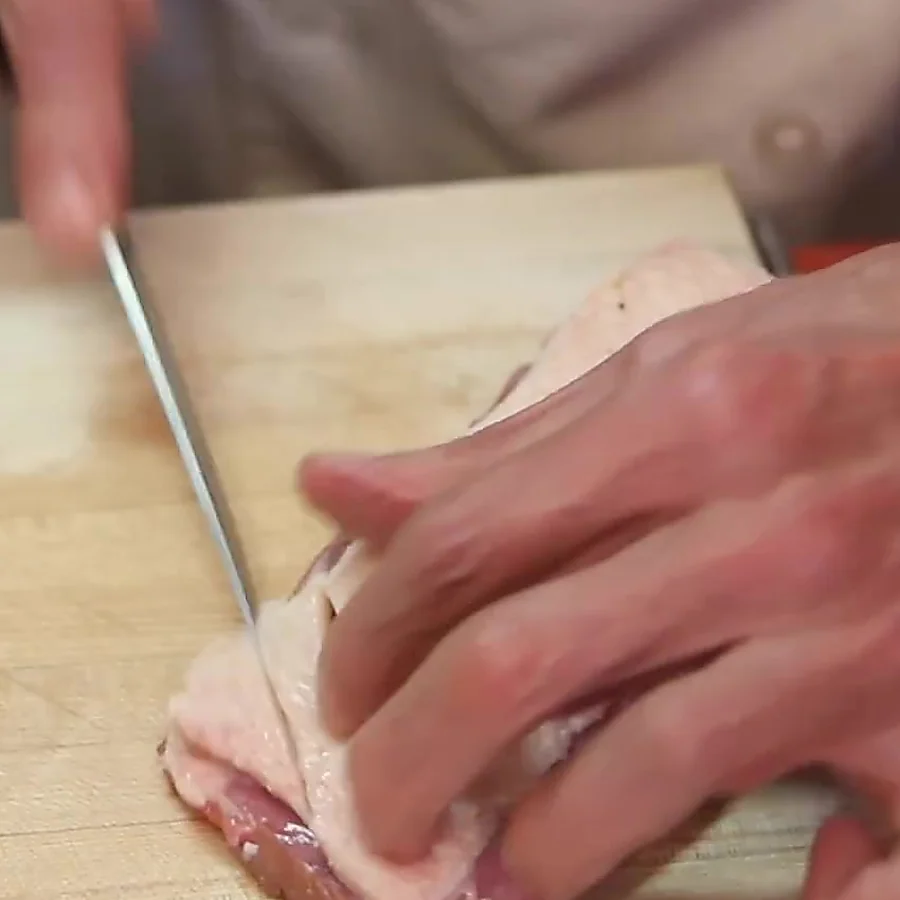
Score the duck skin in a crosshatch pattern. Cut through the fat, but do not slice into the meat. If you see red flesh opening under the knife, you are too deep. Season the duck and let it sit at room temperature for about 30 minutes. This takes the chill off and helps the cooking stay more even.
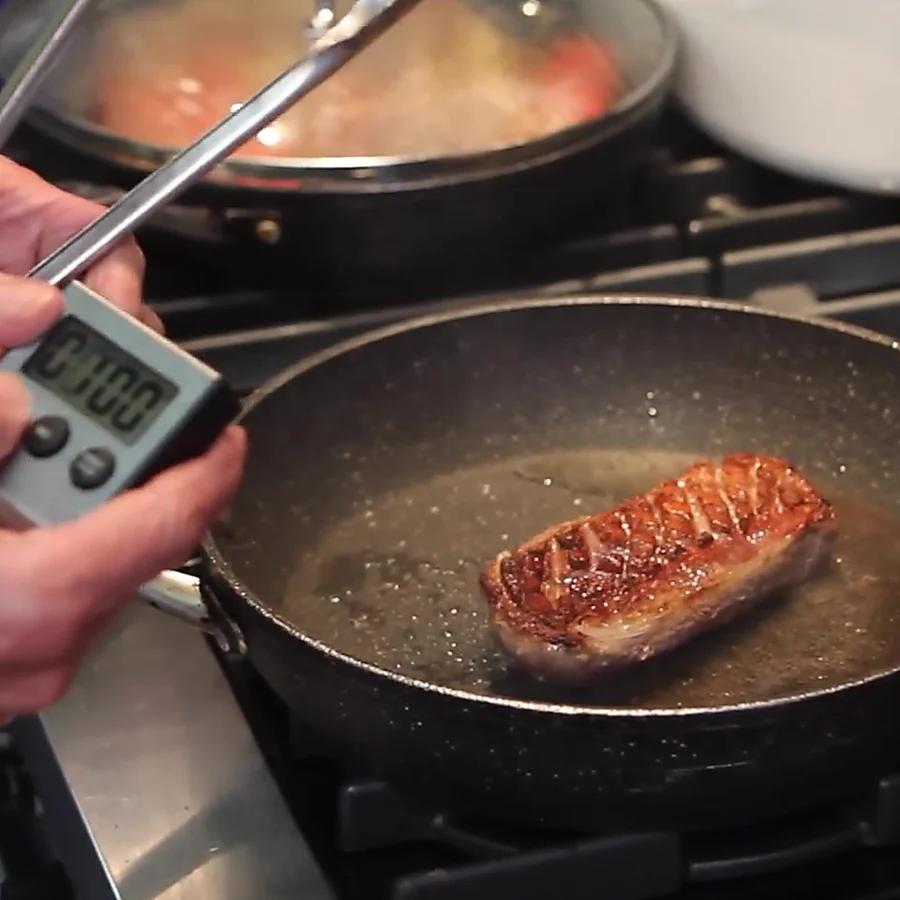
Place the duck skin-side down in a dry pan. Do not add oil. The duck brings its own fat. Set the heat to medium and listen. You want a controlled sizzle. After a few minutes, the fat will start pooling in the pan and the skin will begin tightening. Spoon out excess fat as it renders, saving it for the vegetables.
After 8 to 12 minutes, the skin should be golden, thinner, and crisp-looking at the edges. Increase the heat briefly if it needs more color. Turn the breasts and cook the flesh side for 1 to 2 minutes. If the duck is thick, finish it in a 350°F oven until it reaches the doneness you like.
For rosy duck breast, I pull it around 130°F to 135°F, then rest it. Resting matters. If you slice right away, the juices run across the board instead of staying in the meat. You know it is ready to slice when the outside has relaxed and the juices are not pushing out aggressively.
Making the Armagnac Pepper Sauce
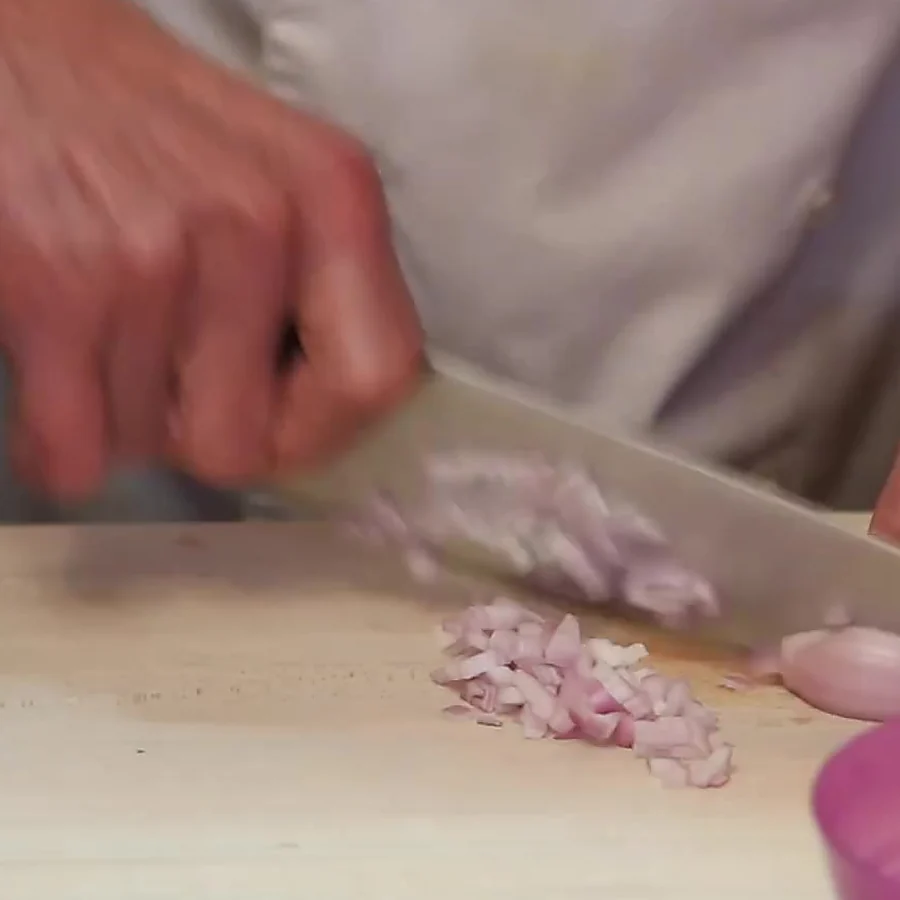
Pour off most of the duck fat, but keep the browned bits in the pan. Add the shallots and cook them gently. They should soften and smell sweet, not burn. If the pan looks too dark, lower the heat before adding the alcohol.
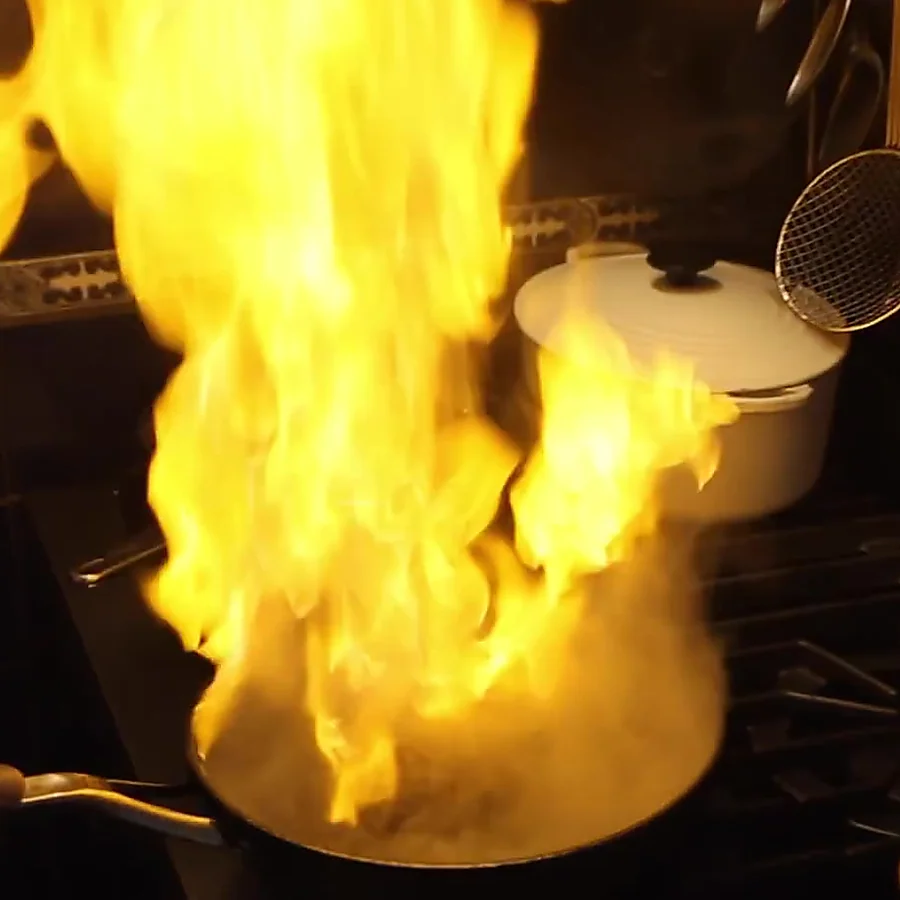
Add the Armagnac and let it reduce. If you flambé, keep your face and sleeves away from the pan and never pour alcohol straight from the bottle over flame. I usually prefer to reduce it without making a show of it. The smell should move from sharp alcohol to warm, rounded fruit and wood.
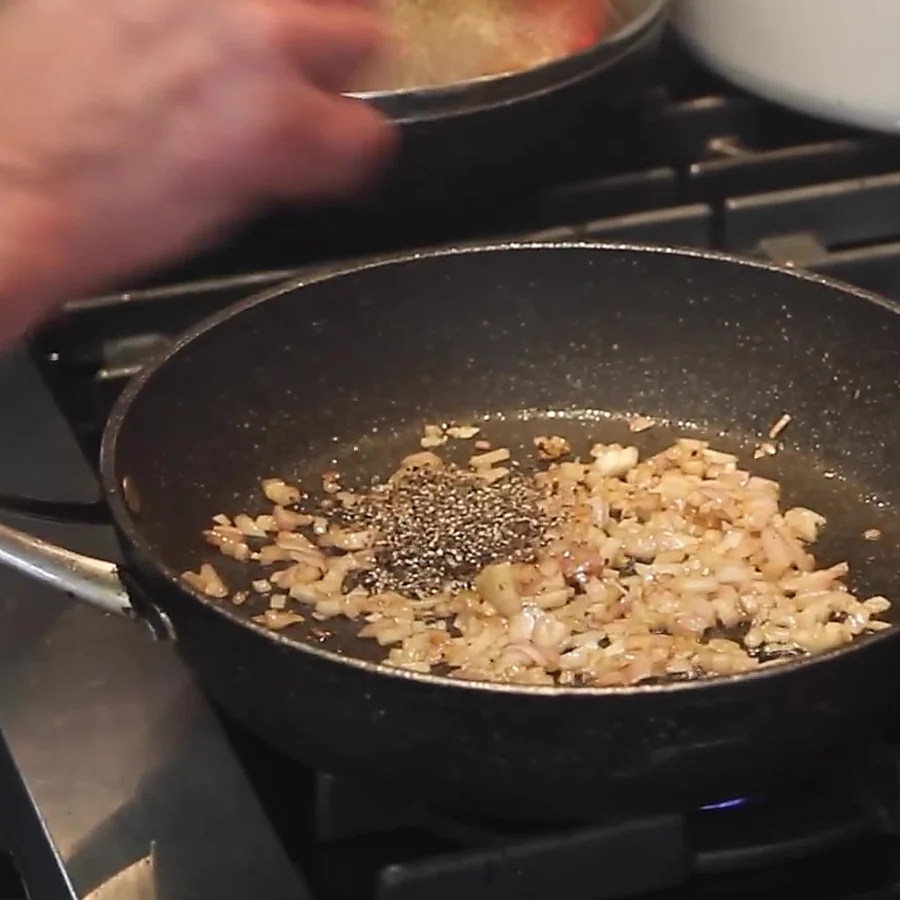
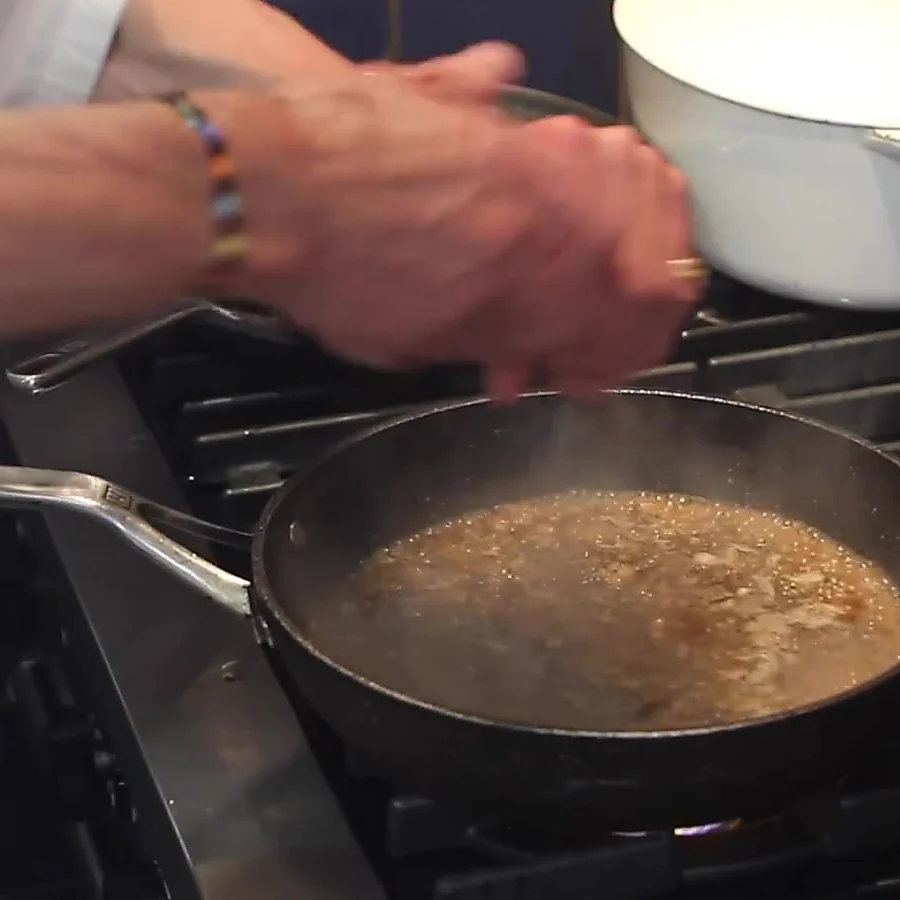
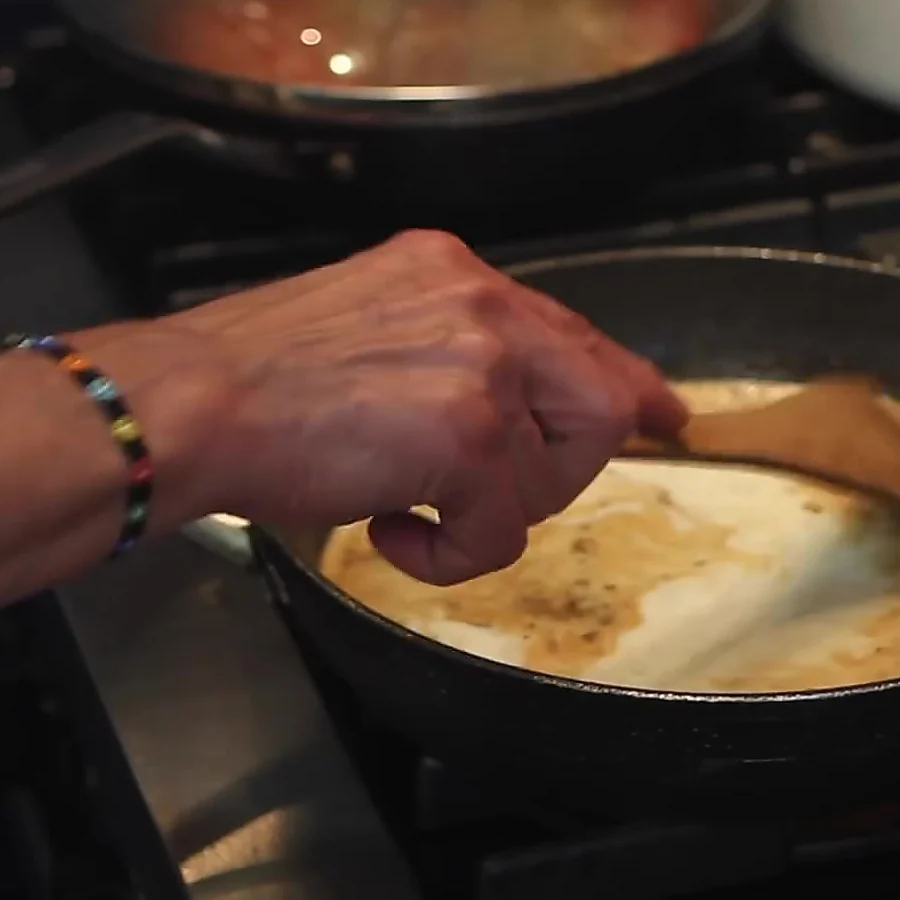
Add the cracked pepper, then the stock. Let it bubble until it becomes glossy and lightly thickened. At this point, it should look like a sauce, not broth. Drag a spoon through it and look at how it coats. A small piece of cold butter at the end gives it a smoother finish, but do not boil hard after adding the butter.
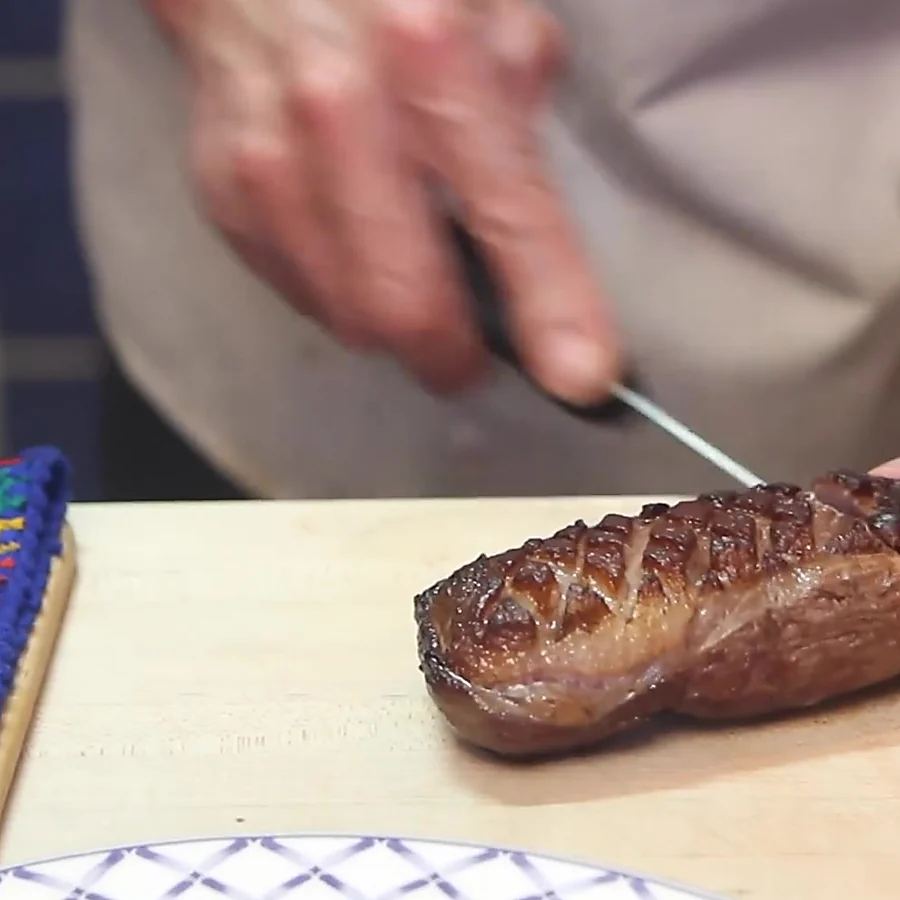
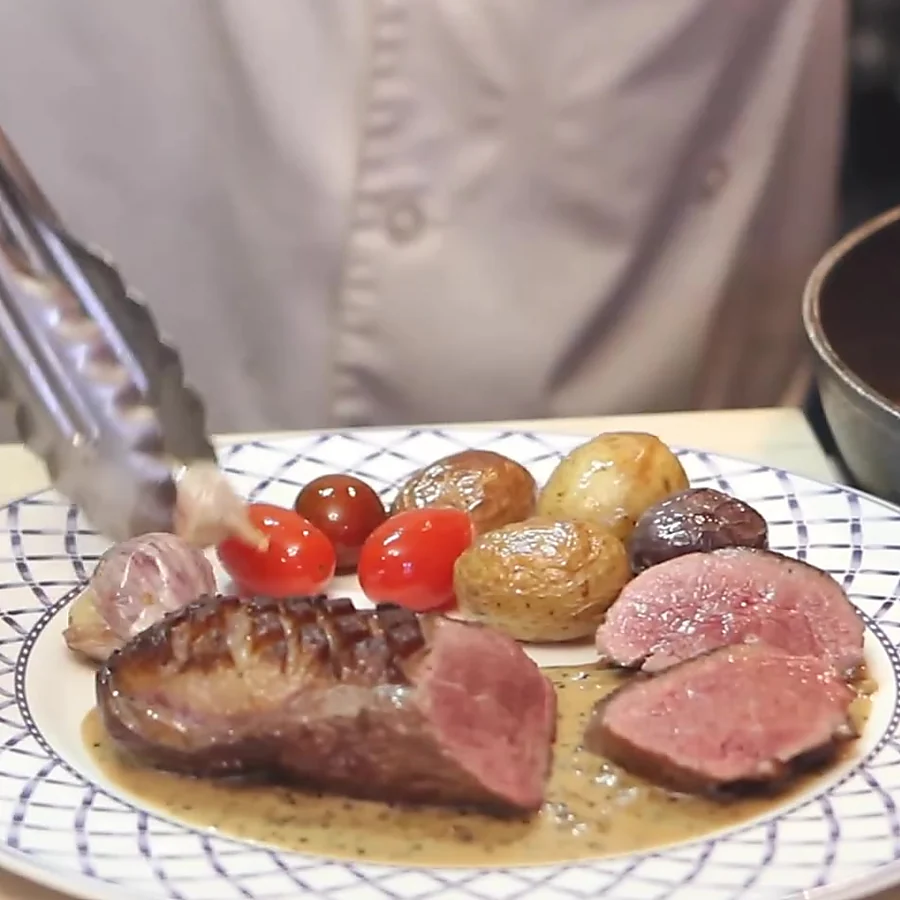
This sauce sits in the same bistro family as a good flambéed mushroom pan sauce for steak or a classic Steak Diane-style skillet sauce. The difference is the duck fat and the pepper. It is darker, more direct, and less creamy.
Substitutions
Cognac can replace Armagnac. Brandy can work in a pinch, though the flavor will be less specific.
Chicken stock can replace duck stock if it is rich and reduced. If the stock tastes weak before it goes into the pan, the sauce will taste weak after it reduces.
Green peppercorns can be used instead of cracked black pepper for a softer, slightly briny sauce. Use less at first, then add more after tasting.
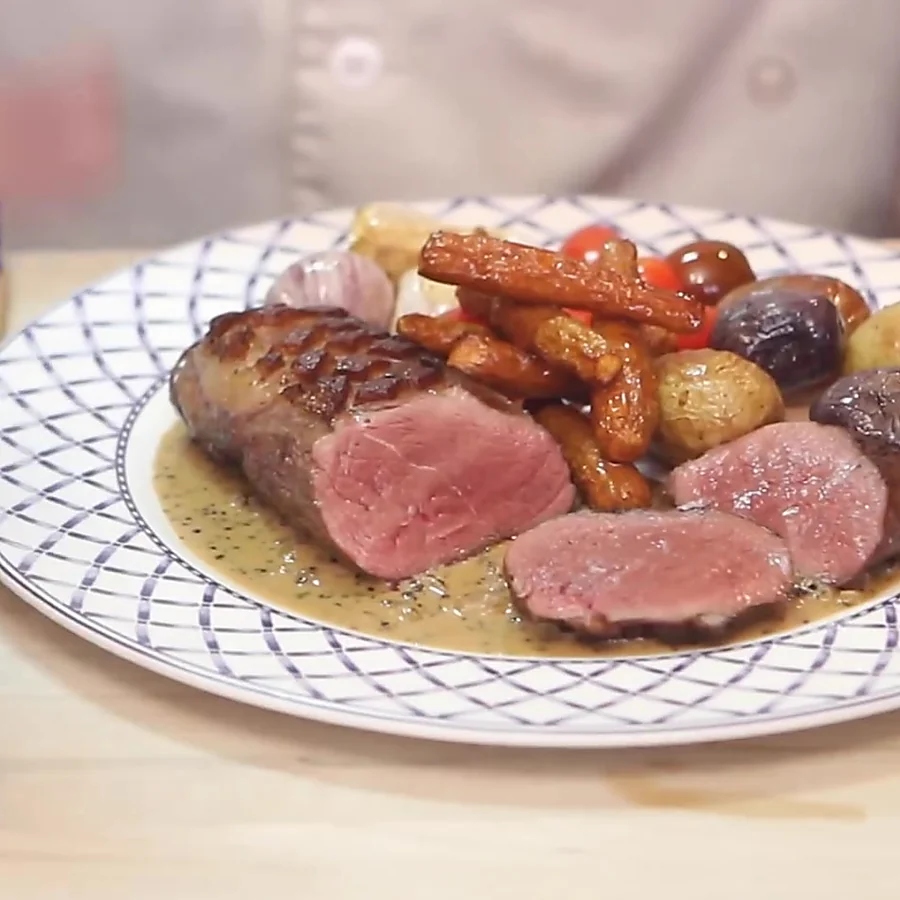
Potatoes and carrots can be replaced with parsnips, small turnips, mushrooms, or squash. Keep watery vegetables for the end of cooking, the same way the cherry tomatoes are added later.
For a no-alcohol version, skip the Armagnac and deglaze with stock plus a small splash of apple cider vinegar. It will not taste the same, but it will still give acidity and balance.
What to Serve With It
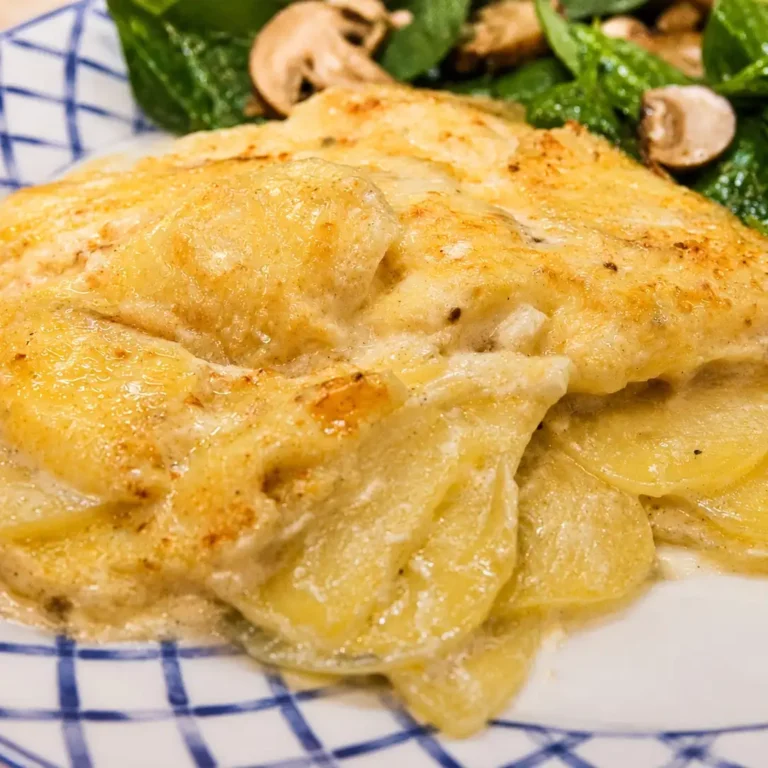
Duck breast likes potatoes. The easiest match is roasted baby potatoes cooked in a little reserved duck fat, but if you want a stronger potato side, serve it with Sarlat-style duck fat potatoes. For something creamier and more classic, gratin dauphinois is a rich side, so keep the portion modest.
A crisp salad is useful here because the sauce is deep and the duck is rich. A simple romaine and endive salad works well because the bitterness cuts through the fat. If you want something sharper, a crunchy red endive salad also makes sense.
For a full French bistro-style meal, start with duck pâté with Cognac or duck and pork rillettes, then keep the main plate simple. Duck on duck is rich, but for a holiday dinner or a winter meal, it works.
FAQ
Should duck breast be cooked like chicken?
No. Duck breast is often cooked more like red meat, especially magret. Many people serve it rosy in the center. Use a thermometer and cook it to your preferred doneness.
Do I start duck breast in a cold pan or a hot pan?
Both methods exist. For this version, I prefer a medium pan start because it renders the fat more reliably at home. A very hot pan can work, but it is easier to burn the skin before enough fat melts.
Can I make the sauce ahead?
You can make the sauce base ahead by reducing the Armagnac, shallots, pepper, and stock. Reheat it gently, then finish with a little cold butter just before serving. Do not boil it hard after finishing.
What if my sauce is too thin?
Keep reducing it. A proper sauce should lightly coat a spoon. If it still tastes weak after reducing, the stock was probably too light.
What if my sauce is too salty?
Add a splash of unsalted stock or water and reduce more gently. Next time, salt only at the end, especially if using store-bought stock.
Can I use chicken instead of duck?
Not for the same result. Chicken breast does not have the same fat cap or flavor. If using chicken, the sauce can still work, but the cooking method needs to change.
How do I know when the duck skin is ready?
The skin should look golden and thinner, and the fat in the pan should be clear and bubbling gently. If the skin is dark but still thick and rubbery, the heat was probably too high too early.
Easy Pan-Seared Duck Breast with Armagnac Pepper Sauce
Ingredients
- For the duck
- 2 duck breasts about 12 to 16 oz each
- 1 1/2 tsp kosher salt
- 1/2 tsp black pepper
- For the Armagnac pepper sauce
- 2 shallots finely chopped
- 1/4 cup Armagnac
- 1 to 1 1/4 cups rich duck stock or rich chicken stock
- 1 to 2 tsp cracked black pepper
- 1 1/2 tbsp cold butter optional
- Salt to taste
- For the roasted vegetables
- 1 1/4 lb baby potatoes
- 3/4 lb small carrots
- 1 cup cherry tomatoes
- 6 to 8 garlic cloves unpeeled
- 2 to 3 tbsp duck fat
- Salt and black pepper to taste
Instructions
- Preheat the oven to 350°F.
- Toss the potatoes, carrots, and garlic with duck fat, salt, and pepper. Roast for 25 minutes, stirring once or twice.
- Add the cherry tomatoes to the roasting pan and continue cooking for 10 to 15 minutes, until the potatoes and carrots are tender and lightly browned.
- Score the duck skin in a crosshatch pattern without cutting into the meat. Season with salt and pepper. Let the duck sit at room temperature for 30 minutes.
- Place the duck breasts skin-side down in a dry skillet over medium heat. Cook for 8 to 12 minutes, spooning off excess fat as it renders, until the skin is golden and thinner.
- Increase the heat briefly if needed to crisp the skin. Turn the duck and cook the flesh side for 1 to 2 minutes.
- If needed, transfer the duck to the oven and cook until it reaches 130°F to 135°F for rosy duck breast, or longer to your preferred doneness.
- Rest the duck for 5 to 10 minutes before slicing.
- Pour off most of the fat from the skillet, keeping the browned bits. Add the shallots and cook until softened.
- Add the Armagnac and reduce until the sharp alcohol smell fades.
- Add the cracked pepper and stock. Simmer until the sauce lightly coats a spoon. Taste and adjust the salt.
- Finish with cold butter if desired. Slice the duck and serve with the sauce and roasted vegetables.
Video
Notes
FAQ
Should duck breast be cooked like chicken?
No. Duck breast is often cooked more like red meat, especially magret. Many people serve it rosy in the center. Use a thermometer and cook it to your preferred doneness.Do I start duck breast in a cold pan or a hot pan?
Both methods exist. For this version, I prefer a medium pan start because it renders the fat more reliably at home. A very hot pan can work, but it is easier to burn the skin before enough fat melts.Can I make the sauce ahead?
You can make the sauce base ahead by reducing the Armagnac, shallots, pepper, and stock. Reheat it gently, then finish with a little cold butter just before serving. Do not boil it hard after finishing.What if my sauce is too thin?
Keep reducing it. A proper sauce should lightly coat a spoon. If it still tastes weak after reducing, the stock was probably too light.What if my sauce is too salty?
Add a splash of unsalted stock or water and reduce more gently. Next time, salt only at the end, especially if using store-bought stock.Can I use chicken instead of duck?
Not for the same result. Chicken breast does not have the same fat cap or flavor. If using chicken, the sauce can still work, but the cooking method needs to change.How do I know when the duck skin is ready?
The skin should look golden and thinner, and the fat in the pan should be clear and bubbling gently. If the skin is dark but still thick and rubbery, the heat was probably too high too early.🔗 Useful Links
🛒 Michel Dumas Shop : Explore our kitchen essentials, including aprons and knives.
🌐 Linktree : Access all our important links in one place.
📱 YouTube | Instagram | Facebook | TikTok : Follow us for the latest recipes and culinary tips.