Duck Confit Recipe (Authentic French Method) — Slow-Cooked Duck Legs with Crispy Skin and Tender Meat
Learn how to make authentic duck confit at home — the French way. This traditional slow-cooked duck leg recipe uses precise salting (1.5%), gentle simmering in duck fat, and a finishing sear for golden, crispy skin and fall-apart tender meat. Based on my original YouTube video, this updated version refines timing, temperature, and balance for perfect results in Canada and the USA. Serve it with Parisian potatoes, Belgian fries, or a classic gratin dauphinois for a true French bistro experience at home.
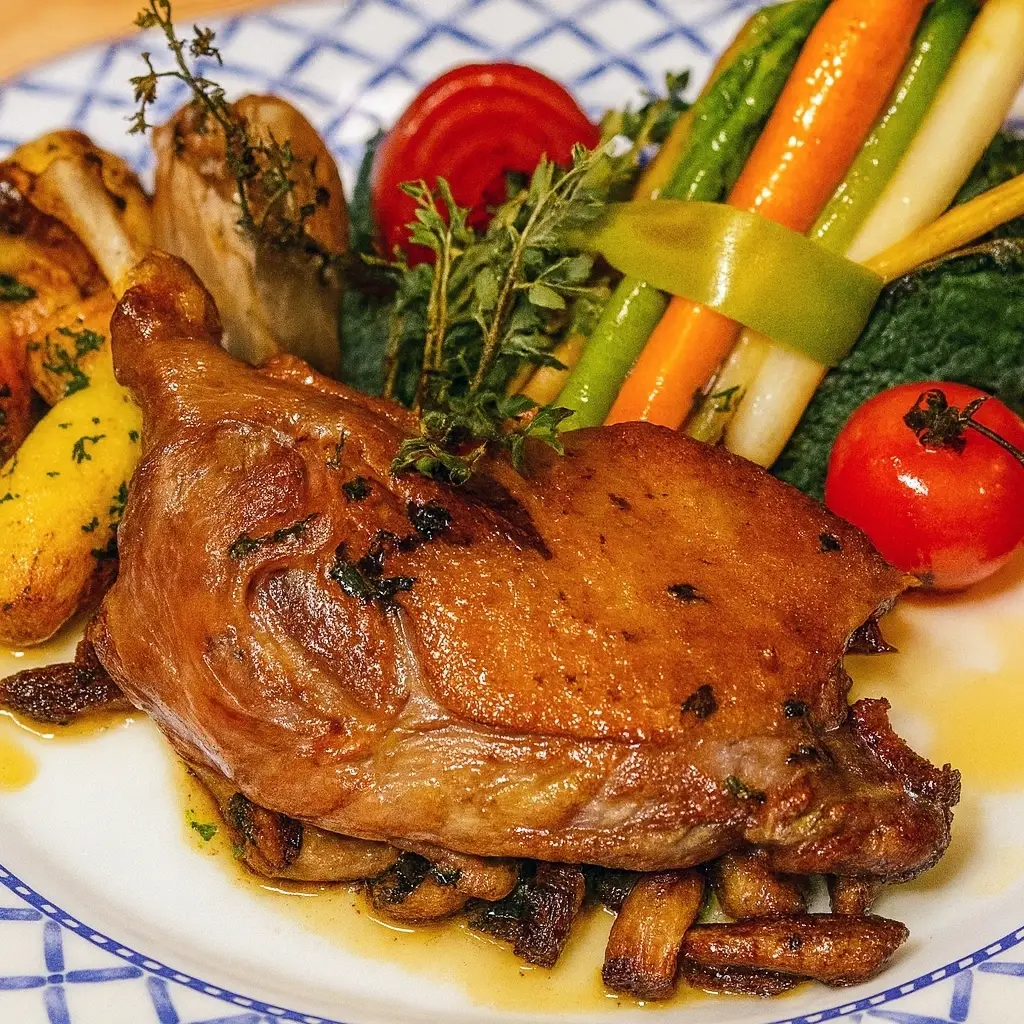
Based on my YouTube video — reliability for home cooks in Canada & the USA.
Why You’ll Love This Duck Confit
True confit is all about gentle heat, time, and salt control. In this version, I dial the cure to a precise 1.5% sea salt, extend the slow cook to 2½–3 hours at 95–100 °C (203–212 °F) for silky, shreddable meat, and wipe off the cure before cooking to avoid bitterness from garlic and excess salinity. We finish by crisping the skin in a hot pan and pairing the duck with simple sides that respect its richness. For serving ideas, think Parisian potatoes or authentic Belgian fries, a touch of green like homemade Greek salad, or classic French comforts such as gratin dauphinois and French onion soup.
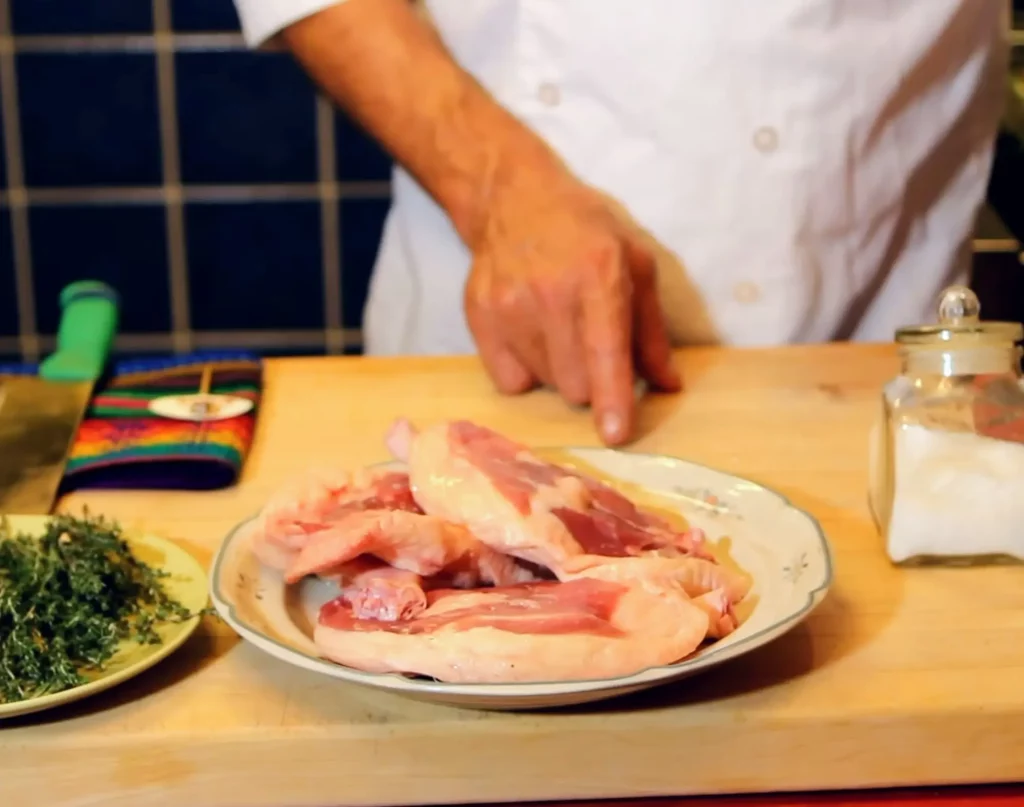
Ingredients (Serves 3)
Duck Confit
- 350 g (12 oz) × 3 duck legs (about 1.05 kg / 2 lb 5 oz total)
- 16 g (1 tbsp) coarse sea salt (≈ 1.5% of meat weight; adjust to 12–18 g as preferred)
- 5 g (1 tsp) cracked black pepper (mignonette)
- 6–8 g (1–2 tsp) sugar (optional for balance)
- 2–3 bay leaves
- 1–2 thyme sprigs
- 12 g (4 cloves) garlic, lightly crushed
- 1–1.2 kg (2.2–2.6 lb) duck fat, enough to fully submerge legs
- 50 ml (3 tbsp) water (to prevent initial sticking)
For Crisping & Aromatics
- 10 g (2 cloves) garlic, finely chopped (or confit garlic from the pot), optional
- 5 g (2 tbsp) parsley, finely chopped, optional
Simple Sides (pick 1–2)
- Parisian potatoes or Belgian fries
- Wilted spinach or spinach purée
- Glazed carrots or green beans
- Gratin dauphinois
Step-By-Step: How to Make Perfect Duck Confit
1) Cure (12–24 hours)
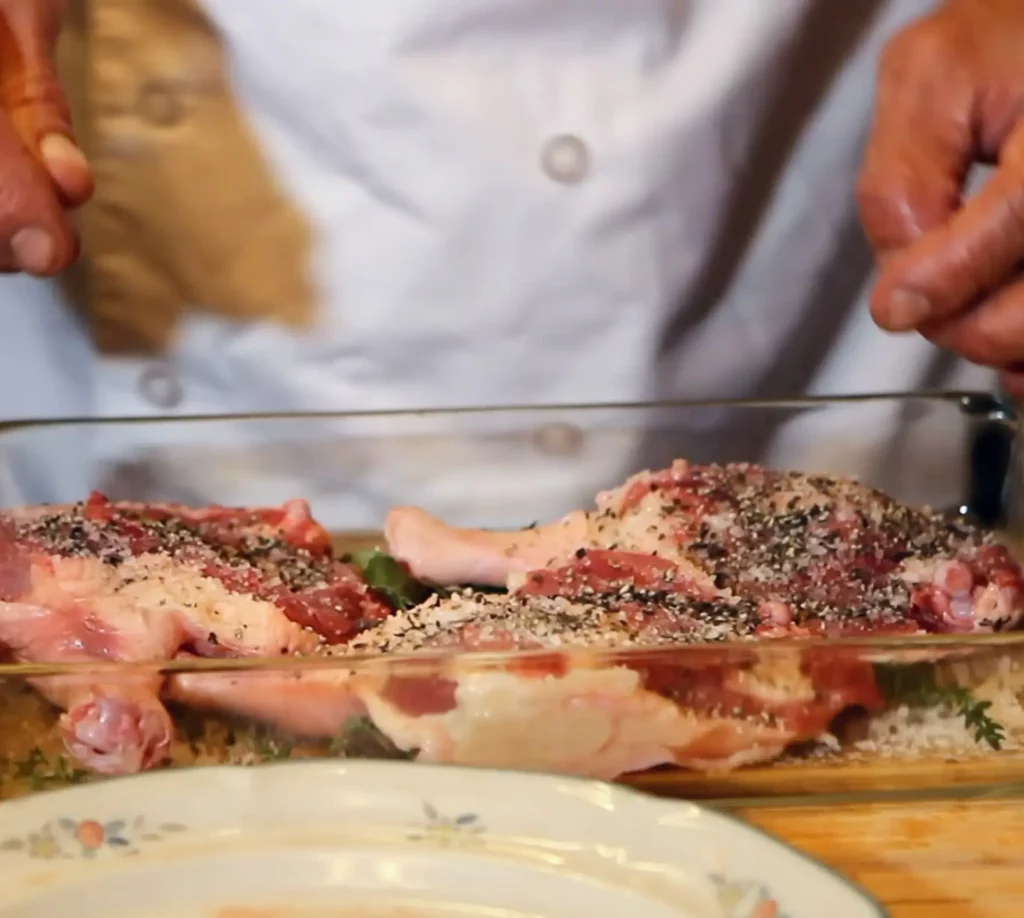
- Trim excess surface fat and reserve it.
- Mix sea salt (1.5%), pepper, and optional sugar.
- In a shallow dish, scatter half the aromatics (garlic, thyme, bay leaf). Lay legs skin-side down, sprinkle half the cure, flip skin-side up, add remaining cure and aromatics.
- Cover and refrigerate 12–24 hours (24 h for deeper seasoning; 12–16 h if you prefer a lighter cure).
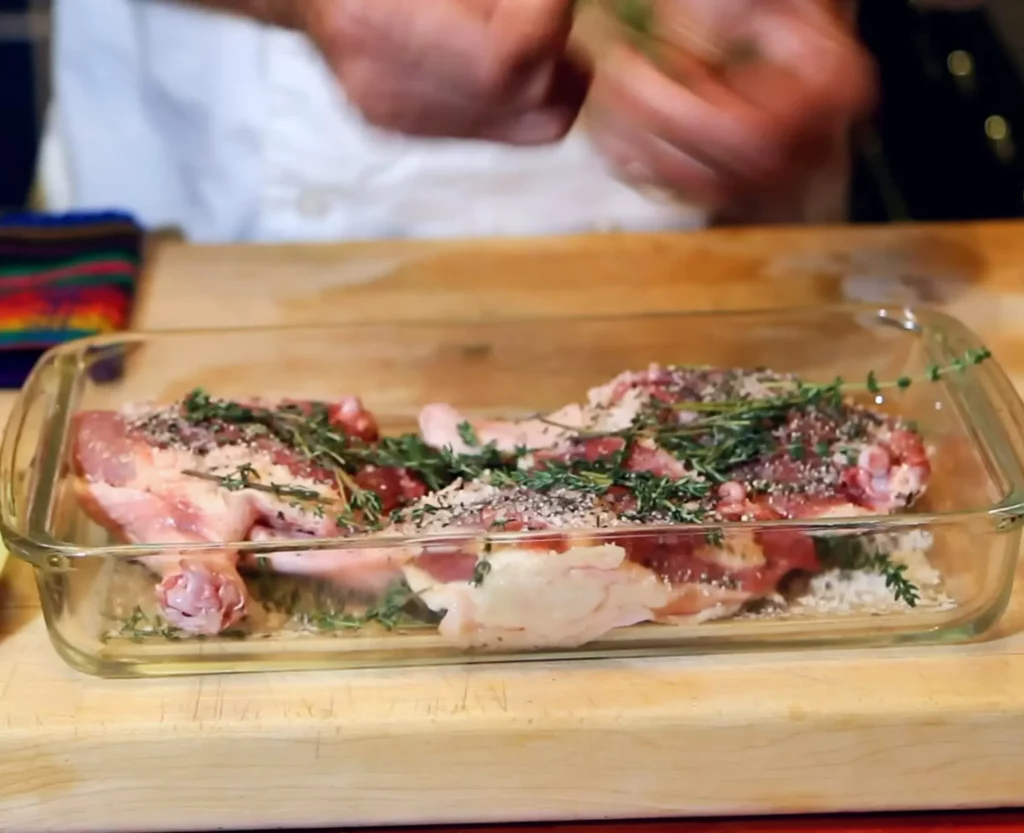
Pro tip: 24 h at 1.5% salt equals a well-seasoned, not overly salty confit.
2) Prepare for the Confit
- Remove legs from the cure, wipe off excess salt and garlic (do not rinse under water unless you oversalted).

- Pat very dry. Place in a heavy pot, snug but not crowded.
- Cover completely with duck fat. Add 50 ml water to prevent early sticking. Tuck in a fresh thyme sprig, bay leaf, and a few garlic cloves (optional; remove later).
3) Slow-Cook (the confit)
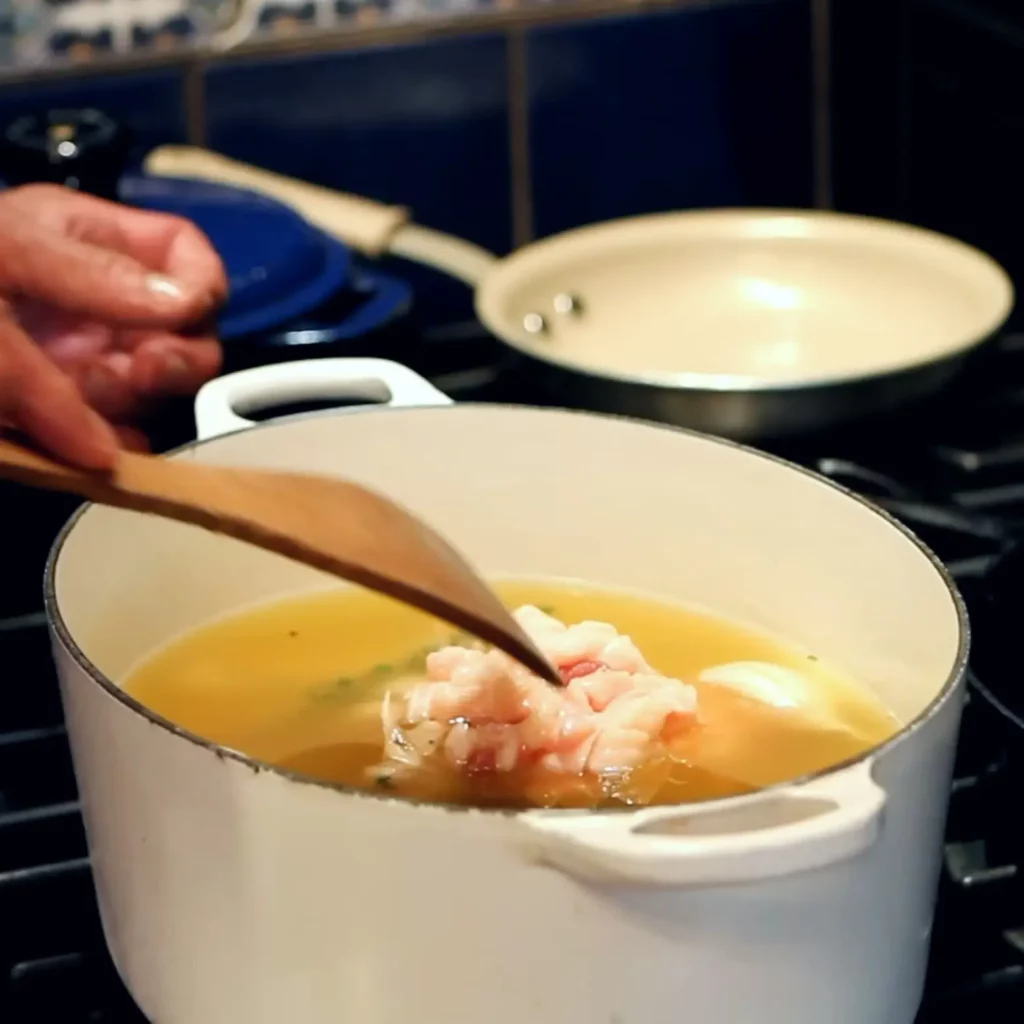
- Bring the pot to a gentle shimmer over low heat; maintain 95–100 °C (203–212 °F). A thermometer is your friend.
- Cook 2½–3 hours, until the meat is very tender and a fork slips in easily.
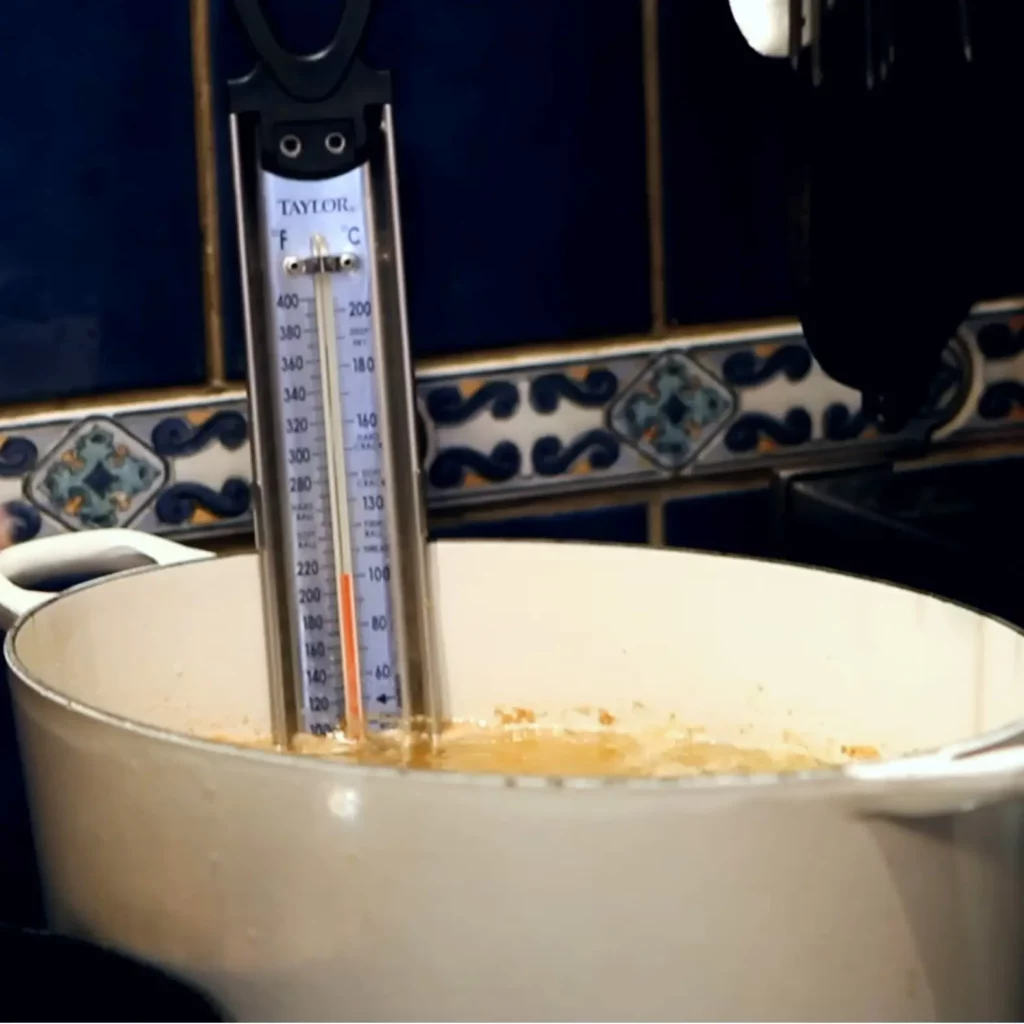
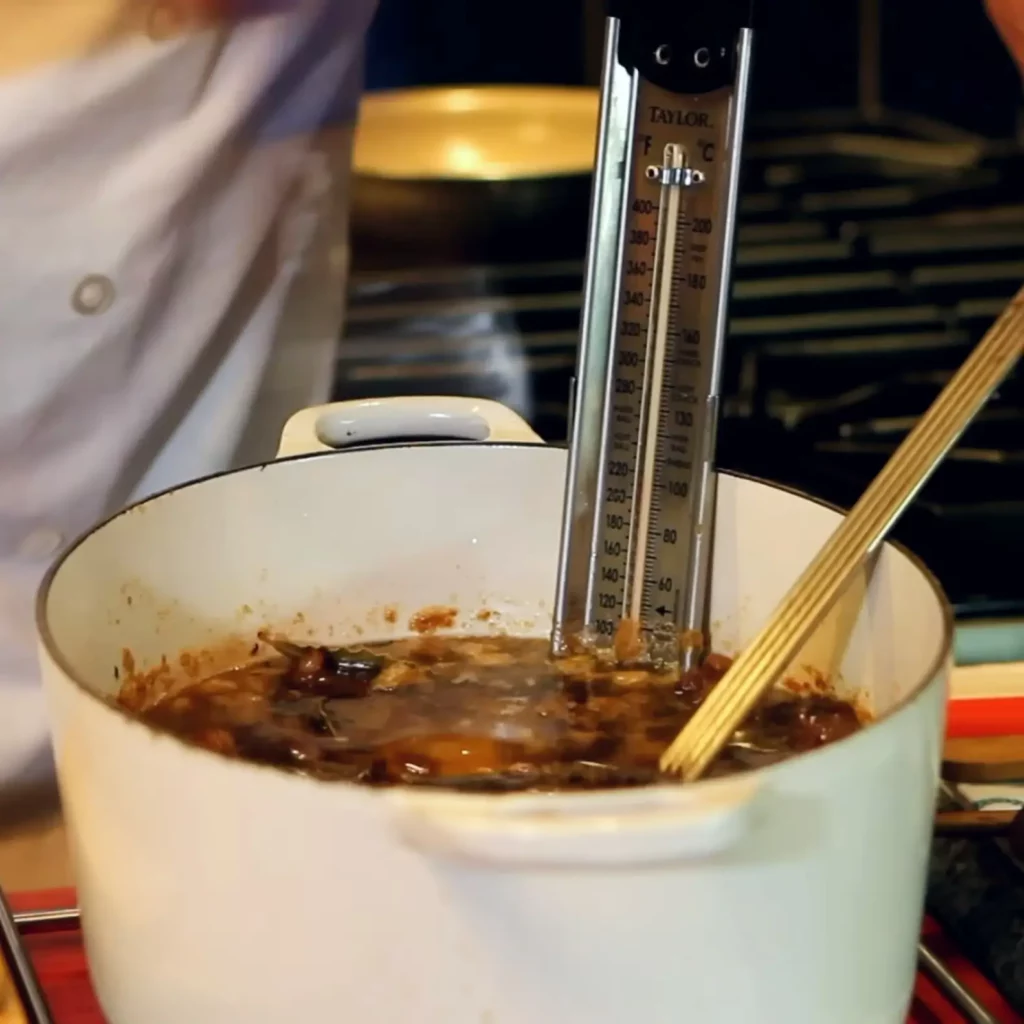
- Cool slightly. Strain the fat through a fine sieve or cloth into a clean container. If storing, submerge the legs under the fat and refrigerate.
Related techniques:
- Classic sauce pairings: Hollandaise sauce, creamy mushroom sauce, or a blue-cheese accent inspired by my Roquefort sauce guide.
- Want a full French bistro menu? Start with French onion soup.
4) Crisp the Skin (Just Before Serving)
- Heat a nonstick or steel skillet over medium-high. Add a spoon of duck fat.
- Place legs skin-side down and sear until deep golden and crisp, 3–5 minutes.
- Flip briefly to warm through, then rest 3–5 minutes on a rack or paper towel to drain.
5) Serve
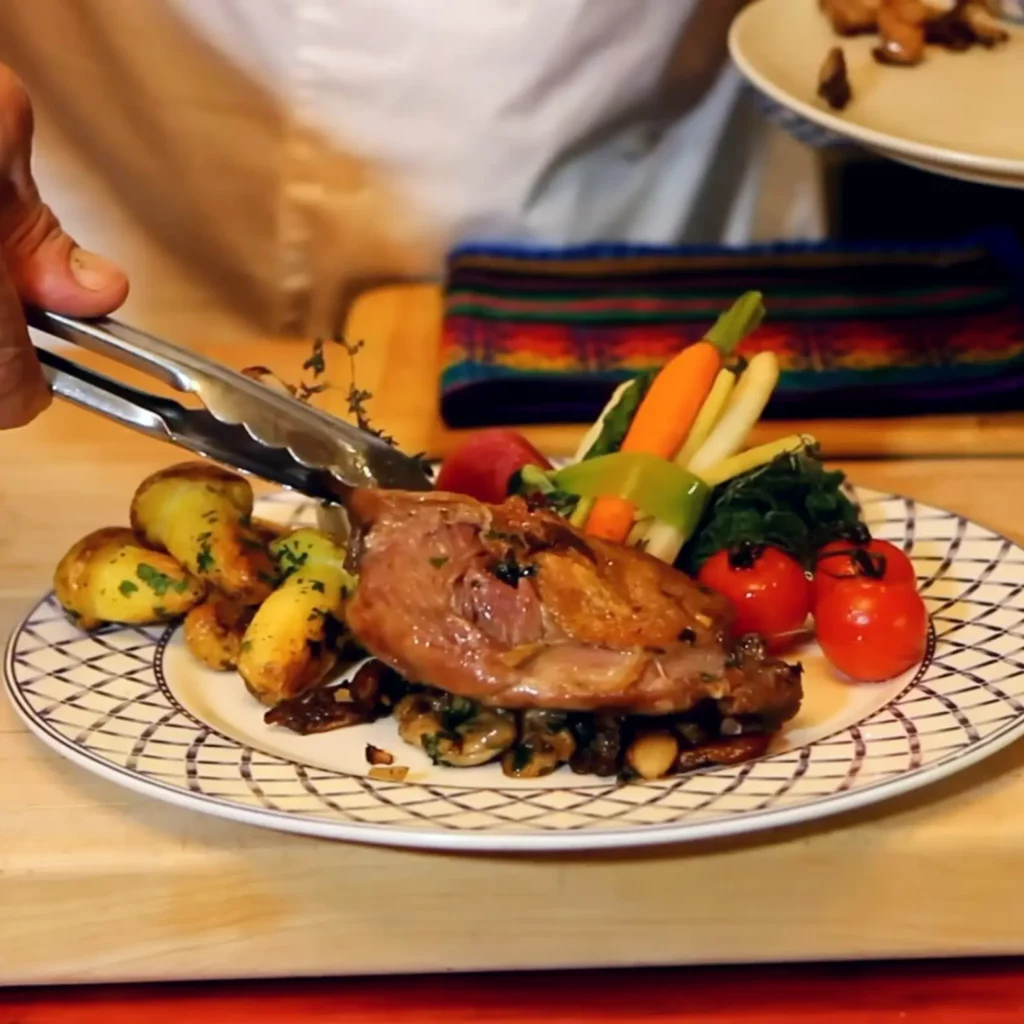
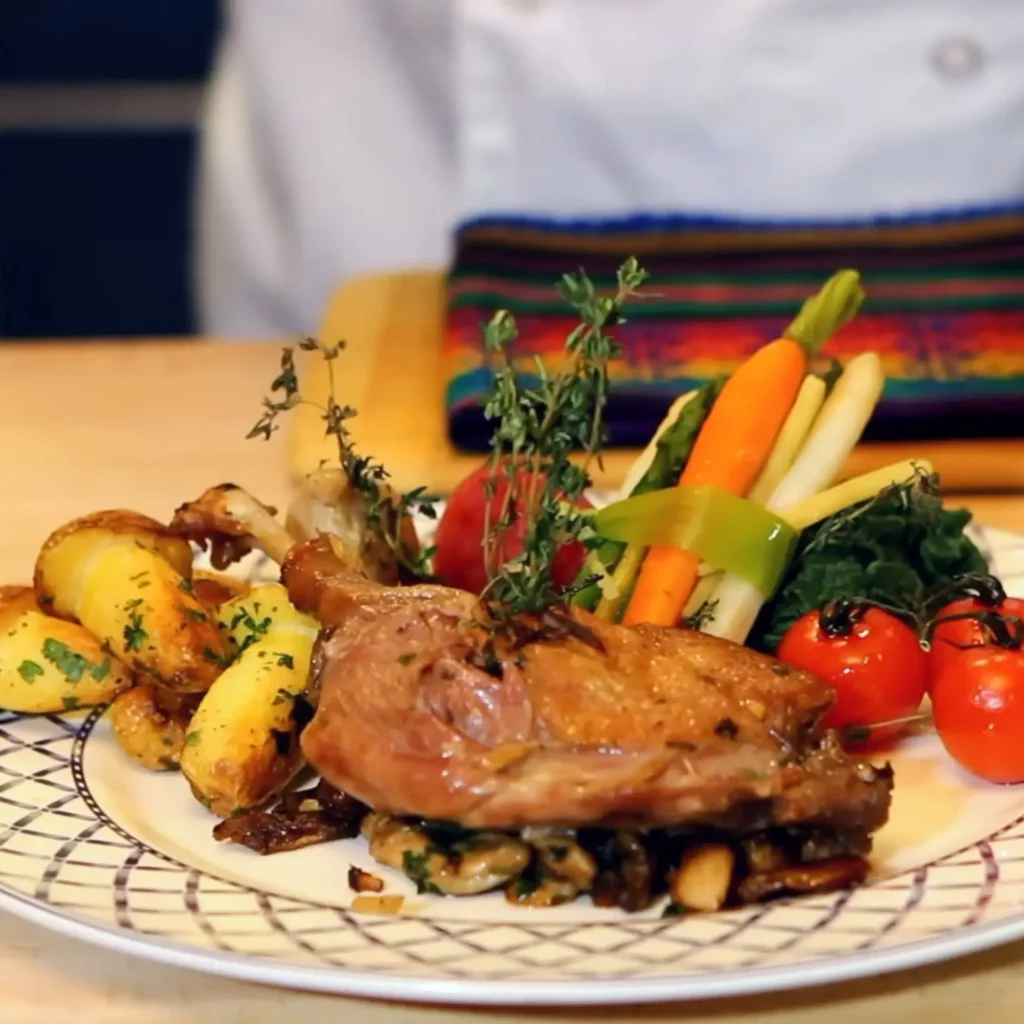
Plate with one starchy side (potatoes, fries, or gratin) and one green element. A light salad tossed with a sharp vinaigrette cuts the richness.
Substitutions & Variations
- Duck fat: Use half duck fat + half neutral oil if needed; flavor will be slightly lighter.
- Herbs: Thyme + bay are classic; add juniper or orange zest for holiday notes.
- Sugar: Optional but helpful with a 24 h cure for balance.
- Make-ahead: Confit keeps up to 1 month in the fridge fully covered in fat.
- Crisping method: Try broiler or air fryer for convenience; watch closely to avoid scorching.
Pro Tips
- Salt precision: 1.5% of meat weight is the sweet spot for 24 h; for a same-day confit (6–8 h), you can go up to 2%.
- Temperature: Above 105 °C (221 °F) the fat oxidizes; stay low and slow.
- Storage: Pour strained fat over the legs so no meat is exposed to air; label the jar and reuse the fat (filter between uses).
- Menu synergy: Pair with Parisian potatoes, Belgian fries, or a simple green and hollandaise spooned lightly on the side.
FAQ
Can I use chicken instead of duck?
Yes. Use bone-in chicken legs; cure 8–12 h at 1.2–1.5% salt. Cook 2–2½ h at 95–100 °C.
Do I have to wipe off the cure?
Yes. It prevents bitterness and over-salting.
Can I make cassoulet with this?
Absolutely — fold shredded confit into stovetop cassoulet.
What sauce works best?
A spoon of creamy mushroom sauce or a light hollandaise. For bold flavor, try a touch of Roquefort sauce.
Best sides for duck confit?
Parisian potatoes, Belgian fries, gratin dauphinois, a crisp salad, or garlicky green beans.
What to Serve With / Suggested Posts
- Parisian potatoes
- Authentic Belgian fries
- Traditional gratin dauphinois
- French onion soup
- Hollandaise sauce
- Creamy mushroom sauce
- Roquefort sauce guide
- Duck breast with Dijon mustard cream
- Stovetop cassoulet
- Homemade mashed potatoes

Duck Confit Recipe (Authentic French Method) — Slow-Cooked Duck Legs with Crispy Skin and Tender Meat
Ingredients
Duck Confit
- 350 g 12 oz × 3 duck legs (about 1.05 kg / 2 lb 5 oz total)
- 16 g 1 tbsp coarse sea salt (≈ 1.5% of meat weight; adjust to 12–18 g as preferred)
- 5 g 1 tsp cracked black pepper (mignonette)
- 6 –8 g 1–2 tsp sugar (optional for balance)
- 2 –3 bay leaves
- 1 –2 thyme sprigs
- 12 g 4 cloves garlic, lightly crushed
- 1 –1.2 kg 2.2–2.6 lb duck fat, enough to fully submerge legs
- 50 ml 3 tbsp water (to prevent initial sticking)
For Crisping & Aromatics
- 10 g 2 cloves garlic, finely chopped (or confit garlic from the pot), optional
- 5 g 2 tbsp parsley, finely chopped, optional
Instructions
Cure (12–24 hours)
- Trim excess surface fat and reserve it.
- Mix sea salt (1.5%), pepper, and optional sugar.
- In a shallow dish, scatter half the aromatics (garlic, thyme, bay leaf). Lay legs skin-side down, sprinkle half the cure, flip skin-side up, add remaining cure and aromatics.
- Cover and refrigerate 12–24 hours (24 h for deeper seasoning; 12–16 h if you prefer a lighter cure).
- Pro tip: 24 h at 1.5% salt equals a well-seasoned, not overly salty confit.
Prepare for the Confit
- Remove legs from the cure, wipe off excess salt and garlic (do not rinse under water unless you oversalted).
- Pat very dry. Place in a heavy pot, snug but not crowded.
- Cover completely with duck fat. Add 50 ml water to prevent early sticking. Tuck in a fresh thyme sprig, bay leaf, and a few garlic cloves (optional; remove later).
Slow-Cook (the confit)
- Bring the pot to a gentle shimmer over low heat; maintain 95–100 °C (203–212 °F). A thermometer is your friend.
- Cook 2½–3 hours, until the meat is very tender and a fork slips in easily.
- Cool slightly. Strain the fat through a fine sieve or cloth into a clean container. If storing, submerge the legs under the fat and refrigerate.
Crisp the Skin (Just Before Serving)
- Heat a nonstick or steel skillet over medium-high. Add a spoon of duck fat.
- Place legs skin-side down and sear until deep golden and crisp, 3–5 minutes.
- Flip briefly to warm through, then rest 3–5 minutes on a rack or paper towel to drain.
Serve
- Plate with one starchy side (potatoes, fries, or gratin) and one green element. A light salad tossed with a sharp vinaigrette cuts the richness.
Video
Notes
Pro Tips
- Salt precision: 1.5% of meat weight is the sweet spot for 24 h; for a same-day confit (6–8 h), you can go up to 2%.
- Temperature: Above 105 °C (221 °F) the fat oxidizes; stay low and slow.
- Storage: Pour strained fat over the legs so no meat is exposed to air; label the jar and reuse the fat (filter between uses).
- Menu synergy: Pair with Parisian potatoes, Belgian fries, or a simple green and hollandaise spooned lightly on the side.
FAQ
Can I use chicken instead of duck?Yes. Use bone-in chicken legs; cure 8–12 h at 1.2–1.5% salt. Cook 2–2½ h at 95–100 °C. Do I have to wipe off the cure?
Yes. It prevents bitterness and over-salting. Can I make cassoulet with this?
Absolutely — fold shredded confit into stovetop cassoulet. What sauce works best?
A spoon of creamy mushroom sauce or a light hollandaise. For bold flavor, try a touch of Roquefort sauce. Best sides for duck confit?
Parisian potatoes, Belgian fries, gratin dauphinois, a crisp salad, or garlicky green beans.
Useful Links
🛒 Michel Dumas Shop : Explore our kitchen essentials, including aprons and knives.
🌐 Linktree : Access all our important links in one place.
📱 YouTube | Instagram | Facebook | TikTok : Follow us for the latest recipes and culinary tips.




A wonderful balance of texture and rich, savory flavors