Duck Pâté Terrine with Cognac: Rustic, Make-Ahead, and Sliceable
This duck pâté terrine is a rustic French-style meat terrine made with duck legs, duck aiguillettes, cognac, pepper, herbs, and bay leaf. It is different from a smooth liver pâté because it is meant to be sliced cold, not spread, and it has a firm country-style texture with whole pieces of marinated duck inside.
This recipe is based on my YouTube video, with a few important adjustments since publication to make the proportions more reliable for home cooks in Canada and the USA. I make it this way because duck has a deep, rich flavor on its own, but the texture only works properly if the meat is seasoned enough, kept cold, mixed until sticky, and cooked gently.
What Makes This Duck Pâté Different
This version is an all-duck terrine-style pâté. It is not the same as my traditional country-style duck pâté, which uses a more classic mixed-meat structure. This recipe is simpler in flavor, more focused on duck, and built around duck legs for the ground farce with duck aiguillettes layered through the middle.
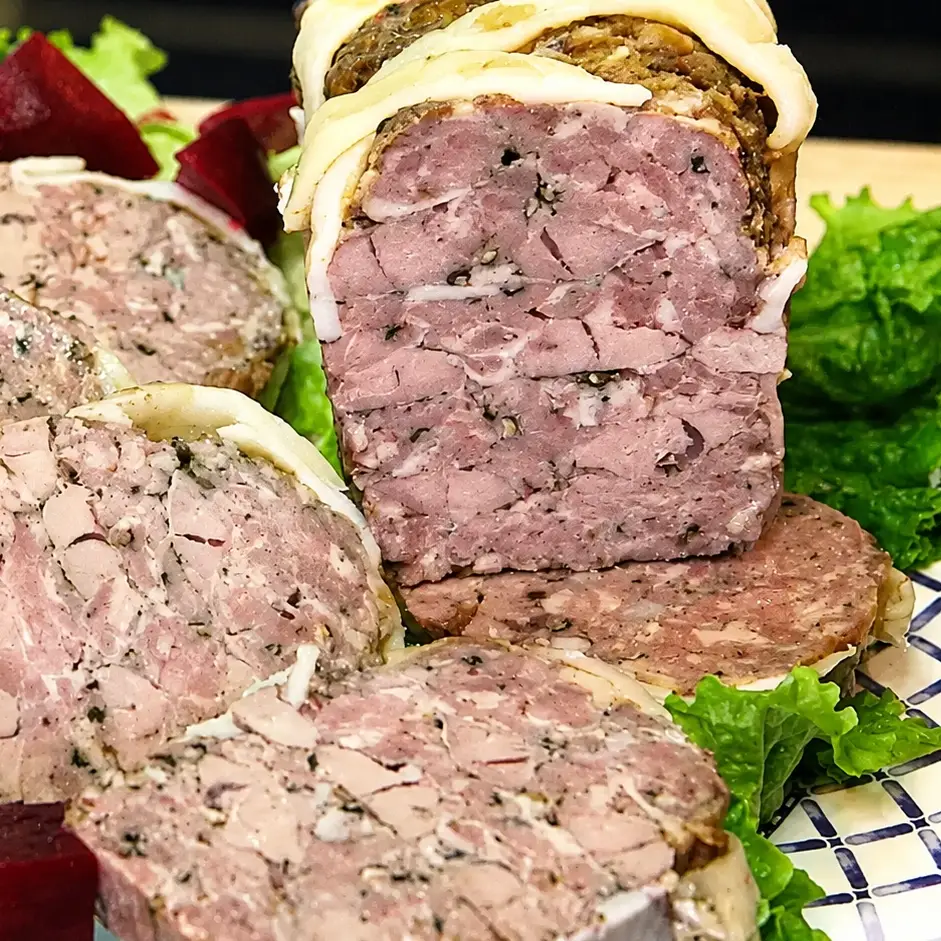
It is also different from duck and pork rillettes, which are slow-cooked until shreddable and spreadable. This terrine is sliced cold, like a charcuterie plate, and it needs overnight resting to set properly.
The key correction is the fat. Duck aiguillettes are very lean, and duck legs can vary depending on how much skin and fat you keep. I prefer to include the duck skin and visible fat from the legs in the grind. If the duck is too lean, add a little duck fat, pork back fat, or fatty pork belly. Without enough fat, the pâté can become dry or crumbly.
Ingredients You Need
For one large terrine, you need duck legs, duck aiguillettes, cognac, salt, cracked pepper, herbs, bay leaf, and enough fat for a proper sliceable texture.

The original video used about 4 1/2 pounds of duck meat in total. For a reliable homemade duck terrine, I prefer to season slightly higher than the original because cold terrines need more seasoning than hot dishes. The pâté should taste savory but not salty.
Use fine sea salt if possible. If using kosher salt, measure by weight in ounces when you can because different brands have different volumes. For public recipe testing, this matters.
Step-by-Step Instructions
1. Marinate the duck aiguillettes
Place the duck aiguillettes in a shallow dish. Add a splash of cognac, cracked black pepper, and a pinch of herbs. Cover directly with plastic wrap so the wrap touches the meat, then refrigerate for about 4 hours.
I prefer to marinate the aiguillettes separately because they stay as whole pieces inside the pâté. When sliced, they give the terrine a nicer texture and a more traditional country-style appearance.
2. Debone the duck legs
Debone the duck legs carefully with a small sharp boning knife. Follow the bone closely, loosen the meat around the joint, and remove the bones cleanly. Keep the skin and visible fat unless there is too much excess.

The bones are excellent for stock. If you want another recipe that uses duck legs in a completely different way, my slow-cooked duck confit is a good one to compare because it uses gentle cooking and fat for tenderness, but the final result is a hot main dish instead of a cold terrine.
3. Grind the duck
Cut the deboned duck leg meat, skin, and fat into pieces small enough for your grinder. Keep everything cold. Grind the duck through a medium plate for a rustic texture.

Do not grind the aiguillettes. They are layered whole into the terrine.
If the duck legs are very lean, add 10 to 12 ounces of duck fat, pork back fat, or fatty pork belly to the grind. This is the difference between a dry pâté and a good pâté.
4. Season and mix the farce
Place the ground duck in a large cold bowl. Add the salt, cracked pepper, the remaining cognac, and herbs. Mix firmly until the farce becomes sticky and tacky.

This step is important. The salt and mixing help bind the proteins so the pâté slices cleanly without needing eggs, breadcrumbs, or cream. If the mixture is only stirred lightly, it can fall apart after cooking.
Cover the farce directly with plastic wrap and refrigerate for about 2 hours.
5. Build the terrine
Heat the oven to 350°F.
Line the terrine mold with a little duck fat, thin fat strips, or parchment if desired. Add a layer of the ground duck farce and press it down firmly. Add some marinated aiguillettes, then cover with more farce.

Repeat until the terrine is full. Press each layer well to remove air pockets. Finish with a smooth top and add one or two bay leaves.

6. Cook gently in a water bath
Place the terrine in a roasting pan. Pour hot water into the pan until it reaches halfway up the sides of the terrine mold. Bake until the center reaches 172°F.

This usually takes about 1 hour 30 minutes, but the thermometer matters more than the clock. I prefer the water bath because it protects the edges and gives a more even texture. A terrine cooked directly in a hot oven can become dry on the sides before the center is done.

7. Cool, press, and rest
Remove the terrine from the oven. Let it cool until warm, then cover the surface and place a light weight on top. Refrigerate for 24 hours.

The resting time is not optional. It firms the texture, improves the flavor, and makes the pâté easier to slice. A freshly baked terrine will not cut as cleanly.
How to Serve Duck Pâté Terrine
Serve this duck pâté cold, sliced thick enough to hold together. It works well with toasted bread, mustard, cornichons, pickled vegetables, a green salad, or marinated beets.
For a bistro-style starter, serve it before a warm duck main course like duck breast with Dijon mustard cream or duck à l’orange. For a more rustic meal, it also fits nicely before a rich dish like duck hachis Parmentier or a comforting stovetop cassoulet with duck.

A small amount goes a long way. Duck pâté is rich, protein-heavy, and satisfying, so I prefer to serve it with something acidic or crisp to balance the fat.
Substitutions
If you do not have duck aiguillettes, you can use strips of duck breast instead. Keep them long enough so they create visible pieces in the sliced terrine.
If your duck legs are lean, add duck fat, pork back fat, or fatty pork belly. I would not make this recipe with only lean duck meat because the texture can become dry.
If you do not want to use cognac, use brandy. For an alcohol-free version, use a small amount of strong duck stock, but the flavor will be less traditional.
Herbes de Provence can be replaced with thyme, a little rosemary, or a simple mix of thyme and bay leaf.
If you want a smoother pâté, this is not the best recipe to modify. Use a different formula built for a spreadable texture.
What to Serve With Duck Pâté
A cold duck terrine needs contrast. Toasted bread is classic, but sauces and crisp sides help a lot.
For a simple base sauce, homemade mayonnaise can be turned into a quick cold condiment. If you want something stronger, garlic mayo works well with toasted bread and pickles. For a sweeter contrast, a small spoon of maple mayo can pair nicely with duck, especially for a Canadian-style charcuterie board.
If you want a spicy option, serve thin slices with spicy mayo or Cajun mayo on the side. Use only a little so the sauce does not overpower the duck.
For a more complete French-style meal, serve this terrine as a starter before roast duck with blueberry maple sauce or a slice of rustic country pâté on the same charcuterie board for comparison.
FAQ
Is this duck pâté spreadable?
No. This is a sliceable duck terrine-style pâté. It is firm, rustic, and meant to be cut into slices after chilling overnight.
Does this recipe need liver?
No. This version is focused on duck meat, not liver. Liver pâté has a smoother, softer texture and a different flavor.
Why does the pâté need fat?
Fat keeps the terrine moist, rich, and sliceable. Duck legs usually bring some fat, especially if you include the skin, but the aiguillettes are lean. If the mixture is too lean, the pâté can become dry.
Can I skip the water bath?
I do not recommend skipping it. The water bath helps the terrine cook more evenly and prevents the edges from drying before the center reaches temperature.
What internal temperature should duck pâté reach?
Cook the center of the terrine to 172°F. Use a thermometer because terrines vary depending on the mold size and oven.
How long should duck pâté rest before slicing?
Rest it for at least 24 hours in the refrigerator. The texture and flavor are much better the next day.
How long does it keep?
Keep it refrigerated and enjoy it within 3 to 4 days. You can also freeze slices tightly wrapped

Duck Pâté Terrine with Cognac
Ingredients
- 8 duck legs deboned, with skin and visible fat kept
- 9 duck aiguillettes
- About 4 1/2 lb total duck meat skin, and fat
- 0.85 oz fine sea salt
- 1/4 oz cracked black pepper
- 1/4 cup cognac divided
- 1 to 2 tsp herbes de Provence
- 1 to 2 bay leaves
- 10 to 12 oz duck fat pork back fat, or fatty pork belly, optional but recommended if the duck is lean
- Duck fat thin fat strips, or parchment for lining the terrine, optional
Instructions
- Place the duck aiguillettes in a dish with half the cognac, a little cracked pepper, and a pinch of herbs. Cover directly with plastic wrap and refrigerate for 4 hours.
- Debone the duck legs. Keep the skin and visible fat for the grind. Reserve the bones for stock if desired.
- Cut the duck leg meat, skin, and fat into pieces. Keep cold, then grind through a medium plate. Do not grind the aiguillettes.
- Mix the ground duck with the salt, remaining cognac, cracked pepper, and herbs until sticky and tacky. Cover directly and refrigerate for 2 hours.
- Heat the oven to 350°F. Line a terrine mold with duck fat, thin fat strips, or parchment if desired.
- Add a layer of duck farce to the terrine and press firmly. Add marinated aiguillettes, then cover with more farce. Repeat the layers and press well to remove air pockets.
- Place bay leaves on top. Set the terrine in a roasting pan and add hot water halfway up the sides of the mold.
- Bake until the center reaches 172°F, about 1 hour 30 minutes depending on the mold.
- Let cool until warm, cover the surface, add a light weight, and refrigerate for 24 hours.
- Unmold, slice cold, and serve with toasted bread, mustard, pickles, salad, or marinated vegetables.
Video
Notes
FAQ
Is this duck pâté spreadable?
No. This is a sliceable duck terrine-style pâté. It is firm, rustic, and meant to be cut into slices after chilling overnight.Does this recipe need liver?
No. This version is focused on duck meat, not liver. Liver pâté has a smoother, softer texture and a different flavor.Why does the pâté need fat?
Fat keeps the terrine moist, rich, and sliceable. Duck legs usually bring some fat, especially if you include the skin, but the aiguillettes are lean. If the mixture is too lean, the pâté can become dry.Can I skip the water bath?
I do not recommend skipping it. The water bath helps the terrine cook more evenly and prevents the edges from drying before the center reaches temperature.What internal temperature should duck pâté reach?
Cook the center of the terrine to 172°F. Use a thermometer because terrines vary depending on the mold size and oven.How long should duck pâté rest before slicing?
Rest it for at least 24 hours in the refrigerator. The texture and flavor are much better the next day.How long does it keep?
Keep it refrigerated and enjoy it within 3 to 4 d🔗 Useful Links
🛒 Michel Dumas Shop : Explore our kitchen essentials, including aprons and knives.
🌐 Linktree : Access all our important links in one place.
📱 YouTube | Instagram | Facebook | TikTok : Follow us for the latest recipes and culinary tips.