Uncle Roger Style Fried Rice Recipe with Egg, Green Onion and MSG
This fried rice is a hot-pan, egg-and-rice dish made with cold cooked rice, aromatics, green onion, soy sauce, sesame oil and a little MSG. It is different from a chicken fried rice because the rice itself is cooked in chicken stock the day before, then fried without adding pieces of meat. I make it when I want a fast rice dish that tastes cooked, seasoned and finished properly, not just leftover rice reheated in a pan.
This recipe is based on my YouTube video, with a few adjustments since publication to make the proportions clearer for home kitchens in Canada and the USA. The big correction is the rice: I prefer to cook it a little drier than usual, chill it overnight, then break it apart before it goes into the pan. The mistake to avoid is using hot, freshly cooked rice. It steams, clumps, and turns heavy instead of separating into grains.
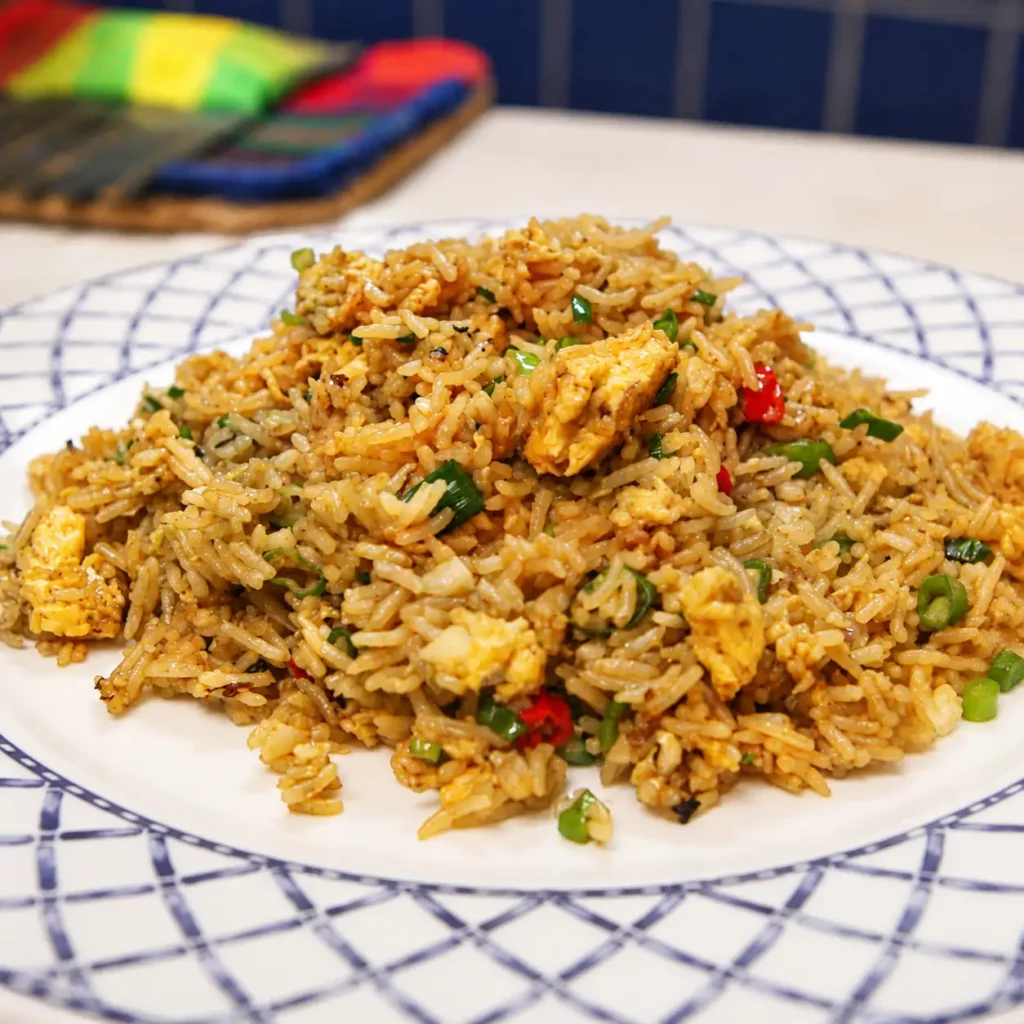
What I look for here is a pan that sounds alive. When the rice hits the heat, it should sizzle right away. The grains should loosen, the egg should stay in small pieces, and the smell of ginger, garlic, soy sauce and sesame oil should come up quickly without the garlic turning dark.
What Makes This Fried Rice Different
This version sits between a simple egg fried rice and a fuller meal-style rice dish. It is not the same as my easy homemade chicken fried rice because there is no diced chicken added at the end. It is also not a Tex-Mex style rice skillet like my taco rice skillet, where the seasoning, meat and vegetables go in a completely different direction.
Here, the main flavour comes from three things: cold rice cooked in chicken stock, a very hot pan, and the final seasoning with soy sauce, MSG and sesame oil. It is quick once the rice is ready, but it is not a last-minute rice recipe from raw rice. The day-before rice makes the result better.
I make it this way because the chicken stock gives flavour inside the grain before the frying even starts. Then the wok-style cooking adds the toasted, dry, slightly glossy finish. It is a small difference, but you can taste it.
For more rice ideas in the same family, you can browse my rice recipes with pilaf, fried rice, skillets and easy sides.
Ingredients
For the rice:
- 1 1/4 cups long-grain white rice or jasmine rice
- 2 cups low-sodium chicken stock
- 2 garlic cloves, finely chopped
- 1 teaspoon fresh ginger, finely chopped
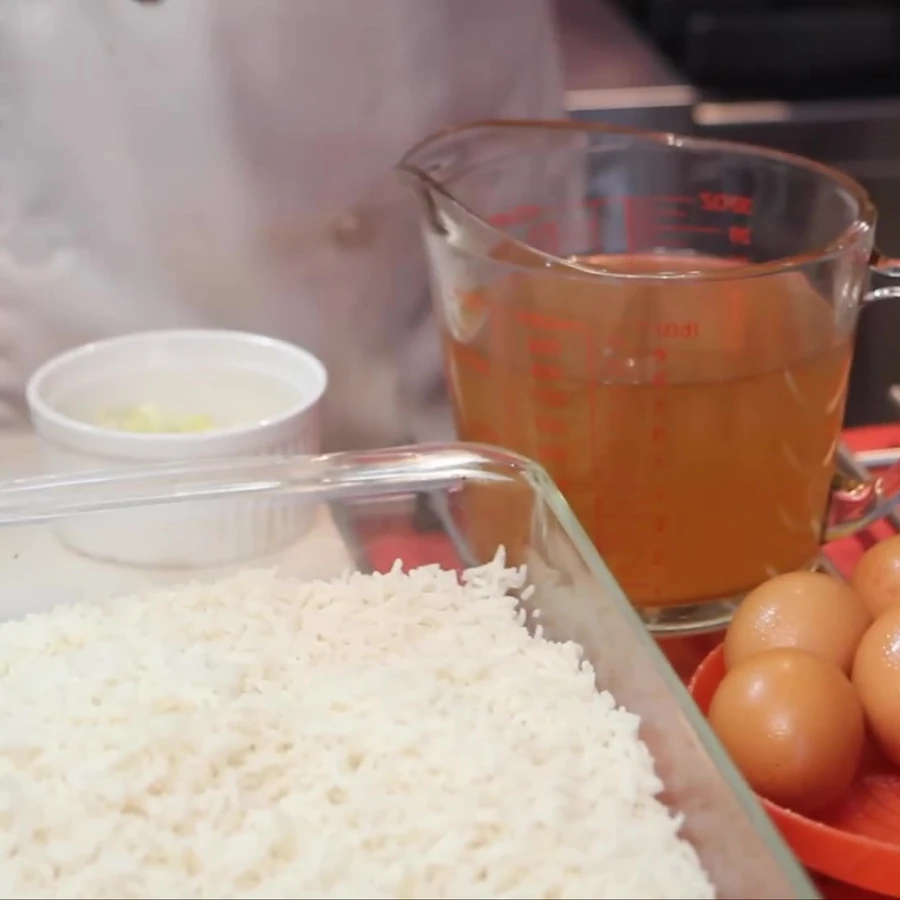
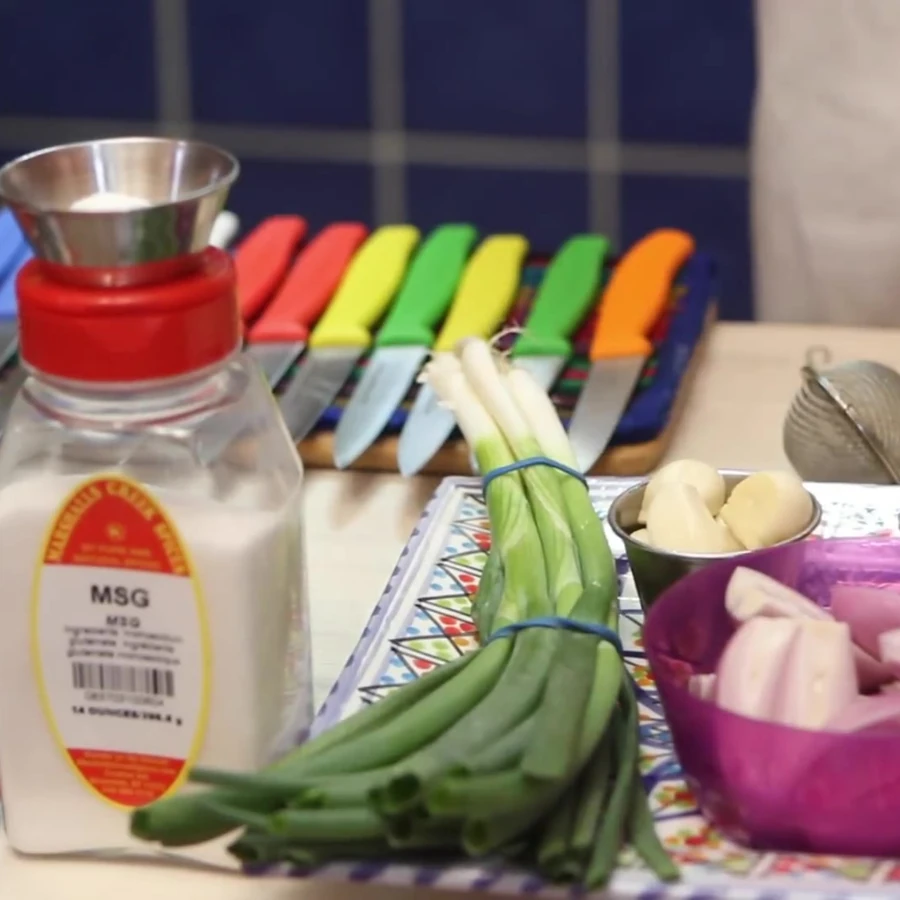
For the fried rice:
- Cold cooked rice from the day before
- 3 large eggs, beaten
- 2 tablespoons peanut oil or neutral oil
- 2 shallots, thinly sliced
- 2 garlic cloves, finely chopped
- 1 tablespoon fresh ginger, finely chopped
- 1 red bird’s eye chili, finely chopped, optional
- 3 green onions, sliced, whites and greens separated if possible
- 1 1/2 to 2 tablespoons soy sauce
- 1/2 teaspoon MSG, or to taste
- 1 teaspoon sesame oil
- Extra green onions, for serving
Step 1: Cook the Rice the Day Before
Rinse the rice under cold water until the water is mostly clear. This is not just a small detail. It removes surface starch, and that helps the grains stay separate later in the pan.
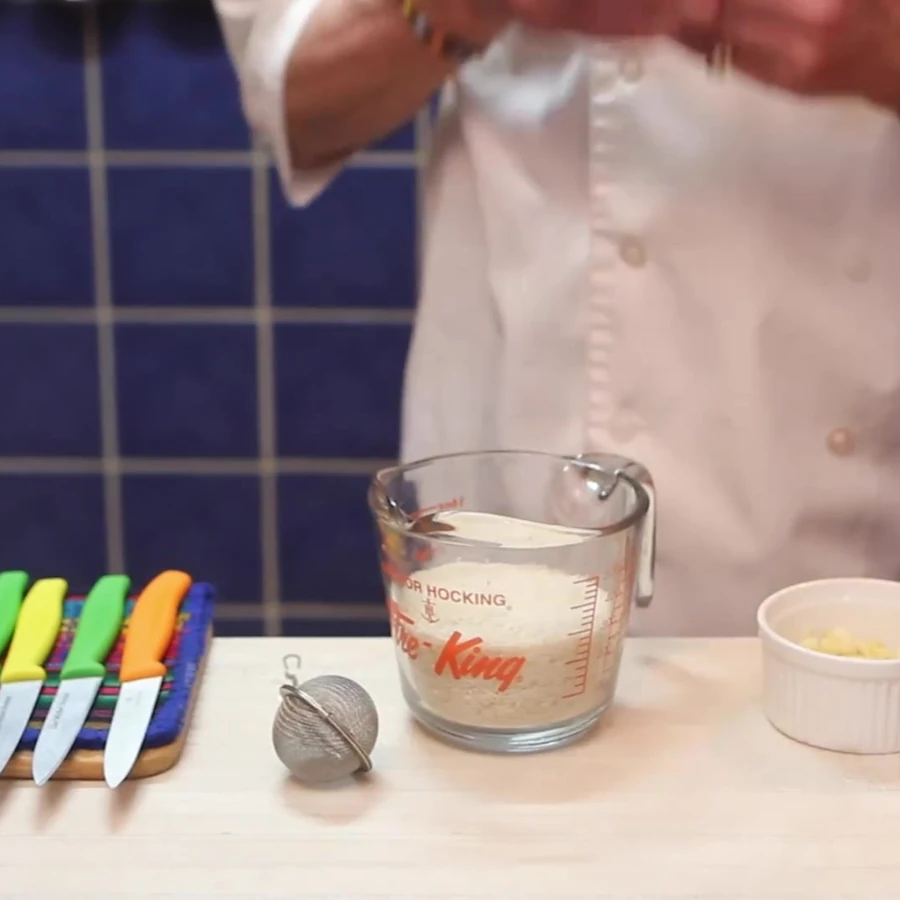
Add the rinsed rice to a pot with the chicken stock, chopped garlic and chopped ginger. Do not add salt at this stage, especially if your stock already has sodium. The soy sauce and MSG will come later, and it is easier to add seasoning than to fix rice that is already too salty.
Bring the liquid to a boil, then cover, lower the heat and cook until the rice is tender and the liquid is absorbed. Let it rest off the heat, covered, for about 10 minutes. Fluff it gently with a fork.
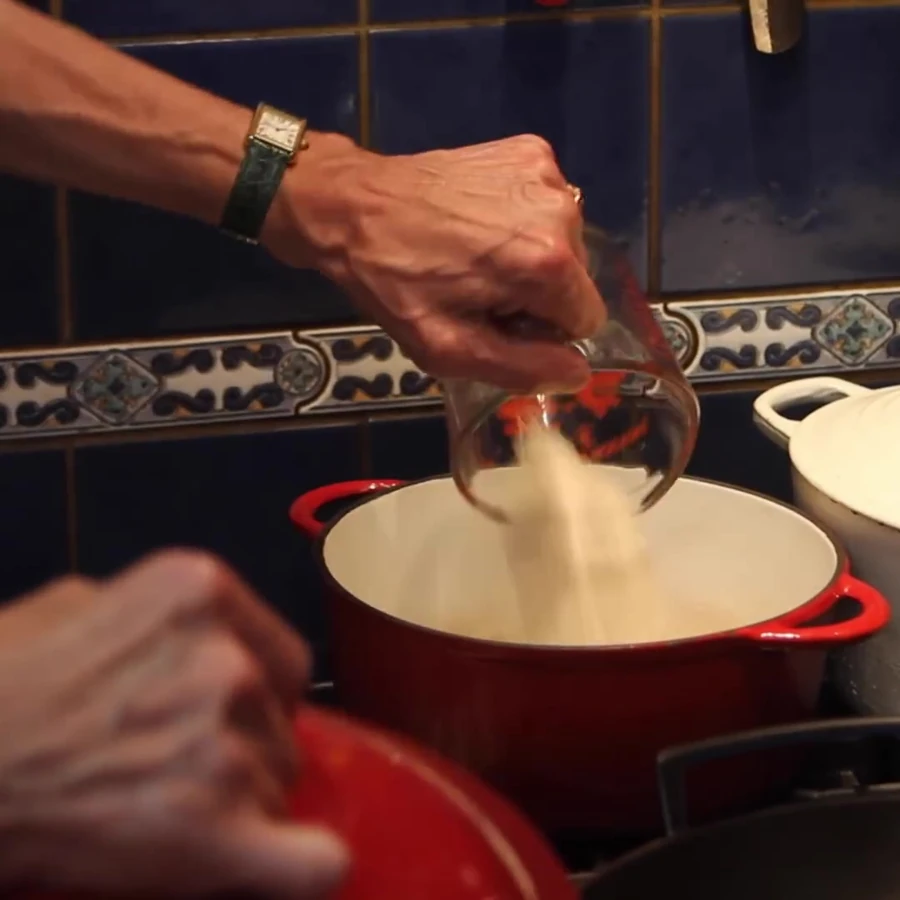
Spread the rice on a tray or in a wide container. Let it cool, then refrigerate it overnight. If you cover it too tightly while it is still warm, steam gets trapped and the rice stays too wet. The next day, the rice should feel firm and a little dry on the surface.
If you like working with stock-based recipes, the same idea of seasoning with the cooking liquid appears in dishes like easy homemade chicken ramen, where the broth does a lot of the flavour work before the final seasoning.
Step 2: Prepare Everything Before Heating the Pan
Fried rice moves fast. Once the pan is hot, there is no time to start chopping garlic.
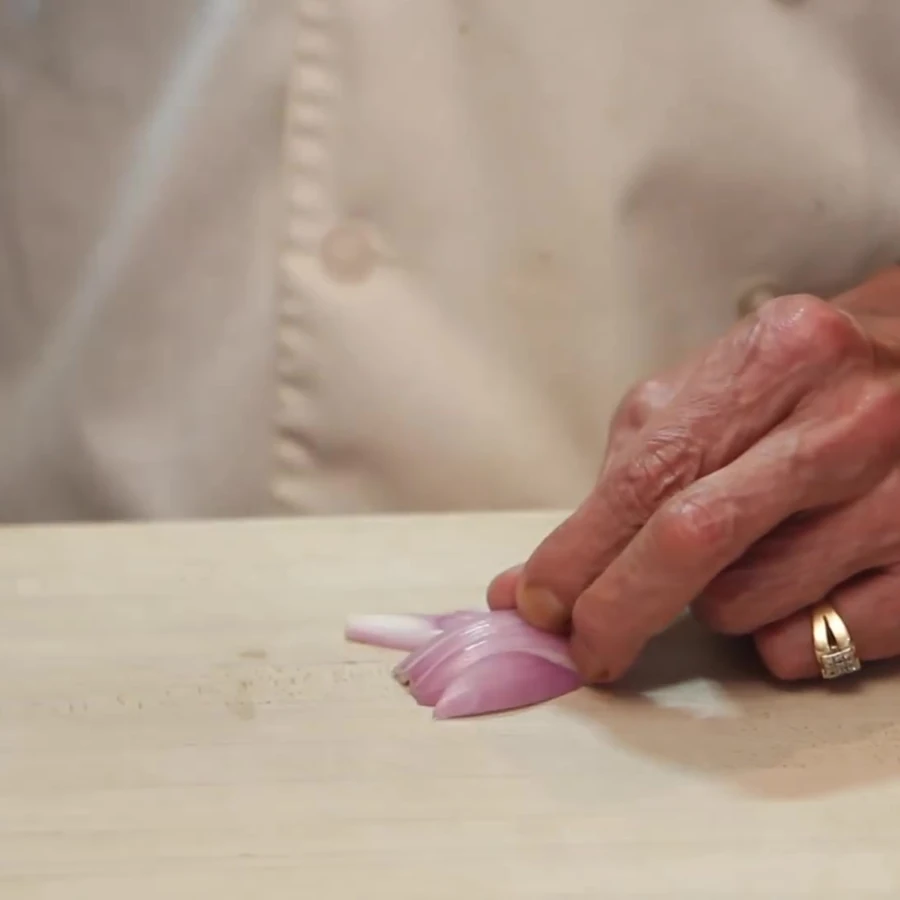
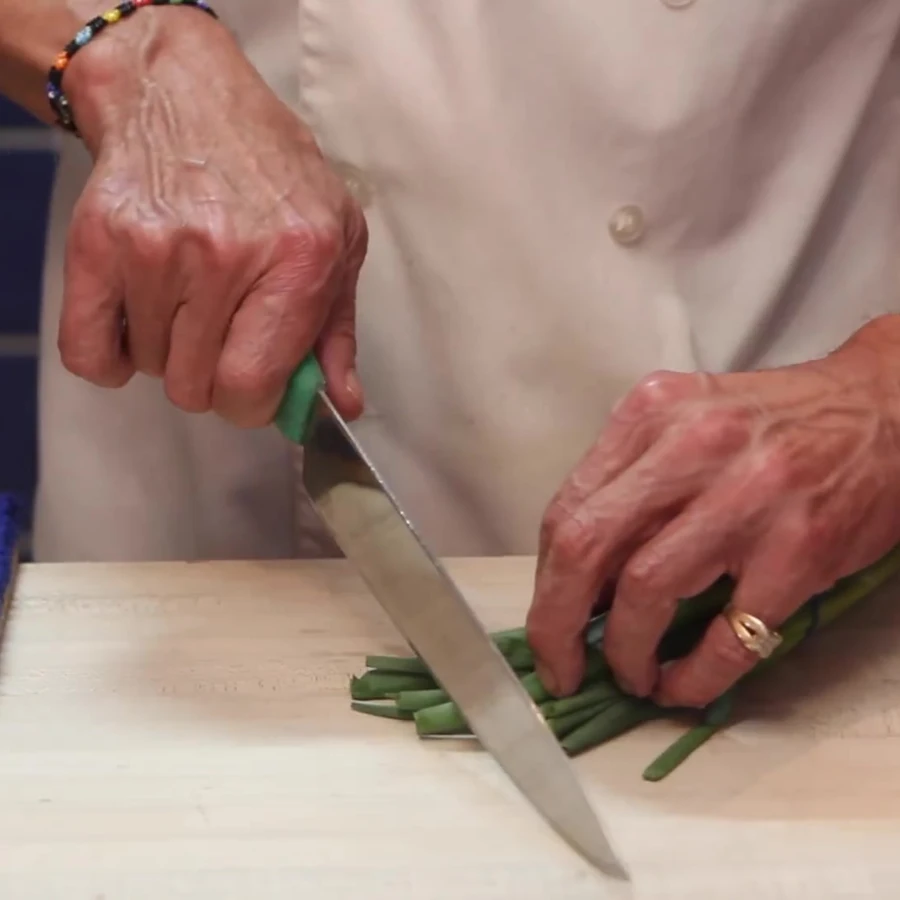
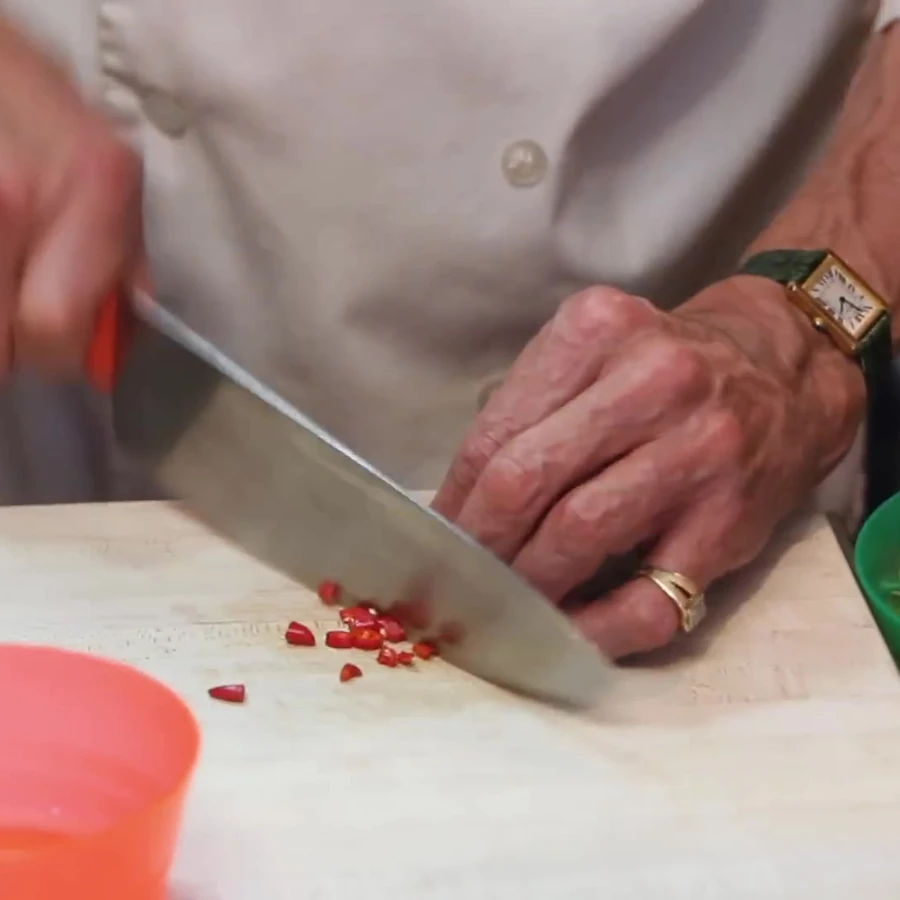
Slice the shallots thinly. Chop the garlic and ginger. Slice the green onions and keep a small handful of the green tops for garnish. If using chili, chop it finely.
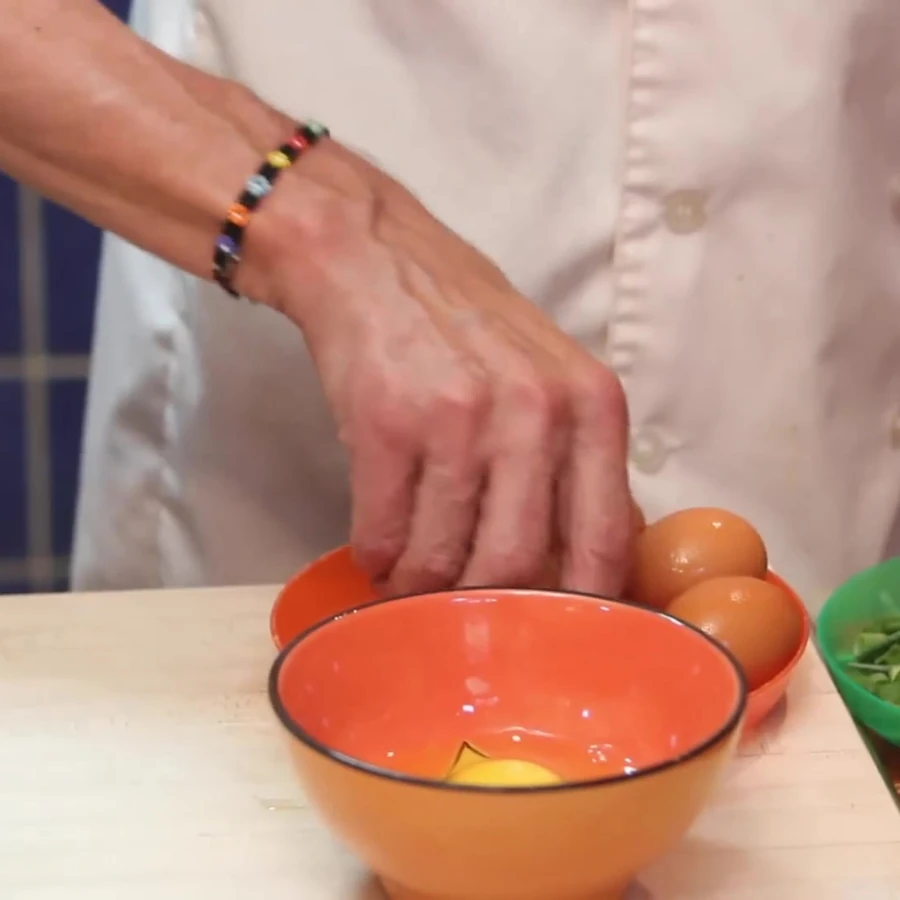
Beat the eggs in a bowl with a fork. Break up the cold rice with your hands or a spoon before cooking. You do not want a hard block of rice landing in the pan, because you will spend too much time smashing it while the aromatics burn.
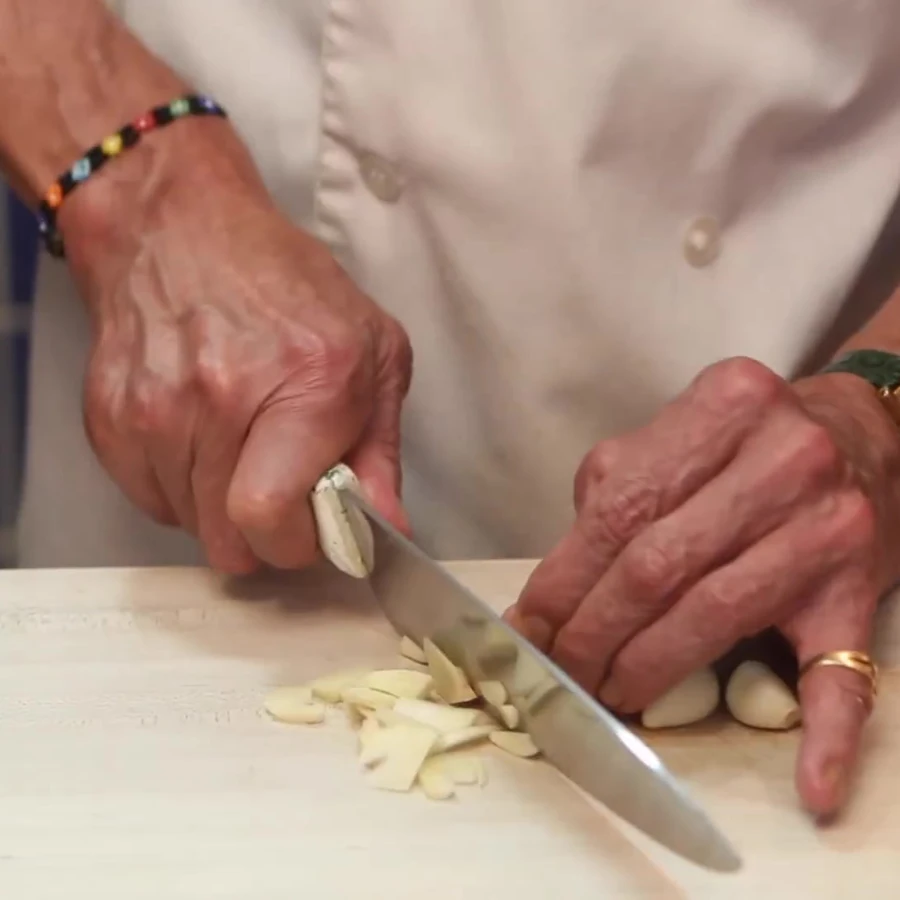
The garlic matters here. If it goes too early into a hot pan and sits there, it can turn bitter quickly. For more detailed kitchen technique, my guide on how to mince garlic without burning it is useful for recipes like this where the heat is high and the timing is short.
Step 3: Heat the Pan Properly
Use a wok or the largest skillet you have. Heat it over high heat until it is very hot. You should feel heat coming off the pan when your hand is near it, without touching.
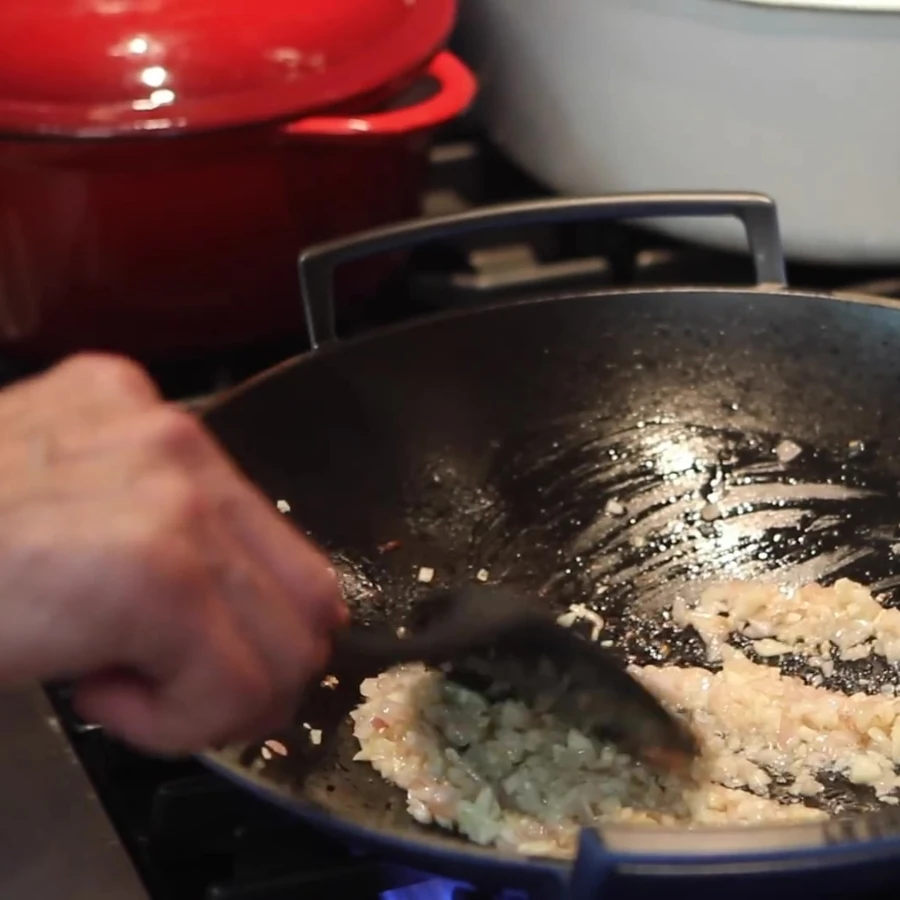
Add the oil. It should shimmer quickly. If the oil sits there looking flat and slow, the pan is not hot enough yet.
Add the shallots and cook for about 1 to 2 minutes. They should soften, smell sweet, and pick up a little colour on the edges. Do not take them too dark. This is fried rice, not caramelized onions.
Step 4: Add the Aromatics and Egg
Add the garlic, ginger and chili. Stir for 20 to 30 seconds. At this point, it should smell sharp, warm and fragrant. If the garlic starts turning brown immediately, the pan is too hot or there is not enough movement.
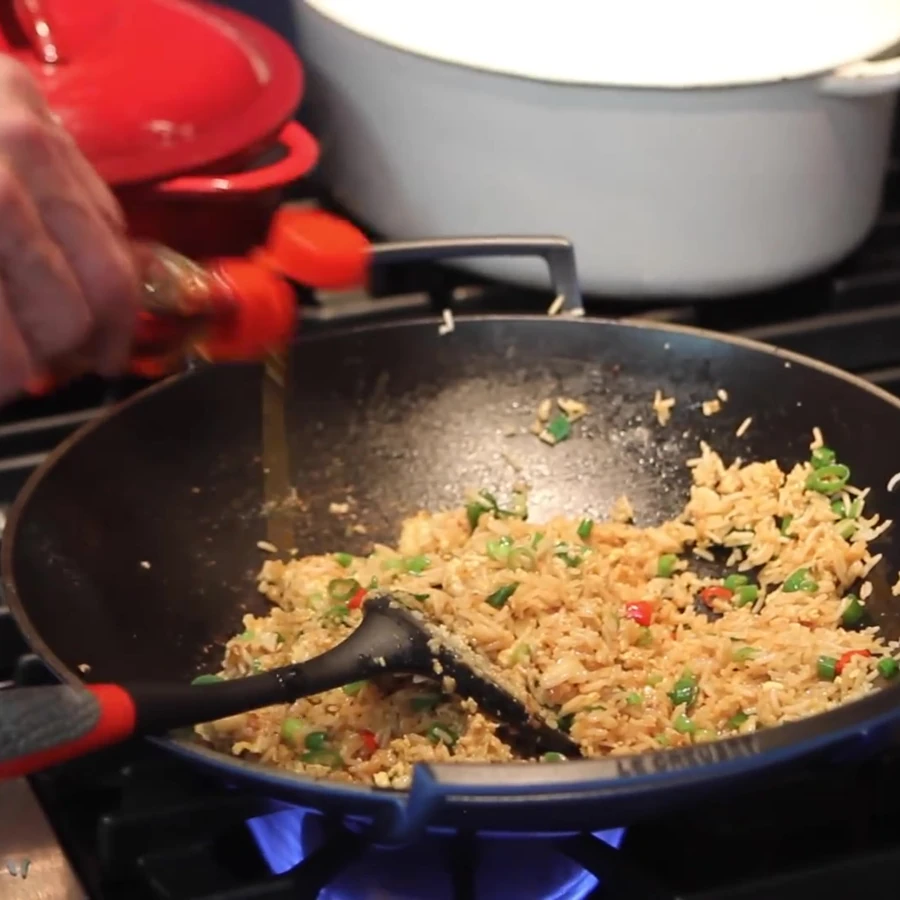
Pour in the beaten eggs. Stir quickly to make small curds. I prefer to keep the eggs in visible pieces, not blended completely into the rice. The egg should look just set, still soft, and not dry.
Step 5: Fry the Rice
Add the cold rice. Break up any remaining clumps with the spatula and toss everything together. The rice should start to loosen and jump a little in the pan.
If your skillet is not very large, cook this recipe in two batches. This is one of the most important details. Too much rice in a small pan creates steam. Steam makes the grains soft and heavy. A proper hot pan gives you rice that is dry, glossy and separate.
Cook for 2 to 4 minutes, stirring and turning often. You know it is ready for seasoning when the rice is hot all the way through and no longer looks cold or chalky.
Step 6: Season and Finish
Add the green onions, MSG and soy sauce. Start with 1 1/2 tablespoons soy sauce, then taste before adding more. I prefer to add soy sauce around the edge of the hot pan when possible, so it sizzles slightly before mixing into the rice.
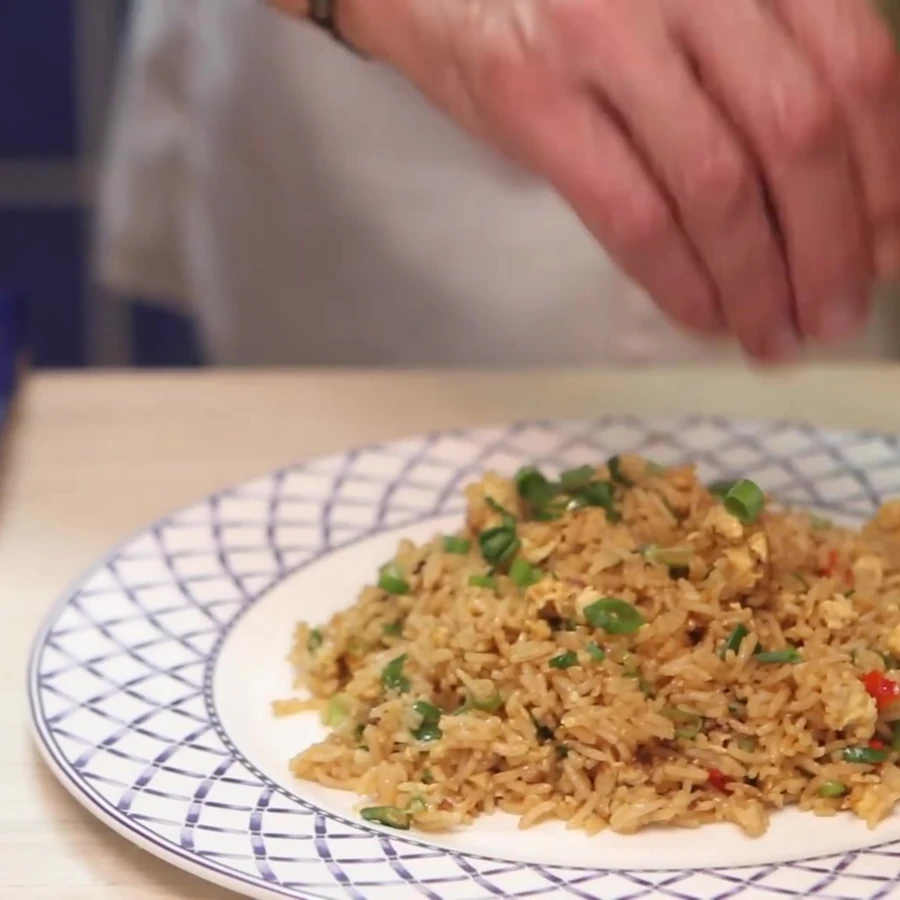
MSG is optional, but in this recipe it makes sense. It adds that savoury, rounded taste that people expect from restaurant-style fried rice. Use a small amount. The goal is not to make the rice salty, it is to make the flavour fuller.
If you want more help balancing salt, soy sauce and savoury ingredients, my guide on how to season a recipe properly is a good reference.
Turn off the heat and add the sesame oil at the end. Toss once or twice. Sesame oil is powerful, and if you add too much, it takes over the whole dish.
Serve immediately with extra green onion on top.
Health and Nutrition Context
This is a rice-based comfort dish with eggs for protein and a moderate amount of oil. It is not a low-carb recipe, and it is not meant to be a diet dish, but it can be a satisfying homemade alternative to takeout because you control the oil, sodium and portion size.
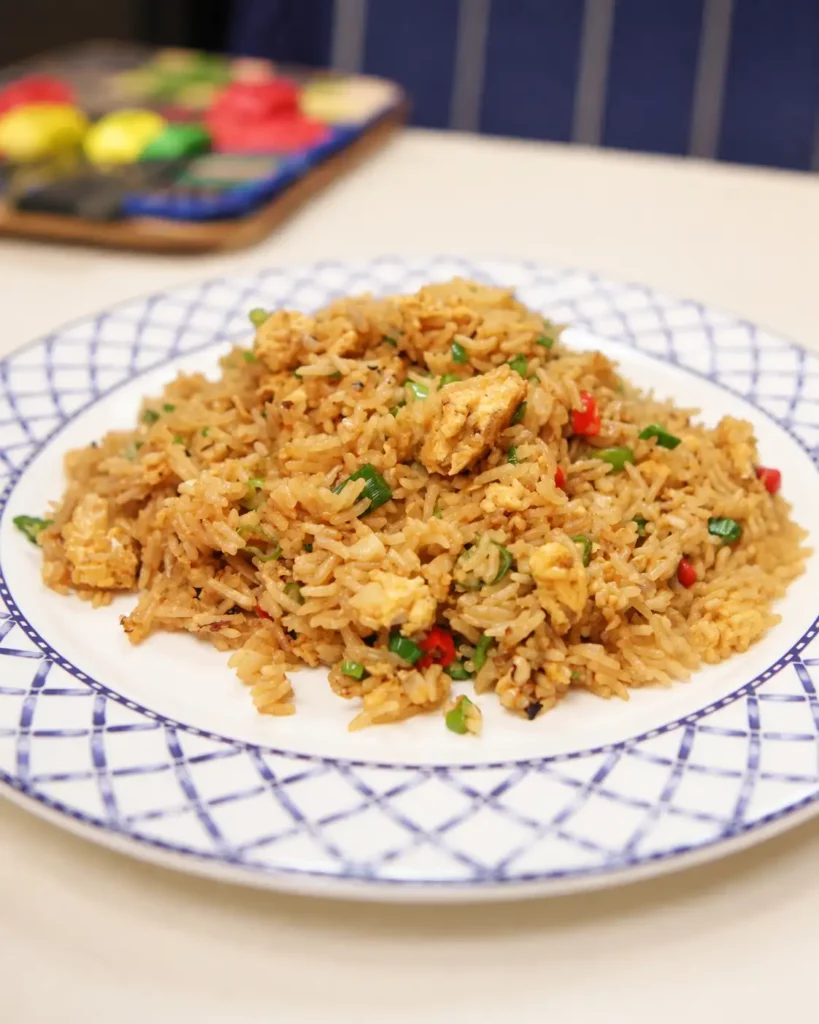
Using low-sodium chicken stock helps keep the seasoning balanced. You can also add vegetables or a lean protein if you want to turn it into a fuller meal.
Substitutions
Long-grain white rice: Jasmine rice also works well. Avoid short-grain sushi rice unless you want a stickier result.
Chicken stock: Use vegetable stock if you want a meatless version. Use low-sodium stock if possible.
Peanut oil: Canola oil, vegetable oil or avocado oil can be used instead.
Shallots: A small yellow onion works, but shallots cook faster and taste a little sweeter.
Bird’s eye chili: Use chili flakes, sambal, sriracha on the side, or skip it completely.
MSG: You can leave it out, but the flavour will be less rounded. Add a little more soy sauce only if needed, not automatically.
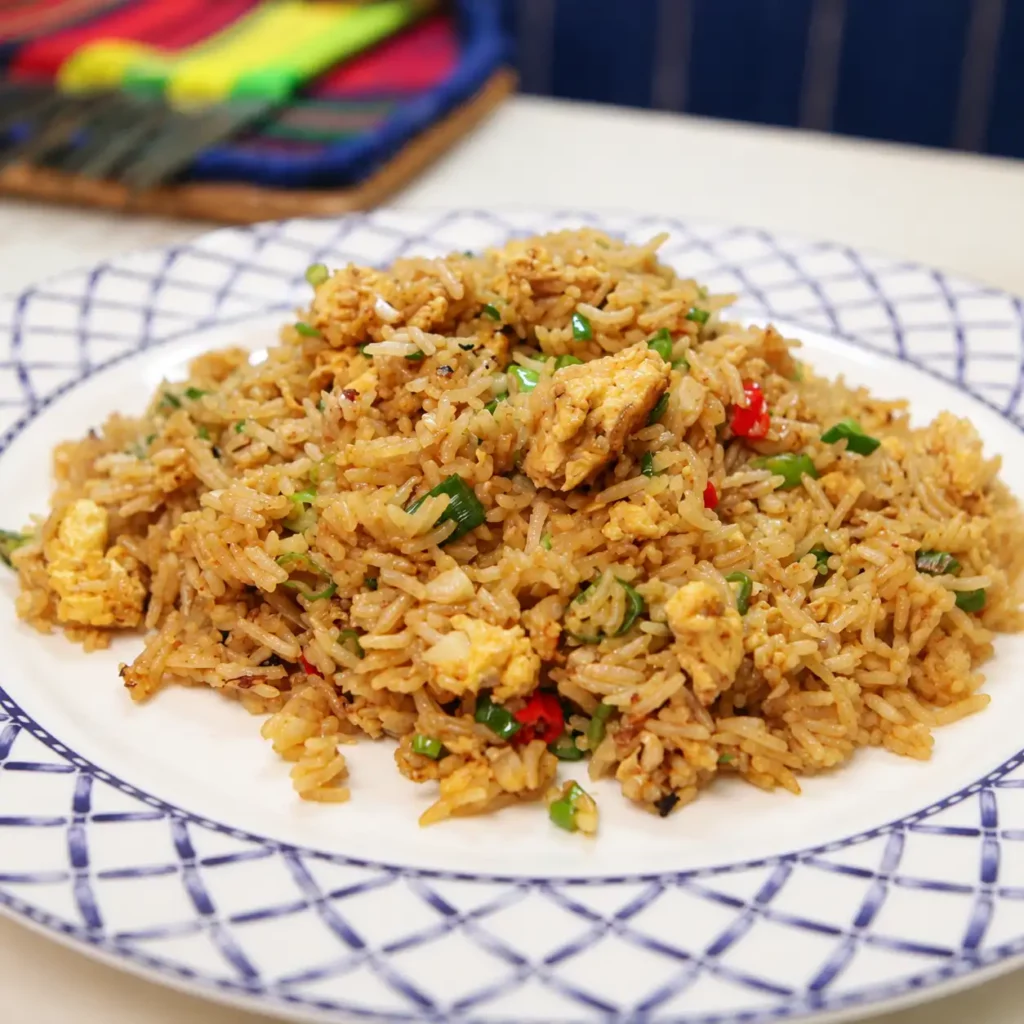
Soy sauce: Light soy sauce is best. If using tamari, start with less because it can taste stronger.
Sesame oil: Toasted sesame oil gives the best finish. Do not use it as the main cooking oil because it is too strong for that.
FAQ
Can I make this with fresh rice?
You can, but it will not be as good. Fresh rice has more moisture and tends to clump. If you absolutely need to use fresh rice, spread it on a tray and cool it as much as possible before frying.
Why cook the rice in chicken stock?
The stock seasons the rice from the inside. I make it this way because the final dish tastes deeper without needing a lot of sauce in the pan.
Does MSG make the recipe too salty?
MSG adds savoury flavour, but it is not a direct replacement for salt. Use a small amount and balance it with soy sauce. The safest starting point is 1/2 teaspoon for this quantity of rice.
Can I add chicken?
Yes. If you want a fuller dinner version, add cooked diced chicken near the end and warm it through. For a dedicated version with chicken, use my homemade chicken fried rice as the better match.
Why is my fried rice mushy?
Usually the rice was too wet, the pan was not hot enough, or there was too much rice in the pan. The mistake to avoid is overcrowding. Cook in batches if needed.
Can I make it ahead?
Fried rice is best right away, but leftovers reheat well in a hot skillet. Add a tiny splash of water only if the rice seems very dry.
What to Serve With It and Suggested Posts
Serve this rice as a main dish with eggs, or use it as a side with soy-based chicken, grilled meat or seafood. It would work well beside teriyaki chicken because the sauces are in the same family without being identical.
For a stickier, sweeter chicken pairing, try it with sticky soy maple chicken. If you want something grilled and brighter, Greek grilled chicken thighs with lemon gives a completely different flavour profile but still makes a good rice plate.
For beef, the rice pairs naturally with Asian-style beef and onion. For seafood, serve it with oven-baked salmon and keep the seasoning light on the fish.
If you want a crisp side on the table, classic macaroni salad gives a cold, creamy contrast. For a vegetable side, air fryer Brussels sprouts are a good match because the edges get browned and slightly bitter, which cuts through the rice.
For more technique-based cooking, save how to cut an onion and teaspoon, tablespoon and cup conversion for kitchen reference.
Uncle Roger Style Fried Rice with Egg and Green Onion Portions
Ingredients
- 1 1/4 cups long-grain white rice or jasmine rice
- 2 cups low-sodium chicken stock
- 4 garlic cloves divided and finely chopped
- 1 tablespoon plus 1 teaspoon fresh ginger divided and finely chopped
- 3 large eggs beaten
- 2 tablespoons peanut oil or neutral oil
- 2 shallots thinly sliced
- 1 red bird’s eye chili finely chopped, optional
- 3 green onions sliced
- 1 1/2 to 2 tablespoons soy sauce
- 1/2 teaspoon MSG or to taste
- 1 teaspoon toasted sesame oil
- Extra green onions for serving
Instructions
- Rinse the rice under cold water until the water runs mostly clear. Drain well.
- Add the rice, chicken stock, 2 chopped garlic cloves and 1 teaspoon chopped ginger to a pot. Bring to a boil, cover, reduce the heat and cook until the liquid is absorbed.
- Let the rice rest off the heat for 10 minutes, then fluff it with a fork. Cool completely and refrigerate overnight.
- The next day, break up the cold rice before cooking.
- Heat a wok or large skillet over high heat. Add the oil.
- Add the shallots and cook for 1 to 2 minutes, until lightly softened with a little colour.
- Add the remaining garlic, remaining ginger and chili. Stir for 20 to 30 seconds.
- Add the beaten eggs and stir quickly to form small curds.
- Add the cold rice and fry for 2 to 4 minutes, breaking up clumps and tossing often.
- Add the green onions, soy sauce and MSG. Toss until evenly seasoned.
- Turn off the heat, add the sesame oil and toss once more.
- Serve immediately with extra green onions.
Video
Notes
FAQ
Can I make this with fresh rice?
You can, but it will not be as good. Fresh rice has more moisture and tends to clump. If you absolutely need to use fresh rice, spread it on a tray and cool it as much as possible before frying.Why cook the rice in chicken stock?
The stock seasons the rice from the inside. I make it this way because the final dish tastes deeper without needing a lot of sauce in the pan.Does MSG make the recipe too salty?
MSG adds savoury flavour, but it is not a direct replacement for salt. Use a small amount and balance it with soy sauce. The safest starting point is 1/2 teaspoon for this quantity of rice.Can I add chicken?
Yes. If you want a fuller dinner version, add cooked diced chicken near the end and warm it through. For a dedicated version with chicken, use my homemade chicken fried rice as the better match.Why is my fried rice mushy?
Usually the rice was too wet, the pan was not hot enough, or there was too much rice in the pan. The mistake to avoid is overcrowding. Cook in batches if needed.Can I make it ahead?
Fried rice is best right away, but leftovers reheat well in a hot skillet. Add a tiny splash of water only if the rice seems very dry.🔗 Useful Links
🛒 Michel Dumas Shop : Explore our kitchen essentials, including aprons and knives.
🌐 Linktree : Access all our important links in one place.
📱 YouTube | Instagram | Facebook | TikTok : Follow us for the latest recipes and culinary tips.