How to Marinate Chicken: A Practical Guide for Juicy, Flavorful Chicken
Marinating chicken means soaking it in a seasoned mixture before cooking so the surface absorbs flavor and the meat cooks with better seasoning, color, and aroma. A good chicken marinade can be simple: oil, acid, salt, garlic, herbs, spices, and sometimes a little sweetness for browning.
For home cooking in Canada and the USA, this is one of the most useful chicken techniques to learn because it works for weeknight dinners, BBQ season, meal prep, oven-baked chicken, skillet meals, and air fryer recipes. I prefer to build marinades with balance instead of just adding strong ingredients, because too much acid, too much sugar, or too much salt can work against the final texture.

Why This Guide Matters
Chicken is one of the most reliable ingredients for everyday cooking, but it can also turn bland or dry when it is under-seasoned, overcooked, or cooked with no flavor base. A marinade helps by coating the chicken with seasoning before it hits the pan, grill, oven, or air fryer.
A good marinade does not magically tenderize chicken all the way through. Most flavor stays near the surface, especially with larger pieces. That is why balance matters. The marinade should season the outside, help the chicken brown, and support the cooking method.
This guide is useful because different cuts of chicken need different timing. Chicken breast does not behave like bone-in thighs. Wings do not need the same marinade as drumsticks. Thin strips for fajitas absorb flavor quickly, while larger pieces need more time.
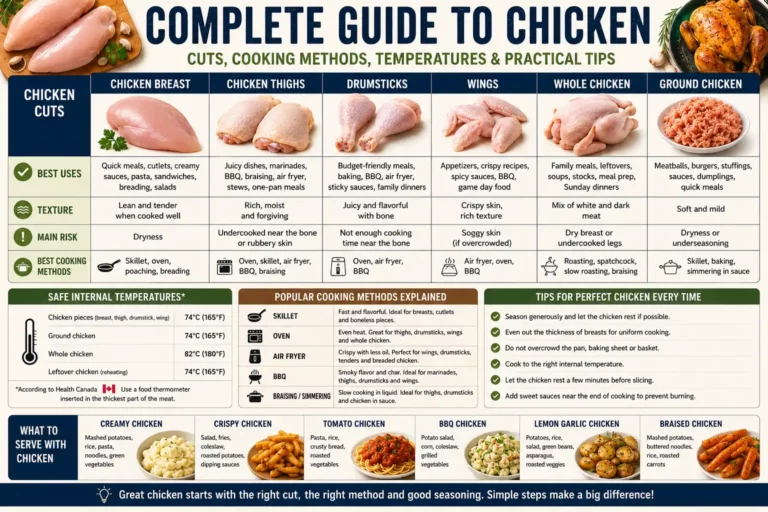
For more chicken dinner ideas, the chicken recipes hub is a good place to connect marinades with weeknight meals, creamy chicken dishes, crispy chicken, oven dinners, and skillet recipes. The site also has practical marinade recipes like 5 easy chicken marinades for pan, oven, air fryer or BBQ and 5 easy flavorful chicken marinades. (Michel Dumas)

Quick Answer
To marinate chicken properly:
- Choose the right cut of chicken.
- Mix a balanced marinade with oil, acid, salt, aromatics, and seasoning.
- Coat the chicken evenly.
- Refrigerate while marinating, not at room temperature.
- Marinate most chicken pieces for 30 minutes to 12 hours depending on the cut.
- Pat off excess marinade before high-heat cooking if needed.
- Cook chicken to a safe internal temperature of 165°F.
- Discard used marinade unless it is boiled before being used as a sauce.
For food safety, marinate poultry in the refrigerator, not on the counter. USDA FSIS says poultry can be refrigerated in marinade for up to 2 days and should be cooked to a minimum internal temperature of 165°F as measured with a food thermometer. (Food Safety and Inspection Service)
What Makes a Good Chicken Marinade?
A good marinade has balance. It should season, coat, and support the chicken without overpowering it.
Most marinades include:
- Oil for coating, browning, and carrying flavors
- Acid such as lemon juice, lime juice, vinegar, yogurt, or buttermilk for brightness
- Salt for seasoning
- Aromatics such as garlic, onion, shallots, ginger, or herbs
- Spices for personality and color
- A small amount of sweetness when you want better browning or a sticky finish
The mistake to avoid is making the marinade too acidic. Lemon, lime, vinegar, and yogurt can make chicken taste bright, but too much acid for too long can make the surface feel mushy or tight. For home cooking, the easiest method is to use enough acid for flavor, then balance it with oil, salt, herbs, and spices.

Basic Chicken Marinade Formula
Use this as a starting point for most boneless or bone-in chicken recipes.
| Ingredient Type | Amount for 1.5 to 2 lb chicken | Why It Matters |
| Oil | 2 to 4 tbsp | Coats the chicken and helps browning |
| Acid | 1 to 3 tbsp | Adds brightness and balances richness |
| Salt | 1 to 1 1/2 tsp kosher salt | Seasons the chicken |
| Garlic or aromatics | 1 to 3 cloves garlic, minced | Adds depth |
| Herbs or spices | 1 to 2 tbsp total | Builds the flavor profile |
| Sweetener, optional | 1 to 2 tsp | Helps browning and balances acidity |
This formula can become lemon herb chicken, garlic Dijon chicken, BBQ-style chicken, Greek-style chicken, honey garlic chicken, or spicy chicken depending on the seasonings.
How Long to Marinate Chicken
The right time depends on the cut, the size, and the marinade.
| Chicken Cut | Minimum Time | Best Time | Avoid Going Past |
| Thin chicken strips | 15 to 30 minutes | 30 minutes to 2 hours | 8 hours |
| Boneless chicken breast | 30 minutes | 2 to 6 hours | 12 to 24 hours |
| Boneless chicken thighs | 30 minutes | 2 to 8 hours | 24 hours |
| Bone-in chicken thighs | 1 hour | 4 to 12 hours | 24 hours |
| Drumsticks | 1 hour | 4 to 12 hours | 24 hours |
| Wings | 30 minutes | 2 to 8 hours | 24 hours |
| Whole chicken | 4 hours | 8 to 24 hours | 2 days |
These are practical cooking ranges. USDA FSIS allows poultry to be refrigerated in marinade for up to 2 days, but for texture and flavor, many chicken marinades are best within the first 24 hours. (Food Safety and Inspection Service)
Best Marinade Ingredients for Chicken
Oil
Oil helps the marinade coat the chicken evenly. It also helps herbs, garlic, paprika, chili powder, oregano, rosemary, and other seasonings spread across the surface.
Neutral oil works well for high heat. Olive oil is excellent for Mediterranean-style marinades, lemon herb chicken, Greek chicken, and oven-baked chicken. For air fryer cooking, use just enough oil to coat the surface, because too much oil can make the basket greasy.
The lemon herb grilled chicken breast marinade is a good example of a bright marinade built around lemon, olive oil, garlic, and herbs. (Michel Dumas)
Acid
Acid gives chicken brightness. Lemon, lime, vinegar, yogurt, buttermilk, pickle juice, and mustard can all bring acidity.
Use acid carefully. Too much can make the surface of the chicken unpleasant if it sits too long. This is especially true for thin chicken breast or strips.
For quick-cooking chicken like fajitas, citrus works very well because the pieces are thin and cook fast. The stovetop chicken fajitas use a bright lemon-based marinade with a quick high-heat cook, which fits that style perfectly. (Michel Dumas)
Salt
Salt is essential. Without salt, a marinade may smell good but taste flat.
You can use kosher salt, sea salt, soy sauce, fish sauce, Dijon mustard, or salty seasoning blends depending on the flavor profile. If using soy sauce, fish sauce, or commercial spice blends, reduce extra salt.
For meal prep, salt carefully. A lightly salted marinade can sit longer. A very salty marinade should be used for a shorter time.
Garlic, Onion, and Aromatics
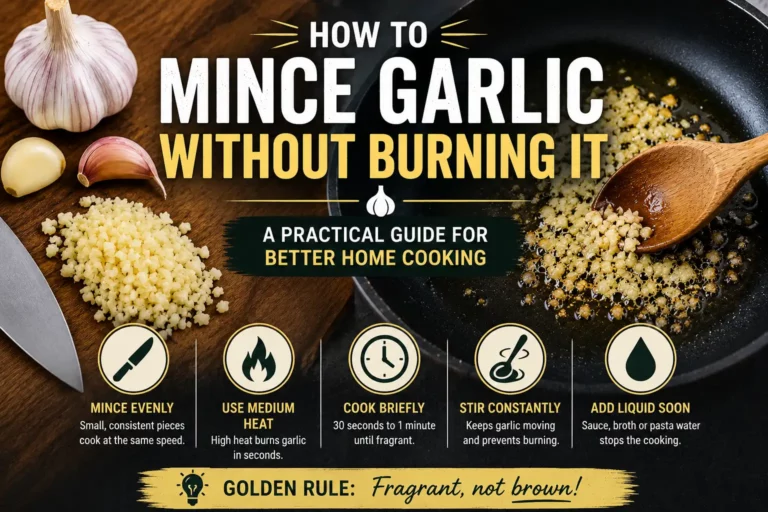
Garlic, onion, shallots, ginger, scallions, and fresh herbs give the marinade depth. Minced aromatics stick to the surface and flavor the chicken as it cooks.
For high heat cooking, watch minced garlic. It can burn if the pan or grill is too hot. If the marinade contains a lot of garlic or sugar, scrape off excess before searing.
Herbs and Spices
Herbs and spices define the style of the marinade.
Good options include:
- Oregano, thyme, rosemary, and parsley for lemon herb chicken
- Paprika, cumin, chili powder, and oregano for Tex-Mex chicken
- Curry powder, turmeric, ginger, and coriander for warm spice marinades
- Black pepper, mustard powder, garlic powder, and onion powder for simple BBQ-style chicken
- Basil, parsley, garlic, and lemon zest for fresh summer chicken
Spices also help color. Paprika, turmeric, chili powder, and curry powder can make chicken look more appetizing, especially when baked or air fried.
Sweetness
A little honey, maple syrup, brown sugar, or cane sugar helps browning. Too much sweetness can burn, especially on the grill, in a skillet, or in an air fryer.
If using honey or maple syrup, cook over moderate heat and watch the surface. For sticky sauces, it is often better to cook the chicken first and brush on extra sauce near the end.
The honey garlic chicken skillet is a good example of sweet and savory chicken where heat control matters. (Michel Dumas)
How to Marinate Chicken Step by Step
1. Choose the Right Cut
Start with the cut that fits the meal.
Chicken breast is lean and cooks quickly. It works well with short marinades and careful cooking.
Chicken thighs are more forgiving. They can handle stronger seasoning, longer marinating, and higher heat.
Drumsticks and wings work well with bold marinades because they have more skin, bone, and surface texture.
Thin strips are best for fajitas, wraps, bowls, paninis, and quick skillet dinners.
The air fryer chicken thighs are a good example of a cut that stays juicy because thighs have more fat and structure than chicken breast. (Michel Dumas)
2. Mix the Marinade First
Mix the marinade before adding the chicken. This helps distribute the salt, oil, acid, garlic, and spices evenly.
Taste the marinade before adding raw chicken. It should taste slightly strong because it will season the chicken, not be eaten by itself. Once raw chicken touches it, do not taste it again.
3. Coat the Chicken Evenly
Place the chicken in a bowl, shallow dish, or resealable bag. Add the marinade and turn the chicken so every piece is coated.
For a bag, press out extra air and lay it flat in the fridge. For a dish, cover it well and turn the chicken once halfway through if possible.
4. Refrigerate
Always marinate chicken in the refrigerator. Do not leave raw chicken marinating on the counter.
Keep it covered and separate from ready-to-eat foods. If using a bag, place it on a plate or tray in case it leaks.
5. Remove Excess Marinade Before Cooking
You do not always need to wipe the chicken completely dry, but excess marinade can cause problems.
For grilling, skillet cooking, or air frying, remove heavy wet marinade so the chicken can brown instead of steam. If the marinade has sugar, honey, maple syrup, or lots of garlic, wiping off excess helps prevent burning.
For oven-roasted chicken, a little extra marinade can be fine because the heat is more gentle.
6. Cook with the Right Heat
Marinated chicken needs heat control.
High heat gives color, but it can burn sugary or garlicky marinades. Moderate heat gives the marinade time to cook without scorching.
For chicken breast, avoid overcooking. For thighs and drumsticks, give them enough time for the inside to cook through while the outside develops color.
The juicy air fryer chicken breast explains why boneless skinless chicken breast needs enough seasoning, a little oil, and a moderate-high air fryer temperature rather than too much heat for too long. (Michel Dumas)
7. Rest Before Slicing
Let cooked chicken rest for a few minutes before slicing. This helps juices settle so the chicken does not immediately lose moisture on the cutting board.
For strips and thin pieces, a short rest is enough. For larger pieces, give it a little longer.
Marinade Styles for Chicken
Lemon Herb Marinade
Best for: grilled chicken, chicken breast, thighs, salads, wraps, bowls
Use lemon juice, olive oil, garlic, oregano, thyme, rosemary, parsley, salt, and pepper. This style is bright, clean, and works well for summer BBQs or meal prep.
Try it with lemon herb grilled chicken breast or Greek grilled chicken thighs with lemon. (Michel Dumas)
Dijon Garlic Marinade
Best for: chicken thighs, drumsticks, baked chicken, French-style dinners
Use Dijon mustard, garlic, oil, a little acid, herbs, salt, and pepper. Dijon helps flavor the chicken and gives a nice savory sharpness.
The mustard chicken marinade with Dijon, garlic, and onions is a natural example of this style. (Michel Dumas)
BBQ-Style Marinade
Best for: drumsticks, thighs, wings, grilled chicken, oven-baked chicken
Use oil, paprika, garlic powder, onion powder, a little vinegar, mustard, brown sugar, and spices. Keep sugar moderate so it does not burn.
Honey Garlic Marinade
Best for: skillet chicken, thighs, wings, air fryer pieces
Use soy sauce, honey, garlic, ginger, oil, and a little vinegar or lime. Cook over moderate heat so the honey does not scorch.
Yogurt Marinade
Best for: chicken thighs, skewers, oven-roasted chicken, spiced chicken
Use plain yogurt, lemon, garlic, salt, and spices. Yogurt helps the seasoning cling and gives a gentle tangy flavor.
Fajita Marinade
Best for: thin chicken strips, stovetop dinners, wraps, bowls
Use lime or lemon, oil, garlic, cumin, chili powder, paprika, oregano, salt, and pepper. Thin pieces do not need a long marinating time.
For a ready-to-cook example, see chicken fajitas with zesty citrus marinade. (Michel Dumas)
Which Marinade Works Best for Each Cooking Method?
| Cooking Method | Best Marinade Style | What to Watch |
| Grill or BBQ | Lemon herb, Dijon, BBQ-style, Greek | Avoid too much sugar over high heat |
| Oven | Dijon, tomato paste, yogurt, herb marinade | Extra marinade can roast nicely in the pan |
| Skillet | Honey garlic, Dijon, lemon garlic, fajita | Remove excess liquid so chicken browns |
| Air fryer | Light oil-based marinades, dry rub-style marinades | Too much wet marinade can smoke or drip |
| Sheet pan | Tomato paste, lemon garlic, herb, mustard | Cut vegetables to match chicken cooking time |
| Meal prep | Lemon herb, Greek, mild BBQ, Dijon | Keep salt and acid balanced |
The easy one-pan marinated chicken with roasted vegetables is a good example of using a bold marinade with vegetables for an oven-baked dinner. (Michel Dumas)
Best Chicken Cuts for Marinating
| Chicken Cut | Best Marinade Style | Best Cooking Method |
| Boneless chicken breast | Lemon herb, Dijon, yogurt, fajita | Grill, skillet, air fryer, oven |
| Boneless thighs | Honey garlic, BBQ-style, Greek, spicy | Grill, skillet, oven, air fryer |
| Bone-in thighs | Dijon, herb, BBQ-style, tomato paste | Oven, grill, air fryer |
| Drumsticks | BBQ-style, mustard, honey garlic, spice rub | Oven, grill, air fryer |
| Wings | Dry rub-style, buffalo-style, honey garlic | Air fryer, oven, grill |
| Thin strips | Fajita, garlic lemon, soy ginger | Skillet, grill, wraps, bowls |
Food Safety Tips for Marinated Chicken
Food safety matters because marinade touches raw chicken.
Keep these rules simple:
- Marinate chicken in the refrigerator, not on the counter.
- Keep raw chicken covered.
- Place bags or containers on a plate to catch leaks.
- Do not reuse marinade that touched raw chicken unless it is boiled first.
- Use a clean plate for cooked chicken.
- Cook chicken to 165°F with a food thermometer.
- Refrigerate leftovers promptly.
USDA FSIS recommends cooking poultry to 165°F and notes that marinade used on raw poultry should not be reused unless boiled first. (Food Safety and Inspection Service)
Can You Freeze Chicken in Marinade?
Yes, chicken can be frozen in marinade. This is useful for meal prep.
Place raw chicken and marinade in a freezer bag, press out extra air, label it, and freeze flat. Thaw in the refrigerator before cooking. Do not thaw marinated chicken on the counter.
Freezing can slightly change texture, especially with acidic marinades. For best results, use balanced marinades and avoid too much lemon juice or vinegar if the chicken will sit in the freezer before cooking.
Common Mistakes to Avoid
Using Too Much Acid
A little lemon, lime, vinegar, or yogurt is useful. Too much acid for too long can damage the surface texture of the chicken.
Marinating at Room Temperature
Raw chicken should marinate in the refrigerator. The counter is not safe for long marinating.
Forgetting Salt
A marinade without salt often tastes flat. Herbs, garlic, and lemon are not enough by themselves.
Adding Too Much Sugar
Honey, maple syrup, and brown sugar help browning, but too much can burn in a skillet, on the grill, or in the air fryer.
Cooking Chicken Straight from a Wet Marinade
If the chicken is dripping wet, it may steam instead of brown. Let excess marinade drip off, or pat lightly before high-heat cooking.
Reusing Raw Marinade as Sauce
Do not spoon raw marinade over cooked chicken. If you want extra sauce, reserve some clean marinade before adding chicken, or boil used marinade thoroughly before serving.
Overcooking Chicken Breast
Chicken breast is lean. A marinade helps flavor it, but it does not prevent overcooking. Use controlled heat and check doneness with a thermometer.
FAQ
How long should I marinate chicken?
Most chicken pieces benefit from 30 minutes to 12 hours. Thin strips need less time, while thighs and drumsticks can handle longer. For best texture, avoid very acidic marinades for too long.
Can chicken marinate overnight?
Yes, many chicken marinades work overnight, especially for thighs, drumsticks, and bone-in pieces. For chicken breast, keep the marinade balanced and avoid too much acid.
Is 30 minutes enough to marinate chicken?
Yes. Thirty minutes is enough to season the surface, especially for thin pieces, chicken strips, fajitas, or boneless chicken breast.
Can you marinate chicken too long?
Yes. Very acidic or salty marinades can make the surface texture unpleasant if left too long. For food safety, USDA FSIS says poultry can be refrigerated in marinade for up to 2 days, but many recipes taste best sooner. (Food Safety and Inspection Service)
Should I poke holes in chicken before marinating?
Usually, no. Poking holes is not necessary and can make thin pieces uneven. It is better to cut chicken evenly, coat it well, and give it enough time.
Should I rinse marinade off chicken before cooking?
No. Do not rinse the flavor away. Let excess marinade drip off, or pat lightly if the marinade is very wet, sugary, or full of minced garlic.
Can I use the same marinade as a sauce?
Only if you reserved some before adding raw chicken, or if the used marinade is boiled thoroughly before serving. Never serve raw marinade that touched raw chicken.
What is the best marinade for chicken breast?
A balanced lemon herb, Dijon garlic, yogurt, or mild BBQ-style marinade works well. Chicken breast is lean, so use enough oil and avoid too much acid or excessive heat.
Final Thoughts
Learning how to marinate chicken makes everyday cooking easier. The best marinade is not just strong. It is balanced. Oil helps coat the chicken, acid adds brightness, salt gives flavor, aromatics add depth, and spices build personality.
For the best result, match the marinade to the cut and cooking method. Use shorter marinating times for thin pieces and chicken breast. Use longer times for thighs, drumsticks, and bone-in pieces. Keep food safety simple by marinating in the refrigerator and cooking chicken to 165°F.
To put this guide into practice, start with 5 easy chicken marinades for pan, oven, air fryer or BBQ, lemon herb grilled chicken breast, mustard chicken marinade with Dijon, garlic, and onions, or easy one-pan marinated chicken with roasted vegetables.
Useful Links
🛒 Michel Dumas Shop : Explore our kitchen essentials, including aprons and knives.
🌐 Linktree : Access all our important links in one place.
📱 YouTube | Instagram | Facebook | TikTok : Follow us for the latest recipes and culinary tips.