Creamy Dijon Sauce for Steak
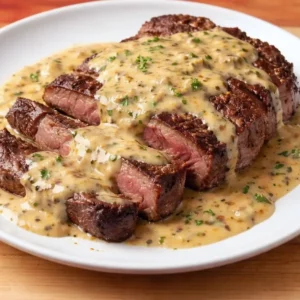
A good Dijon sauce is one of those recipes that feels more impressive than it is difficult. It is a warm, creamy pan sauce built from shallots, stock, cream, and Dijon mustard, with enough sharpness to cut through a rich steak while still feeling smooth and elegant. This version is especially useful when you want a steakhouse-style finish at home for a weekend dinner, a date night, or even a solid weeknight meal with mashed potatoes and a green vegetable.
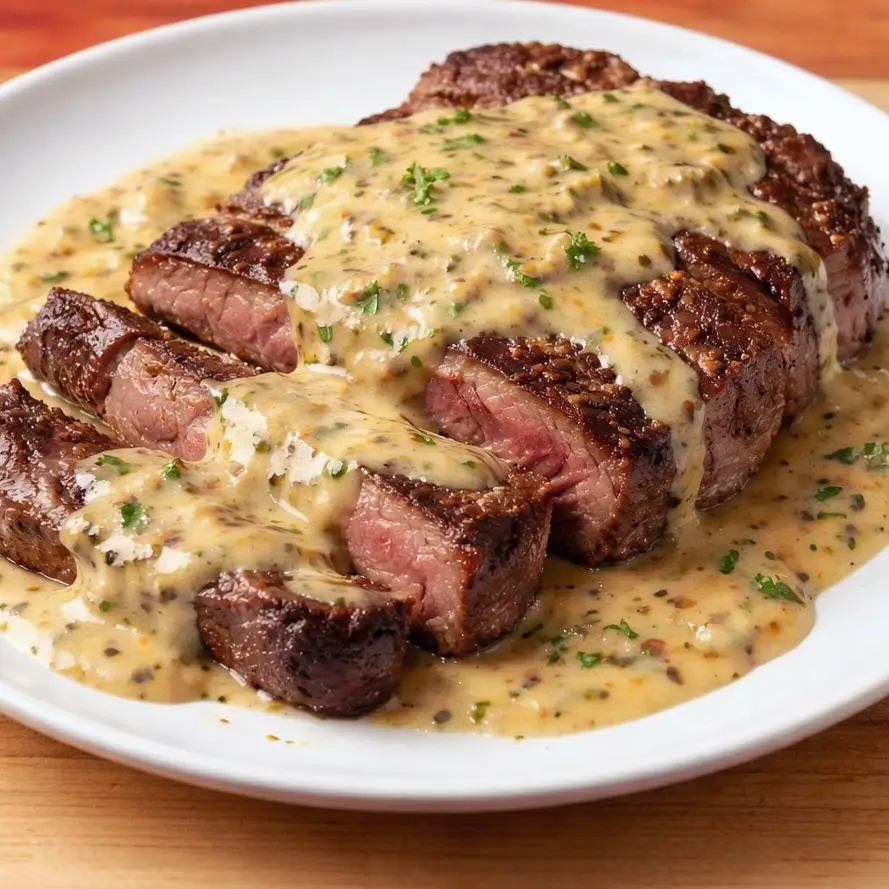
This recipe is based on my YouTube video, with a few adjustments since publication to make the proportions clearer and the method easier to repeat at home. The goal here is not a heavy mustard cream dumped on top of meat, but a balanced French-style Dijon sauce with real depth from pan drippings and reduced stock.
It also fills a different role from some other steak sauces. A blue cheese sauce like this Roquefort sauce for steak is stronger and more assertive. A buttery finish like this steak sauce entrecôte herb butter emulsion is lighter and more herb-forward. A rich pan sauce such as this creamy mushroom sauce for steak leans earthy and deeper. This one sits right in the middle: creamy, mustardy, classic, and very versatile.
What makes this Dijon sauce work
The first thing that matters is the pan. If you cook a steak first, you get rendered fat and browned bits stuck to the bottom. That is flavor you do not want to waste. The second thing is reduced stock. A sauce like this needs body, and that body should come from reduction before you rely on cream. If you already have a batch of neutral brown veal stock, this is exactly the kind of recipe where it shines.
The mustard matters too, but not in the way people sometimes think. Dijon is not there to dominate the sauce. It is there to sharpen it, tighten the flavor, and give the cream some structure. Too little and the sauce tastes flat. Too much and it becomes harsh. The right amount leaves you with a sauce that tastes unmistakably of Dijon without feeling aggressive.
A final small detail makes a big difference: heat control. Once the cream and mustard go in, the sauce should simmer gently, not boil hard. That keeps it glossy and smooth instead of greasy or split.

When to serve it
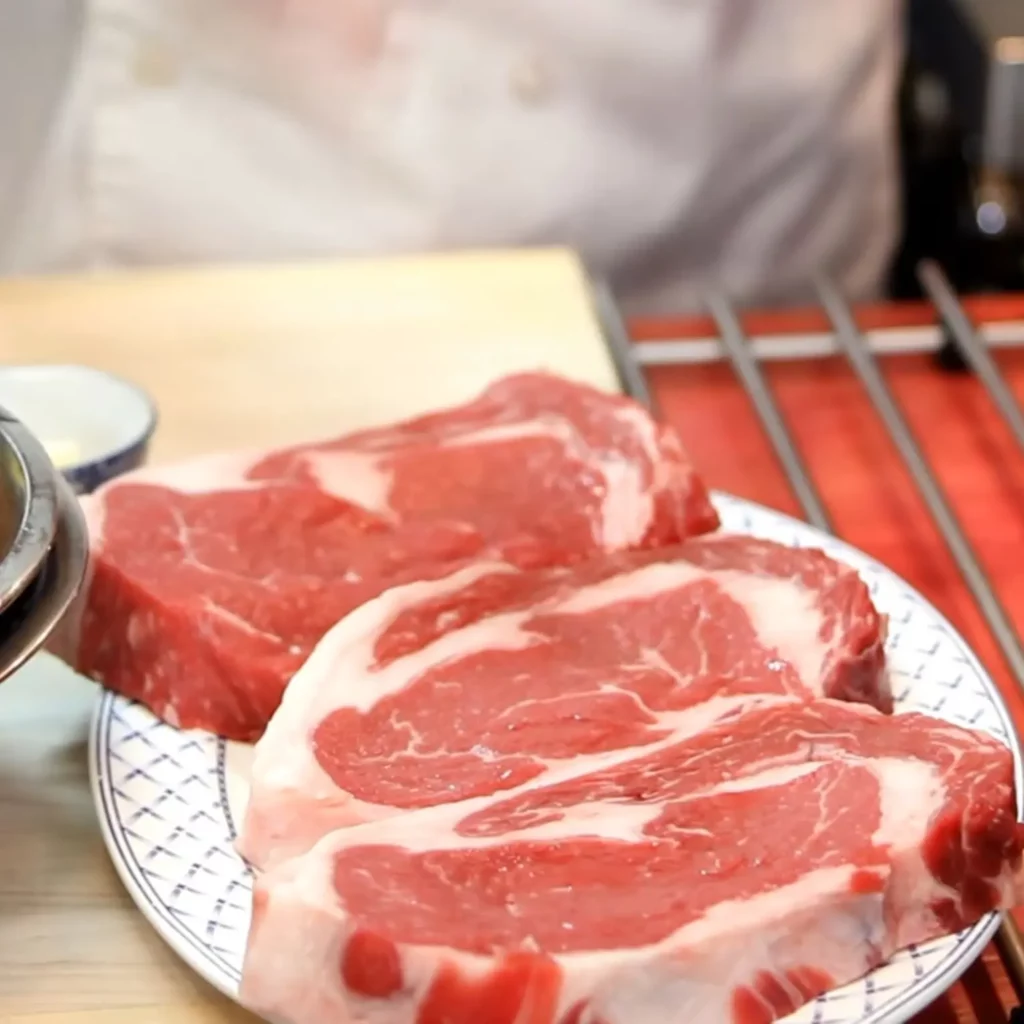
This sauce is best known with steak, and that is still its natural home. It is excellent with ribeye, striploin, hanger steak, bavette, or even a simple pan-seared sirloin. It also works beautifully with pork chops, pork tenderloin, or duck breast. If you like mustard-based mains, there is a similar spirit in this duck breast with Dijon mustard cream and in this comforting easy bacon mustard chicken in cream, but this sauce stays more focused as a stand-alone pan sauce.
For a full steak dinner, I like to pair it with homemade mashed potatoes because the sauce settles into the potatoes perfectly. If you want something more structured and bistro-style, Parisian potatoes are a great choice. For something a little more rustic, Lyonnaise potatoes work well too. On the lighter side, a crisp homemade Caesar salad or a simple homemade Greek salad balances the richness of the sauce.
Ingredients overview
The ingredient list is short, which means each one has to earn its place.
Shallot gives sweetness and that quiet onion note that fits a French pan sauce better than regular onion.
Garlic is optional in some Dijon sauces, but I like a small amount. It should stay in the background and support the mustard rather than compete with it.
Brown veal stock gives body, savoriness, and the restaurant-style finish that makes the sauce feel like more than cream and mustard. If you do not have veal stock, a strong beef stock works, but veal is smoother and more neutral.
Heavy cream rounds everything out and softens the sharper edges of the mustard.
Dijon mustard is the identity of the sauce. Start moderate, then adjust.
Black pepper gives warmth without taking over. Salt depends on the stock and on how salty the steak drippings already are, so season at the end.

Step-by-step method
Start by cooking your steaks in a skillet until they are nearly at your desired doneness. Remove them to rest on a plate. Do not wipe out the pan. What remains in the skillet is the base of the sauce.
If the pan looks almost dry, add a small knob of butter. If there is already a nice layer of beef fat in the pan, you may not need extra butter. Lower the heat to medium and add the minced shallot. Cook it slowly for a minute or two, just until softened. You are not trying to brown it deeply here. The point is to soften the raw bite and let the shallot pick up the beef flavor already in the pan.
Add the garlic and cook only briefly, around 20 to 30 seconds. Garlic burns quickly, and burnt garlic can make the finished sauce bitter.

Now add the stock. As it hits the hot pan, scrape the bottom with a wooden spoon to release all the browned bits. This is the moment where the sauce starts to build real depth. Let the stock simmer and reduce by about one-third. That short reduction concentrates the flavor and gives the final sauce a better texture.
Pour in the cream and stir. Bring it to a gentle simmer and let it reduce until it lightly coats the back of a spoon. The French word often used for this is nappant: not thick like gravy, not thin like broth, but just enough body to cling to the meat.
Once the cream has reduced, whisk in the Dijon mustard. I prefer to add it after the cream has already thickened a little, because the flavor stays brighter. Add black pepper and taste. Only add salt after tasting. Between the stock, the steak drippings, and the mustard, the sauce may already be seasoned enough.
At that point, you have a choice. You can keep the sauce as is and spoon it over the steak, or you can return the rested steaks to the pan for 20 to 30 seconds just to glaze them. I prefer the second option because the meat and sauce come together in a more natural way.

Texture and flavor cues
A good Dijon sauce should be smooth, glossy, and just thick enough to coat a spoon. If it gets too thick, loosen it with a splash of stock or cream. If it stays too thin, it simply needs a little more simmering time.
Flavor-wise, it should taste balanced. The mustard should be noticeable first, but not sharp enough to dominate. The cream should round the edges, and the stock should give the sauce a savory backbone. If the sauce tastes heavy, add a tiny bit more mustard. If it tastes too sharp, add a spoonful of cream.
How this version differs from faster mustard sauces
There are plenty of quick mustard sauces made with just cream and mustard in a saucepan, and those can be fine in a hurry. This recipe is different because it is built like a real pan sauce. It uses steak drippings, reduced stock, and a proper reduction before finishing with mustard. That gives it more depth and makes it better suited for steak than something closer to a quick chicken cutlet sauce.
If you enjoy pan sauces in general, you can also explore the more peppery side with steak au poivre easy recipe or go in a more butter-driven direction with garlic butter sauce for steak. For a creamier, cheese-based path, creamy Roquefort sauce recipe gives a much bolder profile.
Substitutions
If you do not have shallot, use a small amount of finely minced onion, but keep it delicate. Shallot is better here.
If you do not have brown veal stock, use beef stock. Chicken stock can work in a pinch, but the sauce will be lighter and less steakhouse-like.
If you want a slightly lighter result, you can reduce the cream a bit and rely more on stock, but this is still a rich sauce by design. It belongs in the comfort-food category, not the light lunch category.
If you want to skip garlic, you can. The sauce will still be good and a little more classic in profile.
If you want a more old-school bistro edge, a small splash of white wine before the stock can work well, but it is not essential.
What to serve with it
For a full plate, start with steak and one potato side. Homemade mashed potatoes are probably the best all-around choice because they catch every drop of sauce. Parisian potatoes look more elegant for guests, while Lyonnaise potatoes bring extra onion flavor that fits beautifully with mustard.
For vegetables or lighter sides, oven roasted mixed vegetables are simple and reliable. A crisp homemade Greek salad or steak salad with arugula can turn the meal into something more balanced without losing the steakhouse feel.
FAQ
Can I make Dijon sauce without veal stock?
Yes. Beef stock is the best substitute. The flavor will be a little stronger and less refined, but still very good.
Can I make it ahead?
It is best made fresh, but you can prepare it a little ahead and reheat it very gently. Do not boil it hard once the mustard and cream are in.
Can I use it for chicken or pork?
Yes. It is excellent with pork chops, pork tenderloin, and chicken breasts. If you want a mustard sauce built specifically around chicken, creamy mustard chicken mushrooms recipe is another good direction.
Why did my sauce split?
Usually because the heat was too high after adding cream and mustard. Keep the sauce at a gentle simmer and stir regularly.
How much mustard should I use?
Start with 1 tablespoon, then taste. Add more only if the sauce needs it. Different Dijon mustards vary in strength.
Can I freeze it?
Cream sauces are never at their best after freezing. This one is much better made fresh.
Suggested posts
If you want to stay in the same steak-and-sauce world, continue with Roquefort sauce for steak, steak sauce entrecôte herb butter emulsion, creamy mushroom sauce for steak, or steak with bearnaise sauce.
For side dishes, homemade mashed potatoes, Parisian potatoes, and oven roasted mixed vegetables are all natural pairings.
For technique basics that support recipes like this, neutral brown veal stock and beurre manié recipe are useful foundations to keep in the kitchen.
Creamy Dijon Sauce for Steak
Ingredients
- 1 tablespoon butter if needed
- 1 small shallot finely minced
- 1 small garlic clove minced
- 1 cup brown veal stock
- 1/2 cup heavy cream
- 1 to 2 tablespoons Dijon mustard
- Freshly ground black pepper to taste
- Salt to taste
Instructions
- Cook steak in a skillet, then remove it to rest. Keep the pan drippings.
- If the pan is dry, add the butter. Add the shallot and cook over medium heat until softened.
- Add the garlic and cook for 20 to 30 seconds.
- Pour in the veal stock and scrape up the browned bits from the bottom of the pan.
- Simmer until reduced by about one-third.
- Add the heavy cream and simmer gently until the sauce lightly coats the back of a spoon.
- Whisk in 1 tablespoon Dijon mustard, then add more if needed.
- Season with black pepper and salt to taste.
- Spoon over rested steak, or return the steak briefly to the sauce to glaze before serving.
Video
Notes
FAQ
Can I make Dijon sauce without veal stock?
Yes. Beef stock is the best substitute. The flavor will be a little stronger and less refined, but still very good.Can I make it ahead?
It is best made fresh, but you can prepare it a little ahead and reheat it very gently. Do not boil it hard once the mustard and cream are in.Can I use it for chicken or pork?
Yes. It is excellent with pork chops, pork tenderloin, and chicken breasts. If you want a mustard sauce built specifically around chicken, creamy mustard chicken mushrooms recipe is another good direction.Why did my sauce split?
Usually because the heat was too high after adding cream and mustard. Keep the sauce at a gentle simmer and stir regularly.How much mustard should I use?
Start with 1 tablespoon, then taste. Add more only if the sauce needs it. Different Dijon mustards vary in strength.Can I freeze it?
Cream sauces are never at their best after freezing. This one is much better made fresh.🔗 Useful Links
🛒 Michel Dumas Shop : Explore our kitchen essentials, including aprons and knives.
🌐 Linktree : Access all our important links in one place.
📱 YouTube | Instagram | Facebook | TikTok : Follow us for the latest recipes and culinary tips.