How to Cut an Onion Properly: Easy Guide for Better Home Cooking
Cutting an onion properly means preparing it in a clean, even, and practical way so it cooks better in recipes. Onions are used in soups, sauces, pasta dishes, chicken dinners, stews, casseroles, and quick weeknight meals, so learning how to prepare them well makes everyday cooking easier.

A well-cut onion cooks more evenly, gives better flavor, and helps the texture of a dish feel more balanced. I prefer to prepare onions carefully because the size of the cut changes how the onion behaves in the pan: small pieces melt into sauces, medium pieces give texture, and larger pieces work better for roasting, soups, or stews.
Why This Guide Matters
Onions are one of the most common starting points in home cooking. Many recipes begin with onion, garlic, butter, oil, or another aromatic ingredient because they build the first layer of flavor.
When onions are cut evenly, they cook evenly. That matters in recipes like sauces, rice dishes, soups, casseroles, pasta sauces, and chicken dinners. If some pieces are tiny and others are too large, the small pieces may brown too fast while the larger pieces stay firm.
The goal is not to make every onion perfect like a restaurant garnish. The goal is to make the onion match the recipe.
For example:
- A small dice works well for sauces, soups, meat sauces, and rice dishes.
- A medium dice works well for casseroles, skillet dinners, and stews.
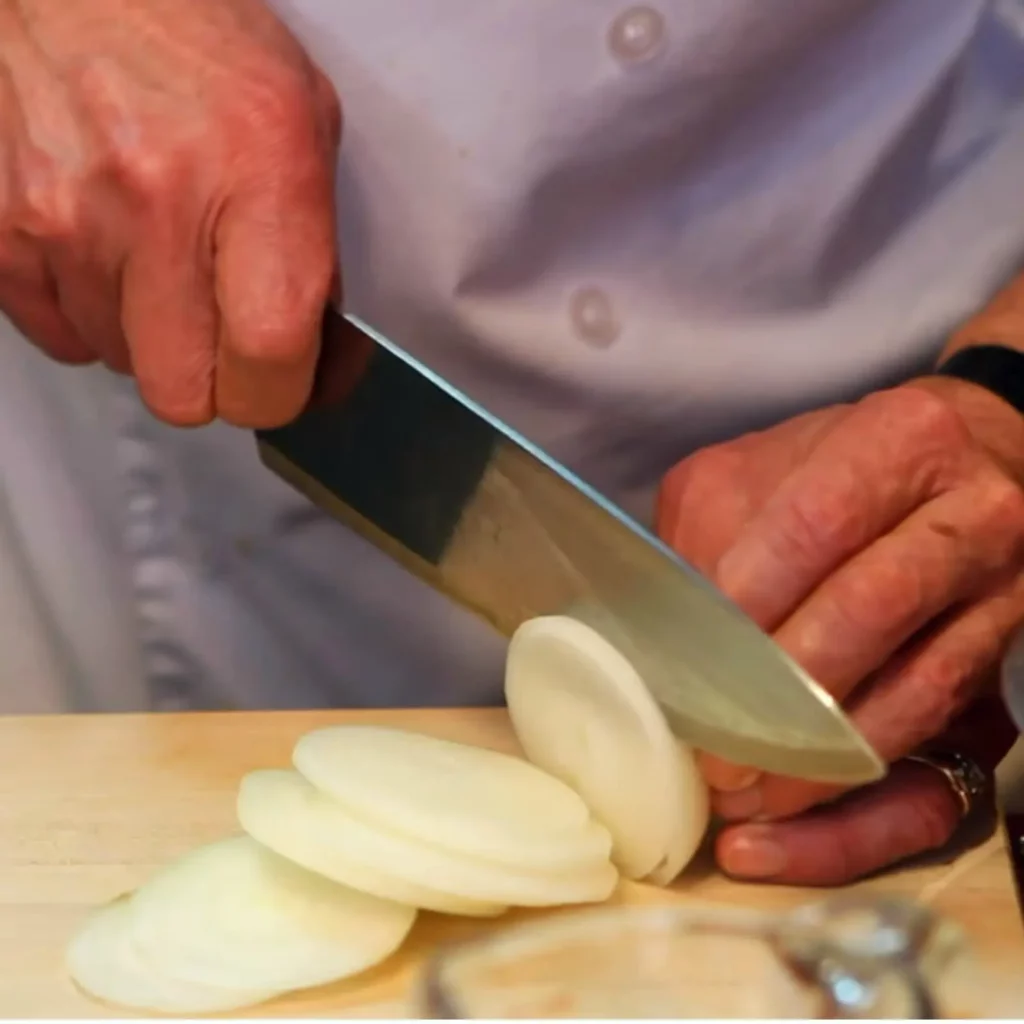
- Thin slices work well for sandwiches, onion toppings, stir-fries, and caramelized onions.
- Larger pieces work well for roasting, broths, and long-cooked dishes.
If you cook often, onion prep becomes one of the most useful basic kitchen skills. It supports everything from homemade tomato sauce with fresh tomatoes to one-pot creamy beef and tomato pasta and easy 30-minute chicken dinners.
Quick Answer
For most home recipes, the best way to prepare an onion is to trim it, peel it, keep the root end intact while possible, cut it into even sections, then choose the size based on the recipe.
Use this quick rule:
- Small dice: sauces, soups, meat sauces, rice, stuffing
- Medium dice: casseroles, skillet meals, stews, chili-style dishes
- Thin slices: sandwiches, toppings, caramelized onions, fajita-style recipes
- Large chunks: roasting, broths, long-cooked dishes
The more delicate the recipe, the smaller and more even the onion pieces should be.
Basic Onion Safety Before You Start
Onion prep is simple, but it should still be done carefully. Work slowly, use a stable cutting board, keep the onion steady, and keep your attention on the task. For younger cooks, kitchen prep should be done with adult supervision.
The safest habit is to avoid rushing. Most kitchen mistakes happen when someone is trying to cut too quickly, hold the ingredient awkwardly, or work on a slippery surface.
For home cooking, the easiest method is to focus on stability first. A flat side on the onion helps it stay in place. An onion that rolls around is harder to control.

Best Onion Cuts for Different Recipes
Different recipes need different onion textures. A sauce does not need the same onion cut as a roasted vegetable tray or a sandwich topping.
| Onion Cut | Best For | Texture After Cooking | Why It Works |
| Fine dice | Sauces, fillings, meat mixtures, rice dishes | Soft and blended | Cooks quickly and disappears into the dish |
| Small dice | Soups, pasta sauce, casseroles, stews | Soft but still noticeable | Good everyday size for most recipes |
| Medium dice | Skillet meals, chili-style dishes, roasted dishes | More visible texture | Holds shape better during cooking |
| Thin slices | Sandwiches, burgers, caramelized onions, stir-fries | Soft strands or crisp raw texture | Good when onion should be seen and felt |
| Large chunks | Roasting, broths, braises, long cooking | Soft and rustic | Adds flavor without disappearing completely |
How to Choose the Right Onion Cut
For Sauces
Use a fine dice or small dice when the onion is meant to melt into the sauce. This works especially well for tomato sauces, cream sauces, meat sauces, and pan sauces.
Small onion pieces cook faster and release flavor more evenly. They are less likely to feel chunky in the final dish.
This is useful in recipes like homemade tomato sauce with fresh tomatoes, spaghetti al pomodoro, and meat cannelloni with homemade tomato sauce, where the onion should support the sauce instead of taking over.
For Pasta Dishes
For pasta, the onion size depends on the sauce.
A smooth tomato sauce usually works better with a fine or small dice. A rustic meat sauce can handle a medium dice. A creamy pasta sauce usually benefits from a smaller cut because the onion should blend into the sauce.
In practice, the result depends on the cooking time. A quick 20-minute pasta sauce needs smaller onion pieces because they soften faster. A longer-simmered sauce can handle slightly larger pieces.
For more pasta ideas, explore pasta recipes for easy weeknight dinners and 30-minute pasta dinners.
For Chicken Recipes
Chicken recipes often use onion as a base for sauce. A small dice works well for creamy chicken, mustard chicken, chicken in tomato sauce, and pan sauces.
If the onion pieces are too large, they may stay firm while the chicken is already cooked. Smaller pieces soften faster and help the sauce feel more balanced.
This technique works well in sauce-based chicken recipes like mustard chicken, chicken supreme with mushroom cream sauce, and creamy pepper chicken with cognac, shallots, and cream.
For Soups and Stews
For soups and stews, use a small or medium dice depending on the texture you want.
A small dice blends into the broth and gives a smoother result. A medium dice gives a more rustic texture and works well in heartier dishes.
The mistake to avoid is cutting the onion much larger than the other vegetables. If the carrots, celery, potatoes, or meat are smaller than the onion, the texture can feel unbalanced.
For Roasting
For roasted dishes, larger onion wedges or chunks are usually better. Small pieces can burn before the rest of the ingredients are ready.
Large onion pieces become sweet and soft as they roast. They work well with potatoes, carrots, chicken pieces, sausages, and sheet pan meals.
If the oven is very hot, keep the onion pieces larger. If the cooking time is short, cut them slightly smaller so they soften in time.
For Raw Onion
Raw onion is stronger than cooked onion. If you are using it in salads, burgers, sandwiches, tacos, or toppings, thinner slices or a very fine dice are usually better.
Thin cuts spread the flavor more evenly. Large raw onion pieces can taste too sharp and overpower the dish.
If the onion tastes too strong, soak the sliced or diced onion in cold water for 10 minutes, then drain it well. This can soften the bite without removing all the onion flavor.
Onion Types and Best Uses
Not every onion tastes the same. Choosing the right onion can make a recipe feel more balanced.
| Onion Type | Flavor | Best Uses |
| Yellow onion | Savory, balanced, slightly sweet when cooked | Soups, sauces, stews, meat dishes, everyday cooking |
| White onion | Sharper and cleaner | Salsas, tacos, raw toppings, quick cooking |
| Red onion | Mild to sharp, colorful | Salads, sandwiches, pickles, grilled dishes |
| Sweet onion | Mild and naturally sweet | Caramelized onions, burgers, roasting, onion rings |
| Shallot | Delicate, mild, slightly sweet | Sauces, vinaigrettes, French-style cooking, pan sauces |
| Green onion | Fresh and mild | Garnishes, stir-fries, salads, soups |
For most everyday recipes, yellow onions are the most versatile. They work in sauces, soups, stews, casseroles, and many chicken or beef dishes.
How Onion Size Changes Flavor
The smaller the onion is cut, the faster it cooks. The faster it cooks, the more quickly it blends into the dish.
A fine dice gives flavor without much texture. A medium dice gives both flavor and bite. Thin slices give a different texture because they soften into strands.
If you want the onion to disappear into a sauce, cut it smaller. If you want the onion to stay visible, cut it larger.
This is why onion prep matters in sauce-heavy recipes. A dish like one-pot creamy beef and tomato pasta benefits from onion that softens into the sauce, while a roasted dish can handle larger pieces.
How to Reduce Onion Tears
Onions can make your eyes water because they release irritating compounds when cut. Some onions are stronger than others, and freshness can make a difference too.
Here are practical ways to reduce tears:
- Chill the onion for 15 to 20 minutes before prepping.
- Work in a ventilated area.
- Avoid crushing the onion.
- Cut slowly and cleanly.
- Use the onion soon after peeling.
- Keep your face slightly away from the onion while working.
A cold onion usually causes fewer tears because the compounds release more slowly. It will not solve the problem completely, but it can help.
Practical Onion Prep Chart
| Recipe Type | Best Onion Cut | Cooking Goal | Extra Tip |
| Tomato sauce | Fine or small dice | Blend into the sauce | Cook gently before adding tomatoes |
| Cream sauce | Fine dice | Soft texture with no big chunks | Avoid browning too much unless desired |
| Soup | Small or medium dice | Build flavor in the broth | Match the size of the other vegetables |
| Stew | Medium dice | Hold some texture | Cook with the base aromatics |
| Pasta sauce | Fine or small dice | Coat pasta evenly | Smaller pieces work better for quick sauces |
| Roasted vegetables | Wedges or large chunks | Sweet roasted flavor | Keep pieces large enough to avoid burning |
| Sandwiches | Thin slices | Crisp raw texture | Soak briefly in cold water if too strong |
| Burgers | Thin slices or small dice | Balanced onion bite | Use red, white, or sweet onions |
| Rice dishes | Small dice | Even flavor throughout | Cook until softened before adding rice |
| Casseroles | Small or medium dice | Soft texture after baking | Pre-cook if the bake time is short |
Common Mistakes to Avoid
Cutting the Onion Too Large for a Quick Recipe
If a recipe cooks quickly, large onion pieces may stay firm. This is especially common in quick pasta sauces, skillet meals, and fast chicken dinners.
For quick recipes, use a fine or small dice.
Using Tiny Onion Pieces for Roasting
Small onion pieces can burn in the oven. For roasted potatoes, sheet pan meals, and long oven cooking, use larger chunks or wedges.
Not Matching the Onion to the Dish
A raw onion topping needs a different cut than a sauce base. A stew needs a different cut than a sandwich. Before cutting, think about how the onion should feel in the final dish.
Cooking Onion Over Heat That Is Too High
Onions need time to soften. If the heat is too high, they may brown too fast before they become tender. For sauces and soups, start with medium or medium-low heat.
Adding Garlic Too Early With the Onion
Garlic cooks faster than onion. If garlic is added at the beginning and cooked too long, it can burn and taste bitter. Add garlic after the onion has started to soften.
Ignoring the Strength of Raw Onion
Raw onion can overpower a dish. Use thin slices, fine dice, or soak it briefly in cold water when you want a milder taste.
Best Dishes to Practice Onion Prep
The best way to improve onion prep is to use onions in real recipes. Start with recipes where onion is part of the flavor base, not just a garnish.
Good recipes to practice with include:
- Tomato sauces
- Pasta sauces
- Chicken in sauce
- One-pot meals
- Soups
- Stews
- Casseroles
- Rice dishes
- Roasted vegetables
For recipe ideas, start with easy 30-minute dinners, pasta recipes, and creamy chicken recipes.
Storage and Make-Ahead Tips
Prepared onion can save time, but it should be stored properly.
| Onion Form | Storage Method | Best Use |
| Whole onion | Cool, dry, dark place | Everyday cooking |
| Peeled onion | Covered container in the refrigerator | Use soon in cooked recipes |
| Chopped onion | Airtight container in the refrigerator | Soups, sauces, stews, casseroles |
| Sliced onion | Airtight container in the refrigerator | Sandwiches, salads, cooking |
| Cooked onion | Airtight container in the refrigerator | Add to sauces, eggs, rice, pasta, or sandwiches |
| Frozen chopped onion | Freezer-safe bag or container | Best for cooked dishes only |
Prepared onion has a strong smell, so use a well-sealed container. Frozen onion works well in soups, sauces, stews, and cooked dishes, but it will not have the same crisp texture as fresh onion.
FAQ
What is the best way to cut an onion for sauce?
For sauce, use a fine or small dice. Smaller onion pieces soften faster and blend better into tomato sauces, cream sauces, meat sauces, and pan sauces.
What onion cut is best for soups?
For most soups, use a small or medium dice. The onion should be close in size to the other vegetables so everything cooks evenly.
How do I cut onion without crying?
Chill the onion before prepping, work in a ventilated area, avoid crushing the onion, and cut slowly. Some onions are stronger than others, so the amount of tearing can vary.
Can I chop onions ahead of time?
Yes. Store chopped onions in an airtight container in the refrigerator and use them soon. They have a strong smell, so keep them well sealed.
Can I freeze chopped onions?
Yes. Frozen chopped onions are useful for cooked dishes like soups, stews, sauces, and casseroles. They are not ideal for raw toppings because the texture softens after freezing.
Which onion is best for everyday cooking?
Yellow onion is the best all-purpose onion for most home cooking. It works well in sauces, soups, stews, casseroles, chicken dishes, and beef recipes.
Why are my onions burning before they soften?
The heat is probably too high or the pieces are too small for the cooking method. Cook onions over medium or medium-low heat when you want them soft and sweet.
Should garlic be cooked at the same time as onion?
Usually, garlic should be added after the onion has started to soften. Garlic cooks faster and can burn if added too early.
Final Thoughts
Learning how to cut an onion properly is one of the most useful basic cooking skills. It affects flavor, texture, cooking time, and how balanced a recipe feels.
For most home recipes, start by asking one question: should the onion disappear into the dish, stay slightly visible, or be a main texture? If it should disappear, cut it small. If it should stay visible, cut it larger. If it will be eaten raw, keep it thin or finely chopped so the flavor is balanced.
Once you understand that, onion prep becomes easier and more practical. It helps with sauces, soups, pasta, chicken dinners, casseroles, rice dishes, and roasted meals.
For more cooking inspiration, explore easy chicken dinner recipes, homemade tomato sauce with fresh tomatoes, and pasta recipes for easy weeknight dinners.
Useful Links
🛒 Michel Dumas Shop : Explore our kitchen essentials, including aprons and kitchen tools.
🌐 Linktree : Access all our important links in one place.
📱 YouTube | Instagram | Facebook | TikTok : Follow us for the latest recipes and culinary tips.