Easy Vegetarian Nasi Goreng with Fried Eggs
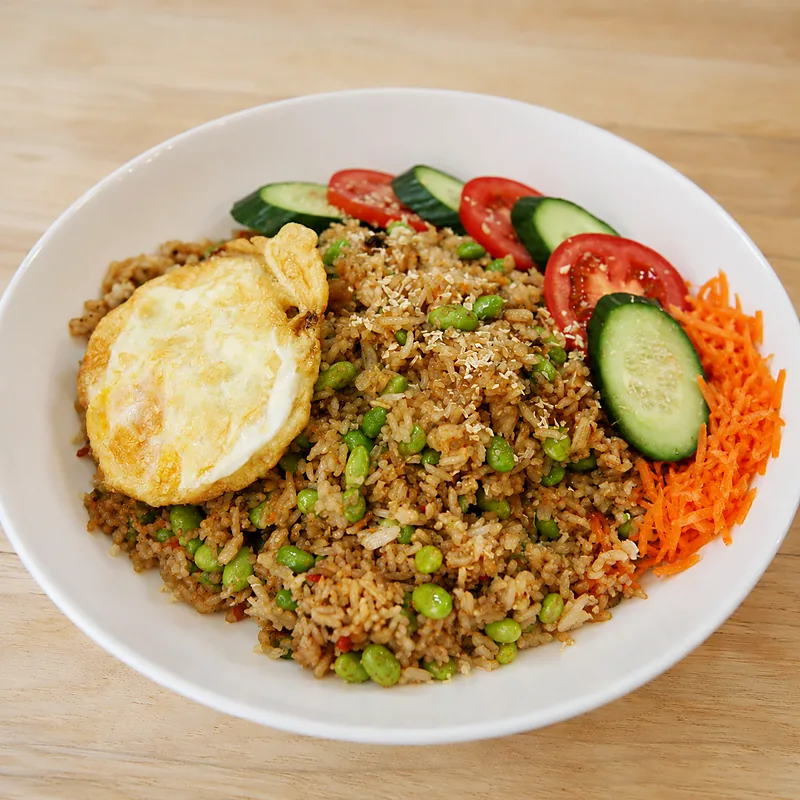
This easy vegetarian nasi goreng turns cold leftover rice into a hot, savoury-sweet dinner with a spicy shallot and chili paste, edamame, fried eggs, cucumber, tomato, and crisp fried onions. The recipe works because the rice hits a very hot pan before the sauces go in, while the mistake to avoid is using warm, damp rice, which steams and clumps instead of frying.
This recipe is based on my YouTube video, with a few adjustments since publication. I reduced the amount of hot pepper to make the heat easier to control, clarified the sauce proportions, and matched the two eggs used in the video with two generous servings.
This is my home-style vegetarian take on Indonesian fried rice. It is darker, sweeter, and spicier than plain fried rice, with hoisin sauce providing the sweet and salty flavour described in the video. It works as a quick weeknight supper, a substantial lunch, or a practical way to use rice left in the refrigerator.
{VIDEO}
What Makes This Nasi Goreng Different
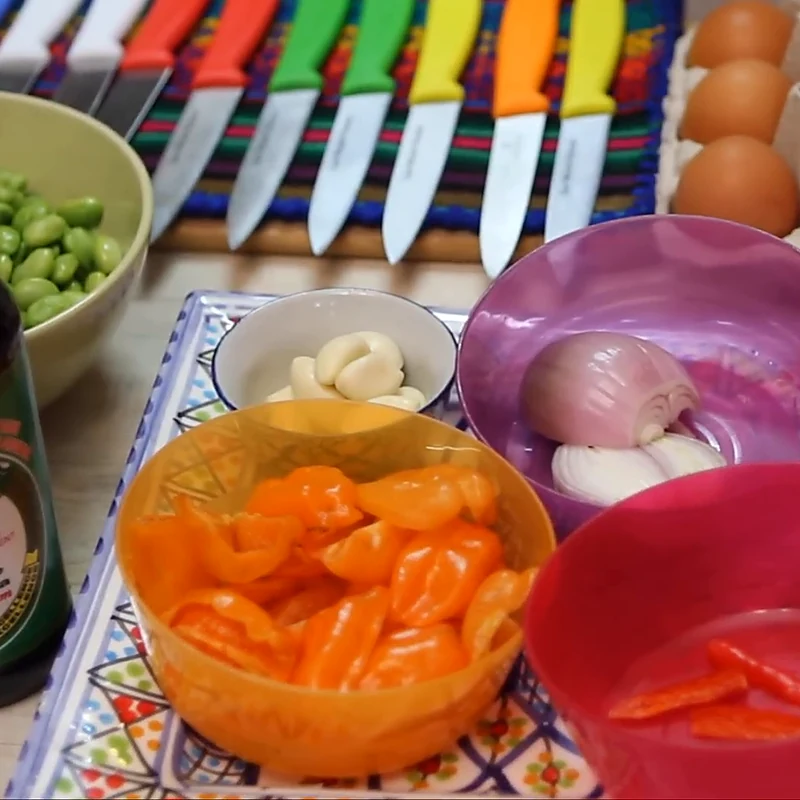
The flavour starts with a fresh paste made from shallots, garlic, habanero, and bird’s-eye chili. Frying that paste before adding the rice is important. Raw shallot and garlic can taste sharp, but after a few minutes in hot oil, the paste becomes fragrant, slightly darker, and much rounder in flavour.
I make it this way because the spicy paste seasons the oil first. Once the rice enters the pan, every grain picks up some of that seasoned oil instead of being coated only with sauce.
This version also uses hoisin sauce rather than relying entirely on soy sauce. Hoisin is thick, sweet, salty, and concentrated, so a modest amount is enough. Adding too much can make the rice sticky and overly sweet.
Unlike my Uncle Roger-style fried rice, this recipe does not depend on meat or a large amount of egg mixed directly into the rice. It is also different from my Cantonese-style fried rice, which has its own seasoning and cooking style. Here, the spicy paste, edamame, hoisin sauce, and fried egg are the main features.
The egg stays on top rather than disappearing into the rice. When the yolk is left slightly runny, it becomes a rich sauce as soon as you break into it. Edamame adds colour, texture, and some protein, making the meal more substantial without adding meat.
Ingredients You Need
Cold cooked rice is the foundation. Long-grain rice works well because the grains separate easily, but the condition of the rice matters more than the variety. It should feel cool and fairly dry, not warm, wet, or sticky. Rice prepared the day before is ideal. If the rice has formed firm clumps in the refrigerator, loosen them gently with your fingers before cooking.
The spicy paste contains shallots, garlic, a small amount of habanero, and one optional bird’s-eye chili. Both peppers can be very hot. The adjusted quantities give the rice noticeable heat without allowing the peppers to overpower everything else. Wear gloves while handling them and avoid touching your eyes.
Shelled edamame provides a firm, slightly creamy bite. Thaw frozen edamame before it enters the wok so it does not cool the pan or release excess water.
For seasoning, use low-sodium soy sauce and hoisin sauce. I prefer low-sodium soy sauce because the hoisin and crispy fried onions already contain salt. Do not add extra salt before tasting the finished rice.
Peanut oil is useful for high-heat cooking and matches the oil used in the video. Canola oil or another neutral cooking oil can be used when peanut oil is unavailable.
The cucumber and tomato are not cooked. Their cool, fresh texture balances the hot rice and peppers. Crisp fried onions are added at the end so they remain crunchy.
Step-by-Step Instructions
1. Prepare the Rice, Vegetables, and Garnishes
Break apart the cold rice before heating the pan. Once cooking begins, everything moves quickly, so slice the cucumber, cut the tomato into wedges, thaw the edamame, and measure both sauces in advance.
The grains should be loose enough to scatter into the pan. Do not mash hard clumps with the spatula once the rice is cooking, since that can crush the grains and create a pasty texture.
2. Make the Spicy Shallot Paste
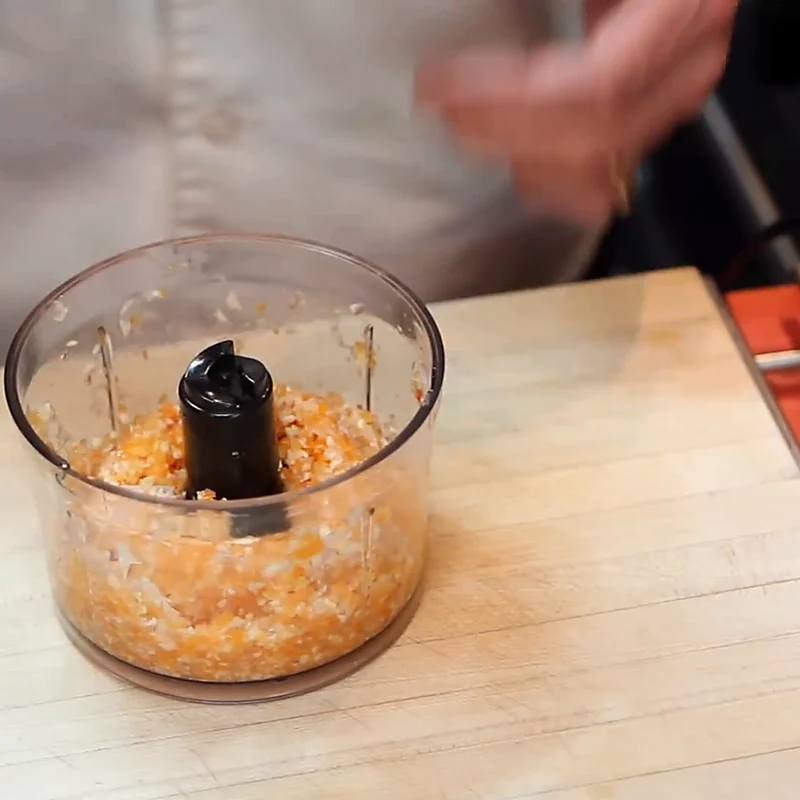
Place the shallots, garlic, habanero, and bird’s-eye chili in a small food processor. Process until the ingredients form a coarse, moist paste.
Avoid adding water unless the processor cannot move the ingredients. Water makes the paste splatter and delays browning. A teaspoon of the measured peanut oil is a better choice when the mixture needs help catching the blade.
The paste does not need to become completely smooth. Small pieces of shallot are fine, but there should not be any large chunks of garlic or pepper.
3. Fry the Eggs
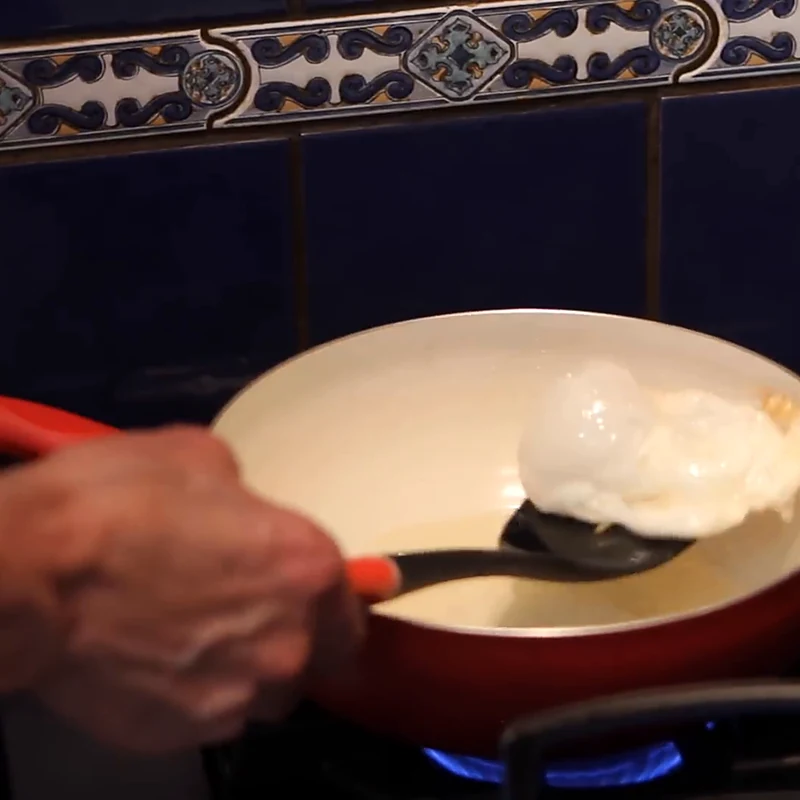
Heat a large wok or 12-inch skillet over medium-high heat. Add about 1 tablespoon of peanut oil, then crack in the eggs.
Cook until the whites are completely set and the edges begin to turn golden. The yolks may remain soft, or they can be cooked longer according to preference. Transfer the eggs to a plate and keep them nearby.
What I look for here is a lightly crisp edge without a tough, rubbery white. The eggs will sit on the hot rice at the end, so they do not need to remain in the pan.
4. Fry the Chili Paste and Edamame
Return the pan to high heat and add another tablespoon of oil. Add the shallot and chili paste carefully, since the moisture may cause the oil to spit.
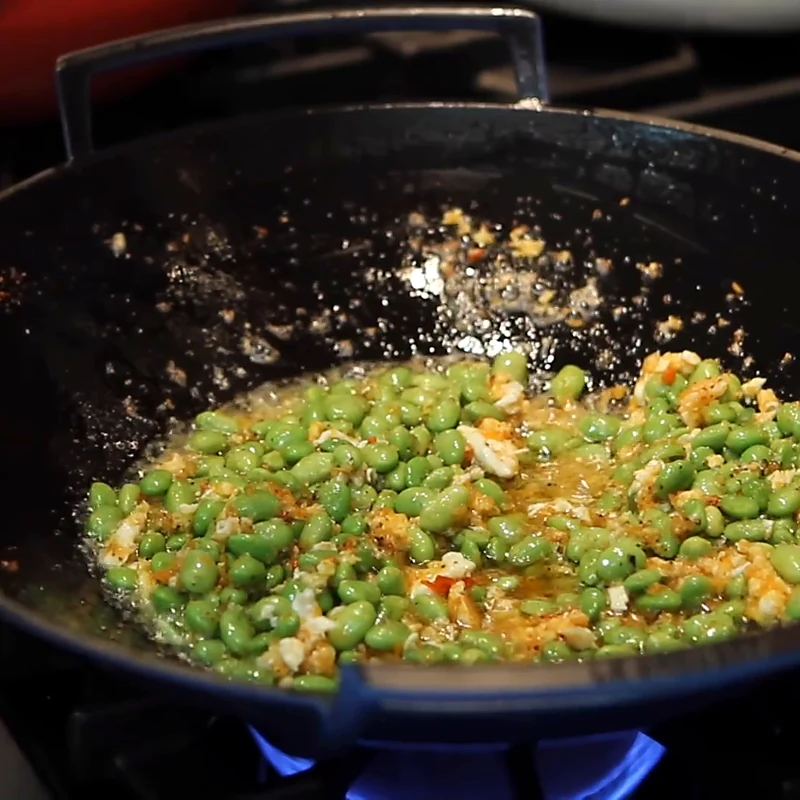
Stir the paste frequently for 3 to 5 minutes. At first, it will smell raw and sharp. As it cooks, the moisture evaporates, the sizzling becomes less aggressive, and the paste takes on a light golden colour.
Do not rush this stage. Adding the rice while the shallots and garlic still smell raw leaves the entire dish with a harsh flavour.
Add the thawed edamame and cook for about 1 minute, just until hot and glossy. It should remain bright green and firm.
5. Fry the Rice Before Adding the Sauces
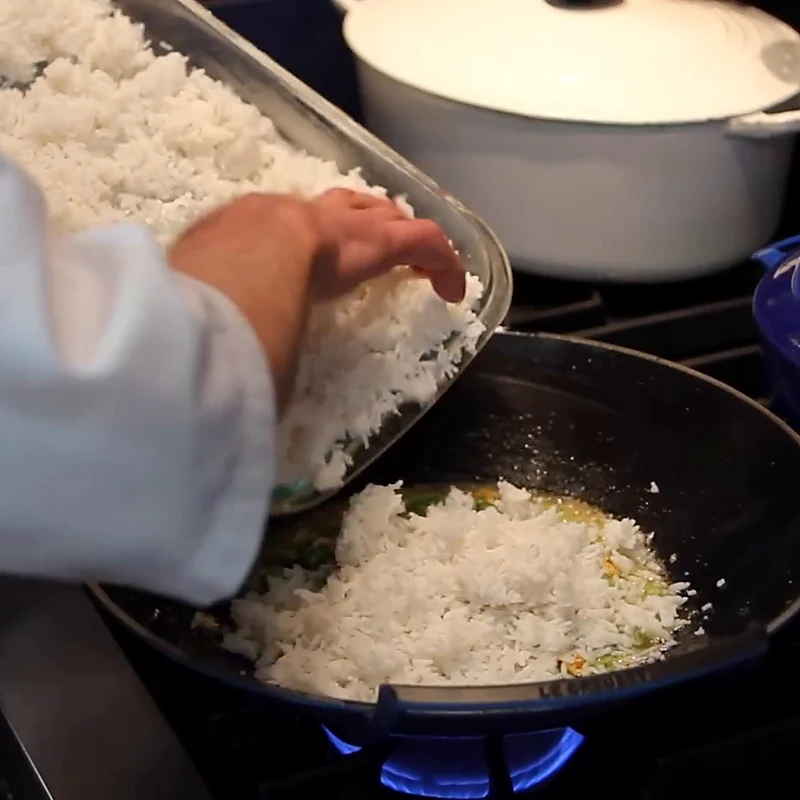
Add the cold rice to the hot pan. Spread it across the cooking surface, then toss it with the paste and edamame. Fry for about 2 minutes before adding any sauce.
This brief dry-frying period is one of the most important adjustments. The grains warm up, lose surface moisture, and begin absorbing the seasoned oil. You should hear steady sizzling. If the pan goes quiet and releases clouds of steam, it is overcrowded or not hot enough.
A smaller skillet may require cooking the rice in two batches. The mistake to avoid is forcing too much cold rice into a pan that cannot recover its heat.
6. Season and Finish the Rice
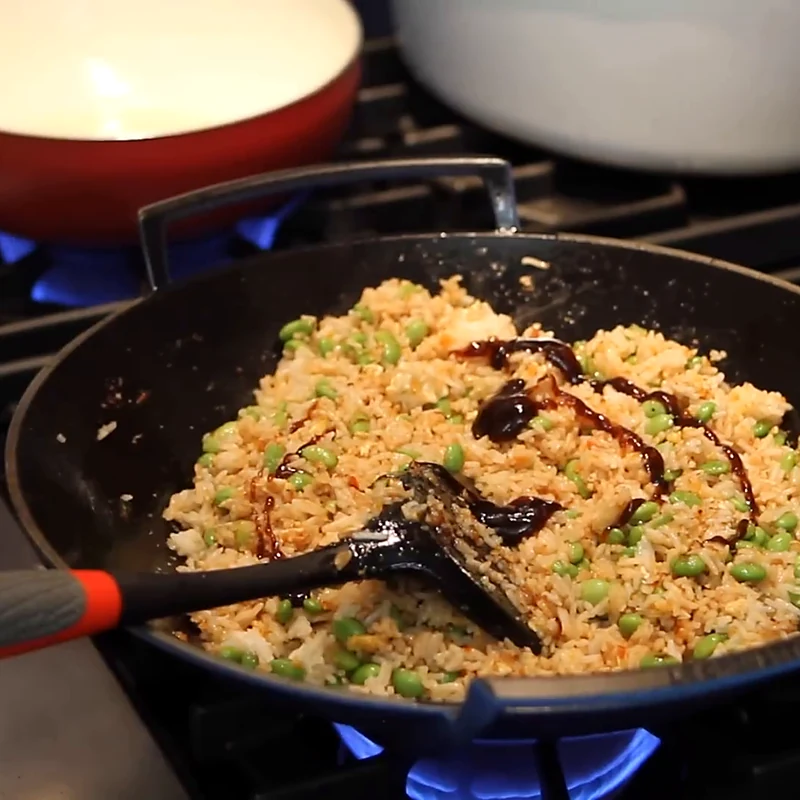
Pour the low-sodium soy sauce around the hot edge of the pan rather than directly onto one spot in the rice. Add the hoisin sauce and toss continuously until the colour is even.
Continue frying for 2 to 3 minutes. The finished grains should be hot, separate, and lightly glossy, with no puddle of sauce at the bottom. If the rice looks wet, keep tossing it over high heat for another minute.
Taste before adding anything else. Hoisin, soy sauce, and fried onions provide plenty of seasoning, so additional salt is usually unnecessary.
7. Plate the Nasi Goreng
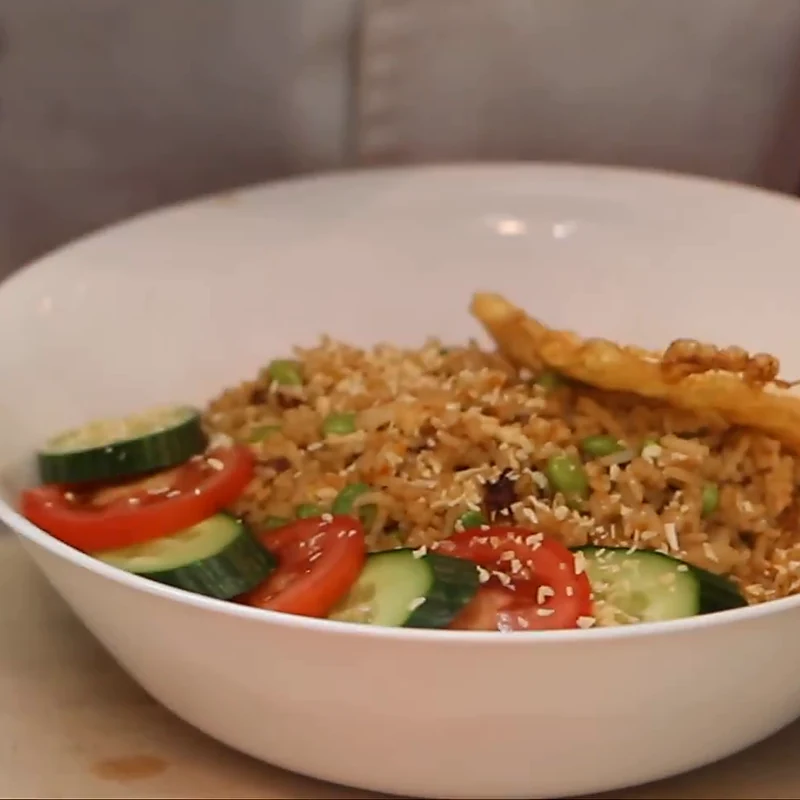
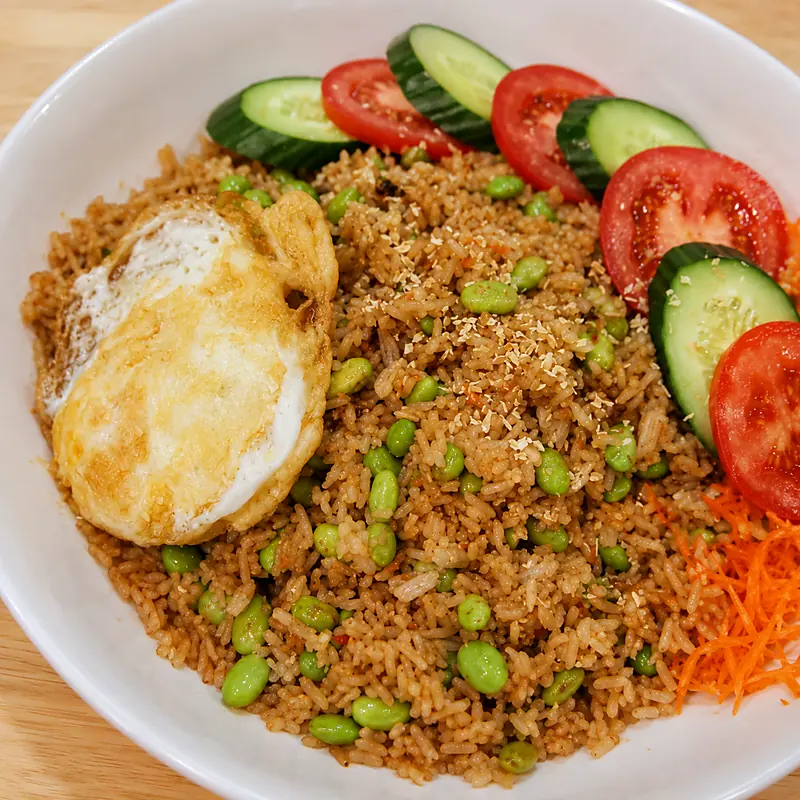
Divide the hot rice between two bowls or plates. Place one fried egg over each serving, then arrange cucumber slices and tomato wedges alongside the rice.
Finish with crispy fried onions. Serve immediately while the rice is sizzling hot, the vegetables are cool, and the onions are still crisp.
Chef’s Cues for Better Fried Rice
Cold rice should separate when pressed between your fingers. Rice that feels damp or gummy will not suddenly become dry in the wok. Spread freshly cooked rice on a wide tray and cool it completely before attempting to fry it.
The shallot paste is ready when its raw smell has disappeared and small traces of oil begin appearing around it. Colour is useful, but aroma is the better guide. Burned garlic becomes bitter very quickly, so stir continuously once the paste begins to darken.
Add liquid seasoning late. This allows the rice to fry first and prevents the soy and hoisin sauces from immediately lowering the pan temperature.
For another way to handle leftover rice, my homemade chicken fried rice uses a different combination of protein and vegetables. When starting with uncooked rice instead, this fluffy stovetop rice pilaf explains how to produce separate grains from the beginning.
Substitutions
For a milder plate, omit the bird’s-eye chili and use only a small piece of seeded habanero. For very mild fried rice, replace both hot peppers with a small amount of jalapeño. The flavour will be less intense, but the shallot and garlic paste will still season the rice.
Kecap manis can replace the hoisin sauce when available. It is a sweet Indonesian soy sauce and may be saltier than hoisin, so reduce the regular soy sauce slightly and adjust only after tasting. Green peas can replace edamame, although they are softer and sweeter. Peanut oil can be replaced with canola, sunflower, or another neutral oil suitable for high heat.
To make the dish vegan, omit the fried eggs. Add a little more edamame if a more substantial serving is needed.
FAQ
Can I Make Nasi Goreng with Freshly Cooked Rice?
Yes, but the rice must be cooled first. Spread it in a thin layer on a tray and allow the steam to escape. Refrigerating the tray briefly helps firm the grains. Do not place steaming rice directly into the wok.
How Spicy Is This Recipe?
With both the habanero and bird’s-eye chili, the rice is noticeably hot. Pepper strength varies, so use less when uncertain. It is easier to add hot sauce at the table than to remove too much pepper from the finished dish.
Why Is My Fried Rice Soft or Sticky?
The most common causes are warm rice, excess sauce, an overcrowded pan, or insufficient heat. Use cold rice, measure the sauces, and fry in batches when necessary.
Can I Mix the Eggs into the Rice?
Yes. Scramble the eggs in the wok, reserve them, and fold them back into the rice near the end. The fried-egg topping follows the presentation in this version and gives each serving its own yolk.
Is This a Traditional Indonesian Nasi Goreng?
This is a Chef Dumas home-style vegetarian version based on the YouTube recipe. The spicy shallot paste and sweet-salty seasoning follow the character of nasi goreng, while the hoisin sauce, edamame, and presentation reflect this particular version.
How Should Leftovers Be Reheated?
Cool leftovers promptly and keep the cucumber, tomato, and fried onions separate. Reheat the rice in a hot skillet until it is steaming throughout, then add fresh garnishes after heating.
What to Serve With and Suggested Posts
This rice already includes eggs and edamame, so it can stand on its own. A fresh vegetable side is useful when serving it as part of a larger meal.
For more fried-rice variations, try my homemade beef fried rice or compare the seasoning with a classic chicken fried rice.
A plate of fast beef and broccoli with rice uses many of the same weeknight cooking principles but produces a saucier meal. The same high-heat approach also appears in these shrimp stir-fried noodles and this chicken and broccoli stir-fry.
For something cool beside the spicy rice, serve a chickpea, cucumber, and tomato salad or an Asian-style pasta salad. A tray of oven-roasted mixed vegetables is another practical side when feeding a larger group.
Easy Vegetarian Nasi Goreng with Fried Eggs
Ingredients
- 2 1/2 cups cold cooked long-grain rice
- 2 medium shallots roughly chopped
- 2 garlic cloves
- 1/4 small habanero seeded
- 1 bird’s-eye chili optional
- 3/4 cup shelled edamame thawed
- 1 tablespoon low-sodium soy sauce
- 1 1/2 tablespoons hoisin sauce
- 2 1/2 tablespoons peanut oil divided
- 2 large eggs
- 1/2 small cucumber sliced
- 1 medium tomato cut into wedges
- 2 tablespoons crispy fried onions
Instructions
- Break apart the cold rice, thaw the edamame, prepare the vegetables, and measure the sauces.
- Process the shallots, garlic, habanero, and bird’s-eye chili into a coarse paste.
- Heat 1 tablespoon oil in a large wok or skillet and fry the eggs until the whites are set. Reserve.
- Add 1 tablespoon oil and fry the chili paste for 3 to 5 minutes, until fragrant and lightly golden.
- Add the edamame and stir-fry for 1 minute.
- Add the cold rice and fry over high heat for 2 minutes before adding the sauces.
- Add the soy sauce and hoisin sauce, then toss for 2 to 3 minutes until the grains are hot, separate, and evenly seasoned.
- Divide between two plates and top with the fried eggs, cucumber, tomato, and crispy fried onions.