Easy Chicken Basquaise with Peppers and Rice
Chicken Basquaise is a French Basque-style chicken dish cooked with peppers, onions, garlic, tomato, and a little gentle heat. What makes it different from a creamy chicken dinner or a grilled chicken recipe is the sauce: it is bright, peppery, lightly tomato-based, and built from slowly softened vegetables. I make it when I want a colorful chicken dinner that still feels hearty enough for cooler weather, but not heavy like a cream sauce.
This recipe is based on my YouTube video, with a few adjustments since publication to make the proportions easier to reproduce at home. In the video, the spirit of the dish is simple: lots of color, properly browned chicken, and peppers that cook down into the sauce instead of staying raw and crunchy. The adjustment I make here is adding a clear amount of tomato and chicken stock, because the mistake to avoid is drowning the chicken in liquid and ending up with something watery.
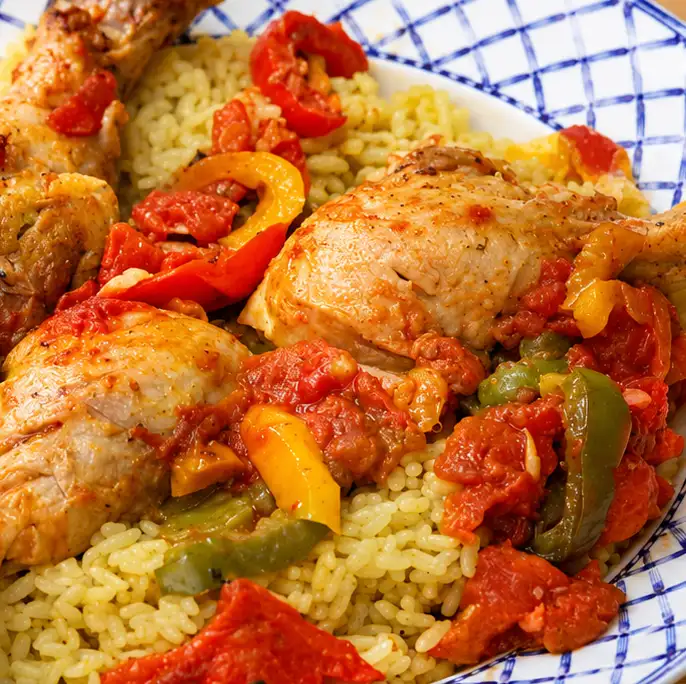
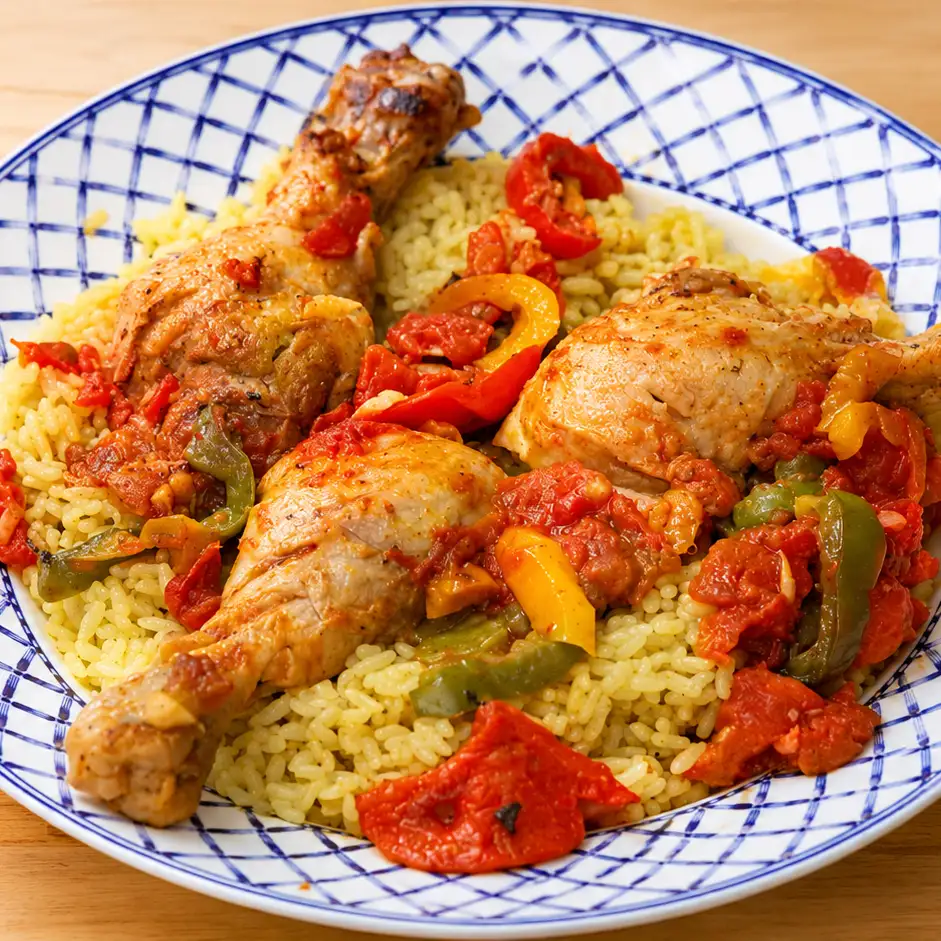
What I look for here is a pan that smells sweet from the peppers, a sauce that lightly coats the spoon, and chicken that is cooked through without being boiled to death. The vegetables should soften and collapse a little, but you should still see the red, yellow, orange, and green in the pan. That is the whole charm of this dish.
If you want to understand why the cut of chicken matters, my practical guide to chicken cuts is useful before starting. Thighs and drumsticks are the most forgiving here, while breast pieces need a little more attention.
Why I Make It This Way
I prefer to brown the chicken first because the sauce tastes better when the peppers and onions cook in the same pan. Those browned bits stuck to the bottom are not a problem. They are the start of the sauce.
I also prefer to use tomato, but not too much. This is not a heavy tomato stew. The tomato should support the peppers, not hide them. A small amount of chicken stock keeps the sauce loose enough to simmer, then the uncovered cooking at the end tightens everything back up.
In my YouTube video, the dish is all about color, so I keep the same idea here with four peppers. You can make it with only red peppers, but the mix gives a nicer flavor: red and orange are sweet, green is sharper, and yellow sits somewhere in the middle.
This version is different from a fast air fryer chicken dinner, a creamy skillet chicken, or a grilled summer chicken recipe. It is more of a saucy stovetop chicken dish with vegetables, closer to a traditional comfort meal. For a creamier chicken dinner, something like Dijon cream chicken thighs goes in a completely different direction. For a drier, roasted-style dinner, sheet pan chicken and potatoes is a better fit.
Ingredients You Need
Use a whole chicken cut into pieces, or use bone-in thighs and drumsticks. Bone-in chicken gives the sauce more depth and stays juicy during the simmer. If you use boneless chicken breasts, reduce the cooking time and watch the temperature closely.
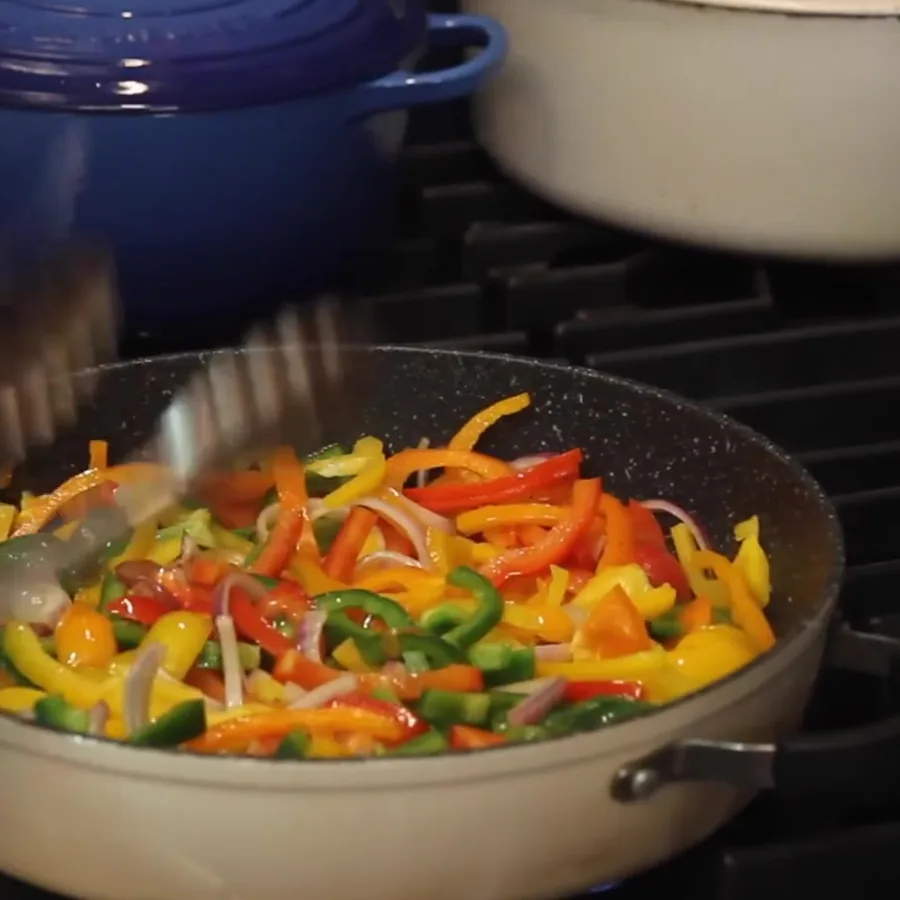
The peppers are the heart of the dish. Four bell peppers may look like a lot when they are raw, but they shrink in the pan. At first the skillet looks crowded. After 10 minutes, they soften, release moisture, and start to smell sweet.
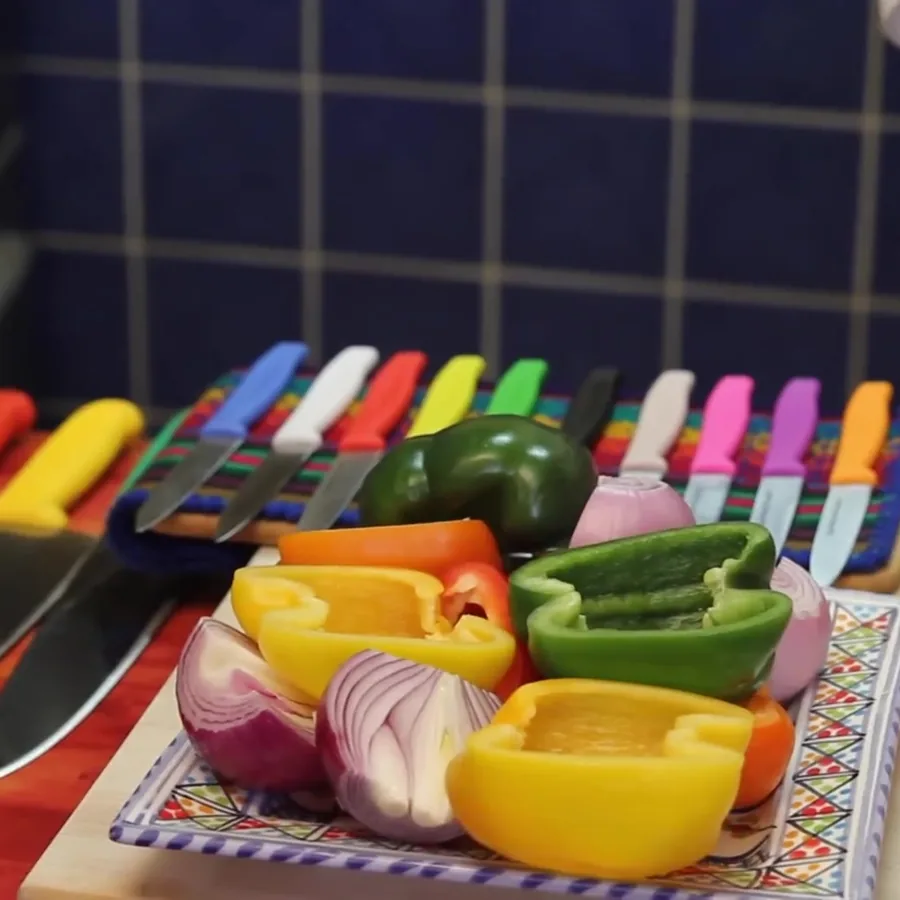
The onion and garlic are simple, but important. If you want cleaner knife work, read my guide on how to cut an onion properly and my tips for mincing garlic without burning it. Garlic burns quickly if the pan is too hot, so I add it after the peppers have already started to soften.
For the liquid, I use crushed tomatoes and a modest amount of chicken stock. Homemade stock is excellent here, and homemade chicken bouillon cubes work well when you want a quick base with good flavor.
Piment d’Espelette is the classic choice. If you cannot find it in Canada or the USA, use sweet paprika with a small pinch of chili flakes. It will not be exactly the same, but it keeps the warm pepper note without making the dish aggressively spicy.
Step-by-Step Instructions
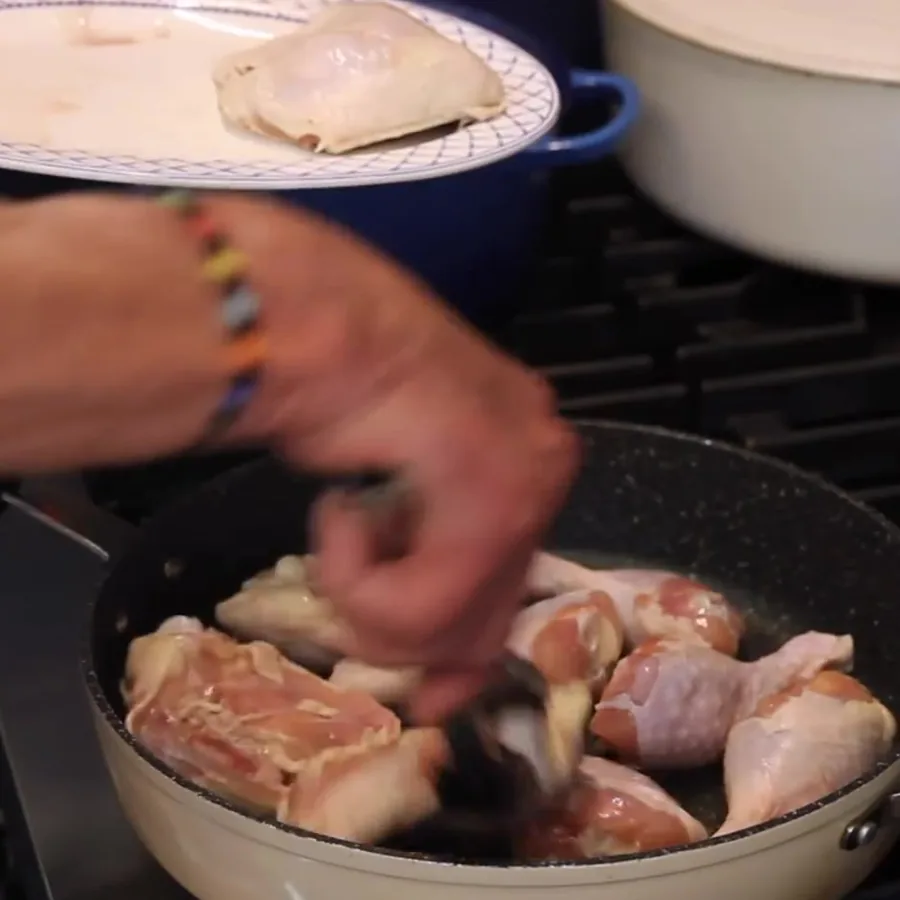
Start by seasoning the chicken with salt and pepper. Heat a large Dutch oven, braiser, or deep skillet over medium-high heat. Add olive oil or duck fat. When the fat is hot and shimmering, add the chicken skin-side down if using skin-on pieces.
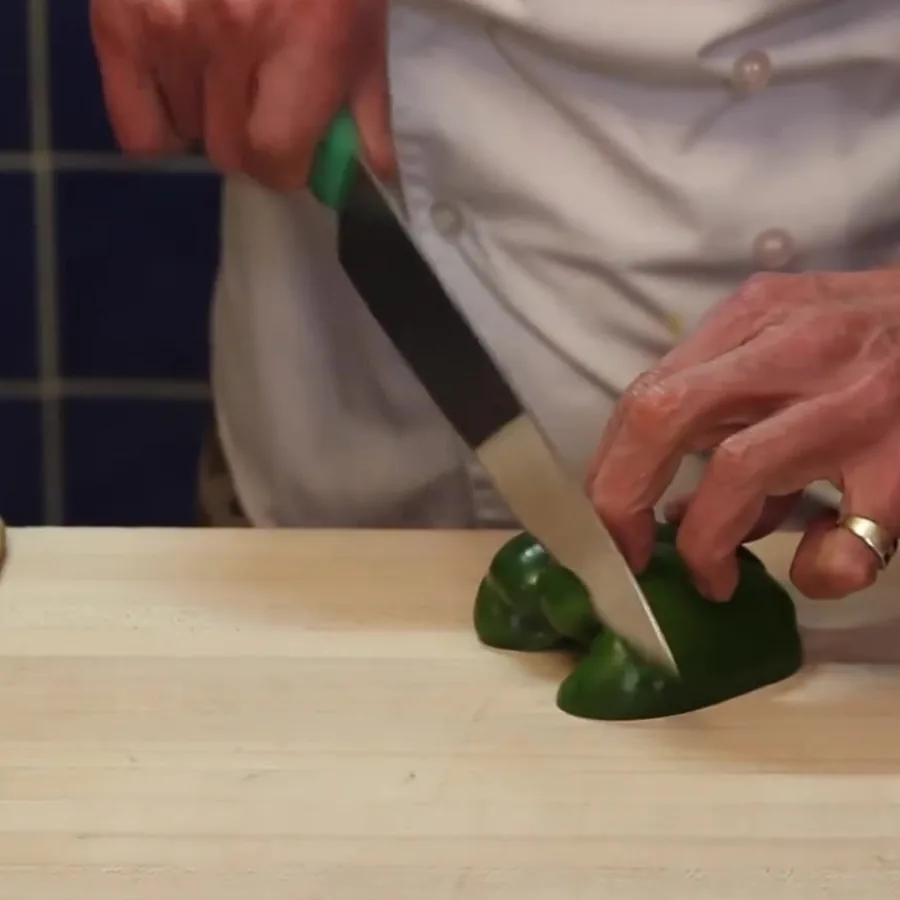
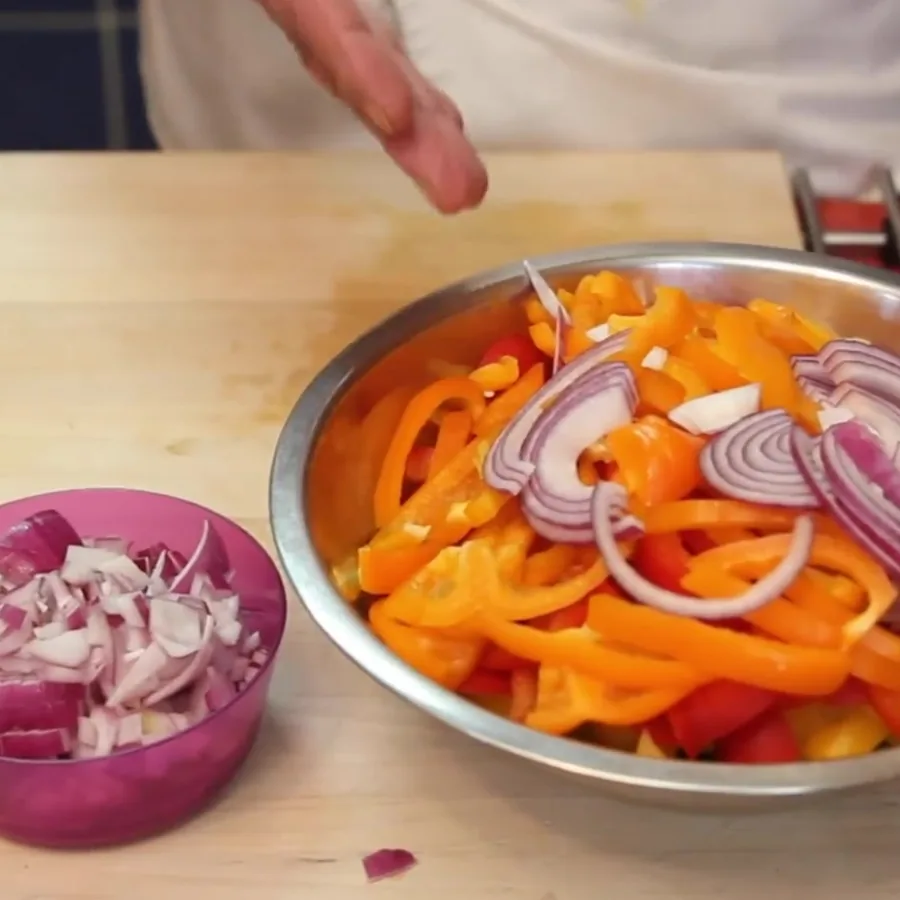
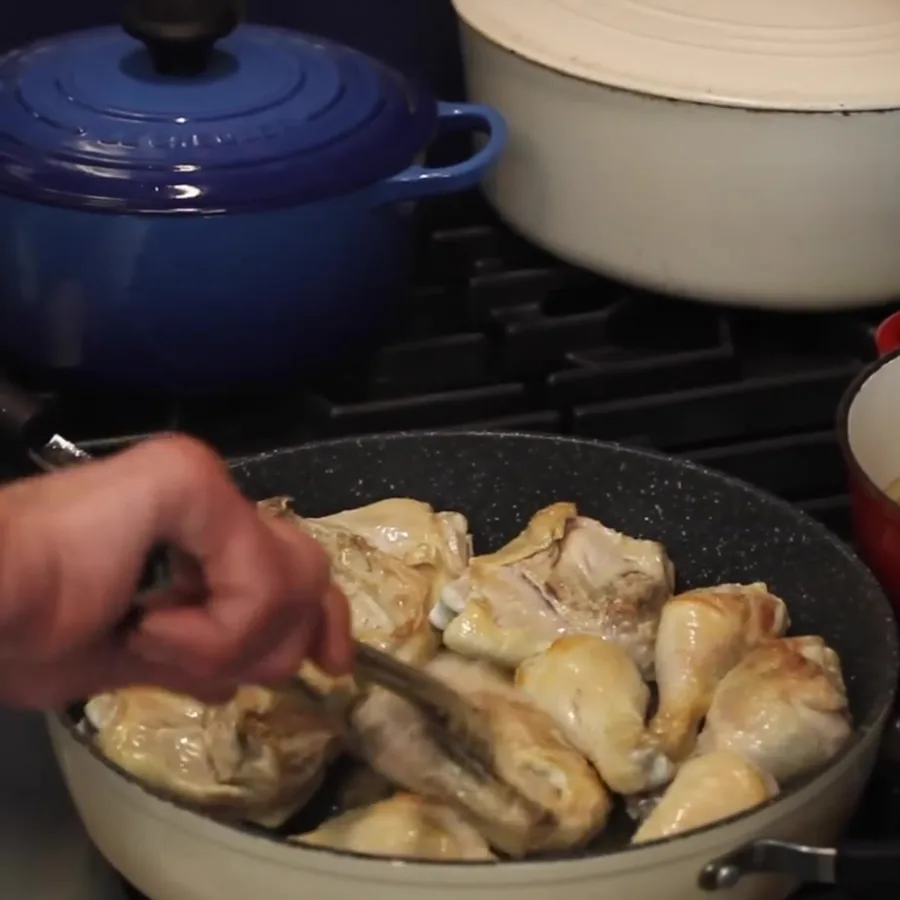
Do not move the chicken too quickly. Let it brown. You should hear a steady sizzle, not a violent splatter and not silence. If the pan is quiet, the heat is too low. If the bottom is smoking hard, lower it a little. Brown the chicken in batches if needed, then remove it to a plate.
Add the sliced onions and peppers to the same pan. The pan will look full, but that is normal. Stir well and scrape the bottom. If the browned bits are sticking, add a small splash of stock and scrape with a wooden spoon. This is the same basic idea as deglazing a pan, and it gives the sauce much better flavor.
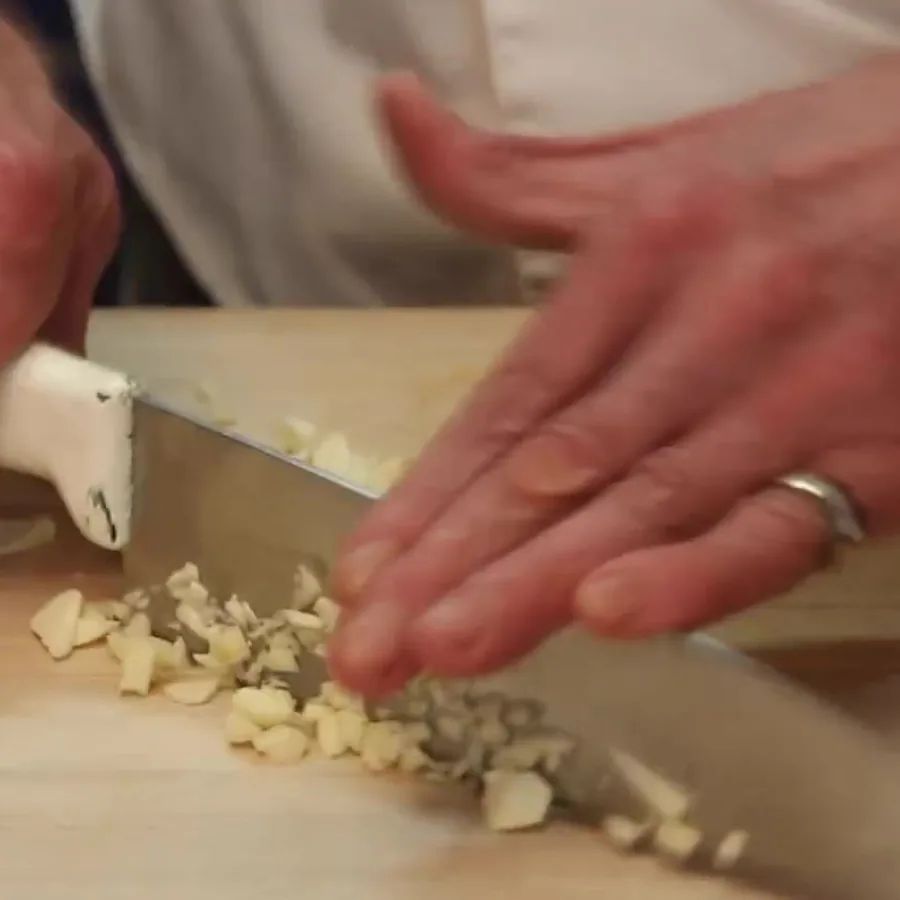
Cook the vegetables for 8 to 10 minutes. At this point, they should look softer and glossy. The onions should not be raw and stiff anymore. Add the garlic and piment d’Espelette, then stir for about 1 minute. You should smell the garlic right away, but it should not brown too much.
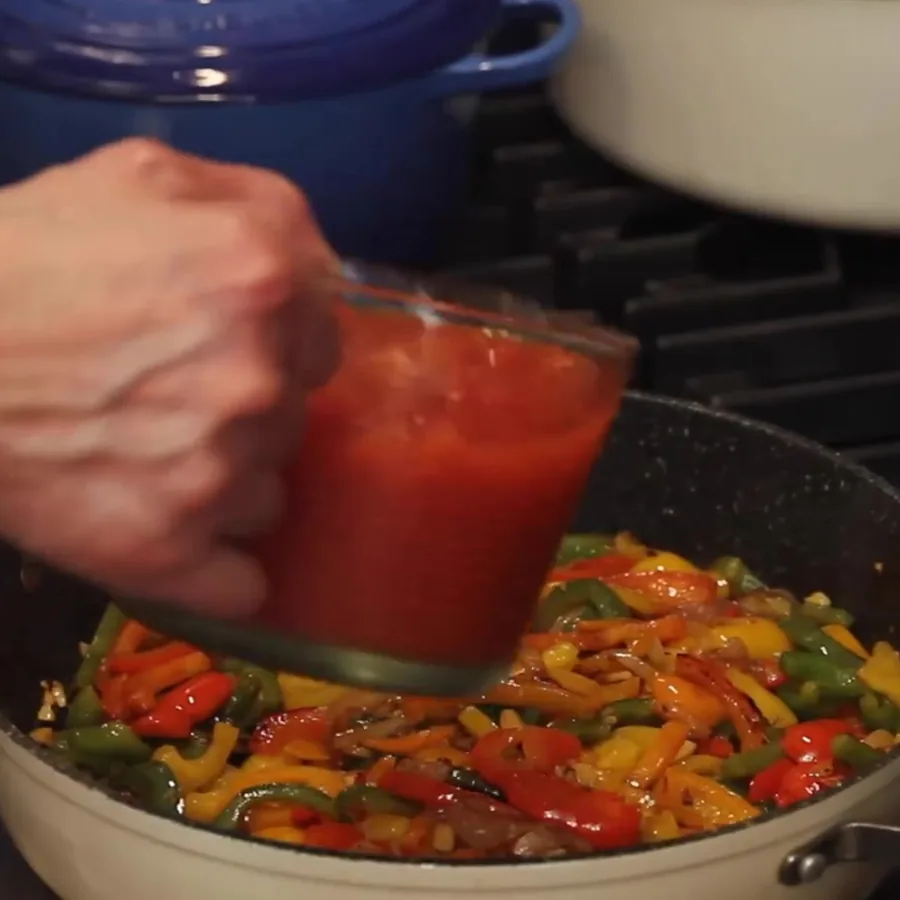
Pour in the crushed tomatoes and chicken stock. Stir, then return the chicken and any juices from the plate to the pan. The sauce should come partway up the chicken, not cover it completely. If the pieces are swimming, there is too much liquid.
Cover and simmer gently for about 35 to 40 minutes. The sauce should bubble slowly around the edges. A hard boil can make the chicken tough and break the vegetables down too much.
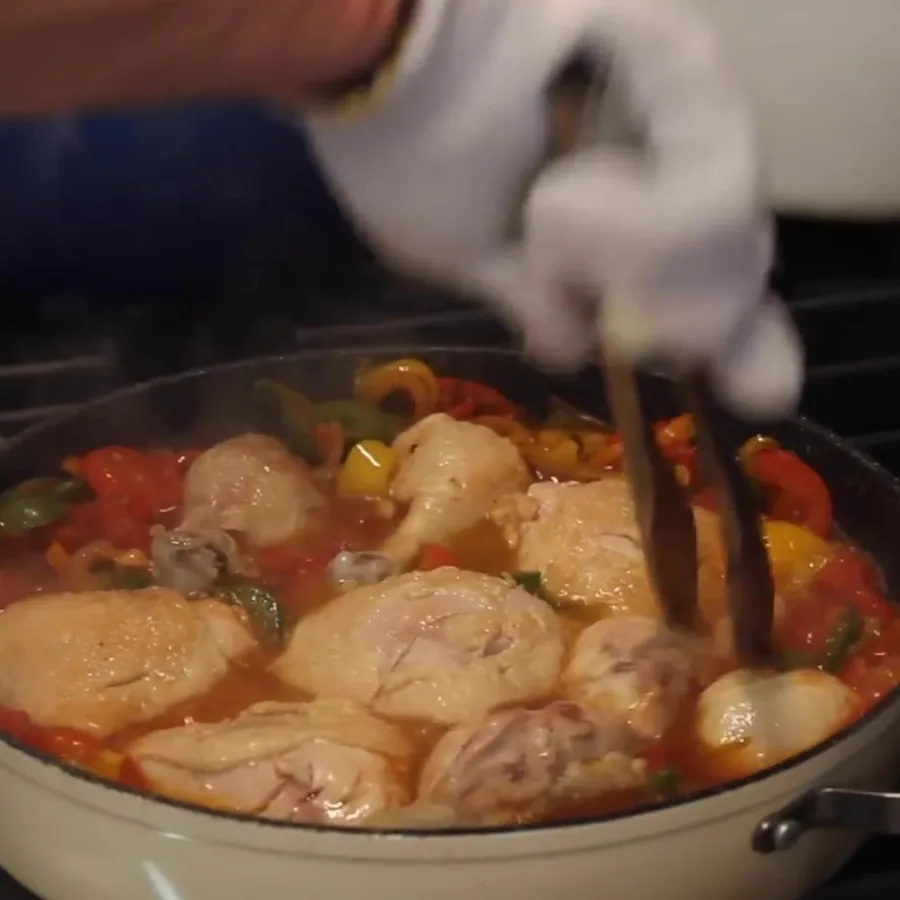
Remove the lid and cook another 15 to 20 minutes, until the sauce reduces. You know it is ready when the spoon leaves a light trail through the peppers and tomato. If the sauce is still thin, keep simmering uncovered. For more help with sauce texture, my guide on how to thicken a sauce explains the same logic in more detail.
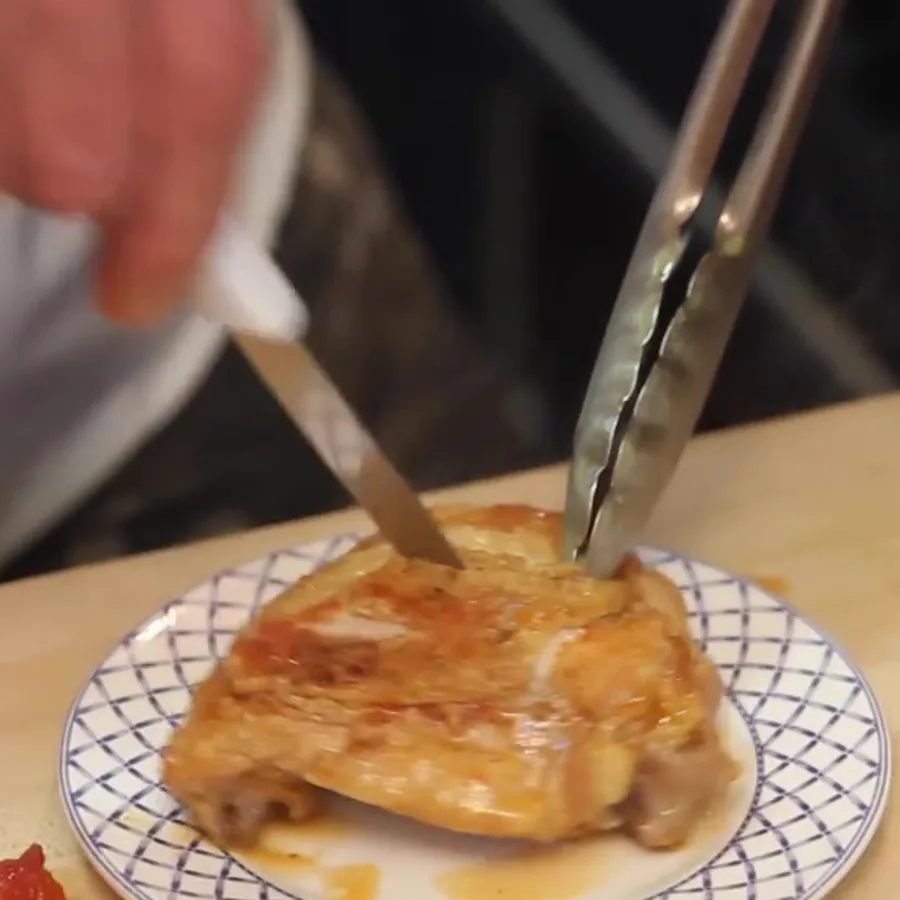
Check the chicken before serving. The safest method is to use a thermometer and follow a proper chicken internal temperature guide. The thickest part should reach 165°F.
The Rice Pilaf
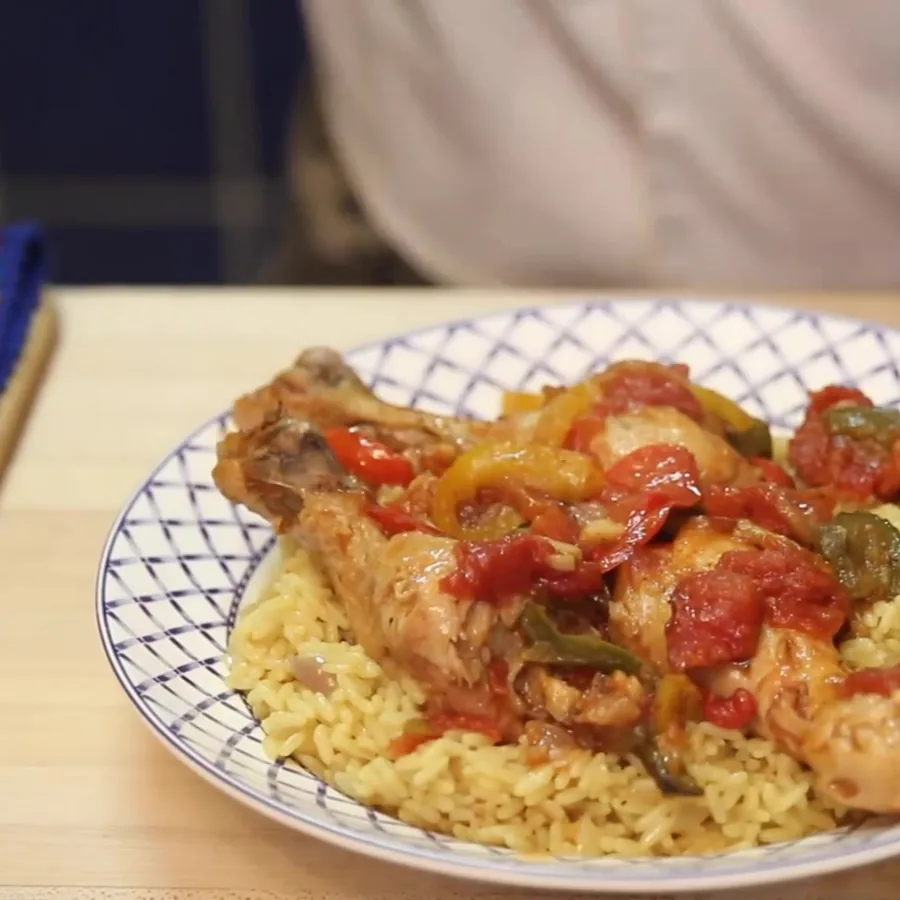
In the video, I serve the chicken with rice pilaf, and it makes sense. The sauce is generous, and rice catches it better than plain bread alone.
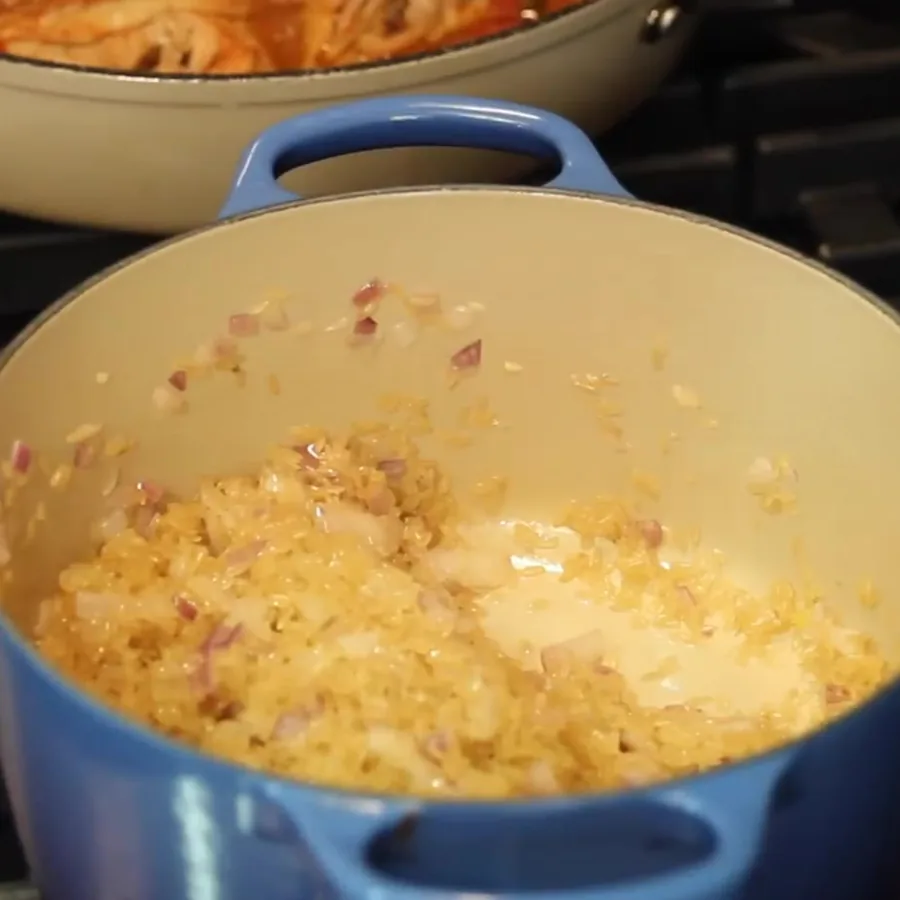
For the rice, cook onion gently in a little oil or duck fat, then stir in the rice until the grains look lightly coated and a little translucent. Add hot chicken stock, season, cover, and bake until the liquid is absorbed.
The mistake to avoid is making too much rice. A full 2 cups of raw rice gives a lot of cooked rice. For a balanced family dinner, I prefer 1 1/2 cups of raw rice with 3 cups of stock. That gives enough for the table without burying the chicken.
If you want a potato side instead, a creamy gratin dauphinois is a richer option, especially for Sunday dinner.
Substitutions
Use chicken thighs only if you want the easiest version. They stay juicy and are hard to overcook.
Use chicken drumsticks for a budget-friendly version. They work very well with the pepper sauce.
Use boneless chicken only if you want a faster meal. Add it later and cook just until done.
Use passata instead of crushed tomatoes for a smoother sauce.
Use sweet paprika if you cannot find piment d’Espelette. Add a tiny pinch of chili flakes for warmth.
Use olive oil instead of duck fat. Duck fat gives a deeper flavor, but olive oil is practical and still tastes right.
Use white rice, basmati rice, or long-grain rice for the pilaf. Short-grain rice can become softer and stickier.
What to Serve With It
Rice pilaf is the most natural pairing because it absorbs the pepper and tomato sauce. A simple green salad also works well when you want to keep the plate lighter.
For another colorful chicken dinner with a different flavor profile, try Mediterranean-style chicken thighs. It stays in the chicken and vegetable family but leans more toward herbs and lemon.
For a brighter garlic-forward option, lemon garlic chicken thighs are a good contrast to this pepper-based sauce.
For something quicker and more casual, crispy homemade chicken tenders are completely different: less saucy, faster to serve, and better for a snack-style dinner.
If tomatoes are in season, start the meal with fresh tomato bruschetta. It keeps the same sunny feeling without repeating the main dish.
Health and Nutrition Context
This is a protein-rich chicken dinner with plenty of peppers and onions in the sauce. It is hearty because of the chicken and rice, but it is not a cream-based dish. The amount of fat depends mostly on whether you use olive oil, duck fat, skin-on chicken, or a butter finish at the end.
For a lighter plate, use mostly thighs without extra butter and serve with a smaller portion of rice. For a more comforting version, keep the skin-on chicken, use duck fat, and serve it with the full rice pilaf.
FAQ
Can I make this with chicken breasts?
Yes, but chicken breasts cook faster and dry out more easily. I prefer thighs and drumsticks for this dish. If using breasts, check them early and remove them once they reach 165°F.
Is this spicy?
Not very. Piment d’Espelette gives warmth more than heat. If using chili flakes, start with a small pinch.
Can I make it ahead?
Yes. The sauce tastes even better after resting. Reheat gently on the stovetop with a splash of stock if needed.
Can I freeze it?
Yes, the chicken and sauce freeze well. Rice can be frozen too, but the texture is better when cooked fresh.
Why is my sauce watery?
There was probably too much stock, or the pan stayed covered too long. Remove the lid and simmer until the sauce thickens and the peppers look glossy.
Do I need tomato?
For this version, yes. The tomato balances the sweetness of the peppers and gives the dish a more classic Basque-style sauce.
Easy Chicken Basquaise with Peppers and Rice
Ingredients
- For the Chicken
- 1 whole chicken cut into 8 pieces, or about 3 1/2 lb bone-in chicken pieces
- 2 tbsp olive oil or duck fat
- 4 bell peppers mixed colors, sliced
- 1 large onion sliced
- 4 garlic cloves chopped
- 1 3/4 cups crushed tomatoes
- 1 cup chicken stock
- 1 to 2 tsp piment d’Espelette or 1 tsp sweet paprika plus a pinch of chili flakes
- 1 1/2 tsp kosher salt plus more to taste
- 1/2 tsp black pepper
- 1 tbsp butter optional
- For the Rice Pilaf
- 1 1/2 cups long-grain white rice
- 3 cups chicken stock hot
- 1 small onion finely chopped
- 2 tbsp olive oil or duck fat
- 1/2 tsp turmeric optional
- 1/2 tsp kosher salt
- Black pepper to taste
Instructions
- Season the chicken with salt and pepper.
- Heat olive oil or duck fat in a large Dutch oven or deep skillet over medium-high heat.
- Brown the chicken on all sides, working in batches if needed. Remove and reserve.
- Add the sliced peppers and onion to the same pan. Cook for 8 to 10 minutes, stirring often, until softened and glossy.
- Add the garlic and piment d’Espelette. Cook for 1 minute.
- Add the crushed tomatoes and chicken stock. Stir and scrape the bottom of the pan.
- Return the chicken and its juices to the pan. The sauce should come partway up the chicken, not fully cover it.
- Cover and simmer gently for 35 to 40 minutes.
- Remove the lid and simmer for another 15 to 20 minutes, until the sauce reduces.
- Check that the chicken reaches 165°F in the thickest part.
- Stir in the butter at the end if using.
- Rice Pilaf Instructions
- Preheat the oven to 350°F.
- Heat oil or duck fat in an oven-safe pot.
- Add the onion and cook gently for 3 to 4 minutes.
- Add the rice and stir until the grains are coated and slightly translucent.
- Add the hot chicken stock, turmeric, salt, and pepper.
- Bring to a simmer, cover, and bake for 20 minutes.
- Let rest for 5 minutes, then fluff with a fork.
Video
Notes
FAQ
Can I make this with chicken breasts?
Yes, but chicken breasts cook faster and dry out more easily. I prefer thighs and drumsticks for this dish. If using breasts, check them early and remove them once they reach 165°F.Is this spicy?
Not very. Piment d’Espelette gives warmth more than heat. If using chili flakes, start with a small pinch.Can I make it ahead?
Yes. The sauce tastes even better after resting. Reheat gently on the stovetop with a splash of stock if needed.Can I freeze it?
Yes, the chicken and sauce freeze well. Rice can be frozen too, but the texture is better when cooked fresh.Why is my sauce watery?
There was probably too much stock, or the pan stayed covered too long. Remove the lid and simmer until the sauce thickens and the peppers look glossy.Do I need tomato?
For this version, yes. The tomato balances the sweetness of the peppers and gives the dish a more classic Basque-style sauce.🔗 Useful Links
🛒 Michel Dumas Shop : Explore our kitchen essentials, including aprons and knives.
🌐 Linktree : Access all our important links in one place.
📱 YouTube | Instagram | Facebook | TikTok : Follow us for the latest recipes and culinary tips.