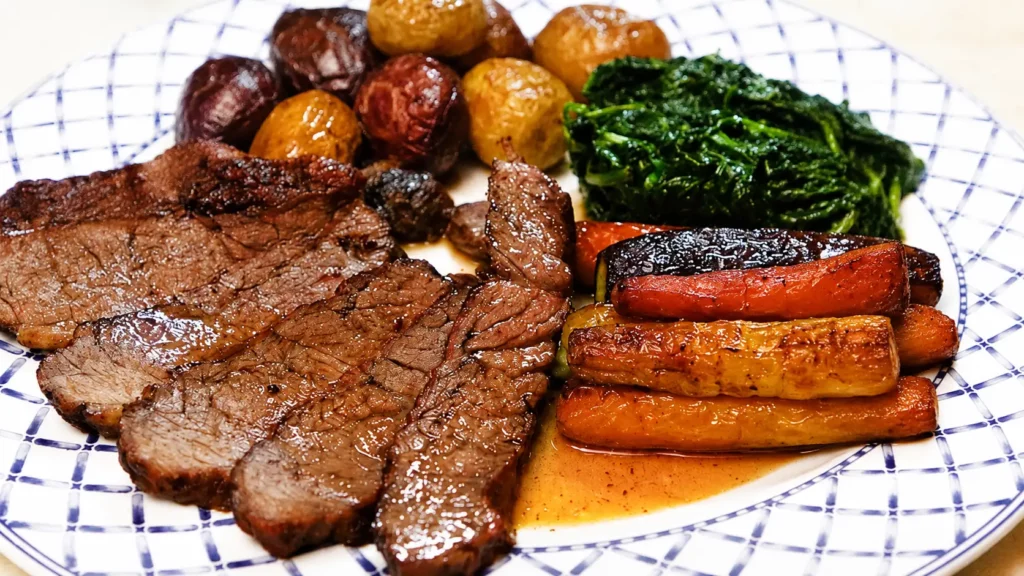
Maple Chuck Roast with Potatoes and Carrots, Easy Oven Dinner
This maple beef roast is based on my YouTube video, with a few adjustments since publication to make it more reliable for home kitchens. In the video, the roast was cooked more like a rosy oven roast, but chuck roast can vary a lot from one butcher to another. I make it this way because a good sear gives the beef that deep roasted flavour, while a covered oven cook helps a regular chuck roast become tender instead of just pink and chewy.
The mistake to avoid is treating every chuck roast like prime rib. A well-marbled piece can handle a shorter roast, but most chuck roast needs time, moisture, and patience. What I look for here is not only temperature, but texture: the tip of a knife should slide into the meat with just a little resistance, and the sauce should smell beefy, lightly sweet, and roasted, not burnt sugar.
A maple chuck roast is a slow-cooked beef dinner made with a shoulder roast, maple syrup, potatoes, carrots, and pan juices. It is different from a classic pot roast because the maple is added near the end so it glazes the meat without scorching. I would make this on a cold Sunday, for a simple family supper, or anytime I want a hearty beef dinner that still feels very Canadian and works year-round.
Why this recipe works
Chuck roast, also called blade roast or shoulder roast in some stores, has a lot of flavour. It also has connective tissue, which is why it can be tough if it is cooked too quickly. That is the main reason I changed the method slightly from the video. The original version is beautiful if the meat is very well marbled, but for a recipe that people will reproduce across Canada and the USA, I prefer to give the roast enough time to soften.
The maple syrup is not used like a marinade here. It is more of a finishing glaze. If you add maple syrup too early, it can darken too much on the bottom of the pan. Added later, it mixes with the beef juices and gives a glossy, sweet-salty sauce that tastes like roasted beef first, maple second.
This is also not the same recipe as a slow-braised pot roast. That one is more classic, deeper, and fully braised. This version keeps the vegetables simple and lets the maple pan juices do the work. It is also different from oven-baked beef brisket, which needs a longer cook and has a different texture because brisket is a denser cut.
Ingredients you need
Use a chuck roast around 3 lb. A little bigger or smaller is fine, but the cooking time will change. Look for visible marbling. If the roast is very lean, it can still work, but it will need the longer braised timing.
For the fat, I like duck fat because it browns the meat beautifully and gives the potatoes a good roasted taste. Beef tallow or neutral oil also works. Butter alone is not my first choice for searing because it can burn before the meat is properly browned.
The vegetables are simple: baby potatoes, carrots, and spinach. In the video, I used colourful potatoes and rainbow carrots. They look nice on the plate, but regular carrots and yellow baby potatoes are perfectly fine. The spinach cooks separately because it takes only a minute or two and would disappear if it cooked with the roast the whole time.

For the sauce, maple syrup is the main flavour. I also add a little Dijon mustard or apple cider vinegar. You do not need much. It is there to balance the sweetness and make the sauce taste more savoury.
If you are unsure about salt, use the same logic as seasoning a large roast properly: the outside needs to be seasoned enough because the inside of a thick roast will not taste salty on its own.
Step-by-step instructions
Start by heating the oven to 325°F. Pat the beef dry. This matters. If the surface is wet, the meat steams before it browns. Season it well with salt and pepper.
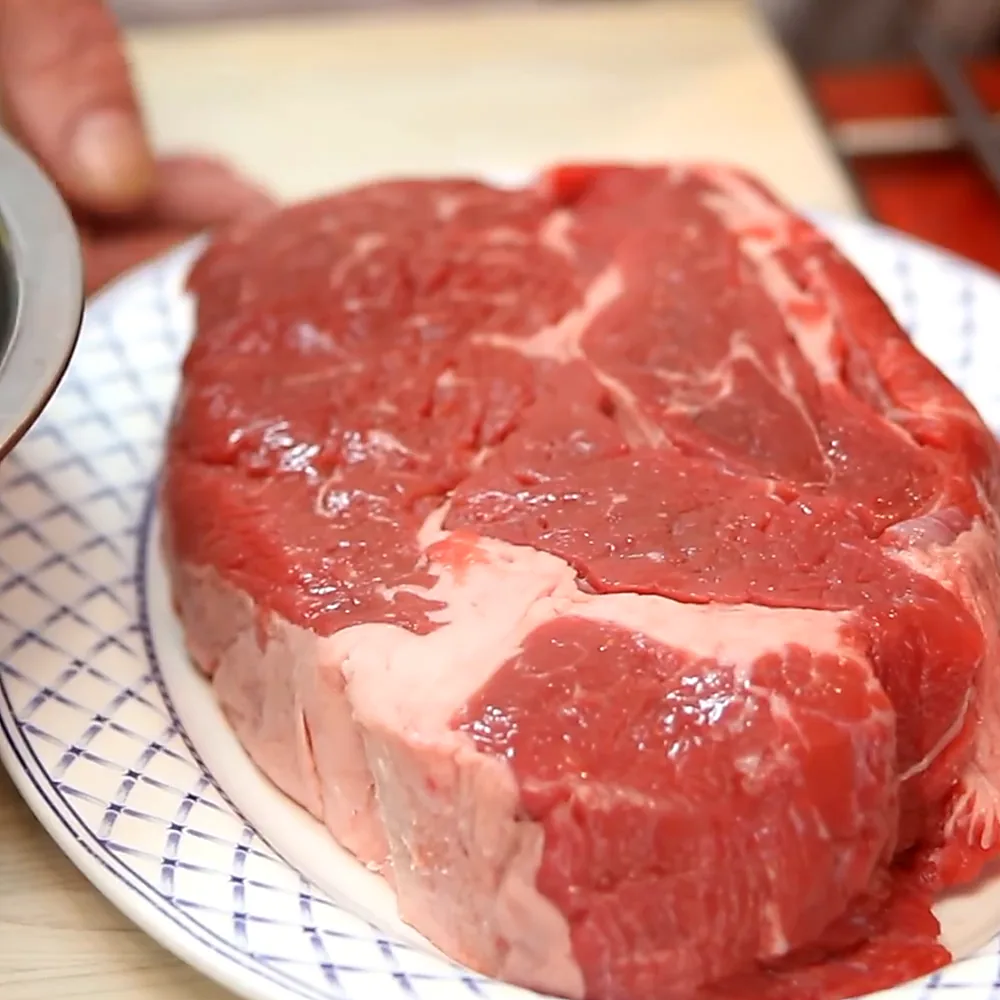
Heat duck fat in a Dutch oven or heavy oven-safe pot. When the fat is hot and shimmering, place the beef in the pan. You should hear a real sizzle. If the sound is weak, the pan is not hot enough. Brown the roast on all sides, taking your time. The bottom of the pot should develop dark golden bits, not black burned spots.


Remove the roast for a moment and add a splash of beef stock to loosen the bottom. Scrape with a wooden spoon. That little step gives the sauce a better base. If you want a deeper explanation, the same idea is used in how to deglaze a pan.
Return the roast to the pot. Add more beef stock, enough to come about one third of the way up the meat. Cover and cook until the beef begins to soften. This usually takes about 2 hours for a 3 lb chuck roast, sometimes a little more.


Then add the potatoes and carrots around the meat. Spoon some of the juices over everything. Cover again and continue cooking until the vegetables are tender and the beef is almost ready.


Near the end, mix maple syrup with Dijon mustard or apple cider vinegar. Spoon it over the roast and leave the pot uncovered for the last 15 to 20 minutes. At this point, it should look glossy on top, and the sauce should bubble gently around the vegetables. If the pan smells too dark or sugary, add a splash of stock.


Cook the spinach separately in a hot pan with a little fat or pan juice. It will collapse quickly. The mistake to avoid is overcooking it until it turns dull and watery. You know it is ready when the leaves are just wilted and still green.
Let the beef rest before slicing or pulling into large pieces. Spoon the maple beef jus over the top.

How to know when the roast is done
For this recipe, tenderness matters more than a rosy centre. A thermometer is still useful, especially if you want to understand doneness, and you can compare temperatures with this internal cooking temperature guide. But with chuck roast, the real test is texture.
If you want sliceable beef, stop when a knife goes in fairly easily but the roast still holds together. If you want a softer pot-roast texture, cook it longer until the meat pulls apart with a fork. Both are good. The important thing is not to stop too early just because the meat looks cooked.

If the meat feels tough, it usually needs more time, not less. Add a little more stock, cover the pot, and keep cooking.
How this recipe is different from similar beef recipes
This maple version sits between a roast dinner and a braise. It is not a creamy beef dish, not a skillet meal, and not a steakhouse dinner. The flavour is sweet-savoury from the maple, but the method still leans toward slow oven cooking.
For something more classic and saucy, beef tips with gravy gives you smaller pieces of beef in a brown sauce. For a more rustic stew, weeknight beef stew is thicker and more spoonable. If you want a steak dinner instead of a braised roast, a steak and baked potato dinner is a better fit.
This recipe also has a different purpose than a sauce-focused beef dish. You can use the pan juices as they are, or reduce them slightly. If you want a thicker sauce, the method is closer to making homemade brown gravy, but I would keep this one looser so the maple does not become too heavy.
Substitutions
If you do not have duck fat, use beef tallow, avocado oil, canola oil, or another neutral high-heat oil. Olive oil can work, but use moderate heat so it does not smoke too aggressively.
If you do not have maple syrup, use honey, but reduce the amount slightly. Honey tastes sweeter and can brown faster. Brown sugar mixed with a little stock can also work, but it will not give the same Québec-style maple flavour.
For the beef, chuck roast is the best fit. Blade roast, shoulder roast, or pot roast cuts are good alternatives. Do not use a lean eye of round unless you plan to slice it thin, because it will not become as tender in the same way.

For vegetables, swap the baby potatoes for Yukon Gold chunks. Parsnips can replace some of the carrots. Mushrooms can be added during the last hour, but do not add spinach to the pot for the full cook. It is better cooked separately.
FAQ
Can I make this with a regular supermarket chuck roast?
Yes, but use the longer covered cooking method. A quick roast to medium-rare can be chewy with a regular chuck roast. The covered oven method is safer and more consistent.
Can I cook it at 350°F like in the video?
Yes, but I prefer 325°F for the adjusted version because it gives the meat more time to soften before the maple glaze goes on. If you use 350°F, check the liquid level more often.
Should the roast be covered or uncovered?
Cover it for most of the cooking. Uncover only near the end after adding the maple glaze. This keeps the meat moist and lets the top get a nice shine.
Can I make it ahead?
Yes. The beef reheats well. Cool it in the sauce, then reheat gently in a covered pot at 300°F until hot. Add a splash of stock if the sauce has thickened too much.
Is this a healthy recipe?
It is a hearty comfort food meal with a good amount of protein from the beef and vegetables on the side. It is not a light recipe, but the sweetness is controlled, and the meal is balanced better when served with vegetables or a simple salad.
What to serve with it
The potatoes and carrots already make this a full dinner, but a side dish can stretch the meal. For a richer table, serve it with a creamy potato side like traditional gratin dauphinois. If you want something simpler, air fryer baked potatoes are easy and let the maple beef juices do the talking.
For a bistro-style plate, I like something crisp or green beside the beef. A cabbage salad works well because it cuts through the richness. You can also serve the roast before a bowl of minestrone with pasta and beans if you want a more generous family meal.
For more beef dinner ideas, try French beef bistro classics or easy beef dinners for weeknights.

Maple Chuck Roast with Potatoes and Carrots
Ingredients
- 3 lb chuck roast
- 2 tbsp duck fat beef tallow, or neutral oil
- 2 tsp kosher salt or to taste
- 1 tsp black pepper
- 1 1/2 cups beef stock plus more if needed
- 1 1/2 lb baby potatoes halved if large
- 1 lb carrots cut into large pieces
- 1/4 cup maple syrup
- 1 tbsp Dijon mustard or 1 tbsp apple cider vinegar
- 10 to 12 oz fresh spinach
- 1 tbsp butter or duck fat for the spinach optional
Instructions
- Preheat the oven to 325°F.
- Pat the chuck roast dry with paper towel. Season all over with salt and pepper.
- Heat the duck fat in a Dutch oven or heavy oven-safe pot over medium-high heat. Sear the roast on all sides until deeply browned, about 12 to 15 minutes total.
- Remove the roast to a plate. Add 1/2 cup beef stock to the pot and scrape the browned bits from the bottom.
- Return the roast to the pot. Add the remaining beef stock. Cover and bake for about 2 hours, or until the meat begins to soften.
- Add the potatoes and carrots around the roast. Spoon some of the pan juices over the vegetables. Cover again and cook for 45 to 60 minutes, until the vegetables are almost tender.
- Mix the maple syrup with Dijon mustard or apple cider vinegar. Spoon it over the roast. Return the pot to the oven uncovered for 15 to 20 minutes, until the top is glossy and the sauce smells lightly caramelized.
- While the roast finishes, cook the spinach in a hot pan with a little butter, duck fat, or pan juice. Stir just until wilted, then season lightly.
- Rest the beef for 10 to 15 minutes. Slice or pull into large pieces. Serve with the potatoes, carrots, spinach, and maple beef jus.
Video
Notes
FAQ
Can I make this with a regular supermarket chuck roast?
Yes, but use the longer covered cooking method. A quick roast to medium-rare can be chewy with a regular chuck roast. The covered oven method is safer and more consistent.Can I cook it at 350°F like in the video?
Yes, but I prefer 325°F for the adjusted version because it gives the meat more time to soften before the maple glaze goes on. If you use 350°F, check the liquid level more often.Should the roast be covered or uncovered?
Cover it for most of the cooking. Uncover only near the end after adding the maple glaze. This keeps the meat moist and lets the top get a nice shine.Can I make it ahead?
Yes. The beef reheats well. Cool it in the sauce, then reheat gently in a covered pot at 300°F until hot. Add a splash of stock if the sauce has thickened too much.Is this a healthy recipe?
It is a hearty comfort food meal with a good amount of protein from the beef and vegetables on the side. It is not a light recipe, but the sweetness is controlled, and the meal is balanced better when served with vegetables or a simple salad.🔗 Useful Links
🛒 Michel Dumas Shop : Explore our kitchen essentials, including aprons and knives.
🌐 Linktree : Access all our important links in one place.
📱 YouTube | Instagram | Facebook | TikTok : Follow us for the latest recipes and culinary tips.