Nantua Sauce with Crayfish Butter
A spoonful of Nantua sauce should carry the flavour of crayfish even when there is no tail in the spoon. The shells do that work. I crush them into warm butter, strain the butter and add it to a light cream béchamel at the very end. The result is enough sauce for four plates of quenelles or poached fish, with small pieces of tail in every serving.
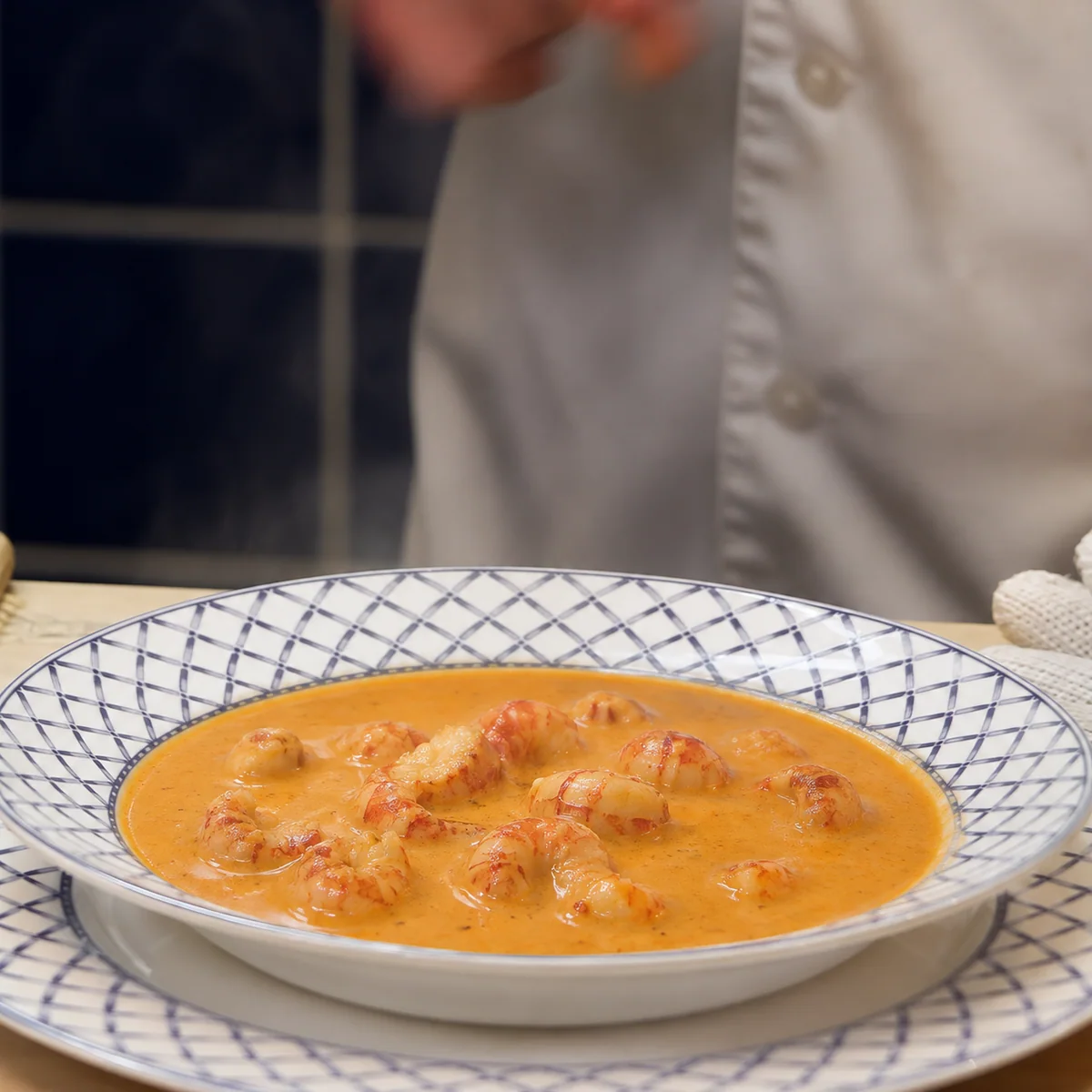
What gives Nantua its flavour?
In the classical preparation described by Escoffier, cream enriches a béchamel before the crayfish butter and tails go in. Keeping those elements separate gives the cook considerable control. You can cook the flour thoroughly, reduce the cream to the consistency you want and still give the delicate meat only a brief warming. My two methods for making béchamel show how the base behaves before you add anything to it. For this sauce use a pale roux and plain milk so you can taste the shells.
Choose the crayfish and prepare the shells
Start with plain cooked crayfish. A heavily spiced boil seasons the butter as effectively as it seasons the tails, so check the package or ask the fishmonger. Peel over a bowl, pulling out the tail meat in one piece where possible. Check the crease down the back and remove any dark intestinal thread. Weigh the drained meat and clean shells separately. Whole crayfish vary so much in size and yield that a count alone is a poor guide. Keep the meat covered in the refrigerator while you work.
Extract the butter gently
Break up the shells inside a deep saucepan with the end of a rolling pin or a sturdy pestle. Aim for small pieces that lie against the base. Put in the larger portion of butter and heat slowly, turning the shells over as it melts. The butter should foam quietly and gradually take on an orange tint. Tilt the pan occasionally and spoon the liquid over any shells sitting above the surface. If the milk solids begin to brown, pull the pan off the burner and lower the heat.
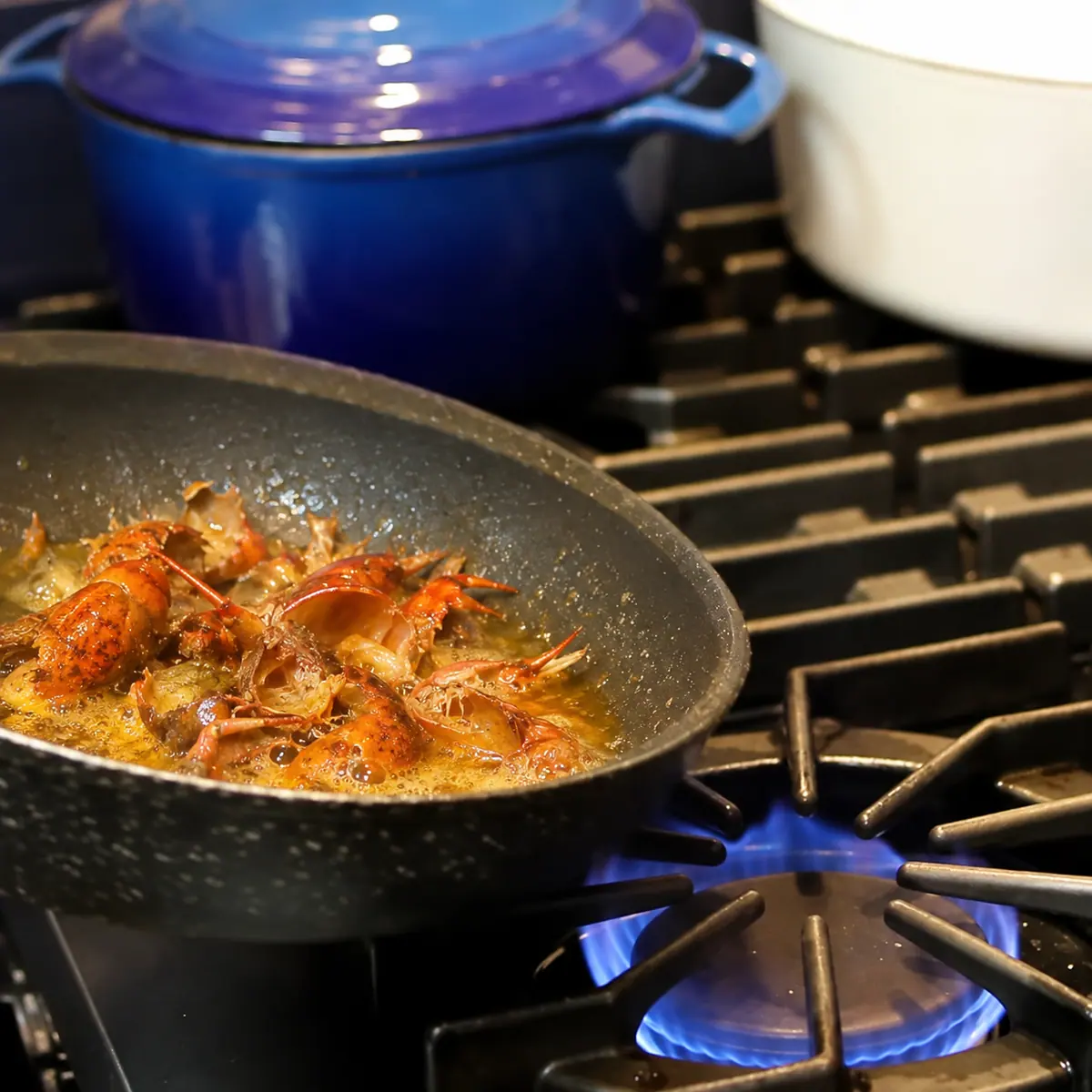
Set a fine sieve over a heatproof bowl and line it with damp, well-wrung cheesecloth. Pour carefully and press the shells lightly with the back of a ladle. Stop when the last drops run out. Grinding the shells against the mesh risks getting grit into the butter. Taste a cooled drop. Its aroma should already suggest shellfish, with a slightly sweet finish. A modest colour is perfectly acceptable. The depth of orange varies from one batch of shells to the next and becomes paler when the butter meets the milk.
Cook the base and finish off the heat
Wash the pan before making the roux. Melt the remaining plain butter, add the flour and stir right into the corners for two minutes. When the mixture looks like pale wet sand, whisk in a small splash of milk. Work it into a smooth paste before pouring in more. Once the paste flows freely, add the remaining milk in a steady stream. Bring it just to a simmer, switch to a flexible spatula and scrape the bottom for about five minutes. Taste a little to check that the raw flour flavour has cooked away.
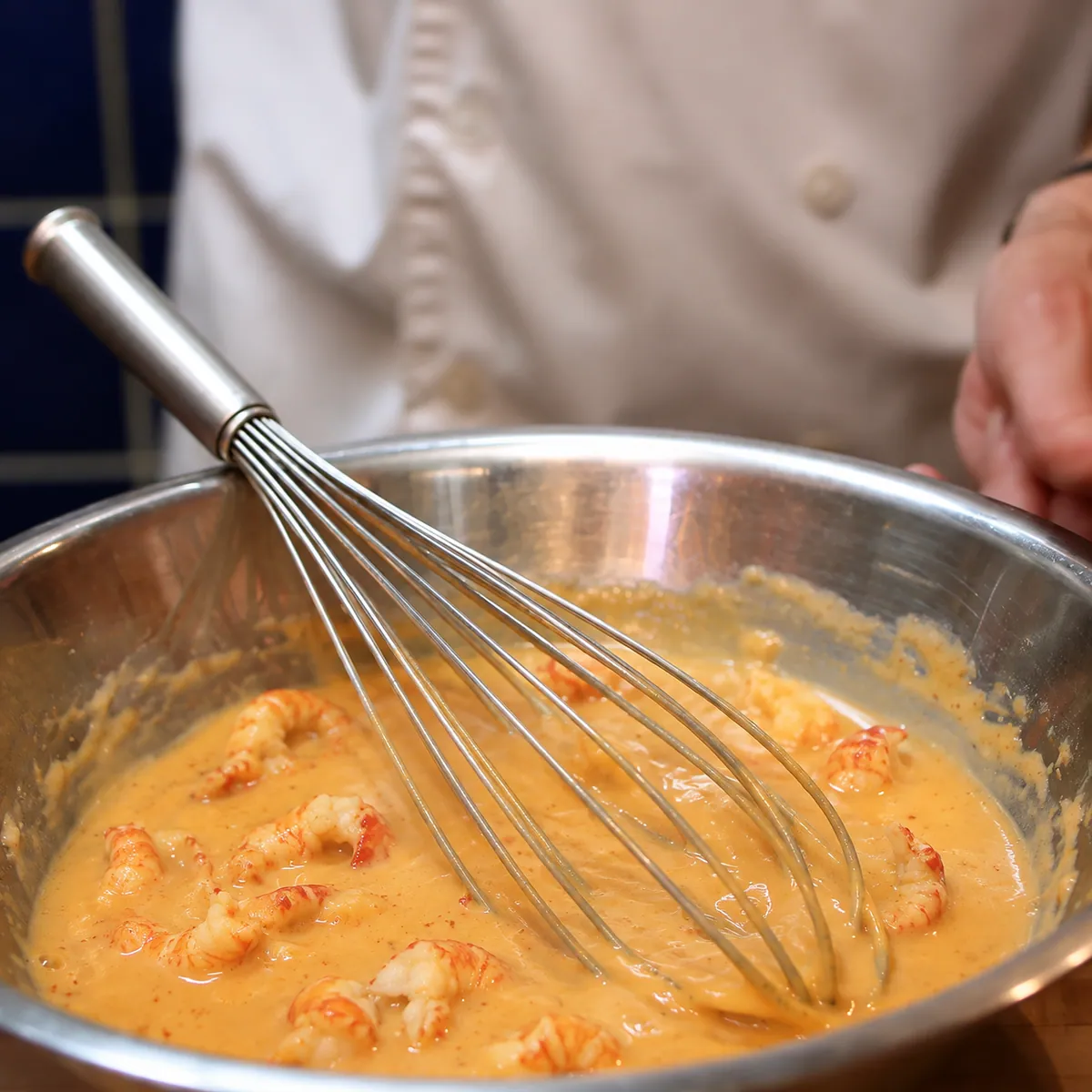
Before combining the two pans, put a little plain béchamel on a saucer and stir in a few drops of shell butter. That small taste tells you how concentrated the butter is. If the shell aroma is especially strong, add the last spoonful gradually and taste the warm sauce again before salting.
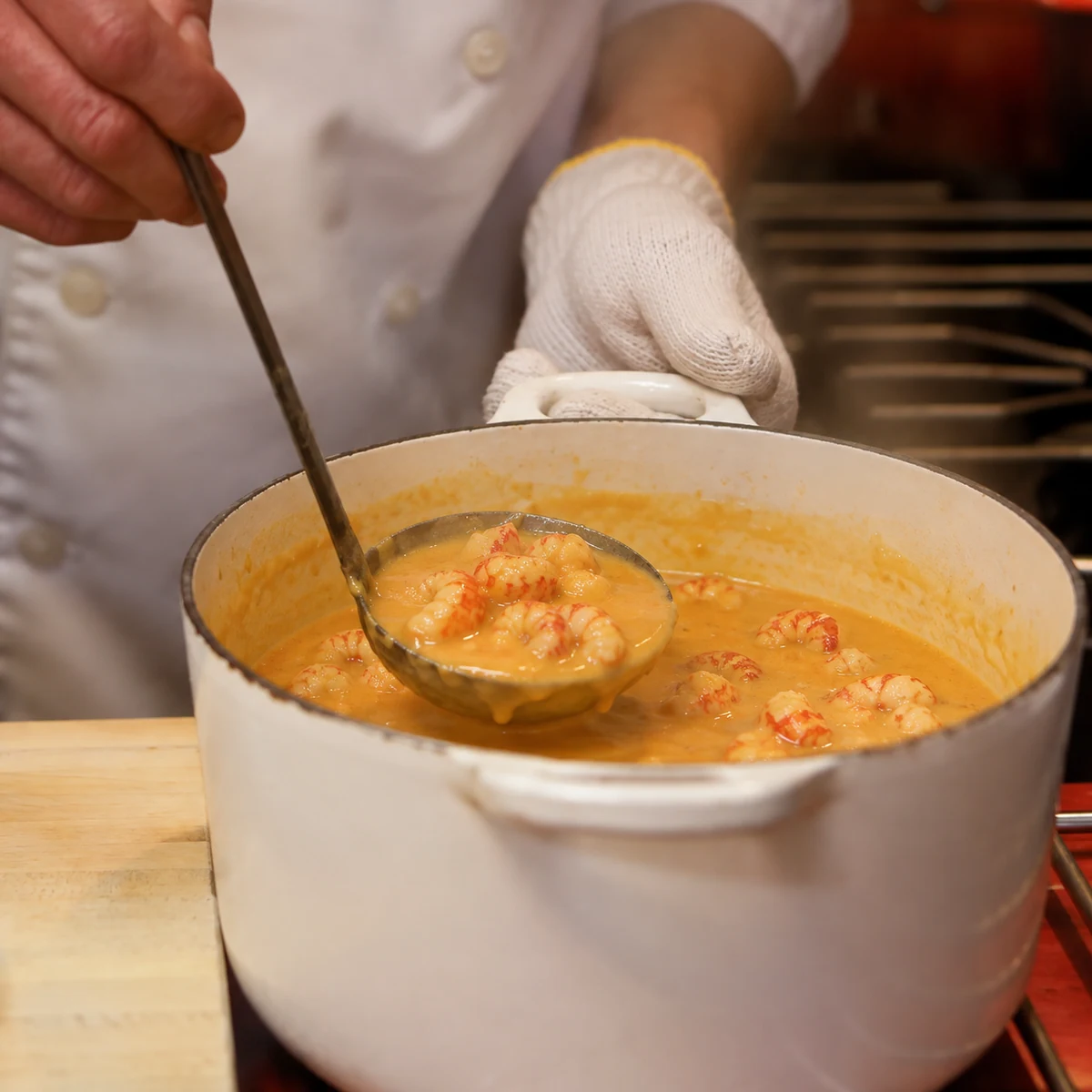
Add the cream and simmer until a spoon comes out coated. Draw a line through the coating on its back. The edges should stay apart while the sauce still runs easily from the tip. Dice large tails into two or three pieces and leave small ones whole. Warm them in the base, lift the pan off the heat and swirl in the strained butter a spoonful at a time. Taste before adding salt. Finish with a pinch of cayenne, just enough to notice a little warmth after the sweetness of the shellfish.
What to serve with Nantua sauce
For a quenelle supper, spoon warm sauce around drained, freshly poached quenelles and divide the tails between the plates. The technique in my chicken quenelle recipe works well with this finish. For a first course, use hot puff pastry shells and fill them at the last possible moment. Keep any extra sauce in a warm jug so that diners can add their own without soaking the pastry before it reaches the table.
If using the oven method from my baked cod, lift each piece clear of its cooking juices before saucing. With a thin fish like sole meunière, spoon the Nantua along one side so that part of the browned surface stays dry. A few pan-seared scallops also make a good first course. For either pan-seared dish, the crayfish sauce takes the place of the usual lemon butter. A small mound of stovetop rice pilaf catches the sauce particularly well.
Make ahead and substitutions
For a dinner party, strain the butter the day before, cover and refrigerate it promptly. Chill the béchamel separately in a shallow container with a cover touching the surface. Reheat the base gently, thinning it with a splash of milk if necessary, then add the cream. Warm the tails and whisk in pieces of cold crayfish butter off the heat shortly before serving. This timing also works for fish dinners such as crisp salmon with beurre blanc, where you want to finish the sauce while the fish rests.
Frequently asked questions
Can I use peeled tails?
Yes, with prepared crayfish butter. Taste it first for salt and add it gradually until the shell flavour comes through. If you can only get shell-on shrimp, follow the same extraction with shrimp shells and use cooked shrimp for the garnish. Describe that version as a shrimp cream sauce on the menu. For more ideas to serve with either version, browse the fish and seafood recipes or choose a plain oven preparation from the salmon collection.
Why is there butter on the surface?
A boiling base or a large addition of butter can leave beads of fat floating on top. Take the pan off the burner, lift out the tails and whisk in a teaspoon of cool milk. Once the sauce comes together, return the tails and serve immediately. If your sauce simply feels heavy, loosen it one spoonful of hot milk at a time and check the seasoning again before it goes on the plate.
Serving suggestions and related recipes
For an entrée, fill hot puff pastry shells with a little sauce and a few tails. For a main course, divide the sauce between portions of baked cod and pass extra in a warm jug.
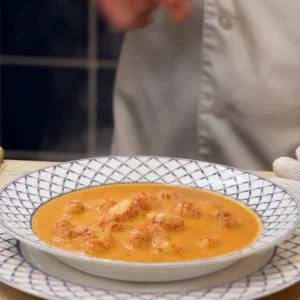
Nantua Sauce with Crayfish Butter
Ingredients
- 5¼ oz cooked crayfish tails
- 3½ oz clean cooked crayfish shells
- 2⅔ oz unsalted butter divided
- 2 tbsp plus 1½ tsp all-purpose flour
- 1¼ cups whole milk
- 5 tbsp heavy cream
- Fine salt and a pinch of cayenne
Instructions
- Crush shells and warm in 1¾ oz butter for 8–10 minutes over low heat. Strain through a fine sieve lined with damp cheesecloth.

- In a clean pan cook remaining butter and flour for 2 minutes. Whisk in milk gradually and simmer 5 minutes, stirring.
- Add cream and reduce gently until the sauce coats a spoon. Add tails and heat through.
- Off the heat whisk in shell butter gradually. Season with salt and cayenne. Serve warm.