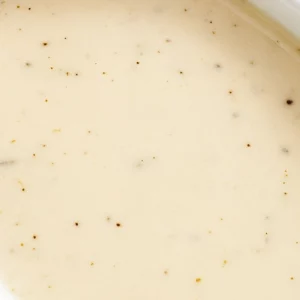
Silky Béchamel Sauce (Two Foolproof Methods) — Restaurant “Cold Roux” & Classic Butter Roux
Béchamel is one of those “forever” sauces: it turns simple vegetables into comfort food, binds casseroles, makes baked pasta luxurious, and becomes a cheese sauce (Mornay) in seconds. Below you’ll find two reliable methods sized for home cooks in Canada and the USA, with pro-kitchen precision:
- Method A – Restaurant “Cold Roux” (oil + flour paste whisked into hot milk): ultra-smooth, no lumps, great for big batches.
- Method B – Classic Butter Roux: timeless French flavor and shine.

This post is based on my YouTube video. Since publishing the video, I’ve made a few small changes to the ratios and technique for an even silkier, more stable sauce that sets beautifully in the oven and stays smooth on the stovetop.
Along the way, I’ll weave in practical tips and pairing ideas from my site, like this authentic Greek moussaka recipe with eggplant, potatoes and creamy béchamel, authentic Greek pastitsio, and traditional gratin dauphinois recipe. If you’re craving a red-sauce night, try my homemade tomato sauce with fresh tomatoes.
Why this béchamel works
- Optimized ratio for a classic “coating” consistency that stays spoonable yet sets in the oven: about 70–80 g flour + 70–80 g fat per 1 L milk.
- Two temperature logics that eliminate lumps: cold paste into hot liquid (Method A) or warm liquid into a hot roux (Method B).
- Flavor-forward: gentle seasoning, a pinch of nutmeg, and optional milk infusion tips in the FAQs.
If you want even more sauce skills, bookmark homemade hollandaise sauce (easy recipe), beurre manié recipe, homemade garlic butter recipe and homemade Caesar salad (authentic recipe).

Ingredients (weights first; Imperial + Metric)
Yields about 1 L (4 cups) of béchamel — enough for a medium gratin or a generous casserole.
Method A — Restaurant “Cold Roux” (Oil + Flour)
- 1000ml Whole milk (4 cups)
- 70–80g All-purpose flour (½–⅔ cup)
- 70–80ml Neutral oil (5–6 tbsp; canola or sunflower)
- 15g Fine sea salt (2½ tsp)
- 2g Freshly ground black pepper (½ tsp)
- 1 pinch Nutmeg
- 1g Turmeric (optional, for color)
Method B — Classic Butter Roux
- 1000ml Whole milk (4 cups)
- 70–80g Unsalted butter (5–6 tbsp)
- 70–80g All-purpose flour (½–⅔ cup)
- 15g Fine sea salt (2½ tsp)
- 2g Freshly ground black pepper (½ tsp)
- 1 pinch Nutmeg

Method A — Cold Roux (Restaurant Style)
- Heat the milk with salt, pepper, and nutmeg (plus turmeric if using) over medium heat until steaming but not rapidly boiling.
- Make the paste: In a small bowl, whisk the flour and oil into a perfectly smooth paste.
- Emulsify: Take the milk off the heat briefly. Whisk in a few spoonfuls of paste. Return to medium heat and, whisking constantly, add more paste gradually until the sauce thickens to a nappant (spoon-coating) texture.
- Cook out the flour: Simmer gently 2–3 minutes, whisking, until glossy and smooth. Adjust thickness with a splash of milk if needed.
When to use: big-batch gratins, lasagna, and any time you want super-silky, lump-proof results. It’s the move I use for savoyard three cheese mac and cheese texture vibes, or to fold into creamy green pasta with spinach & basil.

Method B — Classic Butter Roux
- Make the roux: Melt butter over medium heat. Whisk in flour and cook 1–2 minutes (no browning).
- Add milk gradually: Off the heat, whisk in warm milk in small additions until smooth, then return to medium heat.
- Season & finish: Add salt, pepper, nutmeg. Cook, whisking, 2–4 minutes to a nappant texture.
When to use: any dish that benefits from butter aroma and classic French character — think traditional gratin dauphinois recipe, Parisian potatoes recipe, or as a base for a quick Mornay with your favorite cheeses.

Substitutions & Variations
- Milk: Whole milk gives the best body; 2% works for lighter texture; lactose-free is fine.
- Fat: In Method A, neutral oil is standard; a mild olive oil is acceptable (fruity notes). In Method B, butter can be swapped for clarified butter (cleaner flavor, higher heat tolerance).
- Gluten-free: Use a GF all-purpose blend; simmer a minute longer for full thickening.
- Cheese Sauce (Mornay): Off heat, whisk in 100–150g shredded Gruyère/Emmental/cheddar until melted — perfect with creamy chicken and zucchini gratin or to top veggies.
- Herb & spice riffs: Steep a bay leaf and a clove-studded onion in the milk; remove before thickening. Finish with chives or parsley. A pinch of cayenne adds warmth.
Troubleshooting
- Too thick? Whisk in warm milk, a splash at a time.
- Too thin? Whisk in a teaspoon of extra cold-roux paste (Method A) or a small beurre manié nub; simmer to activate (see beurre manié recipe).
- Lumps? Blend briefly with an immersion blender, then strain.
- Greasy film (oil version)? You used more oil than flour by weight; keep them roughly equal.
FAQ
Which method should beginners choose?
Method A (cold roux) is the most forgiving and lump-proof. It’s also fast for weeknights, especially when you’re making easy creamy tomato pasta or prepping a cheesy beef macaroni casserole.
Can I make it ahead?
Yes. Press plastic wrap directly on the surface and refrigerate up to 3 days. Rewarm gently; whisk in milk to loosen if needed.
How do I use béchamel without baking?
It’s excellent spooned over steamed vegetables, fish, or eggs Benedict (and if you love sauce work, see eggs Benedict – 15-minute recipe and homemade hollandaise sauce).
What dishes is béchamel essential for?
Classics like authentic Greek moussaka, authentic Greek pastitsio, and traditional gratin dauphinois — and it’s a great companion to homemade mashed potatoes.
What to serve with / Suggested posts
- Traditional gratin dauphinois recipe
- Authentic Greek moussaka recipe
- Authentic Greek pastitsio
- Homemade tomato sauce with fresh tomatoes
- Creamy mushroom sauce steak recipe
- Homemade garlic butter recipe
- Beurre manié recipe
- Creamy Tuscan chicken
- Easy creamy tomato pasta
- Homemade bolognese sauce
Silky Béchamel Sauce (Two Foolproof Methods) — Restaurant “Cold Roux” & Classic Butter Roux
Ingredients
Method A — Restaurant “Cold Roux” (Oil + Flour)
- 1000 ml Whole milk 4 cups
- 70 –80g All-purpose flour ½–⅔ cup
- 70 –80ml Neutral oil 5–6 tbsp; canola or sunflower
- 15 g Fine sea salt 2½ tsp
- 2 g Freshly ground black pepper ½ tsp
- 1 pinch Nutmeg
- 1 g Turmeric optional, for color
Method B — Classic Butter Roux
- 1000 ml Whole milk 4 cups
- 70 –80g Unsalted butter 5–6 tbsp
- 70 –80g All-purpose flour ½–⅔ cup
- 15 g Fine sea salt 2½ tsp
- 2 g Freshly ground black pepper ½ tsp
- 1 pinch Nutmeg
Instructions
- Method A: Heat milk with seasonings. Whisk flour + oil into a smooth paste. Off heat, whisk in some paste; return to medium heat and add more gradually until thick and nappant. Simmer 2–3 minutes to cook the flour. Adjust with milk if needed.
- Method B: Melt butter; whisk in flour 1–2 minutes (no color). Off heat, whisk in warm milk in additions. Return to medium heat; cook 2–4 minutes to nappant. Season to taste.
- Serve/Store: Use immediately or press film on the surface and refrigerate up to 3 days. Rewarm gently; thin with milk as needed.
Video
Notes
Troubleshooting
- Too thick? Whisk in warm milk, a splash at a time.
- Too thin? Whisk in a teaspoon of extra cold-roux paste (Method A) or a small beurre manié nub; simmer to activate (see beurre manié recipe).
- Lumps? Blend briefly with an immersion blender, then strain.
- Greasy film (oil version)? You used more oil than flour by weight; keep them roughly equal.
FAQ
Which method should beginners choose?Method A (cold roux) is the most forgiving and lump-proof. It’s also fast for weeknights, especially when you’re making easy creamy tomato pasta or prepping a cheesy beef macaroni casserole. Can I make it ahead?
Yes. Press plastic wrap directly on the surface and refrigerate up to 3 days. Rewarm gently; whisk in milk to loosen if needed. How do I use béchamel without baking?
It’s excellent spooned over steamed vegetables, fish, or eggs Benedict (and if you love sauce work, see eggs Benedict – 15-minute recipe and homemade hollandaise sauce). What dishes is béchamel essential for?
Classics like authentic Greek moussaka, authentic Greek pastitsio, and traditional gratin dauphinois — and it’s a great companion to homemade mashed potatoes.
Useful Links
🛒 Michel Dumas Shop : Explore our kitchen essentials, including aprons and knives.
🌐 Linktree : Access all our important links in one place.
📱 YouTube | Instagram | Facebook | TikTok : Follow us for the latest recipes and culinary tips.