Easy Oysters Rockefeller with Spinach and Hollandaise, Holiday-Ready in 45 Minutes
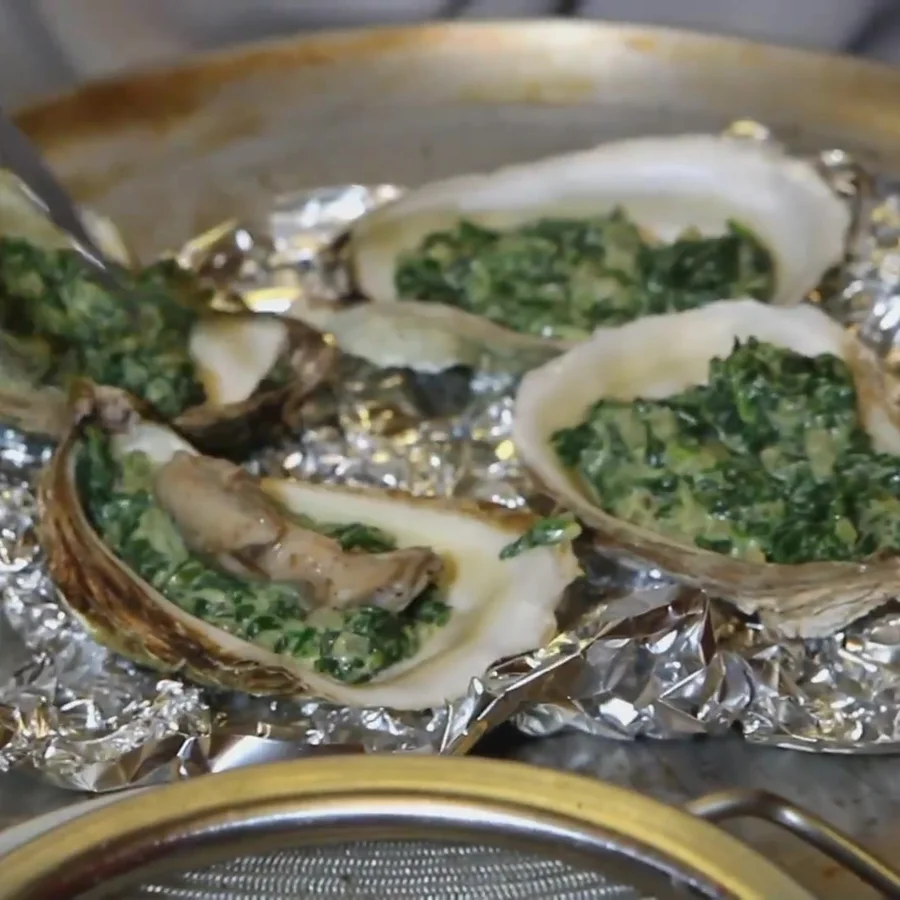
Oysters Rockefeller are baked oysters served in the shell with a rich green filling, usually made with spinach or herbs, then finished under high heat until the top is lightly browned. This version uses fresh oysters, a creamy spinach and shallot filling, a small amount of anise, and a spoonful of hollandaise for a classic restaurant-style appetizer you can make at home.
This recipe is based on my YouTube video, with a few adjustments since publication to make the proportions more reliable for home kitchens. I make it this way because oysters cook very fast, and the goal is not to bury them under sauce. The oyster should still taste like the sea, the spinach should be thick enough to sit in the shell, and the hollandaise should brown lightly without turning greasy.
The mistake to avoid is overcooking. If the oysters are poached too long, then baked again, they shrink and turn firm. What I look for here is a quick blanch in the oyster liquor, just enough to tighten the surface, then a short pass under the broiler. The top should bubble and take color before the oyster has time to dry out.
Why This Version Works
A lot of Rockefeller-style recipes become too heavy because they use too much sauce for too few oysters. For 8 oysters, you do not need a full restaurant batch of hollandaise. A small one-yolk sauce is enough to glaze the shells without making them overflow.
I also prefer to reduce the spinach filling until there is no loose liquid left in the pan. Spinach releases water, oysters release liquor, and cream adds more moisture, so if you rush this part, the shells fill with liquid. You know the filling is ready when you drag a spoon through the pan and it leaves a clean path for a second.
The anise is there, but it should be quiet. A little pastis, Pernod, or another anise-flavoured spirit gives that old-school seafood house aroma. Too much, and it takes over. I use it like seasoning, not like a sauce base.
If you want more sauce technique before starting, my guide to homemade hollandaise sauce is useful here, especially if you are not used to whisking egg yolks over gentle heat. For the spinach filling, the texture is closer to a reduced pan cream than a loose sauce, so the same logic from how to make a creamy sauce applies: reduce slowly, watch the bubbles, and stop when it coats.
Ingredients You Need
The ingredient list is short, but each part matters.
Use large fresh oysters if possible. They are easier to open, easier to handle, and they do not disappear under the filling. Keep them cold until you are ready to open them. Discard any oyster with a broken shell or a bad smell.
The spinach should be young, tender spinach. Baby spinach works well because it wilts quickly and does not need long cooking. The shallot gives sweetness without the stronger bite of onion. If you need a refresher on small knife cuts, how to cut an onion cleanly also works for shallots.

For the cream, heavy cream gives the most stable result. Half-and-half can work, but the filling must be reduced more carefully. If you need to adapt the dairy, use the ideas in what to use instead of cream, but avoid anything too thin for this recipe.
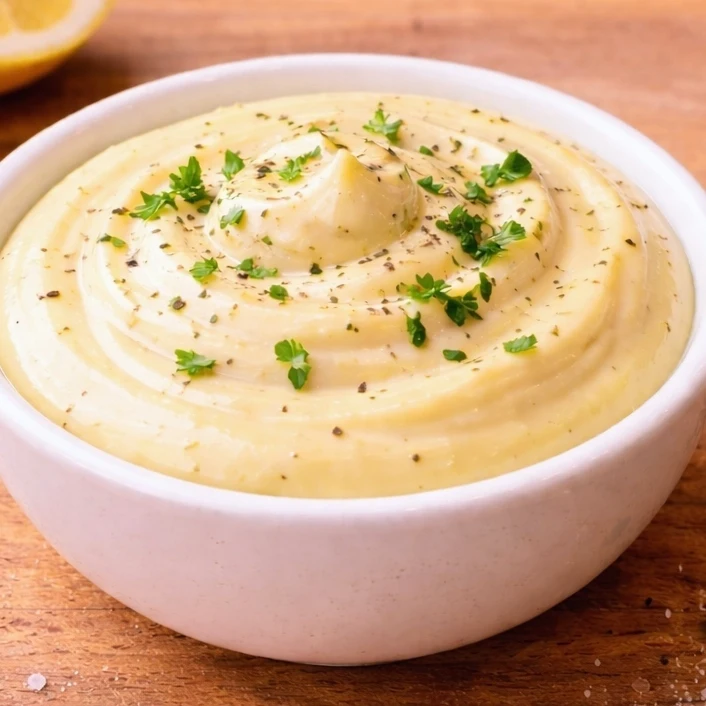
The hollandaise is made with one egg yolk, warm butter, lemon juice, and a few drops of anise if you want to echo the filling. Keep it warm, not hot. If it gets too thick, whisk in a few drops of warm water.
Step-by-Step Instructions
Start by opening the oysters. Work over a bowl so you can catch the liquor. Slide the oyster knife into the hinge, twist gently, then cut the muscle. Once open, run a small knife underneath the oyster to loosen it from the shell.


Strain the oyster liquor through a fine sieve. This step is not optional for me. Even when you open oysters carefully, there can be tiny shell pieces in the liquid. Straining gives a cleaner final bite.


Wash and dry the deeper half-shells. Place them on a baking sheet lined with coarse salt or crumpled foil so they stay level. A tilted shell loses sauce before it even reaches the table.


Warm the strained oyster liquor in a small pan. Add the oysters for 10 to 20 seconds only. They should barely firm up. Remove them immediately. Do not simmer them like soup. They are going under the broiler later, so this first cooking is only a quick blanch.


For the filling, melt the butter in a skillet over medium-low heat. Add the chopped shallot and cook without browning. The smell should turn sweet, not roasted. Add the chopped spinach and stir until it collapses into the pan.
Add a spoonful or two of oyster liquor and reduce almost dry. Add the anise, then the cream. Let it bubble gently until thick. At this point, it should look creamy but not wet. If you tilt the pan, there should not be a puddle of cream running to the side.


Taste before adding salt. Oyster liquor is naturally salty, and the final dish is served in the shell, so it does not need aggressive seasoning. A little black pepper helps.
Spoon the spinach filling into the shells. Add one oyster to each shell. Spoon a small amount of hollandaise over the top.

Place the tray under a hot broiler, about 4 to 6 inches from the heat. Watch constantly. The hollandaise should puff slightly and take a light golden color in 1 to 3 minutes. If the top is browning but the shells are still cold, move the tray a little farther from the heat and give it another minute.
Serve right away. This is not a dish that gets better sitting around.
How This Is Different from Similar Seafood Recipes
This is a plated appetizer, not a full seafood dinner. It is richer than a quick fish dish, but served in small portions, so it does not feel like a heavy main course.
It is also different from creamy pasta or gratins. In a dish like creamy Pernod shrimp with capellini, the anise cream becomes the sauce for the pasta. Here, the anise is only a background note. The oyster stays central.
Compared with scallops in lemon butter, this recipe is more old-fashioned and more composed. Compared with classic scallop gratin, it is faster under the broiler and less creamy overall. The shellfish is not baked in a full gratin sauce. It is just topped, glazed, and served.

For a bigger seafood meal, something like mussels in creamy white wine sauce or seafood paella makes more sense. These oysters are more of a first course for Christmas, New Year’s Eve, a birthday dinner, or a winter seafood night. That said, they also work year-round when oysters are fresh and you want a small bistro-style starter.
Substitutions
Use arugula, watercress, or Swiss chard instead of spinach, but cook out the moisture well. Chard needs a little more time than spinach.
Use white wine instead of anise alcohol if you do not like that flavour. Reduce it almost completely before adding the cream.
Use heavy cream for the best texture. Half-and-half can work, but it is easier to split and takes longer to reduce.
Use a light breadcrumb topping instead of hollandaise if you want something less rich. Mix fine breadcrumbs with a little melted butter and sprinkle lightly before broiling.
Use lemon zest in the filling if skipping the anise. It gives brightness without adding more liquid.
What to Serve With Oysters Rockefeller
Because the oysters are rich, I like something fresh or crisp beside them. A small plate of flower mesclun salad works well because it keeps the plate light. A few bites of fresh tomato bruschetta can also make the meal feel more generous without adding another heavy sauce.
For a holiday menu, serve these before fish, poultry, or a simple steak dinner. If you want another seafood starter, crispy crab cakes with lemon mayo fit the same bistro mood. For a more casual seafood spread, lobster rolls with garlic butter mayo go in a completely different direction, colder, buttery, and sandwich-style.

For sides, keep them simple. Air fryer Brussels sprouts bring bitterness and char, which balance the hollandaise. French gratin dauphinois is richer, but it works if the oysters are part of a larger celebration meal. If you want a broader seafood menu, browse easy fish recipes for weeknight dinners for lighter mains after a rich appetizer.
FAQ
Can I make Oysters Rockefeller ahead of time?
You can make the spinach filling ahead of time and refrigerate it. You can also clean and dry the shells. I prefer to open, blanch, assemble, sauce, and broil the oysters the same day. Do not make the hollandaise the day before. It is best fresh.
Do I have to poach the oysters first?
You can skip the blanch if your oysters are very small, but I like the quick poach because it firms them slightly and lets me use the oyster liquor in the filling. The key is speed. Ten to twenty seconds is enough.
Why did my filling become watery?
The spinach and oyster liquor were not reduced enough. Keep cooking until the cream clings to the spinach and the pan has no loose liquid. If it still looks wet, keep reducing before filling the shells. For more help with texture, see how to thicken a sauce.
Can I use frozen spinach?
Yes, but squeeze it very dry. Frozen spinach holds a lot of water. If you add it straight to the pan, the filling will taste diluted and the shells will flood.
Can I skip the anise alcohol?
Yes. Use a small splash of dry white wine or just rely on lemon in the hollandaise. The recipe will be less traditional in flavour, but still good.
How do I know when the oysters are done?
The top should be lightly golden and the sauce should look set, not raw. The oyster underneath should still be tender. If the broiler is very strong, this can happen in about a minute.
Are these served as an appetizer or main dish?
Usually appetizer. Two oysters per person is a good first course. For a seafood dinner, serve them before a lighter fish dish, salad, or grilled main.

Oysters Rockefeller with Spinach and Hollandaise
Ingredients
- For the oysters
- 8 large fresh oysters
- Reserved oyster liquor strained
- Black pepper to taste
- Coarse salt for the baking sheet
- For the spinach filling
- 3 packed cups baby spinach roughly chopped
- 1 small shallot finely chopped
- 1 1/2 tbsp unsalted butter
- 1 to 2 tbsp strained oyster liquor
- 1 tsp pastis Pernod, Ricard, or other anise-flavoured spirit, optional
- 3 tbsp heavy cream
- Black pepper to taste
- Small pinch of salt only if needed
- For the hollandaise
- 1 egg yolk
- 5 tbsp unsalted butter melted and warm
- 1 to 2 tsp lemon juice
- A few drops of anise-flavoured spirit optional
- Small pinch of salt
- Black pepper to taste
Instructions
- Open the oysters over a bowl and reserve the liquor. Strain the liquor through a fine sieve to remove shell pieces.
- Remove the oysters from the shells. Wash and dry the deeper half-shells. Place the shells on a baking sheet lined with coarse salt so they stay level.
- Warm the strained oyster liquor in a small pan. Add the oysters for 10 to 20 seconds, just to barely firm them. Remove immediately and reserve.
- Melt the butter in a skillet over medium-low heat. Add the shallot and cook gently without browning.
- Add the spinach and cook until wilted. Add 1 to 2 tbsp oyster liquor and reduce almost dry.
- Add the anise spirit, if using, then the cream. Cook until thick and creamy, with no loose liquid in the pan. Season lightly with black pepper and a small pinch of salt only if needed.
- For the hollandaise, whisk the egg yolk, lemon juice, salt, pepper, and optional anise in a heatproof bowl over gently simmering water. The bowl should not touch the water.
- Whisk until the yolk is pale and slightly thickened. Slowly whisk in the warm melted butter until the sauce is smooth. If it gets too thick, whisk in a few drops of warm water.
- Spoon the spinach filling into the oyster shells. Place one oyster in each shell. Top each oyster with a small spoonful of hollandaise.
- Broil 4 to 6 inches from the heat for 1 to 3 minutes, watching constantly, until lightly golden.
- Serve immediately.
Video
Notes
FAQ
Can I make Oysters Rockefeller ahead of time?
You can make the spinach filling ahead of time and refrigerate it. You can also clean and dry the shells. I prefer to open, blanch, assemble, sauce, and broil the oysters the same day. Do not make the hollandaise the day before. It is best fresh.Do I have to poach the oysters first?
You can skip the blanch if your oysters are very small, but I like the quick poach because it firms them slightly and lets me use the oyster liquor in the filling. The key is speed. Ten to twenty seconds is enough.Why did my filling become watery?
The spinach and oyster liquor were not reduced enough. Keep cooking until the cream clings to the spinach and the pan has no loose liquid. If it still looks wet, keep reducing before filling the shells. For more help with texture, see how to thicken a sauce.Can I use frozen spinach?
Yes, but squeeze it very dry. Frozen spinach holds a lot of water. If you add it straight to the pan, the filling will taste diluted and the shells will flood.Can I skip the anise alcohol?
Yes. Use a small splash of dry white wine or just rely on lemon in the hollandaise. The recipe will be less traditional in flavour, but still good.How do I know when the oysters are done?
The top should be lightly golden and the sauce should look set, not raw. The oyster underneath should still be tender. If the broiler is very strong, this can happen in about a minute.Are these served as an appetizer or main dish?
Usually appetizer. Two oysters per person is a good first course. For a seafood dinner, serve them before a lighter fish dish, salad, or grilled main.🔗 Useful Links
🛒 Michel Dumas Shop : Explore our kitchen essentials, including aprons and knives.
🌐 Linktree : Access all our important links in one place.
📱 YouTube | Instagram | Facebook | TikTok : Follow us for the latest recipes and culinary tips.