Homemade Spicy Pork Sausages for BBQ or Pan Cooking
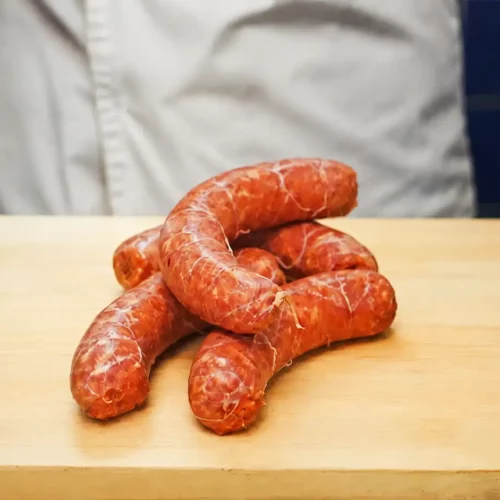
Homemade spicy pork sausages are fresh sausages made with ground pork shoulder, garlic, smoked paprika, pepper, and a little heat. They are different from dried or cured sausages because they are cooked fresh, either in a pan or on the barbecue. I make this kind of sausage when I want something rustic, juicy, and honest, especially when the grill is hot, but it works just as well in a skillet any time of year.
This recipe is based on my YouTube video for homemade sausages, with a few adjustments since publication. In the video, I made three versions: plain, blue cheese, and spicy. Here, I am isolating only the spicy version and tightening the proportions a little so the result is easier to reproduce at home.
The main thing with homemade sausage is not just the spice mix. It is the fat, the salt, and the texture of the meat mixture. I make it this way because pork shoulder has good flavor and usually enough fat to stay juicy, but if the piece is too lean, the sausages can become dry and crumbly. The mistake to avoid is treating sausage like regular ground meat. The mixture needs to be cold, seasoned properly, and mixed until it becomes sticky.
What I look for here is a sausage mixture that holds together when pressed in the hand. It should feel tacky, not loose and grainy. When it goes into the casing, it should fill the casing without becoming hard like a balloon. That little detail makes a big difference when the sausages hit the pan.

What Makes This Spicy Sausage Different
This is not the same as classic French pork sausage, which is more traditional and simple. It is also not the same as homemade merguez, which usually leans more toward North African spices and lamb. This version is a practical homemade pork sausage with smoked paprika, garlic, black pepper, and cayenne.
It is also different from a fast dinner recipe like sausage and vegetables on a sheet pan or sausage and potato sheet pan dinner. Those recipes start with finished sausages. This one is about making the actual sausage from scratch.
The result is meaty, smoky, lightly garlicky, and spicy without becoming aggressive. If you like a stronger heat, you can increase the cayenne. If you want something more family-style, keep it mild and let people add sauce at the table.
Ingredients You Need
For the sausage mixture, use pork shoulder with visible fat. In Canada and the USA, pork shoulder is easy to find and often sold as pork butt or Boston butt. That is the cut I prefer because it has enough connective tissue and fat to give a juicy sausage.
You need pork shoulder, salt, black pepper, smoked paprika, cayenne or hot pepper, garlic, and a little ice-cold water. The cold water is a small adjustment from the original video. It helps the seasoning distribute better and gives the farce a smoother texture. It should not become wet. Just a little moisture.
The pork casings need to be rinsed well. Most salted casings are preserved in brine, so they need a soak and a rinse inside and outside. When the casing is ready, it feels slippery and flexible, not stiff or salty.
Why the Meat Must Stay Cold
Cold meat gives a cleaner grind. Warm pork smears in the grinder, and once the fat smears, the texture of the sausage becomes heavy. You want small visible bits of lean and fat, not a paste.
I prefer to cut the pork into strips or cubes, then chill it before grinding. The grinder parts can also go in the fridge or freezer for a short time. This is not fancy technique, just practical. Cold meat goes through the machine more cleanly, and the finished sausage has a better bite.
At this point, the meat should look freshly ground, not shiny and melted. If it looks greasy before you even cook it, it got too warm.
For seasoning, the salt level matters. A sausage with too little salt tastes flat and does not bind well. Too much salt becomes unpleasant. For this batch, the salt level is around the classic fresh sausage range. For a deeper explanation of how seasoning changes a recipe, I like using the same logic as in my guide on how to season a recipe properly.
How to Make the Spicy Sausage Mixture
Cut the pork shoulder into strips or cubes small enough to fit into the grinder. Keep everything cold. Grind the meat through a medium plate, not too fine and not too coarse. A medium grind gives the sausage a nice rustic texture without making it tough.


Add the salt, black pepper, smoked paprika, cayenne, minced garlic, and ice-cold water. Mix by hand for about 4 to 5 minutes. The motion is simple: turn the meat, fold the edges toward the center, press down, and repeat.

You know it is ready when the mixture changes texture. It starts loose, then slowly becomes sticky and more cohesive. If you pick up a handful and press it, it should hold its shape. That is the bind.


The smoked paprika should give the mixture a warm reddish color. The garlic smell should be present, but it should not attack the nose. I use 2 to 3 cloves for this amount because it gives flavor without turning the sausage into garlic sausage. If you want it stronger, add one more clove.


Before stuffing the full batch, cook a small spoonful in a pan. This is the best test. Taste it for salt, heat, and garlic. Once the sausage is stuffed, it is too late to adjust the inside.

Stuffing the Casings
Slide the rinsed casing onto the sausage stuffer tube. Tie a knot at the end. Start slowly. Let the meat fill the casing with light pressure.
The mistake to avoid is overstuffing. If the casing feels tight before you twist the links, it will probably split later. A good sausage should feel filled but still flexible. You should be able to pinch it between your fingers.
If you see an air pocket, prick it gently with a clean needle or sausage pricker. Do not stab it everywhere. A few small pricks are enough.
Once the casing is filled, twist the sausage into links. I like medium links because they cook evenly in a skillet and are easy to turn on the barbecue. Twist each link in the opposite direction from the previous one to help them hold.
After stuffing, let the sausages rest in the fridge for at least 30 minutes if possible. This helps the casing dry a little and lets the seasoning settle. It also makes the sausages easier to cook without bursting.
How to Cook Them in a Pan
Heat a skillet over medium heat with a thin film of neutral oil. The oil should shimmer lightly, not smoke hard. Add the sausages and let them start gently.
I prefer medium heat instead of high heat because homemade sausages need time. If the pan is too hot, the casing colors too fast while the middle stays undercooked. Turn them regularly so the browning is even.
After a few minutes, the casing should tighten slightly and the outside should become golden with reddish spots from the paprika. You should hear a steady sizzle, not violent popping. If the pan is smoking, lower the heat.
Depending on the size, they usually take about 10 to 14 minutes. The safest way is to cook them until the center reaches 160°F. For more cooking guidance, the same temperature logic applies as in the internal cooking temperature chart.
Let the sausages rest a few minutes before cutting. When sliced, the inside should look juicy and set, not raw, wet, or crumbly.
How to Cook Them on the BBQ
For the grill, use medium heat and avoid direct aggressive flames. Fresh sausages have fat, and dripping fat can cause flare-ups. I like to start them over moderate heat, turning often, then give them a little more color at the end.
Do not pierce the sausages all over before grilling. A few tiny air-pocket pricks from stuffing are fine, but if you poke them too much, the juice runs out.
The casing should brown gradually. If one side is getting dark too fast, move the sausage to a cooler part of the grill. The smell should be smoky, porky, and garlicky, with paprika coming through as the fat warms.
What to Serve with Spicy Homemade Sausages
These sausages are rich and protein-forward, so I like serving them with something fresh, sharp, or potato-based. For a classic plate, go with crispy homemade French fries or air fryer roasted potatoes. If the barbecue is already going, a cold salad on the side works very well.
A creamy cabbage salad cuts through the richness, especially if the sausages are spicy. Try them with creamy coleslaw or a sharper side like classic homemade grated carrot salad.
For sauces, keep it simple. Two-minute garlic aioli is excellent with the paprika and pork, and spicy mayo works if you want more heat. If you prefer barbecue flavors, homemade BBQ sauce is a natural match.
You can also use the cooked sausages in other dishes. Slice leftovers into creamy sausage pasta or a quick one-pan smoked sausage pasta, even if the original recipes use ready-made sausage. The homemade version gives them a stronger, more personal flavor.
Substitutions
Pork shoulder can be replaced with lamb shoulder if you want a deeper, slightly stronger taste. Veal can work, but it is leaner and can turn dry, so I would add extra pork fat or another fatty cut if using veal.
Smoked paprika can be replaced with sweet paprika, but the flavor will be less smoky. If you want more depth, add a pinch of chili flakes.
Cayenne can be reduced or increased. Start with less if cooking for people who do not like strong heat.
Garlic can be adjusted. Two cloves gives a balanced sausage. Four cloves makes it very garlicky.
If the pork shoulder looks lean, add a few ounces of pork back fat. That is not optional if the meat is very lean. Fat is what keeps fresh sausage juicy.
Natural pork casings give the best texture, but the sausage mixture can also be shaped into patties if you do not want to stuff casings. Cook the patties in a skillet until they reach 160°F inside.
FAQ
Can I make these without a sausage stuffer?
Yes. Shape the mixture into patties instead of stuffing it into casings. The flavor will still be good, and it is much easier for a first try. Cook the patties gently in a skillet until they reach 160°F in the center.
Why did my sausages turn dry?
The pork may have been too lean, the meat may have warmed up too much during grinding, or the sausages may have been overcooked. Use pork shoulder with visible fat, keep everything cold, and cook to temperature instead of guessing.
Why did the casing burst?
Usually the casing was overfilled, the heat was too high, or there were trapped air pockets. Fill the casing firmly but not tightly, prick only visible air pockets, and cook over medium heat.
Can I freeze homemade sausages?
Yes. Freeze them raw or cooked. For raw sausages, lay them flat on a tray until firm, then pack them well. Thaw in the fridge before cooking.
Can I make the mixture ahead?
Yes. You can mix the farce a few hours ahead and keep it covered in the fridge. Stuff the sausages the same day for the freshest texture.
Are these very spicy?
They are medium spicy as written. The heat depends on the cayenne or chili powder used. For mild sausages, cut the cayenne in half. For stronger sausages, add more after testing a small cooked spoonful of the mixture.
Suggested Posts
For another homemade sausage project, try homemade chicken sausages or classic homemade pork sausage.
For a hearty dish using sausages, make sauerkraut and sausages or a rustic cassoulet with duck and sausages.
For sides, serve them with classic pommes boulangères, traditional gratin dauphinois, or homemade French fries.
For sauces, add garlic mayo, cajun mayo, or homemade ranch dressing.
Homemade Spicy Pork Sausages
Ingredients
- 1 3/4 lb pork shoulder very cold and cut into strips or cubes
- 2 teaspoons fine sea salt
- 1 1/2 teaspoons black pepper
- 1 teaspoon smoked paprika
- 1/2 teaspoon cayenne pepper or to taste
- 2 to 3 garlic cloves finely minced
- 3 tablespoons ice-cold water
- 5 to 6 feet pork casings soaked and rinsed inside and outside
- 1 tablespoon neutral oil for pan cooking
- Optional: 3 to 5 oz pork back fat if the pork shoulder is very lean
Instructions
- Soak the pork casings in cold water, then rinse them well inside and outside.
- Keep the pork very cold. Cut it into pieces small enough to fit into the grinder.
- Grind the pork through a medium grinder plate into a cold bowl.
- Add the salt, black pepper, smoked paprika, cayenne, garlic, and ice-cold water.
- Mix by hand for 4 to 5 minutes, until the sausage mixture becomes sticky and holds together when pressed.
- Cook a small spoonful of the mixture in a pan. Taste and adjust the cayenne or garlic if needed.
- Slide the casing onto the sausage stuffer tube and tie a knot at the end.
- Stuff the sausage mixture into the casing without packing it too tightly.
- Prick visible air pockets with a clean needle, then twist into links.
- Refrigerate the sausages for 30 minutes if possible before cooking.
- For pan cooking, heat a skillet over medium heat with a little neutral oil. Cook the sausages for 10 to 14 minutes, turning regularly, until browned and cooked through.
- For BBQ cooking, grill over medium heat, turning often, until the center reaches 160°F.
- Rest for a few minutes before serving.
Video
Notes
FAQ
Can I make these without a sausage stuffer?
Yes. Shape the mixture into patties instead of stuffing it into casings. The flavor will still be good, and it is much easier for a first try. Cook the patties gently in a skillet until they reach 160°F in the center.Why did my sausages turn dry?
The pork may have been too lean, the meat may have warmed up too much during grinding, or the sausages may have been overcooked. Use pork shoulder with visible fat, keep everything cold, and cook to temperature instead of guessing.Why did the casing burst?
Usually the casing was overfilled, the heat was too high, or there were trapped air pockets. Fill the casing firmly but not tightly, prick only visible air pockets, and cook over medium heat.Can I freeze homemade sausages?
Yes. Freeze them raw or cooked. For raw sausages, lay them flat on a tray until firm, then pack them well. Thaw in the fridge before cooking.Can I make the mixture ahead?
Yes. You can mix the farce a few hours ahead and keep it covered in the fridge. Stuff the sausages the same day for the freshest texture.Are these very spicy?
They are medium spicy as written. The heat depends on the cayenne or chili powder used. For mild sausages, cut the cayenne in half. For stronger sausages, add more after testing a small cooked spoonful of the mixture.🔗 Useful Links
🛒 Michel Dumas Shop : Explore our kitchen essentials, including aprons and knives.
🌐 Linktree : Access all our important links in one place.
📱 YouTube | Instagram | Facebook | TikTok : Follow us for the latest recipes and culinary tips.