Chicken Stock Concentrate (Rich Homemade Chicken Bouillon for Soups, Sauces & Risotto)
Homemade chicken bouillon is a clear, gently simmered stock made from chicken bones, aromatic vegetables, and herbs. This version is different because it’s designed to be more concentrated, so you get deep flavor in a smaller volume—perfect when you want restaurant-style results without needing to store a huge pot of broth.
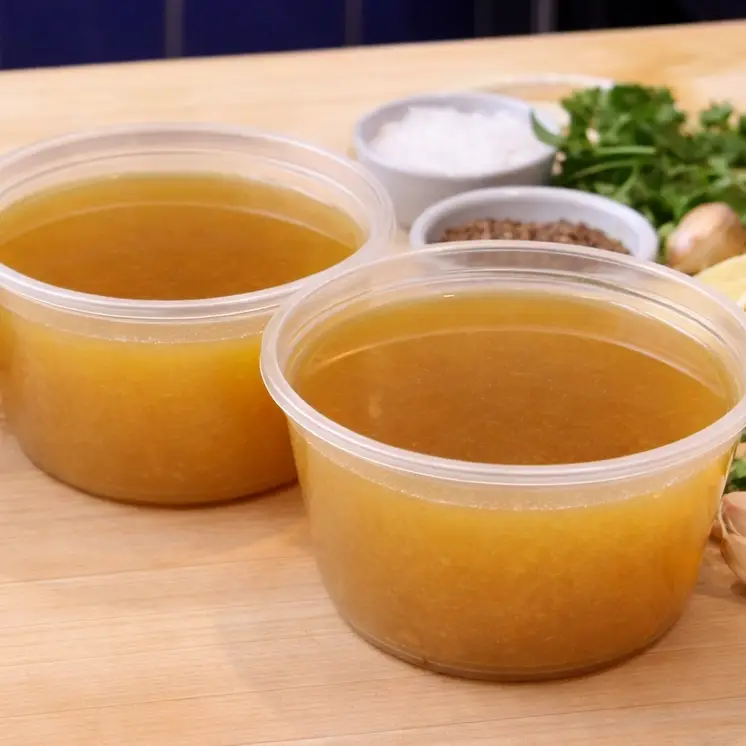
This is the kind of stock you make when you’re prepping for the week, building a sauce base, or upgrading simple meals year-round—from cozy winter soups to quick summer pasta dinners that need a savory backbone.
What this chicken bouillon concentrate is (and what it isn’t)
This recipe yields a white chicken stock concentrate: no roasting, no browning, no dark color—just a clean, bright chicken flavor with classic French aromatics. It’s not a “quick boxed-broth replacement.” It’s closer to a culinary base you can dilute or reduce further depending on what you’re cooking.
If you want chicken recipes that rely on this same “build flavor first” approach, check out 5 easy chicken marinades (how to cook) and the weeknight-friendly creamy Tuscan chicken for a totally different intent (sauce-forward and creamy vs. stock-based and clean).
Ingredients that matter (and why)
A good stock isn’t about throwing scraps in water. It’s about ratio, gentle heat, and clarity.
Chicken carcasses
Carcasses give you:
- collagen (body)
- gelatin (light “set” when chilled)
- clean chicken flavor without greasy meat taste
Aromatics
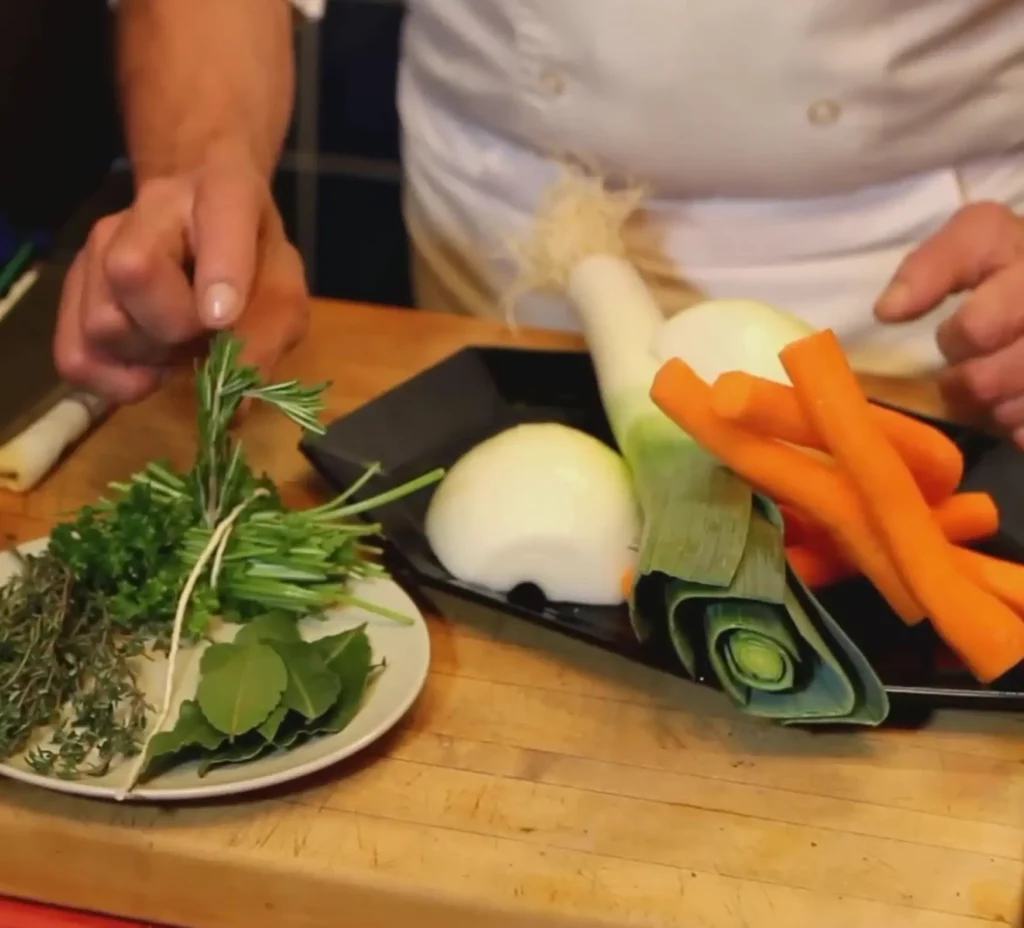
Carrot + onion + leek build sweetness and savory depth. Herbs give the stock a signature aroma—but in a concentrate, they can dominate if you go too heavy.
If you like using building blocks that turn into a dozen meals, you’ll also enjoy béurre manié (thickening trick) for finishing sauces quickly and smoothly.

Chicken Stock Concentrate (Bouillon de Poulet) — Step-by-Step
Equipment
- Large wide pot or rondeau (best for even simmering)
- Fine-mesh strainer (chinois)
- Ladle + spoon for skimming
- Large bowl or second pot for straining
Ingredients (for ~1.5–2 quarts concentrate, depending on reduction)
- 4–5 lb chicken carcasses (raw preferred)
- 1 large onion, peeled and quartered
- 4–5 medium carrots, peeled (left whole or halved)
- 1 large leek, washed well, split lengthwise
- 3–4 bay leaves
- 2–3 sprigs thyme
- Parsley stems (a small handful)
- Optional: 1 small sprig rosemary (use lightly)
- Cold water, enough to cover (about 3–4 quarts / 12–16 cups)
Important: Don’t salt the stock. Season later in the final dish so your concentrate stays versatile.
1) Build the pot (cold start)
Add the chicken carcasses to a wide pot. Add onion, carrots, and leek. Add bay leaves, thyme, and parsley stems. If using rosemary, keep it subtle—stock concentrate amplifies herb flavor.
Cover with cold water by about 1–2 inches. Cold water helps extract collagen slowly and keeps the stock cleaner.

2) Bring to a fast approach… then slow down
Turn the heat to medium-high and bring the pot toward a boil. As soon as you see active bubbling, immediately reduce heat to maintain a gentle simmer (small bubbles, not rolling).
A rolling boil makes the stock cloudy and emulsifies fat into the liquid. Clarity matters because this concentrate will likely be used in sauces and refined dishes.
3) Skim for clarity and a clean flavor
For the first 20–30 minutes, skim foam and impurities from the surface. This is the difference between “home stock” and “chef stock.”
If you’re building a full meal with sauces, stock is a natural pairing with a dish like chicken cordon bleu—different technique, same principle: clean execution gives cleaner flavor.

4) Simmer gently (60–90 minutes)
Let the stock simmer 60–90 minutes. During this time:
- skim occasionally
- keep the heat low
- avoid stirring aggressively (clouding risk)
Optional but useful: Remove the leek once tender (around 30–45 minutes). Leeks can turn slightly bitter if overcooked, especially if you’ll reduce later.
If you want a chicken dinner that’s fast and completely different from stock-making, easy chicken chow mein sits in the “quick stir-fry” cluster, while this stock is a “prep and build” foundation.

5) Remove solids and strain
Turn off heat. Carefully lift out carcasses and vegetables. Strain the liquid through a fine-mesh strainer into a clean pot or large bowl.
For extra clarity, strain a second time through a finer sieve. Avoid pressing the vegetables hard—pressing pushes cloudy particles into the stock.
6) Reduce to concentrate (the key step)
Return the strained stock to the stove and simmer uncovered until reduced to your preferred strength:
- Reduce by 25% for a strong everyday stock
- Reduce by 40–50% for a true concentrate
You’ll know it’s ready when it smells intensely “chicken” and has noticeable body.
This is where it becomes a serious cooking tool—especially if you want sauces that taste like they simmered all day.
7) Degrease for a clean finish
If the surface shows fat, skim it with a spoon. For an ultra-clean result, chill the stock and remove the solidified fat cap.
For lighter meals, a clean stock base helps you build flavor without relying on heavy cream or loads of butter—great when you still want something satisfying but not rich.

How to use chicken stock concentrate (real kitchen examples)
Dilute for soups
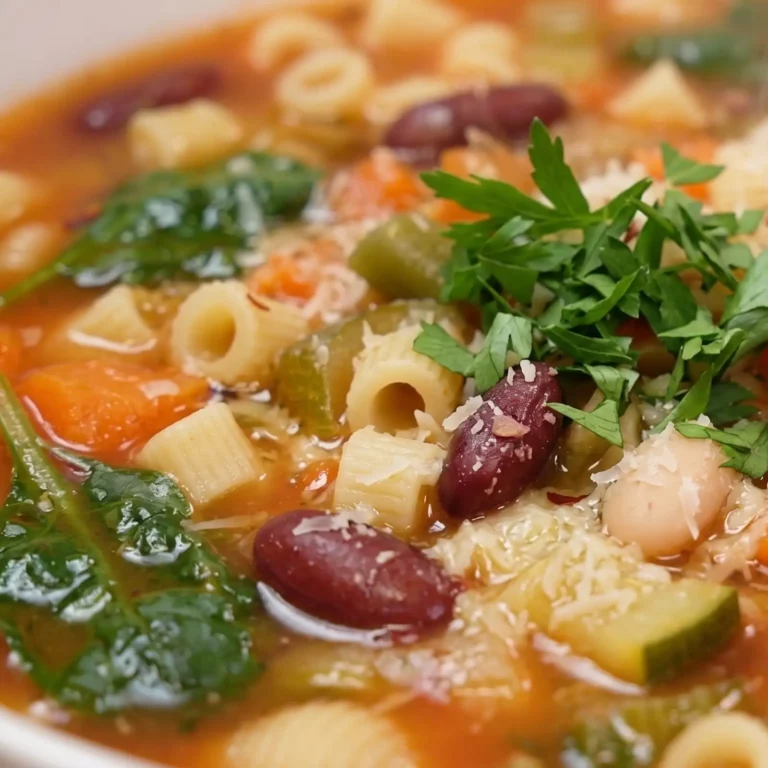
Mix 1 part concentrate with 1–2 parts water depending on strength. Use it in quick soups or even as a flavor boost for vegetables.
For soup inspiration that stays in the same “comfort but balanced” zone, try cozy green lentil soup or classic French onion soup.
Use as a sauce base
Add a splash to pan drippings, reduce, then finish with butter. If you prefer a controlled thickening method, béurre manié makes that easy and consistent.
Upgrade pasta in 10 minutes
A ladle of stock concentrate turns pasta sauces more savory without adding extra salt. If you like creamy pasta nights, compare these:
- creamy mozzarella parmesan pasta (cheesy, weeknight comfort)
- homemade pesto pasta (herby, fresh, summer-friendly)
- easy creamy tomato pasta (tomato + cream balance)
They’re all pasta, but the intent is different: stock concentrate is a foundation; those are finished sauces.
Substitutions (what changes, what doesn’t)
Chicken carcasses
- Best: raw carcasses, wings, backs
- Alternative: raw drumsticks/thigh bones (more fat; skim more)
- Avoid: heavily roasted bones if you want a white stock (they’ll darken and shift flavor)
Vegetables
- Swap leek for celery if you prefer a more neutral base.
- Add a small piece of ginger only if you’re using the stock for Asian-style recipes (but keep it out if you want universal use).
Herbs
- Skip rosemary unless you specifically want that note.
- Add a few peppercorns if you want extra aroma (still keep it light).
FAQ
Why is my stock cloudy?
Most common causes:
- Boiled too hard
- Stirred aggressively
- Pressed vegetables while straining
Keep it at a gentle simmer and strain gently.
Should I add salt?
No—especially for a concentrate. Salt belongs in the final dish so you can control seasoning after reduction.
How long should I cook chicken stock?
For carcasses, 60–90 minutes is ideal. Longer isn’t always better, especially with leeks and strong herbs.
Can I freeze it?
Yes. Freeze in small portions (ice cube trays, small containers). Concentrate freezes extremely well and saves space.
How do I know it’s concentrated enough?
Taste (carefully) and smell: it should smell intensely chicken-forward and feel slightly “silky” when warm. When chilled, it may gel slightly—that’s a good sign of collagen extraction.
What to serve with / Suggested posts
If you’re building meals around this stock concentrate, these are natural next steps by topic:
Chicken (same cluster)
Pasta (great with stock as a flavor booster)
Technique / base recipes

Chicken Stock Concentrate (Rich Homemade Chicken Bouillon for Soups, Sauces & Risotto)
Ingredients
- 4 –5 lb chicken carcasses raw preferred
- 1 large onion peeled and quartered
- 4 –5 medium carrots peeled
- 1 large leek washed well, split lengthwise
- 3 –4 bay leaves
- 2 –3 sprigs thyme
- Small handful parsley stems
- Optional: 1 small sprig rosemary
- 3 –4 quarts cold water enough to cover by 1–2 inches
Instructions
- Add chicken carcasses, onion, carrots, leek, bay leaves, thyme, and parsley stems to a wide pot. Cover with cold water by 1–2 inches.
- Bring to a near boil over medium-high, then immediately reduce to a gentle simmer.
- Skim foam and impurities during the first 20–30 minutes; continue to skim occasionally.
- Simmer gently 60–90 minutes. Optional: remove leek once tender (30–45 minutes) to avoid bitterness.
- Remove solids. Strain through a fine-mesh strainer into a clean pot; strain again for extra clarity if desired.
- Simmer uncovered to reduce by 25–50% depending on desired strength.
- Skim fat or chill and remove the fat cap. Cool quickly and store refrigerated or frozen.
Video
Notes
Substitutions (what changes, what doesn’t)
Chicken carcasses
- Best: raw carcasses, wings, backs
- Alternative: raw drumsticks/thigh bones (more fat; skim more)
- Avoid: heavily roasted bones if you want a white stock (they’ll darken and shift flavor)
Vegetables
- Swap leek for celery if you prefer a more neutral base.
- Add a small piece of ginger only if you’re using the stock for Asian-style recipes (but keep it out if you want universal use).
Herbs
- Skip rosemary unless you specifically want that note.
- Add a few peppercorns if you want extra aroma (still keep it light).
FAQ
Why is my stock cloudy?
Most common causes:- Boiled too hard
- Stirred aggressively
- Pressed vegetables while straining
Keep it at a gentle simmer and strain gently.
Should I add salt?
No—especially for a concentrate. Salt belongs in the final dish so you can control seasoning after reduction.How long should I cook chicken stock?
For carcasses, 60–90 minutes is ideal. Longer isn’t always better, especially with leeks and strong herbs.Can I freeze it?
Yes. Freeze in small portions (ice cube trays, small containers). Concentrate freezes extremely well and saves space.How do I know it’s concentrated enough?
Taste (carefully) and smell: it should smell intensely chicken-forward and feel slightly “silky” when warm. When chilled, it may gel slightly—that’s a good sign of collagen extraction.Useful Links
🛒 Michel Dumas Shop : Explore our kitchen essentials, including aprons and knives.
🌐 Linktree : Access all our important links in one place.
📱 YouTube | Instagram | Facebook | TikTok : Follow us for the latest recipes and culinary tips.