The Best Homemade BBQ Sauce (Balanced, Smoky & Glossy)
Homemade BBQ sauce is a thick, glossy tomato-based sauce seasoned with vinegar, sweetener, spices, and aromatics. This version is sweet-smoky with a gentle tang (not harsh) and it’s designed to work both as a glaze and as a dipping sauce—perfect for ribs, burgers, chicken, and even fries year-round.
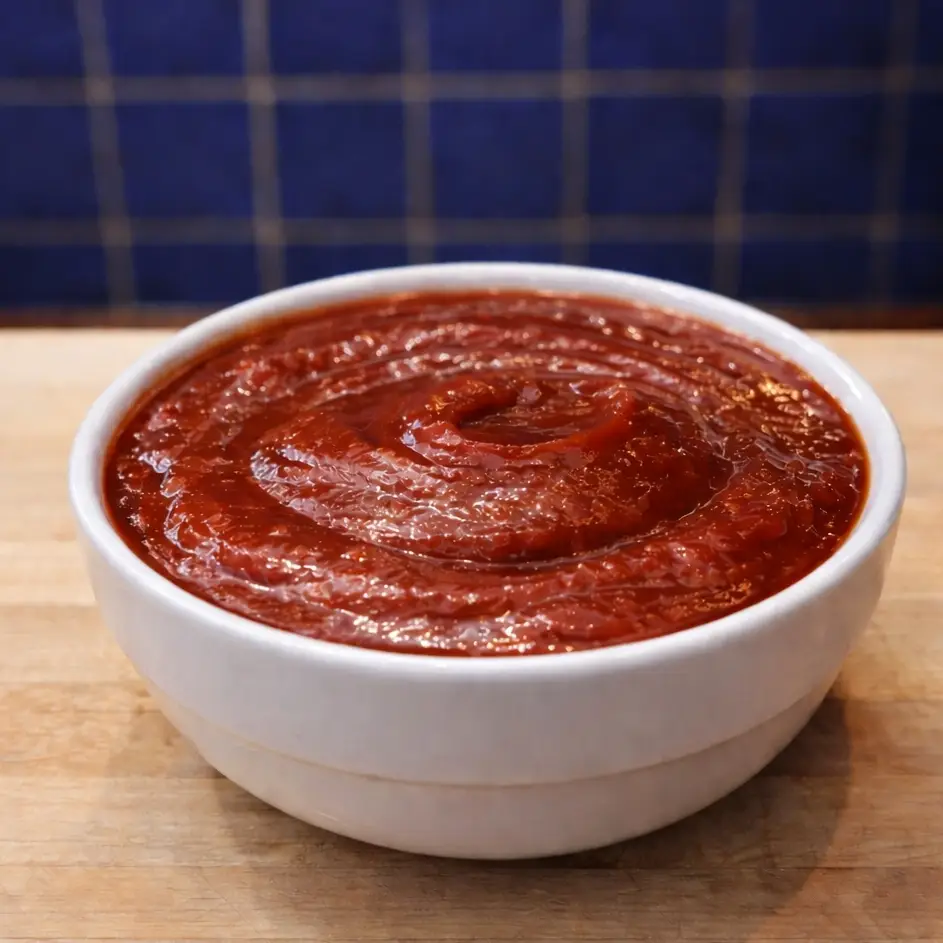
This recipe is based on my YouTube video, with a few adjustments since publication: a slightly smoother simmering method for consistent texture, a better sweet–acid balance for brushing on the grill without burning, and optional add-ins to tailor it to your taste (smokier, spicier, or more “Kansas City style”).
What makes this BBQ sauce different
A lot of homemade barbecue sauces fall into one of two traps: they’re either too sharp (vinegar hits first and never leaves) or too sweet (tastes like candy and burns fast on heat). This one aims for a balanced middle: enough acidity to cut through fatty meats, enough sweetness to caramelize gently, and enough spice to keep it interesting without tasting like chili powder ketchup.
It’s also flexible. You can keep it classic for family dinners, lean smoky for ribs, or give it a peppery kick for burgers. And because you control the ingredients, you can keep it slightly lighter (less sugar than many store-bought sauces) without making it taste “diet.”
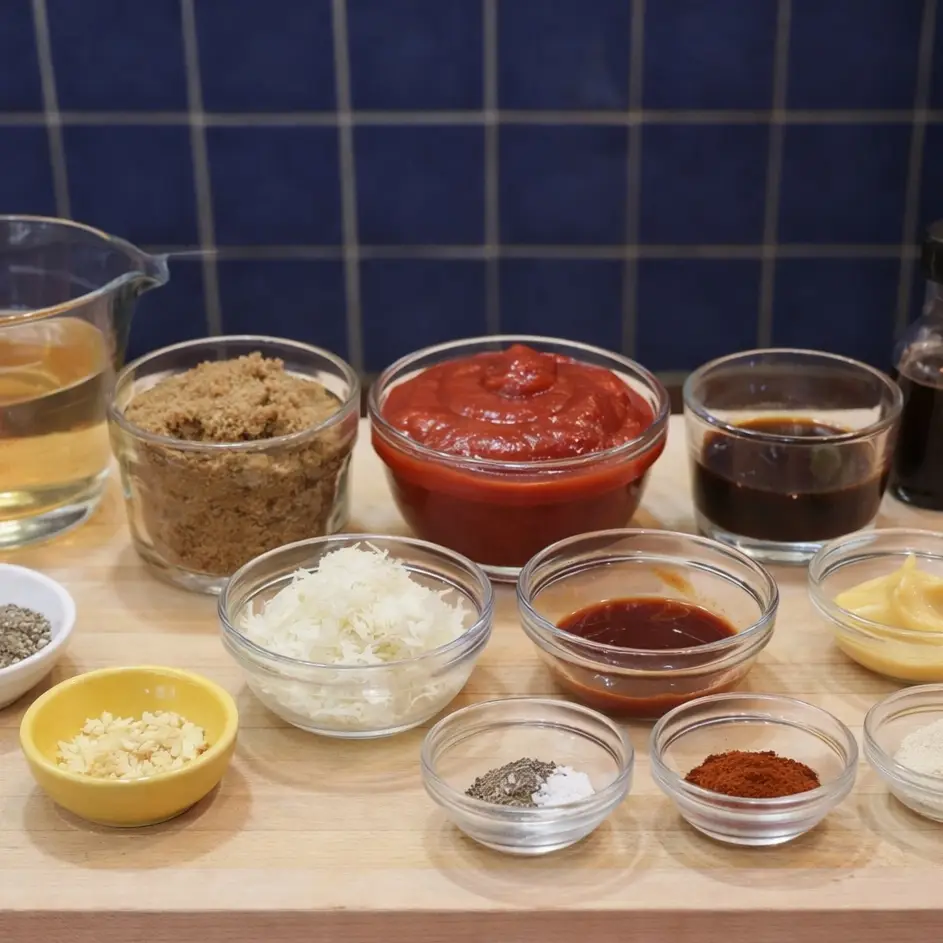
Ingredients overview (and why they matter)
Tomato base: Ketchup is the classic shortcut for BBQ sauce because it already includes tomato concentrate, sugar, vinegar, and seasoning. Using ketchup here gives you a reliable starting point and a consistent texture—then you “build” BBQ flavor on top.
If you love base recipes, you can also make your own ketchup first and use it here for a more “from scratch” sauce: easy homemade ketchup recipe.
Sweetness: Brown sugar is the classic, but maple syrup works beautifully too (especially for a Canada-friendly BBQ profile). Sweetness isn’t only for taste—it helps lacquer the glaze. The key is not overdoing it, because sugar burns when brushed too early over high heat.
Acidity: Apple cider vinegar gives brightness and keeps the sauce from tasting heavy. If you only have white vinegar, you can still make it work—just soften the sharpness with a bit more sweetness or a longer simmer.
Smoky notes: Smoked paprika does a lot of work here. Liquid smoke is optional and powerful—use it carefully. If you want a “maple BBQ” vibe that shines on ribs, you’ll also love pairing this sauce with maple BBQ pork ribs.
Tools you’ll need
- Medium saucepan
- Whisk or silicone spatula
- Measuring spoons/cups
- Jar or airtight container for storage
Optional (for extra smooth sauce): immersion blender or regular blender.
Step-by-step: how to make BBQ sauce at home
1) Sweat the aromatics (flavor foundation)
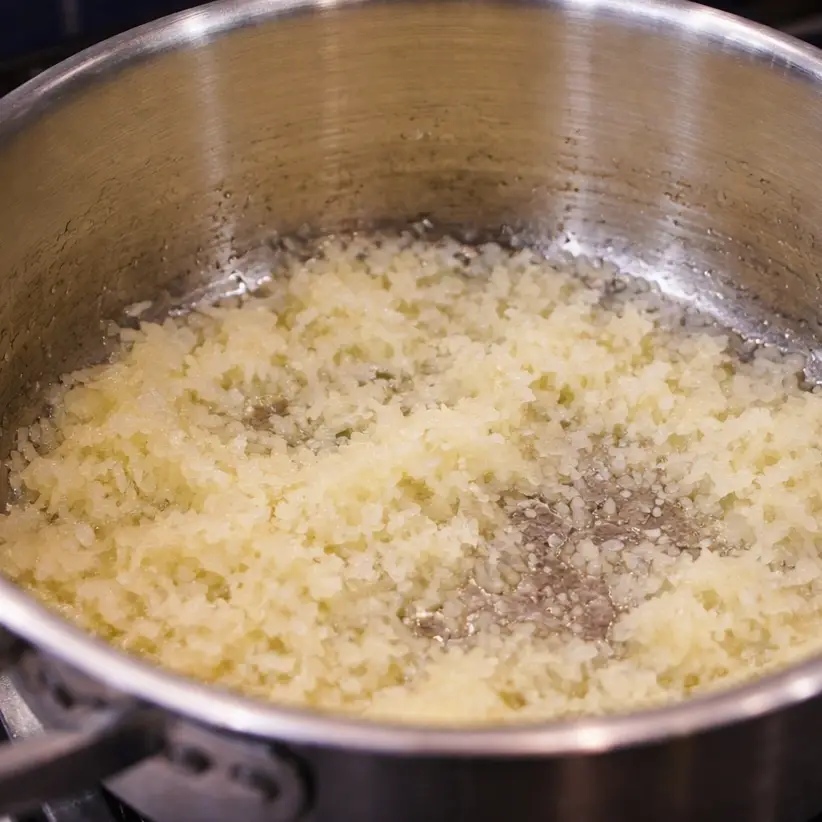
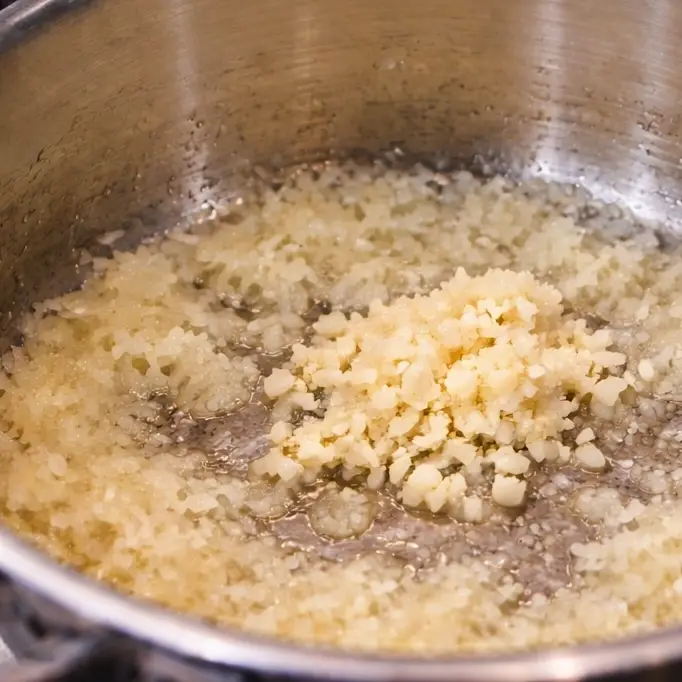
In a medium saucepan over medium heat, add a small splash of neutral oil (or just go dry if you prefer). Add finely grated onion (or minced onion) and cook 2–3 minutes until softened. Add minced garlic and cook 30 seconds—just until fragrant.
Why this matters: raw onion/garlic can taste harsh in a quick sauce. A short sweat makes everything rounder and more “restaurant-style.”
2) Add the base and seasonings
Lower the heat slightly, then add:
- Ketchup
- Brown sugar (or maple syrup)
- Apple cider vinegar
- Worcestershire sauce
- Dijon mustard
- Smoked paprika
- Chili powder
- Salt and black pepper
Whisk well until the sugar dissolves and everything looks uniform.
If you’re already a sauce person on the site, you’ll notice this recipe is built specifically to be a BBQ glaze—different goal than a sandwich sauce like homemade Big Mac sauce or a bold street-food sauce like homemade Algerian sauce. BBQ sauce needs to handle heat without splitting, and it needs enough body to cling.
3) Simmer gently (texture + balance)
Bring the sauce to a gentle simmer (small bubbles), then reduce to low and simmer 12–20 minutes, stirring occasionally.
- Short simmer (12 minutes): looser sauce, great for tossing wings or drizzling.
- Longer simmer (20 minutes): thicker sauce, ideal for ribs and glazing.
Taste near the end. The sauce should be:
- slightly tangy but not sour
- sweet but not “dessert sweet”
- smoky with a savory backbone
If it tastes too sharp, simmer 3–5 minutes longer and add 1–2 teaspoons more brown sugar or 1 tablespoon maple syrup. If it tastes too sweet, add 1–2 teaspoons vinegar and a pinch more salt.
4) Optional: blend for a smoother sauce
If you used grated onion, it’ll naturally melt into the sauce. If you used minced onion and want it ultra-smooth, blend carefully.
5) Cool and store
Let the sauce cool to room temp, then transfer to a jar. It thickens as it cools.
How to use it (and avoid burning on the grill)
For ribs: Brush during the last 10–15 minutes of cooking, not from the beginning. Sugar + high heat = burnt glaze. If you’re making ribs, this sauce is tailor-made for recipes like maple BBQ pork ribs.
For burgers: Use as a spread or finishing sauce. Try it on a big diner-style build like bacon half-and-half burger or a homemade fast-food classic like homemade McDouble burger.
For chicken: Great as a glaze for thighs or drumsticks—just apply late. It pairs well with weeknight chicken mains like crispy baked chicken drumsticks.
For fries and comfort food: BBQ sauce as a dip is underrated. If you’re doing a comfort-night, serve it with crispy air fryer fries or a full snack spread with authentic Belgian fries.

Flavor variations (fast, controlled tweaks)
Smokier BBQ sauce
- Add 1/4 teaspoon liquid smoke (or less), plus 1 extra teaspoon smoked paprika.
Spicy BBQ sauce
- Add 1/4–1/2 teaspoon cayenne or a spoon of your favorite hot sauce.
Maple-forward BBQ sauce (Canada-friendly)
- Replace half the brown sugar with maple syrup.
- Add a pinch more salt for balance.
Tangier “vinegar-kissed” BBQ sauce
- Add 1–2 extra tablespoons apple cider vinegar at the end (don’t overdo).
Substitutions
- Ketchup: Any ketchup works. For more control and a deeper tomato flavor, start with easy homemade ketchup recipe.
- Apple cider vinegar: White vinegar works (use a little less). Rice vinegar is mild (might need a bit more).
- Brown sugar: Maple syrup, honey, or a mix. Honey burns faster—apply the glaze later.
- Worcestershire sauce: Soy sauce plus a tiny squeeze of lemon can substitute in a pinch, but Worcestershire gives a more classic BBQ depth.
- Dijon mustard: Yellow mustard works; Dijon just tastes more rounded.
- Smoked paprika: Regular paprika works, but you’ll lose that barbecue smoke note—consider a tiny amount of liquid smoke instead.
FAQ
Can I make BBQ sauce without ketchup?
Yes. Ketchup is the fastest route to thickness and balance, but you can build from tomato paste + water + sweetener + vinegar. If you want the “from scratch” direction without guesswork, start from easy homemade ketchup recipe and convert it into BBQ sauce with the spices here.
How long does homemade BBQ sauce last?
Stored airtight in the fridge, it usually keeps 10–14 days. If you’re very clean with your jar (no double dipping), it can last a bit longer.
Can I freeze BBQ sauce?
Yes. Freeze in small portions (even in an ice cube tray, then transfer cubes to a freezer bag). Thaw in the fridge and stir well.
Why is my sauce too runny?
It needs more simmering time. Keep it at a gentle simmer (not a hard boil) and reduce until it coats the back of a spoon.
Why does my sauce taste too acidic?
It either needs (1) a bit more sweetness, or (2) a longer simmer to mellow the vinegar. Add sweetness gradually and re-taste.
Can I use this as a marinade?
You can, but it’s better as a finishing sauce or glaze because of the sugar content. For marinating, use it lightly or thin it with a splash of water and a bit more vinegar. For a true “marinade first” approach, check out 5 easy flavorful chicken marinades.
What to serve with homemade BBQ sauce (Suggested posts)
If you want a full BBQ-style plate that feels “restaurant” but still weeknight-friendly, build around one main + one carb + one fresh side:
- Ribs: maple BBQ pork ribs
- Burgers: bacon half-and-half burger or homemade McDouble burger
- Chicken: crispy baked chicken drumsticks
- Fries: crispy air fryer fries or authentic Belgian fries
- Easy side (carb): rice pilaf (fluffy stovetop pilaf)
- Sauce family “compare and pick”: homemade Big Mac sauce and homemade Algerian sauce
- Chili night idea: chili con carne with beef and beans

The Best Homemade BBQ Sauce (Balanced, Smoky & Glossy)
Ingredients
- 1 1/2 cups ketchup
- 1/3 cup brown sugar packed
- 1/4 cup apple cider vinegar
- 1 tablespoon Worcestershire sauce
- 1 tablespoon Dijon mustard
- 1 teaspoon smoked paprika
- 1 teaspoon chili powder
- 1/2 teaspoon onion powder optional
- 2 cloves garlic minced (or 1/2 teaspoon garlic powder)
- 2 tablespoons onion finely grated or minced
- 1/2 teaspoon kosher salt plus more to taste
- 1/4 teaspoon black pepper
- Optional: 1/4 teaspoon liquid smoke very strong—use sparingly
- Optional: cayenne pepper to taste
Instructions
- In a medium saucepan over medium heat, cook the grated/minced onion for 2–3 minutes until softened. Add garlic and cook 30 seconds.
- Add ketchup, brown sugar, vinegar, Worcestershire, Dijon, smoked paprika, chili powder, salt, and pepper. Whisk until smooth.
- Bring to a gentle simmer, then reduce heat to low. Simmer 12–20 minutes, stirring occasionally, until thickened to your liking.
- Taste and adjust: add a little more sugar for sharpness, a splash more vinegar for sweetness, and salt as needed.
- Cool, then store in a sealed jar in the fridge for 10–14 days. Use as a dipping sauce or brush on meats during the last 10–15 minutes of cooking to avoid burning.
Video
Notes
Substitutions
- Ketchup: Any ketchup works. For more control and a deeper tomato flavor, start with easy homemade ketchup recipe.
- Apple cider vinegar: White vinegar works (use a little less). Rice vinegar is mild (might need a bit more).
- Brown sugar: Maple syrup, honey, or a mix. Honey burns faster—apply the glaze later.
- Worcestershire sauce: Soy sauce plus a tiny squeeze of lemon can substitute in a pinch, but Worcestershire gives a more classic BBQ depth.
- Dijon mustard: Yellow mustard works; Dijon just tastes more rounded.
- Smoked paprika: Regular paprika works, but you’ll lose that barbecue smoke note—consider a tiny amount of liquid smoke instead.
FAQ
Can I make BBQ sauce without ketchup?
Yes. Ketchup is the fastest route to thickness and balance, but you can build from tomato paste + water + sweetener + vinegar. If you want the “from scratch” direction without guesswork, start from easy homemade ketchup recipe and convert it into BBQ sauce with the spices here.How long does homemade BBQ sauce last?
Stored airtight in the fridge, it usually keeps 10–14 days. If you’re very clean with your jar (no double dipping), it can last a bit longer.Can I freeze BBQ sauce?
Yes. Freeze in small portions (even in an ice cube tray, then transfer cubes to a freezer bag). Thaw in the fridge and stir well.Why is my sauce too runny?
It needs more simmering time. Keep it at a gentle simmer (not a hard boil) and reduce until it coats the back of a spoon.Why does my sauce taste too acidic?
It either needs (1) a bit more sweetness, or (2) a longer simmer to mellow the vinegar. Add sweetness gradually and re-taste.Can I use this as a marinade?
You can, but it’s better as a finishing sauce or glaze because of the sugar content. For marinating, use it lightly or thin it with a splash of water and a bit more vinegar. For a true “marinade first” approach, check out 5 easy flavorful chicken marinades.Useful Links
🛒 Michel Dumas Shop : Explore our kitchen essentials, including aprons and knives.
🌐 Linktree : Access all our important links in one place.
📱 YouTube | Instagram | Facebook | TikTok : Follow us for the latest recipes and culinary tips.




Great result chef, just tike store bought but better