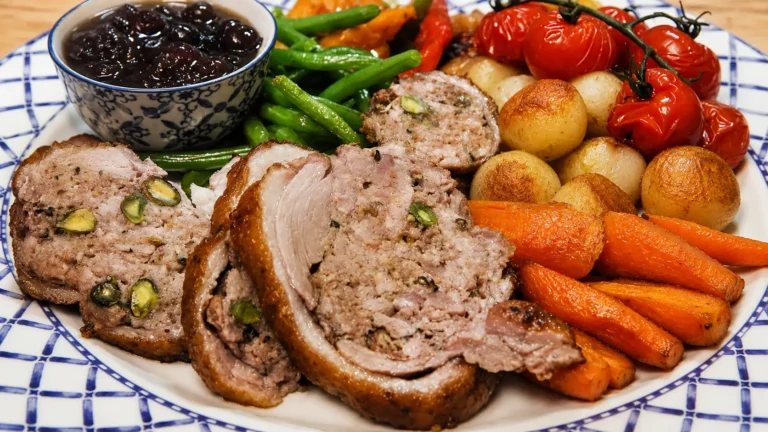
Easy Pork Tenderloin with Creamy Dijon Sauce and Mashed Potatoes
Pork tenderloin with Dijon sauce is a pan-seared pork dish finished in the oven, then served with a creamy mustard sauce made from the browned bits left in the pan. This version is different from a sweet maple pork tenderloin or a slow-cooked pork roast because the sauce is built quickly with white wine, pork stock, cream, and Dijon mustard. I make it when I want something bistro-style without spending the whole afternoon in the kitchen.
This recipe is based on my YouTube video for filet de porc sauce dijonnaise, with a few adjustments since publication. In the video, the method is clear, but some quantities are not fully measured out. Here, I tightened the proportions so the sauce is easier to reproduce at home in Canada or the USA, especially if someone is cooking pork tenderloin for a family dinner and wants the same creamy result.
The reason this dish works is the order of cooking. The pork is browned first, so the pan picks up that golden layer of flavor. Then the sauce is made in the same pan. The mistake to avoid is rushing the sauce before the wine reduces. If the wine is still thin and sharp, the cream has nothing to hold onto. What I look for here is a pan that smells slightly sweet from the shallots, with a sauce that coats the back of a spoon instead of running like milk.
This is not the same style as my maple Dijon pork tenderloin, which leans more sweet and tangy. It is also different from air fryer pork tenderloin, where the goal is speed and a simpler finish. This one is more of a creamy pan sauce dinner, closer to something served with mashed potatoes and a green salad.

Why I Make It This Way
I prefer to sear the pork before roasting it because tenderloin is lean. It does not have much fat to protect itself, so the color has to come from the pan. A pale pork tenderloin cooked only in the oven can be tender, but it will not have the same depth once the sauce is poured around it.
The shallots go into the same pan after the pork rests. They soften in the pork drippings and pick up whatever is stuck to the bottom. When the white wine hits the hot pan, it should steam right away and loosen the browned bits. That sound is important. It tells you the pan is hot enough to deglaze.
I add the Dijon near the end, not at the beginning. Mustard is strong, and if it boils too long it can lose its clean sharpness. It should taste present, but not harsh. The cream rounds it out, the pork stock gives it body, and the wine keeps the sauce from feeling heavy.
For a full pork recipe collection, the best place to browse is easy pork dinners for family meals. This recipe sits in the creamy bistro-style category, not the glazed, fried, stuffed, or slow-cooked category.
Ingredients Notes
Pork tenderloin is the right cut here because it cooks quickly and slices nicely into medallions after resting. Do not confuse it with pork loin. Pork loin is larger and needs a longer roasting time.
Dijon mustard gives the sauce its main flavor. Regular yellow mustard is not the same. It is softer, sweeter, and less sharp. It can work in a pinch, but the sauce will taste more casual and less French-style.
Cream at 15% to 18% works well. In the USA, half-and-half is a decent option, but heavy cream will make the sauce richer and thicker. If using heavy cream, let the sauce simmer gently and avoid reducing it too much.

For the stock, pork stock is ideal. Chicken stock works if that is what is available. Beef stock is stronger and darker, so use it carefully. If the stock is salty, wait until the end before adding salt.
The mashed potatoes are simple on purpose. Butter, a splash of warm milk or cream, salt, and pepper are enough. The sauce is the main event, so the potatoes should be smooth and comforting, not overloaded.
Step-by-Step Instructions
Start with the potatoes because they take the longest. Peel them, cut them into even chunks, and place them in a large pot of cold salted water. Bring to a boil and cook until a knife slides through without resistance. At this point, the potatoes should look slightly rough around the edges and feel tender all the way through.


While the potatoes cook, preheat the oven to 375°F. Pat the pork tenderloins dry with paper towel. This matters. If the surface is wet, the pork steams before it browns. Season with salt and pepper.
Heat a large oven-safe skillet over medium-high heat and add a thin layer of oil. When the oil looks shiny and moves easily in the pan, add the pork. It should sizzle right away. Brown it on all sides, turning it every couple of minutes. You are not trying to cook it through yet, just build color.


Transfer the skillet to the oven, or move the pork to a baking dish if the pan is not oven-safe. Roast until the pork reaches the right internal temperature. For a juicy result, I look for 145°F in the center, then I let it rest. If you prefer pork more cooked through, take it closer to 160°F. Resting is not optional here. Give it 5 minutes before slicing so the juices settle.
While the pork rests, return the skillet to the stove. If the pan is dry, add a small touch of butter or oil. Add the minced shallots and cook for 1 to 2 minutes, just until softened. They should smell sweet, not burnt.


Pour in the white wine and scrape the bottom of the pan. Let it reduce until only a small amount remains. The pan should look almost glossy, with the wine smell becoming softer. Add the pork stock and reduce again for a few minutes.
Lower the heat and add the cream. Simmer gently until the sauce thickens slightly. Add the Dijon mustard at the end and whisk until smooth. You know it is ready when it coats a spoon and leaves a light trail if you run a finger through it.


Mash the potatoes with butter, then add warm milk or cream as needed. Keep the texture soft enough to hold the sauce but not so loose that it spreads like soup.

Slice the pork into medallions, spoon the mashed potatoes onto the plate, and pour the Dijon cream sauce around or over the pork. I prefer to leave some of the pink center visible when plating because it shows the pork was not overcooked.

How This Recipe Is Different From Similar Pork Recipes
This version is built around a creamy Dijon pan sauce and whole pork tenderloins. It is not a one-pan sheet-pan meal like pork chops and potatoes baked together, where everything cooks in the same dish.
It is also not cut into small pieces before cooking like pork tenderloin medallions in cream sauce. Medallions cook faster and give more browned edges, but a whole tenderloin stays a bit juicier and slices beautifully after resting.
For a sweeter garlic-forward version, honey garlic pork tenderloin goes in a different direction. This Dijon version is sharper, creamier, and more like a quick French bistro dinner.
If the goal is comfort food with a deeper simmered sauce, creamy pork stroganoff is richer and more mushroom-focused. This recipe stays lighter in structure because the tenderloin is roasted quickly and the sauce is reduced in minutes.
Substitutions
Pork tenderloin: Pork loin can be used, but the cooking time will be longer. Pork chops also work, though they should be cooked more like garlic butter pork chops than a whole tenderloin.
White wine: Use dry white wine. If cooking without wine, use extra pork or chicken stock with a small splash of lemon juice or white wine vinegar at the end.
Pork stock: Chicken stock is the easiest substitute. For a deeper sauce, use a light brown stock, but reduce the added salt.

Cream: Half-and-half works for a lighter sauce. Heavy cream makes it richer. Avoid boiling hard after adding cream.
Dijon mustard: Whole grain mustard can replace part of the Dijon. I would not replace all of it unless you want a more rustic texture.
Mashed potatoes: Serve with rice, buttered noodles, roasted vegetables, or a potato gratin instead.
What to Serve With It
Mashed potatoes are the natural match because they catch the sauce. If you want a crisp potato side instead, crispy homemade hash browns give a very different texture.
For a richer dinner, traditional gratin dauphinois works well, especially in colder months. It makes the meal feel more like a Sunday dinner.
For something fresher, serve the pork with a sharp green salad. I like the bitterness and crunch of romaine and endive salad beside a cream sauce.
Roasted vegetables also work year-round. In winter, use carrots, onions, parsnips, or Brussels sprouts. In summer, go lighter with zucchini, peppers, or green beans. A tray of oven-roasted mixed vegetables keeps the plate balanced without competing with the sauce.
For more sauce technique, French mother sauces explained is useful background, and homemade brown gravy is another good base recipe if you want to understand reduction and pan flavor better. For a direct sauce pairing, this recipe is closest in spirit to a creamy Dijon sauce.
FAQ
Can pork tenderloin be slightly pink?
Yes, pork tenderloin can be slightly pink when cooked properly. The most reliable way to know is to use a thermometer. I look for 145°F in the center, then rest the meat before slicing.
Why is my pork dry?
It was likely overcooked or sliced too soon. Pork tenderloin is lean, so a few extra minutes can make a big difference. Rest it before cutting and avoid cooking only by time.
Can I make the sauce ahead of time?
Yes, but it is best fresh. If making it ahead, reheat gently over low heat and whisk in a splash of stock or cream to loosen it.
Can I skip the wine?
Yes. Replace the wine with more stock, then finish the sauce with a small splash of lemon juice or white wine vinegar. The acid helps balance the cream and mustard.
What should the sauce look like?
It should be creamy and lightly thickened, not pasty. When you drag a spoon through the pan, it should leave a soft trail that slowly fills back in.
Can I use heavy cream?
Yes. Heavy cream makes a thicker, richer sauce. Use a gentle simmer and do not reduce it too aggressively.
Is this recipe good year-round?
Yes. In colder months, serve it with mashed potatoes or gratin. In warmer months, serve it with a crisp salad or simple roasted vegetables.
For more ideas, browse our pork tenderloin recipes.

Easy Pork Tenderloin with Creamy Dijon Sauce and Mashed Potatoes
Ingredients
- For the pork
- 2 pork tenderloins about 2 lb total
- 1 tbsp neutral oil
- 1 tsp salt or to taste
- 1/2 tsp black pepper
- For the Dijon cream sauce
- 2 shallots finely minced
- 1/2 cup dry white wine
- 3/4 cup pork stock or chicken stock
- 3/4 cup 15% to 18% cream half-and-half, or light cream
- 2 tbsp Dijon mustard
- 1 tbsp butter optional
- Salt and black pepper to taste
- For the mashed potatoes
- 2 1/4 lb potatoes peeled and cut into chunks
- 8 cups water
- 1 tbsp salt for the cooking water
- 5 tbsp butter
- 1/3 to 1/2 cup warm milk or cream
- Black pepper to taste
Instructions
- Place the potatoes in a large pot with cold water and salt. Bring to a boil and cook until very tender, about 25 to 35 minutes.
- Preheat the oven to 375°F. Pat the pork tenderloins dry and season with salt and pepper.
- Heat oil in a large oven-safe skillet over medium-high heat. Sear the pork on all sides until golden brown.
- Transfer the skillet to the oven and roast until the pork reaches 145°F for a juicy result, or closer to 160°F for a more cooked-through result. Rest for 5 minutes before slicing.
- Drain the potatoes. Mash with butter, then add warm milk or cream until smooth. Season with pepper and adjust salt if needed. Keep warm.
- Place the pork skillet back on the stove over medium heat. Add butter if the pan is dry. Add the shallots and cook for 1 to 2 minutes.
- Deglaze with white wine, scraping the bottom of the pan. Reduce until almost dry.
- Add the pork stock and simmer for a few minutes. Add the cream and simmer gently until lightly thickened.
- Whisk in the Dijon mustard at the end. Taste and adjust salt and pepper.
- Slice the pork into medallions and serve with mashed potatoes and Dijon cream sauce.
Video
Notes
FAQ
Can pork tenderloin be slightly pink?
Yes, pork tenderloin can be slightly pink when cooked properly. The most reliable way to know is to use a thermometer. I look for 145°F in the center, then rest the meat before slicing.Why is my pork dry?
It was likely overcooked or sliced too soon. Pork tenderloin is lean, so a few extra minutes can make a big difference. Rest it before cutting and avoid cooking only by time.Can I make the sauce ahead of time?
Yes, but it is best fresh. If making it ahead, reheat gently over low heat and whisk in a splash of stock or cream to loosen it.Can I skip the wine?
Yes. Replace the wine with more stock, then finish the sauce with a small splash of lemon juice or white wine vinegar. The acid helps balance the cream and mustard.What should the sauce look like?
It should be creamy and lightly thickened, not pasty. When you drag a spoon through the pan, it should leave a soft trail that slowly fills back in.Can I use heavy cream?
Yes. Heavy cream makes a thicker, richer sauce. Use a gentle simmer and do not reduce it too aggressively.Is this recipe good year-round?
Yes. In colder months, serve it with mashed potatoes or gratin. In warmer months, serve it with a crisp salad or simple roasted vegetables.🔗 Useful Links
🛒 Michel Dumas Shop : Explore our kitchen essentials, including aprons and knives.
🌐 Linktree : Access all our important links in one place.
📱 YouTube | Instagram | Facebook | TikTok : Follow us for the latest recipes and culinary tips.