Braised Lamb Shanks with Beets and Sweet Potato Mash
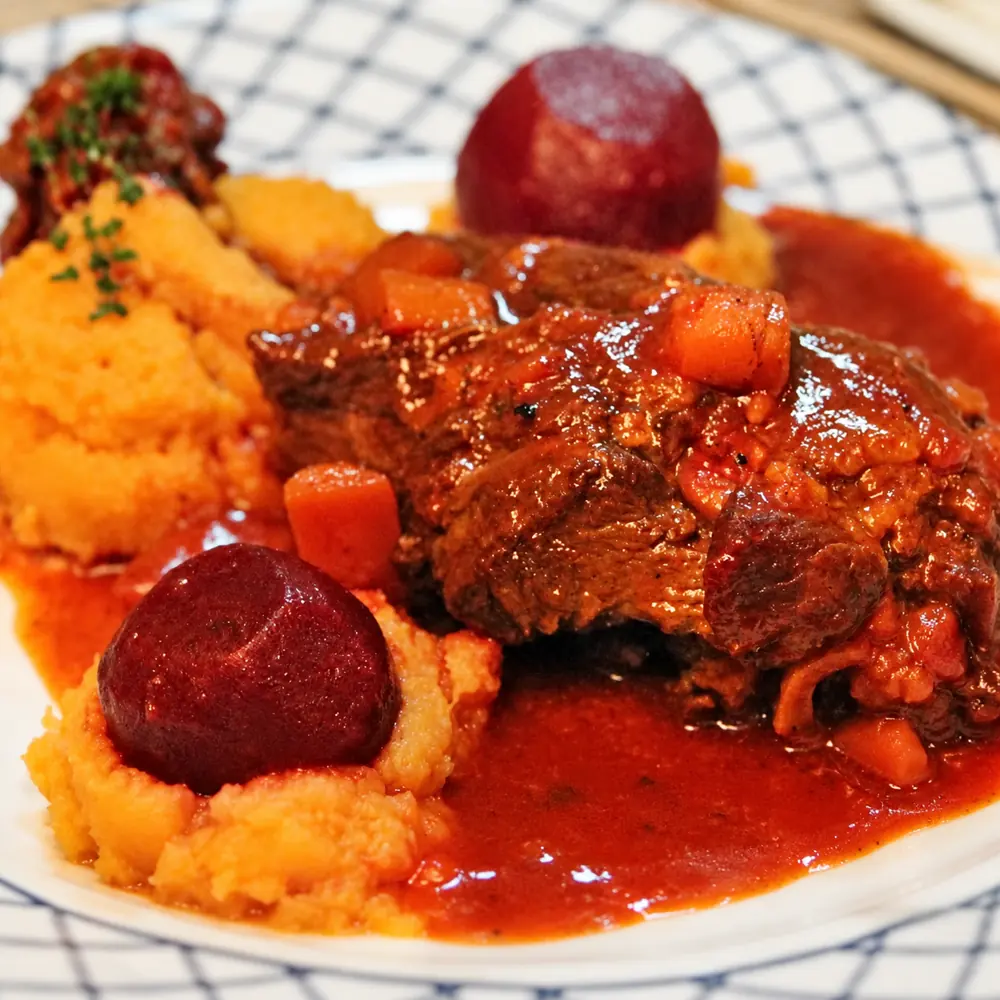
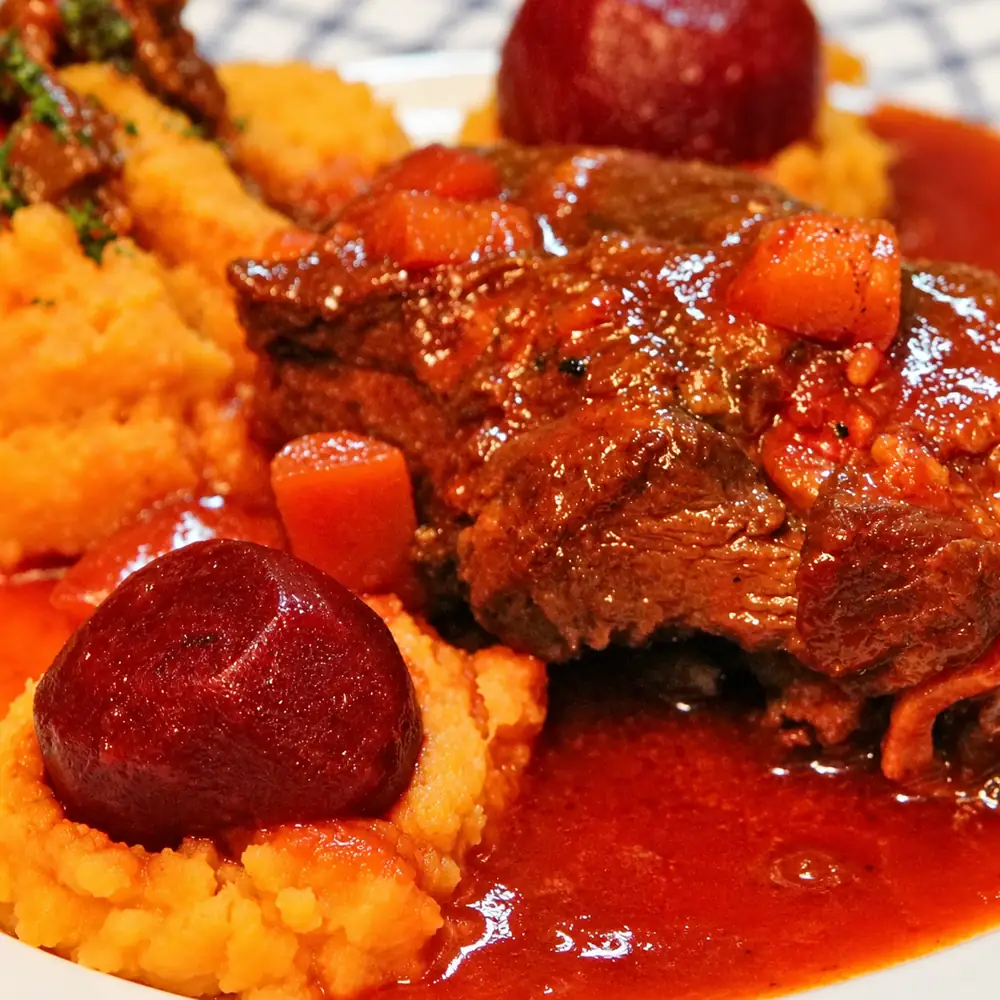
These lamb shanks simmer gently with tomatoes, veal stock, carrots and red beets until the meat yields easily to a knife. Sweet potato mash catches the glossy sauce and gives the earthy beets a soft, buttery base. Keep the braise at a quiet simmer and season the reduced sauce at the end, because both evaporation and the stock affect how salty it becomes.
This is a stovetop lamb shank dinner with a tomato and beet sauce, served as a complete plate with sweet potato purée. It suits a weekend meal or a dinner you can prepare ahead. The recipe is based on my YouTube video, with a few adjustments since publication to clarify quantities, liquid management and the signs of tenderness.
{VIDEO}
A braise built around stock and root vegetables
I make it this way because the browned meat, the vegetable cooking juices and the stock all end up in the same sauce. The beets contribute their colour and earthy sweetness while the shanks slowly soften. There is no wine, cream or flour in the braise.
A gelatin-rich unsalted brown veal stock gives a better finish than a very thin broth. The sauce gains body from reduction and the shanks, but it still needs to be checked before serving. If it remains watery, reduce it briefly after lifting out the tender meat and vegetables.
This preparation has a different character from my lamb shanks with white wine, maple and blueberries. Here, the red beets and tomato are the defining flavours. It also differs from an Irish lamb stew with potatoes, where smaller pieces of lamb and potatoes share the cooking pot.
What to prepare before turning on the heat
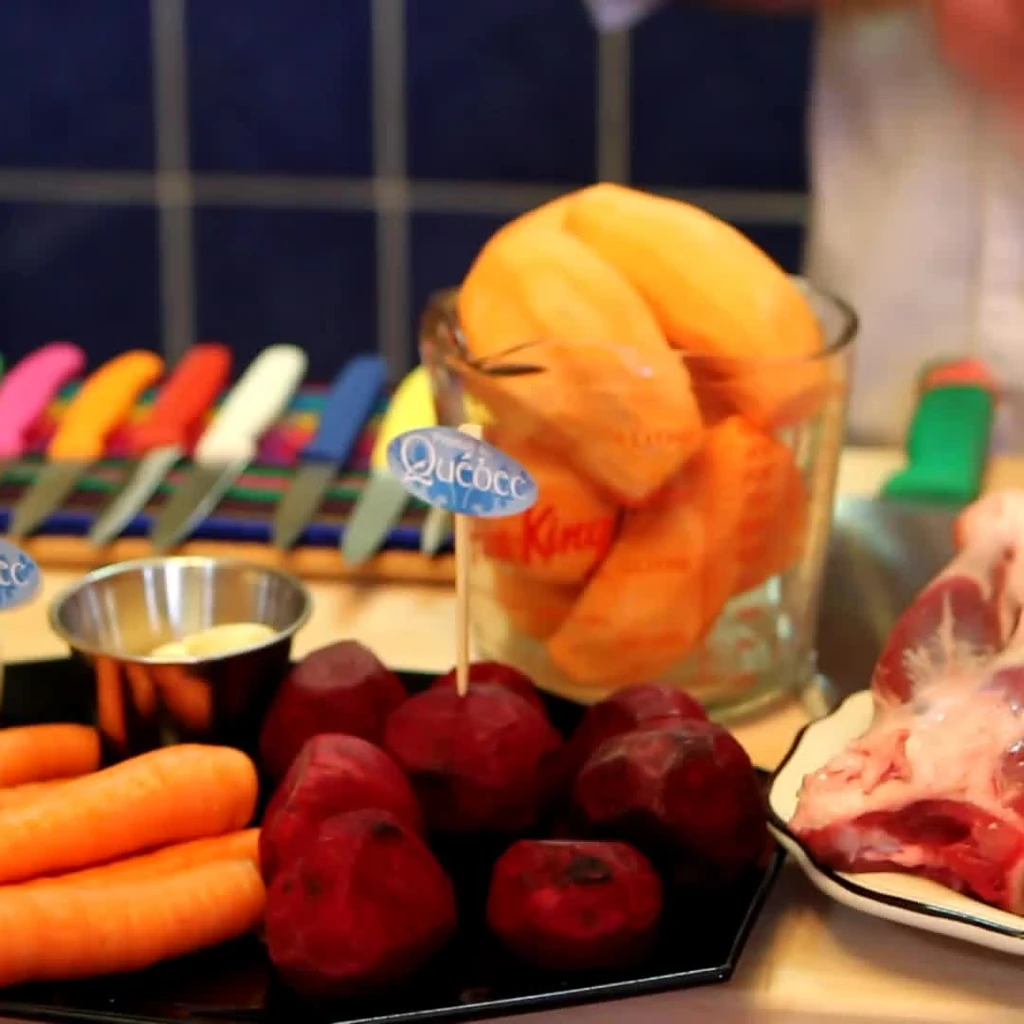
Use three bone-in lamb shanks, one per serving, about 14 to 18 ounces each. Pat the surfaces dry so they colour in the hot pan. Leave the bones in: the presentation and the cooking method both depend on using whole shanks.
Prepare one large yellow onion, 10½ ounces of carrots, 1¾ ounces of peeled garlic and six small raw red beets, about 1 pound 2 ounces in total. Dice the onion and carrots, roughly chop the garlic, and peel the beets. Keep small beets whole; halve larger ones so they cook evenly.
The garlic quantity is generous. It softens during the long simmer rather than staying sharp. Add it near the end of the vegetable sauté so it does not burn before the liquid goes in.
For the braise, have 2 cups of crushed tomatoes, up to 6 cups of unsalted veal stock, 2 tablespoons of neutral oil, 1 teaspoon of fine salt and ½ teaspoon of ground black pepper ready. The stock amount is an allowance: add enough to come close to the top of the meat in your pot, reserving any remainder. A wide pot loses liquid more quickly than a narrow one.
The mash uses 2 pounds 3 ounces of peeled sweet potatoes, 3½ tablespoons of unsalted butter and up to ⅔ cup of warm milk. Add the milk gradually. Sweet potatoes already contain plenty of moisture, and a loose purée will spread under the sauce.
Brown the shanks and build the braise
1. Give the meat a proper colour
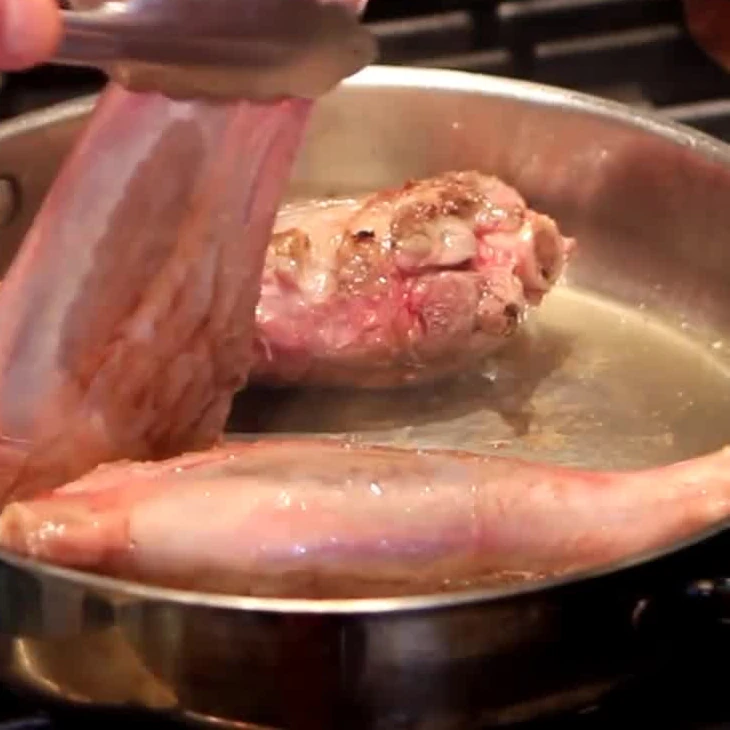
Heat the oil in a large skillet over medium-high heat. Brown the shanks on several sides, allowing about 8 to 12 minutes in total. Work in batches if they crowd the pan. Transfer them to a heavy pot large enough to hold them and the beets, ideally 6 to 7 quarts.
What I look for is a brown surface and a layer of cooking juices in the pan. This is not the stage to cook the meat through. Blackened drippings will make the sauce bitter, so lower the heat if the pan starts smoking heavily.
2. Sauté the onion and carrots
Use the same skillet for the onion and carrots. Pour off excess fat if necessary, leaving about a tablespoon. Cook for 4 to 5 minutes, stirring, until the onion starts to soften and the vegetables pick up a little colour. Add the garlic for the final minute, then transfer everything to the shanks.
3. Collect the browned juices
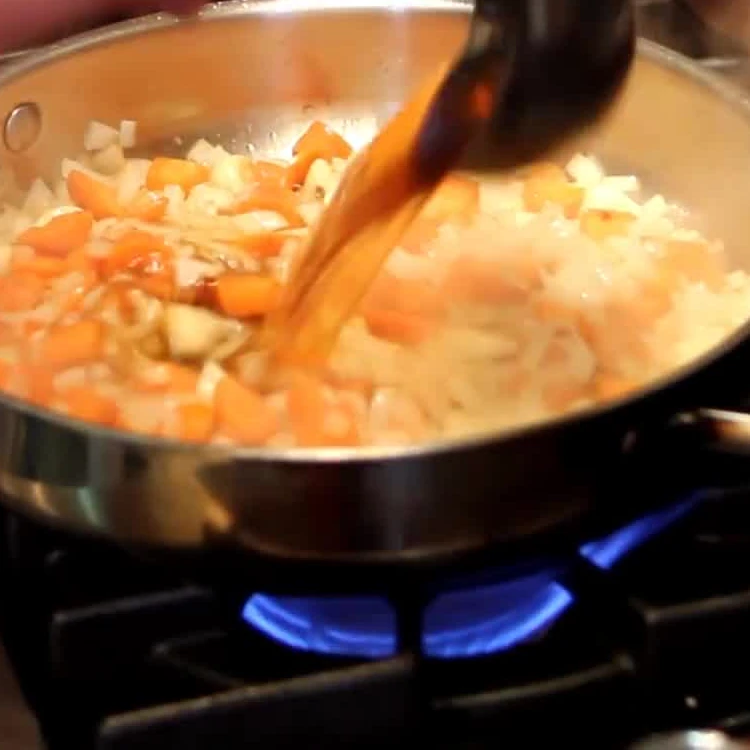
Pour a ladle of the stock into the skillet and scrape up the browned bits. Add that liquid to the pot along with the tomatoes. Pour in more stock until the shanks are nearly covered, keeping the pot comfortably below the rim. Add the pepper and, only if the stock is unsalted, the initial teaspoon of salt.
4. Add the beets and simmer gently
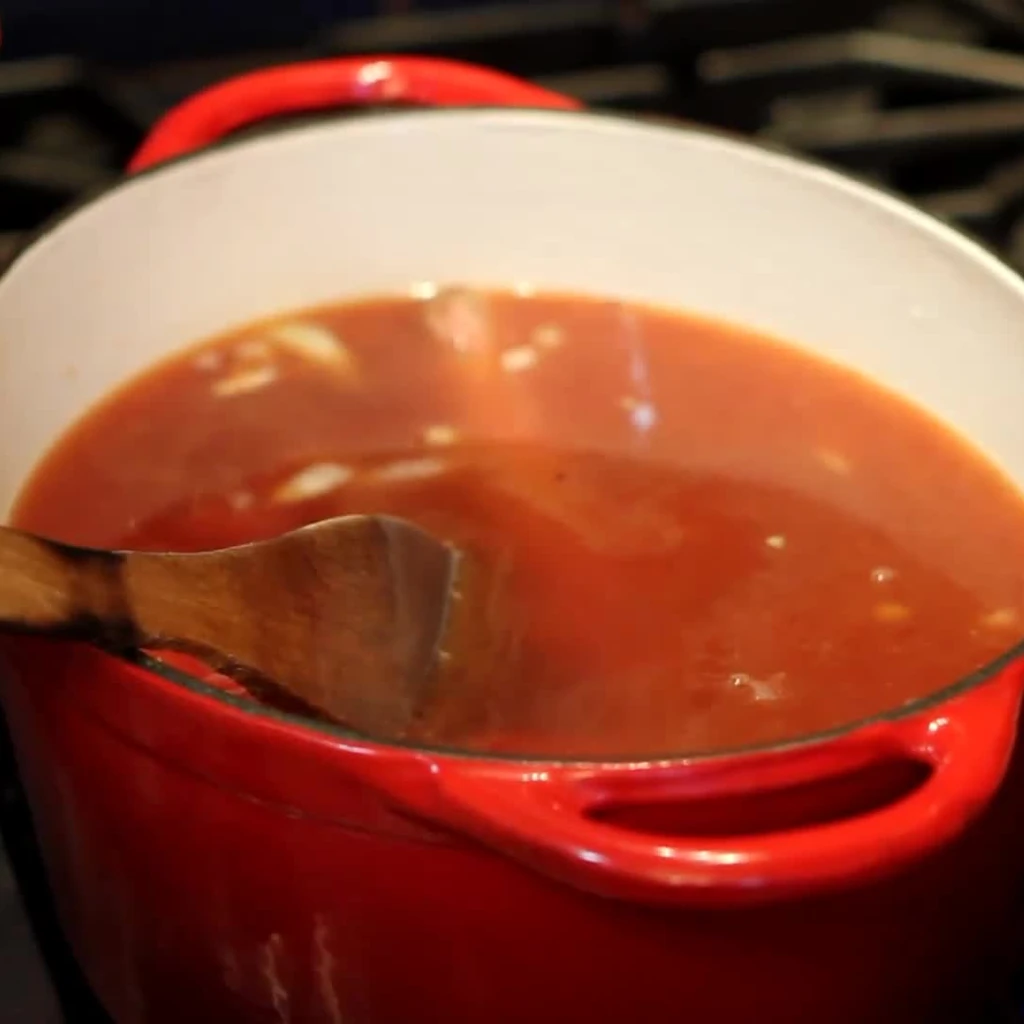
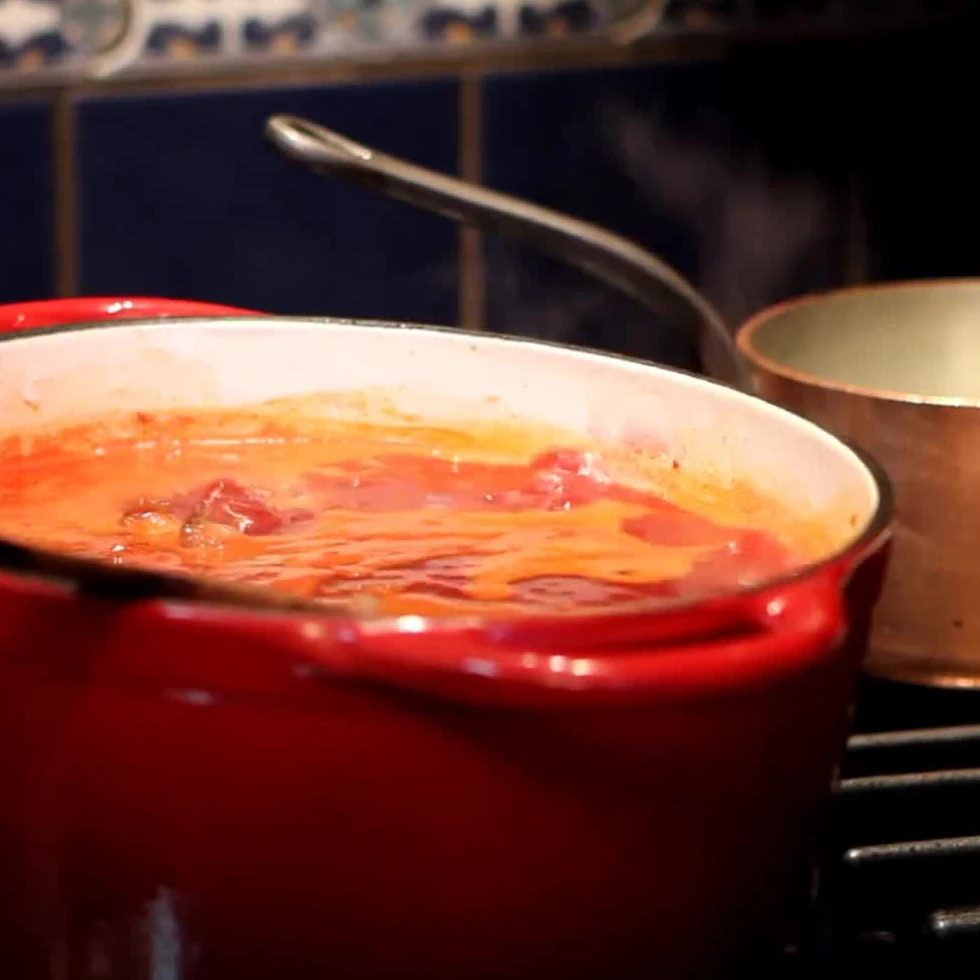
Add the peeled beets and bring the liquid to a simmer. Lower the heat immediately. Leave the lid slightly ajar to control evaporation and check the pot every 30 minutes, turning the shanks carefully. Add hot water or reserved unsalted stock if the liquid drops too far before the meat is tender.
Start checking at 2 hours, but allow up to 3 hours or longer for large shanks. A small knife should slide easily into the thickest meat, and the meat should pull away from the bone without force. If it resists, continue cooking gently. Lift out the beets if they become tender before the lamb.
For another slow-cooked lamb dinner with a different vegetable balance, try my spring lamb navarin. The essential habit is the same: check the meat itself rather than declaring it ready because the timer has finished.
Make the sweet potato mash near the end
5. Drain thoroughly before adding butter
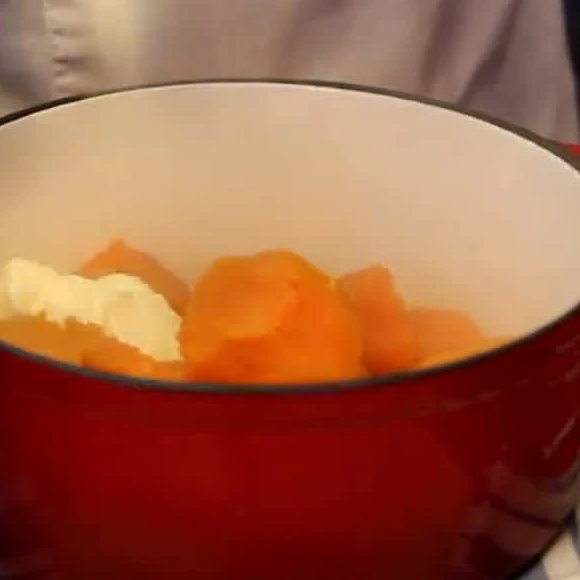
When the lamb is approaching tenderness, cut the peeled sweet potatoes into roughly 1½-inch pieces. Put them in a separate pot, cover with cold water and add a little salt. Bring to a boil, then simmer for 20 to 30 minutes, until a knife passes through without resistance.
Drain well, return to the hot pot and stir over low heat for 1 to 2 minutes to remove surface moisture. Turn off the heat and mash with the butter. I prefer to dry them first because water left in the pot makes the purée slack before the milk even arrives.
6. Add warm milk only as needed
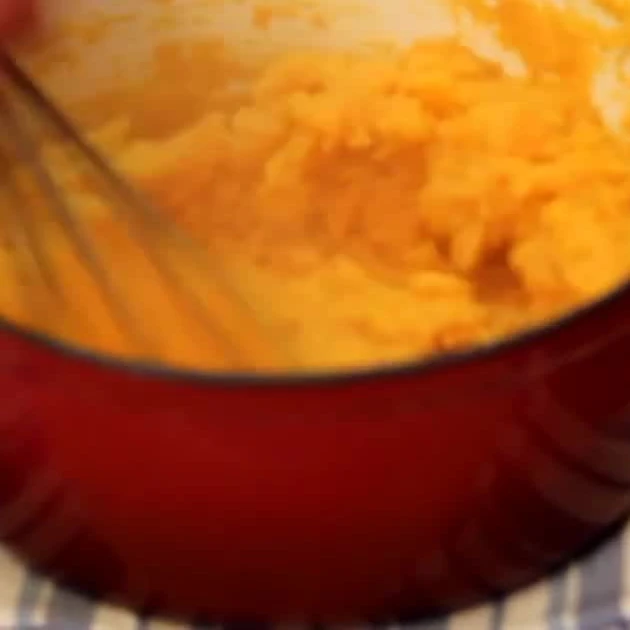
Stir in the warm milk a little at a time until the mash is soft but still holds a mound. You may not need all of it. Taste for salt and pepper. Use a masher or whisk rather than blending the potatoes with extra liquid.
My classic mashed potatoes make an alternative base, while air fryer sweet potatoes suit a meal where you want firmer pieces instead of purée.
Finish the sauce and plate carefully
Lift out the tender shanks and beets. Skim excess fat from the sauce. If necessary, simmer the sauce uncovered until it coats the back of a spoon, then taste for salt. Return the shanks briefly to coat them, handling them gently so the meat stays attached to the bones.
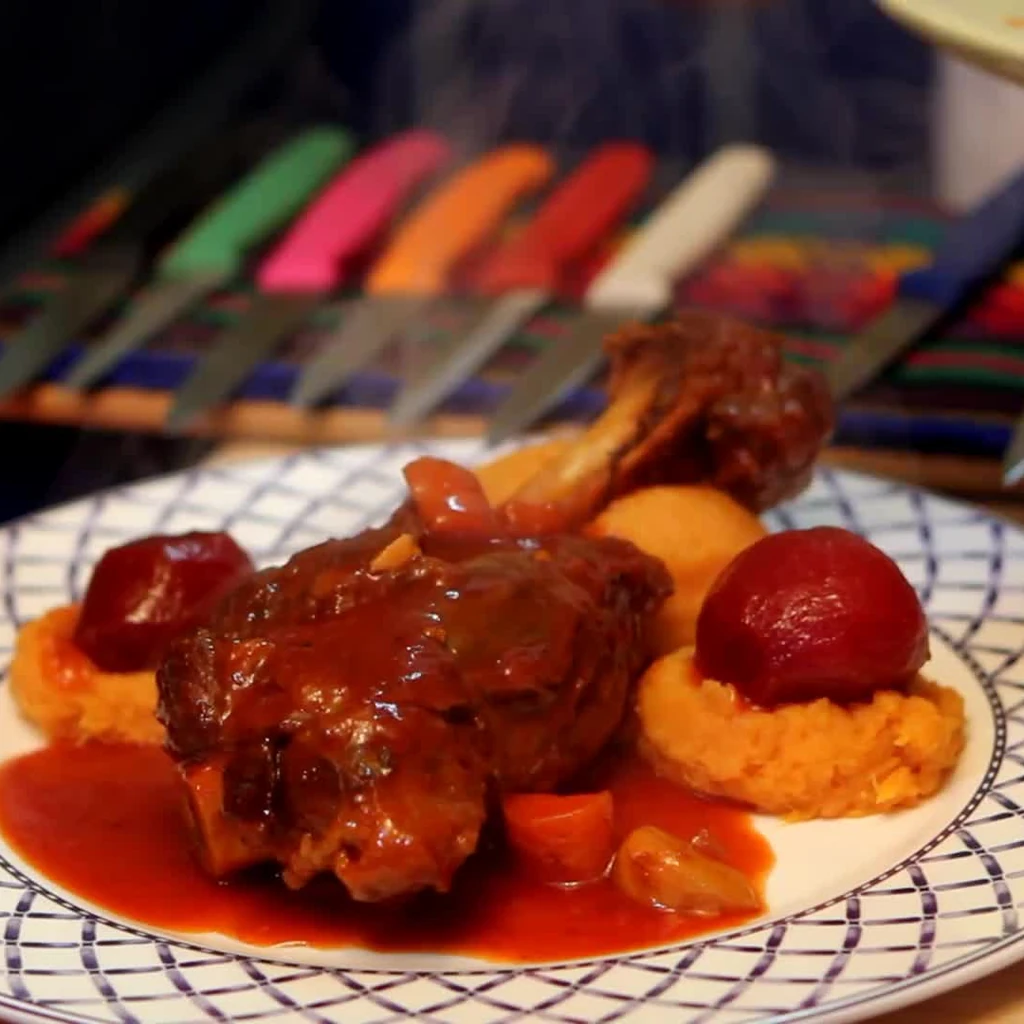
Serve each shank with the mash, beets, carrots and a spoonful of sauce. Keep the purée visible rather than flooding the plate. If the sauce becomes too thick, loosen it with a little hot water.
Substitutions that keep the plate balanced
Unsalted beef stock can replace the veal stock, though its flavour and body will differ. If using salted stock, omit the initial salt and season only after reducing the sauce. Avoid copying a fixed salt amount from the video into a pot of commercial salted broth.
Use plain cooked beets only if you add them for the final 15 to 20 minutes to warm through. Pickled beets change the acidity and should not replace the raw beets in the braise. My homemade pickled beets are a separate accompaniment.
Ordinary potato mash can replace the sweet potato purée. For a different lamb centrepiece altogether, choose royal roast leg of lamb or lemon and herb lamb shoulder; those cuts require their own cooking methods.
Questions about tenderness and sauce
Why is the lamb still tough after two hours?
Shanks vary in size and need sufficient time at a gentle simmer. Keep the meat moist and continue checking every 20 to 30 minutes. Toughness at this stage usually calls for more cooking, not a stronger boil.
Will the beets make everything red?
They colour the braising sauce, which is part of this recipe. The sweet potatoes cook separately, so their orange colour remains distinct until sauce is spooned over them.
Can I make this ahead?
Yes. Cool the lamb and sauce in shallow containers and refrigerate within 2 hours. Keep the mash separately. Eat refrigerated leftovers within 2 to 3 days and reheat to 165°F, loosening the sauce and mash as needed.
Serving ideas for the rest of the table
This is already a generous meal with lamb, vegetables and mash. Maple glazed carrots are useful if you want an extra vegetable platter, though the braise already includes carrots. For another lamb dinner with a different sauce, my coconut lamb curry offers a separate direction for the next meal.
Braised Lamb Shanks with Beets and Sweet Potato Mash
Ingredients
- 3 bone-in lamb shanks 14 to 18 oz each
- 2 tbsp neutral oil
- 1 large yellow onion diced
- 10½ oz carrots diced
- 1¾ oz peeled garlic roughly chopped
- 6 small raw red beets about 1 lb 2 oz total, peeled
- 2 cups crushed tomatoes
- Up to 6 cups unsalted veal stock enough to nearly cover the shanks
- 1 tsp fine salt for unsalted stock plus more to taste
- ½ tsp ground black pepper plus more to taste
- 2 lb 3 oz peeled sweet potatoes cut into 1½-inch pieces
- 3½ tbsp unsalted butter
- Up to ⅔ cup warm milk added gradually
- Hot water as needed to maintain the braising liquid
Instructions
- Pat the shanks dry. Heat the oil and brown them on several sides for 8 to 12 minutes. Transfer to a 6 to 7 quart heavy pot.
- Leave about 1 tbsp fat in the skillet. Sauté the onion and carrots for 4 to 5 minutes, adding the garlic for the final minute. Transfer to the pot.
- Deglaze the skillet with a ladle of stock and add to the pot. Add the tomatoes and enough remaining stock to nearly cover the shanks without overfilling. Add the pepper and initial salt only if using unsalted stock.
- Add the beets, bring to a simmer and lower the heat. Simmer gently with the lid slightly ajar, checking every 30 minutes and topping up with hot water or reserved stock as needed. Start checking tenderness at 2 hours; allow up to 3 hours or longer. Remove tender beets early if necessary.
- Near the end, cover the sweet potato pieces with cold lightly salted water. Simmer for 20 to 30 minutes until tender, drain and dry over low heat for 1 to 2 minutes.
- Turn off the heat, mash with the butter, then add warm milk gradually until the purée holds a soft mound. Season to taste.
- Lift out the tender shanks and beets. Skim the sauce and reduce uncovered if needed until it coats a spoon. Adjust salt, then serve with the mash, beets and sauce.