Duck Pâté / Country-Style Duck Terrine (Traditional, Rustic & Make-Ahead)
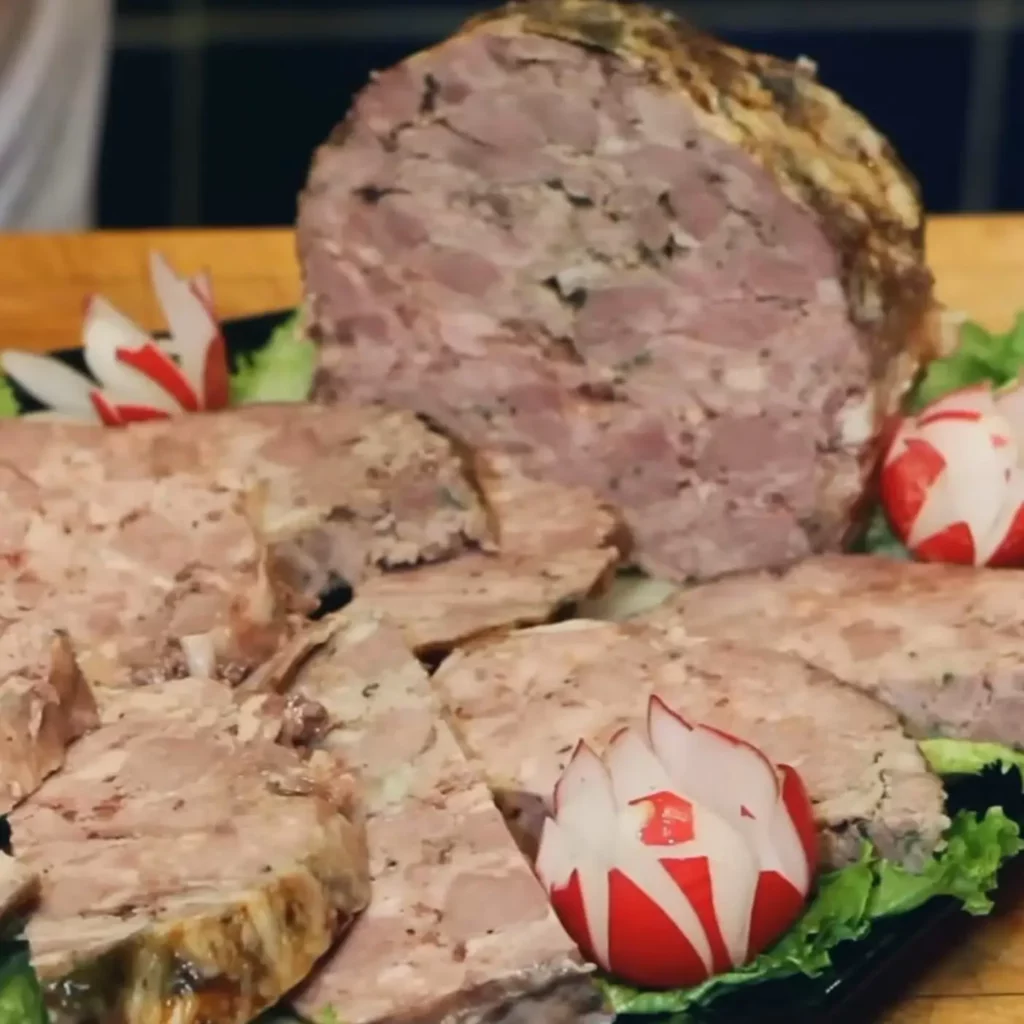
This duck pâté is a classic country-style terrine made with a balanced blend of duck, pork, and poultry, gently marinated, molded in crépinette, and slowly cooked in a bain-marie. Unlike smoother liver-heavy pâtés, this version keeps visible pieces of duck breast and foie for a rustic texture that slices cleanly and improves after resting.
Based on my original YouTube video, this version has been slightly adjusted since publication to improve seasoning balance, consistency, and repeatability while preserving the traditional character and technique.
What Makes This Duck Pâté Different
This terrine sits between a traditional pâté de campagne and a duck-forward charcuterie loaf. It is not whipped or emulsified, not creamy, and not designed to be eaten warm. The goal is a firm yet tender pâté with visible pieces of meat, gentle seasoning, and a clean slice once chilled. It is ideal for entertaining, holiday spreads, or make-ahead lunches, but it also works year-round as a practical cold-cut style dish.

Ingredient Overview & Structure
This duck pâté relies on three structural elements:
- Primary meats for flavor and texture
- Controlled fat and binding for cohesion
- Gentle cooking and resting for stability and flavor development
Duck provides depth, pork provides balance and moisture, and a small amount of foie enriches without overpowering. The crépinette plays a structural role, helping retain fat during cooking and giving the terrine its classic look.
Step-by-Step Preparation

1. Prepare the meats
Remove the skin from the duck breast and reserve it if extra fat is needed later. Dice the duck breast into ½-inch cubes and set aside. Coarsely grind or finely chop the duck leg meat, chicken leg meat, and pork shoulder. Combine these in a large mixing bowl and keep refrigerated while preparing the marinade.

2. Marinate the base
Spread the ground meat mixture in a shallow dish in an even layer. Add crushed garlic, thyme, crushed bay leaf, salt, black pepper, and cognac. Gently mix with your hands until evenly distributed. Cover tightly and refrigerate overnight to allow the flavors to develop.
This slow marinade is what gives the pâté its depth without relying on heavy spices or excessive aromatics.

3. Build the pâté mixture
The next day, remove the visible bay and thyme stems. Transfer the marinated meat to a bowl. Add one egg, the diced duck breast, and cubed foie gras. Mix gently by hand until cohesive but not pasty. The texture should be supple and slightly tacky, not wet or loose.
At this stage, cook a small test portion to confirm seasoning. Adjust with a pinch of salt or pepper only if necessary.
4. Line the terrine
Rinse the crépinette in cold water and gently stretch it flat. Line the terrine mold completely, leaving enough overhang to fold over the top later. This step is essential for fat retention and final structure.

5. Fill and shape
Pack the pâté mixture firmly into the mold, pressing down to eliminate air pockets. Smooth the top and fold the excess crépinette over the surface. Add a few small bay leaves on top if desired for a traditional presentation.
6. Cook gently
Place the terrine in a deep roasting pan and fill with hot water to reach about three-quarters up the sides of the mold. Begin heating on the stovetop until the water starts steaming, then transfer to the oven.
Cook until the internal temperature reaches 165°F (74°C) at the center. Depending on size, this will take between 1½ and 2½ hours. Avoid aggressive boiling; the water should remain at a gentle simmer.

7. Chill and rest
Remove the terrine from the bain-marie and allow it to cool slightly. Refrigerate overnight, uncovered or lightly wrapped, to allow excess fat to set and flavors to stabilize.

8. Unmold and finish
Run a thin knife along the edges, gently warm the mold if needed, and unmold onto a plate. Remove excess surface fat and gelled juices before slicing.
Texture, Flavor & Serving Notes
Once chilled, the pâté should slice cleanly with visible pieces of duck breast and foie. The texture is firm yet tender, not crumbly or greasy. Flavor improves significantly after 24–48 hours of rest.
Serve cold with crusty bread, cornichons, mustard, or lightly pickled vegetables. This pâté pairs especially well with simple sides like Parisian potatoes with bacon
https://www.micheldumas.com/en/parisian-potatoes-recipe/
For a composed plate, balance the richness with acidity or freshness such as a classic homemade carrot salad with mustard vinaigrette
https://www.micheldumas.com/en/classic-homemade-grated-carrot-salad-with-mustard-vinaigrette/

How This Recipe Differs From Similar Dishes
This is not a smooth liver pâté, and it is not duck rillettes. If you are looking for a shredded, confit-style spread, refer instead to authentic duck rillettes
https://www.micheldumas.com/en/authentic-french-duck-rillettes/
For a more rustic, pork-forward option, see classic rustic country pâté
https://www.micheldumas.com/en/rustic-country-pate/
And if your goal is a cooked, fall-apart duck preparation rather than a cold terrine, traditional duck confit is the correct direction
https://www.micheldumas.com/en/duck-confit-recipe/

Substitutions & Adjustments
- Duck leg can be replaced with turkey thigh if needed, though flavor will be milder.
- Foie gras may be replaced with chicken liver for a more accessible version.
- Pork shoulder can be swapped for pork belly, but reduce added fat slightly.
- Cognac may be replaced with brandy or dry sherry in equal quantity.
Avoid eliminating the crépinette; it plays a functional role beyond appearance.
Food & Nutrition Context
This duck pâté is a protein-rich, energy-dense dish designed to be eaten in small portions. It is filling, satisfying, and best paired with fresh or acidic elements rather than heavy sides. Because it is served cold, seasoning must be balanced carefully to avoid excessive salt perception.
Frequently Asked Questions
Can this pâté be frozen?
Yes. Wrap tightly and freeze whole or in portions for up to two months. Thaw slowly in the refrigerator.
How long does it keep?
Properly chilled and covered, it keeps for 5–7 days.
Why rest overnight before slicing?
Resting allows fats to set and proteins to stabilize, improving both texture and flavor.
Do I need curing salt?
No. This recipe relies on refrigeration and full cooking. Curing salt is optional but not required for safety.
What to Serve With This Duck Pâté
- Classic French onion soup
https://www.micheldumas.com/en/classic-french-onion-soup-recipe/ - Homemade crusty bread or brioche
https://www.micheldumas.com/en/foolproof-homemade-brioche-bread-recipe-soft-and-fluffy/ - French-style green lentil soup
https://www.micheldumas.com/en/cozy-green-lentil-soup/ - Beet-cured salmon gravlax for a charcuterie board
https://www.micheldumas.com/en/beet-cured-salmon-gravlax/ - Traditional French cassoulet for a duck-centered menu
https://www.micheldumas.com/en/classic-french-cassoulet/

Duck Pâté / Country-Style Duck Terrine (Traditional, Rustic & Make-Ahead)
Ingredients
- 1 duck leg skin removed
- 1 chicken leg skin removed
- 1 lb pork shoulder coarsely ground
- 1 duck breast diced
- 3½ oz foie gras cubed
- Crépinette as needed
- 1 large egg
- 3 garlic cloves crushed
- 1½ tbsp kosher salt
- 2 tbsp freshly ground black pepper
- 2 –3 tbsp cognac
- Fresh thyme
- Bay leaf
Instructions
Prepare the meats
- Remove the skin from the duck breast and reserve it if extra fat is needed later. Dice the duck breast into ½-inch cubes and set aside. Coarsely grind or finely chop the duck leg meat, chicken leg meat, and pork shoulder. Combine these in a large mixing bowl and keep refrigerated while preparing the marinade.
Marinate the base
- Spread the ground meat mixture in a shallow dish in an even layer. Add crushed garlic, thyme, crushed bay leaf, salt, black pepper, and cognac. Gently mix with your hands until evenly distributed. Cover tightly and refrigerate overnight to allow the flavors to develop.
- This slow marinade is what gives the pâté its depth without relying on heavy spices or excessive aromatics.
Build the pâté mixture
- The next day, remove the visible bay and thyme stems. Transfer the marinated meat to a bowl. Add one egg, the diced duck breast, and cubed foie gras. Mix gently by hand until cohesive but not pasty. The texture should be supple and slightly tacky, not wet or loose.
- At this stage, cook a small test portion to confirm seasoning. Adjust with a pinch of salt or pepper only if necessary.
Line the terrine
- Rinse the crépinette in cold water and gently stretch it flat. Line the terrine mold completely, leaving enough overhang to fold over the top later. This step is essential for fat retention and final structure.
Fill and shape
- Pack the pâté mixture firmly into the mold, pressing down to eliminate air pockets. Smooth the top and fold the excess crépinette over the surface. Add a few small bay leaves on top if desired for a traditional presentation.
Cook gently
- Place the terrine in a deep roasting pan and fill with hot water to reach about three-quarters up the sides of the mold. Begin heating on the stovetop until the water starts steaming, then transfer to the oven.
- Cook until the internal temperature reaches 165°F (74°C) at the center. Depending on size, this will take between 1½ and 2½ hours. Avoid aggressive boiling; the water should remain at a gentle simmer.
Chill and rest
- Remove the terrine from the bain-marie and allow it to cool slightly. Refrigerate overnight, uncovered or lightly wrapped, to allow excess fat to set and flavors to stabilize.
Unmold and finish
- Run a thin knife along the edges, gently warm the mold if needed, and unmold onto a plate. Remove excess surface fat and gelled juices before slicing.
Video
Notes
Substitutions & Adjustments
- Duck leg can be replaced with turkey thigh if needed, though flavor will be milder.
- Foie gras may be replaced with chicken liver for a more accessible version.
- Pork shoulder can be swapped for pork belly, but reduce added fat slightly.
- Cognac may be replaced with brandy or dry sherry in equal quantity.
Frequently Asked Questions
Can this pâté be frozen?Yes. Wrap tightly and freeze whole or in portions for up to two months. Thaw slowly in the refrigerator. How long does it keep?
Properly chilled and covered, it keeps for 5–7 days. Why rest overnight before slicing?
Resting allows fats to set and proteins to stabilize, improving both texture and flavor. Do I need curing salt?
No. This recipe relies on refrigeration and full cooking. Curing salt is optional but not required for safety.
Useful Links
🛒 Michel Dumas Shop : Explore our kitchen essentials, including aprons and knives.
🌐 Linktree : Access all our important links in one place.
📱 YouTube | Instagram | Facebook | TikTok : Follow us for the latest recipes and culinary tips.