Easy 3 Ingredient Stir Fry Sauce in 5 Minutes
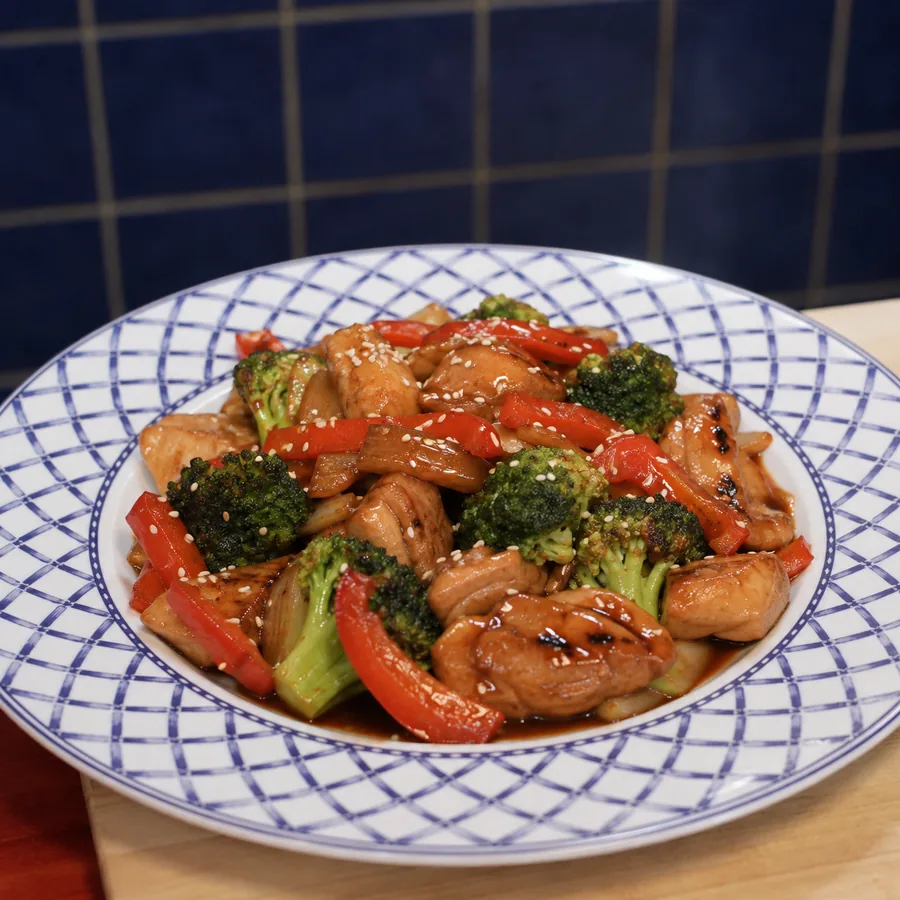
This easy 3 ingredient stir fry sauce gives you a glossy, sweet-salty sauce with enough body to coat chicken, beef, pork, tofu, or vegetables without turning the stir fry soupy. The important part is mixing the cornstarch completely while everything is still cold, then letting the sauce bubble briefly in the hot pan until it changes from thin and cloudy to shiny and thick enough to cling to the food.
A stir fry sauce is a concentrated mixture added near the end of cooking to season the ingredients and bring everything together. This version is deliberately stripped down to soy sauce, honey, and cornstarch, making it useful when you want a fast weeknight sauce without measuring garlic, ginger, sesame oil, vinegar, and several other ingredients.
What Makes This 3 Ingredient Sauce Different
A lot of stir fry sauces turn into long ingredient lists. They can be excellent, but that is not what I am trying to do here. This is the basic version I would use when speed matters and the ingredients already in the pan have plenty of character.
The soy sauce provides the salt and savoury base. Honey softens that saltiness and gives the sauce a light glaze as it heats. Cornstarch is what changes the mixture from a thin seasoning liquid into an actual sauce that stays on the meat and vegetables.
I prefer low-sodium soy sauce here because the sauce reduces slightly in the skillet. Regular soy sauce can become quite salty once the liquid evaporates, especially if the chicken or beef has already been seasoned.
What I look for at the end is a thin, glossy coating across the food. It should not sit in a watery puddle at the bottom of the skillet, but it also should not become a thick jelly. Once the sauce starts leaving a shiny trail on the bottom of the pan as you stir, it is usually ready.
This is also different from something like my teriyaki chicken, where the sauce is part of a complete recipe with its own flavour balance. Think of this one as an all-purpose stir fry base you can use with whatever protein and vegetables you have.
Ingredients You Need
You only need three ingredients.
Low-sodium soy sauce: This supplies most of the savoury flavour. Low-sodium is easier to control once the sauce reduces.
Honey: Honey balances the soy sauce and helps the finished stir fry develop that glossy appearance. It also gives you sweetness without needing to dissolve granulated sugar.
Cornstarch: This is the thickener. Two teaspoons are enough to coat a typical four-serving stir fry without making the sauce excessively thick.
If you regularly cook with soy sauce, you may also like the flavour profile in my garlic soy steak marinade or these sticky soy maple chicken drumsticks.
Step-by-Step Instructions
1. Whisk the sauce while everything is cold
Add the soy sauce, honey, and cornstarch to a small bowl or measuring cup.
Whisk thoroughly, especially around the bottom and corners. Cornstarch has a habit of settling into a dense layer if it is not incorporated properly.
At this point, the mixture should be smooth and fairly thin. You should not see white lumps or pockets of dry cornstarch.
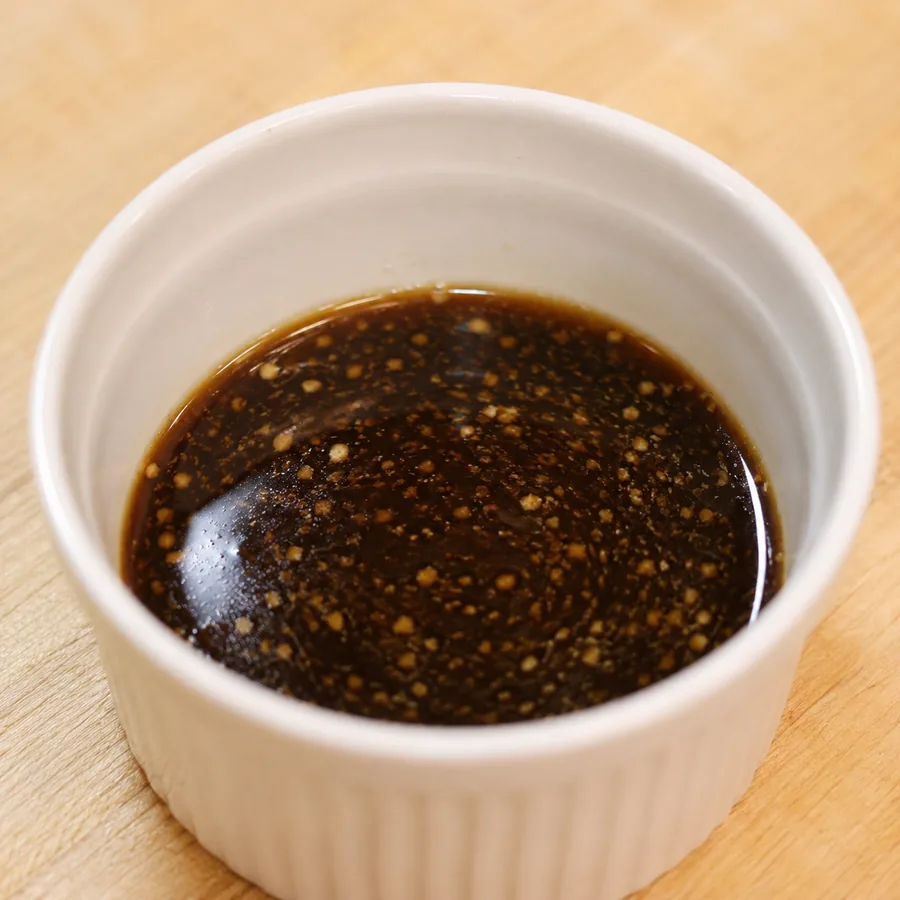
The mistake to avoid is adding dry cornstarch directly to a hot skillet. It can seize almost immediately and leave small rubbery lumps in the sauce. If you want to understand the thickening process in more detail, my guide on how to thicken a sauce explains why starch behaves this way.
2. Cook your stir fry before adding the sauce
Cook your chosen meat, tofu, and vegetables first. The pan should still be hot when the sauce goes in, but there should not be a large amount of water sitting at the bottom.
Vegetables such as broccoli, peppers, onions, mushrooms, snap peas, carrots, and cabbage all work well. For protein, thinly sliced beef or chicken is especially easy.
My quick beef and broccoli with rice is a good example of the type of dinner where a simple sauce like this makes sense.
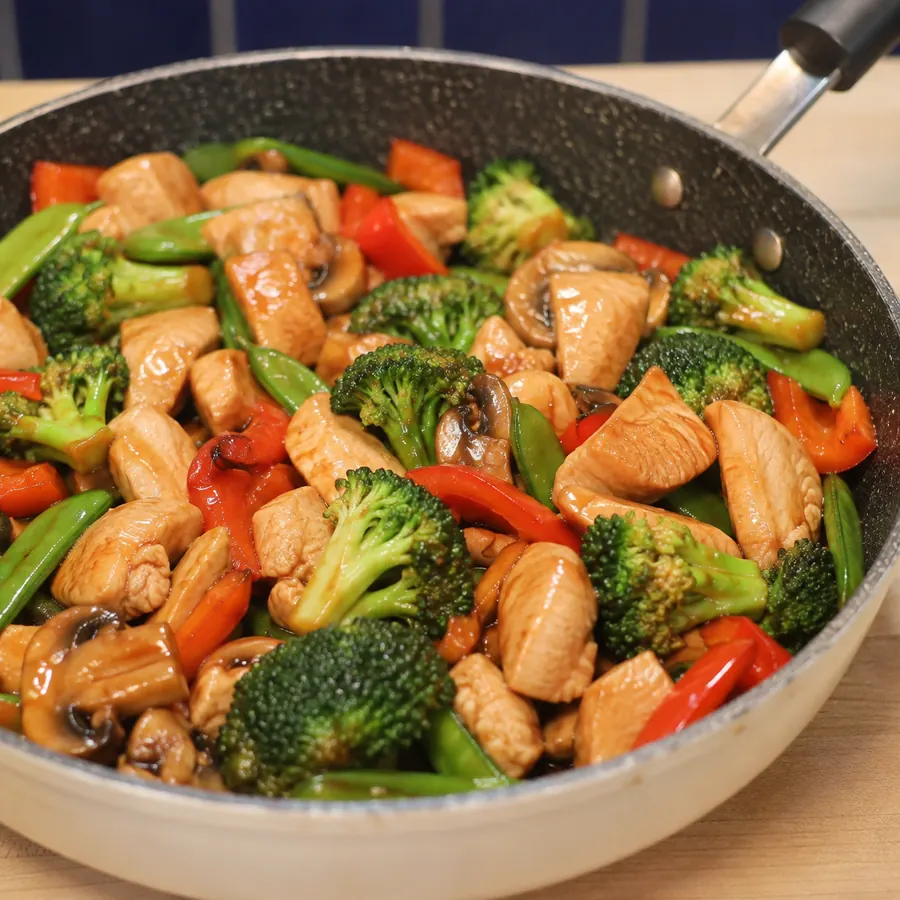
If your vegetables have released a lot of water, let some of that moisture evaporate first. Otherwise the sauce will be diluted and may take much longer to coat the food.
3. Pour in the sauce and let it bubble
Give the sauce another quick whisk immediately before pouring it into the skillet. Cornstarch begins settling surprisingly quickly.
Pour it over the cooked ingredients and toss continuously over medium-high heat.
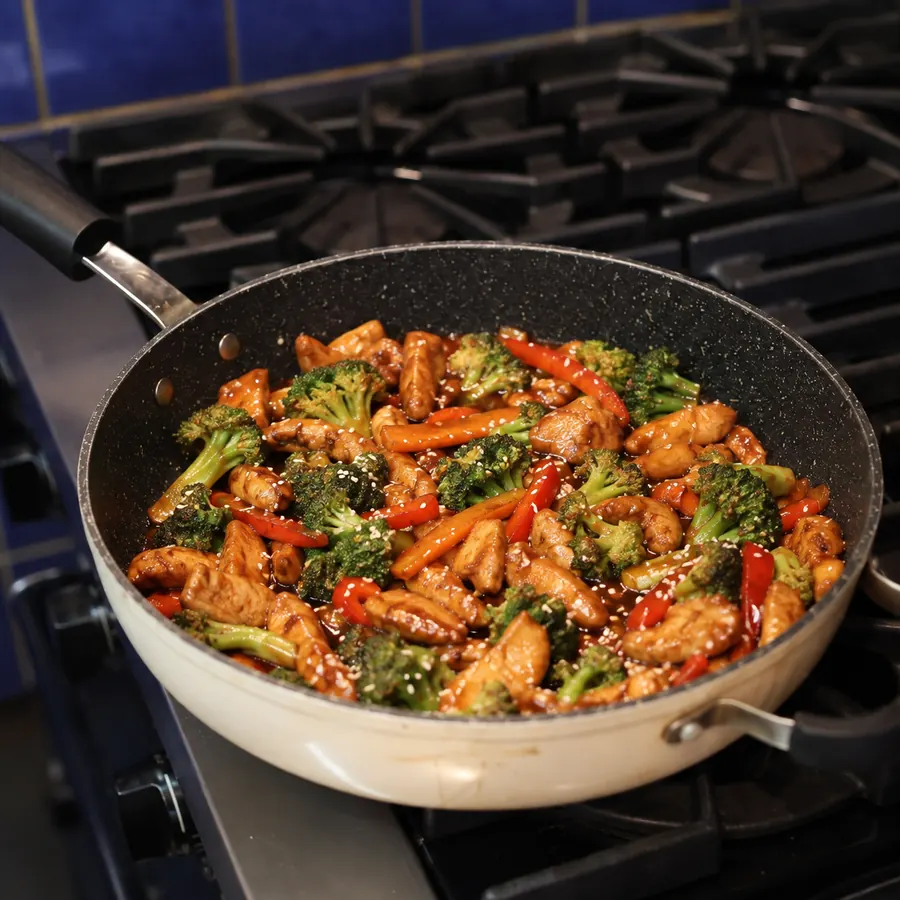
Within about 30 seconds, you should see the sauce beginning to change. It will become darker, shinier, and noticeably thicker.
Continue tossing for roughly 45 to 90 seconds, depending on how much moisture is in your stir fry.
What I look for here is the way the sauce coats the back of a spoon or spatula. When you push the ingredients across the skillet, the sauce should briefly expose the surface of the pan instead of immediately running back like water.
Remove the skillet from the heat once you reach that point. Continuing to boil a cornstarch-thickened sauce unnecessarily can make it too sticky.
How Much Sauce Should You Use?
This batch makes enough sauce for approximately four servings of stir fry.
I would use it with roughly 1 pound of chicken, beef, pork, shrimp, or tofu plus several cups of vegetables. You can also use it for a vegetable-only stir fry.
You do not necessarily need to pour in every drop immediately. Start with about three quarters of the mixture, toss the food, and add more if the pan looks dry.
This works particularly well when the other ingredients are relatively plain. If your protein has already been heavily marinated, taste before adding the entire batch because the soy sauce can push the overall salt level too far.
For another soy-forward dinner, see my Asian beef and onion. If you want something with a more developed sweet-and-spicy sauce instead, my crispy homemade General Tso chicken goes in a different direction.
Getting the Texture Right
The sauce should glaze the ingredients rather than bury them.
One common problem is continuing to cook after the sauce has already thickened. Cornstarch works quickly in a hot skillet. A sauce that looks slightly loose while bubbling can become considerably thicker once you stop stirring and remove it from the heat.
Another problem is adding the sauce to a pan containing too much liquid. Mushrooms, frozen vegetables, and crowded skillets can release enough water to dilute the mixture.
In that situation, do not compensate by automatically adding more cornstarch. Let the excess moisture cook away first.
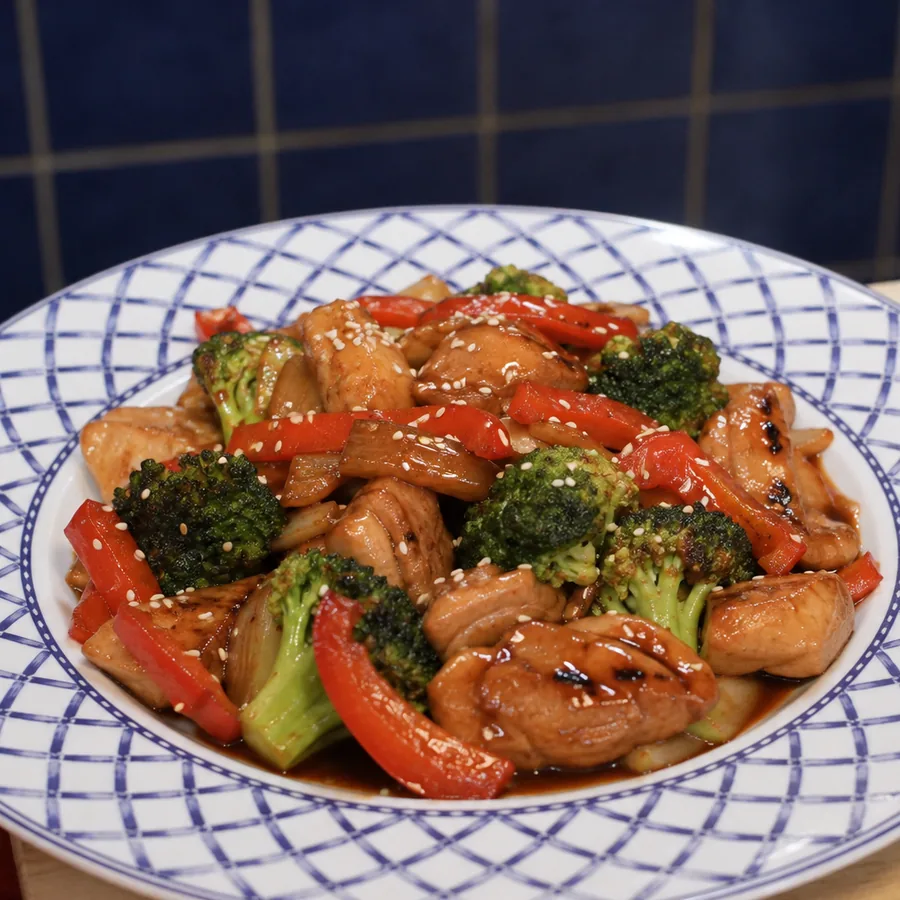
A properly finished sauce should be glossy enough to coat broccoli florets and slices of meat while leaving very little loose liquid behind.
Make It With Chicken, Beef, or Vegetables
For chicken, cut boneless thighs or breasts into small, evenly sized pieces and cook them before adding the vegetables and sauce. If soy-based chicken recipes are something you make often, my sticky soy maple chicken and oven-baked hoisin chicken thighs offer two different approaches.
With beef, use thin strips and keep the cooking time short. Overcooking the meat before the sauce is even added is one of the easiest ways to end up with a tough stir fry.
You can also skip the meat completely. Bell peppers, broccoli, mushrooms, onions, carrots, cabbage, and snap peas give enough variety in texture to make a satisfying vegetable stir fry.
Serve everything over plain rice, or use one of my fried rice recipes when you want the rice itself to be part of the meal.
Substitutions
Tamari can replace the soy sauce when you need a gluten-free alternative, provided the specific tamari you buy is labelled gluten-free.
Maple syrup can replace the honey for a different sweetness and a slightly thinner consistency. It is an especially natural option in Canada and works well with soy-based sauces.
If cornstarch is not suitable for you, another starch thickener can sometimes be used, but the amount and thickening behaviour can differ. For the most predictable version of this particular three-ingredient recipe, I would stay with cornstarch.
You can certainly add garlic, ginger, sesame oil, chilli sauce, rice vinegar, or other seasonings, but once you do that it is no longer the three-ingredient version. I prefer keeping this recipe as the basic sauce and adding those flavours directly to the stir fry when I want them.
FAQ
Can I make 3 ingredient stir fry sauce ahead of time?
Yes. Whisk the ingredients together and refrigerate the mixture in a sealed container. Because cornstarch settles, whisk or shake it very thoroughly again before using it.
Why didn’t my stir fry sauce thicken?
Usually the sauce either has not become hot enough or there is too much liquid in the skillet. Cornstarch needs heat to thicken. Let the sauce reach a gentle bubble while tossing the ingredients.
Why is my sauce too thick?
It probably cooked slightly too long or there was not much moisture in the pan. Remove it from the heat as soon as it becomes glossy and coats the ingredients.
Can I use regular soy sauce?
You can, but the result will be saltier. I prefer low-sodium soy sauce because it gives you more control, particularly once the sauce reduces.
Is this the same as teriyaki sauce?
No. They share the sweet-and-savoury idea, but teriyaki has its own flavour profile and preparation. This is intentionally a simple multipurpose stir fry sauce rather than a traditional teriyaki recipe.
Can I use this sauce with fried rice?
You can, although I would add it gradually because fried rice usually needs less wet sauce than a vegetable stir fry. For ideas, try my homemade beef fried rice or Cantonese-style fried rice.
What to Serve With Your Stir Fry
The easiest option is steamed white or brown rice, which absorbs the extra sauce without competing with it.
For something more substantial, these recipes also fit naturally with the same style of meal:
Homemade beef and broccoli with rice
Vegetarian nasi goreng with fried eggs
Crispy homemade General Tso chicken

Easy 3 Ingredient Stir Fry Sauce in 5 Minutes
Ingredients
- 1/3 cup low-sodium soy sauce
- 1/4 cup honey
- 2 teaspoons cornstarch
Instructions
- Whisk the soy sauce, honey, and cornstarch in a small bowl until completely smooth with no visible cornstarch lumps.
- Cook your protein and vegetables in a hot skillet or wok until done, allowing excess moisture to evaporate.
- Whisk the sauce again, pour it into the hot skillet, and toss continuously for 45 to 90 seconds until glossy and thick enough to coat the food.
- Remove from the heat as soon as the sauce has thickened and serve immediately.