Easy Oven-Baked Hoisin Chicken Thighs
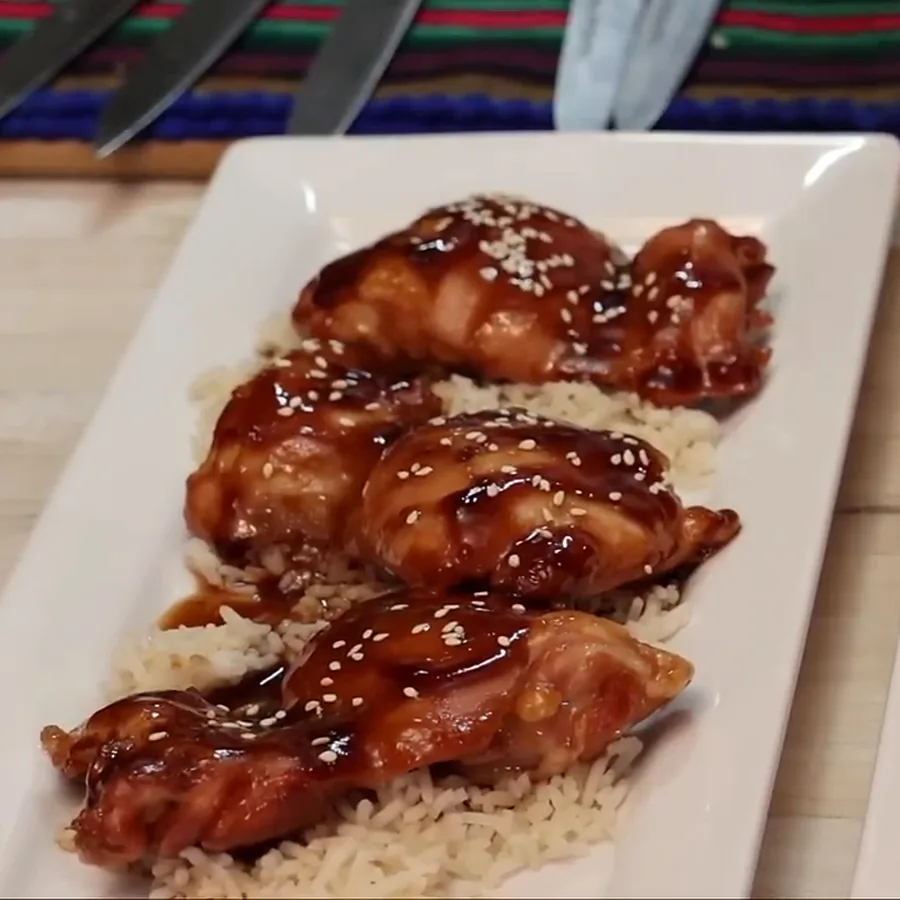
These oven-baked hoisin chicken thighs use a short ingredient list and a thick, sweet-savory glaze that clings to the meat as it cooks. The recipe works because boneless thighs stay juicy at the gentle 350°F oven temperature, while a final brush of clean hoisin gives the surface a glossy finish. The mistake to avoid is pouring a deep pool of marinade into the pan, which steams the chicken instead of letting the edges darken. You know it is ready when the sauce looks lacquered, the edges have a few browned spots, and the thickest thigh reaches 165°F.
This recipe is based on my YouTube video featuring three quick chicken marinades. In the original preparation, I generously coated the thighs with hoisin sauce, marinated them, and baked them for about 30 minutes. I have added more precise proportions and a few practical adjustments so the result is easier to reproduce in different kitchens.
Hoisin chicken is a simple baked chicken dish coated in a thick Chinese-style sauce with sweet, salty, and savoury flavours. This version is meant for an easy weeknight supper when you want something faster than a homemade sauce but more flavourful than plain roasted chicken.
What Makes This Recipe Different
This is not a complicated marinade with a long list of aromatics. Hoisin sauce already contains sweetness, salt, fermented soybean flavour, spices, and enough body to cling to the chicken without additional oil.
I make it this way because boneless chicken thighs can handle a concentrated sauce without drying out. They also have an uneven surface with folds and ridges where the sauce collects. Those areas become darker and stickier in the oven.
The proportion matters. About ⅓ cup of hoisin is enough for 1½ pounds of chicken. More sauce does not necessarily create more flavour. If the chicken sits in a large puddle, the released juices dilute the sauce and the meat cooks in liquid instead of roasting.
This recipe is quicker and more direct than my sticky caramel chicken thighs, which use a different sweet sauce profile. It is also less heavily seasoned than oven-baked tandoori chicken thighs and does not require the yogurt-based marinade used for many spiced chicken recipes.
Unlike breaded dishes such as classic chicken parmigiana, this chicken has no coating, cheese, or frying step. The result is saucy and glossy rather than crisp.
The thighs provide a good amount of protein, and there is no breading or cream in the recipe. Hoisin sauce is fairly concentrated in sodium and sugar, so a measured amount gives a better-balanced result than adding it directly from the bottle without checking the quantity.

Ingredients You Need
Boneless, skinless chicken thighs
Use about 1½ pounds, usually five or six thighs depending on their size. Thighs are more forgiving than chicken breasts and remain moist during the time needed for the sauce to thicken.
Try to choose pieces of similar thickness. One very small thigh can finish before a large folded piece, so check the temperature of more than one piece before removing the pan.
Hoisin sauce
Hoisin is thick, dark, sweet, salty, and strongly seasoned. Different brands vary in sweetness and sodium, but ⅓ cup is a practical amount for coating the chicken without flooding the pan.
Measure one extra tablespoon into a clean bowl before handling the raw chicken. This clean portion can be brushed over the thighs near the end of cooking.
Toasted sesame seeds
The sesame seeds are the finishing garnish used with the hoisin chicken in the video. They add a little texture and make the dark glaze stand out on the plate.
Cooked rice
Rice is optional, but it is useful for catching the sauce from the chicken. Plain white rice, jasmine rice, or brown rice all work.
Step-by-Step Instructions
1. Dry and coat the chicken
Pat the chicken thighs dry with paper towel. This small step helps the thick sauce stick to the meat instead of sliding off with excess surface moisture.
Place the thighs in a bowl and add ⅓ cup of hoisin sauce. Turn each piece several times, opening any folded sections so the sauce reaches the entire surface.
What I look for here is a thin but complete coating. The chicken should look glossy and dark, but there should not be half an inch of sauce sitting in the bottom of the bowl.

2. Marinate the thighs
Cover the bowl and refrigerate the chicken for at least one hour. The video also suggests marinating it for up to six hours, which is useful when preparing supper earlier in the day.
Hoisin is thick, so most of its flavour remains near the surface. A longer marinade deepens the outer seasoning, but it will not penetrate the chicken like a thin, salty brine.
Do not leave the chicken at room temperature while it marinates. Keep it refrigerated, then take it out while the oven preheats.
3. Prepare the baking pan
Preheat the oven to 350°F. Line a shallow baking sheet or roasting pan with foil or parchment paper for easier cleanup.
Arrange the chicken in a single layer with a little space between the pieces. Let the sauce that naturally clings to the chicken go into the pan, but leave behind any large pool of used marinade.
I prefer a shallow pan because moisture can escape more easily. A small, deep casserole dish traps steam around the meat and usually produces a thinner, wetter sauce.
4. Bake until the chicken is cooked
Bake the thighs for 25 to 35 minutes. Begin checking at 25 minutes if the pieces are small and unfolded. Thick or tightly folded thighs may need closer to 35 minutes.
The surface should gradually change from wet and pasty to smooth and glossy. You may hear a light sizzling around the edges as the sauce and chicken juices reduce.
Check the internal temperature in the thickest section without touching the pan. Every piece should reach at least 165°F. The juices should no longer look pink, and the meat should feel tender when pierced.
5. Add the final glaze
During the final five minutes, brush the chicken with the reserved tablespoon of clean hoisin sauce. Do not brush it with marinade that has been in contact with raw chicken.
This final layer replaces some of the gloss that can be lost as the original coating mixes with the chicken juices. Use a light coating. Too much fresh sauce at this point can remain pasty instead of setting.
For darker edges, switch the oven to broil for one or two minutes. Stay beside the oven. Hoisin contains sugar and can move from browned to burned quickly, especially on parchment paper or along thin edges of chicken.
6. Rest and serve
Let the chicken rest for five minutes before serving. The glaze will thicken slightly as it cools, and the juices will settle inside the meat.
Sprinkle with toasted sesame seeds. Serve the thighs whole or slice them across the grain and spoon a little of the cooked pan sauce over the top.
Mistakes to Avoid
The most common mistake is using too much sauce. Hoisin is not a thin marinade that needs to surround the chicken. It is a concentrated coating. The chicken should be covered, not submerged.
Do not crowd the thighs. When the pieces touch or overlap, the liquid released by the chicken cannot evaporate properly. The result will still be cooked, but the sauce will be thinner and the colour less even.
Watch carefully if you broil the finished chicken. A sweet glaze can burn before the meat itself looks overcooked. What I look for is bubbling along the edges and a few dark spots, not a completely blackened surface.
Finally, do not rely only on the clock. Thirty minutes worked in the video, but ovens, pans, and chicken sizes vary. Internal temperature is the reliable sign of doneness.
What to Serve With Hoisin Chicken
Rice is the simplest choice because it absorbs the sweet and savoury sauce without competing with it. For something creamier, an easy mushroom risotto without cream gives the plate more texture while keeping the chicken as the main flavour.
Roasted broccoli, green beans, carrots, or bok choy balance the sweetness of the glaze. More ideas can be found in this collection of easy vegetable side dishes for chicken.
A crisp salad also works well, especially when the dressing contains mustard or vinegar. Use a fast homemade mustard vinaigrette on lettuce, cucumber, or shredded cabbage, or choose something from these easy salad recipes for light dinners.
Mashed potatoes are less traditional with hoisin, but they are good when you want a hearty cold-weather meal. These mashed potato and potato side dish ideas give several options.
Substitutions
Boneless chicken breasts may be used, but the cooking time will change. Choose breasts of similar size, begin checking early, and remove them as soon as the thickest part reaches 165°F. Breast meat has less fat and becomes dry more quickly than thighs.
Bone-in chicken thighs also work, although they generally require more time in the oven. Keep the temperature at 350°F and cook by internal temperature rather than adding a fixed number of minutes.
Chicken drumsticks can be coated with the same quantity of sauce per pound. Cut one or two shallow slashes in the thickest meat if desired, as demonstrated with the drumsticks elsewhere in the original video, then cook until fully done.
Hoisin sauce is the defining ingredient, so replacing it completely creates a different recipe. A thick teriyaki sauce may be used in the same method, but it will be less earthy and may be thinner. Reduce the quantity slightly if it runs easily off a spoon.
Toasted sesame seeds may be omitted. Sliced green onions can be used as a fresh garnish, although the video reserves green onions for the chicken wings rather than the hoisin thighs.
FAQ
Can I bake the chicken without marinating it?
Yes. The chicken can be coated and baked immediately, but the surface flavour will be slightly less developed. Even 30 to 60 minutes in the refrigerator gives the sauce more time to adhere to the meat.
Can I marinate hoisin chicken overnight?
A full overnight marinade is unnecessary. The video recommends up to six hours, and that is enough for a concentrated sauce like hoisin. A very long marinade can make the outer seasoning disproportionately salty or sweet.
Why is there so much liquid in my pan?
Chicken naturally releases moisture as it cooks. A crowded pan, a deep baking dish, or too much marinade will trap more of that liquid. Use a shallow pan, space the thighs apart, and leave excess marinade in the bowl.
Why did the sauce burn?
The sugar in hoisin darkens quickly, especially under the broiler or near the thin edges of the chicken. Broil only briefly and watch continuously. A dark mahogany colour is desirable, but black patches will taste bitter.
Can I cook the chicken at 400°F?
Yes, but the sauce will darken faster. At 400°F, begin checking the chicken after about 20 minutes and protect it with loose foil if the glaze becomes too dark before the centre reaches 165°F.
How do I store leftovers?
Refrigerate the cooked chicken in a covered container for up to three days. Store the rice separately when possible so it does not absorb all the sauce.
How should I reheat it?
Reheat the thighs in a covered baking dish at 325°F until hot, adding a small spoonful of water if the sauce has become very thick. Individual portions can also be reheated gently in the microwave.
Can I freeze the cooked chicken?
Yes. Freeze the cooked and cooled thighs in a sealed container for up to two months. Thaw them in the refrigerator before reheating. The glaze may become slightly thinner after freezing, but the chicken will still work well with rice or noodles.
Suggested Posts
For another quick marinated chicken supper, try Greek-style chicken kebabs with lemon, herbs, and a lighter grilled finish.
These chicken shawarma wraps with yogurt sauce use a more aromatic spice profile and are useful when you want a handheld meal.
For a crisp preparation rather than a sticky glaze, make air-fryer chicken parmesan.
During warmer weather, this chicken salad with peppers and arugula is a fresher way to serve cooked chicken.
These chicken quesadillas with avocado and lime dip are another fast option for a family supper.
For more meals built around one baking pan, browse these one-pan and sheet-pan dinner recipes.
For more ideas, browse our chicken thigh recipes.

Easy Oven-Baked Hoisin Chicken Thighs
Ingredients
- 1½ pounds boneless skinless chicken thighs, about 5 to 6 pieces
- ⅓ cup hoisin sauce
- 1 tablespoon hoisin sauce reserved separately for brushing
- 1 teaspoon toasted sesame seeds
- Cooked rice for serving, optional
Instructions
- Pat the chicken thighs dry and place them in a bowl.
- Reserve 1 tablespoon of clean hoisin sauce, then coat the chicken with the remaining ⅓ cup.
- Cover and refrigerate for at least 1 hour or up to 6 hours.
- Preheat the oven to 350°F and line a shallow baking pan.
- Arrange the chicken in one layer, leaving excess marinade in the bowl.
- Bake for 25 to 35 minutes, until every thigh reaches 165°F internally.
- Brush with the reserved clean hoisin during the final 5 minutes.
- Broil for 1 to 2 minutes if desired, watching carefully to prevent burning.
- Rest for 5 minutes, garnish with toasted sesame seeds, and serve.