Quebec Pork Cretons with Duck Fat
Quebec pork cretons are a chilled, seasoned ground-pork spread for toast, crackers, or a welcoming appetizer plate. This version cooks gently with duck fat, onion, garlic, thyme, and warm spices, then cools with regular stirring before going into the refrigerator. The important detail is the heat: the pork should simmer quietly, not fry into hard browned crumbs.
This recipe follows my cretons video, with measured amounts added for the ingredients that were shown without precise quantities. The written seasoning is deliberately moderate, and the water is added gradually. The goal is a moist, coarse spread that holds together on toast once chilled. Make it the day before serving when possible; the flavor and texture are easier to judge after the fat has set.
{VIDEO}
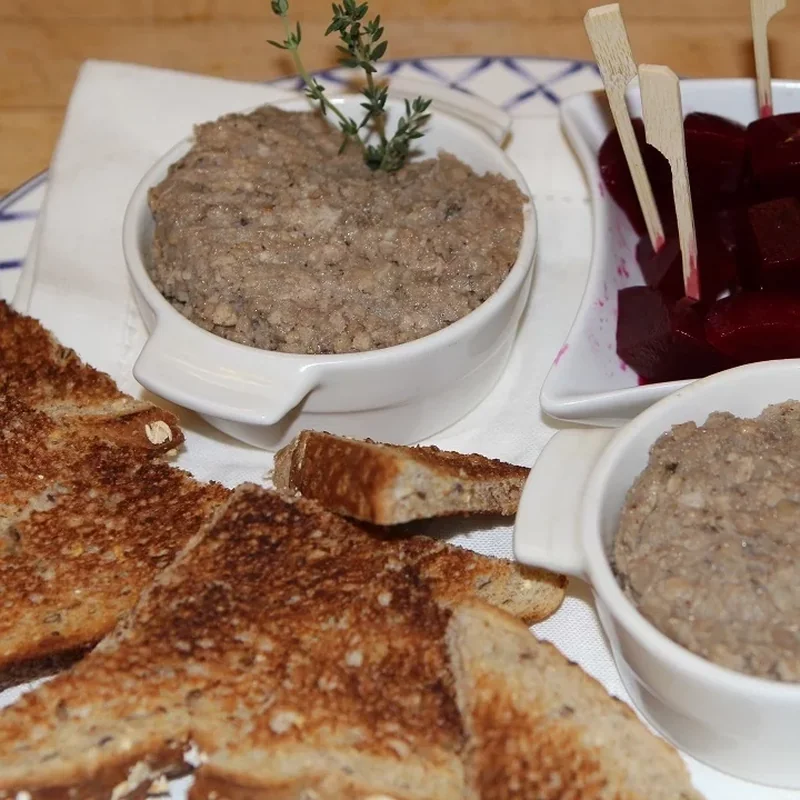
Cretons made with duck fat
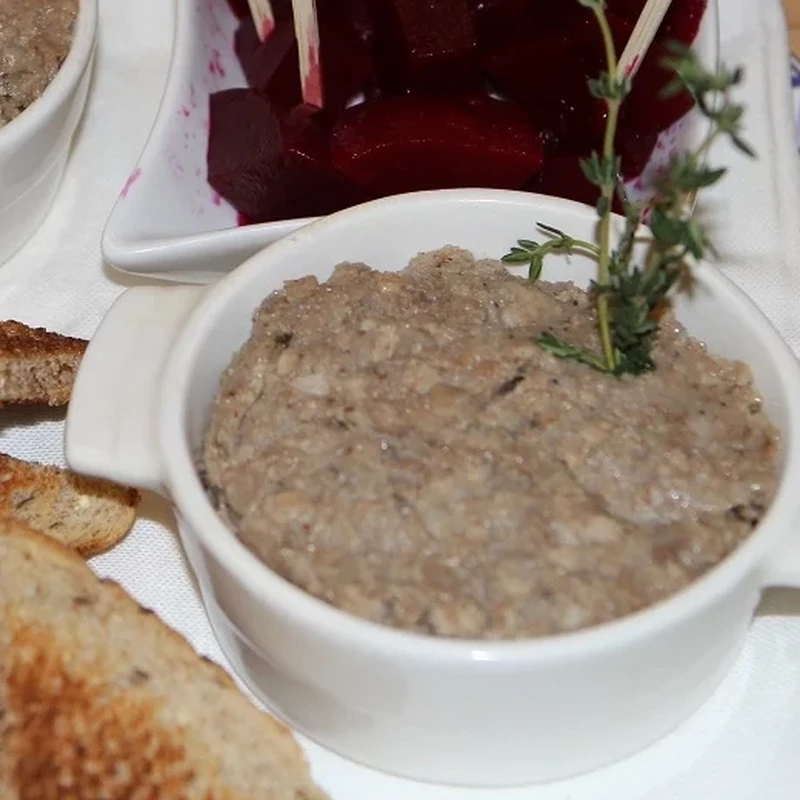
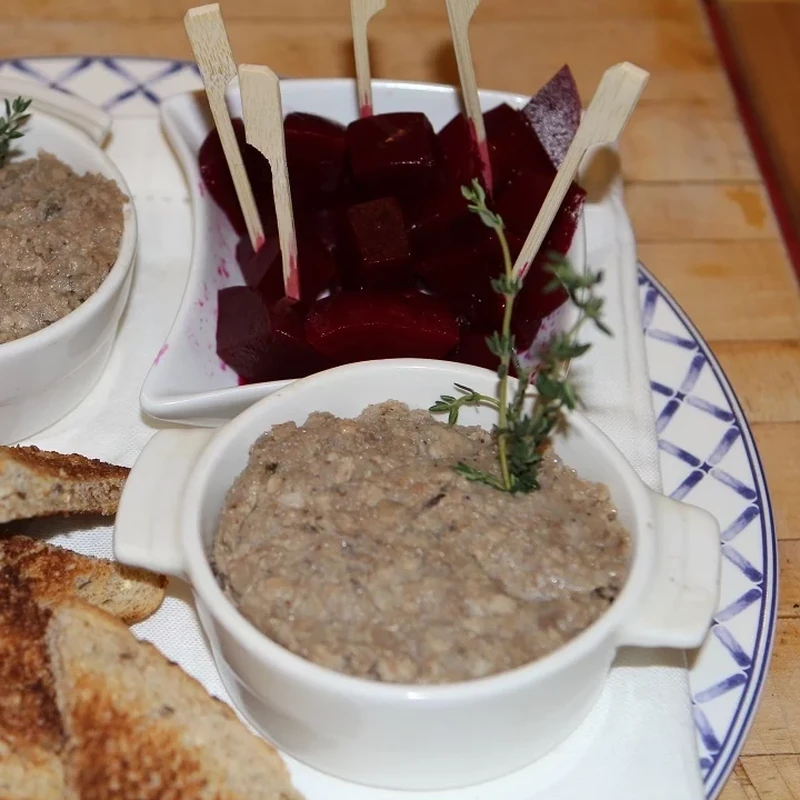
Cretons are associated with Quebec breakfasts, but they also make a good appetizer served in little ramekins. Ground pork gives them a fine grain rather than the long fibers of duck and pork rillettes. They also differ from country pâté, which is packed and cooked as a terrine.
This preparation contains no milk and no breadcrumbs. Duck fat supplies richness, while slow cooking softens the onion and garlic. The result is savory and substantial, so small portions are enough. Put a ramekin on the table with toast and something crisp or acidic rather than treating it as a large main course.
Choose the pork and measure the fat
Use ground pork with some visible fat, ideally ground once for a slightly coarse texture. Extremely lean meat can become dry even when surrounded by cooking fat. Regular ground pork is a practical choice, but the amount of fat it releases will vary. If your butcher can grind pork shoulder, that is another useful option.
The video uses about 7 ounces of duck fat for roughly 2 pounds of pork. That is a rich formula. Measure the fat rather than adding an unlimited amount, and keep it unsalted. During cooling, stir the meat and fat together so the finished spread is cohesive. If a substantial pool remains after stirring, spoon off only the obvious excess before packing.
Duck fat also appears in duck confit and duck rillettes, but the cretons do not need to be submerged. Here the fat is an ingredient in the spread, not a large cooking bath that will be discarded.
Aromatics and seasoning
Chop the onion finely so it becomes soft throughout the mixture. Mince the garlic rather than leaving whole cloves. Tie the thyme with kitchen string to make it easy to remove after the first hour. Whole woody stems should not remain in the finished ramekins.
Use small, level amounts of nutmeg, allspice, and dried sage. Their job is to support the pork, not cover it. The video seasons generously with pepper; the written recipe starts lower so you can adjust after cooking. Measure fine salt carefully because an equal volume of coarse salt can weigh quite differently.
Water keeps the base moist while the pork and onion cook. Start with the quantity in the card, then add a tablespoon or two only if the bottom begins to dry out. A wide pot evaporates more quickly than a narrow one. The mixture should remain moist without turning into soup.
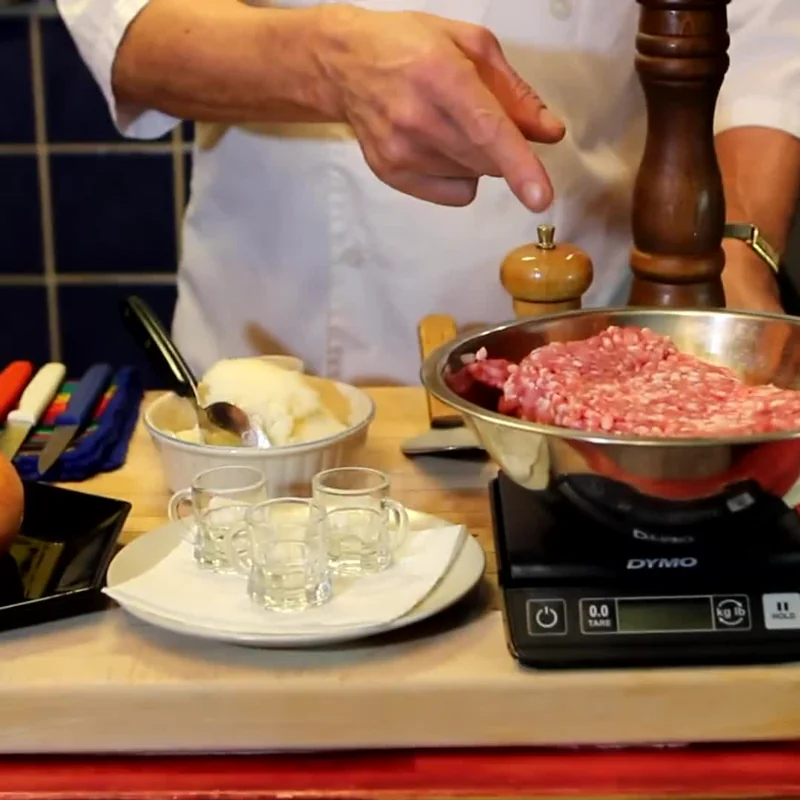
How to prepare the cretons
1 Prepare the onion garlic and pork
Finely chop the onion and garlic. Combine them with the ground pork in a bowl, breaking apart any tightly packed pieces. Measure the spices and tie the thyme. Set a heavy pot on the stove; a thin pan is more likely to develop a scorched patch before the onion is tender.
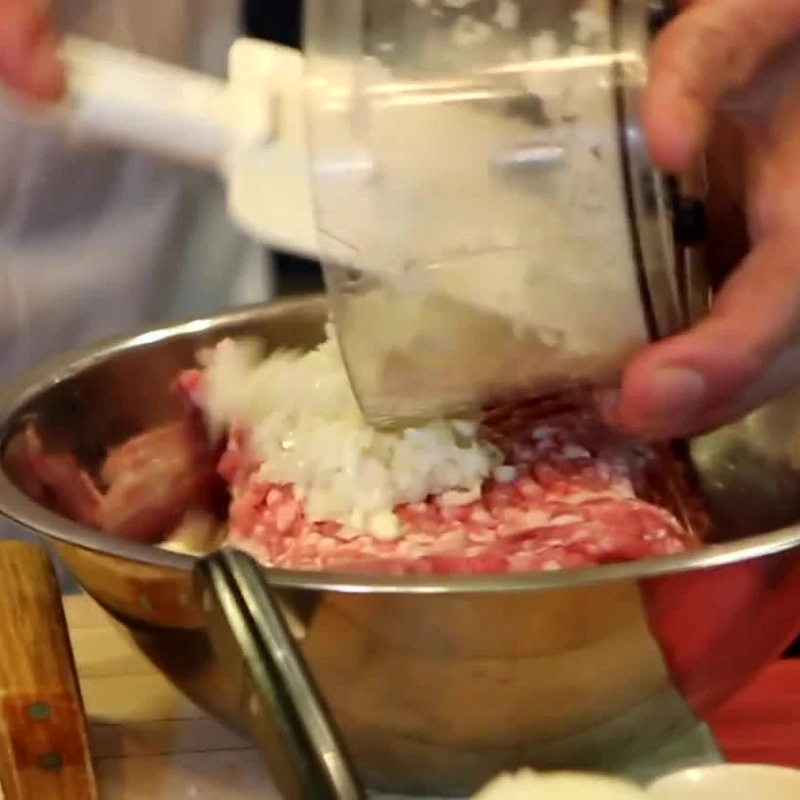
2 Melt the duck fat gently
Warm the duck fat in the pot over low heat until melted. Add the pork and aromatics. Do not begin with a smoking-hot pot. This is a slow, moist cooking method, so there is no need to sear the meat or build a dark crust.
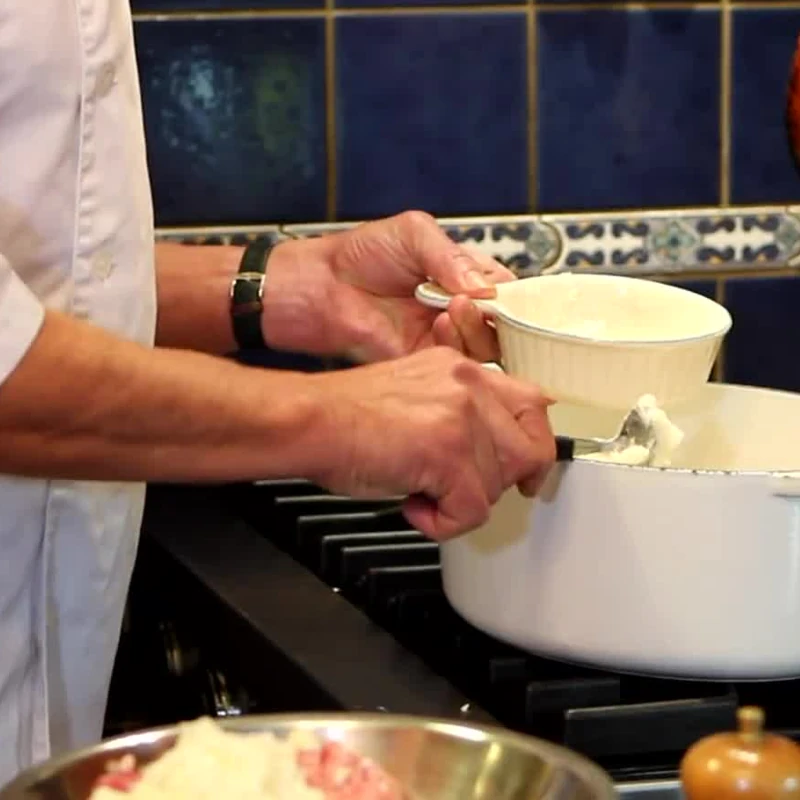
3 Break up the meat and season
Add the water, salt, pepper, nutmeg, allspice, and sage. Stir with a wooden spoon, breaking the pork into small grains. Bring just to a gentle simmer, then lower the heat. Scrape the bottom and corners as you stir so no compact layer sticks underneath.
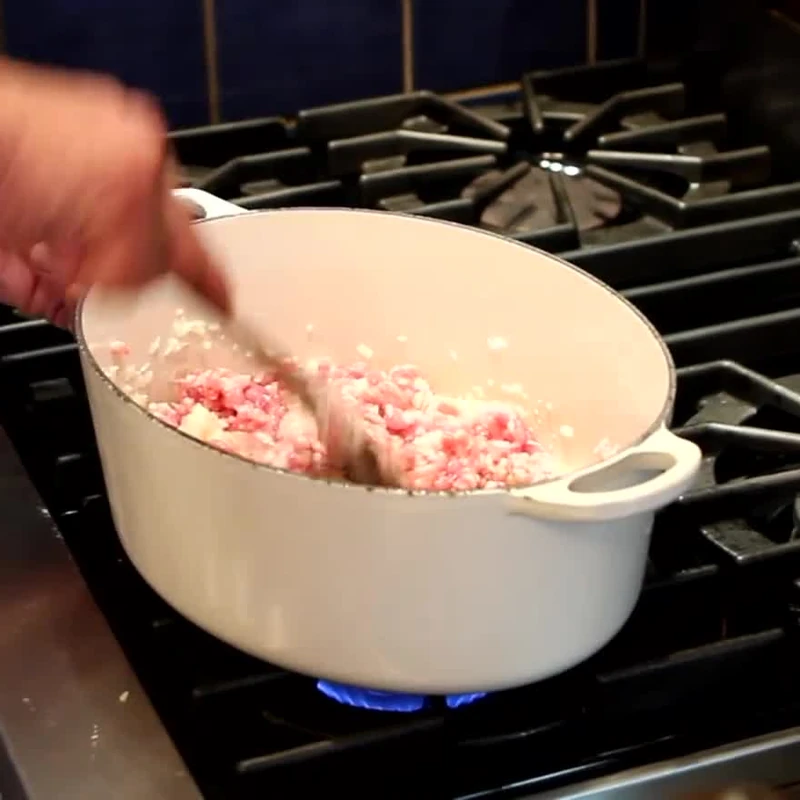
4 Add thyme and cook slowly
Add the thyme bundle. Simmer very gently for about two hours, partially covered, stirring every 10–15 minutes. Remove the thyme after the first hour. Adjust the lid and heat to control evaporation. Add small splashes of water if needed; do not allow the pot to turn into a dry frying pan.
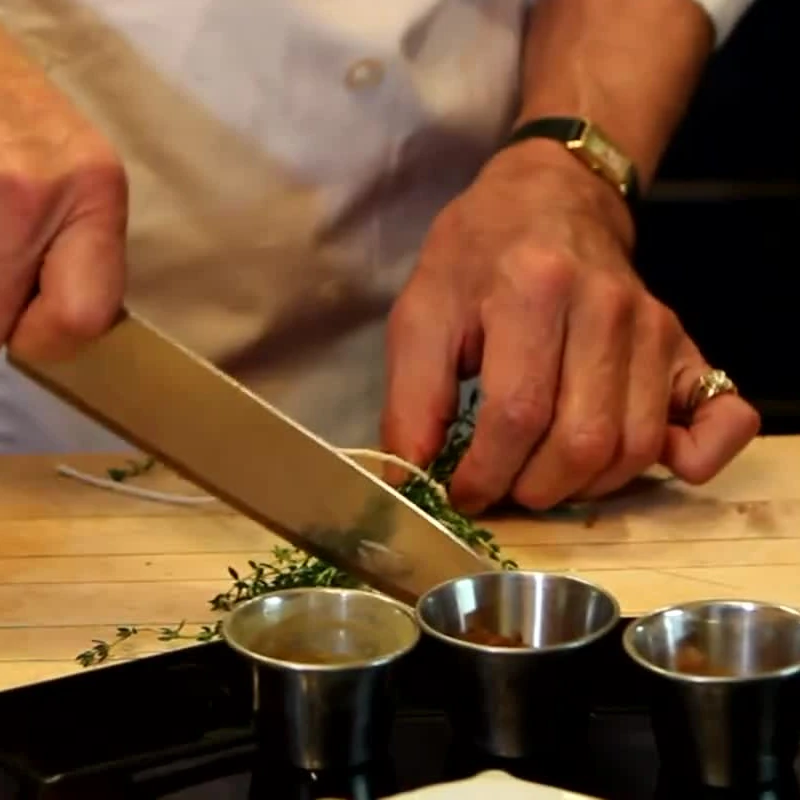
5 Check the texture and doneness
The onion should be completely tender and the pork finely broken up. Ground pork must reach at least 160°F. The slow two-hour cooking period develops the texture; temperature alone does not tell you whether the onion is ready. If liquid remains watery, uncover briefly and stir until it reduces. Taste a cooked spoonful and adjust the seasoning.
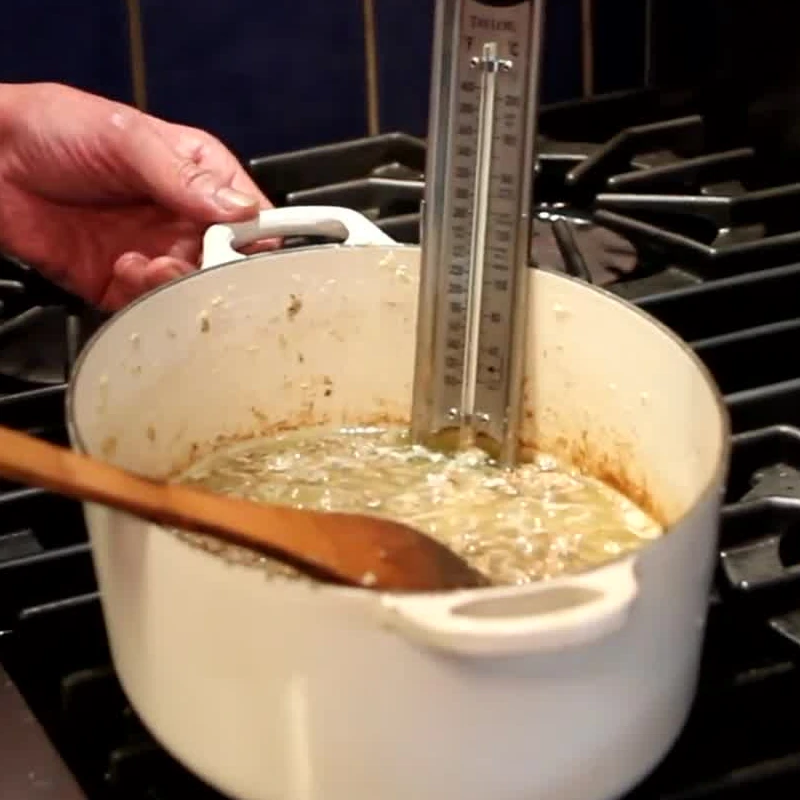
6 Cool over an ice bath while stirring
Transfer to a clean heatproof metal bowl. Set it in a larger bowl of ice and cold water, keeping water out of the food. Stir and scrape the sides as the mixture cools and begins to thicken. This redistributes the fat rather than letting it settle into a separate layer. Do not blend into a smooth purée.
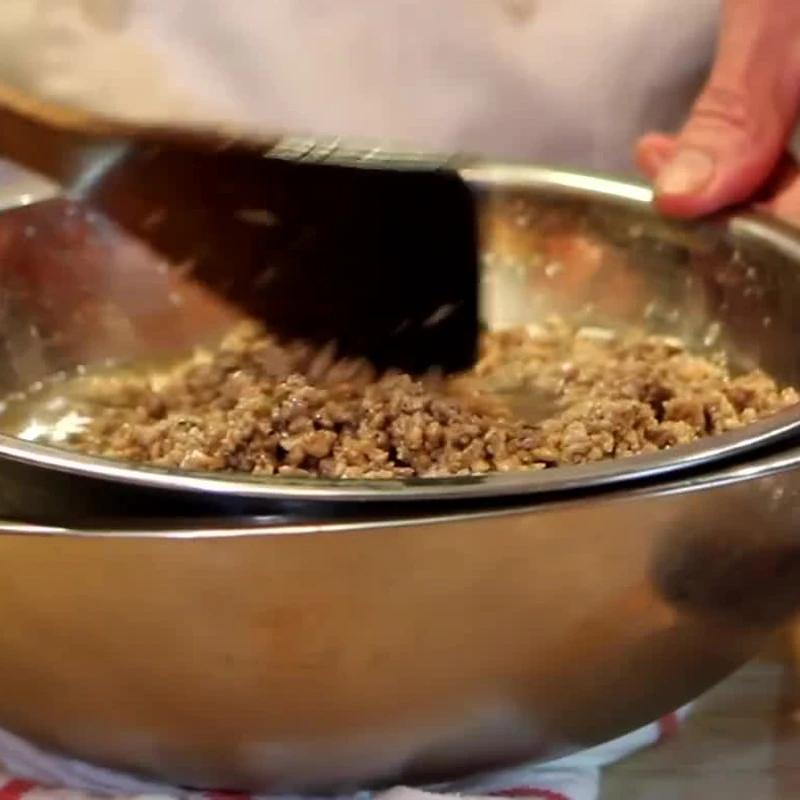
7 Pack and chill
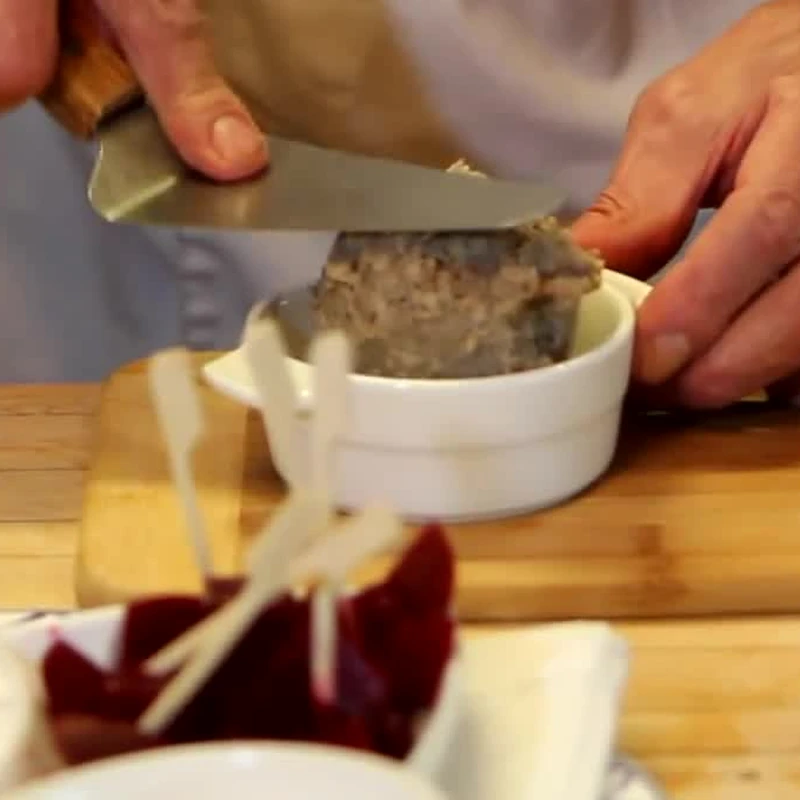
Divide among shallow ramekins or small containers, press lightly, and smooth the tops. Cover and refrigerate promptly. Allow at least four hours to become cold and firm, preferably overnight. Small containers cool more evenly than one large deep jar. Serve cold with toast; leave only the portion you are eating out briefly to soften.
Fix the texture before packing
If the mixture is watery, reduce it gently before the ice bath. Adding breadcrumbs would change this particular preparation, so first correct the excess liquid. If the pork is dry and sandy, stir in a spoonful of hot water and reassess. The warm mixture should be moist and spoonable, not swimming in a clear pool.
A little surface fat is normal. Stirring during cooling helps distribute it, but it cannot compensate for unlimited added fat. Cold cretons will be firmer than the warm mixture, so avoid reducing until completely dry. A small chilled sample can help you judge the consistency before packing the whole batch.
Substitutions
Rendered pork lard can replace duck fat, with a different flavor and a firmer chilled texture. Start with the same measured amount and assess the result. Butter and olive oil are less direct substitutes because their flavors and behavior when cold differ.
Dried thyme can replace the bundle: use half a teaspoon and leave it in the mixture. Reduce sage or allspice if you prefer milder seasoning. For this version, ground turkey or chicken is not a direct replacement for pork; the meat and fat balance would need separate adjustment. The recipe is naturally made without milk or breadcrumb ingredients, but check packaged spices and rendered fat if you need to avoid allergens.
Serving ideas
Toast provides the simplest contrast to the rich spread. For a brunch table, serve cretons beside an omelette with bacon and mushrooms. For an appetizer buffet, homemade sausage rolls are another pork option, although a fresh vegetable dish keeps the menu from becoming too heavy.
A grated carrot salad with mustard vinaigrette or a crunchy Greek salad adds freshness. For a more substantial lunch, choose a small portion of Parisian potatoes. If you prefer a hot pork sandwich instead of a chilled spread, try the Cuban sandwich.
Questions about homemade cretons
Do I need a food processor
No. Break the pork up while it cooks, then stir during cooling. The small grain is part of the character of cretons. A processor can make a dense, uniform paste that feels different on toast.
Can I make them ahead
Yes. An overnight rest works well. Keep the containers covered and refrigerated, then bring out only what you will serve. These are cooked meat spreads, not shelf-stable preserves.
How long do they keep
Refrigerate promptly and use within three to four days. Freeze small portions for up to two months for best quality and thaw in the refrigerator. A layer of fat does not make a jar safe to keep at room temperature. Use a clean spoon each time.
Why are they firm straight from the refrigerator
Both the pork fat and duck fat thicken when chilled. Let the serving portion soften briefly while the bread toasts. If it still crumbles dryly, the meat may have been too lean or the mixture reduced too far.
Quebec Pork Cretons with Duck Fat
Ingredients
- 2 lb regular ground pork
- 3/4 cup plus 2 tablespoons duck fat about 7 oz, unsalted
- 1 large onion finely chopped
- 4 cloves garlic minced
- 1/2 cup water plus small splashes as needed
- 4 sprigs fresh thyme tied together
- 1 1/2 teaspoons fine salt plus more to taste
- 1 teaspoon ground black pepper plus more to taste
- 1/4 teaspoon ground nutmeg
- 1/4 teaspoon ground allspice
- 1/4 teaspoon dried rubbed sage
Instructions
- Chop onion and garlic; combine with pork. Tie thyme and measure seasonings.
- Melt duck fat over low heat in a heavy pot. Add pork onion and garlic.
- Add water and remaining seasonings. Break pork into small grains and bring to a gentle simmer.
- Add thyme. Simmer gently partially covered for about 2 hours, stirring every 10–15 minutes. Remove thyme after 1 hour. Add small splashes of water if the base dries.
- Confirm pork reaches 160°F and onion is tender. Reduce any watery liquid briefly and adjust salt and pepper.
- Transfer to a metal bowl set over ice water. Stir as it cools and thickens, keeping water out of the food.
- Pack in shallow containers, cover and refrigerate promptly. Chill at least 4 hours or overnight and serve on toast.