Black Capellini with Mussels in Garlic Cream Sauce
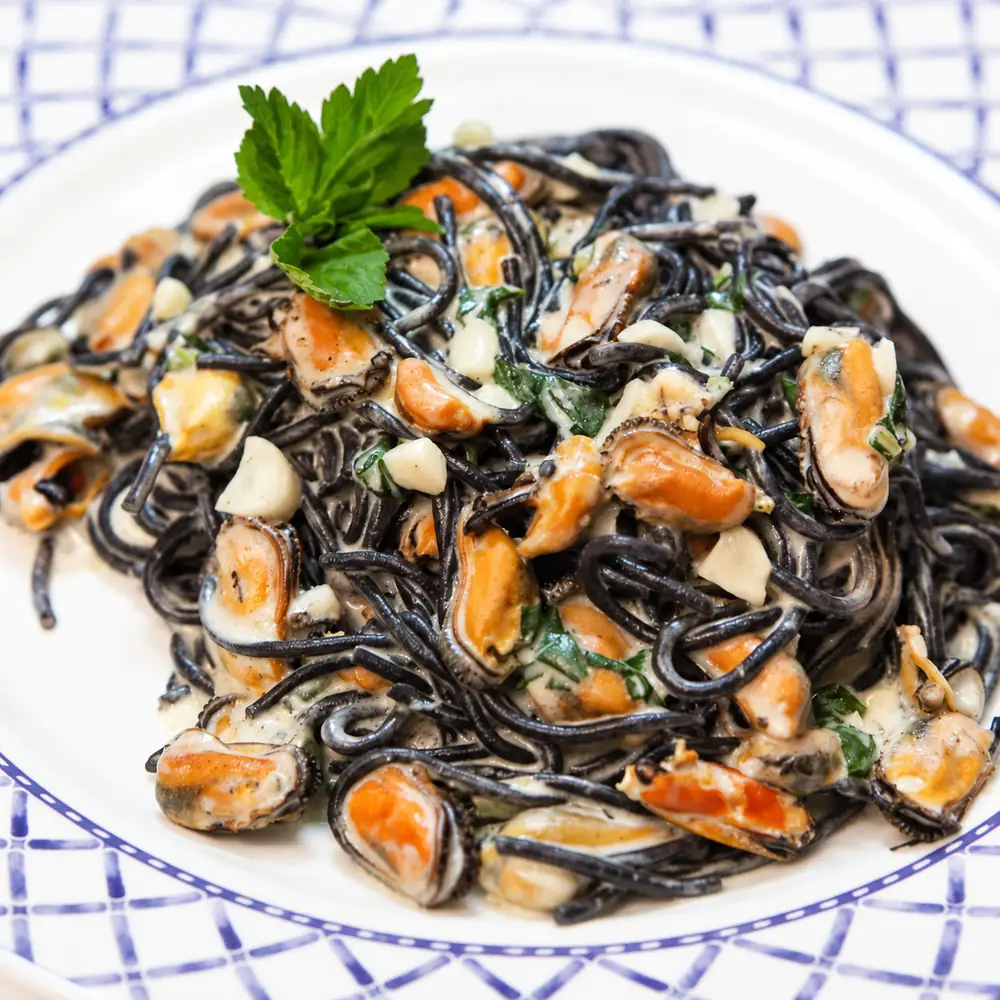
Black capellini with mussels brings thin cuttlefish ink pasta and tender mussel meat together in a garlic and basil cream sauce. A little strained mussel broth gives the sauce its seafood flavor without needing a long ingredient list. Keep the sauce loose and add the pasta at the last moment so the fine strands stay separate rather than turning into a soft, sticky mound.
This recipe is based on my YouTube video, with a few adjustments since publication to clarify the sauce consistency and the order of cooking. It makes two generous main-course portions, suitable for a relaxed weekend dinner or a seafood meal any time of year.
{VIDEO}
What Makes This Pasta Different
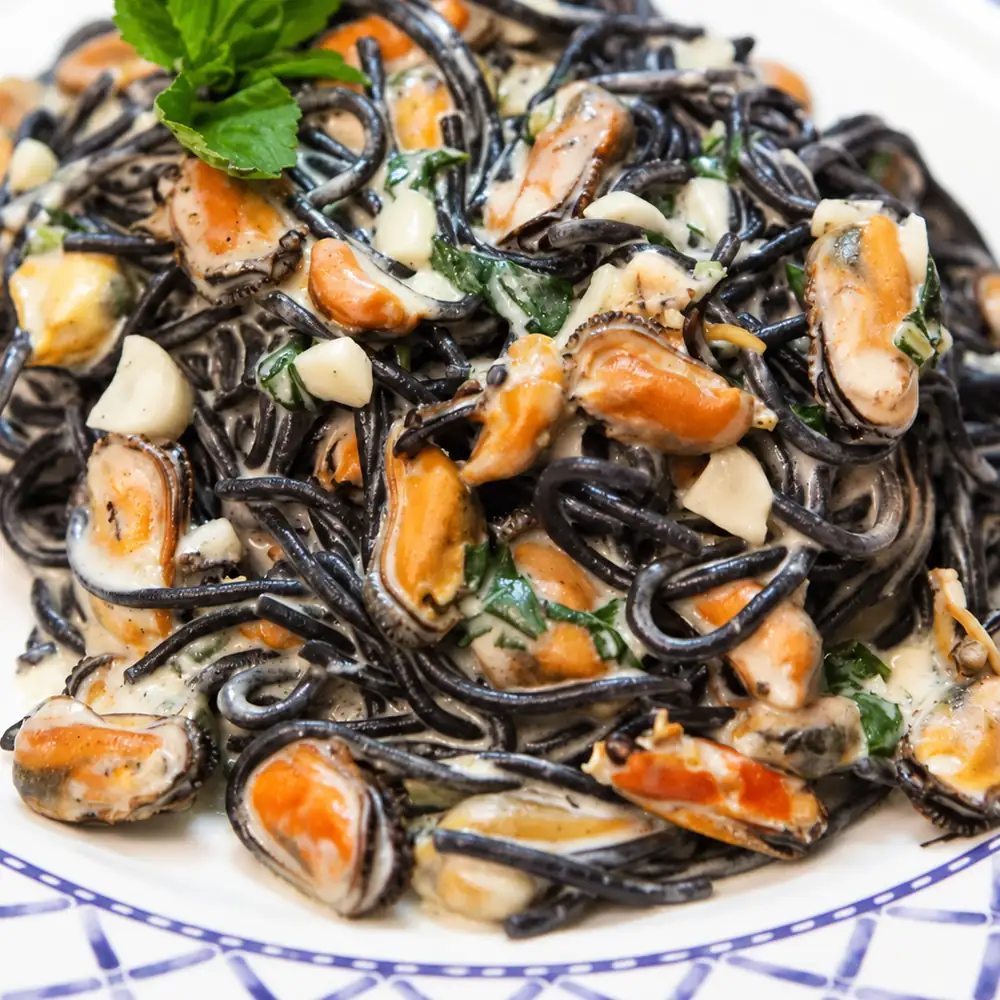
The black pasta provides a striking contrast with the orange mussels and pale sauce. Unlike a tomato-based seafood pasta, this version relies on garlic, basil, cream, and a measured amount of the mussels’ own cooking liquid. A little Parmigiano rounds out the sauce without turning it into a heavy cheese sauce.
I make the sauce separately because mussels and capellini need very different handling. Once the mussels are cooked, they only need warming through. Thin pasta needs even less time in the finished sauce. Keeping those stages separate gives you control over both textures.
For another fine-pasta seafood dish, try creamy Pernod shrimp with capellini. Its anise flavor takes it in a different direction. If you want the shellfish served in their shells instead, mussels in creamy white wine sauce is a closer alternative.
Ingredients You Need
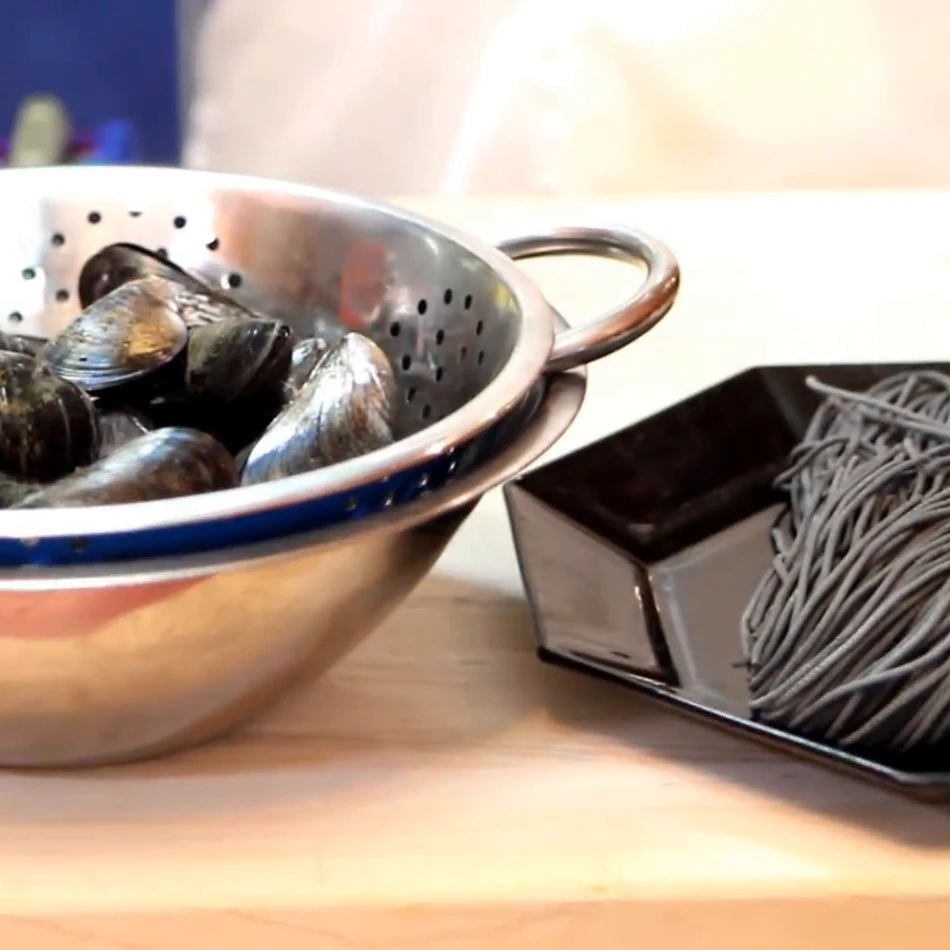
For two generous servings, use 2 pounds of live mussels in their shells and 12 ounces of fresh black capellini, as shown in the video. If using dried black capellini, use 8 ounces and follow its package cooking directions. Fresh and dried pasta are not interchangeable by weight or cooking time.
You also need 4 garlic cloves, 1/2 cup dry white wine, 3/4 cup heavy cream, 2 tablespoons finely grated Parmigiano-Reggiano, 2 tablespoons chopped fresh basil, and freshly ground black pepper. After steaming the mussels with the wine and garlic, strain the resulting broth and measure out 1/2 cup for the sauce.
Heavy cream gives the sauce body without flour. The mussel broth supplies much of the seasoning, so added salt is a final adjustment rather than a starting point. Have 1/2 cup of pasta cooking water ready to loosen the sauce, although you probably will not use it all.
Step-by-Step Instructions
1. Prepare the Mussels, Garlic, and Basil
Scrub the mussels under cold running water and pull away any beards. Discard cracked shells and any open mussels that do not close when tapped. Keep the cleaned mussels cold while you prepare the remaining ingredients.
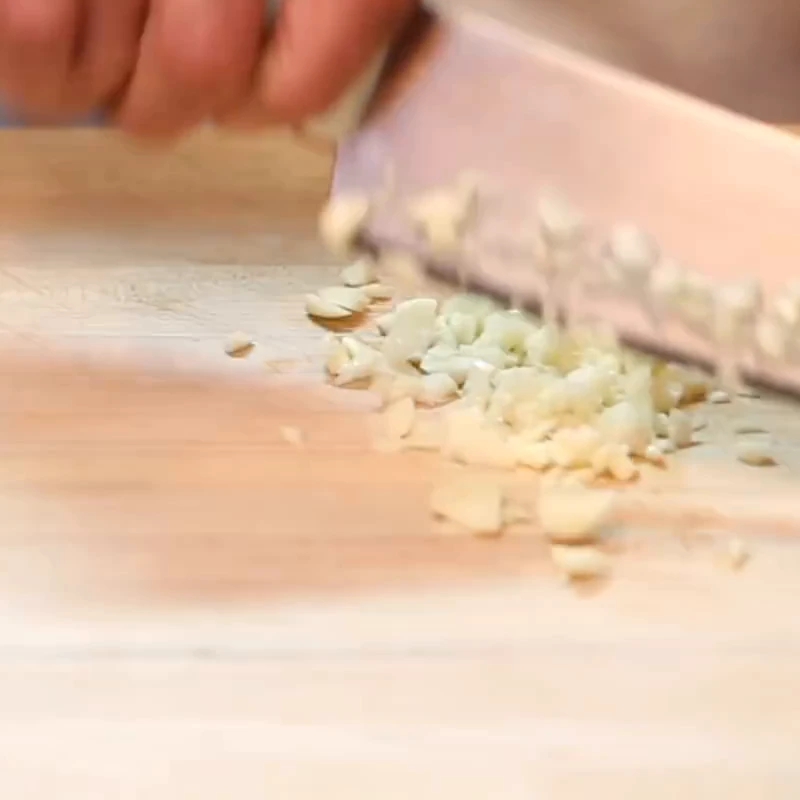
Chop the garlic fairly finely and slice the basil. Set out the cream and a large skillet before you turn on the heat. Once the pasta is cooking, there is little time left for chopping.
2. Steam the Mussels
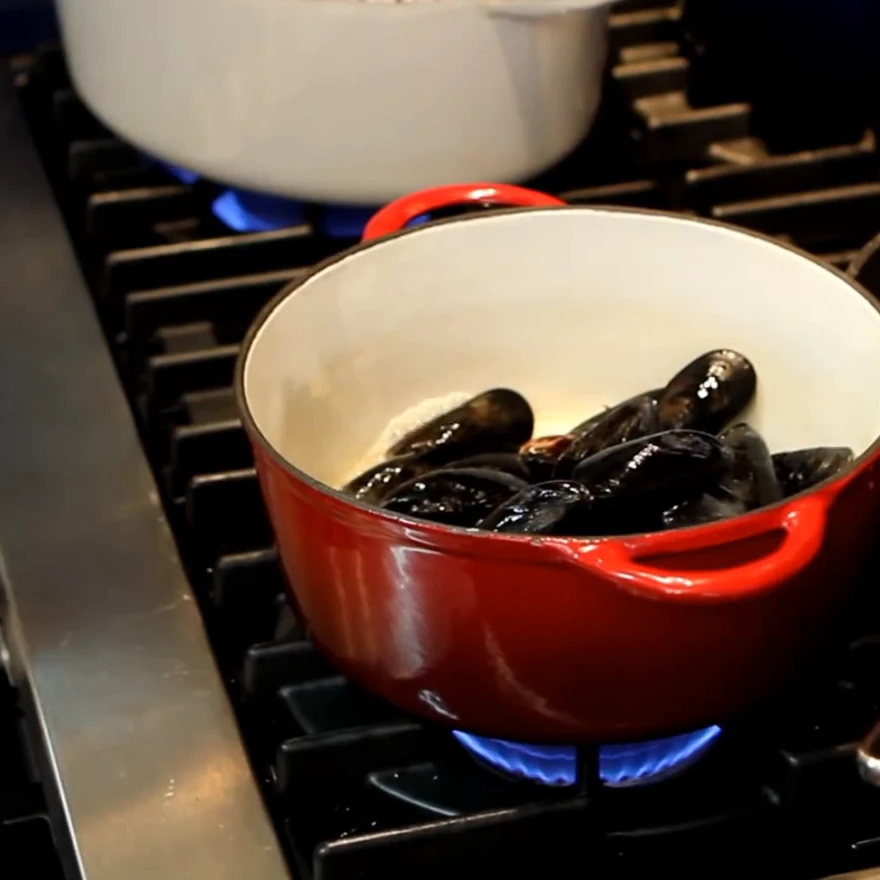
Bring the white wine and chopped garlic to a simmer in a large pot with a snug lid. Add the mussels, cover, and steam until the shells open and the flesh is cooked through, usually about 5 to 7 minutes, depending on the pot and mussel size. Shake the covered pot gently once or twice so the mussels cook evenly. Discard any that remain closed after cooking.
Do not leave cooked mussels simmering while you make the sauce. Lift them out and keep the cooking liquid. The broth is useful, but pouring it all into the pasta would make the amount of sauce unpredictable.
3. Shell the Mussels and Strain the Broth
When the mussels are cool enough to handle, remove the meat from the shells. Pour the cooking liquid through a fine sieve lined with damp cheesecloth into a clean bowl, leaving any sediment behind in the pot.
Measure 1/2 cup of strained broth. Taste a little once it has cooled. If it is very salty, dilute it with water before measuring. The next step concentrates its seasoning. Keep the mussel meat covered while you finish the sauce.
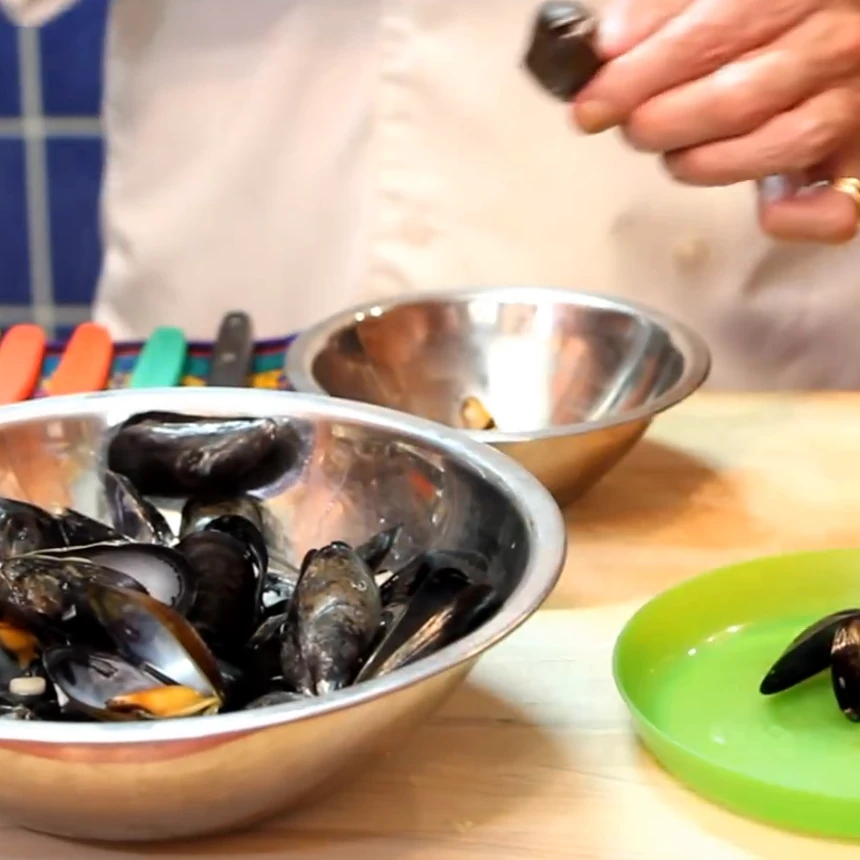
4. Reduce the Mussel Broth
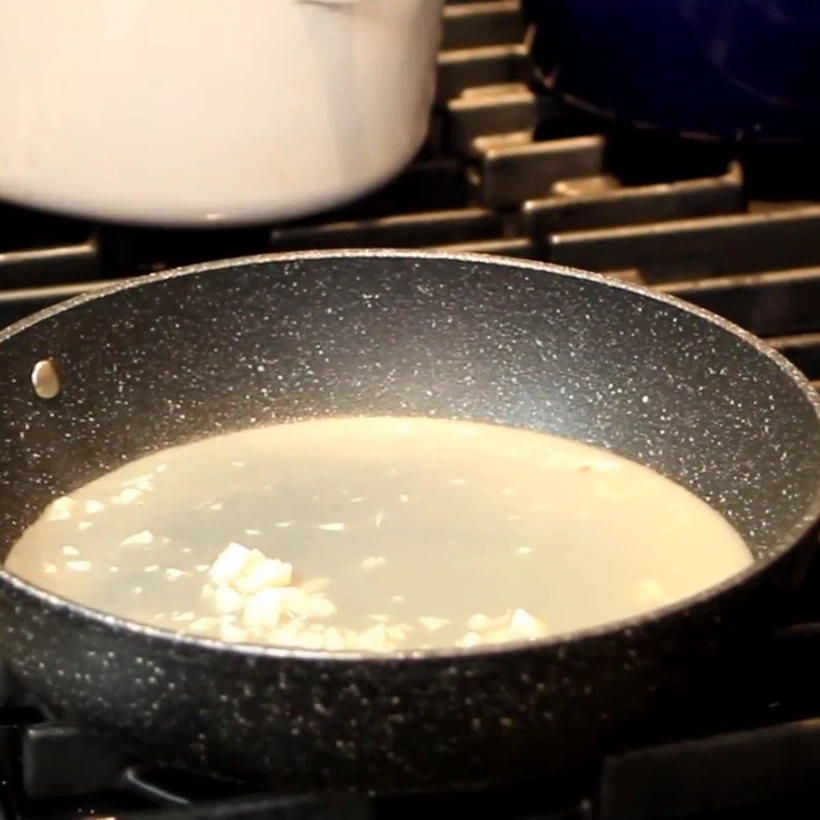
Pour the measured broth into a large skillet. If its seasoning is mild, simmer until reduced to about 1/4 cup, usually 2 to 4 minutes. If the broth already tastes strongly seasoned, use just 1/4 cup and skip the reduction. Do not keep boiling a salty broth simply to follow a timer.
The garlic has already flavored the cooking liquid. This gives a softer garlic flavor than frying a new batch in oil, as in aglio e olio. The pale liquid in the pan should smell of wine, garlic, and mussels, with no burnt notes.
5. Add the Cream and Basil
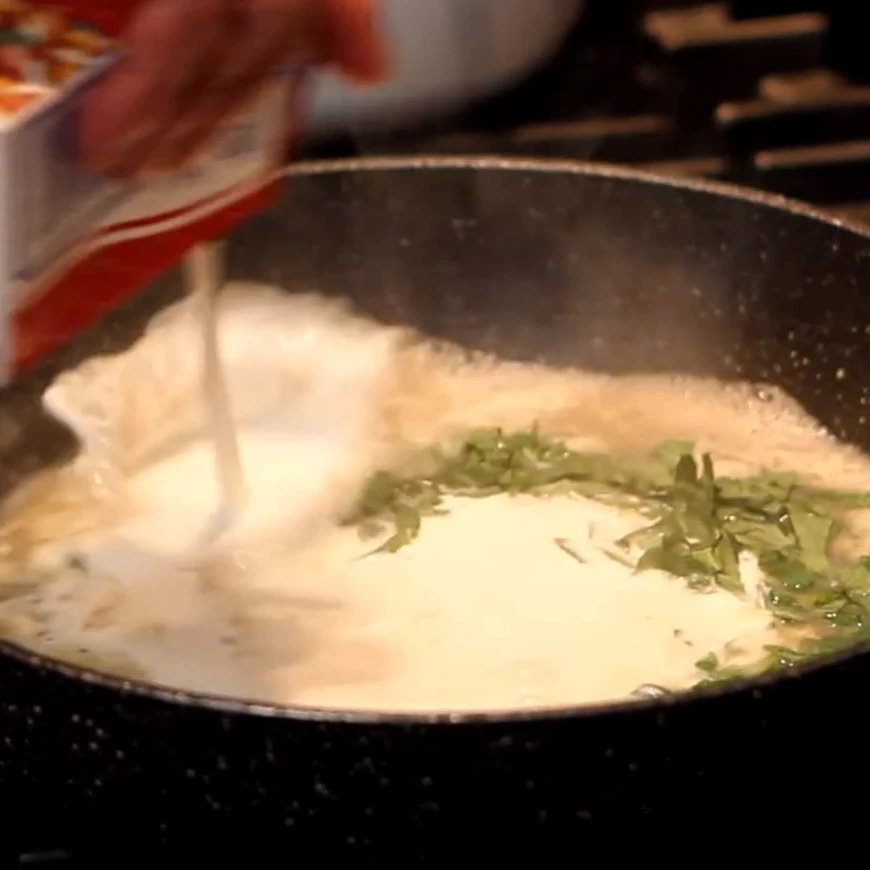
Pour in the heavy cream and simmer gently for 2 to 3 minutes, stirring occasionally. Add half the basil and a few turns of black pepper. The sauce should lightly coat a spoon but still flow easily across the skillet when you tilt it.
What I look for here is a sauce slightly looser than the finished dish needs. Capellini absorbs liquid quickly. A thick sauce in the empty pan can become a dry coating once the pasta goes in. Turn the heat very low while you cook the pasta.
6. Cook the Capellini Last
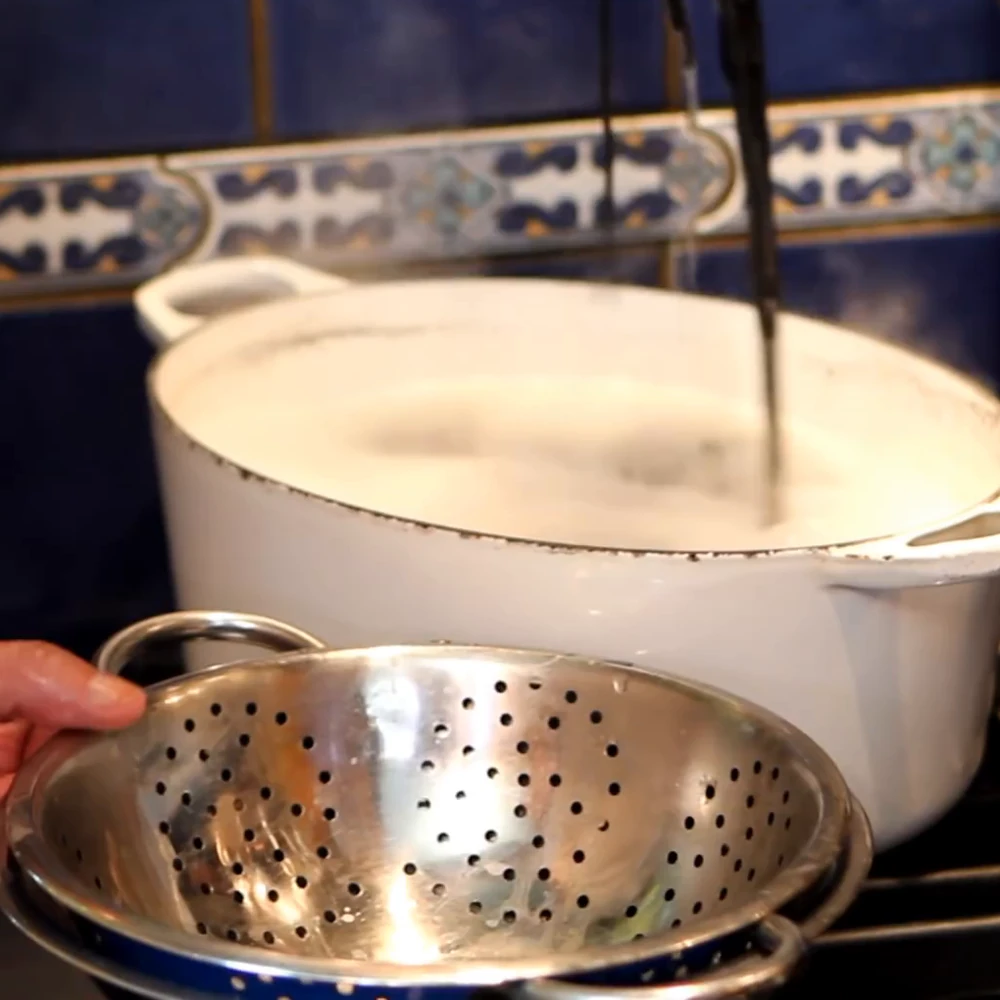
Bring a large pot of water to a boil and salt it lightly. Cook the pasta according to its package directions, checking just before the stated time. The strands should bend easily but still offer a little resistance when bitten. Fresh black pasta may cook considerably faster than dried pasta.
Reserve 1/2 cup of the cooking water, then drain. Do not rinse the pasta or leave it sitting in the colander. Transfer it promptly to the sauce. This timing is especially important with fine strands, including the pasta used in a simple lemon pasta.
7. Combine and Serve Immediately
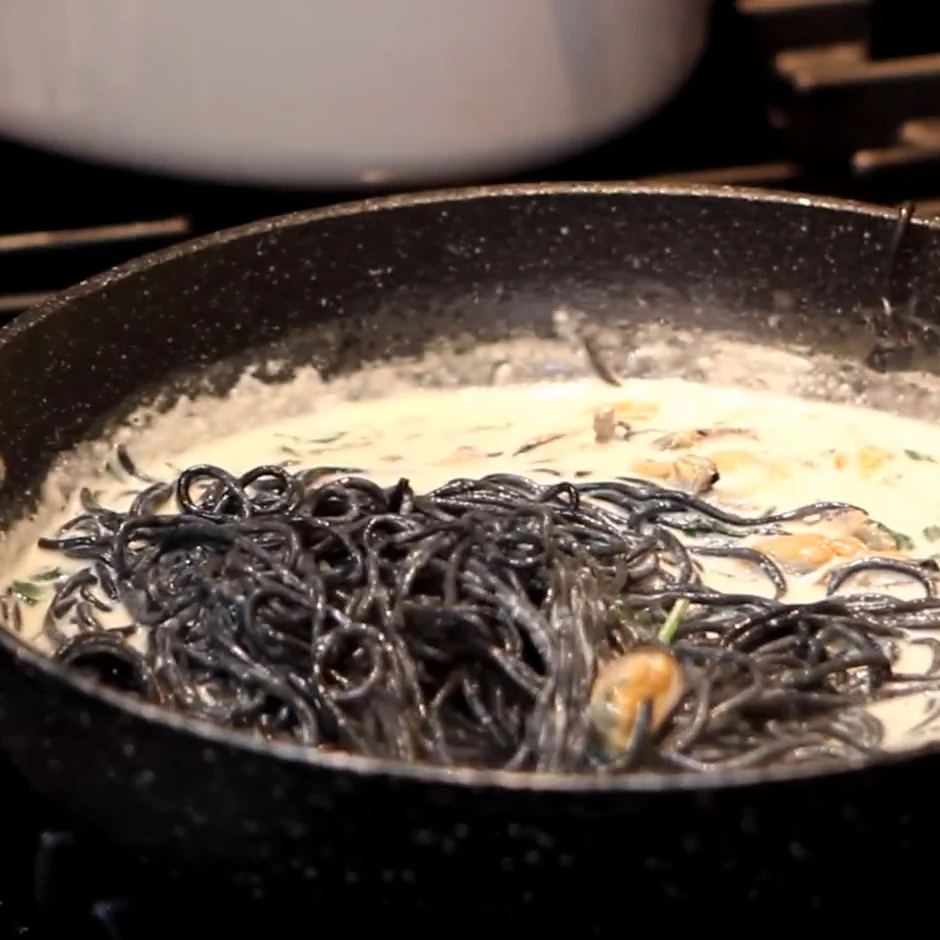
Add the mussel meat and drained pasta to the sauce. Toss gently over low heat just until the mussels are hot and everything is coated, usually 30 to 60 seconds. Add reserved pasta water a tablespoon at a time if the strands cling together or the sauce looks tight.
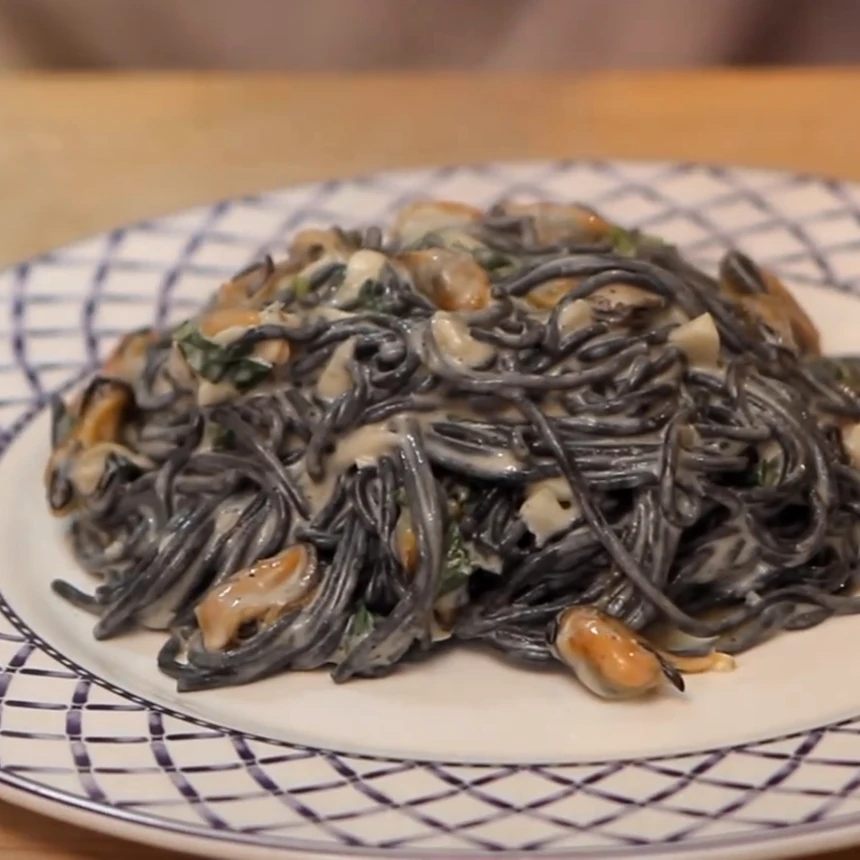
Remove the pan from the heat and fold in the grated Parmigiano and remaining basil. Add a splash more pasta water if the cheese tightens the sauce. Taste before adding salt. Divide between warm plates. There should be a glossy coating on the pasta and a little sauce around it, without a large puddle beneath the noodles. The cheese belongs at the end so it melts into the sauce without a prolonged hard boil.
Small Details That Change the Result
The mistake to avoid is cooking the mussels twice for several minutes. Steam them fully at the beginning, then warm them briefly in the finished dish. Long simmering makes the meat shrink and become chewy.
Straining the broth is equally important. Even clean-looking mussels can release grit. A regular colander catches shells but does not remove fine sediment.
Do not automatically add all the reserved pasta water. Start with a tablespoon, toss, and check again. The sauce should cling without masking the mussels. This is a rich cream-based main course with seafood protein, rather than a light broth dish.
Substitutions
Regular capellini or angel hair can replace the black pasta. The plate will lose its dark contrast, but garlic, mussels, basil, and cream still work together. Thin spaghetti also works; allow for its longer cooking time.
If using frozen cooked mussel meat, thaw it in the refrigerator and follow the package handling directions. About 6 to 8 ounces can replace the meat yielded by the shell-on mussels, although actual yields vary. Skip steaming and use unsalted seafood stock in place of the missing mussel broth. Warm the cooked meat only at the end.
For an alcohol-free version, use water or unsalted seafood stock instead of the white wine. It will have less wine acidity but still take on the mussels’ flavor. Parsley can replace basil for a different herb finish. Milk is not a direct replacement for heavy cream here because it produces a much thinner sauce. For a different cream-sauce flavor, see Pernod cream sauce; adding it would change the character of this recipe.
FAQ
Does black pasta taste strongly of cuttlefish ink?
The flavor varies by brand. Many packaged black pastas have a mild marine flavor, while the color is much more noticeable. Read the ingredient list if seafood allergens are a concern. Ordinary pasta is a straightforward substitute.
Can I make this ahead?
This dish is best assembled immediately before eating. You can chop the garlic and measure the cream beforehand, but cooked capellini becomes sticky when it waits. Have the plates ready before draining the pasta.
Why is the sauce too salty?
Mussels release naturally salty liquid. Using all of it, reducing it too far, or adding heavily salted pasta water can push the seasoning too far. Measure the broth, taste it, and use plain hot water to loosen the sauce if the seasoning is already strong.
How should I handle leftovers?
Refrigerate promptly in a shallow covered container, within two hours of cooking. For best texture, eat the next day. Reheat gently with a splash of water until thoroughly hot; the pasta will be softer and the mussels firmer than when freshly cooked. Freezing the assembled dish is not ideal for its texture.
What to Serve With and Cook Next
A small portion of Greek salad with a bright dressing balances the cream sauce. For bread, soft and crispy focaccia is useful for the last spoonful of sauce. A little homemade garlic butter on toasted bread is another option, although the pasta already has plenty of garlic.
For more seafood meals, try creamy salmon pasta with spinach or classic mussels with fries. The first gives you another creamy pasta dinner; the second puts the mussels themselves at the center of the meal.
Black Capellini with Mussels in Garlic Cream Sauce
Ingredients
- 2 lb live mussels in their shells
- 12 oz fresh black capellini or 8 oz dried black capellini
- 4 garlic cloves finely chopped
- 1/2 cup dry white wine
- 3/4 cup heavy cream
- 2 tbsp finely grated Parmigiano-Reggiano
- 2 tbsp chopped fresh basil divided
- 1/2 cup strained mussel cooking liquid reserved after steaming
- Up to 1/2 cup reserved pasta cooking water as needed
- Freshly ground black pepper to taste
- Salt only as needed, plus a little for the pasta water
Instructions
- Scrub and debeard the mussels. Discard cracked shells and open mussels that do not close when tapped. Chop the garlic and basil.
- Bring the wine and garlic to a simmer in a large pot. Add the mussels, cover, and steam until open and cooked through, usually 5 to 7 minutes. Discard any that remain closed.
- Remove the mussel meat from the shells. Strain the cooking liquid through a fine sieve lined with damp cheesecloth. Measure 1/2 cup, diluting with water first if salty.
- Simmer the measured broth in a large skillet until reduced to 1/4 cup, about 2 to 4 minutes. If it already tastes strongly seasoned, use 1/4 cup and skip reducing.
- Add the cream and simmer gently for 2 to 3 minutes, until slightly thickened but still fluid. Stir in half the basil and black pepper; keep on very low heat.
- Cook the pasta in lightly salted boiling water according to package directions, checking early. Reserve 1/2 cup cooking water and drain without rinsing.
- Add the pasta and mussel meat to the sauce. Toss gently over low heat until the mussels are hot, usually 30 to 60 seconds, adding pasta water a tablespoon at a time as needed. Remove from the heat, stir in the Parmigiano and remaining basil, adjust the consistency and salt, and serve immediately.