Classic Sauce Brune Recipe (French Brown Sauce for Steak, Poutine, and Comfort Food)
A good sauce brune is one of those recipes that quietly makes everything around it taste better. It is a classic French-style brown sauce built from a brown roux, aromatic vegetables, tomato paste, and a rich brown stock, then simmered until glossy and flavorful. This version is especially useful when you want a savory brown sauce for steak, mashed potatoes, poutine, meatballs, or roasted meats without going all the way to a full demi-glace.
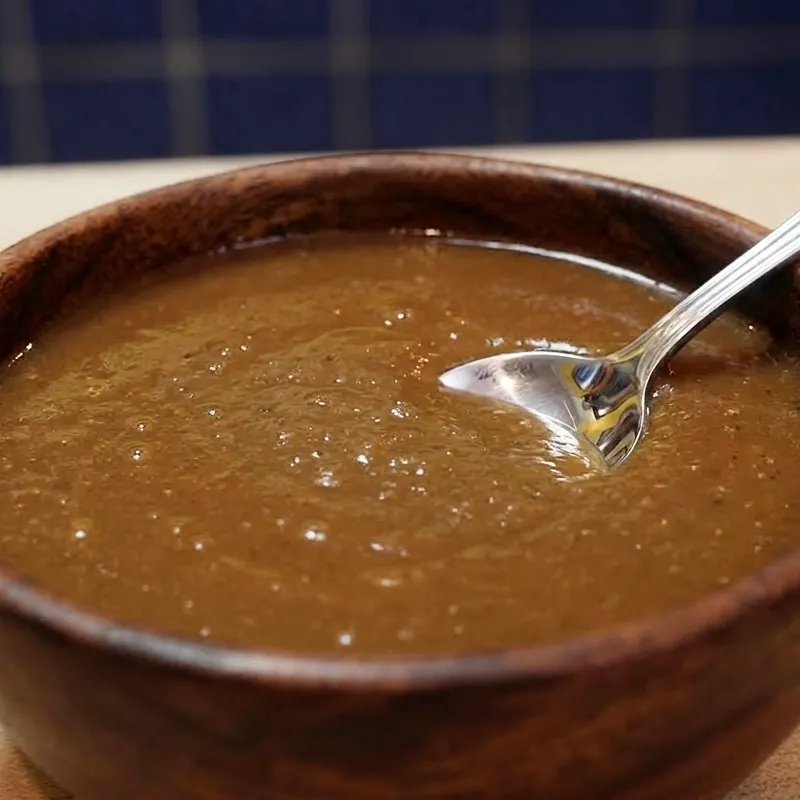
Sauce brune sits somewhere between a classic French brown sauce and a practical home-cook brown gravy, but the goal here is clear: deep roasted flavor, a smooth texture, and a sauce that works all year long. It feels cozy in cold weather, but it also makes sense for burgers, steak frites, or grilled meats in summer.
What Is Sauce Brune?
Sauce brune is a traditional brown sauce made with a brown roux and brown stock, usually supported by mirepoix and a small amount of tomato. It is darker, deeper, and more savory than a white sauce, and it is meant to complement meat rather than dominate it. You make it when you want something richer than pan juices but more accessible than an all-day reduced demi-glace.

Why This Version Works Better
A lot of brown sauce recipes end up tasting like thickened broth. That usually happens for three reasons: the roux is too heavy, the stock is not flavorful enough, or the sauce is not simmered long enough to come together properly.
In this version, the roux is present, but it does not overwhelm the stock. The vegetables are browned enough to build flavor. The tomato paste stays in the background where it belongs. Most importantly, the sauce gets enough time to reduce and smooth out.
If you already make base preparations like beurre manié or a proper neutral brown veal stock, you will recognize the same idea here: structure first, flavor second, then finish with patience. If you like classic French sauce work, recipes such as béchamel sauce and homemade hollandaise sauce show the same principle from a different angle.
The Best Stock for Sauce Brune
The stock matters more than anything else. If the stock is weak, the sauce will be weak. A homemade brown veal or beef stock is the ideal option because it already contains gelatin, body, and roasted notes. If you are using store-bought broth, choose the best one you can find and reduce it slightly before building the sauce.
This sauce is especially good with dishes that need a deep savory finish. It is excellent over steak, next to fries, or spooned over mashed potatoes. That is why it pairs naturally with dishes like homemade poutine, Rossini steak beef tenderloin, or steak au poivre. It also fits comfort dishes like Belgian meatballs or homemade Salisbury steak.
Ingredients You Need
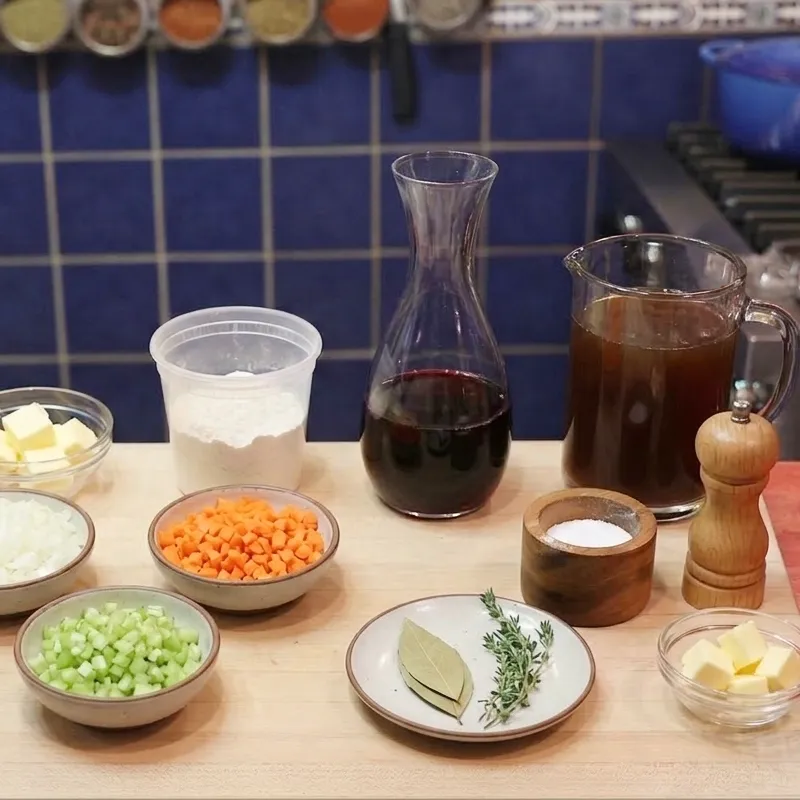
The ingredient list is short, but every item has a role.
Butter gives the roux flavor and helps brown the vegetables.
Flour thickens the sauce, but only in moderation. This is not a heavy gravy.
Onion, carrot, and celery build the aromatic base. They should be cooked until they pick up color, not just softened.
Tomato paste brings a subtle background note that rounds out the sauce without making it taste tomatoey.
Brown stock brings the body and the soul of the sauce.
A bay leaf and thyme add the classic French profile that makes the final result taste complete.
A small splash of wine is optional, but very useful if you want more depth.
Step-by-Step Method
1. Brown the vegetables properly
Start with a saucepan or medium pot over medium heat. Melt the butter, then add the onion, carrot, and celery with a pinch of salt. Cook them slowly until they soften and begin to brown. Do not rush this stage. You are building the first layer of flavor.
Once the vegetables have picked up some color, add the tomato paste and cook it for another minute or two. This step helps remove the raw taste and creates a darker, more savory base.

2. Make a brown roux
Add the flour and stir continuously so it coats the vegetables and butter evenly. Keep cooking until the flour turns a hazelnut-brown color. You do not want it pale, but you also do not want it burnt. This part determines both the color and the subtle toasted flavor of the sauce.
The goal is a brown roux, not a dark chocolate roux. Too little color and the sauce tastes raw; too much and it becomes bitter.

3. Deglaze if using wine
If you want a slightly more refined sauce, add a small splash of red wine and let it reduce almost completely. This is optional, but it helps build complexity and works especially well if you plan to serve the sauce with beef.
For steak dinners, this small step makes a noticeable difference, especially with robust dishes like ribeye steak Bordelaise or French peppercorn steak.
4. Add the stock gradually
Pour in the stock little by little while whisking. At first the mixture will look thick and slightly awkward, which is normal. Keep whisking and adding more stock until it becomes smooth.
Once all the stock is in, add the bay leaf and thyme. Bring everything just to a gentle simmer.
5. Simmer slowly
Let the sauce simmer gently for 35 to 45 minutes. Stir from time to time and skim the surface if needed. A slow simmer gives the flour time to disappear into the sauce and allows the vegetable base, tomato, and stock to merge into one flavor.
By the end, the sauce should coat the back of a spoon. If it looks too thin, reduce it a little longer. If it becomes too thick, loosen it with a splash of stock or hot water.

6. Strain and finish
Remove the herbs and strain the sauce through a fine sieve. Press lightly on the vegetables to extract their flavor, but do not mash them aggressively or the sauce can become cloudy.
Taste and adjust with salt and black pepper. If you want a shinier finish, whisk in a small knob of cold butter at the very end.

Texture and Flavor: What You Should Expect
A good sauce brune should be smooth, glossy, and rich without feeling heavy. It should taste meaty and savory first, with the vegetables and tomato supporting in the background. The flour should not be obvious. The herbs should be subtle.
If the sauce tastes flat, it usually needs more reduction or better stock. If it tastes floury, the roux did not cook long enough. If it feels too thick, the ratio of roux to liquid was too aggressive.
This is also why I prefer this recipe for hearty, savory dishes rather than creamy applications. If you want a cheesy or cream-based steak sauce, something like creamy Roquefort sauce or mushroom sauce for steak serves a different purpose. Sauce brune is cleaner, darker, and more classic.
How to Serve Sauce Brune
This is one of the most versatile savory sauces you can keep in your kitchen.
It is excellent over grilled or pan-seared steak, especially when served with homemade mashed potatoes or authentic Belgian fries. It also works beautifully with roast beef, pork, meatballs, or even a simple burger when you want something more bistro-style.
For a comfort-food plate, try it with classic Hachis Parmentier or spoon it over fries as part of a homemade poutine dinner. If you want a full steakhouse direction, pair it with garlic butter sauce for steak on another night and you will immediately taste how different sauce styles change the meal.
It is also useful for dishes where you want a darker, meatier finish without adding cream. In that sense, it is a good year-round base recipe to keep in rotation.
Substitutions
No veal stock: Use good beef stock. Chicken stock can work in a pinch, but the sauce will be lighter and less traditional.
No red wine: Leave it out or replace it with a small splash of stock. The sauce will still work.
No butter: You can make the base with neutral oil, though the flavor will be less rounded.
Want a slightly thicker sauce: Reduce a bit longer, or whisk in a small amount of beurre manié near the end.
Want a smoother and more refined finish: Strain twice and finish with cold butter.
Health and Nutrition Context
This is a rich, savory sauce designed for comfort food and classic meat dishes. It is not heavy because of cream or cheese, but it is still a concentrated finishing sauce, so a little goes a long way. That is part of what makes it useful: you do not need much to transform a plate of steak, fries, potatoes, or roasted meat.
Suggested Pairings
Sauce brune belongs with food that has color, crust, and savoriness. It works especially well with:
- Rossini steak beef tenderloin
- steak au poivre
- homemade poutine
- homemade Salisbury steak
- Belgian meatballs
- homemade mashed potatoes
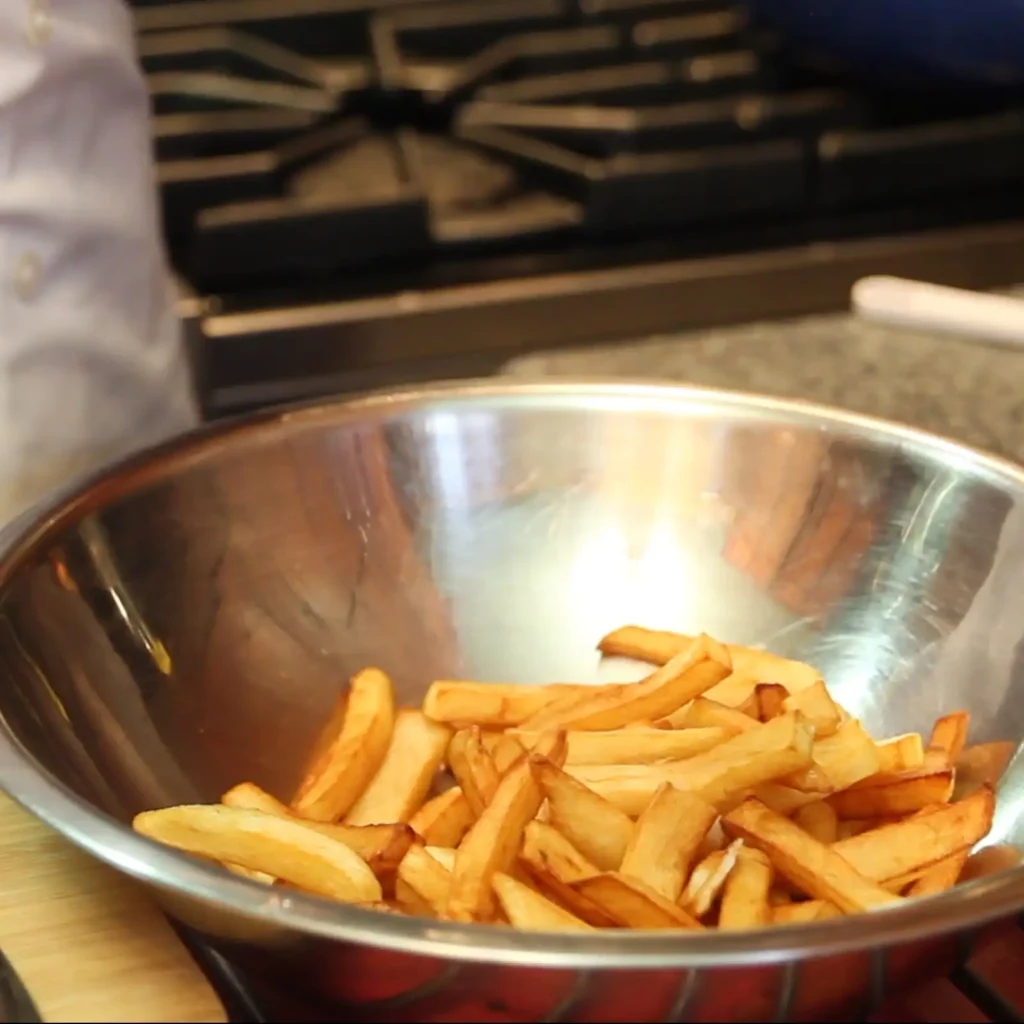
- authentic Belgian fries
FAQ
Is sauce brune the same as gravy?
Not exactly. They are related, but sauce brune has a more classical French base and usually relies more on stock, mirepoix, and technique than a simple pan gravy.
Can I make it ahead?
Yes. It keeps well in the fridge for 3 to 4 days and reheats gently on the stove. Add a splash of stock or water if it thickens too much.
Can I freeze it?
Yes. Freeze it in small portions so you can reheat only what you need.
Can I use it for poutine?
Yes, especially if you like a darker, more savory poutine gravy. For that kind of meal, it pairs naturally with homemade poutine and authentic Belgian fries.
Why does my sauce taste floury?
The roux probably did not cook long enough, or the sauce did not simmer long enough after the stock was added.
Can I turn it into another sauce?
Yes. Once you know this base, you can move toward peppercorn, mushroom, red wine, or shallot variations depending on the main dish.
What to Serve With Sauce Brune
For a classic meat-and-potatoes meal, serve it with homemade mashed potatoes and Rossini steak beef tenderloin.
For a bistro-style dinner, pair it with steak au poivre and authentic Belgian fries.
For cozy comfort food, it works withBelgian meatballs,homemade Salisbury steak, or classic Hachis Parmentier.
For more sauce ideas in the same family, compare it with creamy Roquefort sauce, mushroom sauce for steak, and garlic butter sauce for steak.

Classic Sauce Brune Recipe (French Brown Sauce for Steak, Poutine, and Comfort Food)
Ingredients
- 3 tbsp butter
- 1/4 cup finely chopped onion
- 1/4 cup finely diced carrot
- 1/4 cup finely diced celery
- 2 tbsp tomato paste
- 3 tbsp all-purpose flour
- 1/4 cup red wine optional
- 4 cups brown stock or beef stock
- 1 bay leaf
- 1 small sprig thyme
- Salt to taste
- Black pepper to taste
- 1 tbsp cold butter optional, for finishing
Instructions
- Melt the butter in a saucepan over medium heat. Add the onion, carrot, and celery with a pinch of salt. Cook until softened and lightly browned.
- Stir in the tomato paste and cook for 1 to 2 minutes.
- Add the flour and cook, stirring, until the roux turns brown and smells toasted.
- Deglaze with the red wine, if using, and reduce almost completely.
- Gradually whisk in the stock until smooth.
- Add the bay leaf and thyme. Simmer gently for 35 to 45 minutes, stirring occasionally.
- Strain through a fine sieve. Season with salt and pepper.
- Whisk in the cold butter at the end if you want a shinier finish.
Notes
FAQ
Is sauce brune the same as gravy?
Not exactly. They are related, but sauce brune has a more classical French base and usually relies more on stock, mirepoix, and technique than a simple pan gravy.Can I make it ahead?
Yes. It keeps well in the fridge for 3 to 4 days and reheats gently on the stove. Add a splash of stock or water if it thickens too much.Can I freeze it?
Yes. Freeze it in small portions so you can reheat only what you need.Can I use it for poutine?
Yes, especially if you like a darker, more savory poutine gravy. For that kind of meal, it pairs naturally with homemade poutine and authentic Belgian fries.Why does my sauce taste floury?
The roux probably did not cook long enough, or the sauce did not simmer long enough after the stock was added.Can I turn it into another sauce?
Yes. Once you know this base, you can move toward peppercorn, mushroom, red wine, or shallot variations depending on the main dish.🔗 Useful Links
🛒 Michel Dumas Shop : Explore our kitchen essentials, including aprons and knives.
🌐 Linktree : Access all our important links in one place.
📱 YouTube | Instagram | Facebook | TikTok : Follow us for the latest recipes and culinary tips.