Easy Red Wine Reduction Sauce for Steak
This red wine reduction sauce is a simple way to turn red wine, beef stock, shallot, and butter into a glossy, concentrated sauce for steak, beef tenderloin, pork, or roasted meats. I make it by reducing the wine first so the finished sauce tastes deep and savoury rather than sharp or alcoholic, and the main mistake to avoid is rushing that reduction. By the time the stock goes in, the wine should look darker, smell mellow, and leave only a thin syrupy layer across the bottom of the pan.
This recipe is based on the method from my YouTube cooking video, with a few adjustments since publication. A red wine reduction is different from a creamy steak sauce or a thick gravy. It relies mainly on evaporation to concentrate the wine and stock, then a little cold butter gives the finished sauce body and shine.
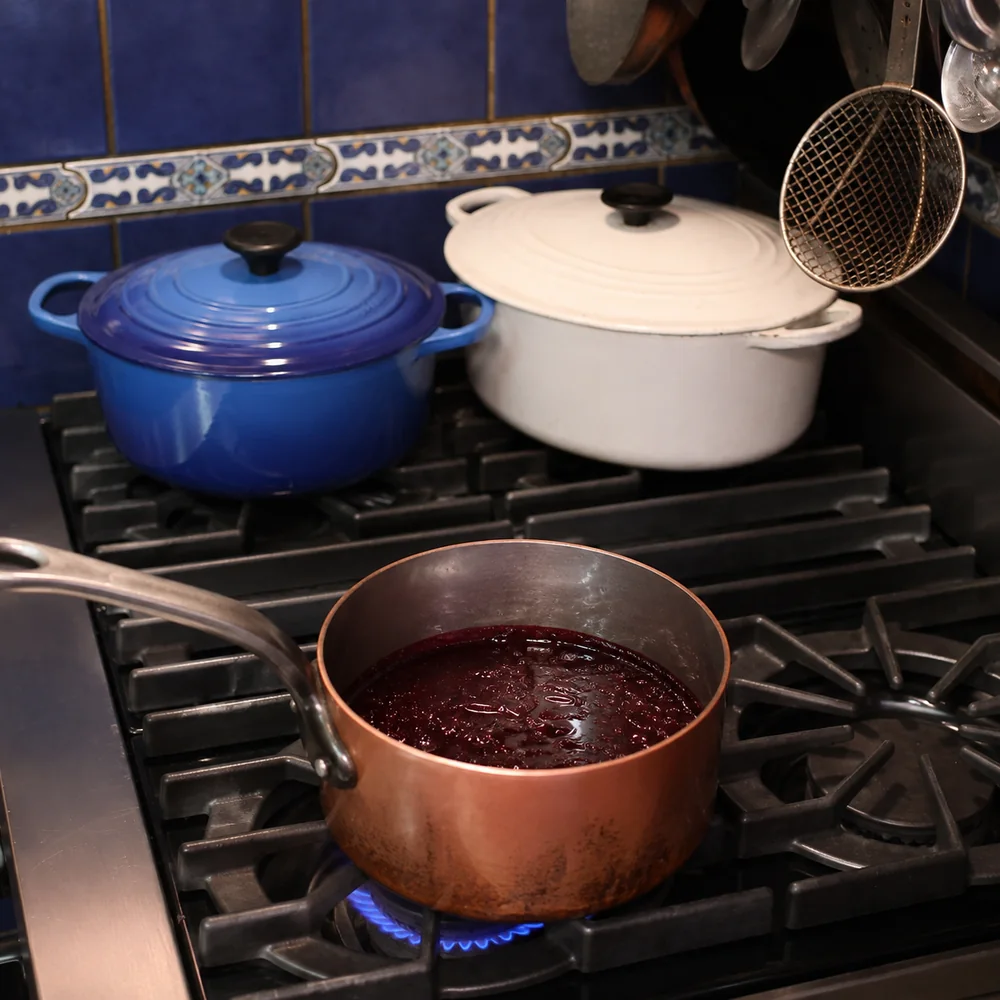
What Makes This Red Wine Sauce Different
The important part here is that I reduce the wine separately before adding the beef stock. I prefer to do it this way because it gives you much better control over the flavour. If you add everything at once, the stock may concentrate before the wine has lost its raw edge.
This is also a lighter, more concentrated sauce than something like my creamy Dijon sauce or steak with tarragon cream sauce. There is no cream and no flour. The texture should be fluid enough to spoon over meat, but concentrated enough that it does not immediately run across the entire plate.
If you have browned steak or beef in the same skillet, even better. The browned bits stuck to the pan can become part of the sauce. My guide to deglazing a pan explains why those browned bits are worth keeping.
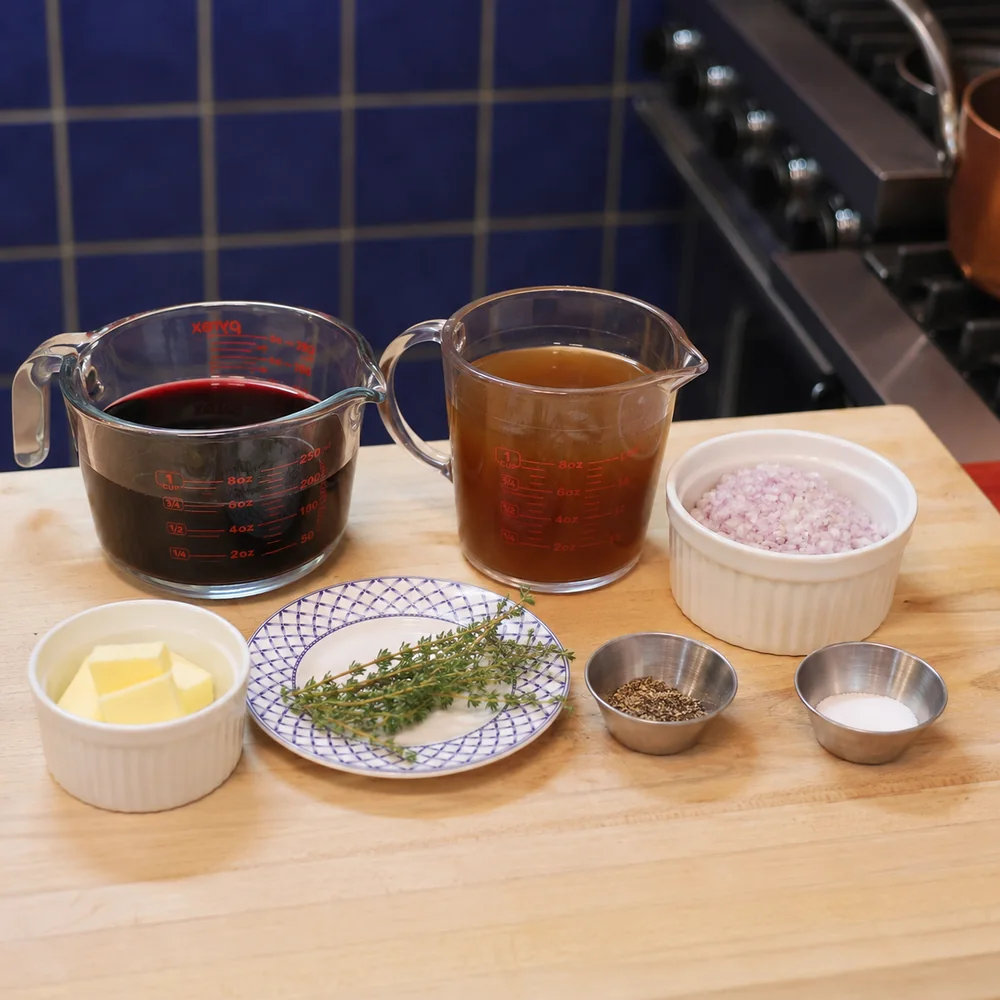
Ingredients You Need
Dry red wine: Use a wine you would be comfortable drinking. Cabernet Sauvignon, Merlot, Pinot Noir, Malbec, or a dry red blend can all work. Avoid very sweet wine.
Beef stock: This gives the sauce its savoury backbone. I prefer unsalted or low-sodium stock because it becomes considerably saltier as it reduces.
Shallot: Shallot gives the sauce a mild onion flavour without dominating the wine.
Butter: A small amount starts the shallot, then cold butter is whisked in at the end. That final butter is what gives the reduction its smooth, glossy finish.
Thyme: One sprig is enough. You want a background herb note, not a thyme sauce.
Black pepper: Freshly cracked pepper works especially well with beef and red wine.
Salt: Add this only after reducing. This matters because the stock can become salty surprisingly quickly.
Step-by-Step Instructions
1. Soften the shallot
Melt 1 tablespoon of butter in a small saucepan or skillet over medium-low heat. Add the finely chopped shallot and cook for 2 to 3 minutes.
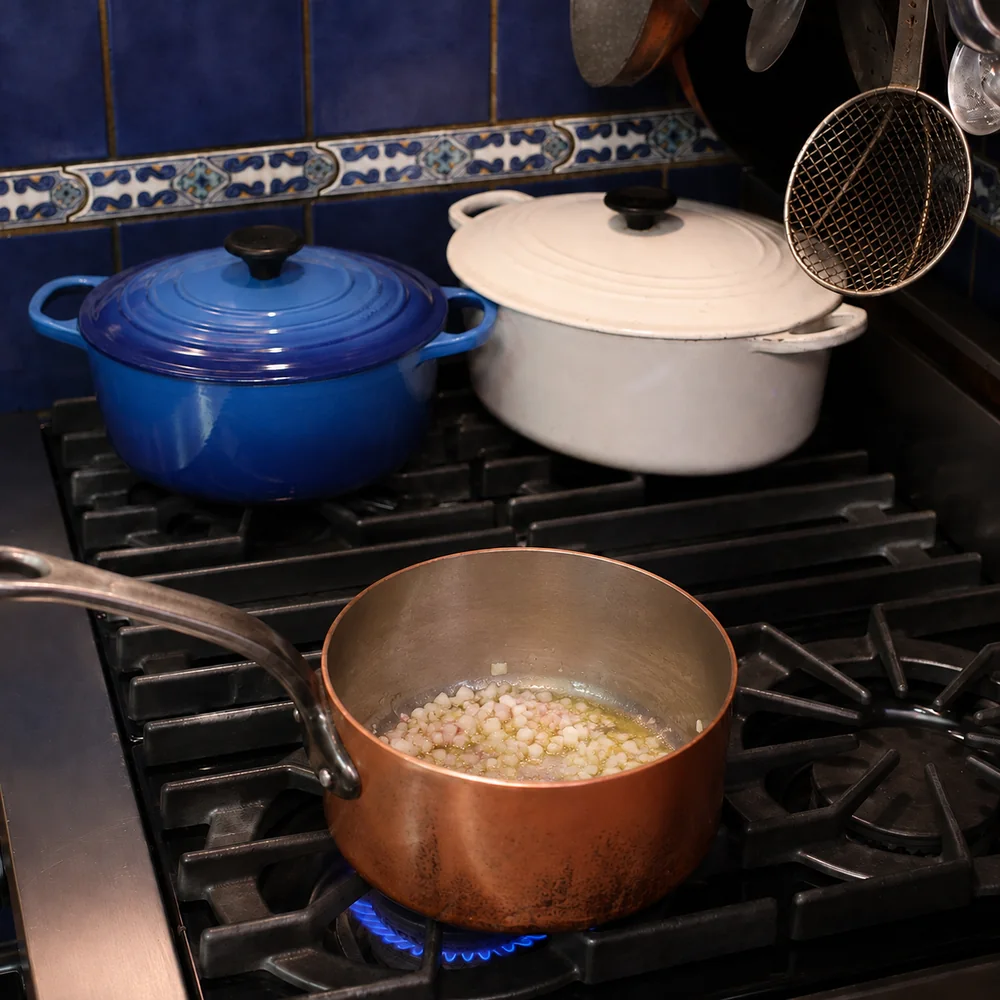
You are not trying to brown it. What I look for here is a shallot that has softened and become slightly translucent. If it starts taking on dark colour, lower the heat. Burned shallot will make a reduction taste bitter once everything concentrates.
If you are making the sauce directly in a pan used for steak, scrape lightly across the browned areas as the shallot cooks.
2. Add and reduce the red wine
Pour in the red wine and add the thyme.
Increase the heat enough to bring the wine to a lively simmer, but not such a violent boil that it disappears before the flavours have time to develop.
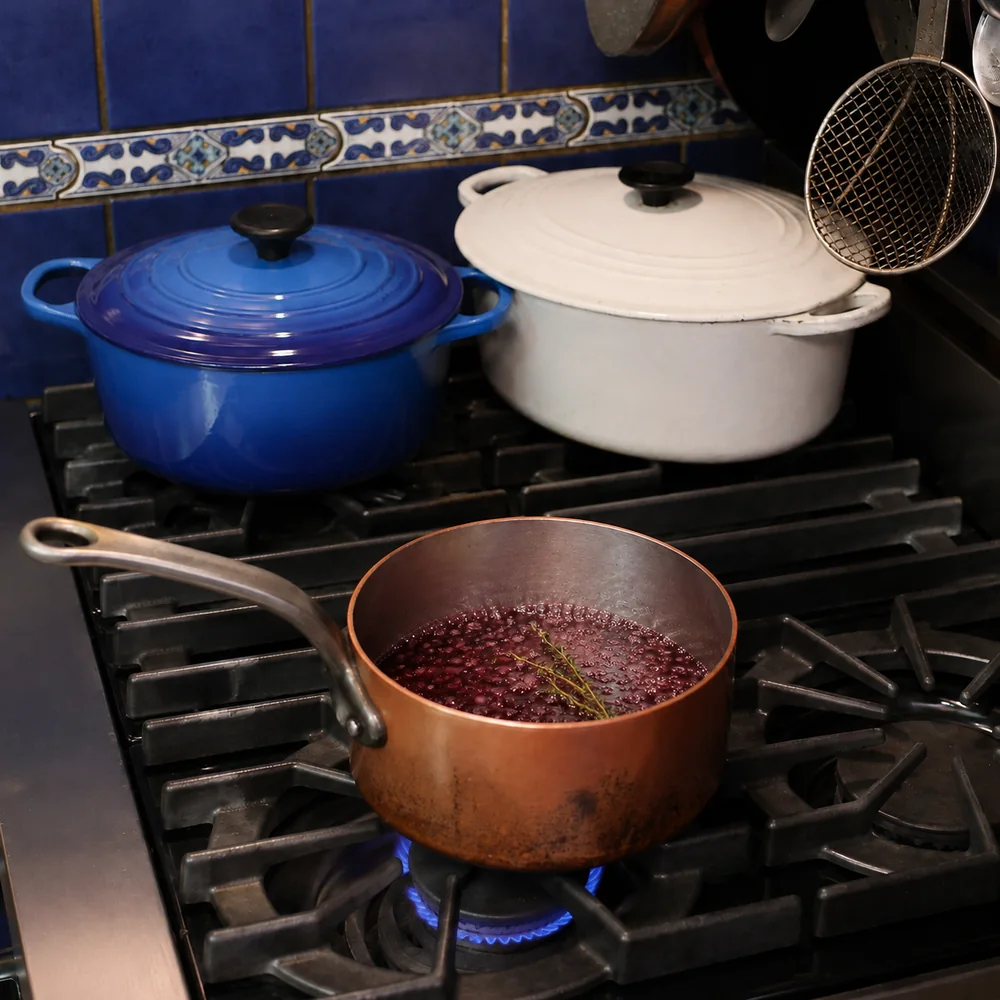
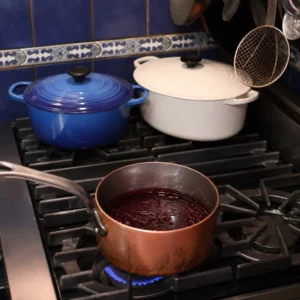
Reduce the wine until roughly one-third of the original amount remains. Depending on the width of your pan, this usually takes 8 to 10 minutes.
At first, the liquid looks thin and bright red. As it reduces, the colour becomes darker and the bubbles look slightly thicker. Run a spoon across the bottom. When the wine briefly leaves a visible trail before flowing back together, you are getting close.
The smell is another useful cue. At the beginning, the alcohol aroma can be quite sharp. Once properly reduced, it should smell rounder, fruitier, and more concentrated.
3. Add the beef stock
Pour in the beef stock and return the sauce to a steady simmer.
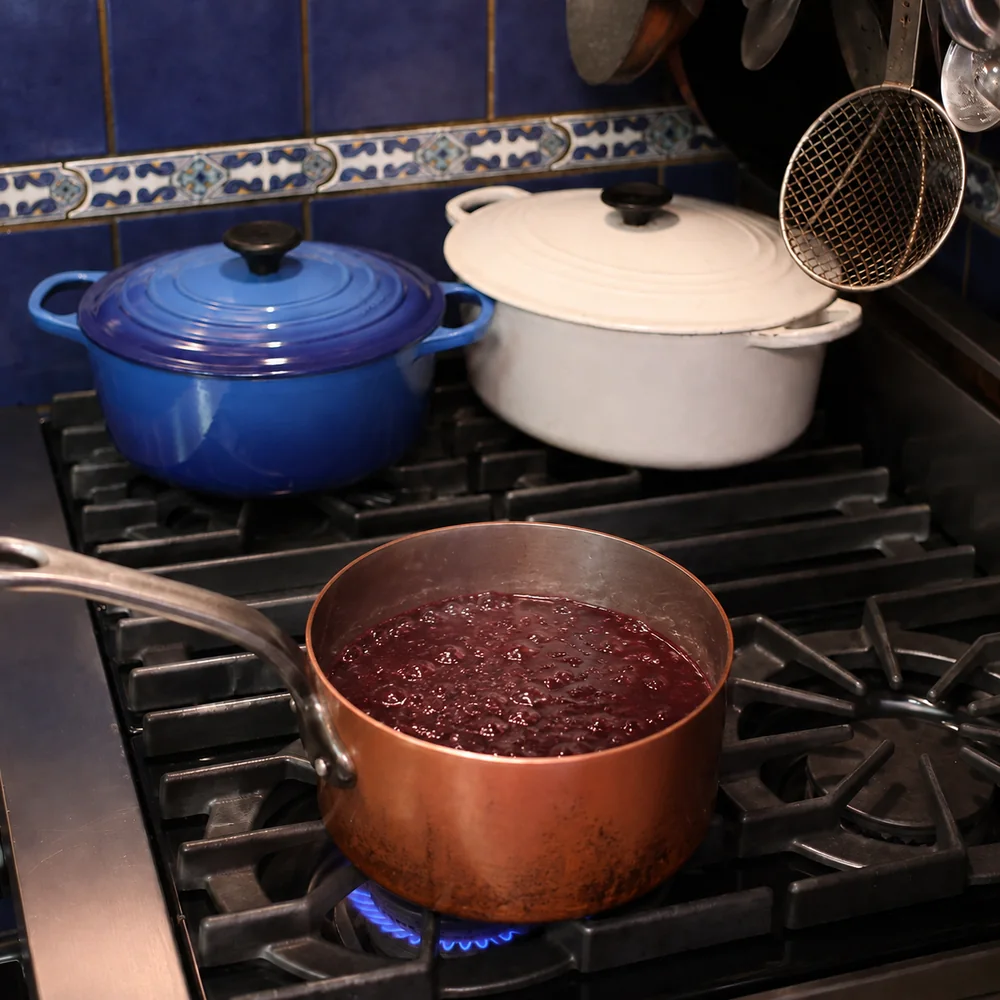
Cook for another 8 to 12 minutes, or until the liquid has reduced to approximately 3/4 cup.
Do not judge the sauce only by the clock. Pan width, heat level, and the stock you use all affect reduction time. Dip a spoon into the sauce. It should lightly coat the back of the spoon instead of running off like water.
This natural reduction is what separates the sauce from gravy. There is normally no need for flour or cornstarch. If you regularly make pan sauces, my guide on how to thicken a sauce goes into the different ways to adjust consistency.
4. Strain the sauce
Remove the thyme sprig. For a smoother restaurant-style sauce, pour everything through a fine-mesh strainer and press gently on the shallot.
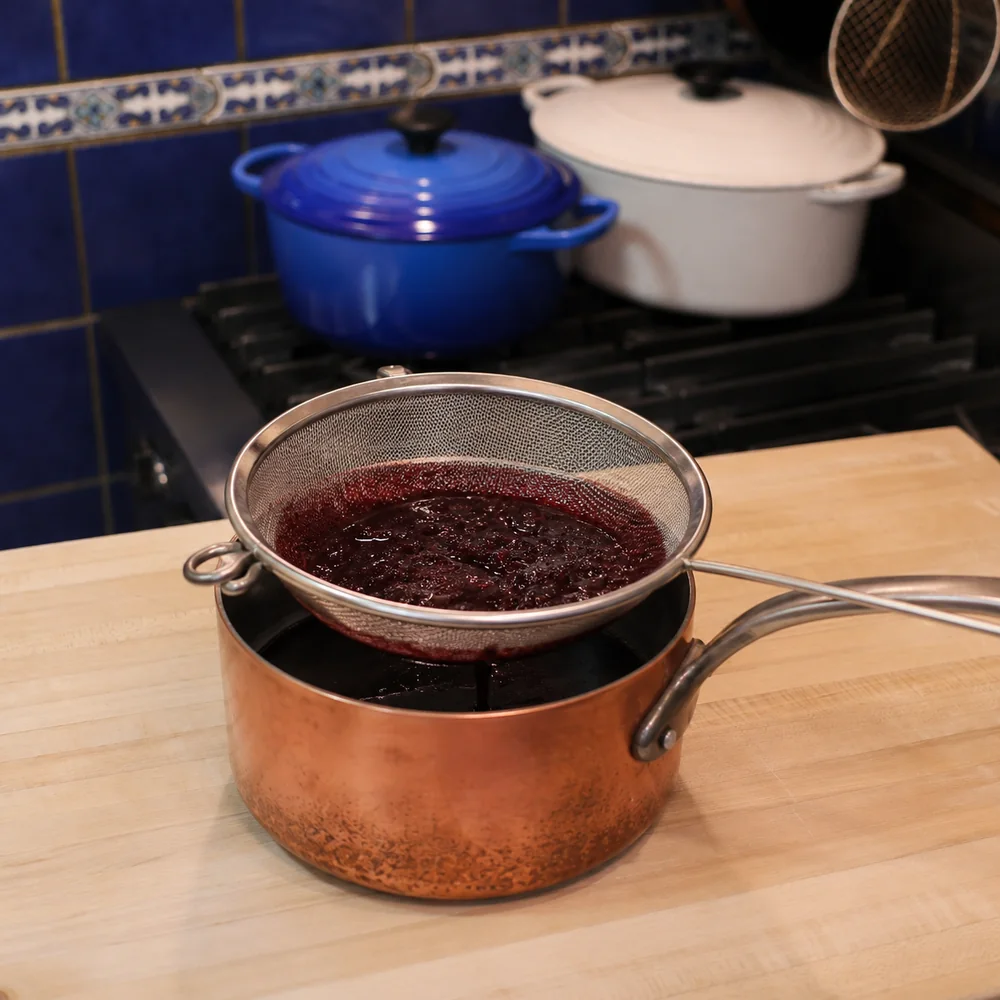
You can also leave the shallot in if you prefer a more rustic sauce. I like both versions, but for something like beef tenderloin medallions, I prefer the strained sauce because the texture stays very clean.
Return the strained reduction to low heat.
5. Finish with cold butter
Turn the heat to very low or remove the pan from the burner. Add the cold butter one piece at a time, whisking until each piece melts into the sauce.
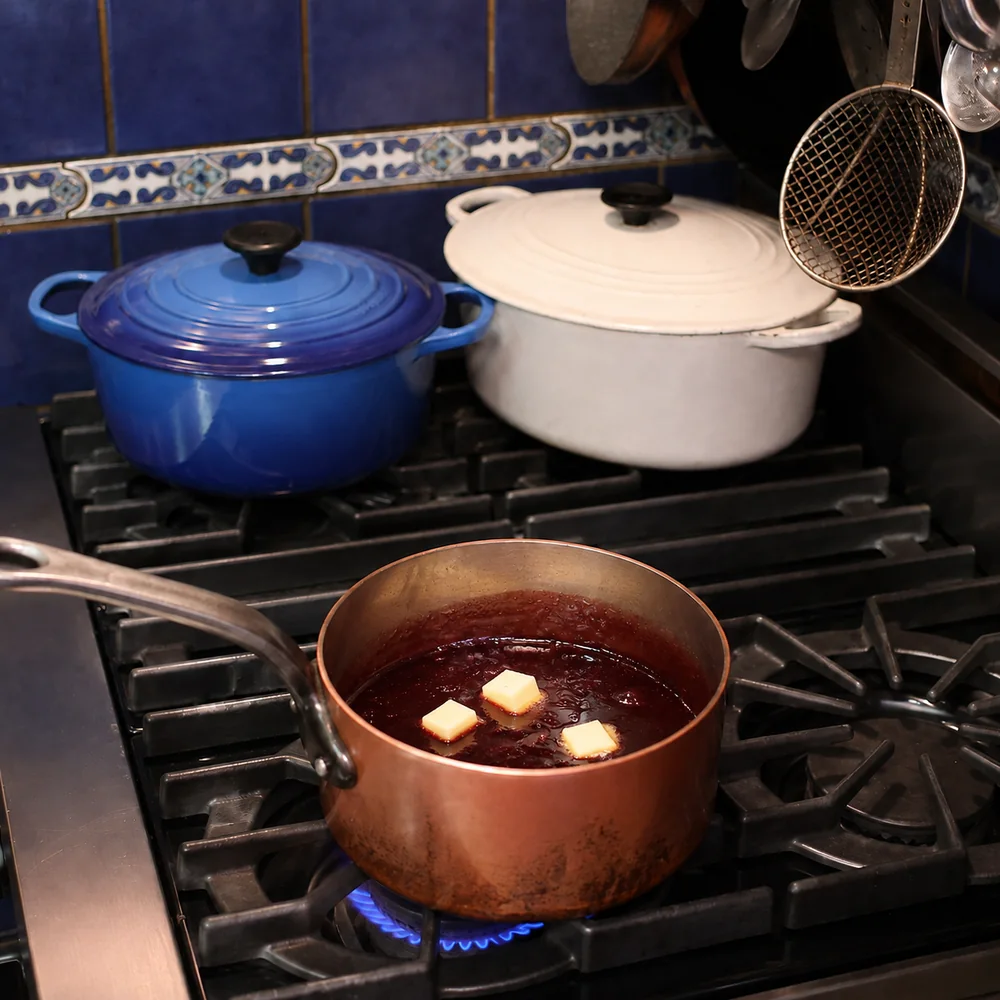
Do not aggressively boil the sauce after adding the butter. You want the butter emulsified into the reduction, not separating and floating on top.
Taste only now. Add black pepper and a small amount of salt if necessary.
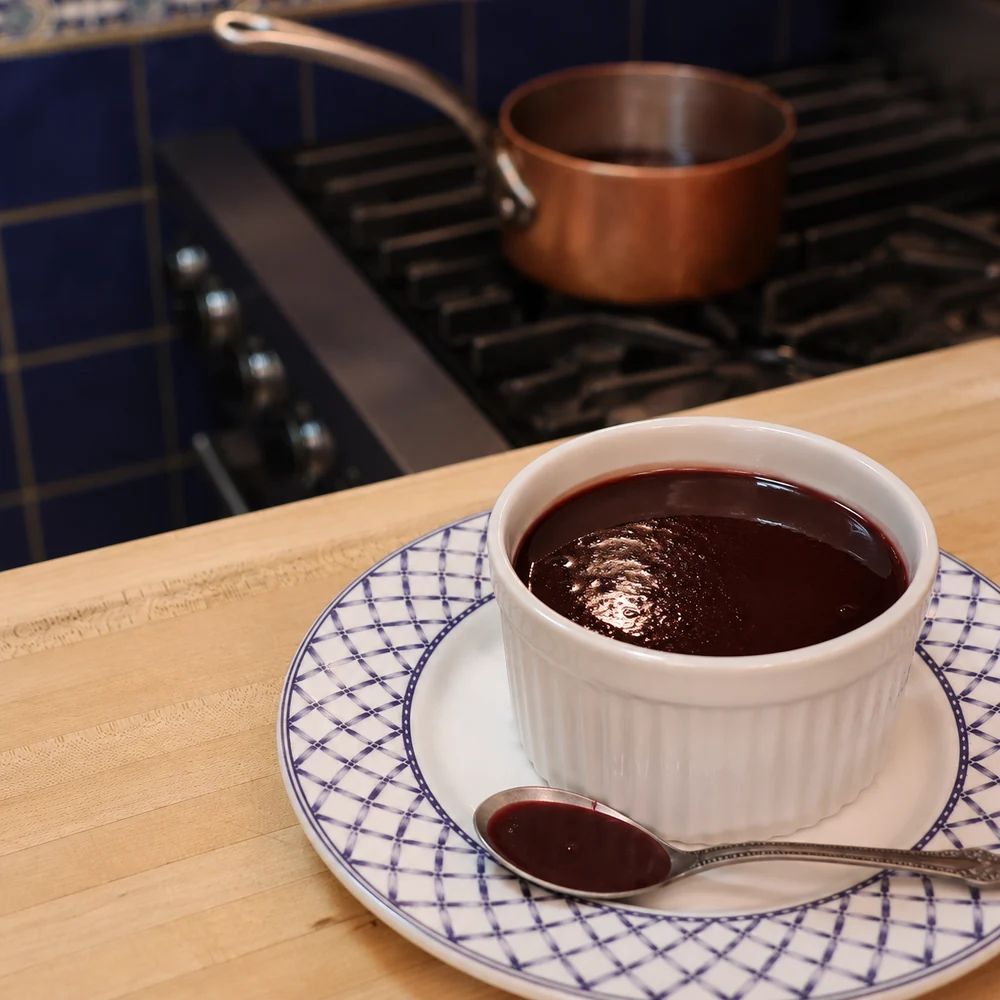
You know it is ready when the sauce is glossy, intensely coloured, and lightly coats a spoon. It should still pour easily.
Choosing the Right Red Wine
You do not need an expensive bottle for a good reduction, but the wine matters because its flavour becomes concentrated.
A dry Cabernet Sauvignon gives you a deeper, more structured sauce that works very well with steak. Merlot tends to be softer and fruitier. Pinot Noir produces a somewhat lighter reduction and can work especially well with duck or pork.
Avoid anything labelled sweet or dessert wine unless you specifically want sweetness.
I also avoid using an extremely tannic wine and reducing it too aggressively. Tannins become more noticeable as liquid evaporates. If the finished sauce tastes harsh rather than rich, excessive reduction or an especially tannic wine may be the reason.
The wine does not need to match what you are drinking at dinner, although using the same bottle is certainly convenient.
How Far Should You Reduce the Sauce?
This is probably the most important part of the recipe.
If the sauce is watery, keep simmering before adding the finishing butter. Butter can improve texture, but it cannot fix a reduction that still contains far too much liquid.
If you reduce too far, on the other hand, the sauce can become salty, sticky, or overly intense. Add a tablespoon or two of unsalted stock or water and bring it back to the consistency you want.
A properly reduced sauce should form a thin coating on the back of a spoon. Draw your finger through it. The line should remain visible for a moment rather than immediately disappearing.
I use the same basic principle whenever I build concentrated steak sauces. My ribeye with Bordelaise sauce and steak with shallot sauce are good examples of how wine, aromatics, and beef flavours work together.
What to Serve With Red Wine Reduction Sauce
Steak is the obvious choice. Spoon a little sauce beneath or beside the meat rather than drowning the entire steak. A concentrated reduction should accent the beef.
It works especially well with tenderloin, ribeye, strip steak, roasted beef, duck, and pork. For another classic steak preparation, try my Steak Diane or filet de boeuf with Périgourdine sauce.
Potatoes are my first choice on the side because they catch any extra sauce on the plate. Parisian potatoes are especially good for a French-style dinner. You could also make Lyonnaise potatoes or something quicker like air fryer roasted potatoes.
For a full bistro-style plate, my steak frites with Béarnaise is another useful reference. If you want something fresher beside the meat and potatoes, choose one of these easy vegetable side dishes.
Common Mistakes to Avoid
Adding salt too early: Stock becomes much saltier as it reduces. Season at the end.
Using high heat the entire time: A steady simmer is enough. Extremely hard boiling gives you less control over the final consistency.
Not reducing the wine enough: This is the mistake to avoid if your sauce tastes aggressively alcoholic or acidic.
Reducing the stock too far: Once the sauce becomes syrupy and extremely salty, you have passed the ideal point.
Boiling after adding the butter: Cold butter should be whisked in gently at the end. This gives the sauce its shine.
Using a very sweet wine: Reduction concentrates sweetness as well as acidity and tannin.
Substitutions
If you do not have shallot, use a small amount of finely minced yellow onion. The flavour will be slightly stronger, so keep the quantity modest.
Chicken stock can replace beef stock when serving the sauce with chicken, pork, or duck, although the finished flavour will be lighter.
Fresh rosemary can replace thyme, but use it carefully because rosemary becomes strong when reduced.
If you do not want to finish with butter, you can simply reduce the sauce to your preferred consistency. The flavour will still be there, but the texture will be less glossy and slightly sharper.
This should remain distinct from a butter-forward sauce such as steakhouse herb butter. Here, the red wine and stock are the main flavours. The butter is only the finishing touch.
FAQ
What is red wine reduction sauce?
It is a sauce made by simmering red wine until much of its water evaporates and its flavours become concentrated. Stock and aromatics are often added, and butter can be whisked in at the end for a smoother texture.
What red wine is best for reduction sauce?
Use a dry red wine such as Cabernet Sauvignon, Merlot, Pinot Noir, Malbec, or a dry red blend. Choose something with a flavour you enjoy because reduction intensifies it.
How long does red wine take to reduce?
One cup of wine usually takes around 8 to 12 minutes at a steady simmer, depending heavily on the size and shape of the pan.
Can I make red wine reduction without demi-glace?
Yes. This version uses beef stock rather than demi-glace. Reducing the stock with the wine creates enough concentration for an easy home version.
Why is my red wine sauce bitter?
The shallot may have burned, the wine may be particularly tannic, or the sauce may have been reduced too far. Add a small amount of unsalted stock and taste again.
Why is my sauce too thin?
It probably needs more reduction. Simmer it a little longer before adding the cold butter.
Can I make it ahead?
Yes. Make the wine-and-stock reduction ahead, cool it, and refrigerate it in a covered container. Reheat gently and whisk in the cold finishing butter just before serving.
Does red wine reduction sauce contain alcohol?
Cooking reduces the alcohol substantially, but simmering a sauce does not necessarily remove every trace of alcohol. Anyone who needs to avoid alcohol completely should use a non-alcoholic alternative instead.
Suggested Posts
For more steak and sauce ideas, try ribeye with Bordelaise sauce, steak with shallot sauce, Steak Diane, or steak with tarragon cream sauce.
For sides, Parisian potatoes, Lyonnaise potatoes, and air fryer roasted potatoes all work well with a sauce that needs something on the plate to catch every spoonful.
Easy Red Wine Reduction Sauce for Steak
Ingredients
- 1 tablespoon unsalted butter
- 1 small shallot finely chopped
- 1 cup dry red wine
- 1 cup unsalted or low-sodium beef stock
- 1 sprig fresh thyme
- 2 tablespoons cold unsalted butter cut into pieces
- 1/4 teaspoon freshly ground black pepper
- Salt to taste
Instructions
- Melt 1 tablespoon butter over medium-low heat and cook the shallot for 2 to 3 minutes without browning.
- Add the red wine and thyme and simmer until the wine has reduced to about one-third of its original volume, 8 to 10 minutes.
- Add the beef stock and simmer for another 8 to 12 minutes, until the sauce lightly coats the back of a spoon.
- Remove the thyme and strain the sauce through a fine-mesh strainer if a smooth texture is desired.
- Reduce the heat to very low and whisk in the cold butter one piece at a time.
- Season with black pepper and salt only after the sauce has finished reducing.
- Serve immediately with steak, beef tenderloin, pork, duck, or roasted meat.