Steak with Tarragon Cream Sauce and Crispy Potatoes
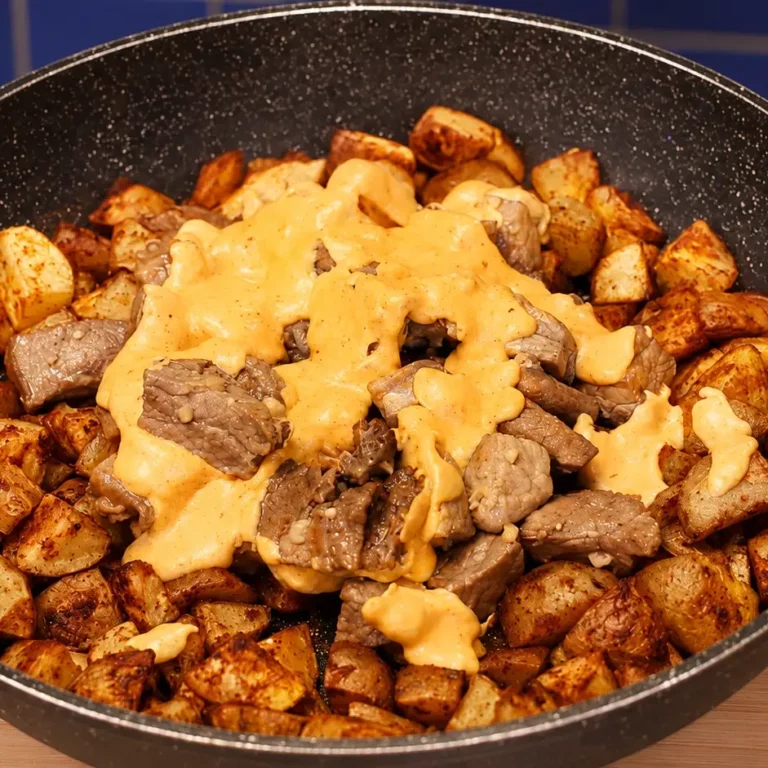
This steak with tarragon cream sauce is a proper bistro-style plate: seared beef, a pan sauce built from the steak juices, and potatoes cooked in duck fat until golden. The sauce has white wine, cognac, shallots, cream, mustard, meat glaze, and fresh tarragon, so it tastes rich without feeling like a heavy cheese sauce.
This recipe is based on my YouTube video, with a few adjustments since publication. In the video, I cook by eye, but for the blog version I tightened the quantities so the sauce is easier to reproduce at home. The mistake to avoid is using too much meat glaze or boiling the cream too hard. What I look for here is a sauce that coats the spoon, not a sauce that becomes salty, sticky, or broken.
What Makes This Recipe Different
A tarragon steak sauce is not the same as a peppercorn sauce or a Béarnaise sauce. It has the aroma of tarragon, a little acidity from white wine, roundness from cream, and depth from meat glaze. It is a pan sauce, so everything starts with the browned bits left behind after searing the beef.
I make it this way because the sauce tastes connected to the steak. Instead of making a separate sauce in another pot, the shallots, wine, cognac, and cream pick up the flavor from the pan. It is the same idea you use when you deglaze a pan properly, but with a more complete bistro finish.
This version is also different from my Steak Diane because it leans on fresh tarragon and mustard instead of Worcestershire-style depth. It is less peppery than steak au poivre and less buttery than steak with Béarnaise sauce. Same family, different mood.
Ingredients You Need
For the steak, choose two well-marbled steaks that are thick enough to sear without overcooking immediately. Ribeye, striploin, sirloin, bavette, or hanger steak can all work. The video uses a tender, well-marbled cut, but the method is flexible as long as the steak is not too thin.
For the sauce, the key ingredient is meat glaze or demi-glace. This is not the same as watery beef broth. If all you have is regular stock, reduce it first until it tastes concentrated. A good brown stock makes a big difference here, and if you want to make your own, my homemade brown stock is the right base.
You also need shallots, dry white wine, cognac, cream, mustard, thyme, bay leaf, and fresh tarragon. Fresh tarragon matters. Dried tarragon can work in an emergency, but it will not give the same bright anise aroma.
For the potatoes, small baby potatoes or fingerlings are best. Slice them thinly, blanch them briefly, then finish them in duck fat. This gives you a potato that is tender inside and golden on the edges, without sticking together in the pan.

Step-by-Step Instructions
Prepare the potatoes
Wash the baby potatoes and slice them thinly. A mandoline is useful here because the slices cook evenly, but a sharp knife works too. Do not cut them too thick unless you plan to blanch them longer.
Bring a pot of water to a boil. Add the sliced potatoes and blanch for about 1 minute. This is not a full cooking step. It just removes some surface starch and gives the potatoes a better start in the pan.
Drain them well and let the steam escape. This part matters. If the potatoes go into the pan wet, they will steam instead of browning.

Cook the potatoes in duck fat
Heat duck fat in a wide pan over medium-high heat. Add the drained potatoes and spread them out as much as possible. Let them cook without moving them constantly. You want contact with the pan.
After a few minutes, the edges should begin to color. Toss or turn them occasionally until they are golden, tender, and lightly crisp. Season with salt and pepper near the end. If you like this style of potato, the method is close in spirit to duck fat potatoes, but here the slices are faster and made to serve beside steak.

Prepare the shallots and herbs
Finely chop the shallots. Remove the tarragon leaves from the stems. Keep the leaves for the end and save the stems for the sauce infusion.
This little separation makes the sauce better. The stems can simmer with the wine and cream, but the leaves are more delicate. Add them late so they stay fragrant and green.

Sear the steaks
Season the steaks with salt and black pepper. Heat a heavy pan over high heat with a little duck fat or oil. When the fat is hot and shimmering, add the steaks.
Sear until a good crust forms. Do not move them too much at the beginning. You should hear a strong sizzle, and the surface should brown, not steam. Flip and cook the second side to your preferred doneness.
For medium-rare, I usually pull the steak around 130°F to 135°F, depending on thickness and resting time. For more detail, use my internal cooking temperature chart as a reference.
Transfer the steaks to a plate or board and let them rest while you make the sauce.

Build the tarragon cream sauce
Lower the heat slightly. Add the chopped shallots to the same pan. Stir and scrape the bottom so the shallots pick up the browned bits.
Add the cognac and let it reduce briefly. Then add the white wine and reduce again. The pan should smell sharp at first, then rounder as the alcohol cooks off and the liquid concentrates.
Add the meat glaze or demi-glace, thyme, bay leaf, and tarragon stems. Let it simmer for a few minutes. Whisk in the mustard, then add the cream.
Now reduce gently. The mistake to avoid is boiling the cream violently. Keep it at a steady simmer and stir often. You know it is ready when the bubbles look thicker and the sauce lightly coats a spoon.
Remove the thyme, bay leaf, and tarragon stems. Stir in the chopped tarragon leaves at the end.

Finish and serve
Return the steaks to the sauce just long enough to warm them and coat them. Do not boil the steaks in the sauce. They are already cooked.
Spoon the sauce over the beef and serve with the crispy potatoes. At this point, the sauce should be glossy, creamy, and aromatic, with enough tarragon to be noticed but not so much that it tastes medicinal.

What to Serve With It
The potatoes are already included, so you do not need much more. A simple green salad works well because the sauce is rich. If you want a more classic steakhouse plate, serve it with crispy homemade French fries instead of the sautéed potatoes.
For a sauce-focused meal, this recipe sits nicely beside other steak recipes on the site. Try it when you want something creamier than steak with beurre maître d’hôtel, but less intense than steak with Roquefort sauce. If you want a mustard direction without the tarragon, my Dijon mustard steak is the closer match.
Substitutions

If you do not have duck fat, use neutral oil for the steak and a mix of oil and butter for the potatoes. Duck fat gives a deeper flavor, but the recipe still works without it.
If you do not have cognac, use brandy. If you do not want to cook with alcohol, skip the cognac and use more reduced beef stock. The sauce will lose a little aroma, but it will still be good.
If you do not have meat glaze, use demi-glace. If using regular beef stock, reduce it first. Do not pour in a large amount of thin stock and expect the cream to fix it. The sauce will taste diluted.
Tarragon mustard is excellent here, but Dijon mustard is easier to find and works well. Use a small spoonful first, then taste. Mustard can take over quickly.
For the potatoes, fingerlings, baby potatoes, or small Yukon Gold potatoes are best. If you cut them thicker, blanch them longer. If you want another potato side with a more classic French feel, Lyonnaise potatoes would also fit the plate.

FAQ
Can I make the sauce without meat glaze?
Yes, but you need something concentrated. Use demi-glace if possible. If you only have beef stock, simmer it down first until it tastes strong and slightly sticky. A thin stock will make a flat sauce.
Can I use dried tarragon?
You can, but use less. Dried tarragon is stronger and less fresh. Start with a small pinch during the simmer, then taste before adding more. Fresh tarragon gives the best result.
What steak cut works best?
Ribeye, striploin, hanger steak, bavette, sirloin, or tenderloin can all work. The best choice is a steak with enough thickness to sear well and enough marbling to stay juicy.
Can I make the sauce ahead?
You can make the sauce base ahead, but add the fresh tarragon leaves at the end when reheating. Warm it gently. Do not boil it hard or the cream may separate.
How do I keep the potatoes from sticking?
Blanch them briefly, drain them very well, and use enough fat in a hot pan. Do not stir constantly. Let the slices brown before moving them.
Is this recipe very heavy?
It is a rich bistro-style plate, but the sauce is used as a coating, not a soup. The steak gives plenty of protein, and the potatoes make it a full comfort meal. Serve with a green salad if you want a fresher balance.
Suggested Posts
For another creamy steak sauce, try steak with flambéed mushroom sauce.
For a sharper French bistro flavor, make rib steak with mustard sauce.
For a classic restaurant sauce, see my Sauce Diane recipe.
For a beef recipe with a different sauce style, try filet de boeuf with Périgourdine sauce.
For another potato side, make crispy pommes paillasson.

Steak with Tarragon Cream Sauce and Crispy Potatoes
Ingredients
- 2 beef steaks about 8 oz each
- 1 lb baby potatoes or fingerling potatoes thinly sliced
- 2 tbsp duck fat divided
- 2 shallots finely chopped
- 2 tbsp cognac
- 1/2 cup dry white wine
- 1/3 cup demi-glace or 2 tbsp meat glaze mixed with 1/4 cup water
- 2/3 cup heavy cream or light cream
- 1 to 2 tsp tarragon mustard or Dijon mustard
- 2 to 3 sprigs fresh tarragon
- 1 sprig thyme
- 1 bay leaf
- Salt to taste
- Black pepper to taste
Instructions
- Wash and thinly slice the potatoes.
- Bring a pot of water to a boil and blanch the potatoes for 1 minute.
- Drain the potatoes well and let them steam-dry.
- Heat 1 tbsp duck fat in a wide pan and sauté the potatoes for 12 to 15 minutes, until golden and tender. Season with salt and pepper.
- Remove the tarragon leaves from the stems. Keep the leaves for finishing and reserve the stems for the sauce.
- Season the steaks with salt and pepper.
- Heat 1 tbsp duck fat in a heavy pan over high heat and sear the steaks on both sides to your preferred doneness.
- Transfer the steaks to a plate and let them rest.
- Add the shallots to the same pan and cook for 1 to 2 minutes, scraping the browned bits.
- Add the cognac and reduce briefly.
- Add the white wine and reduce until concentrated.
- Add the demi-glace, thyme, bay leaf, and tarragon stems. Simmer for 2 to 3 minutes.
- Whisk in the mustard, then add the cream.
- Simmer gently until the sauce coats a spoon.
- Remove the thyme, bay leaf, and tarragon stems.
- Stir in the chopped tarragon leaves.
- Return the steaks to the sauce briefly to warm and coat them.
- Serve the steaks with the tarragon cream sauce and crispy potatoes.