Filet de Bœuf with Périgourdine Sauce and Sarladaise Potatoes (Duck Fat) — Classic French Bistro Dinner
If you want a meal that feels like a French steakhouse at home—without complicated prep—this is it. The combination is simple but luxurious: beef tenderloin seared hard, a glossy truffle-forward Périgourdine sauce, and crispy duck-fat potatoes that taste like they came straight from the Dordogne.
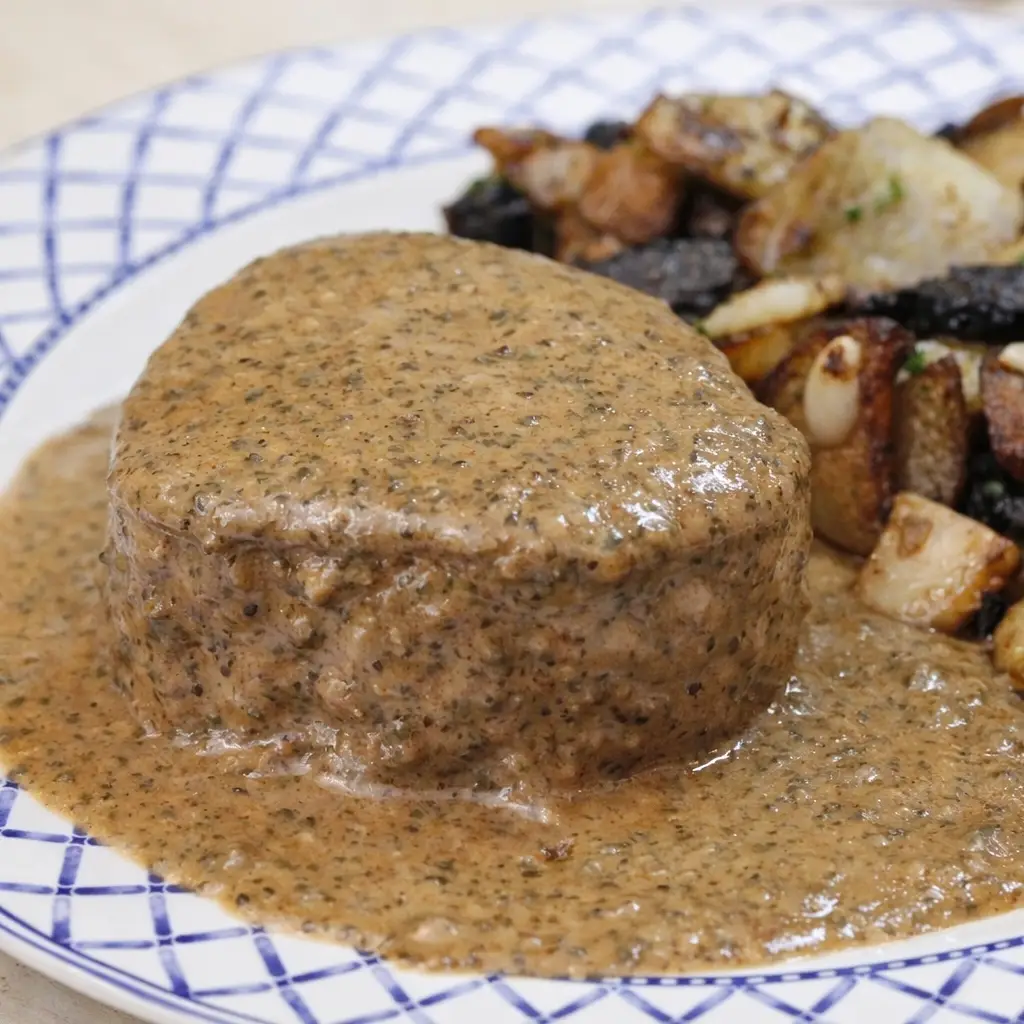
Definition (quick + scannable): Filet de bœuf sauce Périgourdine is a classic French dish where beef tenderloin is served with a reduced pan sauce flavored with truffle (and often a splash of Armagnac). Sarladaise potatoes are thin-sliced potatoes cooked slowly in duck fat with garlic and parsley until deeply golden. Make this when you want a restaurant-style, special-occasion dinner that still works year-round.
This recipe is based on my YouTube video, with a few practical adjustments since publication—mainly potato thickness, resting time, and a cleaner, silkier sauce finish so the result is consistent on any North American stovetop.
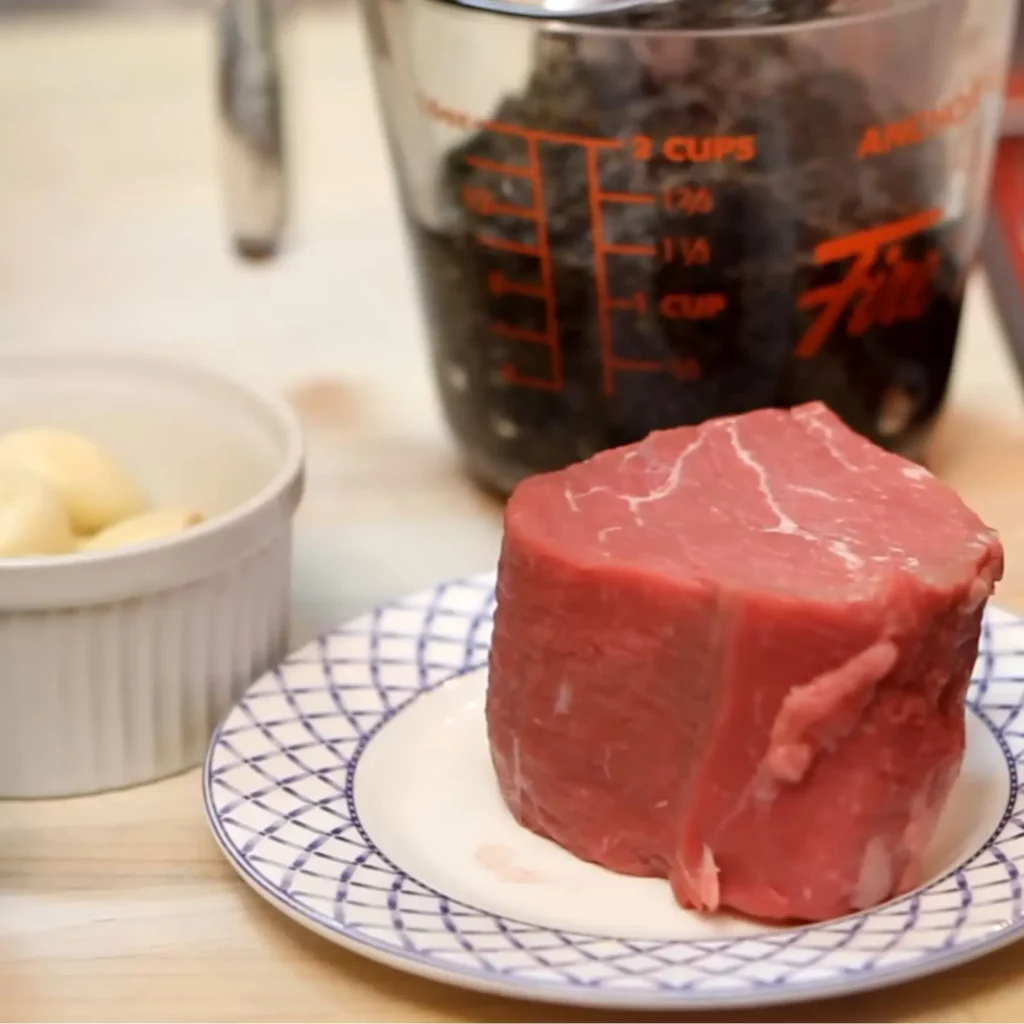
Why this version works and how it’s different
There are lots of beef recipes out there—braises, roasts, creamy sauces, quick skillet steaks—but this one has a very specific intent: high-end French bistro flavor with a short ingredient list and a clean technique path.
- Compared to slow, winey stews like Classic Boeuf Bourguignon, this is fast and elegant: sear, flambé, reduce, serve.
- Compared to creamy steak sauces like Steak with Roquefort Sauce (30 Minutes) or Creamy Mushroom Sauce for Steak, Périgourdine sauce is glossy, reduced, and truffle-led, not dairy-forward.
- Compared to a showpiece pastry dish like Beef Wellington, this stays purely stovetop and is easier to time with sides.
From a nutrition angle, this is a protein-rich plate (tenderloin is leaner than many steak cuts), but it’s still a hearty comfort food because duck fat and a reduced sauce are the point. It’s a great winter dinner, but it also works in summer with a lighter salad on the side.
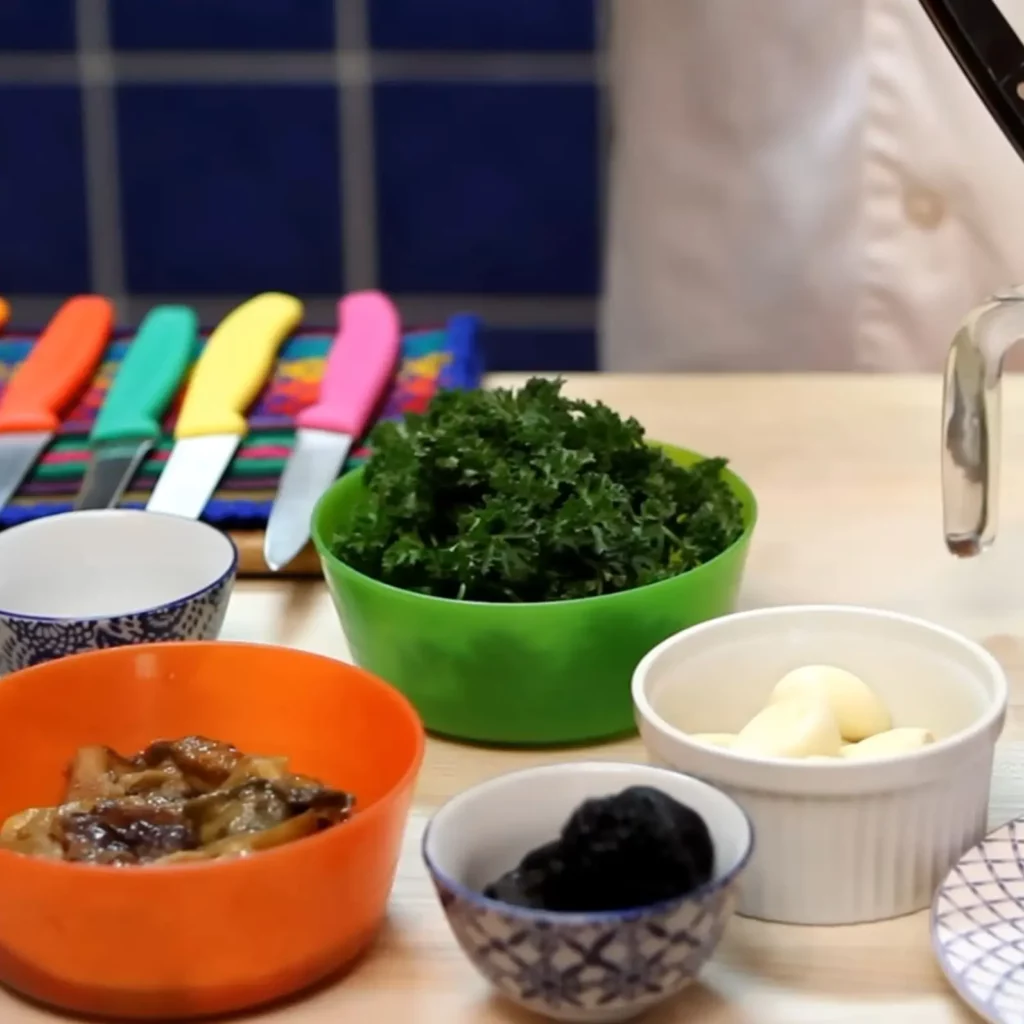
Ingredients (serves 2)
Beef Tenderloin
- 2 beef tenderloin steaks, about 10–12 oz each (roughly 300 g)
- Kosher salt
- Freshly ground black pepper
- 1–2 tbsp duck fat (or neutral oil)
Périgourdine Sauce
- 3 tbsp Armagnac (or cognac)
- 1 1/4 cups veal stock (or rich beef stock), preferably reduced-style
- 1–2 oz black truffle (fresh or jarred), plus 1–2 tsp truffle juice if using jarred
- 1 tbsp cold butter (recommended for a glossy finish)
- Optional: 1–2 oz foie gras (classic, but not required)
- Optional: 1/2 tsp sherry vinegar (or a few drops lemon) for balance
Sarladaise Potatoes
- 1 3/4 lb potatoes (Yukon Gold works great)
- 3–4 tbsp duck fat
- 2 garlic cloves, thinly sliced
- 2 tbsp chopped parsley
- Salt
Step-by-step instructions
1) Prep the potatoes (the key detail)
Peel the potatoes, then slice them into thin rounds, about 1/4 inch (6 mm). This thickness is the difference between “crispy outside, tender inside” and “brown outside, undercooked center.”
Drop the slices into a bowl of cold water while you finish slicing. Swish them around, then drain and pat very dry. Moisture is the enemy of crisp edges.
If you like classic French potato technique beyond this dish, the timing logic is similar to Lyonnaise Potatoes (French Sautéed Potatoes)—steady browning, controlled heat, and patience.
2) Cook the Sarladaise potatoes (slow + golden)
Heat 3 tbsp duck fat in a large skillet over medium heat. Add the potato slices in a single layer as much as possible. If the pan is crowded, cook in two batches—overcrowding steams the potatoes instead of browning them.
Cook for 20–25 minutes, turning the slices every few minutes so they color evenly. The heat should be hot enough to brown, but not so aggressive that the outside burns before the inside softens.
When the potatoes are deeply golden and tender, add the sliced garlic and cook 1 minute (just until fragrant). Turn off the heat, add parsley, salt to taste, and keep warm.
For other potato sides that pair beautifully with steak nights, rotate in Homemade Mashed Potatoes or go full brasserie with Authentic Belgian Fries.

3) Sear the filet de bœuf (dry steak = better crust)
Pat the steaks very dry. Season generously with salt. Heat a heavy skillet until very hot, then add 1–2 tbsp duck fat (or oil).
Sear the steaks:
- 45–60 seconds per side for a strong crust
- Sear the edges briefly (use tongs)
Then reduce heat to medium and continue cooking to your target doneness. If you have a thermometer, it makes everything easier:
- Rare: 120–125°F
- Medium-rare: 130–135°F
- Medium: 140–145°F
Transfer the steaks to a plate and rest 5–7 minutes. Resting is non-negotiable on a thick tenderloin: it keeps the interior juicy and prevents the sauce from getting watery on the plate.
For another beef dinner built around a perfectly cooked steak, Steak Sandwich (Hearty and Fail-Proof Feast) uses that same “great sear first” mindset in a totally different direction.
4) Flambé with Armagnac (classic Périgord move)
With the pan still hot, carefully pour in the Armagnac. It will bubble hard. If you’re comfortable, ignite it and let the flames burn off. If you’d rather skip flaming, just simmer it for 30–45 seconds until the sharp alcohol smell softens.
This step builds the signature profile that separates this sauce from something like a herb-butter pan sauce. For a different steak sauce style (rich, buttery, and aromatic), compare with Steak Sauce “Entrecôte” Warm Herb Butter Emulsion.

5) Reduce the stock into a glossy sauce
Add the veal stock and bring to a simmer. Scrape the pan to dissolve the browned bits—this is where the flavor lives. Simmer until it becomes nappe (it lightly coats the back of a spoon), usually 4–8 minutes depending on stock strength and pan size.
Now add truffle:
- If using jarred truffle, add the truffle plus 1–2 tsp of its juice.
- If using fresh truffle, add it at the end for maximum aroma.
Optional foie gras: add small pieces off heat so it melts into the sauce without splitting.
Finish the sauce with 1 tbsp cold butter, swirling the pan until it looks glossy and unified. This is the simplest way to get a restaurant texture.
If the sauce tastes “heavy,” add a tiny splash of sherry vinegar or a few drops of lemon. The sauce shouldn’t taste sour—just brighter.
For another sauce path that focuses on precise cooking temps and a defined finish, How to Make Roquefort Sauce for Steak (Blue Cheese Sauce + Steak Cooking Temperatures) is a great companion read.
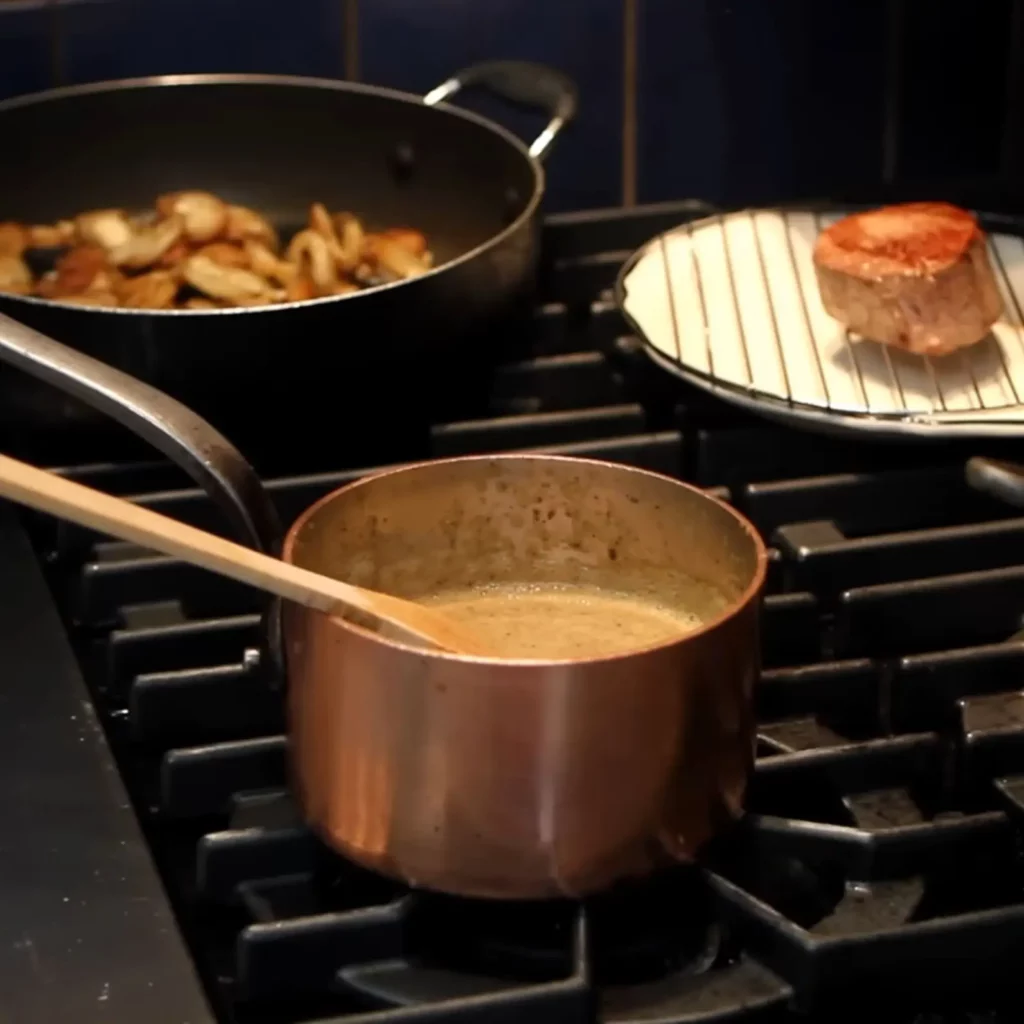
6) Serve
Plate the Sarladaise potatoes, slice the filet (or serve whole), and spoon Périgourdine sauce over the top. Add extra truffle shavings if you have them.
If you want a clean, fresh counterpoint on the table, keep it simple: something crisp and acidic works best next to duck fat and reduced sauce. A quick option is Homemade Greek Salad.
Substitutions
- No duck fat: Use a mix of butter + neutral oil for potatoes, and neutral oil for steak searing. Duck fat is classic, but the technique still works.
- No veal stock: Use high-quality beef stock and reduce it longer. If it’s weak, reduce until flavorful before adding truffle.
- No Armagnac: Cognac works well. Even bourbon can work in a pinch, but it changes the profile.
- No truffle: The dish stops being truly “Périgourdine,” but you can still make an excellent pan sauce. Reduce stock, finish with butter, and consider sautéed mushrooms for depth (different flavor family than true truffle).
- Optional foie gras: Adds richness and a classic luxury finish, but the dish is still excellent without it.
- Potato type: Yukon Gold is the most forgiving. Russet can work but needs gentler handling to avoid breaking.

FAQ
Can I make the potatoes ahead?
Yes. Cook them until just tender and lightly golden, then cool. Re-crisp in duck fat over medium-high heat for 5–8 minutes, then add garlic and parsley at the end.
Why are my potatoes not crispy?
Usually one of three things: potatoes weren’t dried enough, pan was overcrowded, or heat was too low (they steam). Thin, dry slices + enough space fixes it.
What’s the best doneness for beef tenderloin in this recipe?
Medium-rare is the sweet spot because tenderloin is lean. If it goes too far past medium, it loses that soft, buttery texture.
Can I use a different cut of steak?
Yes, but it changes the dish. Ribeye or strip will be richer and more forgiving, but tenderloin is the classic pairing with Périgourdine sauce. For other steak-centered dinners, explore Steak Recipe with Shallot Sauce.
Do I need to flambé?
No. Simmering the Armagnac for 30–60 seconds still reduces harsh alcohol and keeps the flavor.
How do I keep the sauce from getting too thick?
Pull it off the heat sooner than you think—sauce tightens as it cools. If it over-reduces, loosen with a tablespoon of warm stock or water and whisk.
What to serve with / Suggested posts
- Homemade Greek Salad for a fresh, crunchy side that balances duck fat and sauce
- Homemade Ranch Dressing (Fresh and Easy) for a creamy dressing option on a simple green salad
- Lyonnaise Potatoes (French Sautéed Potatoes) if you want an onion-forward French potato side instead
- Parisian Potatoes Recipe for a more elegant, bite-size potato side
- Steak Sauce “Entrecôte” Warm Herb Butter Emulsion for a different classic steak sauce night
- Steak with Roquefort Sauce (30 Minutes) for a quick creamy steak dinner (different intent)
- How to Make Roquefort Sauce for Steak (Blue Cheese Sauce + Steak Cooking Temperatures) for steak temperature reference and sauce technique
- Balsamic Steak Marinade for a grilled or marinated steak path (different flavor direction)
- Steak Sandwich (Hearty and Fail-Proof Feast) for a casual but steak-forward meal
- Beef Wellington for a holiday-style tenderloin centerpiece (different intent)
- Classic Boeuf Bourguignon for a slow-cooked French beef classic on a cold night
Filet de Bœuf with Périgourdine Sauce and Sarladaise Potatoes (Duck Fat) — Classic French Bistro Dinner
Ingredients
Beef
- 2 beef tenderloin steaks 10–12 oz each
- Kosher salt
- Black pepper
- 1 –2 tbsp duck fat or neutral oil
Périgourdine Sauce
- 3 tbsp Armagnac or cognac
- 1 1/4 cups veal stock or rich beef stock
- 1 –2 oz black truffle fresh or jarred, plus 1–2 tsp truffle juice (optional)
- 1 tbsp cold butter
- Optional: 1–2 oz foie gras
- Optional: 1/2 tsp sherry vinegar or a few drops lemon
Sarladaise Potatoes
- 1 3/4 lb potatoes peeled
- 3 –4 tbsp duck fat
- 2 garlic cloves thinly sliced
- 2 tbsp chopped parsley
- Salt
Instructions
- Slice potatoes: Cut into 1/4-inch (6 mm) rounds. Rinse briefly, drain, and pat very dry.
- Cook potatoes: Heat 3 tbsp duck fat in a large skillet over medium heat. Add potatoes in a single layer (work in batches if needed). Cook 20–25 minutes, turning every few minutes, until tender and deeply golden. Add garlic for 1 minute, then parsley and salt. Keep warm.
- Sear beef: Pat steaks dry and salt well. Heat a skillet very hot, add duck fat/oil, and sear 45–60 seconds per side plus edges. Reduce heat and cook to desired doneness (medium-rare 130–135°F). Rest 5–7 minutes.
- Flambé: In the hot pan, add Armagnac and either flambé or simmer 30–45 seconds.
- Reduce sauce: Add stock, scrape browned bits, and simmer 4–8 minutes until nappe. Add truffle (and optional truffle juice). Off heat, add foie gras if using. Swirl in cold butter. Add a tiny splash of vinegar or lemon if needed for balance.
- Serve: Plate potatoes, slice or serve steaks whole, and spoon sauce over top.
Video
Notes
Substitutions
- No duck fat: Use a mix of butter + neutral oil for potatoes, and neutral oil for steak searing. Duck fat is classic, but the technique still works.
- No veal stock: Use high-quality beef stock and reduce it longer. If it’s weak, reduce until flavorful before adding truffle.
- No Armagnac: Cognac works well. Even bourbon can work in a pinch, but it changes the profile.
- No truffle: The dish stops being truly “Périgourdine,” but you can still make an excellent pan sauce. Reduce stock, finish with butter, and consider sautéed mushrooms for depth (different flavor family than true truffle).
- Optional foie gras: Adds richness and a classic luxury finish, but the dish is still excellent without it.
- Potato type: Yukon Gold is the most forgiving. Russet can work but needs gentler handling to avoid breaking.
FAQ
Can I make the potatoes ahead?Yes. Cook them until just tender and lightly golden, then cool. Re-crisp in duck fat over medium-high heat for 5–8 minutes, then add garlic and parsley at the end. Why are my potatoes not crispy?
Usually one of three things: potatoes weren’t dried enough, pan was overcrowded, or heat was too low (they steam). Thin, dry slices + enough space fixes it. What’s the best doneness for beef tenderloin in this recipe?
Medium-rare is the sweet spot because tenderloin is lean. If it goes too far past medium, it loses that soft, buttery texture. Can I use a different cut of steak?
Yes, but it changes the dish. Ribeye or strip will be richer and more forgiving, but tenderloin is the classic pairing with Périgourdine sauce. For other steak-centered dinners, explore Steak Recipe with Shallot Sauce. Do I need to flambé?
No. Simmering the Armagnac for 30–60 seconds still reduces harsh alcohol and keeps the flavor. How do I keep the sauce from getting too thick?
Pull it off the heat sooner than you think—sauce tightens as it cools. If it over-reduces, loosen with a tablespoon of warm stock or water and whisk.
Useful Links
🛒 Michel Dumas Shop : Explore our kitchen essentials, including aprons and knives.
🌐 Linktree : Access all our important links in one place.
📱 YouTube | Instagram | Facebook | TikTok : Follow us for the latest recipes and culinary tips.