Dumas Cheese Steak Burger with Cheddar Sauce and Provolone
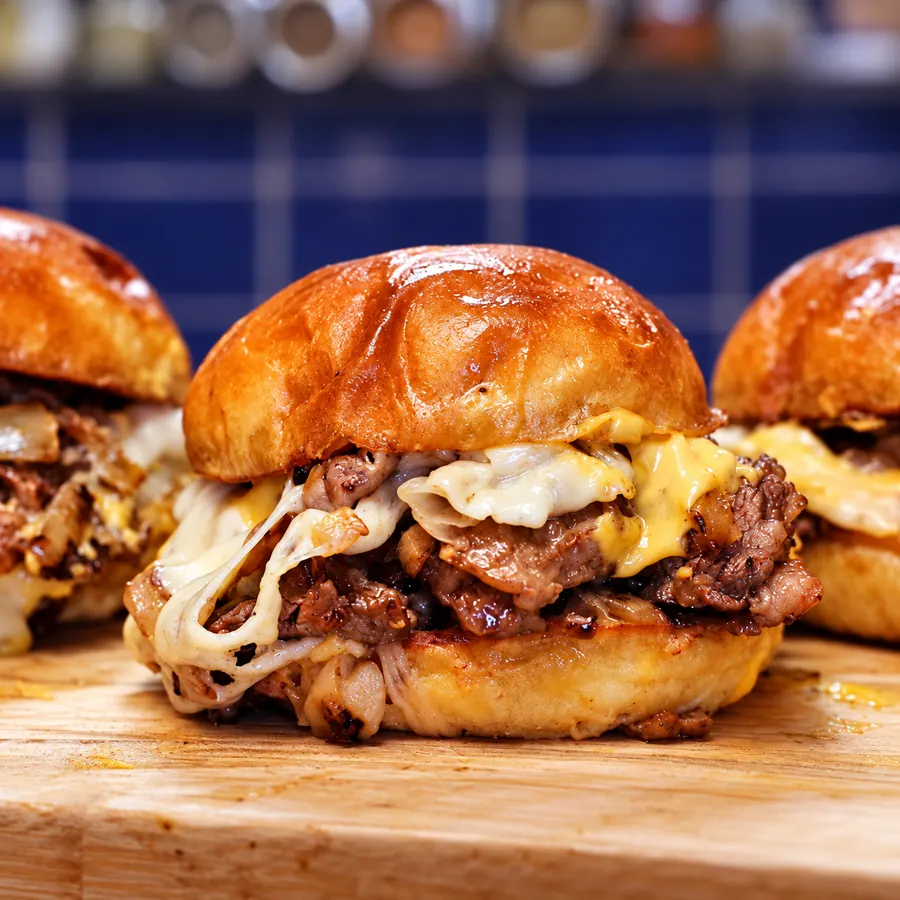
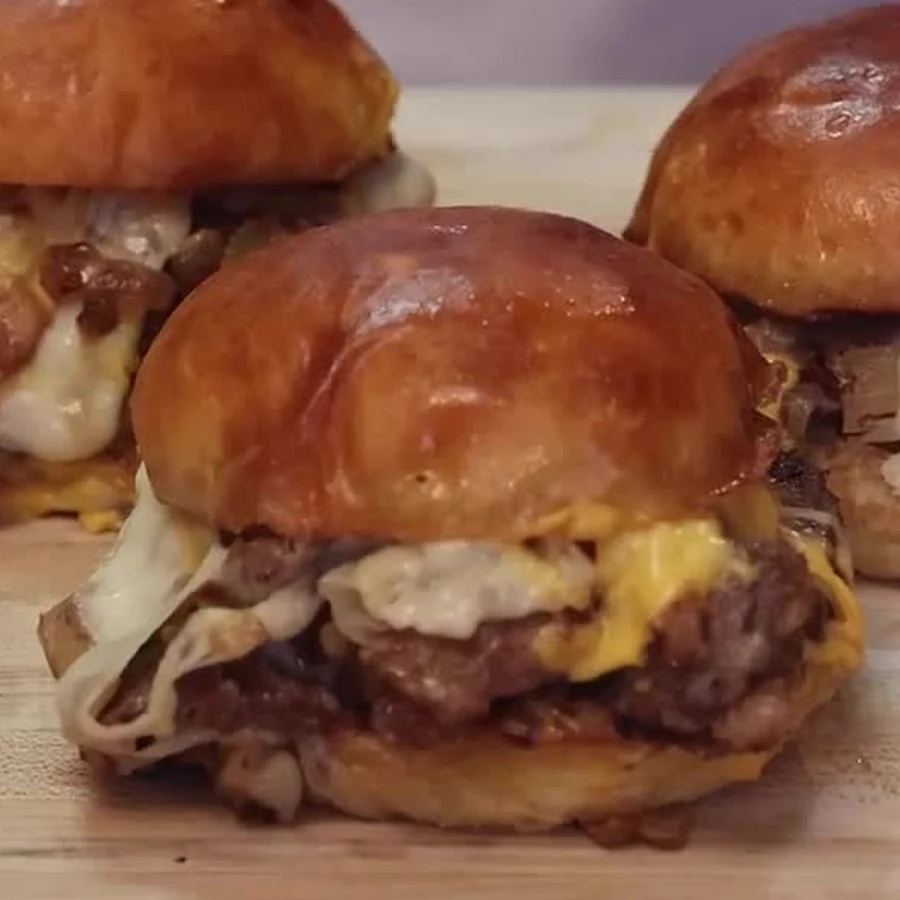
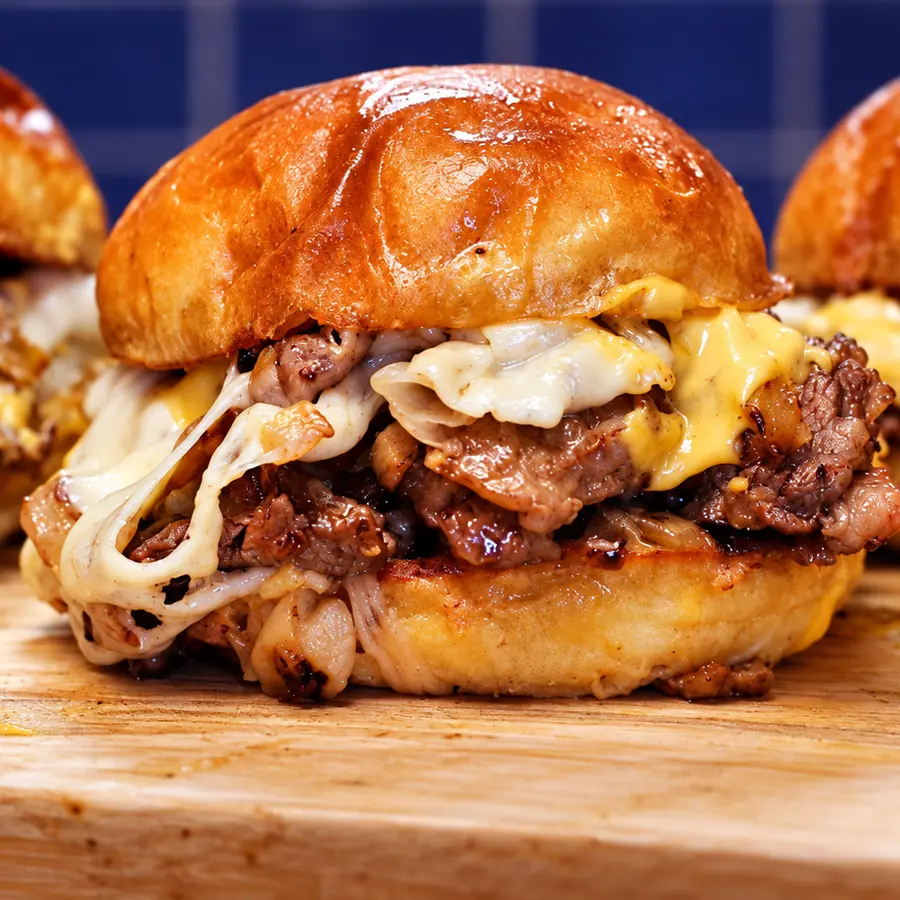
This cheese steak burger combines thinly sliced ribeye, golden onions, warm cheddar sauce and melted provolone in a butter-toasted brioche bun. The filling is cooked in a skillet, then divided between three buns. Prepare everything before heating the pan so the steak stays tender and the cheese sauce reaches the table warm.
My video brings together the loose steak filling of a cheese steak sandwich and the soft round bun of a burger. This written version gives measured quantities for three servings and explains the heat control for a home stove. It is a generous dinner for a weekend or a game-day meal, with enough cheese that you can keep the sides simple.
{VIDEO}
A Steak Sandwich in a Burger Bun
The meat here is sliced steak rather than a ground-beef patty. Ribeye has enough marbling to stay juicy during a quick sear, while the browned onions add sweetness without needing sugar. The two cheeses have different jobs: cheddar becomes the sauce on the bread, and provolone melts directly over the meat.
For the longer sandwich format, see my Philly cheese steak sandwich. My cheese steak sandwich with aged cheddar uses another bread-and-sauce combination. If you prefer a formed patty, browse my homemade burger recipes.
The most useful preparation choice is to brown the onions before cooking the beef. Onions release water and need more time than thin steak slices. Cooking them separately lets each ingredient reach the right texture, instead of leaving the onions raw while the meat becomes tough.
Ingredients and Proportions
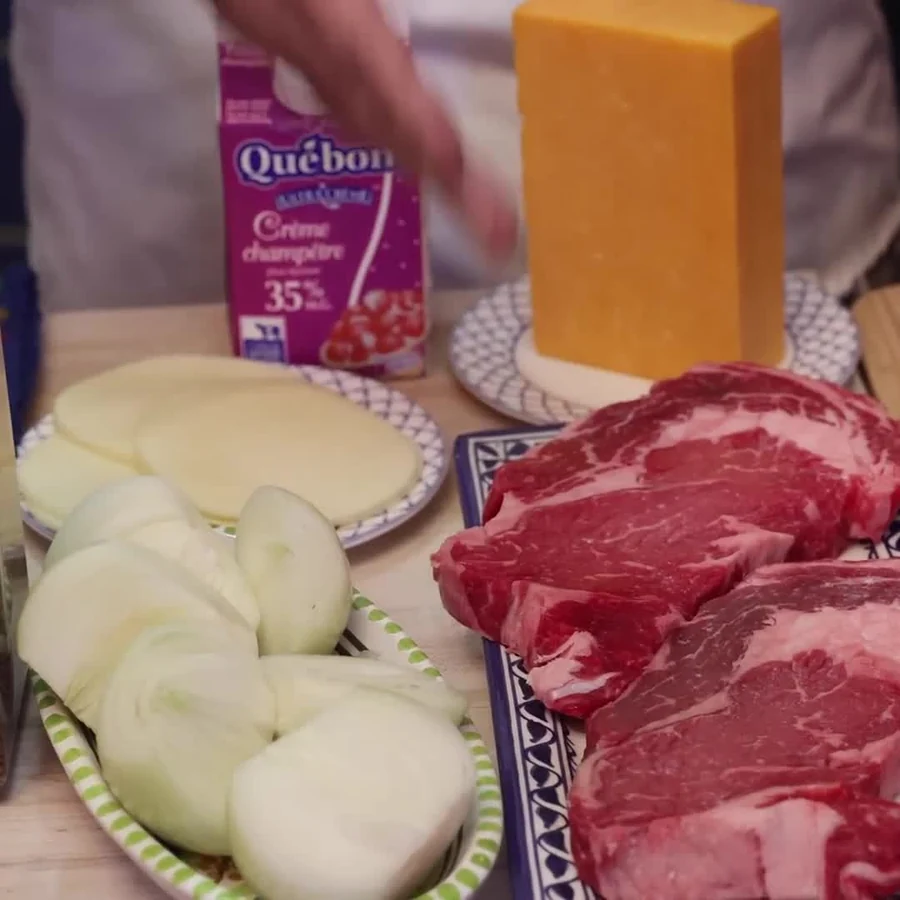
For three burgers, use 1 pound boneless ribeye steak, 2 medium yellow onions, 3 large brioche burger buns, 4 ounces sharp cheddar, 1/2 cup heavy cream, 3 slices provolone, 2 tablespoons unsalted butter, 1 tablespoon neutral oil and 1 teaspoon Montreal steak seasoning. Keep a little extra warm cream available to loosen the sauce if necessary.
Choose steak with fine streaks of fat running through the meat. Trim thick, hard pieces around the edges, but leave the small internal marbling. Very lean beef can work, although it gives less margin for a few extra seconds in the pan. A tough braising cut will not soften during this short cooking method.
Grate the cheddar from a block. A sharp cheddar gives plenty of flavor; a very old, crumbly cheddar can make a less smooth sauce. Use cream with about 35% to 36% milk fat. The sauce has no flour or starch, so gentle heating matters more than vigorous whisking. Provolone should be thinly sliced so it melts before the steak needs any further cooking.
Montreal steak seasoning often contains plenty of salt. Start with the measured teaspoon and taste the cooked filling before adding more. The cheese also contributes salt. There is no need to add salt automatically to every component.
Before You Start
Have a wide skillet, a smaller pan for the onions, a small saucepan, a grater and a tray ready. A skillet around 12 inches wide is useful, but even then the steak may need two batches. The meat should lie in a shallow layer with space between pieces, not form a deep pile.
Cold steak is easier to slice. If it feels soft under the knife, put it in the freezer for 15 to 20 minutes to firm the surface without freezing it solid. Cut across the grain whenever you can identify it. Thin slices shorten the fibers and keep the finished burger easier to bite through.
You can use purchased buns, or make my hamburger buns from the brioche burger recipe. Choose buns wide enough to hold the loose filling. Tiny slider buns require smaller portions, while a very tall bun can overwhelm the steak.
Step by Step Preparation
1. Prepare the onions and cheddar
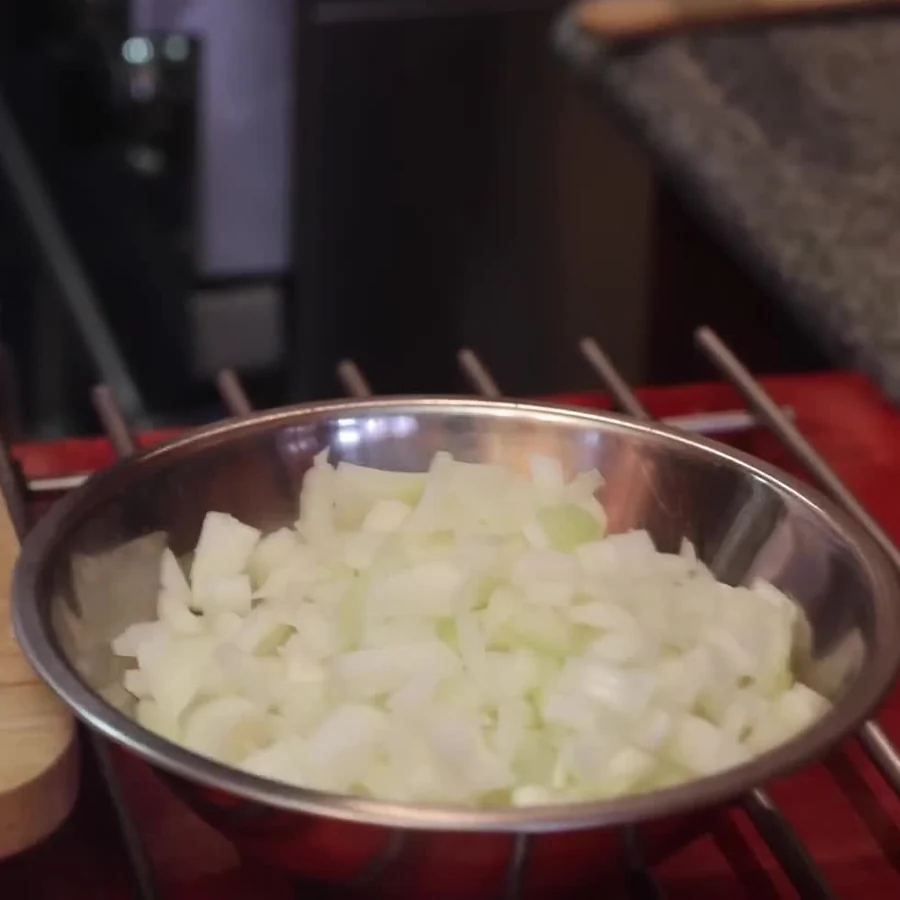
Peel the onions and dice them into small, even pieces. Grate the cheddar finely and set it aside. Keep the provolone slices separate. Having the cheeses ready avoids leaving the cream on the stove while you finish chopping.
2. Slice the steak thinly
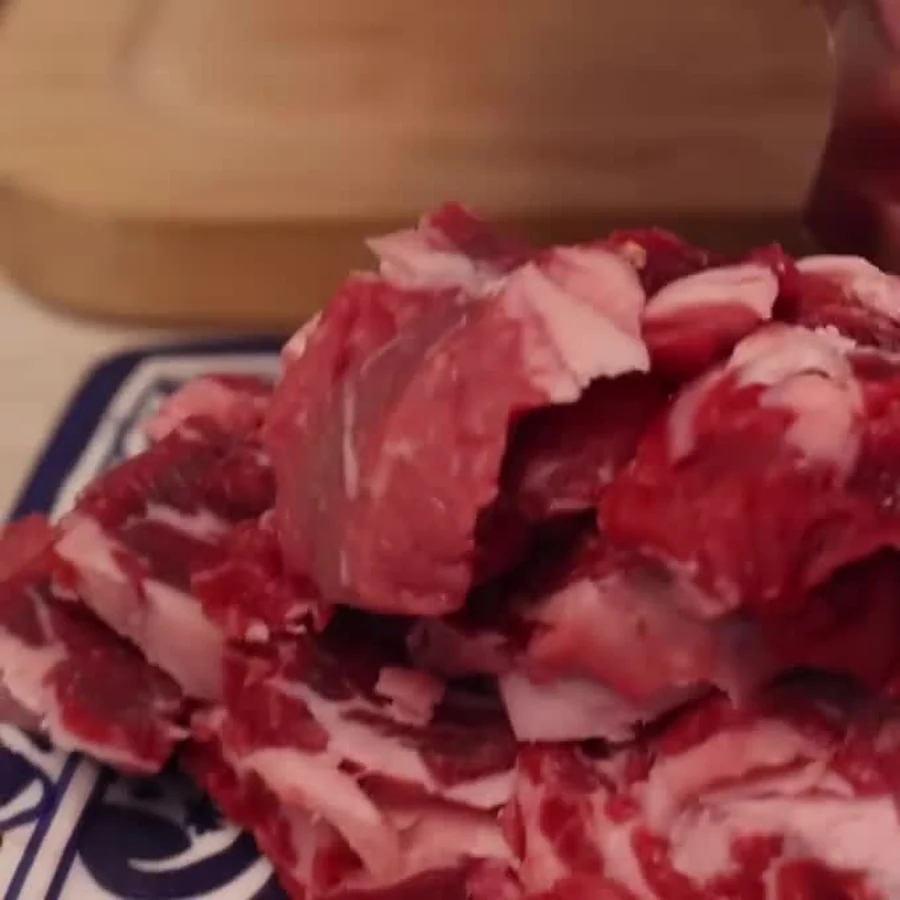
Trim the hard exterior fat and any tough connective tissue. Slice the cold ribeye across the grain into pieces about 1/8 inch thick, then shorten any long strips so they fit comfortably inside a bun. Pat the meat dry and refrigerate it while you prepare the other components. Wash the knife and board before they touch the cooked food.
3. Split and butter the buns
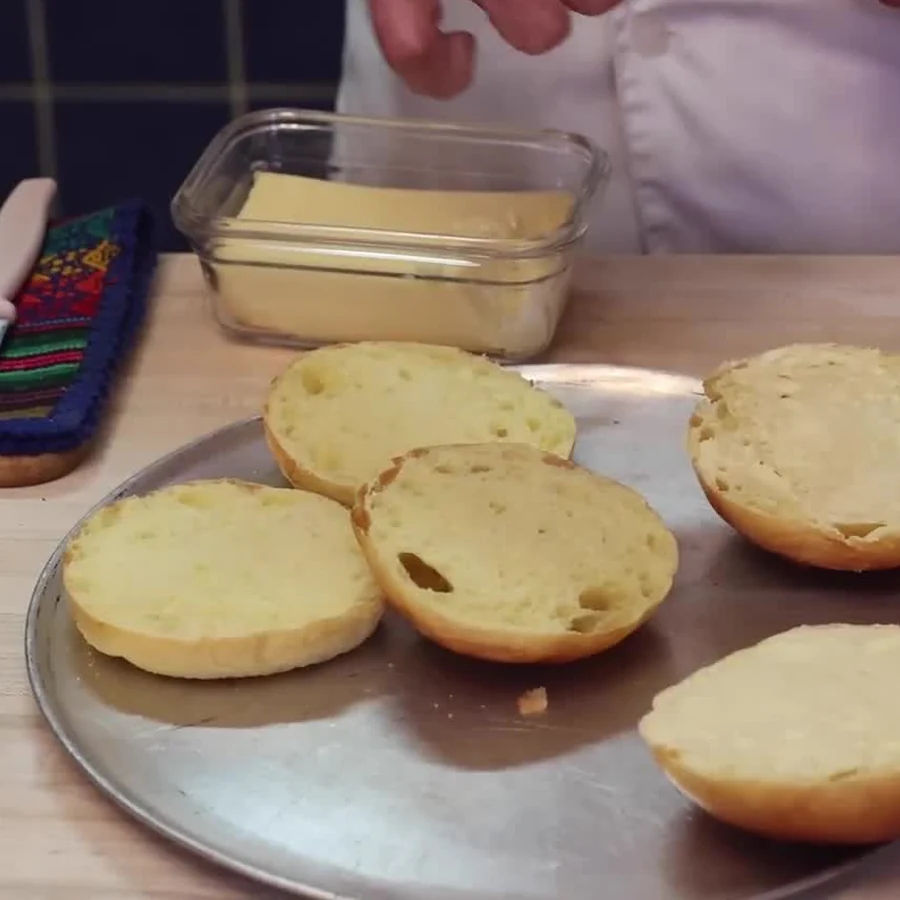
Slice the buns horizontally. Spread the 2 tablespoons of softened butter thinly over all six cut faces. Set them on a clean tray. Toast them near the end of cooking so the browned surfaces stay crisp when the filling is ready.
4. Brown the onions
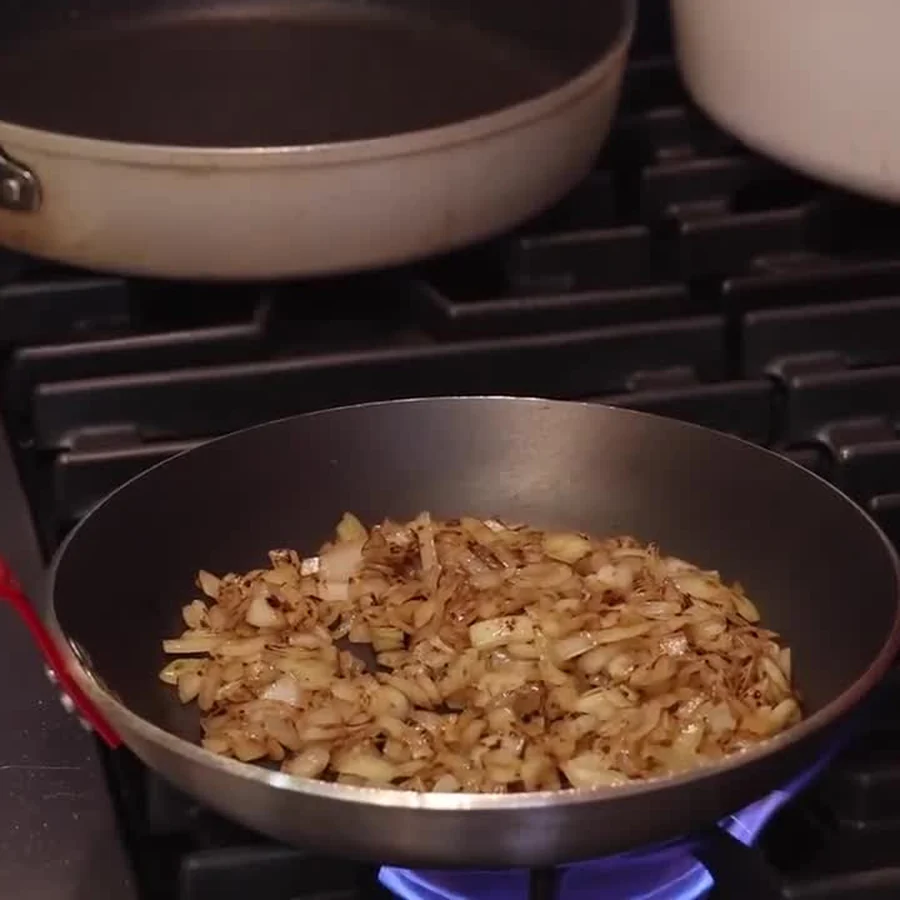
Heat 1 teaspoon of the oil in the smaller pan over medium heat. Add the onions and cook for about 12 to 18 minutes, stirring regularly, until soft and golden with some browned edges. Lower the heat if they darken before softening. A spoonful of water can loosen a patch that is sticking; let that water evaporate before reserving the onions.
These are browned onions for a quick sandwich filling. A deeper, fully caramelized result takes longer. Use the color and tenderness as your guide rather than trying to force the process over fierce heat.
5. Make the cheddar sauce gently
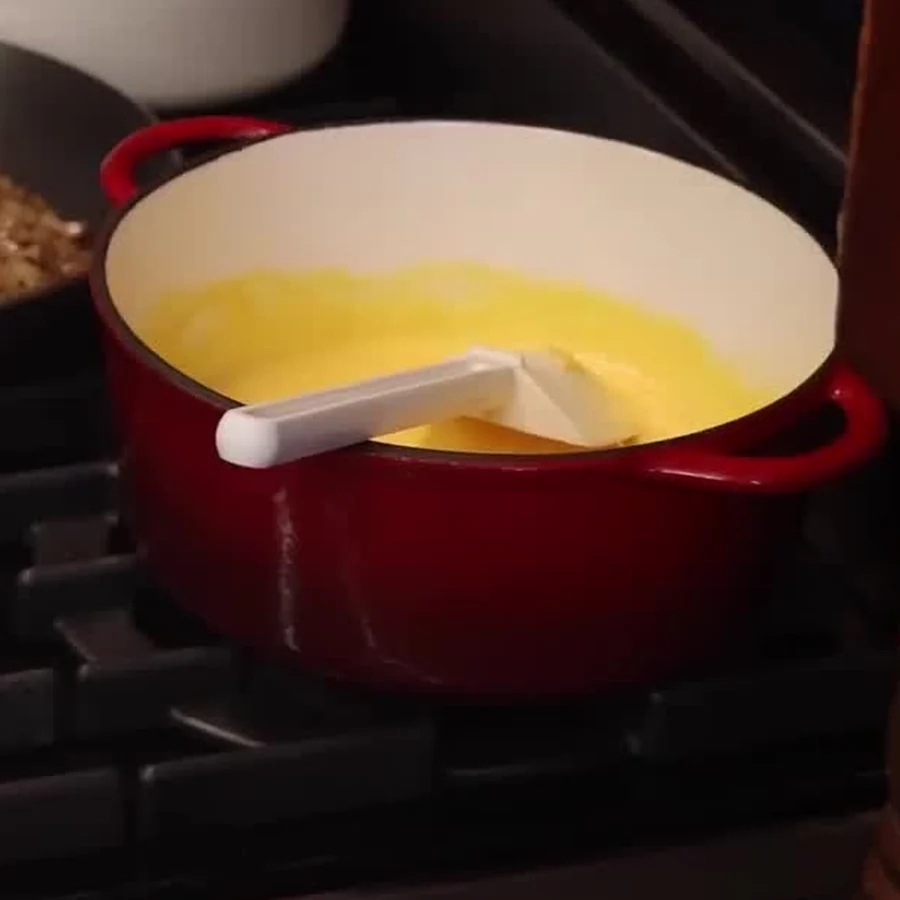
Warm the 1/2 cup cream in a small saucepan over low heat until steaming. Remove from the heat and stir in the grated cheddar in several additions. Stir until melted, returning the pan briefly to very low heat only if needed. Do not boil once the cheese is added.
The sauce should coat a spoon and spread easily across the bread. If it becomes too thick, stir in warm cream 1 tablespoon at a time. Keep it warm off the direct heat, stirring occasionally. Some sharp cheddars give a slightly less smooth result; overheating makes that problem worse.
6. Sear the steak in batches
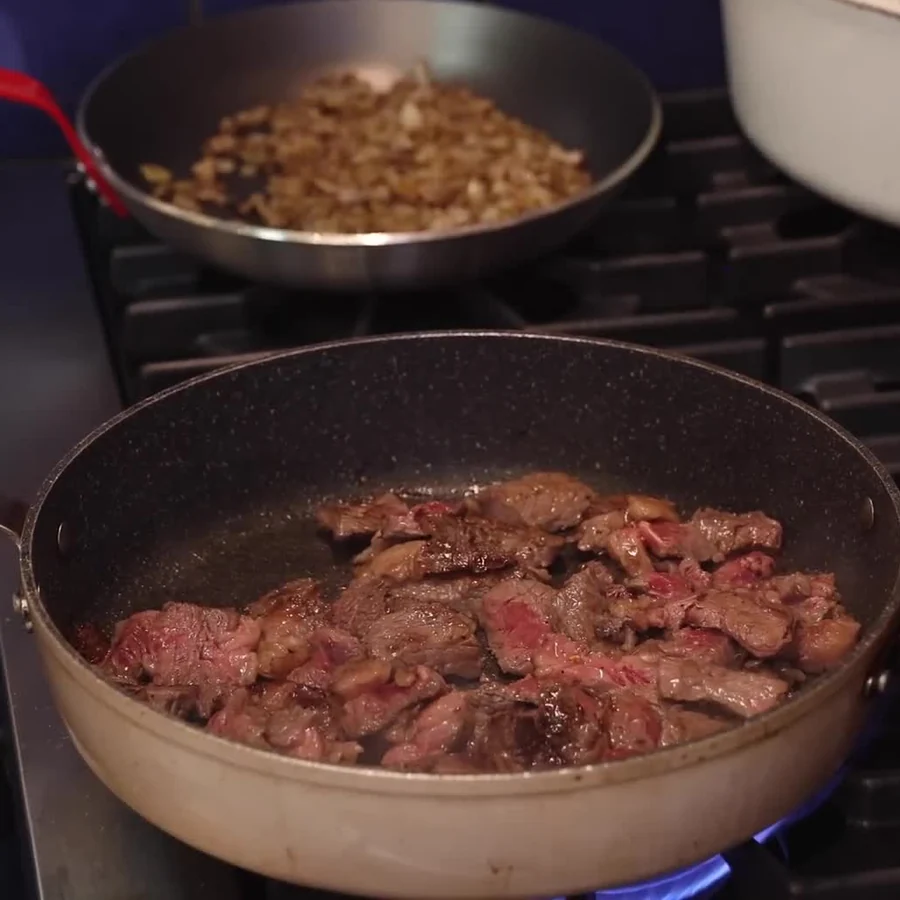
Heat the wide skillet over medium-high heat with the remaining 2 teaspoons oil. Season the dry steak with the Montreal seasoning immediately before cooking. Add half the meat in a shallow layer and let the first side brown before turning. Cook the second batch the same way. Thin slices usually need only a few minutes per batch, depending on their thickness and the pan.
Return the first batch and the onions to the skillet briefly to combine. Cook the beef to at least 145°F, checking a thicker piece with a thermometer where practical, and allow a 3-minute rest before eating. Avoid holding the filling over heat while waiting for the bread.
7. Melt the provolone over the filling
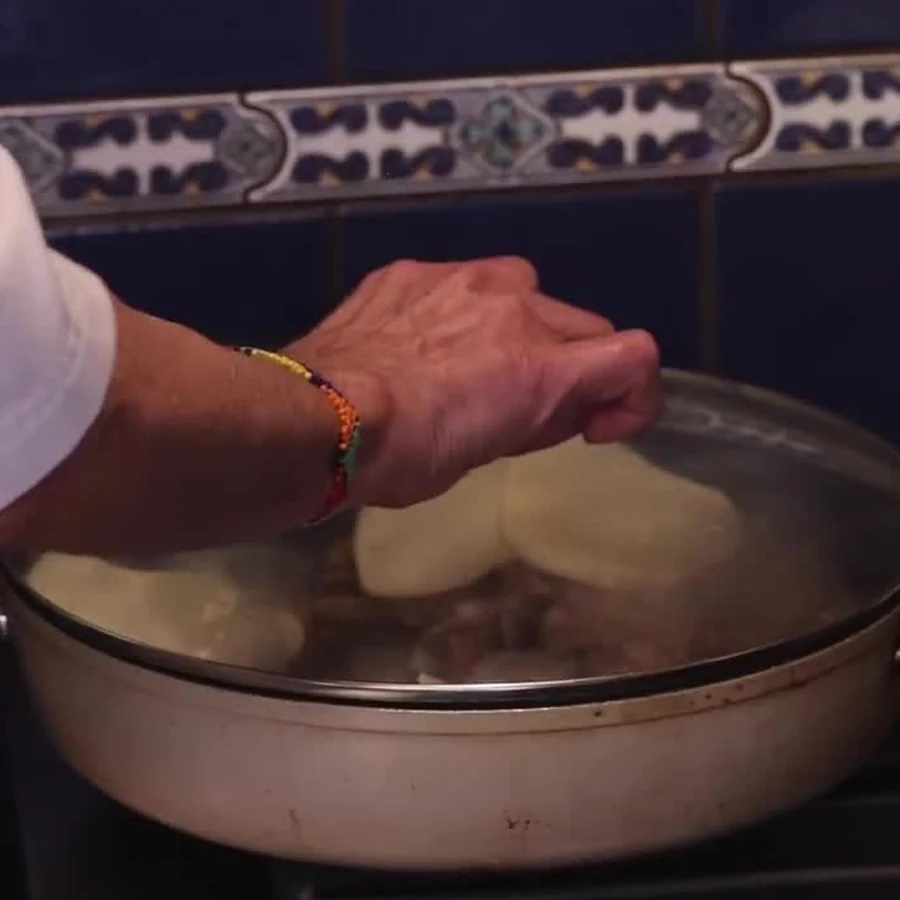
Divide the filling into three mounds. Place one slice of provolone over each mound, reduce the heat and cover briefly until the cheese softens, about 30 to 60 seconds. Turn off the heat and keep the pan covered while completing the steak’s resting time. The lid traps enough warmth to melt thin slices without a long extra cooking period.
8. Toast the buttered buns
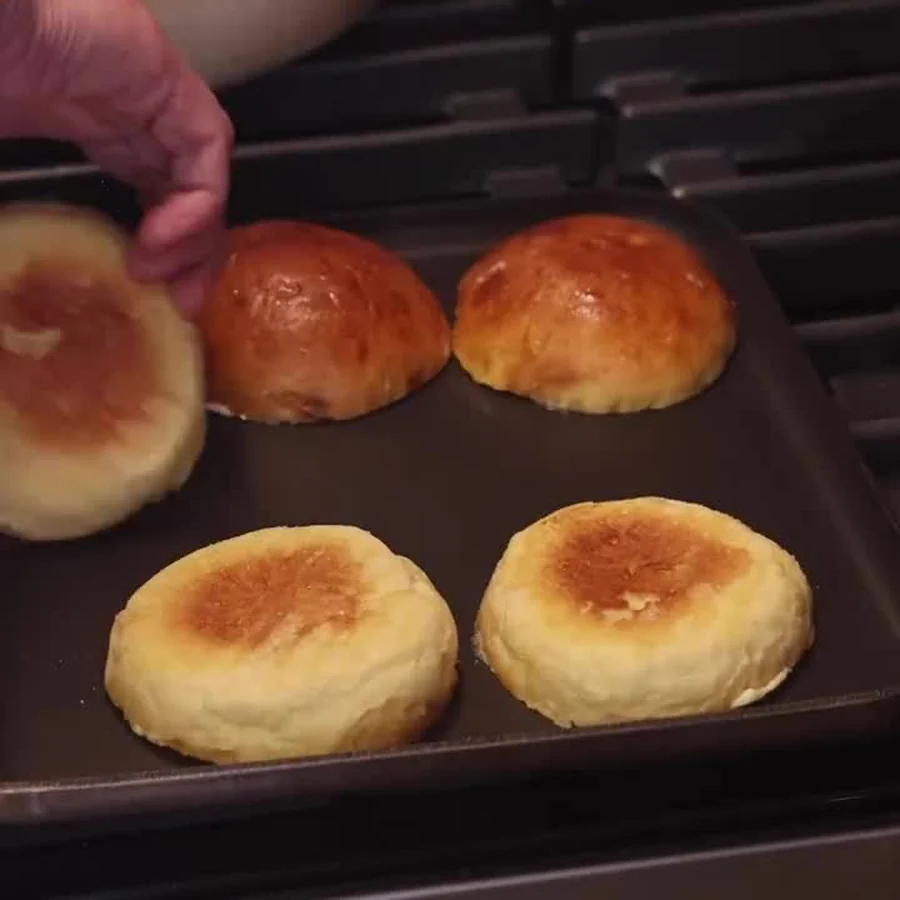
Place the buns cut side down on a clean skillet or griddle over medium heat. Toast for about 1 to 2 minutes, checking frequently, until golden. Brioche browns quickly because it contains sugar. Work in batches and remove each half as soon as it is ready.
9. Assemble and serve immediately
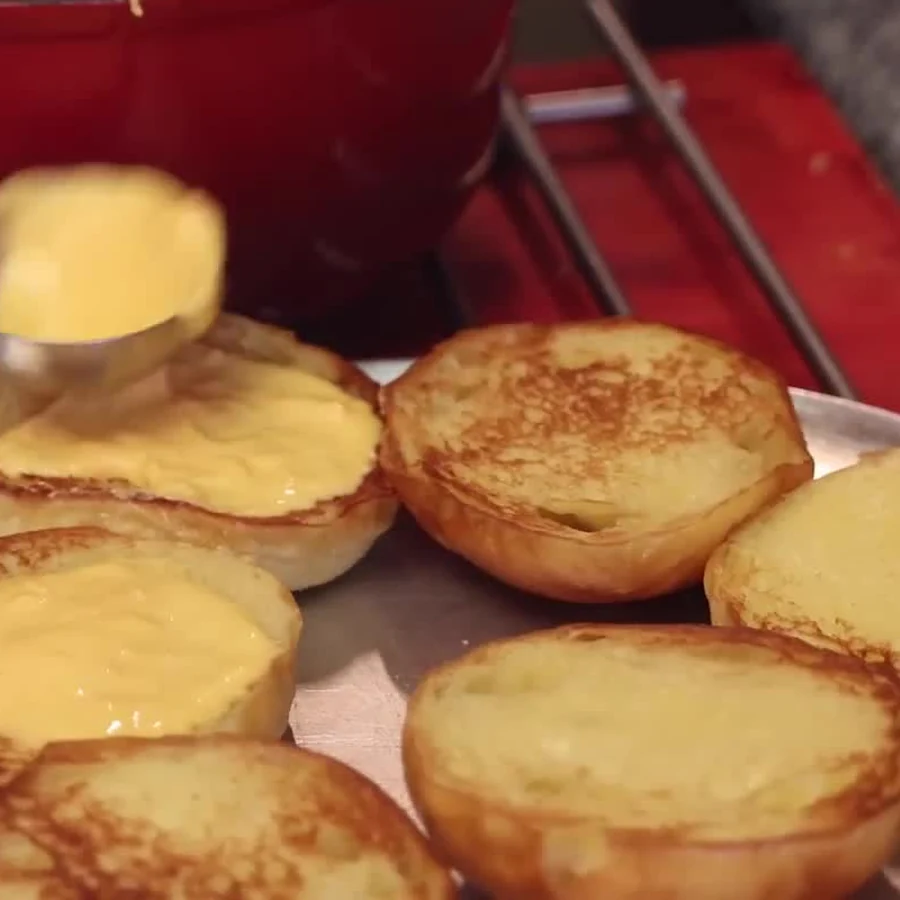
Spread a spoonful of warm cheddar sauce over the toasted cut faces. Lift one mound of steak, onions and provolone onto each bottom bun, then add the top. Use enough sauce to coat the bread without soaking it. Serve any remainder separately rather than pouring it all into the burgers.
Serve immediately while the bread is toasted and both cheeses are warm. A serrated knife helps if you want to cut the burgers in half. The filling is loose, so support the sides instead of pressing hard on the top bun.
Substitutions and Adjustments
Boneless strip steak can replace ribeye. Slice it thinly and watch the cooking closely because it usually has less fat. Provolone can be replaced with thin mozzarella or Monterey Jack slices. They give a different flavor but still melt well over the filling.
For a lighter cheese topping, leave out the cheddar sauce and keep the provolone. The burger will be less rich, with a different balance. If you want a beef burger with a separate cheddar topping, try my steak burger with cheddar sauce and maple ketchup. For several cheeses melted over a patty, see the three-cheese cheeseburgers.
Mushrooms are optional, but cook them separately until their liquid evaporates before adding them. Raw vegetables or a large amount of wet sauce make the bun harder to keep together. Add pickles on the side for an acidic contrast without changing the original filling.
Frequently Asked Questions
Why is my steak steaming instead of browning?
The skillet may be crowded, insufficiently heated or filled with wet meat. Cook smaller batches and pat the slices dry. If liquid collects, let it evaporate before adding the next batch. Keep the cooked onions separate until the beef has browned.
Why did the cheddar sauce turn oily or grainy?
Excessive heat and very aged cheddar can cause a rough texture. Remove the pan from the heat, stir gently and add a small spoonful of warm cream. This can improve a thick sauce, although a badly separated sauce may not become completely smooth again.
Can I use ground beef instead?
Ground beef changes the recipe into another kind of burger filling. It needs its own cooking check: cook ground beef to 160°F. For a regular burger recipe and its method, use one of the patty recipes linked above rather than treating the steak timing as interchangeable.
Can I prepare these burgers ahead?
Prepare the onions and grate the cheddar ahead, but cook the steak and toast the buns close to serving. Refrigerate cooked leftovers promptly and keep the filling and bread separate. Use the cooked filling within 3 to 4 days and reheat to 165°F; freshly cooked steak gives the best texture.
Sides and More Steak Recipes
Serve these burgers with crispy homemade French fries or air fryer fries. A smaller portion is enough alongside this rich filling. For a cold side, creamy coleslaw gives crunch and can be made before the stove is busy.
If you enjoy the combination of beef and golden onions, try steak à la lyonnaise. For a different sandwich spread, my homemade mayonnaise can replace the cheddar sauce, rather than being added on top of it. More beef dinners are collected in my steak recipes for the pan and grill.
Dumas Cheese Steak Burger with Cheddar Sauce and Provolone
Ingredients
- 1 pound boneless ribeye steak thinly sliced
- 2 medium yellow onions diced, about 2 cups
- 3 large brioche burger buns
- 4 ounces sharp cheddar freshly grated, about 1 cup
- 1/2 cup heavy cream 35% to 36% milk fat, plus a little extra if needed
- 3 slices provolone about 2 1/2 ounces total
- 2 tablespoons unsalted butter softened
- 1 tablespoon neutral oil divided
- 1 teaspoon Montreal steak seasoning plus more to taste
Instructions
- Dice the onions and finely grate the cheddar. Keep the provolone separate.
- Trim and thinly slice the cold ribeye across the grain. Pat dry and keep refrigerated. Clean the knife and board.
- Split the buns and spread the softened butter thinly over all cut faces.
- Heat 1 teaspoon oil over medium heat and cook the onions 12 to 18 minutes until soft and golden. Reserve.
- Warm the cream over low heat until steaming, remove from heat and stir in the cheddar in several additions. Do not boil. Loosen with warm cream if needed.
- Heat the remaining 2 teaspoons oil over medium-high heat. Season and sear the steak in two batches. Return the beef and onions briefly to the pan. Cook beef to at least 145°F and allow a 3-minute rest before eating.
- Divide the filling into three mounds, cover each with provolone and cover over low heat 30 to 60 seconds. Turn off the heat and finish the resting time.
- Toast the buttered bun faces over medium heat 1 to 2 minutes until golden.
- Spread warm cheddar sauce on the toasted bread, add the steak filling and close the buns. Serve immediately, with extra sauce separately.