Easy Chicken Biryani with Basmati Rice and Yogurt
This chicken biryani is a simplified, skillet-finished version made with boneless chicken thighs, basmati rice, red onions, tomato, Greek yogurt, green chiles and warm spices. I make it this way because the chicken develops its sauce separately while the basmati cooks with whole spices, then the two are folded together at the end; the mistake to avoid is mixing fully soft rice into a watery sauce, and the finished grains should stay separate while still picking up the spiced tomato-yogurt coating.
Biryani is a spiced rice dish built around aromatic basmati, meat or vegetables, and layers of seasoning. This version follows the method shown in my video rather than a traditional sealed dum biryani: the chicken is cooked in a tomato-yogurt sauce, the rice is cooked separately with whole spices, and the two are gently combined in the same wide pan. It is a practical family-style approach when you want the flavors of biryani without a long layering and steaming process.
This recipe is based on my YouTube video, with a few adjustments since publication. I keep the same sequence you see in the video, including the ginger-garlic preparation, sliced red onions, boneless chicken thighs, whole green chiles, yogurt, fresh herbs, and separately cooked basmati rice. The quantities below are standardized so the sauce is concentrated enough to coat the rice without making it wet.
{VIDEO}
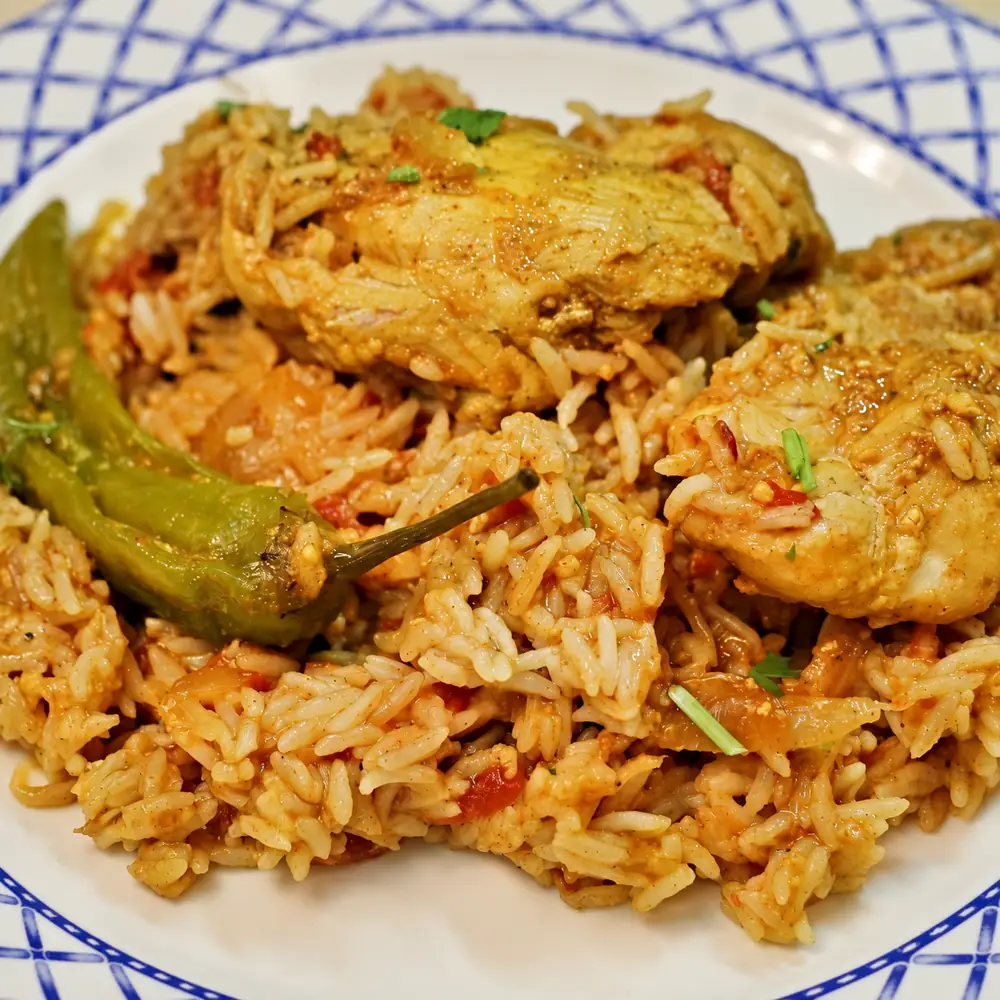
What Makes This Chicken Biryani Different
The important difference is the finish. Instead of layering partially cooked rice over raw or marinated meat and sealing the pot, I cook the chicken mixture until it is nearly finished before the rice goes in. That makes the timing easier to control. You can see whether the chicken is cooked, whether the sauce has reduced enough, and whether the rice is still firm before bringing everything together.
It is also different from a French-style chicken curry because the rice is part of the final dish rather than something served beside the sauce. My French-style chicken curry keeps a creamier curry texture, while this biryani needs a tighter sauce that clings to the grains. The same distinction separates it from chicken tikka masala, where the sauce itself stays the main focus.
The boneless thighs are a good choice here. They stay juicy while the onions, tomato and yogurt reduce around them, and they tolerate the extra few minutes needed when the rice is folded in. If you want more background on cuts, my complete guide to chicken explains why thighs and breast behave differently during longer cooking.
Ingredients You Need
For the chicken mixture:
– 2 1/2 lb boneless, skinless chicken thighs, about 8 thighs
– 3 medium red onions, thinly sliced
– 12 garlic cloves
– 2 tablespoons finely chopped fresh ginger
– 3 long green chiles, left whole or slit
– 3/4 cup plain Greek yogurt
– 2 cups crushed tomatoes or tomato passata
– 3 tablespoons neutral oil
– 2 teaspoons ground turmeric
– 2 teaspoons ground cumin
– 2 teaspoons garam masala
– 1 teaspoon paprika or mild chili powder
– 1 teaspoon fine salt
– 1/2 teaspoon black pepper
– 1/2 cup chopped fresh cilantro
– 1/3 cup chopped fresh mint
For the rice:
– 2 cups basmati rice
– 2 bay leaves
– 2 whole star anise
– 1 teaspoon fine salt, plus more for the cooking water
– Water for cooking the rice
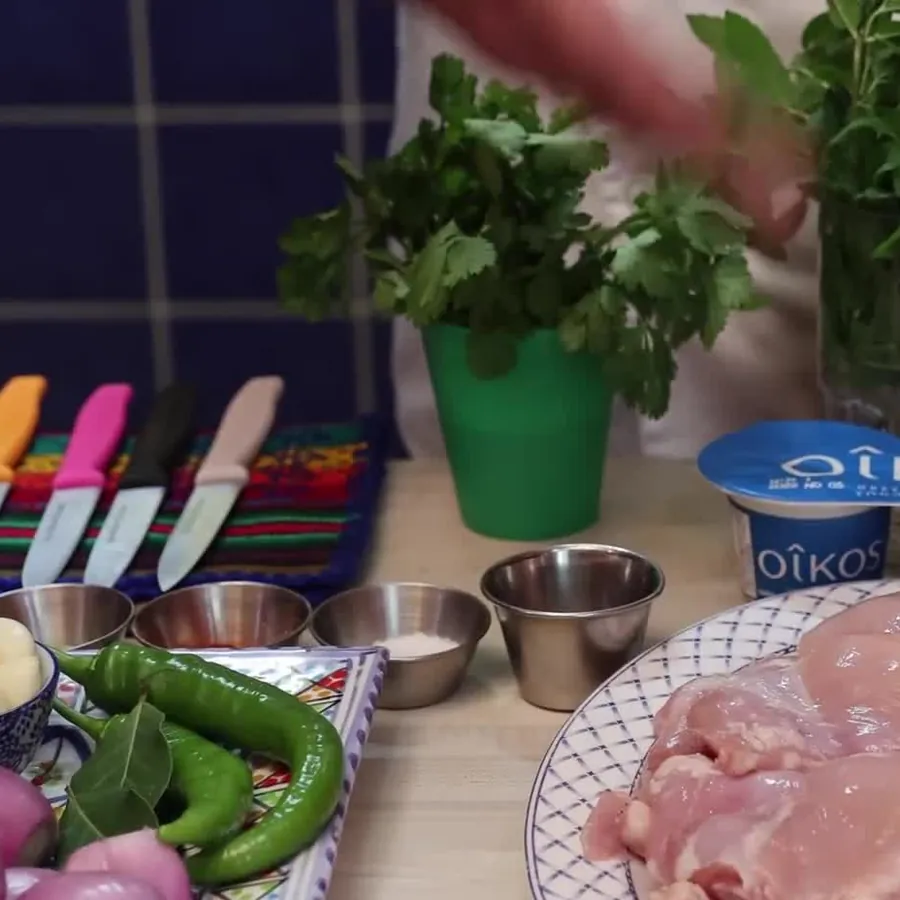
The fresh aromatics matter more here than adding an oversized list of ground spices. In the video, the ginger and garlic are prepared first, the red onions are sliced thinly, and the fresh herbs are chopped before the stovetop work begins. I prefer to get all of that done before heating the pan because once the onions start cooking, the recipe moves steadily.
The whole bay leaves and star anise are used to perfume the rice. A small spice infuser or fine-mesh spice ball, like the one shown in the video, is useful because it gives the rice the aroma without leaving hard pieces to pick out later.
Step-by-Step Instructions
1. Prepare the ginger, garlic, onions and herbs
Finely chop or crush the garlic and ginger until they form a rough paste. Thinly slice the red onions. Chop the cilantro and mint, keeping a little of the cilantro aside for the final finish.
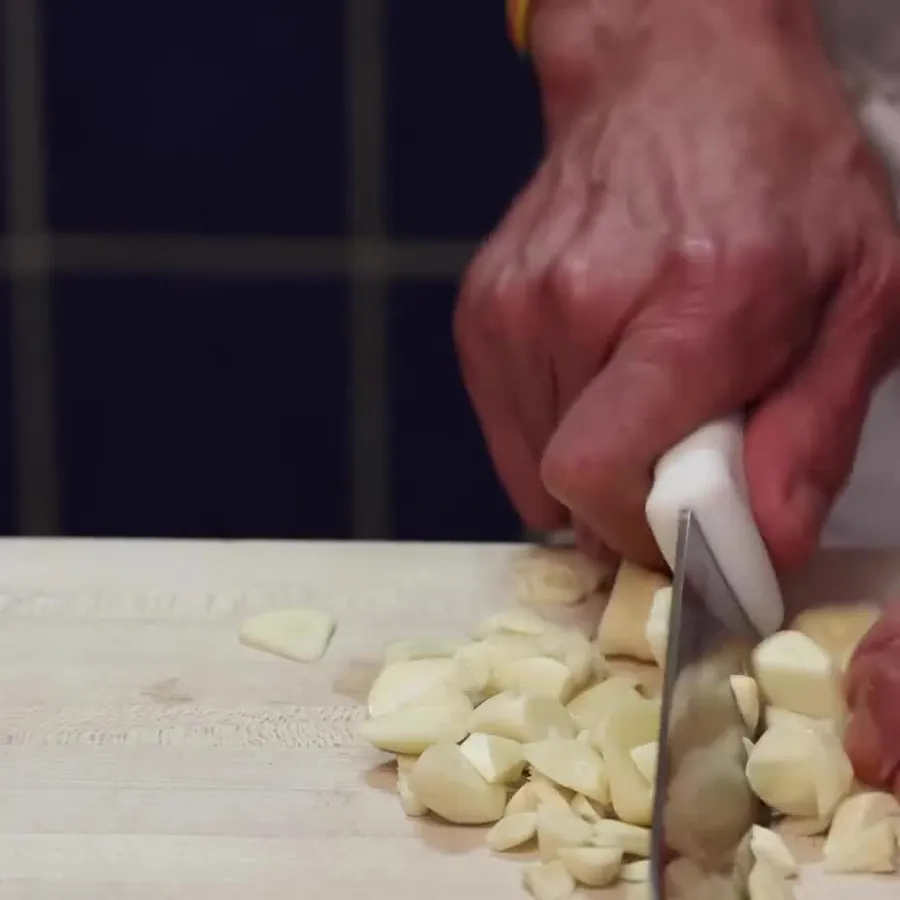
What I look for here is a paste fine enough to disappear into the sauce. Large pieces of garlic can scorch in the pan before the onions and chicken are ready. The same principle is useful in my guide to mincing garlic without burning it.
Rinse the basmati rice in several changes of cold water until the water is much less cloudy. Let it drain while you start the chicken.
2. Cook the onions and brown the chicken
Heat the oil in a wide sauté pan over medium heat. Add the sliced red onions and cook, stirring regularly, until they soften and begin to take on golden edges, about 8 to 10 minutes.
Add the chicken thighs. Let them make contact with the pan before turning them so they pick up a little color instead of simply steaming in the onions.

The chicken does not need to be fully cooked yet. I want light browning and enough heat in the pan to wake up the spices in the next step. This is one reason thighs are more forgiving than breast in a dish like this.
3. Add the spices, tomato, yogurt and green chiles
Sprinkle the turmeric, cumin, garam masala, paprika, salt and black pepper over the chicken. Stir for about 30 seconds, just until the spices smell fragrant.
Pour in the crushed tomatoes. Add the whole green chiles and bring the mixture to a steady simmer. Reduce the heat slightly and stir in the Greek yogurt.
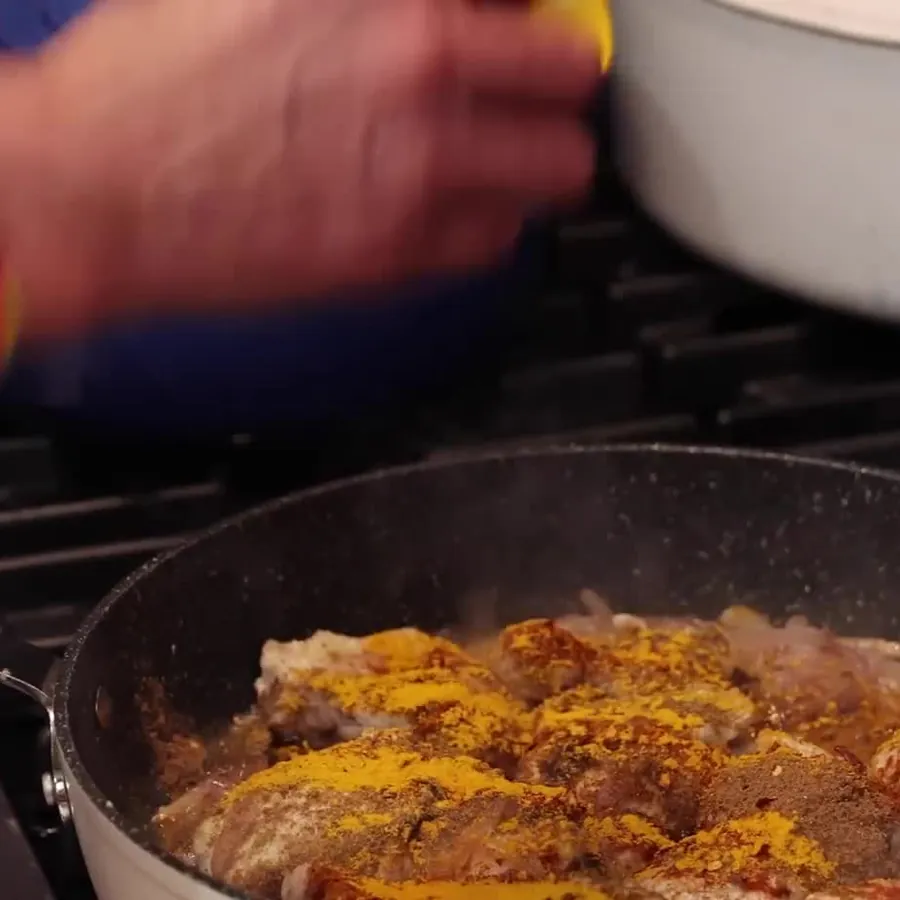
Add the yogurt over moderate heat rather than into a violently boiling sauce. That keeps the mixture smoother. The sauce should look orange-red and creamy, with the onions almost melting into the tomato. If you enjoy this spice profile, my spicy Indian-style chicken and coconut milk chicken curry use different techniques with similarly warm seasoning.
4. Cook the basmati rice with whole spices
While the chicken simmers, bring a large pot of salted water to a boil. Put the bay leaves and star anise into a spice infuser if you have one and add it to the water.
Add the rinsed basmati rice and cook until the grains are almost tender but still have a little firmness in the center. Drain well.

The mistake to avoid is cooking the rice until it is completely soft. It still has to be folded into hot sauce. If the rice starts fully tender, the stirring can break the grains and the final texture becomes heavy. For a different rice technique, my fluffy stovetop rice pilaf is built to stay separate from start to finish.
5. Reduce the chicken sauce and add the fresh herbs
Continue simmering the chicken mixture until the thighs are cooked through and the sauce has reduced enough that it coats the meat instead of running like soup. The chicken should reach at least 165°F in the center.
Stir in most of the chopped cilantro and mint.
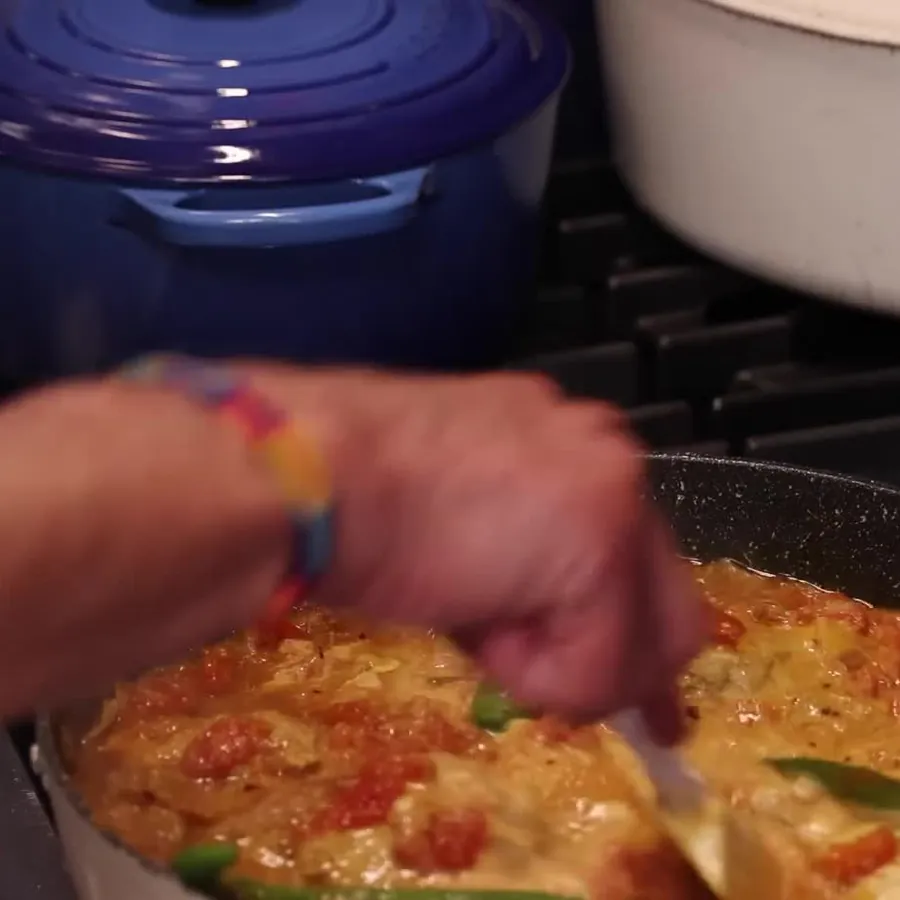
At this point, drag a spoon across the bottom of the pan. You should briefly see the pan before the sauce closes back over the trail. If liquid immediately floods the space, reduce for a few more minutes before adding the rice. My chicken internal temperature guide is useful if you want a more detailed doneness reference.
6. Fold in the rice and finish gently
Add the drained basmati to the chicken mixture in two or three additions. Fold rather than stir aggressively. Turn the rice through the sauce until the white grains are streaked and coated with the spiced tomato-yogurt mixture.
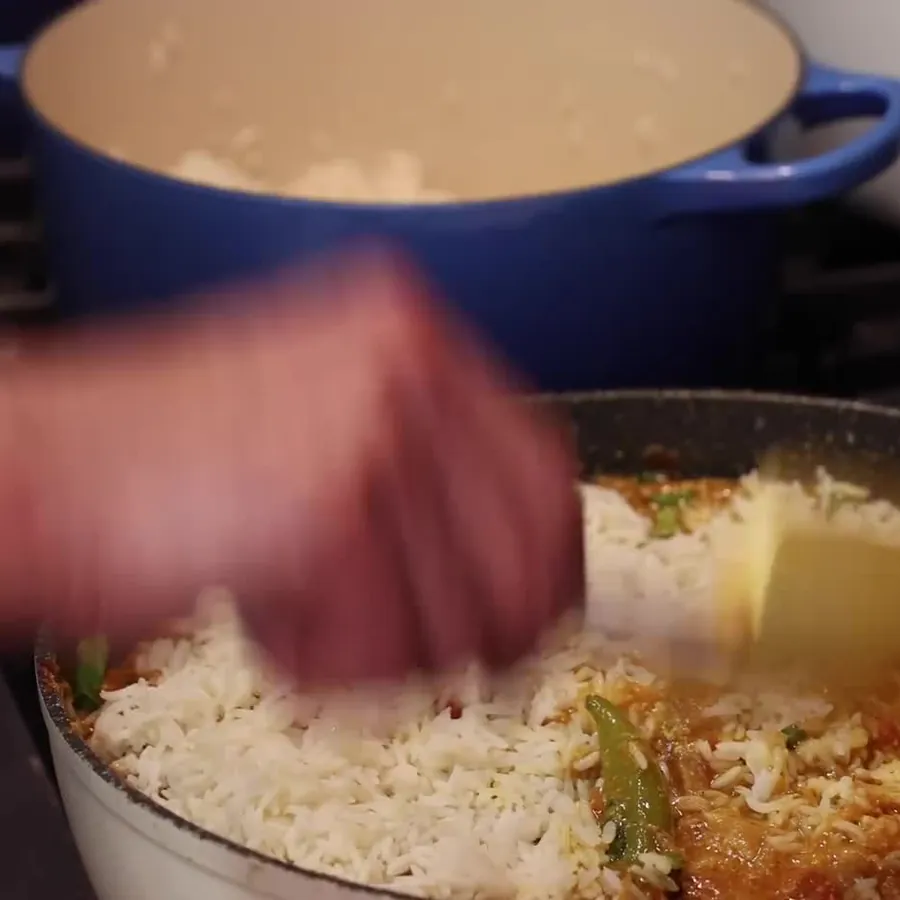
Cook over low heat for another 3 to 5 minutes, just long enough for the rice to absorb some flavor and finish tenderizing. Taste and adjust the salt. The finished biryani should be moist, not soupy, and the grains should still be recognizable rather than mashed together.
Sprinkle with the reserved cilantro and serve with the whole green chiles visible on top if you like.

Chef Notes for Better Biryani
Do not rush the onions. They are part of the sauce base, not just a garnish. When they soften properly, they add sweetness and body without needing extra sugar or a thickener.
Keep the sauce tighter than you think you need. Once the rice goes in, any excess liquid gets absorbed unevenly and can make the bottom of the pan mushy. This is the most important practical adjustment in the written recipe.
Be gentle with the cooked basmati. Long grains are part of what makes biryani look and feel right. Folding with a wide spoon or spatula preserves them better than vigorous stirring.
The three whole green chiles shown in the video give you control over the heat. Leave them whole for more aroma and less aggressive heat, or slit them lengthwise if you want the chile flavor to spread through the sauce.
What to Serve With Chicken Biryani
Biryani is already a complete chicken-and-rice meal, so I keep the sides cool and simple. A yogurt-based sauce or cucumber salad works well against the warm spices.
If you want another rice-based dinner for comparison, my one-pan chicken and rice is milder and designed around a single cooking vessel. Homemade chicken fried rice goes in the opposite direction, with high heat and a drier finish.
For a broader chicken dinner rotation, the chicken recipe collection has oven, skillet and braised options. My five easy chicken marinades are also useful when you have thighs on hand but do not want a rice dish.
Substitutions
Chicken breast can replace the thighs, but use large pieces and begin checking the temperature earlier. Breast is leaner and has less tolerance for the extra simmering time.
If you do not have Greek yogurt, use another thick plain unsweetened yogurt. A thin yogurt adds more water to the sauce, so you may need a slightly longer reduction before the rice goes in.
Jasmine rice is not my first choice here. Basmati gives the long, dry grains that work best with this method. If basmati is unavailable, use another long-grain rice and adjust the cooking time rather than forcing the same timing.
Fresh cilantro and mint do different jobs, so I prefer to keep both. Cilantro brings freshness while mint cools the spice. If you dislike cilantro, use more mint rather than replacing both herbs with dried seasoning.
For a creamier, sauce-forward Indian-style dinner, make chicken tikka masala instead. If you want a one-pot braised dish with olives rather than rice, chicken tagine is a better fit.

FAQ
Can I make this chicken biryani ahead of time?
Yes. It reheats well, but cool it promptly and refrigerate it in a shallow container. Reheat only the portion you need until it is steaming hot throughout. The rice will be softer the next day, so avoid adding extra water unless it genuinely looks dry.
Why did my biryani turn mushy?
Usually the rice was cooked too far before it was folded into the sauce, or the chicken mixture was still too watery. Stop cooking the rice while the center has a little firmness, drain it thoroughly, and reduce the sauce before combining them.
Do I need to marinate the chicken?
Not for the method shown in this video. The chicken cooks directly with the onions, spices, tomato and yogurt. If you specifically want a marinated chicken method, my five easy chicken marinades cover that technique separately.
How spicy is this version?
With three whole green chiles left intact, the heat is usually moderate because much of the capsaicin remains inside the chile. Slitting or chopping them makes the dish noticeably hotter.
Can I cook the rice directly in the chicken sauce?
You could build a different one-pot chicken-and-rice recipe that way, but it would change the texture. Cooking the basmati separately gives much better control over the grain and prevents the tomato-yogurt sauce from becoming overly starchy.
How do I know the chicken is done?
The thickest part of the chicken should reach at least 165°F. The thighs should also feel tender when cut, with no raw or translucent center.
Suggested Posts
For more warm-spiced chicken, try my spicy Indian-style chicken, French-style chicken curry or chicken tikka masala.
If you are more interested in rice technique, compare this recipe with fluffy rice pilaf or homemade chicken fried rice.
For everyday planning, browse my easy chicken dinners and complete chicken guide.

Easy Chicken Biryani with Basmati Rice and Yogurt
Ingredients
- 2 1/2 lb boneless skinless chicken thighs, about 8 thighs
- 3 medium red onions thinly sliced
- 12 garlic cloves
- 2 tablespoons finely chopped fresh ginger
- 3 long green chiles left whole or slit
- 3/4 cup plain Greek yogurt
- 2 cups crushed tomatoes or tomato passata
- 3 tablespoons neutral oil
- 2 teaspoons ground turmeric
- 2 teaspoons ground cumin
- 2 teaspoons garam masala
- 1 teaspoon paprika or mild chili powder
- 2 teaspoons fine salt divided, plus more for rice water
- 1/2 teaspoon black pepper
- 1/2 cup chopped fresh cilantro
- 1/3 cup chopped fresh mint
- 2 cups basmati rice
- 2 bay leaves
- 2 whole star anise
- Water for cooking the rice
Instructions
- Finely chop the garlic and ginger, thinly slice the red onions, chop the cilantro and mint, and rinse the basmati rice until the water runs much clearer.
- Heat the oil in a wide pan. Cook the onions for 8 to 10 minutes until softened and lightly golden.
- Add the chicken and brown lightly. Add turmeric, cumin, garam masala, paprika, salt and pepper and cook for about 30 seconds.
- Add the tomatoes and whole green chiles. Simmer, then stir in the Greek yogurt over moderate heat.
- Cook the basmati separately in salted water with the bay leaves and star anise until almost tender. Drain well.
- Simmer the chicken until it reaches at least 165°F and the sauce is thick enough to coat the meat. Stir in most of the cilantro and mint.
- Fold the drained rice gently into the chicken mixture. Cook over low heat for 3 to 5 minutes until the rice is tender and coated but not mushy.
- Adjust the salt, garnish with the remaining cilantro and serve.