Easy Stuffing Stuffed Chicken Breast
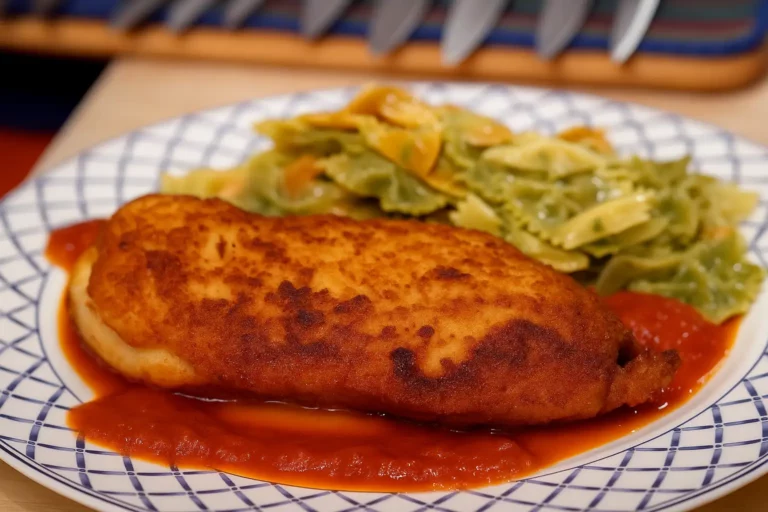
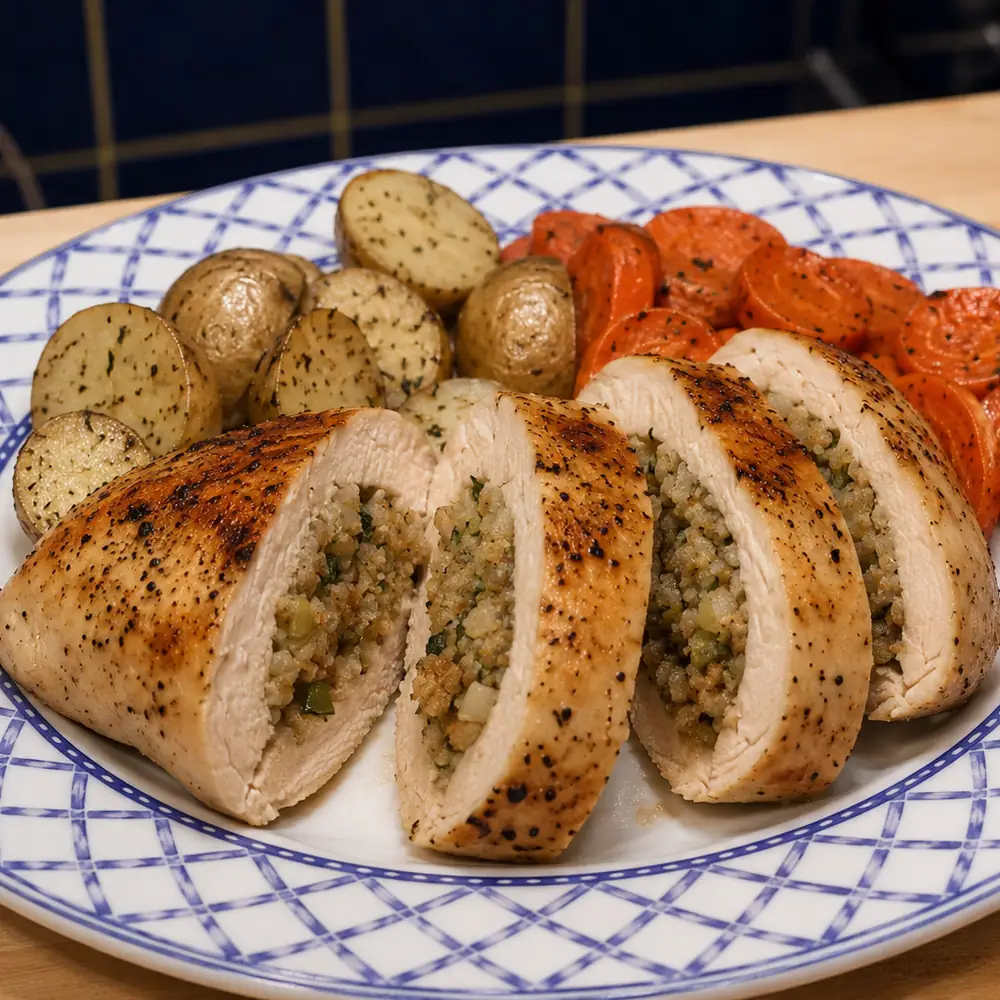
Stuffing stuffed chicken breast is an oven-baked chicken dinner made by filling thick boneless breasts with a buttery bread stuffing seasoned with onion, celery, sage, and thyme. I like this version because the filling stays moist without turning pasty, while the chicken cooks evenly around it. The main mistake to avoid is packing in too much stuffing: leave enough room to close the breast, and look for clear juices and a center temperature of 165°F before serving.
This version is based on my YouTube video, with a few adjustments since publication. I keep the stuffing fairly loose, use just enough broth to soften the bread, and finish everything in the oven so the chicken has time to cook through without scorching the outside.
What Makes This Stuffed Chicken Different
This is essentially a roast chicken dinner packed into individual chicken breasts. Instead of serving bread stuffing separately, the stuffing cooks inside the meat, where it absorbs some of the chicken juices while the sage, thyme, celery, and onion perfume the chicken from the inside.
I prefer this method when I want something more substantial than a basic oven-style marinated chicken but do not want the pastry and sauce of a classic chicken pot pie. It also stays very different from my quick mustard chicken or a creamy chicken and zucchini gratin.
The stuffing is the important part. It should be moist enough to hold together when pressed, but you should still be able to distinguish the bread cubes. If it looks like a wet paste before it goes into the chicken, it will become heavy after baking.
Ingredients You Need
For the chicken, use four fairly large boneless, skinless chicken breasts. Breasts that are similar in size will cook much more evenly. Very thin chicken breasts are difficult to cut and fill without tearing.
For the stuffing, you will need:
4 large boneless, skinless chicken breasts
4 cups day-old bread cubes
3 tablespoons butter
1 small yellow onion, finely diced
2 celery stalks, finely diced
2 garlic cloves, minced
1 teaspoon dried sage
1 teaspoon dried thyme
2 tablespoons chopped fresh parsley
1 to 1 1/4 cups chicken broth
1 tablespoon Dijon mustard
1 tablespoon olive oil
1 teaspoon kosher salt
1/2 teaspoon black pepper
Day-old bread works particularly well because it absorbs broth without immediately collapsing. Fresh bread can still be used, but I would cube it and dry it briefly in a low oven first.
Dice the onion and celery fairly small. Large chunks make the filling harder to pack neatly into the chicken. If you want a refresher on getting an even dice, see my guide to cutting an onion. The garlic should also be finely minced so there are no sharp raw pieces in the center. My guide to mincing garlic without burning it covers the basic technique.

Step-by-Step Instructions
1. Make the bread stuffing
Preheat the oven to 375°F.
Melt the butter in a skillet over medium heat. Add the onion and celery with a small pinch of salt. Cook for about 5 minutes, stirring occasionally, until the onion looks translucent and the celery has started to soften.
Add the garlic, sage, and thyme. Cook for another 30 seconds. The herbs should smell noticeably stronger at this point, but the garlic should not brown.
Put the bread cubes in a large bowl. Pour the hot onion mixture over them, add the parsley, and toss. Add about 1 cup of chicken broth gradually rather than all at once.
What I look for here is bread that feels moist when squeezed but does not release liquid. Add the remaining broth only if the bread still feels dry. Let the stuffing cool for several minutes before putting it into raw chicken.

2. Cut pockets in the chicken
Place each chicken breast flat on a cutting board. With a sharp knife, cut horizontally into the thick side to make a deep pocket. Do not cut completely through the opposite side.
Open the breast slightly and season the inside and outside with salt and pepper. Spread a very thin layer of Dijon mustard inside each pocket.
Do not pound the chicken extremely thin for this recipe. A thicker breast provides enough structure to hold the stuffing and protects it from drying out while the center cooks.
If you want a simpler preparation where the breast itself is the focus, my juicy air-fryer chicken breast uses a completely different approach.

3. Stuff and close the chicken
Spoon the cooled stuffing into each chicken breast. Depending on their size, each breast will hold roughly 1/2 to 3/4 cup.
The mistake to avoid is forcing every bit of stuffing inside. Overfilled breasts split open as they cook, and the exposed stuffing dries quickly. The chicken should close around the filling with only a small amount visible at the opening.
Secure each breast with two or three toothpicks if necessary.
Brush the exterior lightly with olive oil. Arrange the stuffed breasts in a baking dish with a little space between them so hot air can circulate around the meat.
4. Bake until the chicken is done
Bake at 375°F for approximately 25 to 35 minutes. Exact cooking time depends heavily on the thickness of the chicken and how much stuffing is inside.
Do not judge stuffed chicken only by the color of the outside. Insert an instant-read thermometer into the thickest part of the chicken, avoiding the stuffing pocket. The chicken should reach 165°F. My chicken internal temperature guide goes into more detail on checking different chicken cuts safely.
The exterior should be lightly golden, the juices around the chicken should be clear rather than pink, and the stuffing in the center should be steaming hot. Let the breasts rest for 5 to 10 minutes before removing the toothpicks and slicing.
Resting matters especially with stuffed chicken. Cut it immediately and both the juices and the stuffing tend to spill onto the cutting board.


What to Serve With Stuffed Chicken Breast
Because the chicken already contains bread stuffing, I usually choose a vegetable or potato side rather than adding another heavy starch.
For a classic Sunday-dinner plate, traditional gratin dauphinois gives you creamy potatoes alongside the herby stuffing. Lyonnaise potatoes are a less creamy option with browned onions and potatoes.
For something fresher, a crisp romaine and endive salad gives the plate some bitterness and crunch. A grated carrot salad with mustard vinaigrette also works well because the acidity cuts through the buttery stuffing.
If you want gravy, keep it simple. A spoonful of smooth homemade brown gravy over the sliced chicken makes this feel much more like a holiday-style roast dinner without requiring a whole turkey.
Chef Tips for Better Stuffed Chicken
Use chicken breasts of similar thickness. One very large breast beside three smaller ones makes timing unnecessarily difficult.
Let the stuffing cool before filling the chicken. It does not have to be refrigerator-cold, but I do not put piping-hot stuffing directly into raw chicken.
Keep the stuffing loose. As the bread absorbs moisture and heats in the oven, it expands slightly. Packing it tightly gives you a dense center instead of a light stuffing.
I also prefer checking temperature from the side of the chicken rather than straight through the top. It is easier to position the thermometer in the thickest portion of meat without accidentally measuring the hot stuffing instead.
If you enjoy the roast-chicken-and-stuffing combination, my roast turkey with bacon and bread stuffing uses the same general comfort-food idea on a much larger scale.
Substitutions
Day-old white bread can be replaced with sourdough or a rustic country loaf. The flavour changes slightly, but the important thing is that the bread is dry enough to absorb the broth without becoming mushy.
Fresh sage and thyme can replace dried herbs. Since fresh herbs are less concentrated, use a little more and chop them finely.
If you do not want Dijon mustard, simply leave it out rather than replacing it with a strongly flavoured sauce. The mustard is only there to add a little acidity and seasoning behind the stuffing.
Chicken thighs are not a direct substitute here because they are much harder to create a deep stuffing pocket in. For a thigh-based dinner, something like one-pan chicken thighs with potatoes is better suited to that cut.
You can also change the overall flavour direction by adding a small amount of cooked bacon to the stuffing, but keep the bread, broth, onion, and celery proportions roughly the same so the texture remains balanced.

FAQ
Can I prepare stuffed chicken breasts ahead of time?
You can make the stuffing ahead and refrigerate it separately. For the best texture and simpler food handling, cut and stuff the raw chicken closer to cooking time rather than leaving assembled raw chicken sitting for a long period.
How do I keep stuffed chicken breast from drying out?
The two main things are choosing reasonably thick breasts and not overcooking them. Start checking the temperature before you think they are finished, especially if the breasts are smaller. Once the thickest part reaches 165°F, remove them from the oven and let them rest.
Why is my stuffing soggy?
Usually there was too much broth or the bread was extremely fresh. Add broth gradually and stop when the cubes are moistened and beginning to hold together. They should not be swimming in liquid.
Why does the stuffing fall out?
The pocket may be too shallow, or the chicken may simply be overfilled. Leave an uncut border around the breast and use toothpicks to hold the opening together while it bakes.
Can I use boxed stuffing?
Yes, prepared boxed stuffing can work as a shortcut. Let it cool before filling the chicken and avoid making it overly wet. Since boxed stuffing is generally already well seasoned, taste it before adding extra salt or herbs.
Is this a holiday recipe?
It works very well for Thanksgiving or Christmas because the sage-and-bread filling has the flavours people associate with a roast dinner. But it is practical enough for a regular fall or winter Sunday dinner, and there is no reason you cannot make it year-round.
Suggested Posts
If you want another chicken dinner with a different texture and cooking method, try my crispy oven-baked chicken tenders.
For a saucier stovetop option, the easy hunter’s chicken goes in a completely different direction while staying in the same chicken dinner cluster.
My maple roast chicken is another good choice when you want a traditional oven-roasted meal.
For more ideas beyond individual recipes, browse my homemade chicken recipe guide or my collection of mashed potato and potato side dishes. The sitemap supplied for this recipe confirms these English chicken, technique, and side-dish URLs.

Easy Stuffing Stuffed Chicken Breast
Ingredients
- 4 large boneless skinless chicken breasts
- 4 cups day-old bread cubes
- 3 tablespoons butter
- 1 small yellow onion finely diced
- 2 celery stalks finely diced
- 2 garlic cloves minced
- 1 teaspoon dried sage
- 1 teaspoon dried thyme
- 2 tablespoons fresh parsley chopped
- 1 to 1 1/4 cups chicken broth
- 1 tablespoon Dijon mustard
- 1 tablespoon olive oil
- 1 teaspoon kosher salt
- 1/2 teaspoon black pepper
Instructions
- Preheat the oven to 375°F and butter or lightly oil a baking dish.
- Cook the onion and celery in butter for about 5 minutes, then add the garlic, sage, and thyme and cook for 30 seconds.
- Combine the cooked vegetables with the bread and parsley. Gradually add enough broth to moisten the bread without making it soggy, then cool slightly.
- Cut a deep horizontal pocket into each chicken breast without cutting completely through.
- Season the chicken, spread a little Dijon inside each pocket, and fill loosely with the cooled stuffing.
- Secure the openings with toothpicks if needed, brush the chicken with olive oil, and arrange in the baking dish.
- Bake for 25 to 35 minutes, or until the thickest part of the chicken reaches 165°F.
- Rest for 5 to 10 minutes, remove the toothpicks, and slice before serving.