Pork Shoulder Ragu for Pasta
Pork shoulder ragu is a slow-cooked pasta sauce made with tender pork shoulder, tomatoes, aromatics, herbs, and a gentle simmer until the meat pulls apart into rich, saucy strands. It is different from a quick ground meat sauce because the pork cooks low and slow, giving the sauce a deeper texture and a more rustic Italian-style flavor.
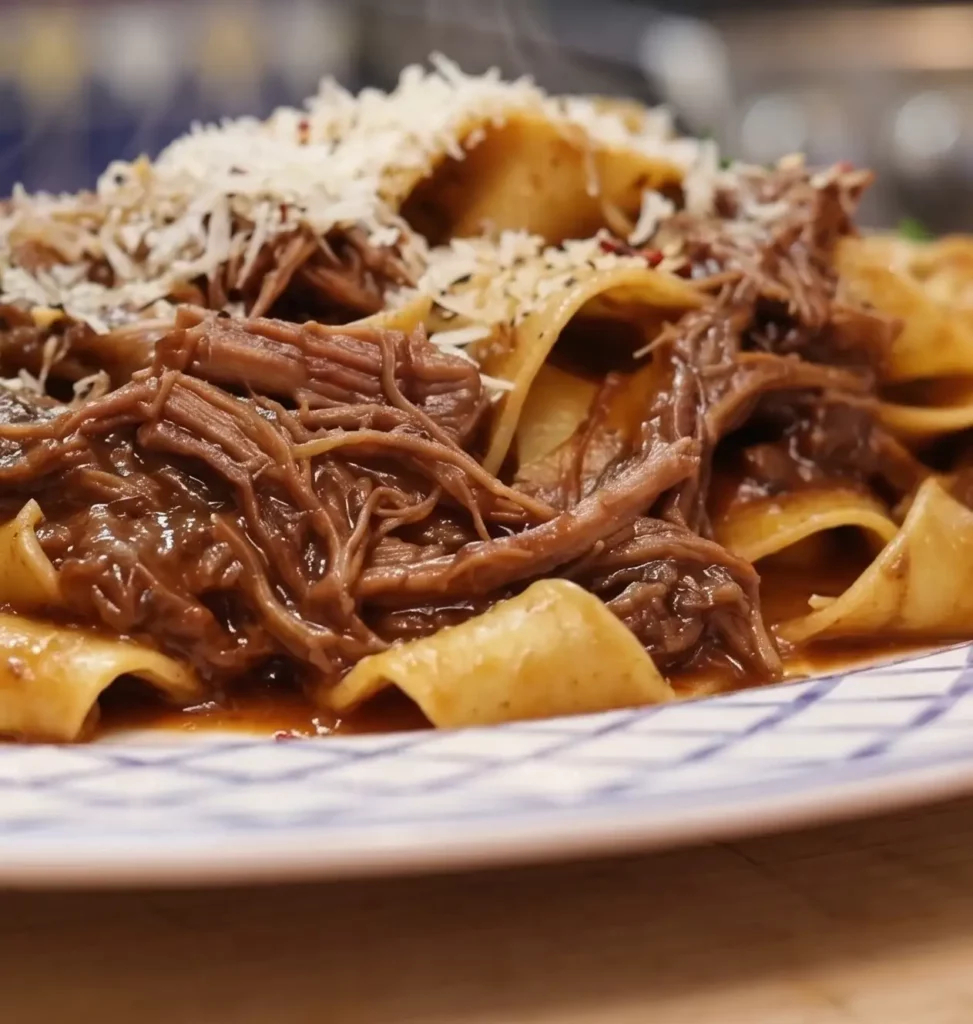
This is the kind of pasta recipe I make when I want something hearty, comforting, and useful for both a family dinner and meal prep. It works all year because it can be served with pappardelle, rigatoni, spaghetti, gnocchi, or even baked into a pasta dish the next day.
This recipe is based on my YouTube video, with a few adjustments since publication to make the sauce easier to follow, more balanced, and better suited for home kitchens in Canada and the USA. I make it this way because pork shoulder has enough fat and connective tissue to become tender during a long simmer, and once it is shredded into the sauce, it coats the pasta beautifully without needing a complicated technique.
Why This Pork Ragu Works
Pork shoulder is one of the best cuts for a slow pasta sauce. It is more flavorful than pork tenderloin, more tender after slow cooking than lean pork loin, and more affordable than many premium cuts. When it cooks slowly in tomatoes, broth, onion, garlic, and herbs, it becomes soft enough to shred directly into the sauce.
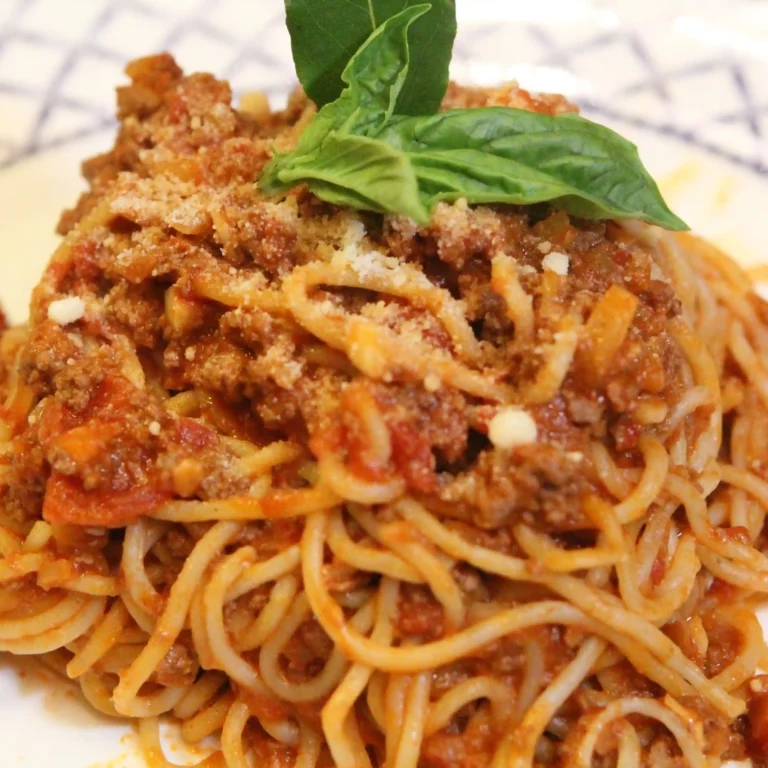
This recipe is not the same as a fast tomato pasta or a ground meat sauce. A sauce like homemade Bolognese is built around ground meat and a finer texture. This pork shoulder ragu is chunkier, deeper, and more rustic. It has the comfort of a stew, but it is designed to cling to pasta.
It also connects well with other slow-cooked pork recipes without overlapping them. Oven or slow cooker pulled pork is usually sweeter, smokier, and better for sandwiches. Rustic pork stew with carrots and lentils is more of a complete stew. This recipe sits in the pasta category, using pork shoulder as the base for a sauce.
The Best Cut of Pork for Ragu
Pork shoulder is the best choice for this recipe. It can also be labeled pork butt or Boston butt in Canada and the United States. It has enough marbling to stay juicy during a long simmer, and it breaks down into tender pieces when cooked properly.
Avoid pork tenderloin for this recipe. Tenderloin is excellent for quick cooking, but it is too lean for a long ragu. It is better used for skillet recipes or medallions. Pork loin can work in a pinch, but it will be leaner and may not shred as well.
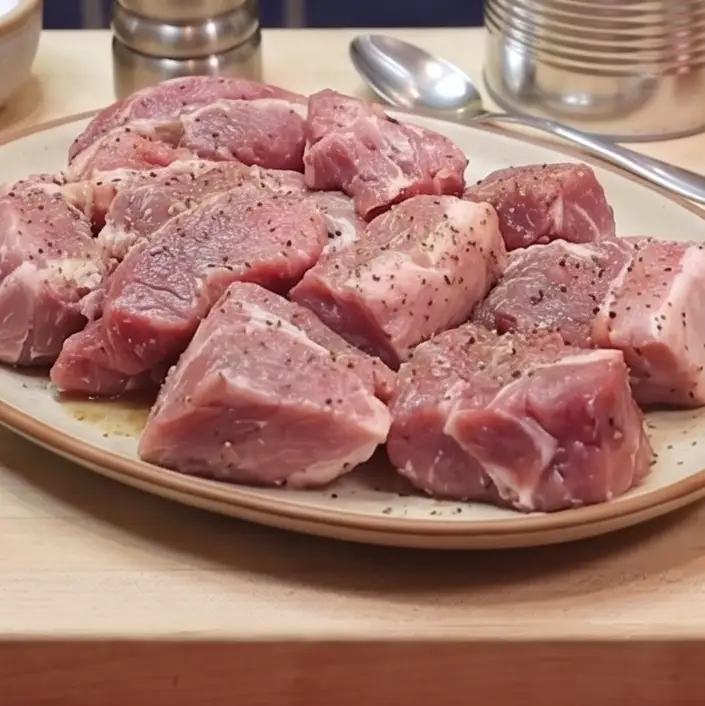
Bone-in pork shoulder can also be used, but boneless is easier for pasta sauce. If using bone-in, cook it until tender, remove the bone, shred the meat, then return the pork to the sauce.
For the pasta, use a shape that can hold a rich sauce. Pappardelle, tagliatelle, rigatoni, paccheri, and fusilli are all excellent. If you enjoy hearty pasta recipes, this ragu belongs in the same comfort zone as weeknight beef ragout and 30-minute pasta dinners, but with a slower, more rustic pork sauce.
Ingredients You Will Need
The base starts with pork shoulder, salt, pepper, olive oil, onion, carrot, celery, garlic, tomato paste, crushed tomatoes, broth, herbs, and a little cream or butter at the end if desired.
The onion, carrot, and celery create the classic aromatic base. They do not need to be perfect, but they should be chopped small enough to melt into the sauce. Garlic adds depth, tomato paste gives concentration, and crushed tomatoes form the body of the ragu.
A small amount of broth keeps the sauce from becoming too thick before the pork is tender. Chicken broth works well because it supports the pork without making the sauce too heavy. Beef broth gives a deeper flavor, but it can dominate if used too much.
Herbs are important, but they should not take over. Bay leaf, thyme, oregano, parsley, or basil all work. A parmesan rind is optional, but it adds a savory background flavor during the simmer.
At the end, a small knob of butter or splash of cream softens the acidity of the tomatoes and helps the sauce coat the pasta. This is not a cream sauce like creamy mozzarella parmesan pasta, but a little richness makes the ragu smoother.
How to Make Pork Shoulder Ragu for Pasta
Start by cutting the pork shoulder into large chunks. Season generously with salt and black pepper. Browning the meat is important because it builds the foundation of the sauce. Heat olive oil in a heavy pot or Dutch oven, then sear the pork in batches until browned on several sides. Do not crowd the pot, or the meat will steam instead of brown.
Remove the pork and lower the heat. Add the onion, carrot, and celery. Cook until softened, scraping the bottom of the pot as the vegetables release moisture. Add the garlic and tomato paste, then cook for another minute. This step removes the raw taste from the tomato paste and deepens the sauce.
Return the pork to the pot. Add crushed tomatoes, broth, bay leaf, thyme, and a pinch of oregano. Bring everything to a gentle simmer, then cover partially and cook slowly until the pork is fork-tender. This usually takes about 2 1/2 to 3 hours on the stovetop, depending on the size of the pork pieces.
When the pork is tender, remove it from the sauce and shred it with two forks. Return the shredded pork to the pot and simmer uncovered until the sauce is thick enough to coat pasta. Taste and adjust the seasoning. If the sauce tastes too acidic, add a small knob of butter. If it needs brightness, add a little chopped parsley or basil at the end.
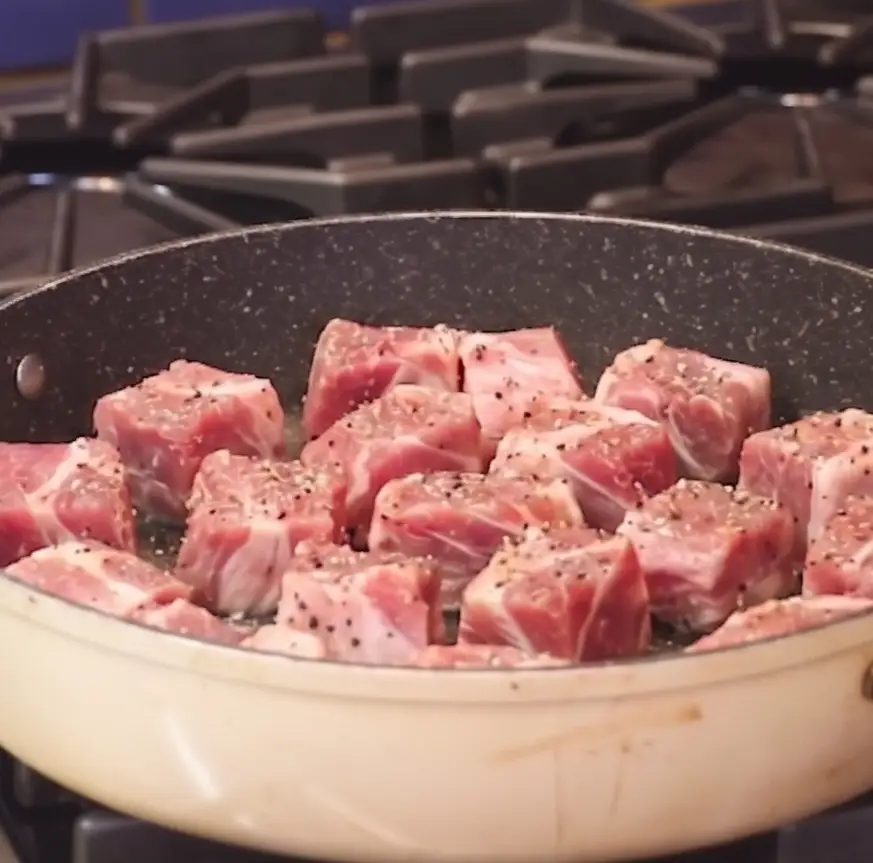
Cook the pasta in salted water until al dente. Reserve some pasta water before draining. Toss the pasta directly with the ragu, adding a splash of pasta water if needed to loosen the sauce. Serve with parmesan and black pepper.
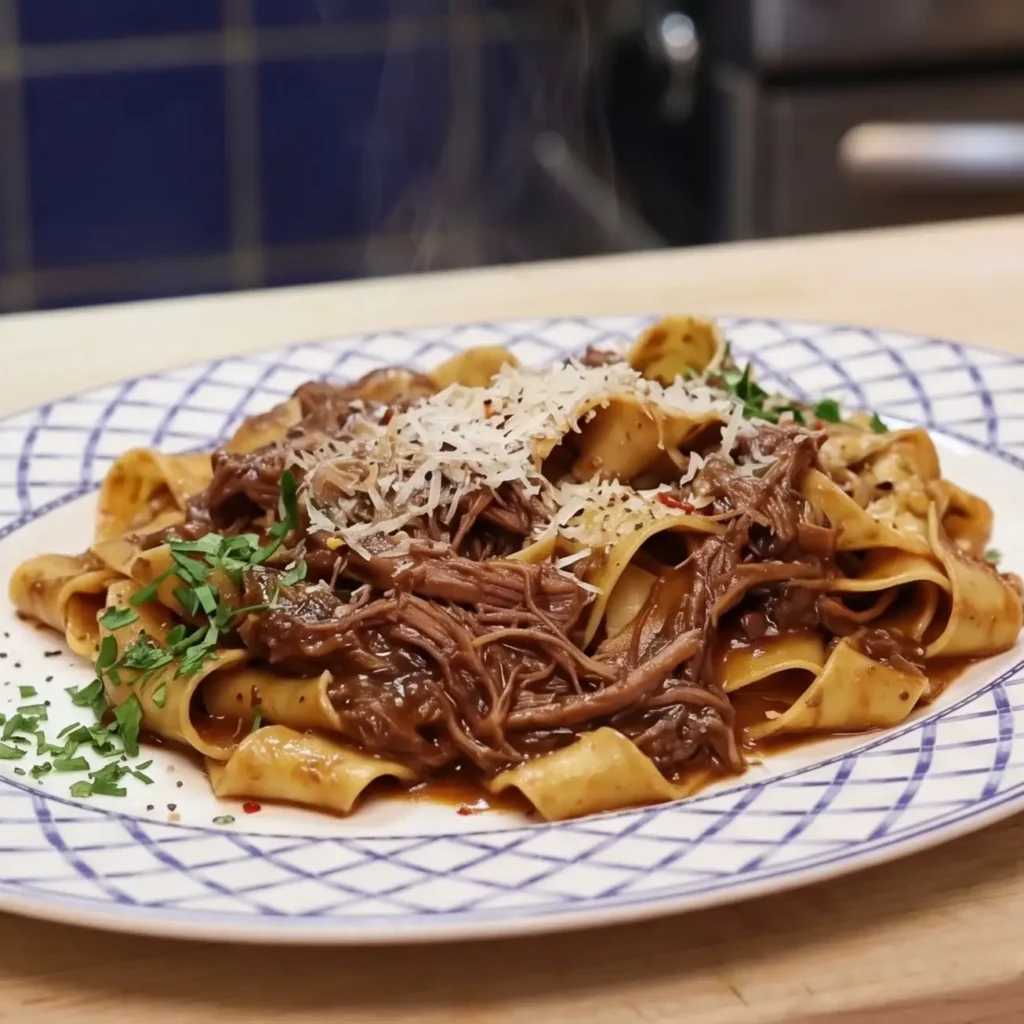
How to Serve Pork Ragu
This sauce is best with pasta shapes that can hold a thick sauce. Pappardelle gives it a restaurant-style feel, rigatoni makes it hearty, and fusilli catches the shredded pork in every bite. Spaghetti works too, but wide or ridged pasta gives a better texture.
For a simple meal, serve the ragu with a green salad and bread. If you want a more generous dinner, add a side like traditional gratin dauphinois for a French-inspired meal, or Parisian potatoes if you are serving the pork ragu without pasta the next day.
This sauce also works very well for leftovers. Spoon it over polenta, use it in a baked pasta, serve it with gnocchi, or make a sandwich with melted cheese. It is more versatile than a regular tomato sauce and can easily become two meals.
For pasta lovers, this recipe pairs naturally with other comforting ideas like creamy linguine carbonara, easy cacio e pepe, pasta alla zozzona with sausage, and merguez pasta. Those recipes are faster and more weeknight-focused, while this pork ragu is for when you want a deeper slow-cooked sauce.
Substitutions
You can use pork butt, Boston butt, or boneless pork shoulder. All three work well for this recipe. Pork loin can be used, but it will be leaner and less tender after a long simmer.
Crushed tomatoes can be replaced with whole canned tomatoes crushed by hand. Tomato passata can also work if you prefer a smoother sauce.
Chicken broth can be replaced with beef broth, vegetable broth, or a mix of broth and red wine. If using red wine, add it after the tomato paste and let it reduce for a few minutes before adding the tomatoes.
For a spicy version, add chili flakes with the garlic. For a richer version, add a parmesan rind during the simmer. For a slightly creamy pork ragu, stir in a small splash of cream at the end.
You can also add mushrooms for a deeper flavor. Brown them after the vegetables and before the tomato paste. The result is closer to a rustic pork and mushroom ragu, which works especially well with pappardelle.
Health and Nutrition Context
This pork ragu is a hearty comfort food with a good amount of protein from the pork shoulder. Because pork shoulder is richer than lean cuts, the sauce feels satisfying even with a moderate portion of pasta.
For a lighter plate, serve a smaller portion of pasta with extra sauce and a salad on the side. For a more filling family-style meal, serve it with rigatoni, parmesan, and crusty bread.
This recipe is not limited to cold weather. It is cozy enough for fall and winter, but it also works year-round because the sauce can be made ahead, frozen, and served with different pasta shapes depending on the season.
FAQ
Can I make pork ragu ahead of time?
Yes. Pork ragu is even better the next day because the sauce has time to develop more flavor. Cool it completely, refrigerate it, then reheat gently on the stove.
Can I freeze pork shoulder ragu?
Yes. Freeze the sauce without pasta in airtight containers. Reheat gently and cook fresh pasta when ready to serve.
What pasta is best with pork ragu?
Pappardelle, tagliatelle, rigatoni, paccheri, and fusilli are all excellent. The best pasta is wide or ridged enough to hold the shredded pork sauce.
Can I make this in a slow cooker?
Yes. Brown the pork and vegetables first, then transfer everything to a slow cooker. Cook on low until the pork is tender, usually 7 to 8 hours. Shred the pork, return it to the sauce, and reduce if needed.
Can I make this without wine?
Yes. This version uses broth, so wine is optional. If you use wine, reduce it before adding the tomatoes so the sauce tastes rounded, not sharp.
How is pork ragu different from pulled pork?
Pulled pork is often smoky, sweet, or barbecue-style. Pork ragu is tomato-based, savory, and made for pasta. The pork is shredded, but the flavor profile and purpose are different.
Suggested Posts
For more pork recipes, try oven or slow cooker pulled pork, oven pork roast, rustic pork stew with carrots and lentils, maple BBQ pork ribs, and classic French cassoulet.
For pasta ideas, this ragu fits well beside homemade Bolognese sauce, pasta alla zozzona with sausage, merguez pasta, creamy linguine carbonara, and easy cacio e pepe.
For sides and sauces, serve it with traditional Quebec cabbage salad, classic brown sauce for sauce technique inspiration, or homemade garlic butter on toasted bread.
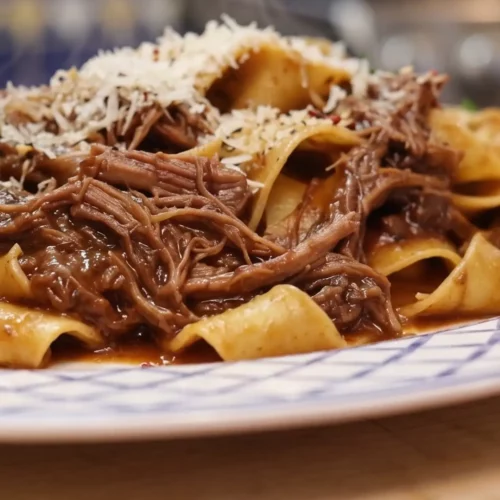
Pork Shoulder Ragu for Pasta
Ingredients
- 2 1/2 lb boneless pork shoulder cut into large chunks
- 1 1/2 tsp salt
- 1 tsp black pepper
- 2 tbsp olive oil
- 1 large onion finely diced
- 1 carrot finely diced
- 1 celery stalk finely diced
- 4 cloves garlic minced
- 2 tbsp tomato paste
- 1 can crushed tomatoes 28 oz
- 1 cup chicken broth
- 1 bay leaf
- 1 tsp dried oregano
- 1/2 tsp dried thyme
- 1 parmesan rind optional
- 1 tbsp butter optional
- 1 1/2 lb pappardelle rigatoni, or tagliatelle
- 1/2 cup grated parmesan plus more for serving
- 2 tbsp chopped parsley or basil
- Chili flakes optional
Instructions
- Season the pork shoulder chunks with salt and black pepper.
- Heat olive oil in a Dutch oven or heavy pot over medium-high heat.
- Sear the pork in batches until browned on several sides. Remove and reserve.
- Lower the heat to medium. Add onion, carrot, and celery. Cook for 5 to 7 minutes, scraping the bottom of the pot.
- Add garlic and tomato paste. Cook for 1 minute.
- Return the pork to the pot.
- Add crushed tomatoes, chicken broth, bay leaf, oregano, thyme, and parmesan rind if using.
- Bring to a gentle simmer. Cover partially and cook on low heat for 2 1/2 to 3 hours, until the pork is fork-tender.
- Remove the pork, shred it with two forks, then return it to the sauce.
- Simmer uncovered for 10 to 15 minutes, until the sauce thickens. Stir in butter if desired.
- Cook the pasta in salted water until al dente. Reserve 1 cup of pasta water.
- Toss the pasta with the pork ragu, adding a little pasta water if needed.
- Finish with parmesan, parsley or basil, black pepper, and chili flakes if desired. Serve hot.
Notes
FAQ
Can I make pork ragu ahead of time?
Yes. Pork ragu is even better the next day because the sauce has time to develop more flavor. Cool it completely, refrigerate it, then reheat gently on the stove.Can I freeze pork shoulder ragu?
Yes. Freeze the sauce without pasta in airtight containers. Reheat gently and cook fresh pasta when ready to serve.What pasta is best with pork ragu?
Pappardelle, tagliatelle, rigatoni, paccheri, and fusilli are all excellent. The best pasta is wide or ridged enough to hold the shredded pork sauce.Can I make this in a slow cooker?
Yes. Brown the pork and vegetables first, then transfer everything to a slow cooker. Cook on low until the pork is tender, usually 7 to 8 hours. Shred the pork, return it to the sauce, and reduce if needed.Can I make this without wine?
Yes. This version uses broth, so wine is optional. If you use wine, reduce it before adding the tomatoes so the sauce tastes rounded, not sharp.How is pork ragu different from pulled pork?
Pulled pork is often smoky, sweet, or barbecue-style. Pork ragu is tomato-based, savory, and made for pasta. The pork is shredded, but the flavor profile and purpose are different.🔗 Useful Links
🛒 Michel Dumas Shop : Explore our kitchen essentials, including aprons and knives.
🌐 Linktree : Access all our important links in one place.
📱 YouTube | Instagram | Facebook | TikTok : Follow us for the latest recipes and culinary tips.